The Culinary Heritage and Modern Appeal of Authentic West Javanese Sayur Asem Sunda for Family Luncheons

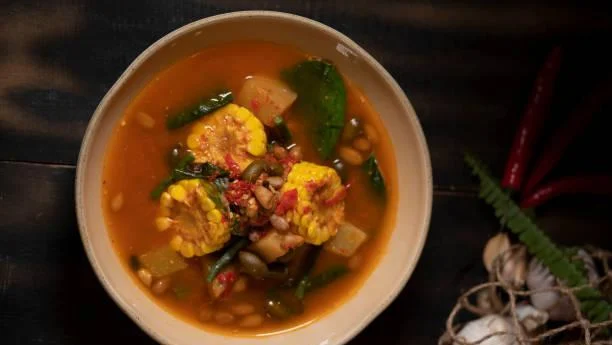
The culinary landscape of West Java offers a rich tapestry of flavors characterized by freshness, simplicity, and a delicate balance of contrasting tastes. Among the most iconic representations of Sundanese gastronomy is sayur asem, a traditional tamarind-based vegetable soup that has anchored domestic dining tables and restaurant menus across Indonesia for generations. As urban lifestyles increasingly lean toward fast-paced dining options, traditional home-cooked meals like sayur asem continue to retain their cultural significance, serving as a cornerstone of communal family gatherings, particularly during midday meals.
The enduring popularity of this dish lies in its unique flavor profile. Unlike regional variants from Central Java or East Java, which often emphasize deeper sweetness or distinct pungency from fermented shrimp paste, the Sundanese iteration is renowned for its vibrant, clean acidity, gentle sweetness, and a mild, manageable kick of heat. This specific profile makes it an ideal accompaniment to heavier, fried, or grilled proteins such as salted fish, fried chicken, or spiced beef, effectively cutting through grease and refreshing the palate.
Culinary Origins and Cultural Significance of Sundanese Gastronomy
To understand the prominence of sayur asem in Sundanese culture, one must examine the agricultural abundance of the Priangan highlands in West Java. Historically, the Sundanese people have maintained a close relationship with their natural environment, heavily incorporating fresh vegetables, known locally as lalapan, and herbaceous plants into their daily diet. The Sundanese kitchen relies heavily on raw or lightly cooked ingredients, preserving natural textures and nutritional values.
Sayur asem emerged as a practical yet sophisticated culinary creation that utilized locally harvested root vegetables, legumes, and indigenous souring agents. The use of tamarind, or asem in the local language, serves not only as a defining flavor element but also as a natural preservative in a tropical climate. Over centuries, the recipe has evolved from a humble peasant meal into a staple of Sundanese restaurants, known locally as rumah makan Sunda, where it is frequently served alongside steamed rice, sambal terasi, and various side dishes.
Nutritional Profile and Dietary Advantages of Traditional Vegetable Soups
In contemporary nutritional science, traditional vegetable soups like sayur asem are increasingly recognized for their health benefits. Modern dietary guidelines consistently emphasize the importance of consuming a diverse array of dietary fiber, vitamins, and minerals derived from whole foods. A standard bowl of Sundanese sayur asem incorporates a wide variety of plant-based ingredients, each contributing distinct nutritional advantages.
Key components commonly found in the dish include chayote squash (labu siam), long beans (kacang panjang), melinjo leaves and seeds (Gnetum gnemon), sweet corn, and peanuts. Chayote is low in calories and rich in dietary fiber, Vitamin C, and folate, supporting metabolic health and cellular function. Melinjo seeds and leaves are packed with antioxidants, which help combat oxidative stress within the body. Furthermore, the inclusion of legumes provides a modest source of plant-based protein and essential amino acids.
The cooking method itself—typically boiling rather than deep-frying—ensures that the vegetables retain a significant portion of their micronutrients without absorbing excessive fats. The tamarind-infused broth promotes digestion, making the dish particularly suitable for consumption during the warmer midday hours when heavy foods might induce lethargy.
Deconstructing the Flavor Profile: The Anatomy of Authentic Sundanese Broth
The distinct character of Sundanese sayur asem is defined by its precise seasoning paste, known as bumbu. While regional variations across the Indonesian archipelago incorporate candle nuts, shallots, garlic, and galangal, the Sundanese variant distinguishes itself through the careful balancing of sourness derived from fresh tamarind juice or raw tamarind pods (asem Jawa), balanced with palm sugar (gula merah) to impart a subtle, rounded sweetness.
An essential element that elevates the aromatic profile of the soup is the inclusion of quality processed shrimp paste (terasi). When toasted and ground together with shallots, garlic, and red chili peppers, the shrimp paste introduces umami depth that marries the tartness of the tamarind with the natural sweetness of the corn and chayote. The resulting broth is characteristically translucent yet tinted with a warm, reddish hue from the chilies, avoiding the heavy, opaque consistency found in coconut milk-based preparations.
Step-by-Step Culinary Guide: Preparing Authentic Sundanese Sayur Asem at Home
Replicating the authentic flavors of West Java in a home kitchen requires adherence to traditional preparation techniques and precise ingredient selection. Designed to yield approximately three standard portions, the following methodology outlines the standard culinary process practiced by Sundanese home cooks and professional chefs alike.
Preparation and Cooking Timeline
- Preparation Time: 15 minutes
- Cooking Time: 15 minutes
- Total Duration: 30 minutes
- Difficulty Level: Easy
- Yield: 3 servings
- Regional Origin: West Java, Indonesia
- Food Category: Vegetable Soup
Required Ingredients
While exact quantities may be adjusted according to personal preference, a balanced pot of Sundanese sayur asem typically requires the following components:
- 150 grams of chayote squash, peeled and diced into bite-sized cubes
- 100 grams of long beans, cut into 3-centimeter lengths
- 1 cob of sweet corn, sliced into thick rounds
- 50 grams of melinjo seeds and a small handful of young melinjo leaves
- A handful of raw peanuts (optional, for added texture and earthy flavor)
- 2 liters of clean drinking water
- 3 tablespoons of tamarind extract (derived from tamarind pulp soaked in warm water)
- 2 tablespoons of palm sugar, finely shaved
- 2 stalks of lemongrass (serai), bruised
- 3 centimeters of fresh galangal (laos), bruised
- 2 bay leaves (daun salam)
- Salt and granulated sugar to taste
Ground Spice Paste Ingredients:
- 5 cloves of red shallots
- 2 cloves of garlic
- 3 large red chili peppers (seeds removed for milder heat)
- 1 teaspoon of high-quality Sundanese shrimp paste (terasi), lightly toasted
Chronological Cooking Instructions
- Stock Preparation: Begin by bringing the two liters of water to a rolling boil in a deep ceramic or stainless-steel pot over medium heat.
- Incorporating Aromatics and Hard Vegetables: Add the bruised lemongrass, galangal, and bay leaves to the boiling water, allowing them to release their essential oils for approximately three minutes. Subsequently, introduce the sliced sweet corn and raw peanuts, as these dense ingredients require a longer cooking duration to achieve the desired tenderness.
- Preparing and Adding the Spice Paste: While the corn softens, grind the shallots, garlic, red chilies, and toasted shrimp paste together using a traditional mortar and pestle until a smooth paste is formed. Alternatively, a food processor may be utilized, though manual grinding yields a superior release of aromatic oils. Transfer the ground spice paste directly into the boiling pot, stirring thoroughly to integrate the flavors into the broth.
- Introducing Tender Vegetables: Allow the soup to simmer for five minutes before adding the diced chayote squash and long beans. Maintain a medium heat to ensure the vegetables cook evenly without becoming overly mushy.
- Seasoning and Balancing Flavors: Pour in the tamarind extract and add the shaved palm sugar. Stir the mixture continuously to dissolve the sugar and distribute the acidity. Season with salt and additional sugar if necessary, aiming for a harmonious equilibrium where the sourness is immediately perceptible, followed by a gentle, lingering sweetness and a mild hint of spice.
- Final Addition: In the final two minutes of cooking, toss in the melinjo leaves, stirring gently until they wilt into the bright broth. Remove the pot from the heat source immediately to preserve the vibrant green color and crisp texture of the vegetables.
- Serving Presentation: Ladle the hot sayur asem into a deep ceramic bowl, ensuring an even distribution of corn, beans, and squash. Serve immediately alongside warm white rice and protein side dishes.
Socio-Economic Implications and the Preservation of Traditional Recipes
The preservation of traditional recipes such as Sundanese sayur asem carries broader socio-economic and cultural implications. In an era dominated by processed convenience foods and international culinary franchises, the transmission of indigenous cooking knowledge acts as a vital link to cultural identity. Culinary historians and sociologists note that family recipes passed down through generations reinforce domestic bonds and cultural continuity within Indonesian households.
Furthermore, the preparation of traditional dishes supports local agricultural economies. The ingredients foundational to sayur asem—ranging from locally cultivated shallots and chilies to indigenous produce like melinjo—are predominantly sourced from smallholder farmers across rural Java. By maintaining a steady domestic demand for these crops, everyday home cooking contributes directly to the sustainability of regional farming communities.
Conclusion and Future Outlook
Sayur asem khas Sunda remains an enduring testament to the ingenuity of West Javanese cuisine, transforming simple, accessible ingredients into a harmonious, nutrient-dense culinary experience. Whether prepared in a modest rural kitchen or served in a metropolitan restaurant, the dish continues to fulfill its traditional role as a unifying element for families during midday meals. As awareness of health, nutrition, and cultural heritage grows, traditional vegetable soups are poised to retain their esteemed position within both Indonesian and international gastronomy.
Related posts: