Historical Context and Culinary Significance
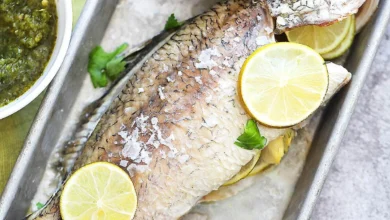
In the landscape of Cantonese cuisine, which is globally celebrated for its emphasis on freshness, the steamed fish serves as a primary barometer for a chef’s technical skill. The history of the dish is deeply rooted in the coastal geography of the Guangdong province, where access to abundant, high-quality seafood led to the development of preparation methods designed to highlight, rather than alter, the catch of the day.
Unlike regional Chinese cuisines that utilize heavy spice profiles, such as the numbing peppercorns of Sichuan or the vinegar-forward profiles of the north, Cantonese cooking focuses on the natural sweetness of the protein. The technique of steaming—a process that uses indirect moist heat—ensures the fish remains succulent. This method became culturally significant in the mid-20th century as it became synonymous with communal dining, often served at the center of a round table during Lunar New Year celebrations, symbolizing prosperity and "abundance" (a linguistic play on the Chinese word for fish, yú, which sounds like the word for "surplus").
The Science of Thermal Precision
The preparation of authentic Cantonese steamed fish is governed by strict, albeit simple, mechanical rules. The fish is typically cleaned of scales, gills, and entrails, and is often scored along the thickest parts of the muscle to ensure even heat penetration. Culinary experts emphasize that the most common failure in home preparation is overcooking.

Data from food science studies on protein denaturation indicate that delicate white fish reaches its peak texture at an internal temperature of approximately 140°F to 145°F (60°C to 63°C). When steamed, a whole fish of average size (roughly 1.5 pounds) typically requires between 6 to 8 minutes of high-intensity steam. Exceeding this window results in the coagulation of albumin, which creates an undesirable, chalky texture and leaches the natural moisture out of the fillet.
The Role of Aromatics and the "Dip Yau" Technique
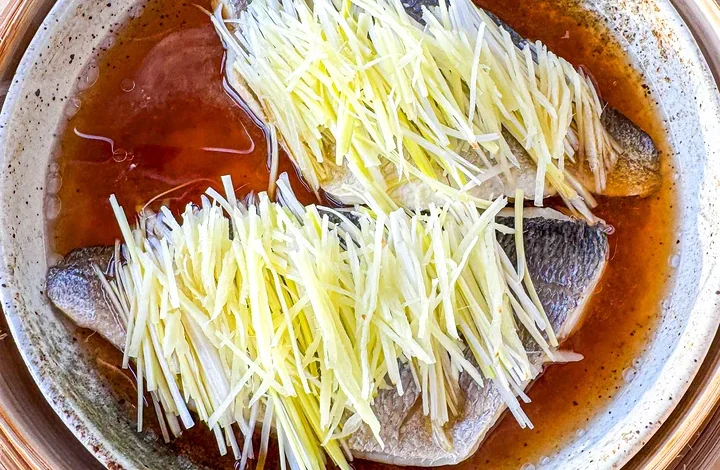
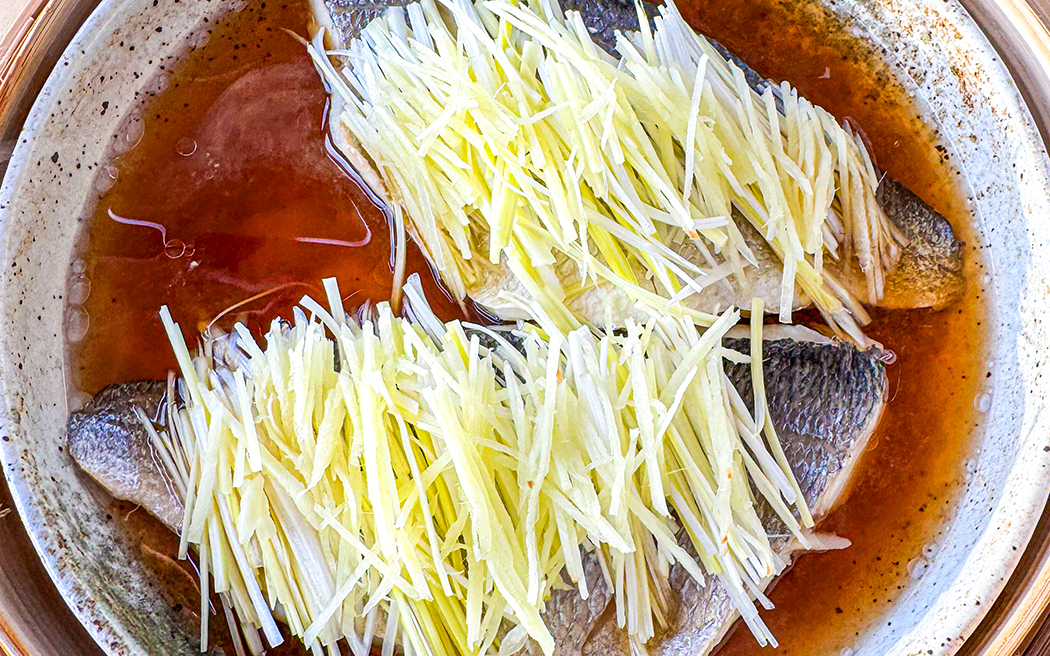
The defining characteristic of the dish is the final seasoning, known as dip yau. Following the steaming process, the fish is topped with julienned ginger and scallions. The "hot oil finish" is the critical technical step where high-temperature cooking oil—often reaching 350°F (175°C)—is poured directly over the raw aromatics.

This process causes a flash-fry effect that instantly releases the essential oils of the ginger and scallions, creating a fragrant infusion that permeates the meat. This technique serves both an aromatic and a culinary function: it removes the raw "bite" of the ginger and softens the scallions while creating a high-heat barrier that locks in the flavors of the soy-based sauce drizzled at the base.
Nutritional Profile and Health Implications
From a nutritional standpoint, Cantonese steamed fish is regarded as a superior preparation method. By opting for steaming instead of pan-frying or deep-frying, the dish eliminates the need for excess added fats and avoids the formation of harmful compounds associated with high-heat oil degradation.

A standard serving of steamed white fish provides approximately 20 to 30 grams of high-quality lean protein, essential Omega-3 fatty acids, and vital micronutrients like Vitamin B12 and selenium. Because the sauce is soy-based, the sodium content can be managed by using low-sodium soy sauce or adjusting the ratio of fish stock to soy sauce, making it a staple in heart-healthy dietary patterns.
Comparative Analysis of Preparation Methods
While whole fish remains the gold standard for traditionalists, the evolution of the recipe has seen increased adoption of fillets, particularly in urban environments where time is a limiting factor.

- Whole Fish: Offers superior moisture retention due to the skin and bone structure acting as a natural buffer against heat. It is the preferred method for formal gatherings.
- Fillets: Allows for faster preparation times (typically 4–5 minutes) and is more convenient for single-person servings. However, because fillets lack the protective bone, they require closer monitoring to prevent the edges from drying out.
Professional culinary institutions often cite the "plate temperature" as a frequently overlooked variable. Using a pre-heated, heat-proof ceramic or metal plate ensures that the fish does not experience a significant temperature drop when removed from the steamer, allowing the sauce to remain emulsified and warm during service.
Broader Economic and Cultural Impact
The global proliferation of Cantonese steamed fish can be traced to the expansion of Cantonese cuisine via the diaspora in the late 19th and early 20th centuries. Today, it serves as a bridge between traditional Chinese culinary education and modern home-cooking trends. The rise of "fast-casual" Asian dining has seen an increased interest in steaming as a healthy, efficient cooking method.

Furthermore, the dish has economic implications for the aquaculture industry. The demand for specific, high-quality white-fleshed fish suitable for steaming—such as sea bream, grouper, or barramundi—has influenced sustainable farming practices in Southeast Asia and beyond, with a shift toward species that offer consistent texture and mild flavor profiles.
Best Practices for Success
To achieve restaurant-quality results, chefs and culinary consultants suggest the following protocols:

- Preparation of the Steam Chamber: Ensure the water is at a rolling boil before introducing the fish. The consistent release of steam is essential for the "flash-cook" method.
- Aromatic Placement: Use chopsticks or a small rack to elevate the fish slightly from the plate. This allows the steam to circulate underneath the fish, ensuring the bottom cooks at the same rate as the top.
- The Soy Sauce Infusion: Traditionalists often recommend a base sauce consisting of premium light soy sauce, a hint of rock sugar, and a small amount of toasted sesame oil. The key is to avoid boiling the soy sauce for too long, as it can turn bitter.
- The Oil Temperature: The oil used for the final pour must be neutral (such as grapeseed or peanut oil) and heated until it just begins to shimmer or smoke. If the oil is not hot enough, the aromatics will stew rather than sizzle, resulting in a muted flavor profile.
Future Trends in Home Steaming
As consumer interest in health-conscious, nutrient-dense cooking continues to rise, the techniques pioneered by Cantonese chefs are being integrated into broader Western culinary practices. The emphasis on "clean" flavors—a cornerstone of the Cantonese palate—is increasingly influencing modern fusion restaurants that prioritize the natural state of fresh ingredients.
The simplicity of the Cantonese steamed fish acts as a corrective to the overly processed, heavily seasoned trends that have dominated much of the modern convenience-food era. By returning to a method that celebrates the raw quality of the protein, the dish remains as relevant today as it was centuries ago. Whether served in a Michelin-starred establishment or a domestic kitchen, the core principles of the dish—restraint, precision, and respect for the ingredient—remain the standard for excellence.