The culinary landscape of autumn comfort food has welcomed a standout addition with the publication of a definitive recipe for Salted Caramel Apple Bread Pudding. This sophisticated yet approachable dessert merges traditional home-style baking with modern flavor profiles, leveraging the seasonal availability of orchard-fresh apples to elevate a classic bread pudding into a gourmet dining experience. As home cooks increasingly seek elevated comfort foods that bridge the gap between casual family dinners and holiday hosting, this recipe offers a masterclass in utilizing pantry staples and seasonal produce.

Background and Culinary Evolution
Bread pudding has historically served as a resourceful solution in global culinary traditions, designed to repurpose stale bread by soaking it in a spiced custard and baking it until set. Originating centuries ago as a frugal dish for working-class households, it has since evolved into a staple of American comfort cuisine, particularly in the Southern states and across traditional European bakeries.
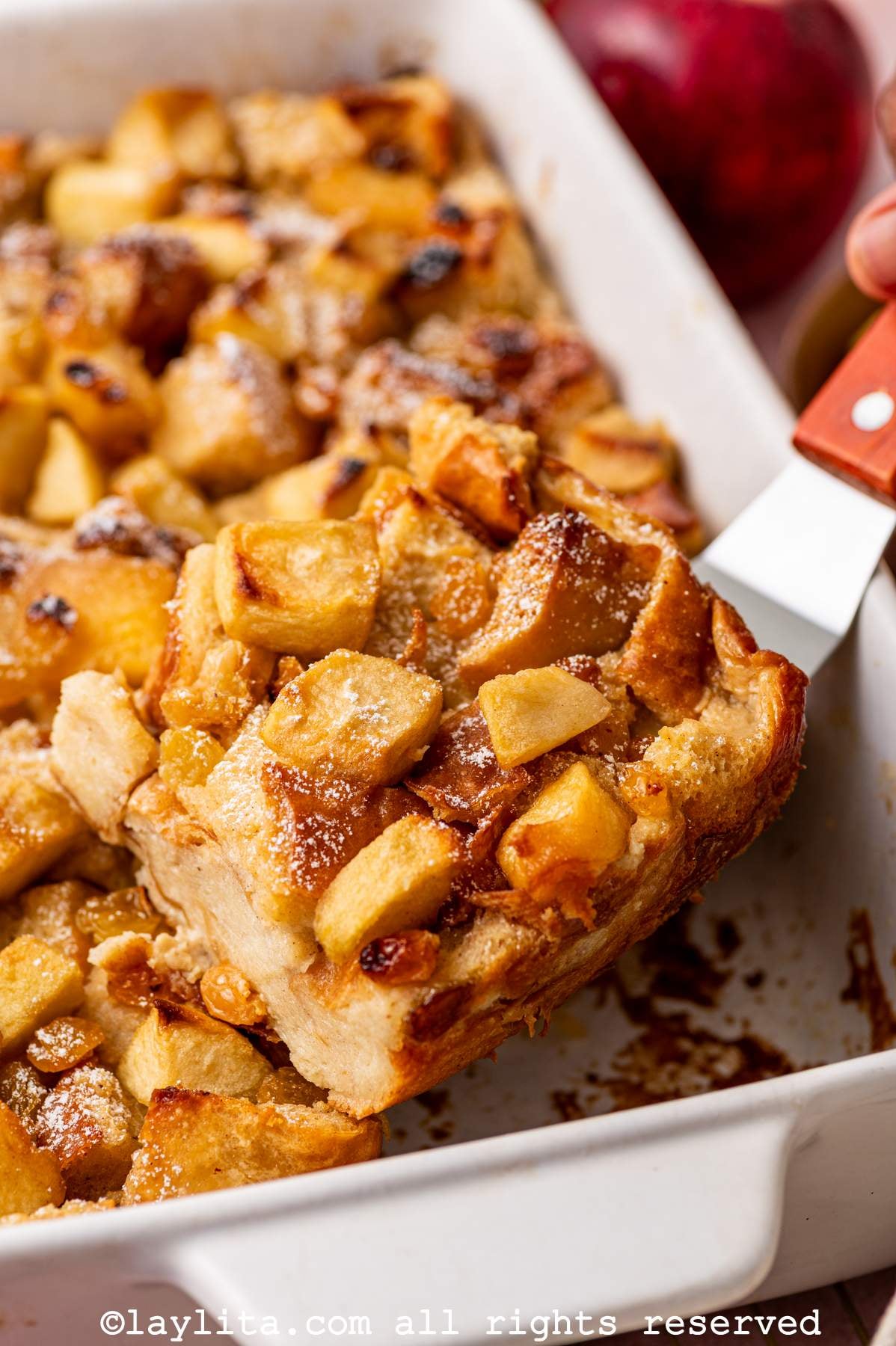
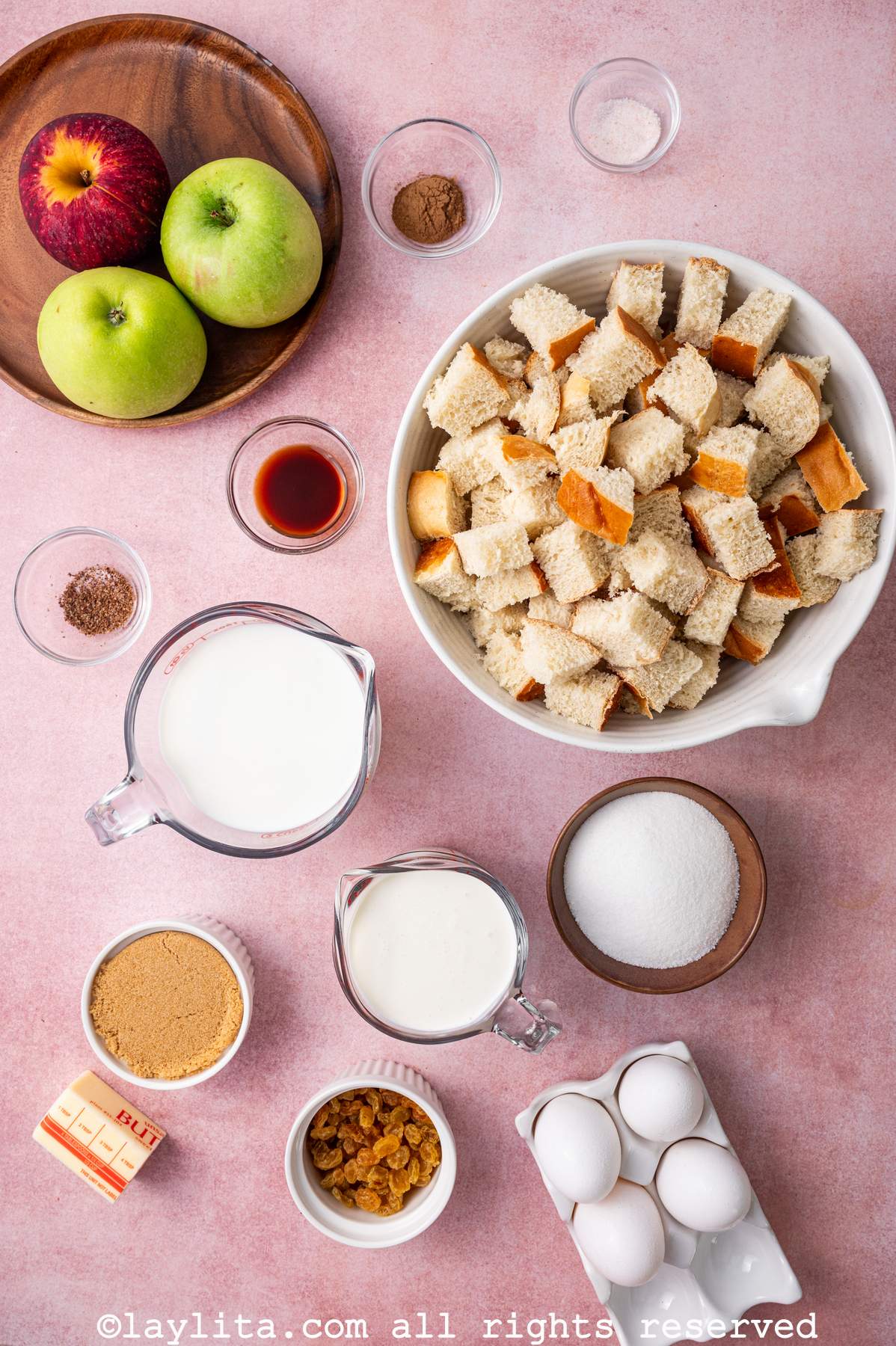
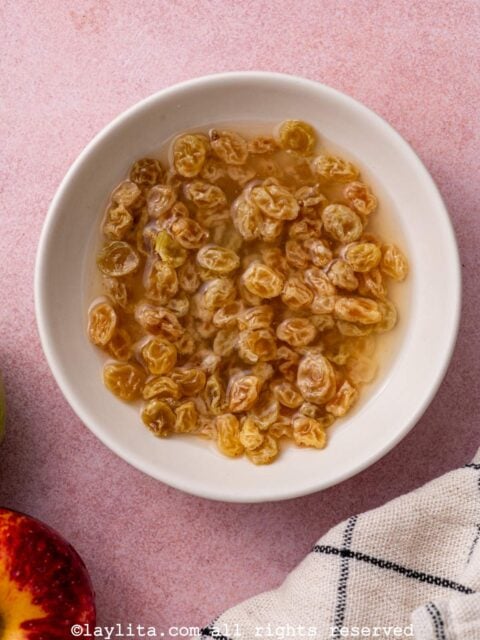
The modern iteration developed by culinary creator Laylita introduces a multi-tiered flavor profile that reimagines the traditional dessert. By incorporating a dual-apple approach—combining the tart structure of Granny Smith apples with the natural sweetness of crisp red apples—the recipe achieves a balanced acidity that cuts through the richness of a traditional vanilla custard. Furthermore, the integration of golden raisins and cubes of hearty French bread creates a contrasting texture, where the exterior retains a slight crispness while the interior absorbs a velvety, rich egg-and-cream mixture.
Step-by-Step Preparation and Technique

The creation of the Salted Caramel Apple Bread Pudding relies on precise culinary techniques divided into distinct phases: preparation of the fruit, assembly of the custard, and the production of a signature homemade salted caramel.
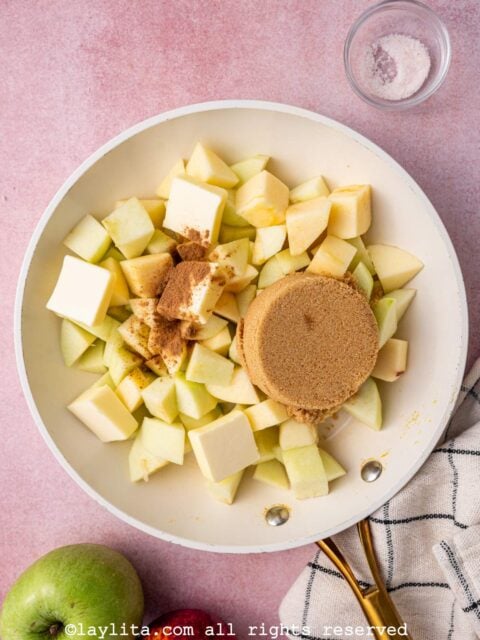
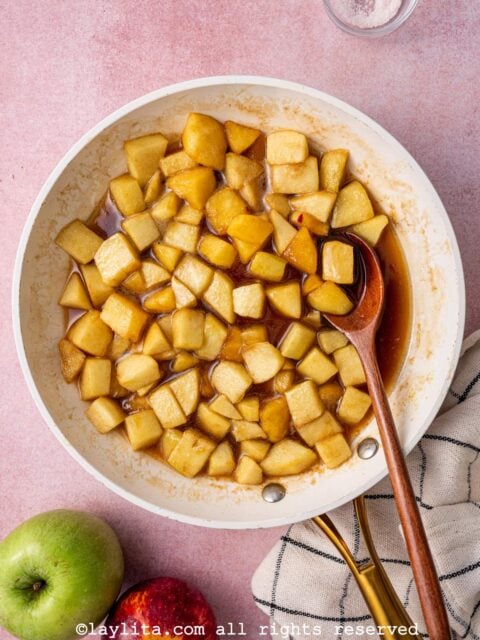
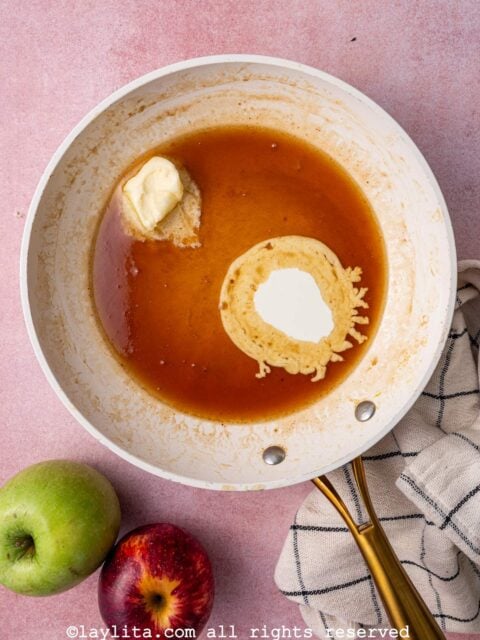
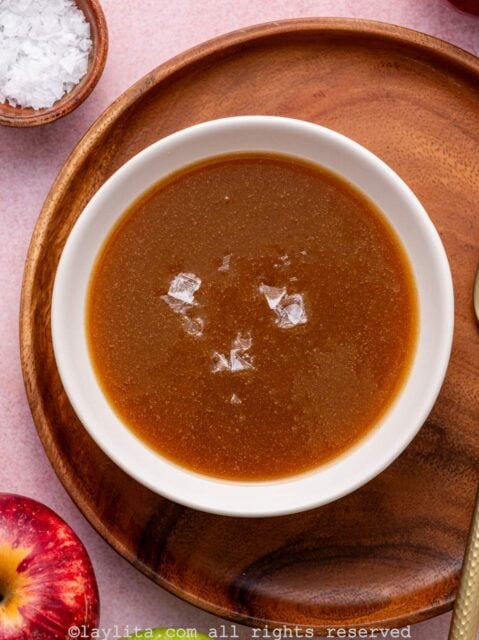
According to the methodology, the process begins by sautéing the diced Granny Smith and red apples in unsalted butter, brown sugar, cinnamon, and pure vanilla extract. This initial sautéing step softens the fruit while releasing essential sugars and aromatic spices. Crucially, the remaining buttery pan juices left behind after the apples are removed serve as the foundation for a silky homemade salted caramel sauce. This zero-waste technique infuses the caramel with deep notes of spiced apple and browned butter, distinguishing it from commercially manufactured alternatives.

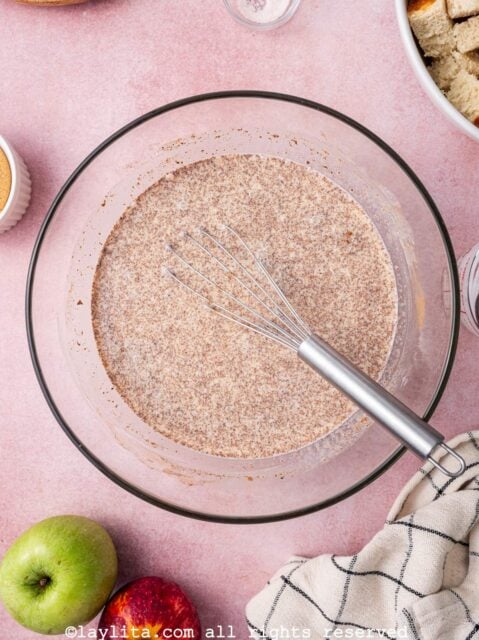
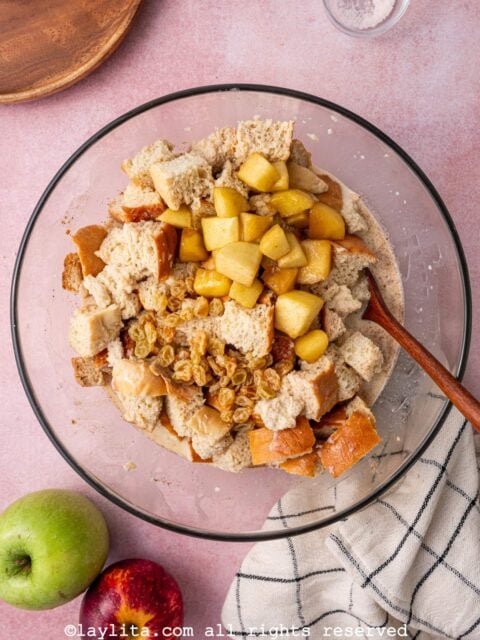
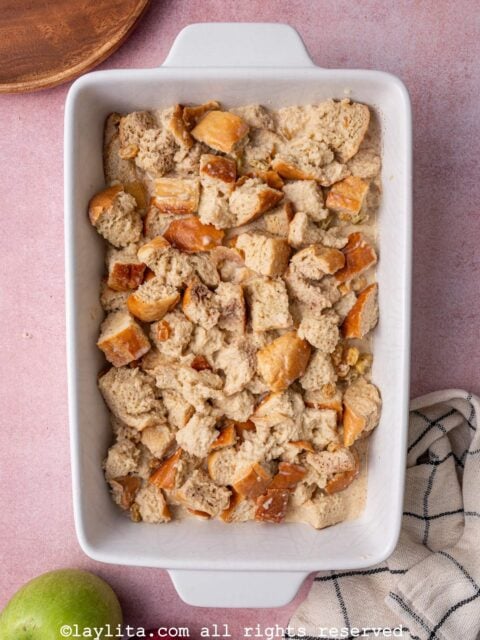
Once the apples are folded into cubed French bread—though brioche or challah can be substituted for a richer crumb—a rich vanilla custard made from whole eggs, heavy cream, and milk is poured evenly over the mixture. Culinary experts recommend allowing the assembled dish to rest, or even refrigerating it for up to 24 hours, to ensure the bread fully hydrates and absorbs the custard without becoming waterlogged. Baking proceeds at a moderate temperature until the edges turn golden brown and the center is set, yielding a dessert that is robust enough to hold its shape upon slicing yet tender on the palate.
Serving Suggestions and Strategic Versatility
Culinary analysts note that the enduring popularity of such recipes stems from their high degree of versatility. While primarily positioned as a dessert course, the Salted Caramel Apple Bread Pudding easily transitions into the breakfast and brunch sectors, making it an ideal centerpiece for holiday menus, including Thanksgiving and Christmas morning gatherings.
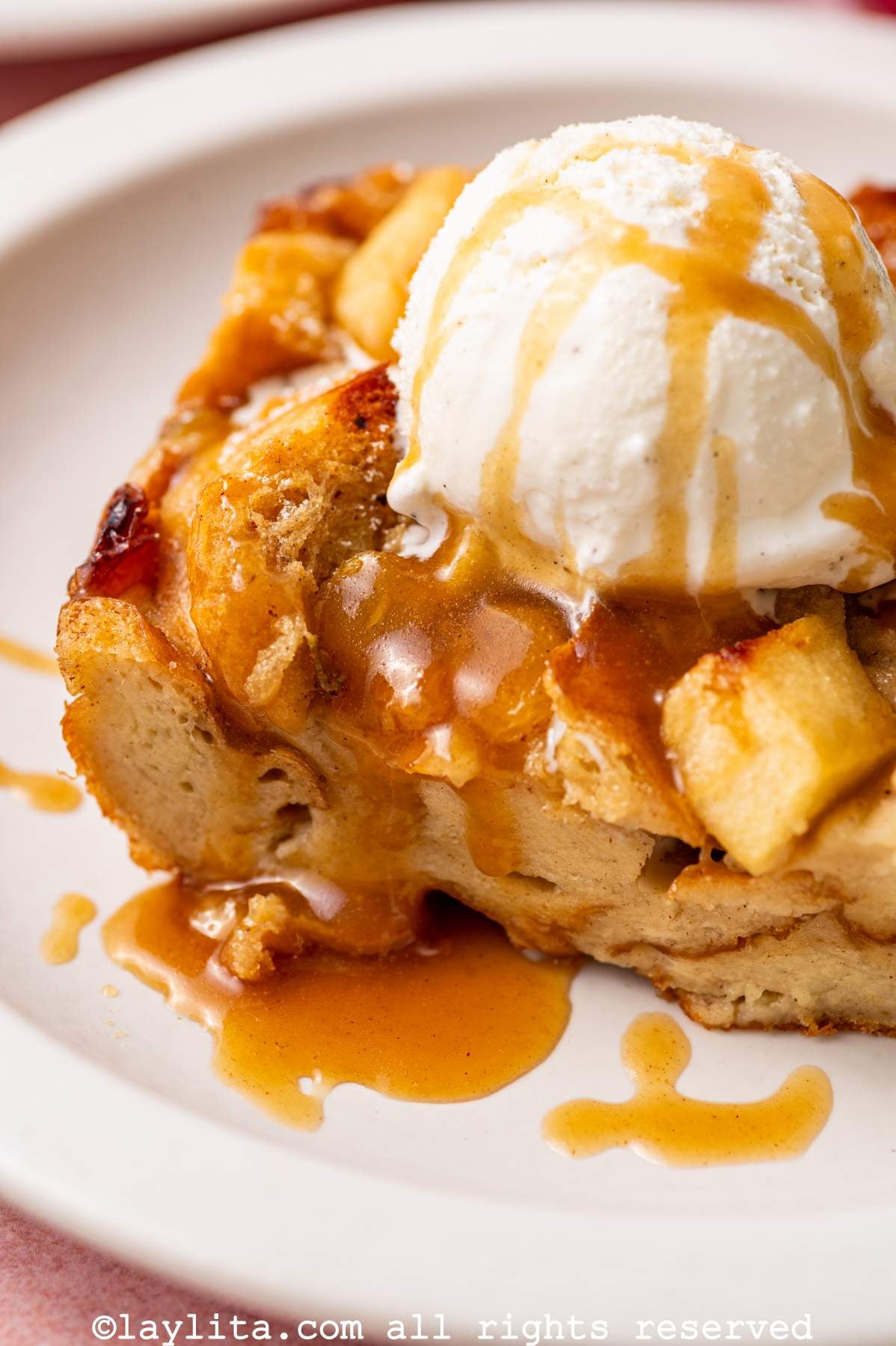
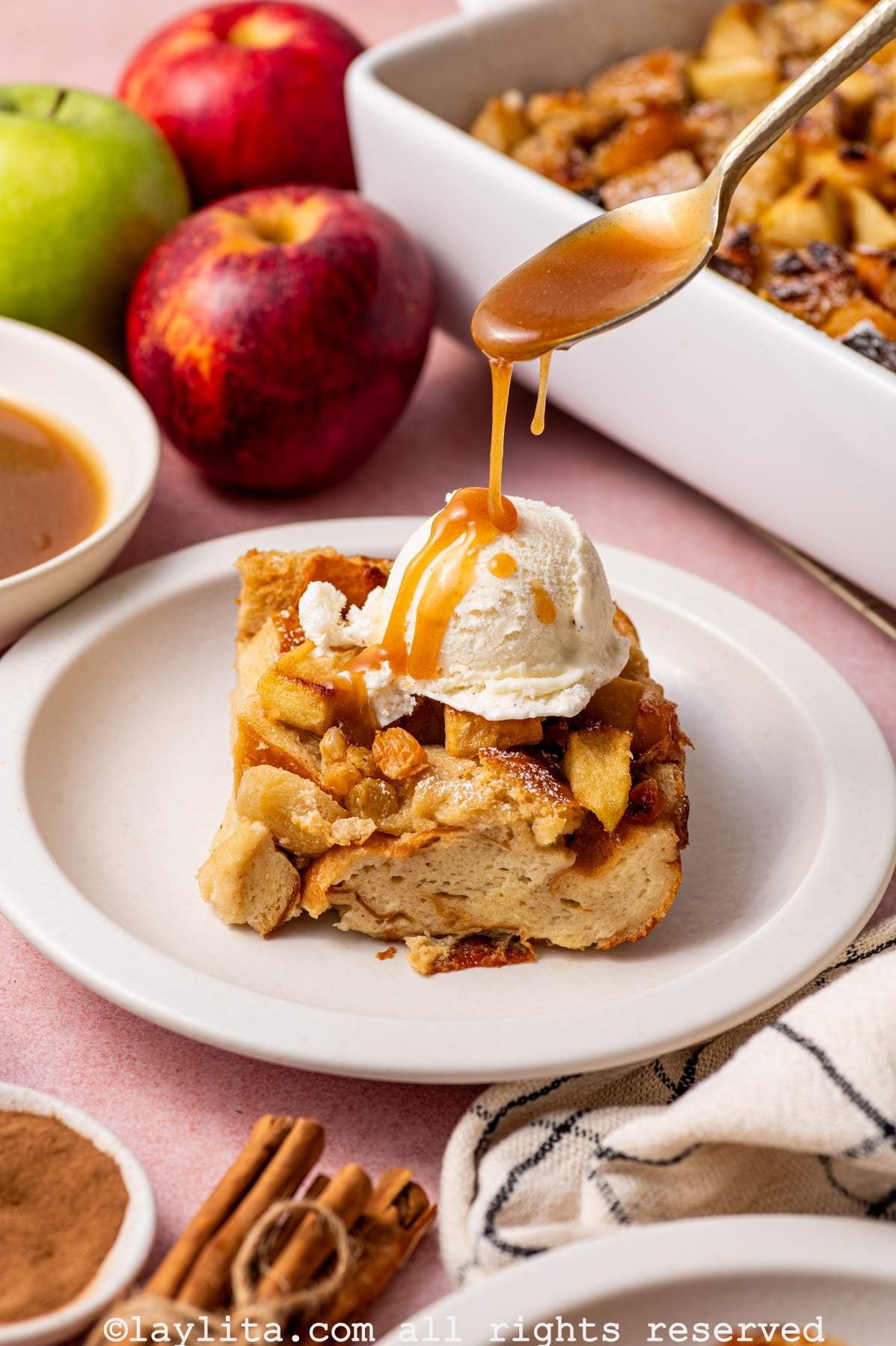
To maximize the dining experience, food stylists and recipe developers suggest serving the pudding warm, complemented by a contrast of temperatures through the addition of vanilla bean ice cream or freshly whipped cream. Alternative accompaniments include traditional crème anglaise, honey crème fraîche sauce, or whipped mascarpone cream. For a more casual presentation, portions can be enjoyed at room temperature alongside a robust cup of coffee or artisanal tea.
Nutritional and Economic Implications

In the context of broader domestic food trends, the recipe reflects a growing consumer preference for scratch-made desserts that utilize economical ingredients. Day-old French bread, often discounted at local bakeries, serves as the structural base, reducing food waste while providing the optimal crumb density for custard absorption.
From a nutritional standpoint, the integration of fresh fruit introduces dietary fiber and essential micronutrients, though the dish remains firmly categorized as an indulgent treat due to its dairy and sugar content. Dietary adaptations are easily accommodated; home cooks frequently substitute raisins with chopped pecans, walnuts, or dried cranberries to alter the textural profile, or omit dried fruit entirely based on personal dietary restrictions. For time-constrained bakers, commercial apple pie filling can be substituted, though culinary professionals caution that this shortcut compromises the complex flavor profile achieved by the proprietary pan-juice salted caramel.
Industry Impact and Broader Culinary Context
The release of this recipe aligns with a seasonal surge in baking content across digital culinary platforms, where heritage recipes receive contemporary upgrades. Food industry observers indicate that consumers increasingly value recipes that offer make-ahead convenience. The capacity to assemble the bread pudding 24 hours in advance and freeze baked portions for up to two months addresses the logistical demands of modern hosts and home caterers.
As autumn and winter recipe categories continue to dominate culinary search trends, variations utilizing local orchard fruits and artisanal caramel sauces remain vital components of seasonal entertaining. Through meticulous balancing of texture, temperature, and flavor, the Salted Caramel Apple Bread Pudding exemplifies how traditional baking concepts can be modernized to meet contemporary gastronomic standards.