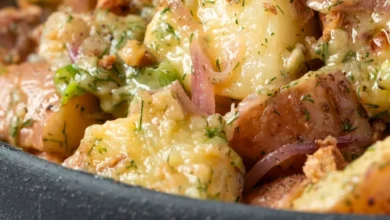
Creamy Garlic Pepper Beans with Crispy Chickpea Crumble: A High-Protein Nutritional Advancement in Plant-Based Culinary Staples

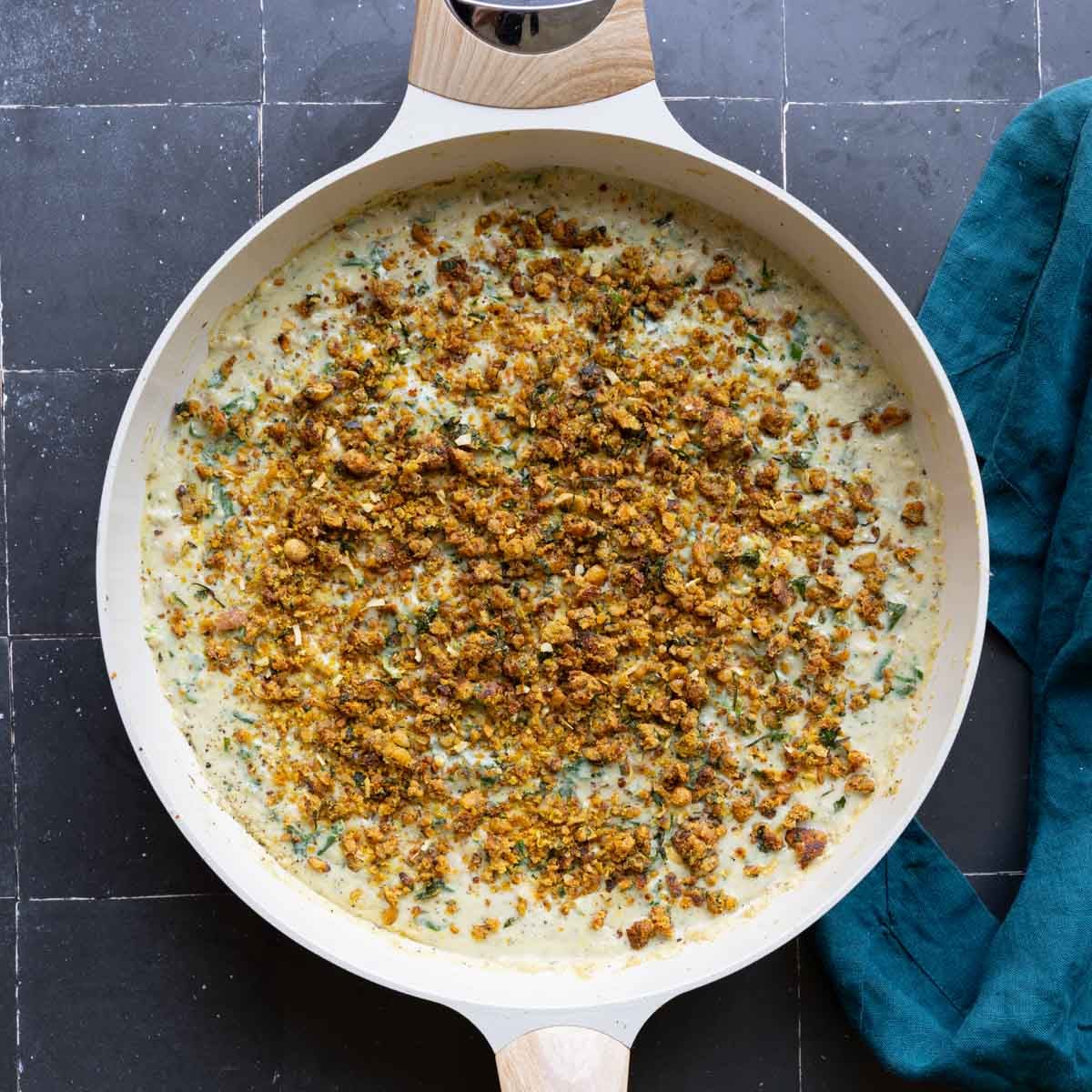
The evolution of plant-based nutrition has reached a significant milestone with the development of high-protein, pantry-friendly meals that prioritize both structural integrity and micronutrient density. Among the latest advancements in home-cooked vegan cuisine is the Creamy Garlic Pepper Bean dish, a recipe that utilizes pantry staples—specifically white beans, chickpeas, and legumes—to provide a substantial nutritional profile. This dish has gained traction for its ability to deliver 20 grams of protein, 13 grams of fiber, and 8 milligrams of iron per serving, effectively challenging the historical narrative that plant-based, shelf-stable meals lack the satiety and nutritional completeness of meat-based alternatives.
Nutritional Composition and Macro-Nutrient Profile
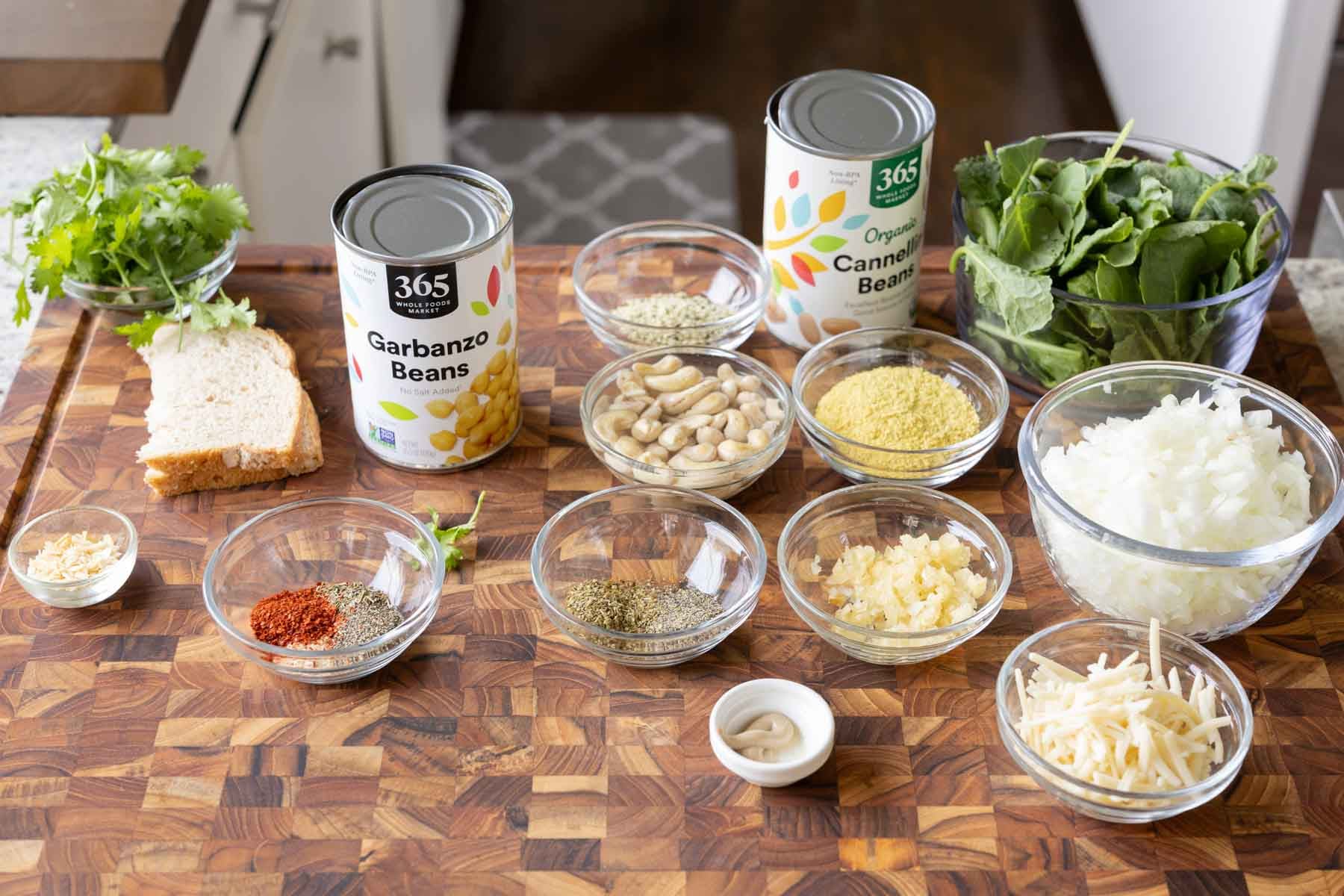
The clinical interest in this dish lies in its deliberate combination of nutrient-dense ingredients. By integrating white beans as a base with a secondary protein source—chickpeas—the meal achieves a complete amino acid profile that is often the focus of modern dietary guidelines. The inclusion of cashews and hemp seeds in the base sauce serves a dual purpose: they provide the necessary fat content to create a traditional creamy mouthfeel without the use of dairy, while simultaneously acting as a source of essential fatty acids and magnesium.
Data indicates that the entire preparation contains approximately 80 grams of protein, 52 grams of fiber, and 32 milligrams of iron. These figures are notable for a meal that relies on shelf-stable, dry, or canned goods. The integration of kale or spinach adds a critical layer of Vitamin A, Vitamin C, and calcium, addressing common micronutrient deficiencies found in diets that rely too heavily on processed, convenience-based plant products.
The Role of Legumes in Modern Food Security
From a food security perspective, the reliance on legumes—such as the white beans and chickpeas utilized in this recipe—represents a return to resilient, long-term storage food systems. Legumes are widely regarded by the Food and Agriculture Organization (FAO) as critical for sustainable agriculture due to their low water footprint and ability to fix nitrogen in the soil.
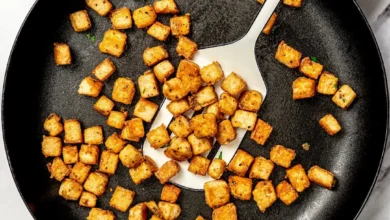
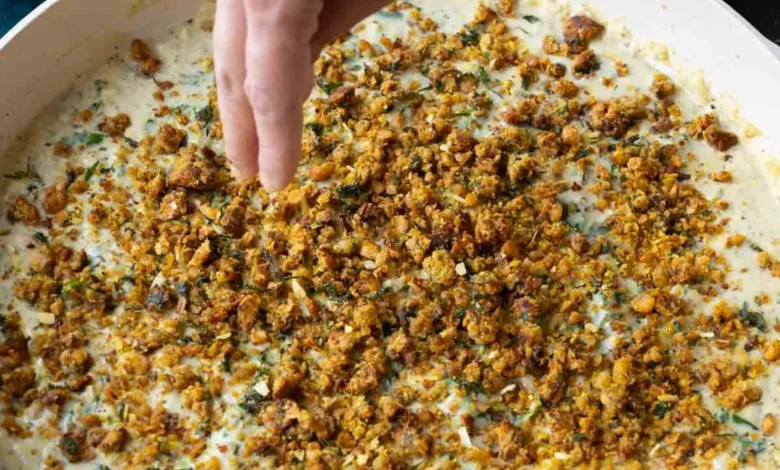
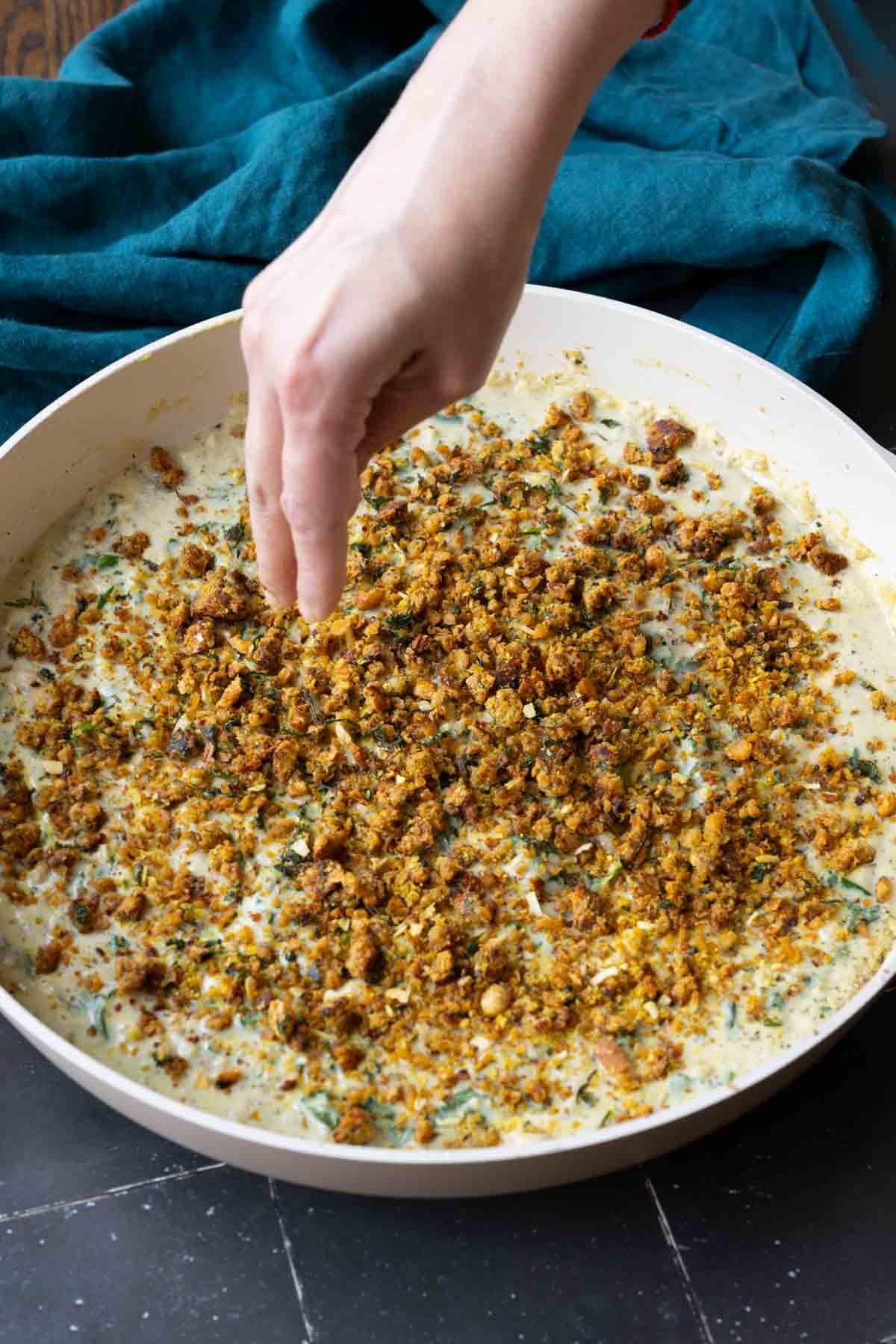
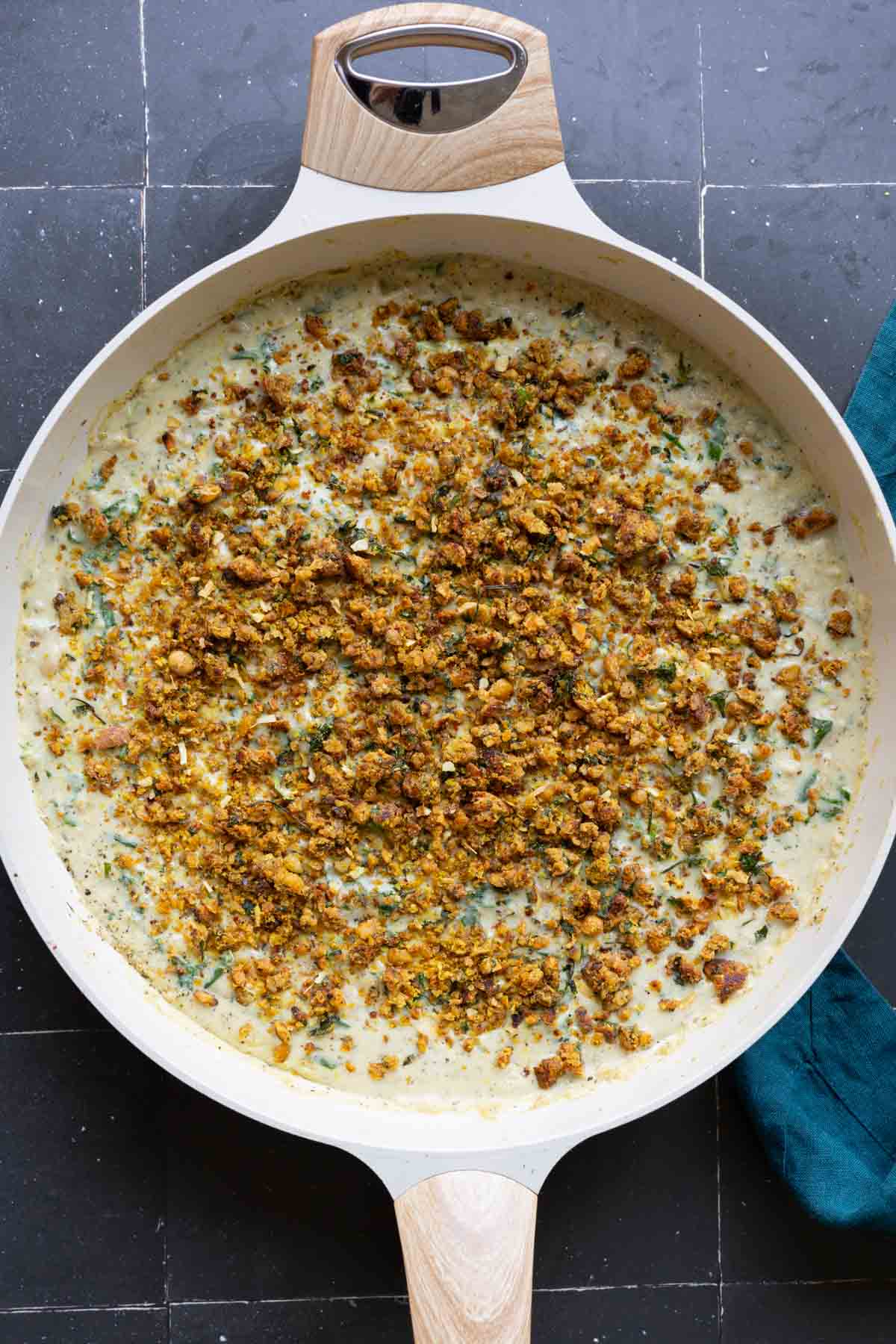
The culinary application of these ingredients has historically been limited by texture and flavor limitations. However, the introduction of a "crispy chickpea crumble" as a textural counterpoint to the creamy base represents a significant innovation in home cooking. By dehydrating or roasting chickpeas with spices and breadcrumbs, cooks are able to replicate the mouthfeel of toasted croutons, thereby increasing the acceptability of high-fiber meals among consumers who might otherwise find plant-based dishes monotonous.
Chronology of Preparation and Culinary Methodology
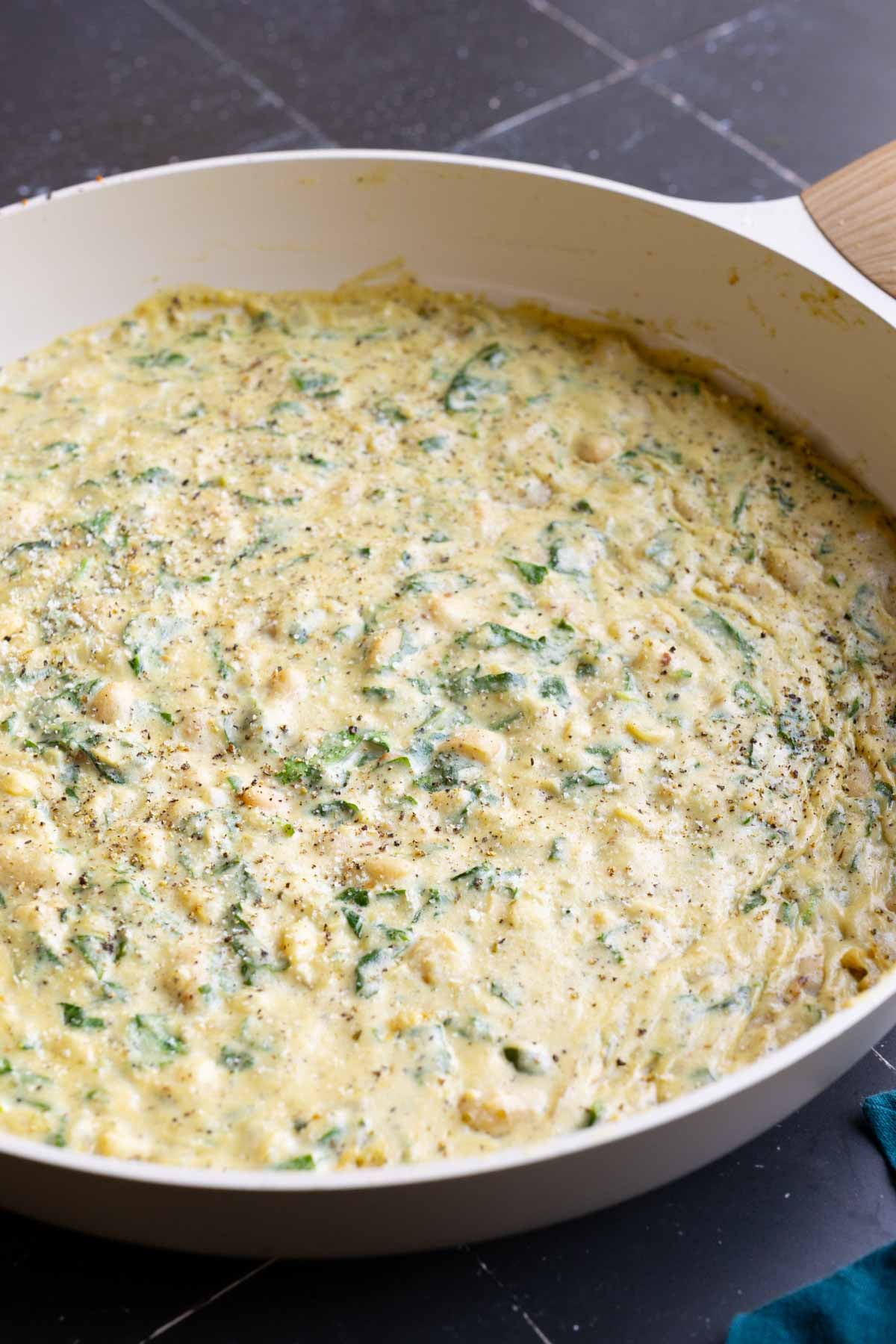
The process of constructing the meal involves a systematic, multi-stage preparation that ensures the final output maintains a balance between texture and viscosity.
- Initial Dehydration and Preparation: The process begins with the drainage of canned legumes. A portion of the chickpeas is diverted for the creation of the crispy topping, while the remainder is earmarked for the emulsification process in the sauce.
- Textural Development: The chickpeas intended for the topping are processed with breadcrumbs and aromatics such as onion powder, parsley, and black pepper. This mixture is then subjected to heat—either in a skillet or an air fryer—to achieve a Maillard reaction, which is essential for developing the savory, roasted notes associated with umami.
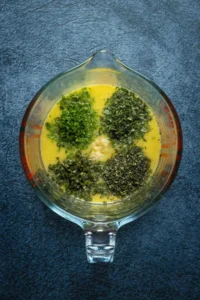
- Emulsification of the Base: The sauce is prepared by blending the secondary portion of chickpeas with cashews, hemp seeds, nutritional yeast, and Dijon mustard. The inclusion of hemp seeds is particularly significant, as it increases the Omega-3 fatty acid content of the dish.
- Final Assembly: The sautéing of aromatics, specifically garlic and onions, provides the flavor foundation. The addition of the cream mixture and the white beans, followed by a controlled simmering period, allows the sauce to thicken through the natural starches present in the beans and the blended cashews.
Implications for Allergy-Aware Dietary Planning
One of the most notable features of this recipe is its adaptability to diverse dietary requirements. The base recipe is inherently soy-free, a significant benefit for individuals with soy allergies. The inclusion of options for nut-free preparation (substituting cashews with silken tofu or additional hemp seeds) and gluten-free adjustments (using alternative binders instead of wheat-based breadcrumbs) highlights a broader shift in food blogging and recipe development toward inclusive cooking.
Professional dietitians have noted that such recipes serve as a practical blueprint for managing metabolic health. Because the meal relies on complex carbohydrates and high fiber content, it has a lower glycemic index compared to pasta or grain-heavy dishes, potentially assisting in more stable blood glucose regulation for those consuming it.
Comparative Analysis: The "Pantry Meal" Reimagined
Historically, the term "pantry meal" carried a connotation of compromise—a necessity-driven dinner lacking in fresh flavors or nutritional depth. The shift toward recipes like the Creamy Garlic Pepper Beans suggests a maturation in the home-cooking landscape. By utilizing modern appliances, such as the air fryer, and incorporating high-quality seasonings like Aleppo pepper and nutritional yeast, home cooks are successfully bridging the gap between convenience and gourmet standards.
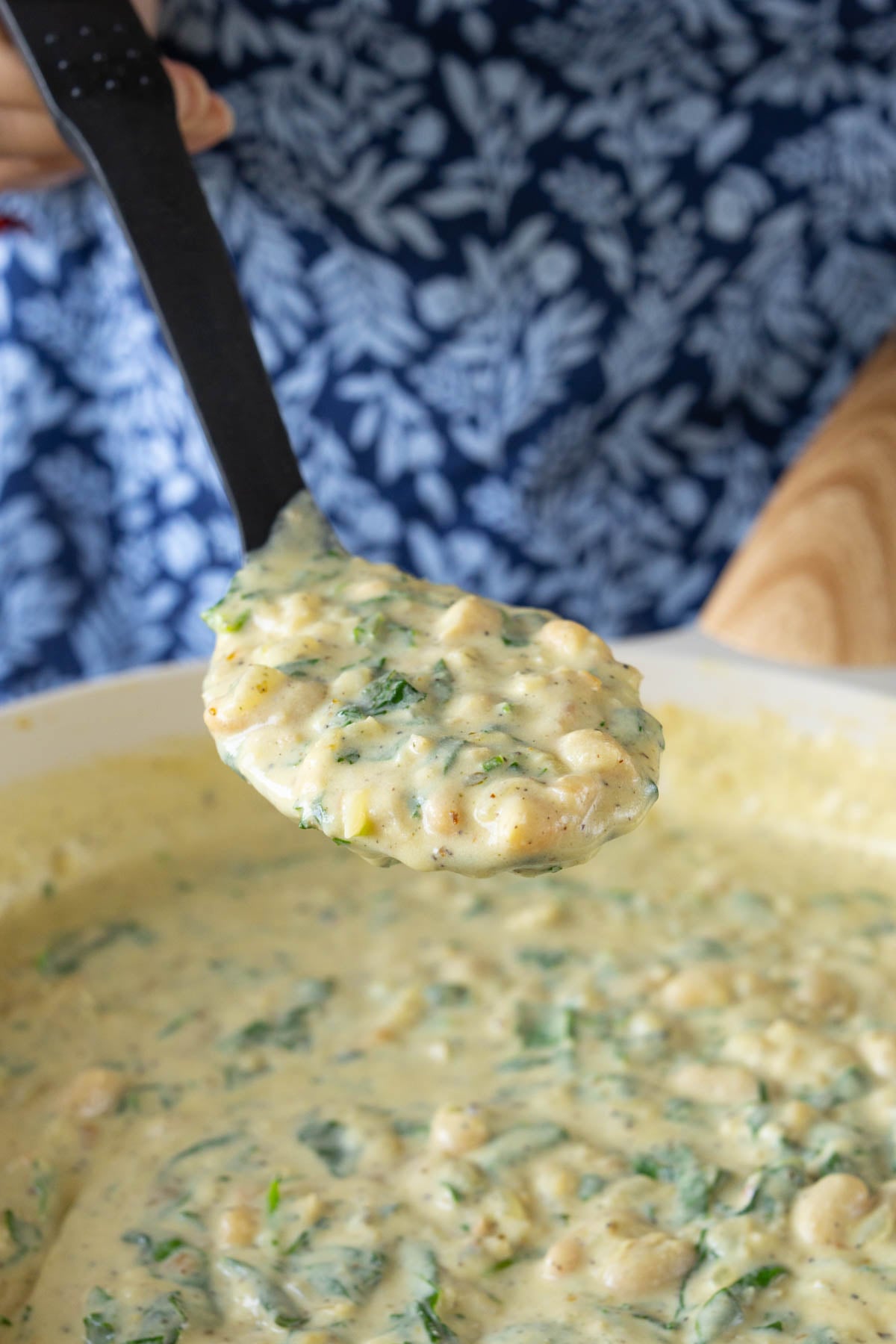
The reaction from the culinary community has been largely positive, emphasizing the "addictive" nature of the crispy topping. Culinary analysts suggest that this trend of "topping-driven" plant-based meals is likely to continue, as it provides a way to introduce texture into soft, legume-based dishes.
Broader Impact on Household Consumption Patterns
The economic impact of incorporating more plant-based pantry meals is significant. With the rising cost of animal proteins, households are increasingly looking for ways to maximize nutritional intake while minimizing grocery expenditures. White beans and chickpeas are among the most affordable sources of protein on the market. When these ingredients are elevated through sophisticated culinary techniques, they become viable replacements for more expensive ingredients, allowing households to maintain a high-quality diet during periods of economic inflation.
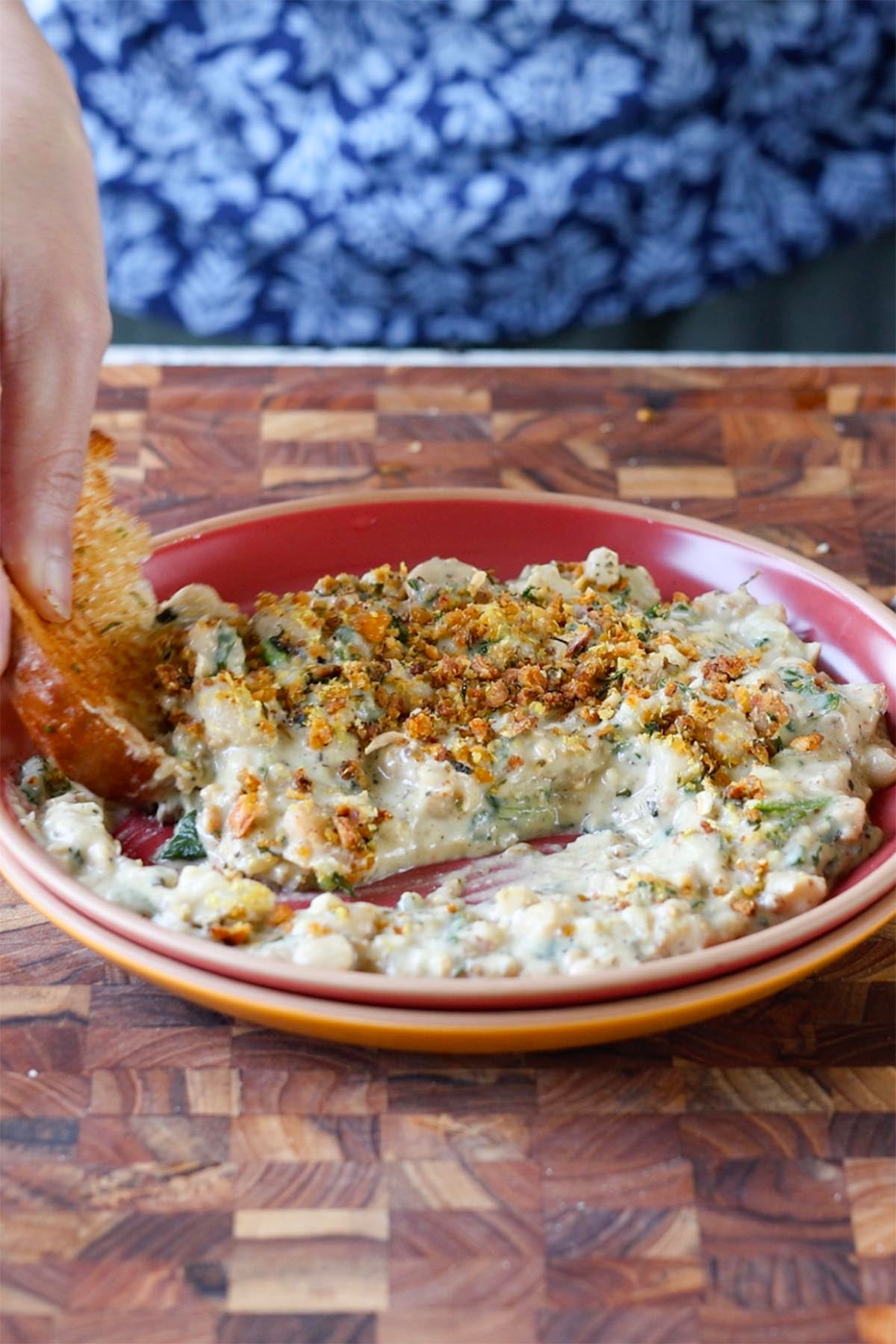
Furthermore, the "make-ahead" capabilities of this dish provide a solution for time-constrained professionals. The ability to store the topping separately from the base ensures that the dish retains its structural integrity, a common failure point in batch-cooked meals.
Conclusion: A Sustainable Future for Home Cooking
The Creamy Garlic Pepper Bean recipe acts as a microcosm for the larger movement toward sustainable, nutrient-dense, and allergen-conscious eating. By focusing on the scientific aspects of food—texture, amino acid profiles, and micronutrient density—while maintaining the accessibility of simple pantry staples, this dish provides a model for how modern dietary challenges can be addressed at home.
As research continues to underscore the health benefits of plant-forward diets, the development of recipes that are not only healthy but also palatable and satisfying will remain essential. The success of this specific dish demonstrates that with the right combination of techniques—blending for creaminess, roasting for texture, and seasoning for depth—the humble pantry meal can be elevated to a staple of a health-conscious, modern lifestyle. Future iterations of this dish may likely include even more diverse legume varieties or the integration of fermented elements to further enhance gut microbiome health, signaling a promising trajectory for the evolution of everyday home cooking.