California Double-Counts Factory Farm Methane Reductions, Inflating Climate Progress

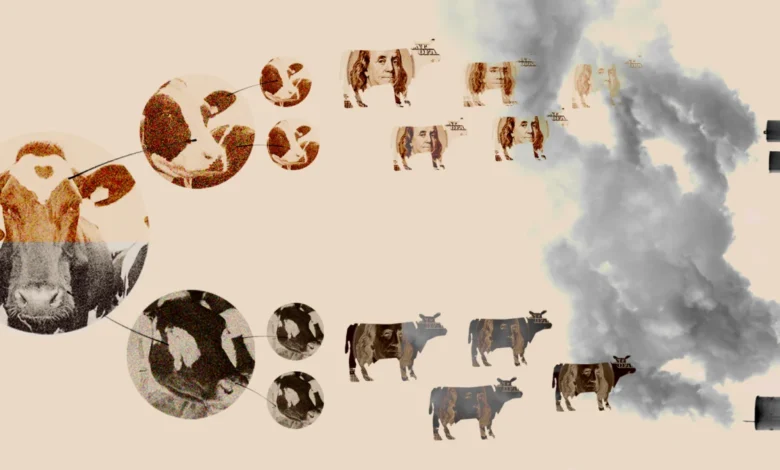
California is treating factory farm gas systems at dairy operations like devices that actively pull carbon dioxide out of the atmosphere, according to environmental advocates and climate policy experts. By leveraging a complex matrix of overlapping subsidies, state regulations, and market-based credits, the state has built a system where the exact same greenhouse gas emissions reductions are counted multiple times across entirely different sectors. This practice of double counting has ignited a fierce debate among policymakers, energy corporations, environmental justice advocates, and agricultural trade groups over the true efficacy of California’s nation-leading climate agenda.
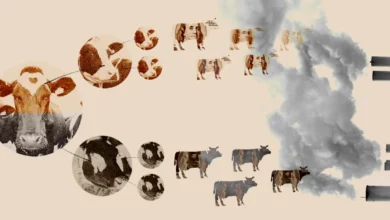
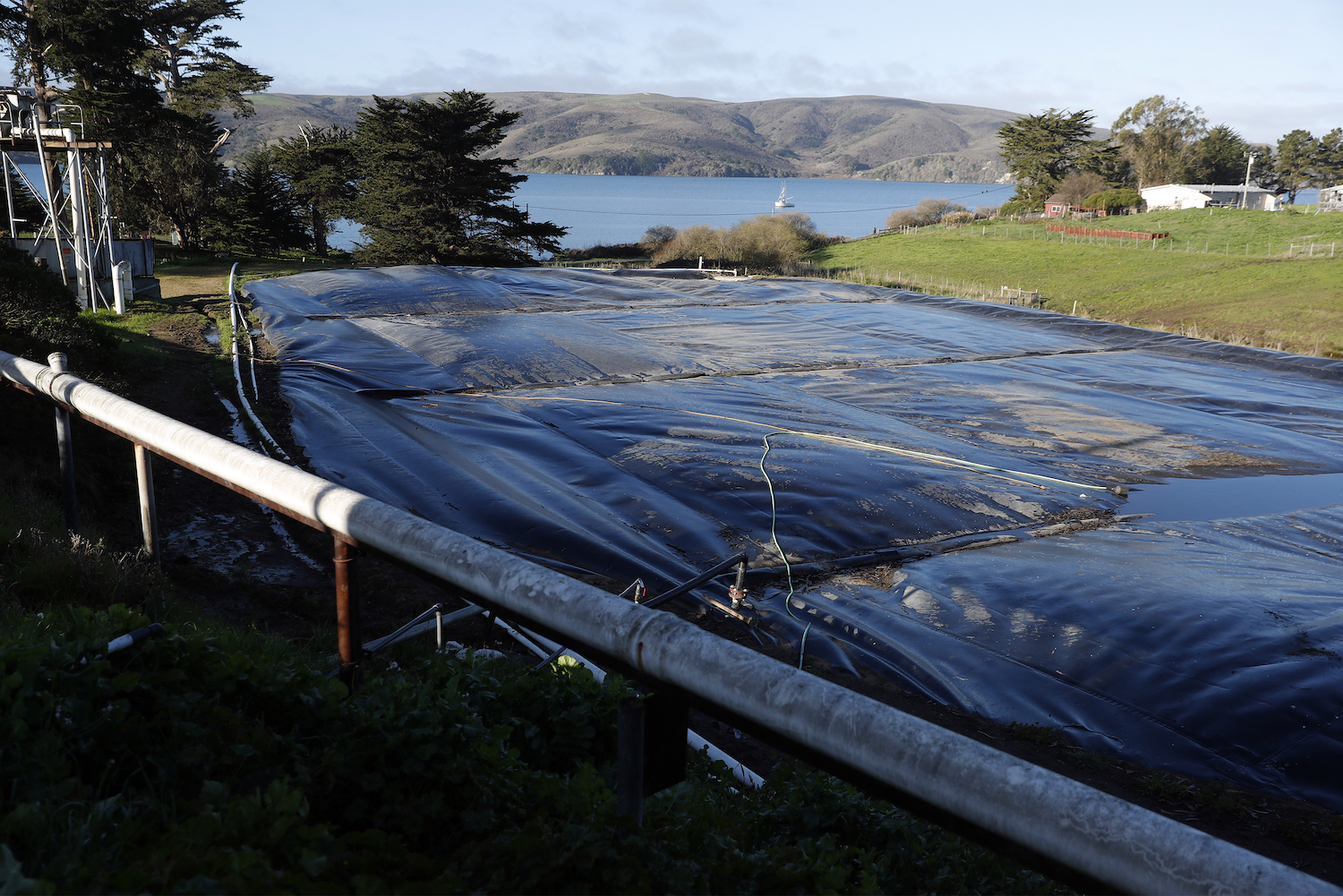
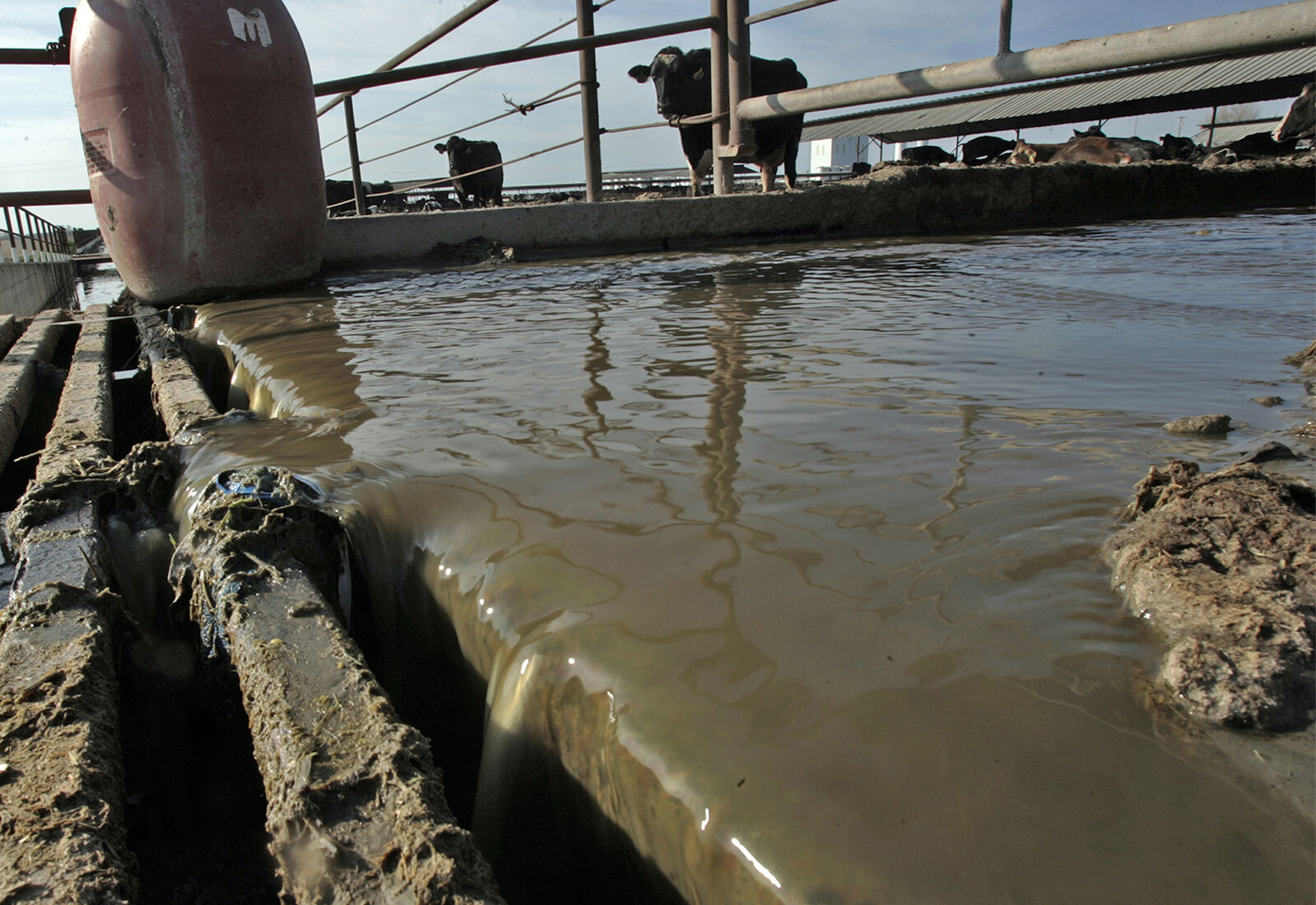
At the heart of the controversy is the state’s multi-pronged approach to curbing methane—a short-lived but exceptionally potent greenhouse gas that traps heat in the atmosphere far more effectively than carbon dioxide over a 20-year timescale. Dairy cattle operations are among the largest anthropogenic sources of methane in California, releasing hundreds of thousands of tons of the gas annually through manure left to decompose in open-air lagoons. To mitigate these emissions, the state has launched aggressive initiatives to subsidize and mandate the installation of methane digesters: massive, airtight silos that capture biogas before it escapes into the atmosphere, subsequently refining it into pipeline-quality natural gas.
The Core Conflict: Overlapping Accounting and Sector Targets
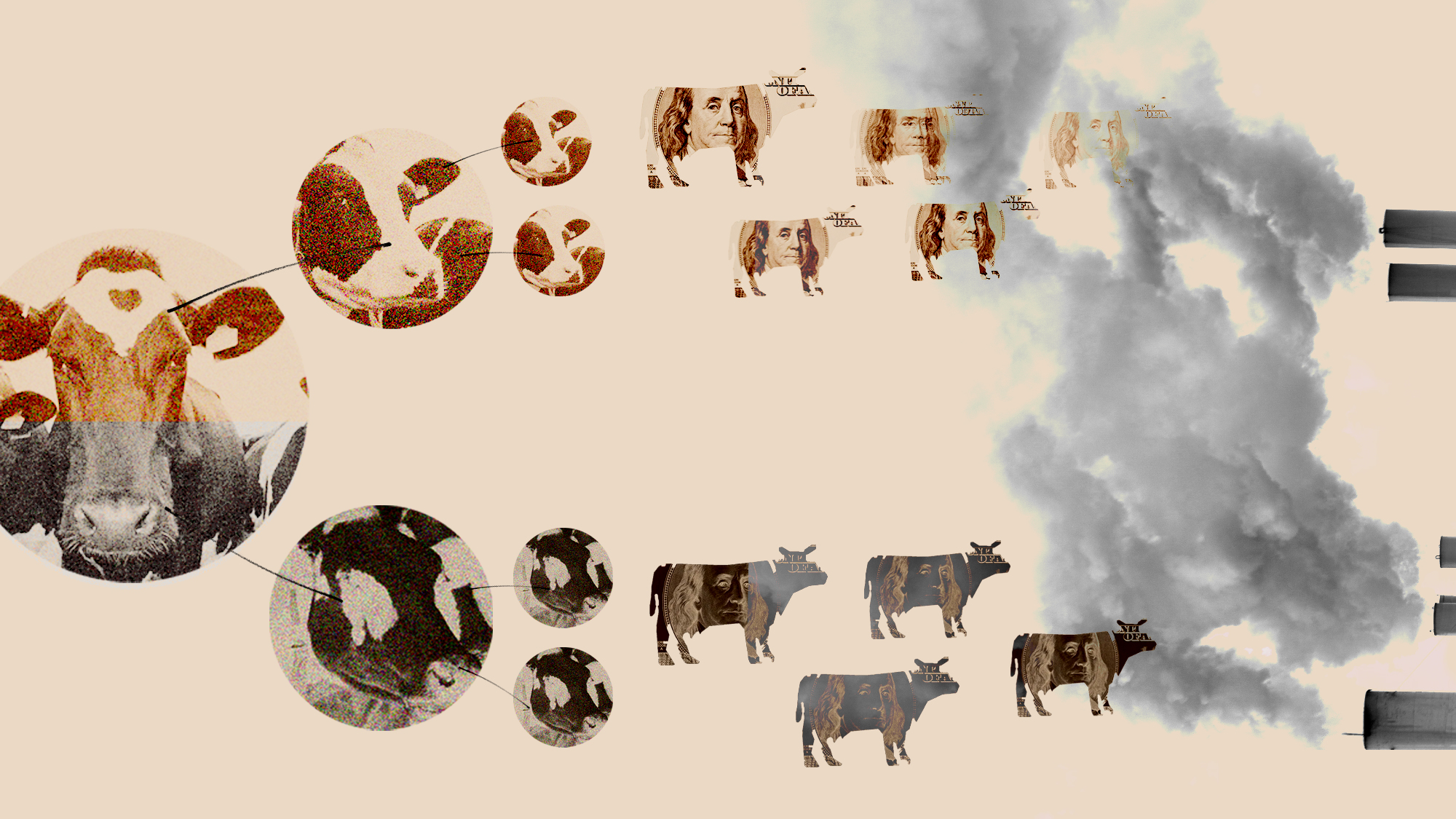
The Golden State operates under strict, sector-specific statutory targets designed to slash statewide greenhouse gas emissions 40 percent below 2013 levels by the end of the decade. Under California’s regulatory framework, emissions reductions achieved by capturing methane at livestock facilities are officially credited to the agricultural sector. However, the state simultaneously attributes those identical emissions reductions to its transportation fuel sector through a separate market-based mechanism known as the Low Carbon Fuel Standard (LCFS).
Because the captured methane is converted into natural gas and injected into the statewide commercial fuel supply as a replacement for conventional fossil fuels, the California Air Resources Board (CARB) evaluates the fuel’s carbon intensity using a "well-to-wheel" lifecycle analysis. Because this process prevents manure methane from venting into the atmosphere, CARB assigns the resulting dairy biomethane a heavily negative carbon intensity score. In effect, the state treats the fuel as if it possesses a carbon-negative profile, assuming it removes more greenhouse gases than it produces.
While this mechanism provides powerful financial incentives for dairy operators and energy companies, it creates a glaring accounting overlap. Analysts point out that attributing the exact same avoided emissions toward both agricultural methane targets and transportation fuel decarbonization goals artificially inflates California’s reported climate progress.
A Timeline of Subsidies, Disasters, and Regulatory Scrutiny
The intersection of agricultural waste management, fossil fuel compliance, and climate policy has evolved rapidly over the past decade, driven by several key regulatory milestones and industrial disasters:
- 2011: CARB officially implements the Low Carbon Fuel Standard (LCFS) program, designed to progressively reduce the carbon intensity of California’s transportation fuel pool by establishing a system of tradeable credits and deficits.
- 2015–2016: The catastrophic Aliso Canyon natural gas leak occurs at a storage facility owned by Southern California Gas Co. (SoCalGas) in Los Angeles County, releasing an estimated 109,000 metric tons of methane into the atmosphere and prompting widespread evacuations.
- 2018: The California Department of Food and Agriculture awards a $1.9 million grant to Calgren Dairy Fuels to install a methane digester at the 11,000-head Vander Poel Dairy in Tulare County, projecting the capture of 290,000 metric tons of carbon dioxide equivalent over a decade.
- Late 2021: A coalition of environmental groups and legal advocates, represented by the nonprofit organization Public Justice, files a formal petition with CARB challenging the agency’s carbon intensity calculations and highlighting pervasive double counting between the LCFS program, agricultural grants, and the Aliso Canyon Mitigation Agreement.
- January 2022: CARB formally denies the petition, citing ongoing administrative and strategic updates to the state’s broader climate scoping plan.
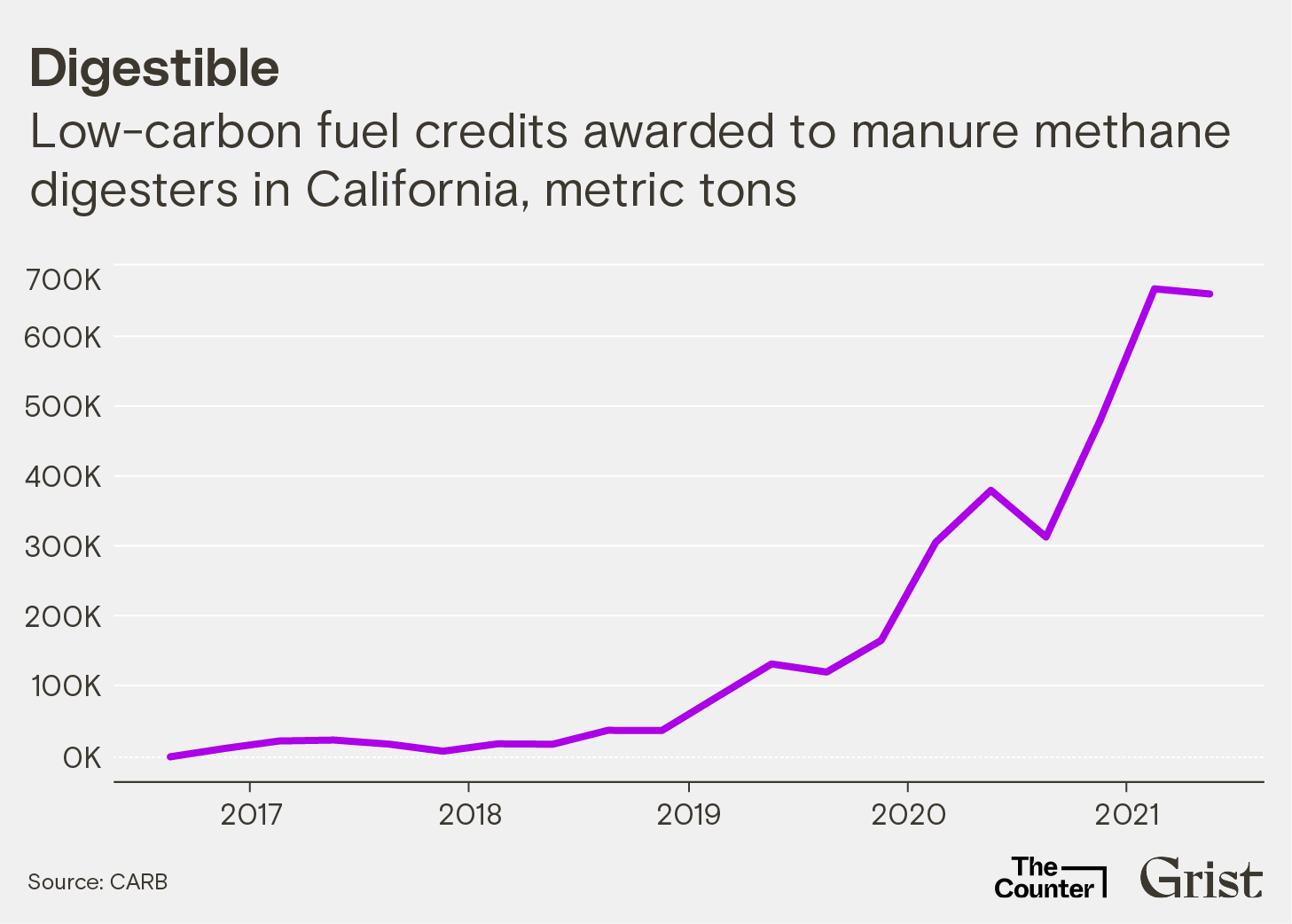
- March 2022: CARB reports that nearly 100 additional dairy digesters are under active development and slated for completion, positioning them to tap into lucrative LCFS credit markets.
The Aliso Canyon Connection and the Illusion of Additionality
The problem of double counting is further compounded by the Aliso Canyon Mitigation Agreement. Administered by CARB to offset the massive 2015 SoCalGas storage facility blowout, the agreement requires the utility to fund environmental mitigation projects. Through this pact, the state has distributed more than $25 million in loans to California dairies to construct manure-to-biogas digesters, aiming to permanently capture 109,000 metric tons of methane to counterbalance the disaster.
However, the eight San Joaquin Valley dairy projects heavily financed through partnerships between energy giant Chevron and California Bioenergy—intended specifically to fulfill the Aliso Canyon mitigation mandate—are simultaneously enrolled in the LCFS program. This allows the projects to generate additional LCFS credits, which are subsequently sold to high-carbon fossil fuel producers.
Critics argue this dynamic produces a perverse regulatory outcome. When a fossil fuel producer purchases an LCFS credit generated by a dairy digester, that credit legally permits the buyer to emit a corresponding amount of greenhouse gases elsewhere in the economy. Consequently, the dairy farm first claims to offset the Aliso Canyon disaster, and then issues credits that authorize higher emissions under the LCFS, neutralizing the foundational premise of a one-to-one environmental offset.
Furthermore, climate policy analysts emphasize the absence of "additionality"—a foundational principle requiring that subsidized emissions reductions would not have occurred without the specific program in question. If a dairy digester has already been fully funded or constructed using grants from the Department of Agriculture or loan monies from the Aliso settlement, critics contend that enrolling the same facility in the LCFS program provides a windfall bonus without driving any genuinely new emissions reductions.
The Economics of Stacking Incentives and Industry Defense
For the agricultural and energy sectors, however, combining these diverse revenue streams is not double counting; it is an economic necessity. Michael Boccadoro, executive director of the industry trade coalition DairyCares, defends the practice of "stacking" incentives across the LCFS, Aliso agreements, and state agricultural grants.
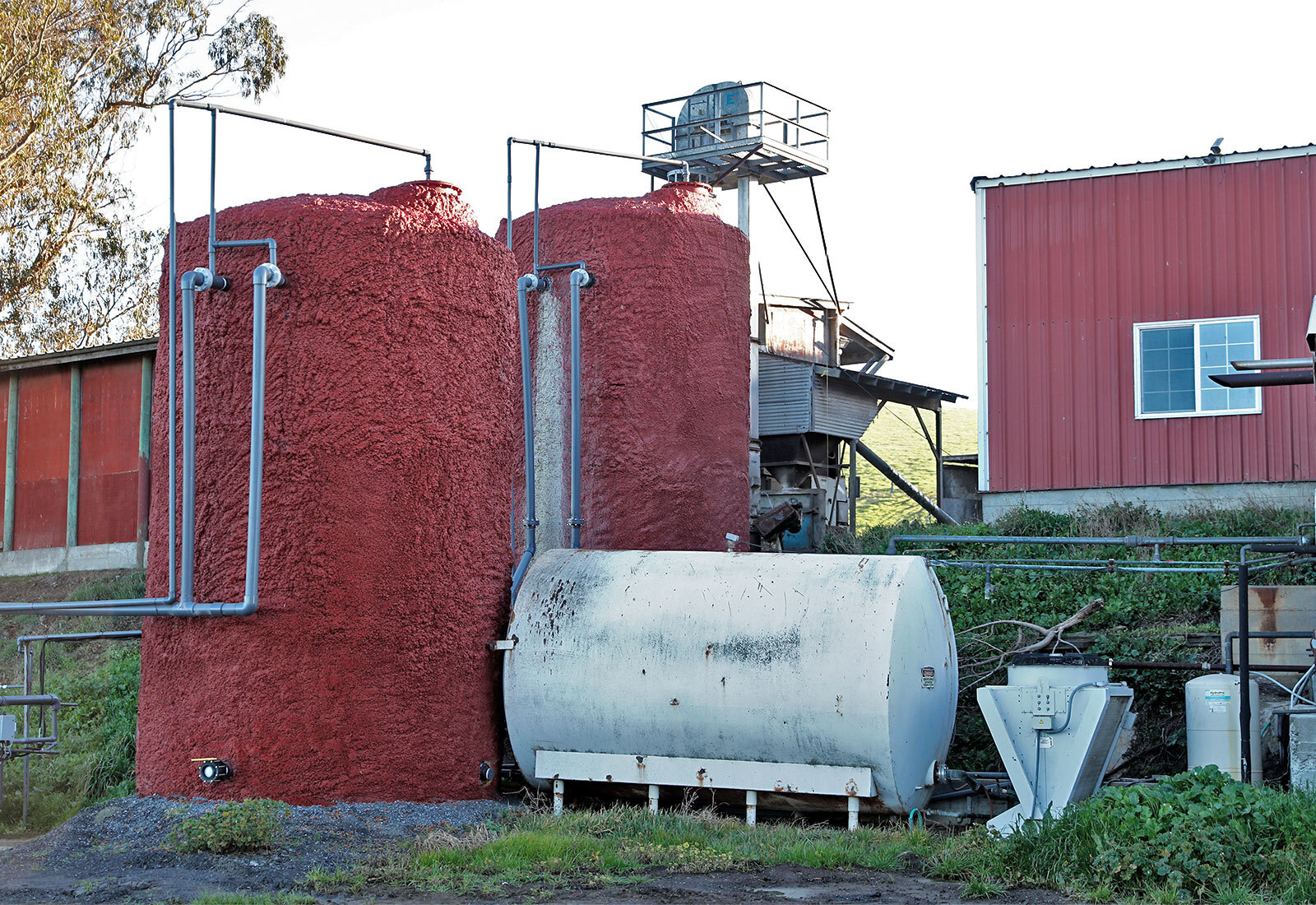
"It takes the stacking of incentives to make the projects work," Boccadoro notes, explaining that the high capital expenditures required to build, maintain, and connect commercial-scale anaerobic digesters to the natural gas grid would be financially unviable under any single funding mechanism.
Major energy corporations have embraced these overlapping incentives with enthusiasm. During corporate earnings and investor briefings, executives from companies like Chevron have projected double-digit financial returns on their dairy biomethane investments, buoyed by the lucrative market for negative carbon intensity credits.
This hyper-lucrative structure has raised concerns among economists and environmentalists that the state is inadvertently creating perverse market incentives. If waste management and methane capture become independent profit centers, agricultural operations could face indirect market pressures to maintain or even expand livestock populations to ensure a steady, high-volume supply of manure feedstock.
Regulatory Stance and Future Implications
Despite mounting pressure from environmental justice organizations and academic researchers, CARB has defended its administrative framework. In official communications, agency representatives have declined to label the overlap as problematic, asserting that California’s overlapping climate initiatives are intentionally designed to reinforce one another across different economic sectors. The agency maintains that incentivizing methane capture at the farm level while simultaneously directing that renewable gas into the transportation network successfully reduces emissions across both domains.
Nevertheless, legal and policy challenges persist. Organizations such as Food & Water Watch argue that relying on paper reductions rather than verifiable atmospheric outcomes undermines California’s credibility as a global climate leader. As the state presses forward with plans to integrate dozens of additional factory farm digesters into its energy infrastructure by the end of the year, the debate over how to accurately account for carbon and methane emissions remains unresolved, casting a shadow over the future of the state’s most aggressive decarbonization strategies.