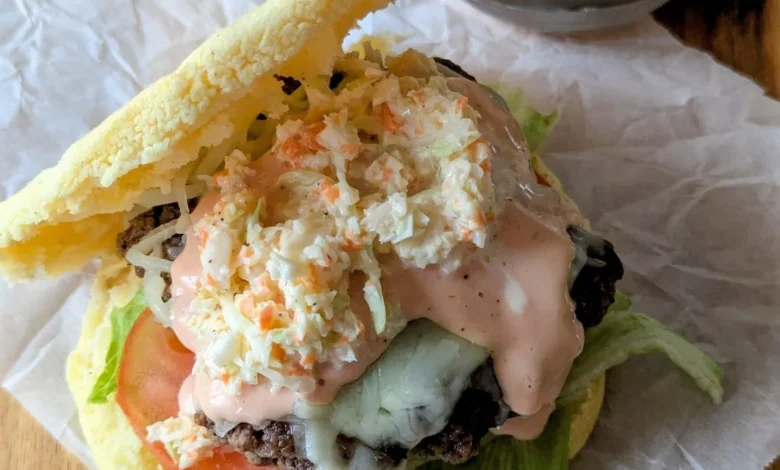
The contemporary global culinary landscape is increasingly defined by the synthesis of traditional regional staples with modern, fast-casual dining formats. One of the most notable examples of this fusion is the emergence of the "Arepa Burger," a dish that replaces the standard wheat-based hamburger bun with the traditional Colombian arepa—a thick, unleavened patty crafted from precooked cornmeal. This culinary innovation, which has gained significant traction in both Latin American households and international food markets, represents a shift in how traditional ethnic foods are being reimagined for a global palate that prioritizes both texture and cultural authenticity.

The Historical and Cultural Context of the Arepa
To understand the rise of the arepa burger, one must first examine the foundational role of the arepa in Colombian and Venezuelan cuisine. The arepa is a dietary staple dating back to pre-Columbian times, originally prepared by indigenous groups in the northern Andes. Historically, corn has served as the primary caloric source for these populations. The process of nixtamalization—or, in modern commercial applications, the use of precooked corn flour—results in a dense, slightly chewy, and versatile bread-like product.
In Colombia, the arepa is consumed at nearly every meal, serving as a base for butter, cheese, meats, and various savory toppings. Unlike the standardized, airy brioche or sesame-seed buns commonly used in American-style hamburgers, the arepa offers a robust, earthy flavor profile and a distinct structural integrity. When seared on a griddle, the exterior develops a golden, crispy crust, while the interior remains soft. It is this specific textural dichotomy that has made the arepa an ideal candidate for high-end burger assembly, as it can withstand the moisture of a beef patty and heavy condiments without becoming saturated.

The Evolution of Fusion Dining
The adaptation of the arepa into a hamburger vessel mirrors a broader trend in the food industry: the "gourmet-ization" of fast food. Throughout the 2010s and into the 2020s, restaurant chains and home cooks alike began to experiment with gluten-free and non-traditional bun alternatives. The arepa, being naturally corn-based and gluten-free, emerged as a logical solution for consumers seeking to reduce wheat consumption while maintaining a hearty, substantial meal.
Culinary analysts note that the transition from a traditional corn cake to a burger bun was not merely a matter of convenience; it was a strategic reimagining of the flavor profile. The addition of savory toppings common in Colombian gastronomy—such as hogao (a tomato and onion reduction), creamy avocado sauces, and salsa rosada (a mix of mayonnaise and ketchup)—elevated the humble hamburger into a complex, multi-layered experience.

Technical Preparation and Component Analysis
The preparation of an authentic arepa burger requires a precise balance of chemistry and heat management. The base, or the arepa itself, is typically formed from masa harina, water, and a pinch of salt. When cooked on a cast-iron skillet, the heat must be sufficient to trigger the Maillard reaction on the surface of the corn, creating a caramelized crust.
The protein component—the beef patty—is often seasoned with traditional Latin American aromatics, including cumin, garlic, and sometimes fresh cilantro or scallions. This deviates from the classic American burger, which typically relies on salt, pepper, and sometimes a hint of Worcestershire sauce. The result is a profile that is distinctly more savory and herbal.
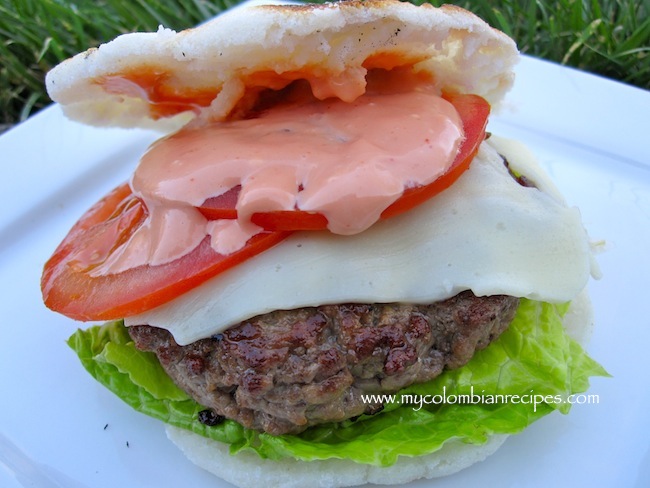
According to food scientists, the structure of the arepa is more resistant to the juices of a medium-rare or medium-well burger patty than standard leavened bread. This characteristic has led to the arepa being dubbed an "engineered bun," as its density prevents the structural collapse that often plagues heavily topped burgers in the fast-food industry.
Consumer Trends and Market Implications
The popularity of the arepa burger has been bolstered by social media platforms and the proliferation of "foodie" culture, where visually distinct and culturally rooted dishes gain viral status. Market data indicates a rising consumer interest in "authentic fusion," a segment of the food industry where consumers prioritize the traditional origins of a dish while enjoying the convenience of a modern format.

Furthermore, the surge in demand for gluten-free options has provided an accidental tailwind for the arepa burger. As Celiac disease awareness and general gluten sensitivity have increased, the demand for wheat-free bread alternatives has spiked. The arepa, which is naturally devoid of gluten, provides a high-quality, recognizable alternative that does not feel like a compromise to the consumer.
Regional Perspectives and Cultural Reactions
While the arepa burger is celebrated as a success in international markets, it has occasionally sparked debate within the Latin American community regarding the preservation of culinary heritage. Traditionalists often argue that the arepa should remain a standalone item or be filled with traditional ingredients like white cheese (queso fresco) or shredded beef (ropa vieja). However, a younger generation of chefs in major urban hubs like Bogotá, Medellín, Miami, and New York City has embraced the hybridization of the dish, arguing that innovation is essential for the survival and growth of traditional foods.
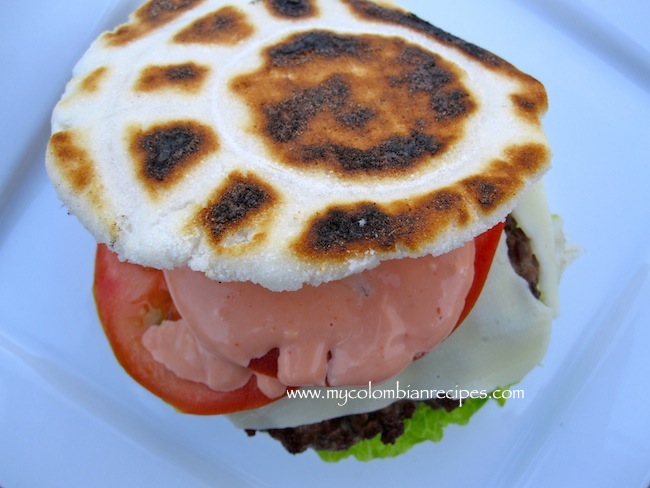
Prominent food critics have suggested that the "Colombian-style hamburger" is becoming a global sub-genre of street food. By incorporating elements such as potato sticks, quail eggs, and pineapple sauce alongside the arepa bun, these burgers are now being recognized as a distinct category in culinary competitions and international restaurant reviews.
Economic and Supply Chain Considerations
The global expansion of the arepa burger has had measurable impacts on the supply chain for corn-based products. The widespread availability of precooked cornmeal—often marketed under brands like P.A.N.—has allowed home cooks across Europe, Asia, and North America to replicate the dish with relative ease. This accessibility has fueled a steady increase in the export volume of refined corn products from Latin America.

Moreover, small-to-medium-sized restaurants specializing in Latin fusion have reported that the arepa burger offers higher profit margins than traditional beef-on-bun burgers. Because the arepa can be prepared in advance and finished on the griddle in minutes, it optimizes kitchen throughput during peak hours. From a business standpoint, the arepa burger represents a highly efficient marriage of labor-saving preparation and premium menu pricing.
The Future of Fusion Staples
As the culinary world continues to move toward more inclusive and diverse flavor profiles, the arepa burger serves as a template for other potential integrations. It demonstrates that a regional staple does not need to lose its identity when adapted to a global format; rather, it can be enhanced.
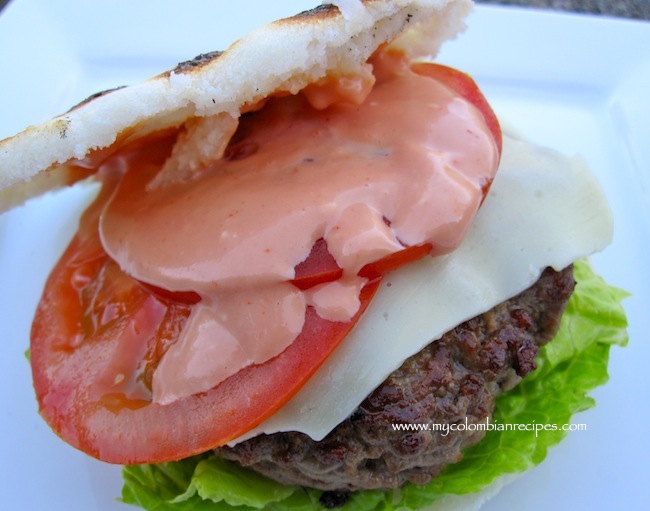
The longevity of this trend appears secure, as major food distribution networks have begun to offer pre-formed, ready-to-griddle arepas specifically sized for the modern burger patty. This industrialization of the arepa, while potentially off-putting to purists, is the primary driver of its ubiquity.
In conclusion, the arepa burger is more than a fleeting food trend; it is a testament to the versatility of corn as a primary dietary component and the adaptability of regional culinary practices in a globalized world. By merging the structural advantages of the traditional arepa with the universal appeal of the hamburger, chefs have created a product that satisfies both the craving for familiarity and the desire for cultural exploration. As the market for such fusion dishes grows, it is likely that the arepa will see further integration into the mainstream, cementing its status as a permanent fixture in the evolving lexicon of global comfort food. The combination of protein, starch, and regional seasoning—anchored by the enduring history of the Colombian arepa—positions this dish to remain a staple of the international food scene for years to come.