Ancient Wisdom for a Warming World: Transhumance as a Strategy for Modern Food Security

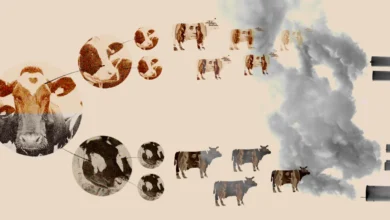
The ancient practice of transhumance—the seasonal movement of livestock between mountain pastures and lowland plains—is undergoing a critical re-evaluation as a frontline defense against the escalating climate crisis. Once dismissed as a vestige of a pre-industrial era, this pastoral system is now being scrutinized by environmentalists, land managers, and food policy experts as a sophisticated, nature-based solution to systemic ecological degradation. By aligning agricultural production with the natural cycles of the landscape, transhumance provides a blueprint for resilient food systems that prioritize biodiversity, wildfire mitigation, and soil health over the intensive, energy-heavy methods of modern industrial farming.
The Historical Foundations of the Iberian Network
The cultural and legal architecture of Spanish transhumance is deeply embedded in the nation’s history. In 1273, King Alfonso X, known as "The Wise," established the Honrado Concejo de la Mesta, a powerful regulatory body that governed the rights of shepherds to traverse the kingdom. This royal decree codified the use of cañadas—a vast, intricate network of livestock trails that spans over 125,000 kilometers across the Iberian Peninsula.
These routes were never intended merely as transit paths. Historically, they served as "ecological highways," allowing for the genetic exchange of plant species through seeds carried in animal coats and manure. This connectivity sustains high-value ecosystems that have evolved alongside the rhythmic passage of herds for over 750 years. Today, organizations like Trashumancia y Naturaleza and the Los Apisquillos Collective are working to preserve these corridors, arguing that they are as vital to Spain’s environmental health as any modern infrastructure project.
The Mechanics of Resilience: The Los Apisquillos Collective
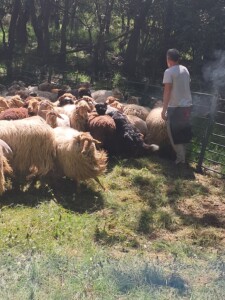
Based in the mountain village of Puebla de la Sierra in the Madrid mountains, the Los Apisquillos Collective represents the modern application of these ancient traditions. Founded 26 years ago, the group manages a flock of approximately 500 sheep and goats, focusing on rare, native breeds such as the Rubia de El Molar and Negra Castellana.
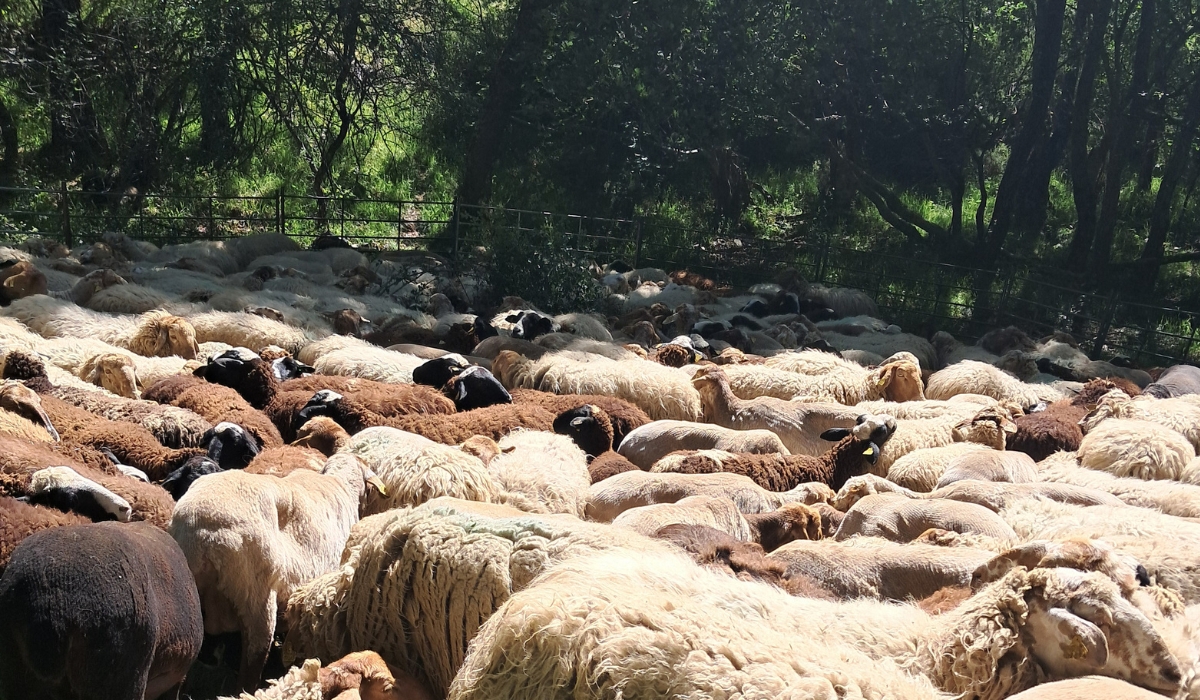
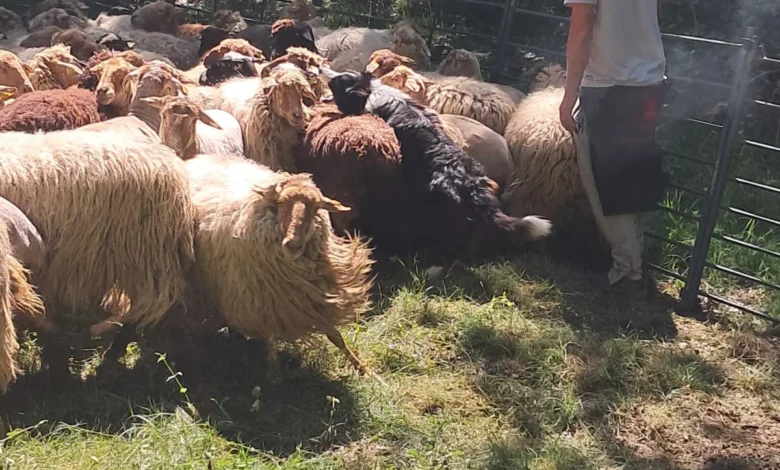
The collective operates on a strictly seasonal cycle. Every autumn, shepherds lead their livestock on a 240-kilometer trek from the high-altitude pastures of the Sierra del Rincón to the public parklands of Casa de Campo in Madrid. This migration allows the mountain pastures to recover during the winter months, while the livestock provide essential natural management to the urban-adjacent landscapes of the capital. In the spring, after the lambing season, the flock returns to the mountains. This cycle—shearing, grazing, and migrating—is not merely an agricultural operation; it is a meticulously calibrated ecological service.
Fire Management and the Biomass Crisis
One of the most pressing implications of the decline in transhumance is the direct correlation between the abandonment of traditional grazing and the rise of catastrophic wildfires. In the absence of grazing livestock, rural landscapes across Spain have experienced a rapid "scrubbing up." As agricultural populations have migrated to urban centers, the lack of human and animal presence has led to the unchecked growth of biomass.
In a landscape characterized by increasingly hot, dry summers, this overgrown vegetation acts as a potent fuel source. Experts from the field, including Manuel Bahíllo of Trashumancia y Naturaleza, emphasize that transhumant livestock act as "living firebreaks." By grazing, trampling, and naturally managing the density of underbrush, the herds significantly reduce the fire load of the landscape.
Data from the European Forest Fire Information System (EFFIS) consistently highlights that the most vulnerable areas are often those where traditional agricultural land use has been abandoned. When the livestock are transported by truck—a common modern practice—the ecological benefit of the journey is lost. The act of walking the livestock, as championed by advocates like Lawrence Sudlow, ensures that the grazing is distributed along the entire length of the cañadas, providing a continuous, rather than localized, fire mitigation strategy.
Economic and Cultural Implications
Critics of traditional transhumance often point to the perceived inefficiency of moving livestock on foot compared to the speed and convenience of motorized transport. However, this argument ignores the "hidden" costs of intensive farming, including the heavy carbon footprint of livestock logistics, the loss of genetic diversity in breeds, and the degradation of rural economies.
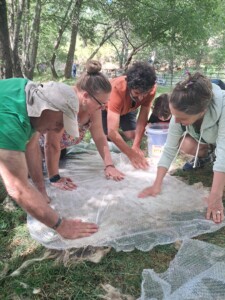
The socioeconomic impact of rural depopulation is profound. When the shepherds leave, the knowledge systems—the "how-to" of maintaining the land—vanish with them. The shearing festivals, such as those hosted by the Los Apisquillos Collective, serve a dual purpose: they are celebrations of community and critical forums for knowledge transfer. Through hands-on demonstrations of carding, spinning, and traditional animal husbandry, these events ensure that the skills required for sustainable land stewardship are passed to a new generation of practitioners.
A Global Perspective on Pastoralism
The relevance of these Spanish practices extends far beyond the borders of the Iberian Peninsula. Pastoralism is a global phenomenon, practiced by millions of people in Africa, Central Asia, and the Americas. The anecdote of the Somali grandmother managing 2,000 head of livestock across 45 kilometers of arid terrain to find grazing is a testament to a universal truth: pastoralists are the primary experts in surviving and thriving in climate-stressed environments.
The resilience of these systems lies in their flexibility. Unlike fixed-location industrial farms, which are highly susceptible to localized drought or disease outbreaks, transhumant systems are dynamic. If a specific area lacks rainfall, the herd moves. This mobility is the ultimate adaptation strategy in a warming world. By prioritizing the health of the land over short-term production quotas, these systems ensure that the food production capacity of the region remains viable for the long term.
Policy Challenges and the Road Ahead
Despite the clear ecological benefits, the path forward for transhumant pastoralism is fraught with challenges. Physical obstructions on the cañadas—such as roads, urban sprawl, and fencing—frequently block the traditional routes. Furthermore, current agricultural subsidies often favor high-input, static farming models, leaving little room for the nomadic requirements of transhumant farmers.
Advocates argue for a paradigm shift in how European agricultural policy (notably the Common Agricultural Policy) classifies "active" land management. Recognition of transhumance as a "cultural right" and a vital component of climate adaptation could unlock necessary funding for infrastructure maintenance, such as the restoration of water troughs, bridges, and shelters along the droving routes.
Conclusion: The Philosophy of "Solvitur Ambulando"
The Latin adage Solvitur ambulando—"it is solved by walking"—takes on a literal and metaphorical weight in the context of Spanish transhumance. While the problems facing modern food security are complex, ranging from global supply chain fragility to localized climate catastrophes, the solution may not be found in more technology, but in a return to a more connected, seasonal, and mobile way of life.
The work of the Los Apisquillos Collective and similar organizations represents a profound commitment to the health of the land. By viewing the landscape as a connected entity rather than a collection of isolated plots, these shepherds are not just producing meat and wool; they are maintaining the structural integrity of the ecosystem. As the world faces the mounting pressures of a changing climate, the lessons learned on the ancient droving routes of Spain suggest that the future of sustainable food security may be found by looking back at the wisdom of those who have walked the land for centuries. Through the integration of traditional ecological knowledge and modern science, transhumance remains a vital, viable, and necessary practice for a resilient future.