on Holiday Traditions: Roasted Rainbow Carrots with Cilantro and Pepita Dressing Bring Modern Mexican-American Flavors to Thanksgiving
The evolution of holiday dining in North America has increasingly reflected the diverse cultural tapestry of households that bridge traditional heritage with contemporary culinary innovation. A prime example of this gastronomic shift is the rising popularity of fusion side dishes that challenge the conventional, often heavy menus historically associated with Thanksgiving and large-scale buffet gatherings. Among the culinary creators leading this movement is food writer and recipe developer Alejandra Graf, whose signature dish—roasted rainbow carrots accompanied by a vibrant cilantro, pepita, and serrano chili dressing—has gained traction as a modern staple for holiday feasts.
This vegan and gluten-free side dish encapsulates a broader culinary trend: the integration of bold, savory, and spicy elements into holiday meals traditionally dominated by heavy starches and sweet profiles. Requiring only ten minutes of preparation and twenty minutes of cooking time, the recipe offers both efficiency for home cooks and a sophisticated flavor profile that balances the natural sweetness of root vegetables with herbaceous heat.

The Intersection of Heritage and Holiday Menus
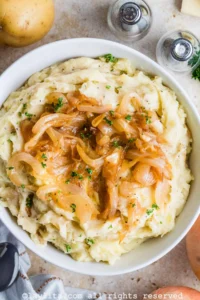
For many multi-ethnic families residing in North America, holiday tables serve as a canvas for cultural synthesis. Graf, a Mexican-American home cook and author, adopted the Thanksgiving tradition after relocating, gradually tailoring the menu to reflect her family’s palate. While standard mainstays such as mashed potatoes remain present, they are increasingly complemented by dishes that incorporate distinctly Mexican flavor structures.
Culinary historians note that traditional American Thanksgiving menus were historically shaped by regional availability and colonial heritage, heavily featuring elements like squash, potatoes, and poultry. However, contemporary demographic shifts have driven a demand for inclusivity and palate diversity during major holiday celebrations. Dishes utilizing ingredients native to Mesoamerica—such as pepitas (pumpkin seeds), cilantro, and chilis—integrate seamlessly into autumn harvest themes while offering a distinct departure from traditional preparations like maple-glazed or marshmallow-topped vegetables.
Anatomy of a Modern Holiday Side Dish
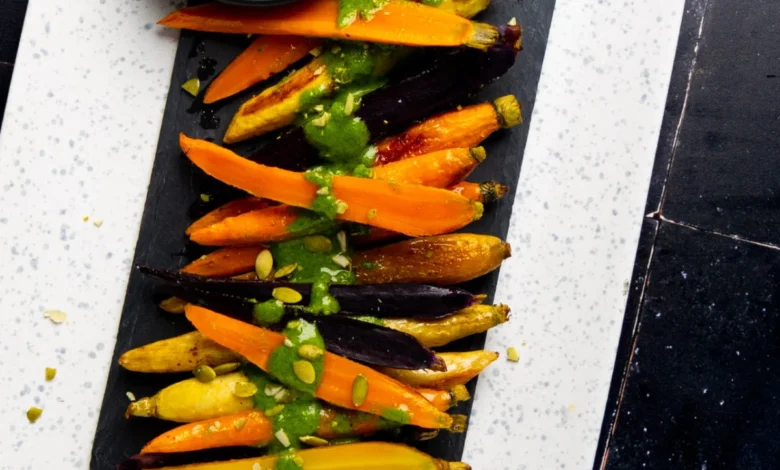
The recipe’s architecture relies on the chemical transformation that occurs during high-heat vegetable roasting, which caramelizes the natural sugars in purple, yellow, and orange carrots. To counteract and elevate this inherent sweetness, Graf pairs the roasted roots with a bright green emulsion.
The dressing leverages the earthy richness of toasted pepitas, the fresh herbaceous notes of cilantro, and the sharp, clean heat of the serrano chili. Nutritional profiles of the dish underscore its appeal to health-conscious consumers: a standard single-serving portion contains approximately 35 kilocalories, two grams of dietary fiber, and significant micronutrients, including high concentrations of Vitamin A derived from the beta-carotene in the rainbow carrots. Furthermore, the complete absence of dairy, gluten, and animal fats makes the dish accessible to individuals with specific dietary restrictions without sacrificing flavor complexity or visual presentation on a buffet table.
The Growing Popularity of Plant-Based and Fusion Buffets
The embrace of recipes like roasted rainbow carrots with cilantro-pepita dressing aligns with broader data trends in the food and hospitality sector. Consumer research indicates a sustained upward trajectory in the demand for plant-based holiday options, driven by both ethical considerations and health-oriented lifestyle choices.

Buffet-style dining, which has surged in popularity for large family gatherings due to its versatility, places a premium on dishes that maintain their structural integrity and aesthetic appeal over extended periods. Roasted root vegetables hold up exceptionally well under chafing dishes or at room temperature compared to delicate green salads or dairy-heavy casseroles. Additionally, the visual contrast of vibrant purple, yellow, and orange carrots juxtaposed against a vivid emerald-green sauce provides the aesthetic engagement modern home cooks increasingly prioritize for social media and family documentation.
Broader Implications for Culinary Traditions
The normalization of fusion dishes during historically rigid holidays like Thanksgiving signals a permanent shift in how cultural assimilation and culinary arts intersect in North America. Rather than abandoning heritage in favor of total assimilation, or conversely, maintaining strict culinary segregation, modern households are curating inclusive menus that honor multiple cultural identities simultaneously.
Food industry analysts point out that creators like Graf are part of a wider digital ecosystem of home cooks and professional chefs who utilize online platforms to democratize multicultural recipes. By providing accessible, fast-preparation blueprints for dishes that bridge traditional techniques with global flavor profiles, these creators are reshaping mainstream grocery store purchasing habits during peak holiday seasons. Ingredients once considered specialty items—such as fresh serrano chilis and raw pepitas—are now standard inventory in mainstream supermarkets leading up to November, reflecting the tangible impact of these culinary trends on national supply chains and consumer behavior.

As the definition of traditional holiday fare continues to expand, recipes that balance nutritional value, preparation efficiency, and complex flavor profiles are expected to remain central to contemporary family celebrations. The enduring success of adaptations like the roasted rainbow carrot dish demonstrates that the future of holiday dining lies in versatility, inclusivity, and the celebration of cross-cultural culinary heritage.