The Evolution of Vegan Baking Standards
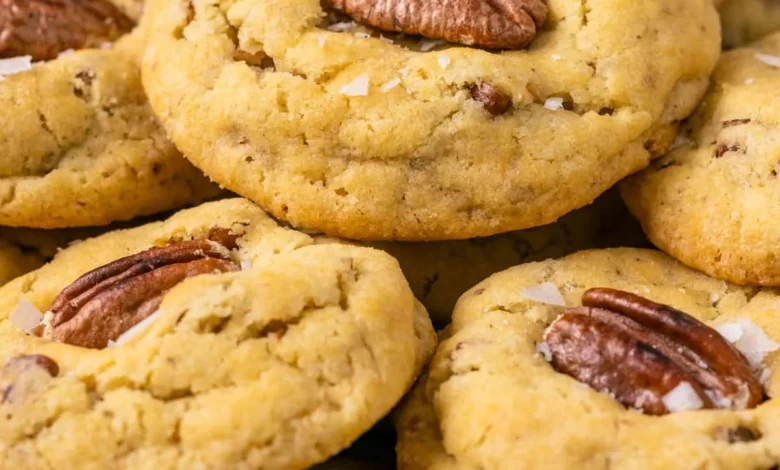
The rise of vegan baking has been underscored by a significant increase in the quality and availability of plant-based substitutes. Historically, the challenge in creating a butter pecan cookie without dairy rested on the ability to replicate the Maillard reaction—the chemical process that gives butter its characteristic nutty aroma and toasted depth. Modern vegan butter alternatives, typically formulated from a blend of coconut, canola, or palm oils, have achieved a fat-to-water ratio that closely mimics traditional dairy butter, allowing for the same creaming process essential to achieving a soft and chewy cookie texture.

Market data from the plant-based food sector suggests that home bakers are increasingly seeking recipes that do not require specialized equipment or hard-to-find ingredients. The popularity of the butter pecan variant specifically is rooted in the combination of fatty, nutrient-dense nuts and a sweet, buttery base, a pairing that remains a staple in North American dessert culture.

Nutritional Profile and Ingredient Selection
A standard serving of these cookies typically contains approximately 194 calories, with 11 grams of fat and 22 grams of carbohydrates. The inclusion of pecans—a tree nut rich in monounsaturated fats and antioxidants—adds a significant nutritional dimension to the treat.

To achieve the desired consistency, the recipe relies on a specific chemical interplay between the dry and wet ingredients:

- The Leavening Process: The use of baking soda and baking powder, when combined with acidic elements in the dough, creates carbon dioxide, ensuring the cookie retains a soft, airy crumb rather than a dense, flat texture.
- Stabilization: Cornstarch is often utilized in these formulations to bind the ingredients and provide structural support, a common technique in professional baking to prevent excessive spreading during the oven cycle.
- Toasting Technique: The inclusion of toasted pecans is not merely for texture; the heat application releases the natural oils in the nuts, which deepens the overall flavor profile of the cookie.
Chronology of the Baking Process
The preparation of these cookies follows a precise, standardized procedure designed to maximize flavor development and structural stability.

- Preparation of Nuts: The process begins with the dry roasting of pecans. Toasting the nuts at a moderate temperature for five minutes is a critical step, as it prevents the raw, earthy flavor of the nut from overpowering the delicate sugar notes in the dough.
- Creaming and Emulsification: The vegan butter, which must be at a specific temperature to prevent over-softening, is creamed with granulated and brown sugars. The brown sugar provides a higher moisture content, which is essential for the characteristic "chew" of the cookie.
- Mixing and Incorporation: The dry ingredients—flour, leavening agents, and salt—are sifted and folded into the wet base. The addition of plant-based milk (such as soy) is used to reach the desired hydration levels, ensuring the dough remains pliable but not sticky.
- Temperature Management: A vital, often overlooked step is the chilling of the dough. Chilling the formed dough balls for a minimum duration allows the fats to re-solidify, which directly controls the spread of the cookie during the baking phase.
Technical Recommendations for Quality Control
Professional bakers and culinary educators emphasize several variables that determine the success of this recipe. The most significant is the management of the baking environment.

Baking in batches is strongly recommended to ensure consistent heat distribution within the oven. When two trays are placed in the oven simultaneously, the air circulation is disrupted, which can lead to uneven browning and irregular texture. Furthermore, the practice of cooling the cookies on the baking tray for a short duration after removal from the oven allows for residual heat to finalize the setting of the cookie’s edges without overcooking the center.

Broader Implications for the Baking Industry
The transition toward plant-based alternatives is not limited to home kitchens; it reflects a broader industry trend where large-scale commercial bakeries are reformulating legacy recipes to reach a wider demographic. The ability to create a "butter" pecan cookie that is indistinguishable from its dairy counterpart highlights advancements in food science, specifically in the development of vegan fats that perform predictably under heat.

As the demand for allergen-friendly and plant-based desserts grows, the "veganization" of classic recipes is serving as a catalyst for innovation in ingredient substitution. The use of gluten-free all-purpose flour blends is an emerging area of interest, although researchers note that the absence of gluten requires a more precise balance of starches to maintain the necessary protein structure.

Storage and Preservation
Due to the absence of dairy, these cookies possess a unique storage advantage. While they remain stable at room temperature for several days when kept in an airtight container, they are also highly suitable for long-term storage. Freezing the dough in its pre-portioned form allows for an "on-demand" baking model, a convenience factor that has contributed to the rise in the popularity of homemade frozen cookie dough.

When baking from a frozen state, the addition of two to three minutes to the standard oven time is necessary to ensure the core of the cookie reaches the appropriate temperature. This method of storage effectively preserves the freshness of the toasted pecans, which can become rancid if stored in an open environment for extended periods.

Conclusion
The Vegan Butter Pecan Cookie serves as a testament to the versatility of plant-based ingredients. By adhering to the principles of chemistry and temperature control, home bakers can achieve a product that satisfies both the craving for traditional flavors and the requirement for modern, inclusive dietary standards. As ingredient technology continues to advance, the gap between traditional and plant-based baking continues to narrow, reinforcing the viability of these recipes for both casual occasions and large-scale holiday preparations.