Caesar Roasted Cabbage and White Beans: A New Standard for Nutrient-Dense Mediterranean Cuisine

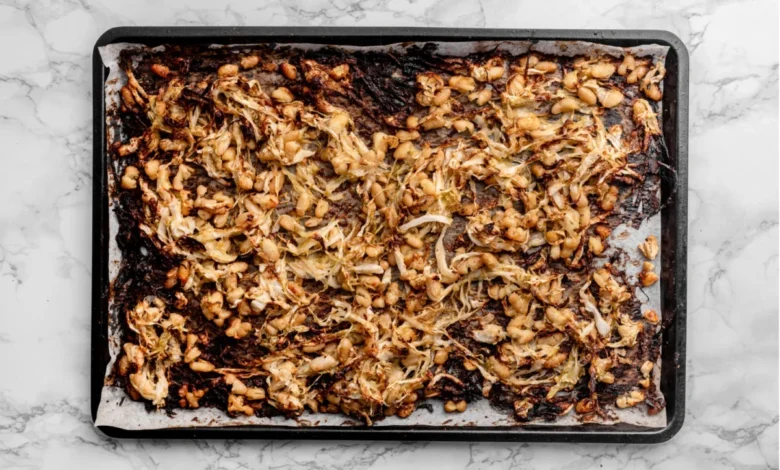
The culinary landscape is currently experiencing a significant shift toward plant-forward, high-fiber, and resource-efficient meal preparation, and the emergence of Caesar roasted cabbage and white beans as a staple dish reflects this broader nutritional trend. This recipe, which reimagines the traditional Caesar salad components—typically dominated by romaine lettuce, croutons, and heavy dressing—into a roasted, savory vegetable main or side, has gained traction among home cooks and nutritionists alike for its balance of texture, flavor, and accessibility.
By moving away from raw, cold-composed salads toward high-heat roasting techniques, the dish leverages the natural sugars within green cabbage to create a caramelized, umami-rich profile. The inclusion of cannellini beans provides a necessary protein-fiber matrix that elevates the cabbage from a simple side dish to a more substantial, satiety-inducing component of a balanced diet.
Historical Context and Nutritional Evolution
Cabbage, a member of the Brassicaceae family, has historically been a cornerstone of agrarian diets due to its hardiness and long storage life. However, in the 21st century, its culinary application has often been limited to coleslaws or heavy stews. The modern movement to "roast" cruciferous vegetables at high temperatures—often between 400°F and 450°F—has unlocked a new potential for the vegetable, specifically regarding its ability to develop a nutty, complex flavor profile that rivals roasted root vegetables.
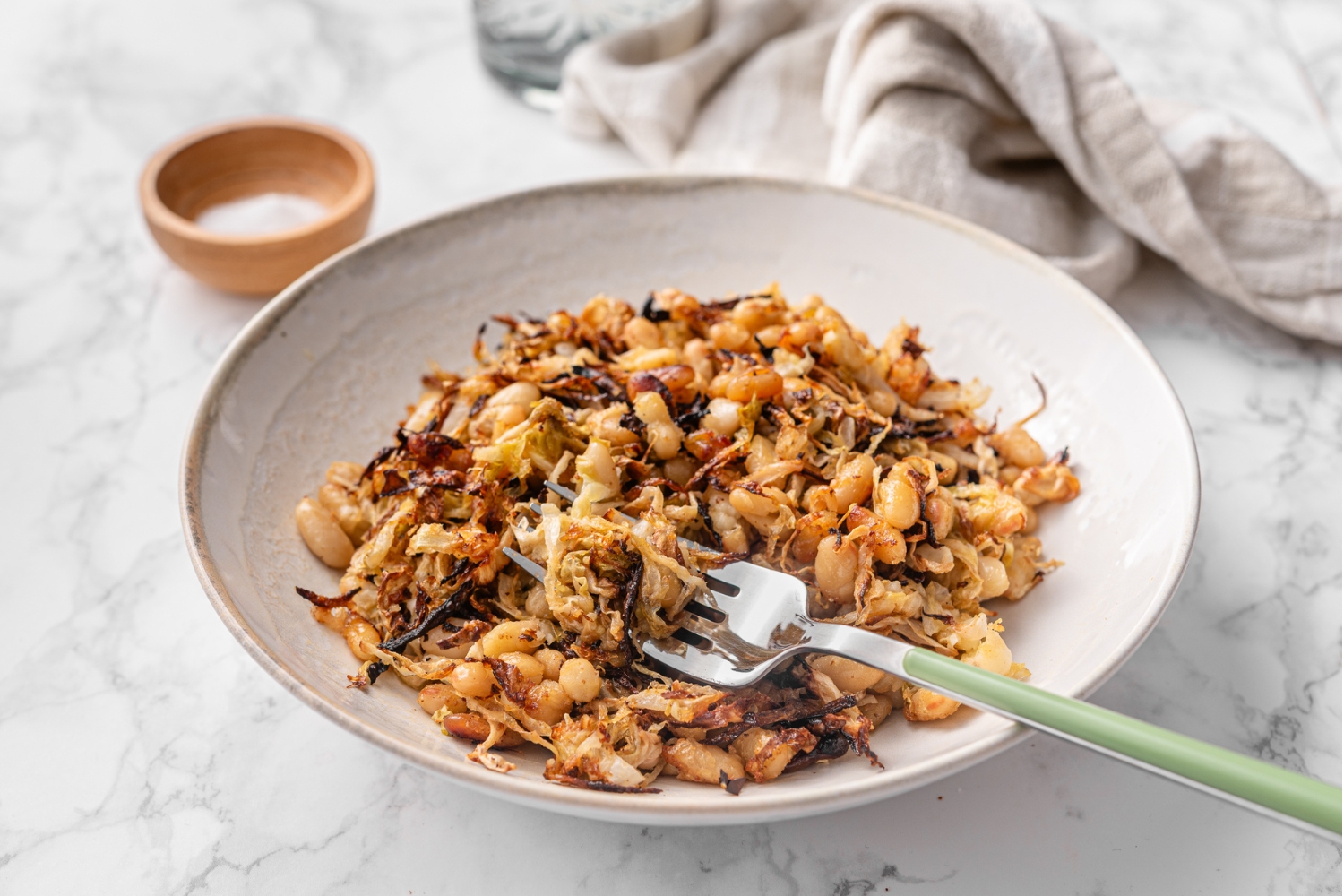
When combined with the Mediterranean diet’s emphasis on legumes, the nutritional profile of this dish becomes particularly noteworthy. According to recent data from the American Heart Association and similar dietary research bodies, increasing legume intake is directly correlated with improved cardiovascular outcomes and stabilized blood glucose levels. The pairing of green cabbage—a significant source of Vitamin K and Vitamin C—with cannellini beans provides a dense concentration of micronutrients, including folate, potassium, and iron, all while maintaining a relatively low caloric density.
Chronology of Culinary Preparation
The preparation methodology for this dish is designed to minimize labor while maximizing chemical reactions that enhance taste. A typical workflow involves a five-minute preparation phase followed by a 35-to-40-minute roasting window.
- Preheating and Setup (0–5 minutes): The oven is brought to a sustained 425°F. Simultaneously, a baking sheet is prepared with parchment paper to prevent sticking and ensure an even transfer of heat to the cabbage shreds.
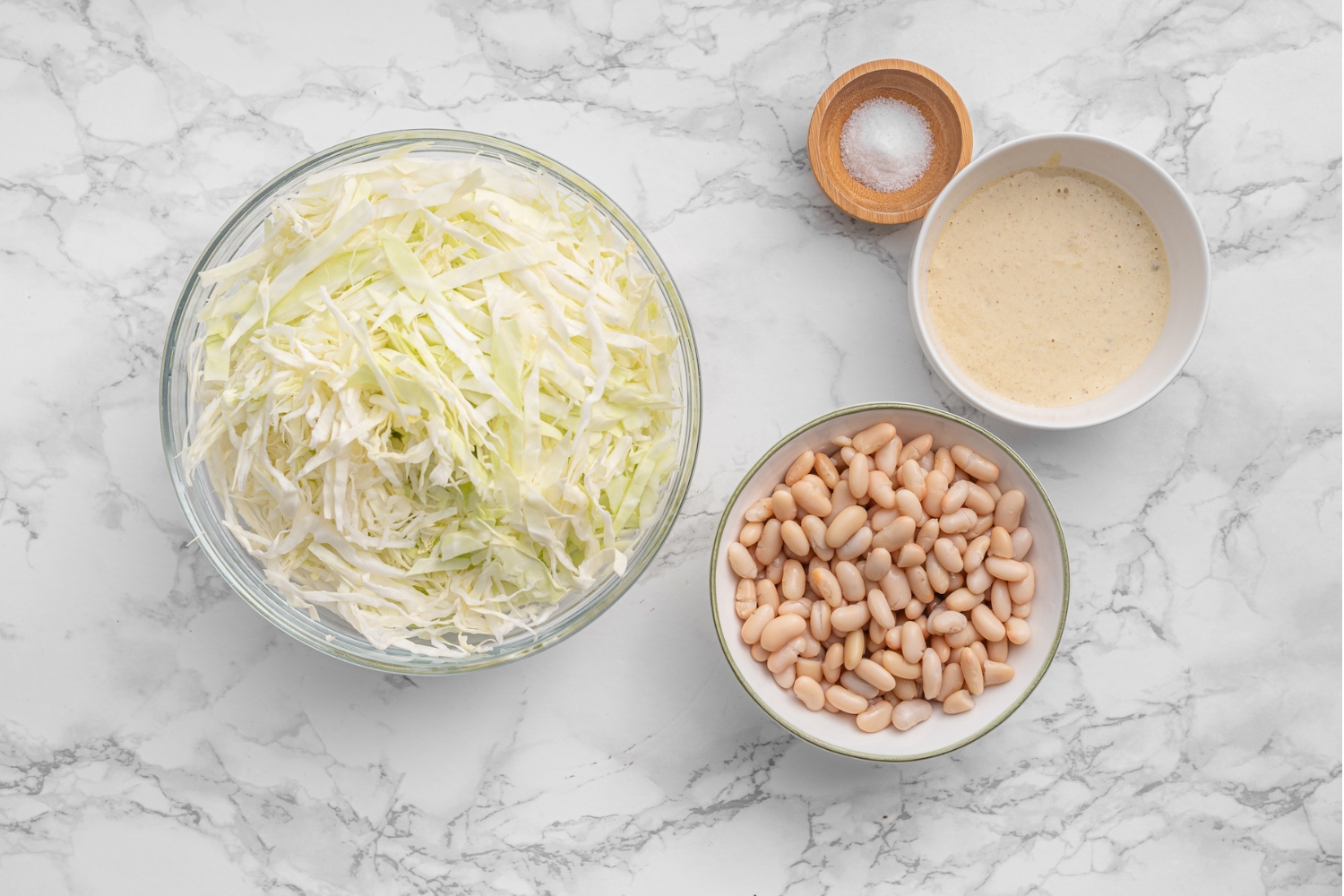
- Emulsification (5–10 minutes): The dressing is crafted as a separate, critical component. The base relies on the traditional anchovy-garlic-Parmesan trinity, emulsified with high-quality extra virgin olive oil. This specific combination is essential for providing the savory "anchoring" flavor required to balance the cabbage’s inherent bitterness.
- Combination and Coating (10–12 minutes): Shredded cabbage and drained, rinsed cannellini beans are combined with the dressing. The mechanical action of tossing the ingredients ensures that the surface area of both the cabbage and the beans is coated, facilitating the browning of the beans and the wilting of the cabbage.
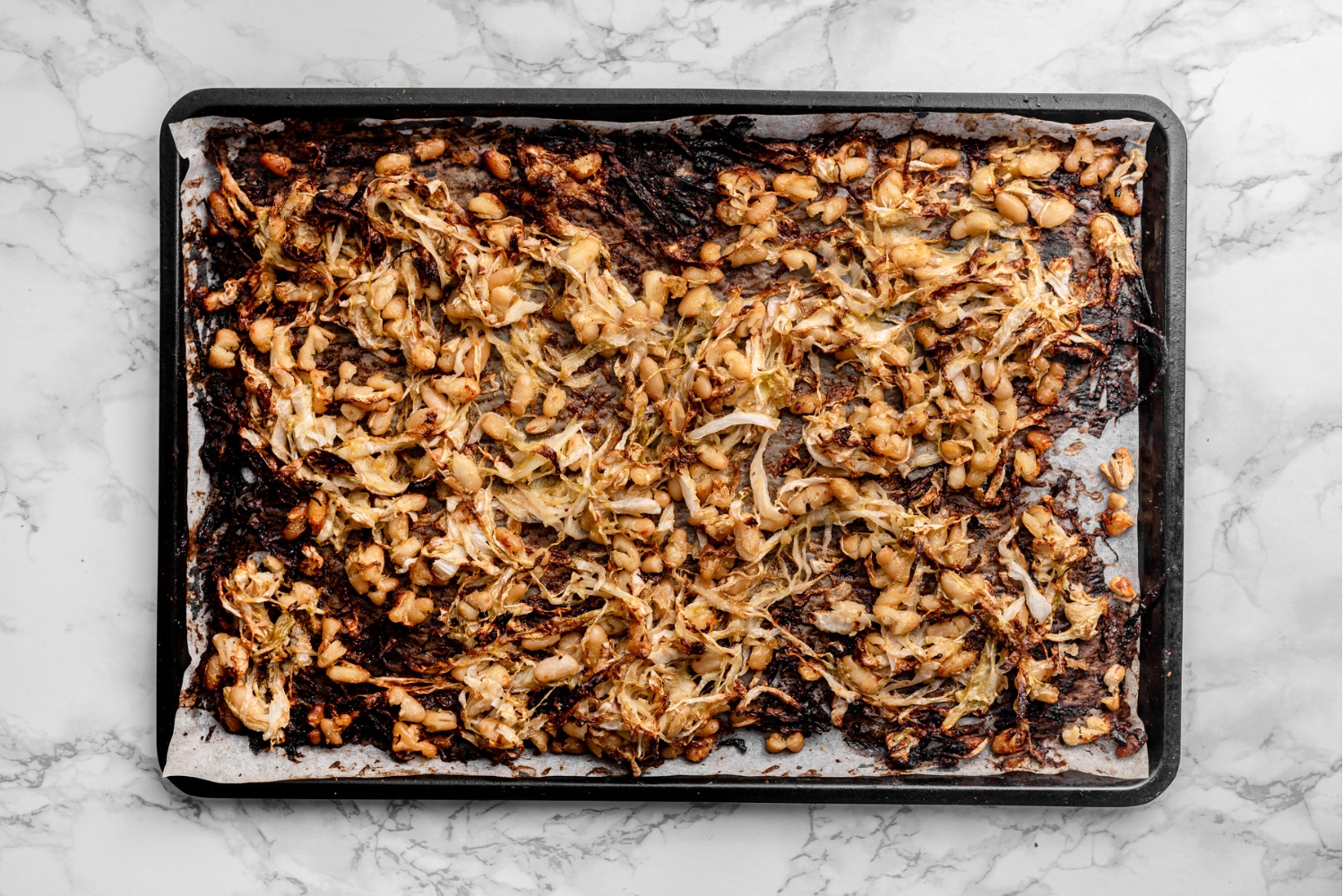
- Thermal Processing (12–50 minutes): The roasting period is the most vital step. The high heat promotes the Maillard reaction—a chemical reaction between amino acids and reducing sugars that gives browned food its distinctive flavor. The cabbage is intended to reach a state of partial charring on the edges, which is not an indication of overcooking but rather a desired sensory characteristic.
Analytical Breakdown: Why the Combination Succeeds
From a food science perspective, the success of this dish lies in the contrast of textures. The cannellini beans, when roasted, undergo a dehydration process on their exterior, creating a crisp skin while maintaining a soft, creamy interior. This texture mimics the crunch of traditional croutons found in Caesar salads, effectively replacing refined, processed carbohydrates with fiber-rich legumes.
Furthermore, the acidity provided by the lemon juice in the dressing serves as a palate cleanser, cutting through the natural earthiness of the cabbage and the richness of the Parmesan cheese. This scientific balance is a hallmark of the Mediterranean diet, where fat, acid, and fiber are prioritized to create a "complete" eating experience without the need for processed additives.
Expert Perspectives and Dietary Implications
Nutritionists have noted that dishes like these represent a "bridge" for consumers looking to transition away from meat-centric meals. By utilizing a familiar flavor profile—the widely recognizable Caesar dressing—the dish removes the intimidation factor often associated with cooking cruciferous vegetables.
"The strength of this dish is its familiarity," says a spokesperson from a major nutritional research firm. "When consumers recognize the flavor profile of a Caesar dressing, they are more willing to experiment with a vegetable that they might otherwise overlook. It is a perfect example of how flavor can drive positive nutritional choices."
The broader impact on the food industry is significant. As supply chains for fresh produce become more robust, encouraging the consumption of "lesser" vegetables like cabbage through flavorful preparations helps reduce food waste and promotes sustainable eating habits. The reliance on canned, shelf-stable beans also addresses accessibility concerns, ensuring that the dish can be prepared regardless of fresh produce seasonality.
Practical Considerations for the Home Kitchen
Despite its relative simplicity, the dish requires attention to detail regarding oven management. A common error, according to professional chefs, is overcrowding the baking sheet. If the cabbage and beans are piled too high, the water content released by the cabbage will cause the dish to steam rather than roast, resulting in a mushy texture rather than the intended caramelized edges.
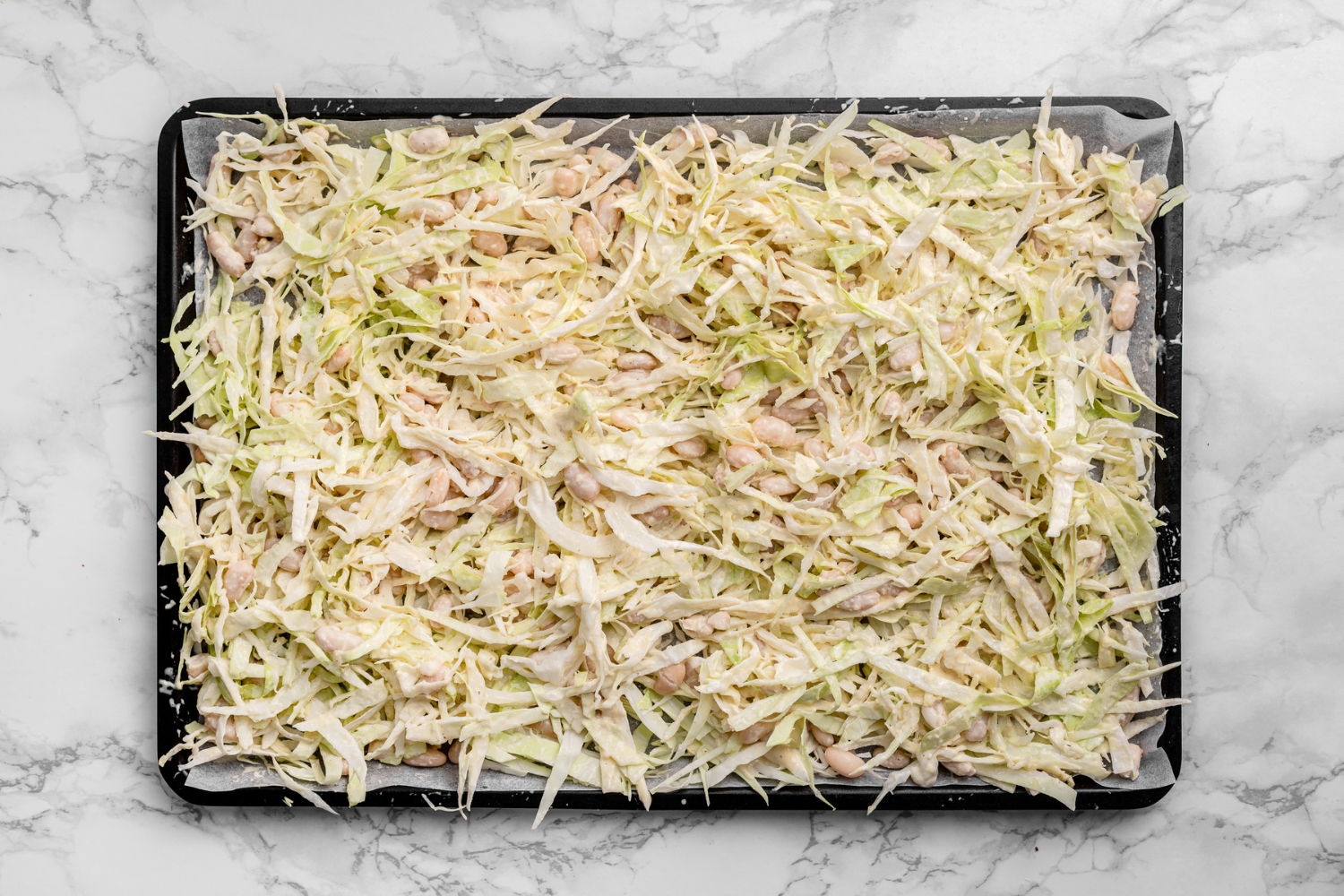
The recommendation to use two sheets, if necessary, is an essential tip for maintaining the structural integrity of the cabbage. Furthermore, the decision to use or omit anchovies is a point of frequent discussion. While anchovies are traditional, the use of miso paste or capers has emerged as a viable alternative for those seeking a vegetarian version of the umami-rich dressing, though purists argue that the anchovy provides a depth of flavor that is difficult to replicate.
Economic and Sustainability Outlook
From an economic standpoint, the dish is highly efficient. Cabbage is consistently one of the most affordable vegetables in the global market, and white beans provide a low-cost, high-yield protein source. In an era of rising food prices, this recipe offers a path to high-quality nutrition that is fiscally responsible.
Moreover, the versatility of the leftovers is a key factor in its popularity. Because the flavors of the dressing and the roasted vegetables meld during refrigeration, the dish is often considered more flavorful on the second day. The ability to reheat it in a skillet, which restores the crispness of the edges, makes it an ideal candidate for meal-prepping in a professional or personal context.
Conclusion: A Staple for the Modern Diet
As the culinary world continues to prioritize plant-forward options, the Caesar roasted cabbage and white beans recipe stands out for its structural simplicity and flavor density. It satisfies the requirement for a dish that is both easy to execute and nutritionally sound. By effectively combining the comfort of a classic salad profile with the health benefits of cruciferous vegetables and legumes, this dish provides a replicable, scalable solution for anyone looking to optimize their daily intake of whole foods.
Whether served as a main dish bolstered by grains or as a side accompaniment to lean proteins such as salmon or roasted chicken, the dish demonstrates that complex, high-quality cooking does not necessitate hours of labor. Instead, it relies on the intelligent application of heat and the strategic combination of ingredients to transform humble staples into a meal of significant depth. As this recipe continues to circulate in home kitchens, it is likely to remain a definitive example of how modern cooking can successfully merge tradition with contemporary health guidelines.