The Rise of Pastina Soup: How Traditional Italian Penicillin Transformed From Family Remedy to Modern Culinary Phenomenon

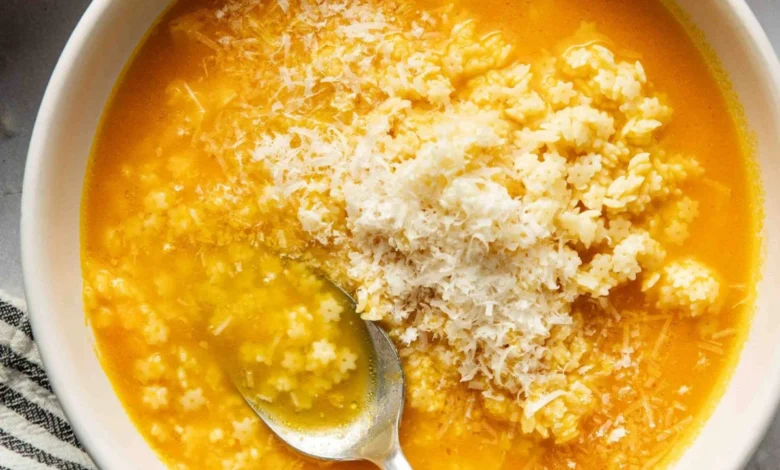
The humble bowl of pastina soup—affectionately dubbed "Italian penicillin"—has experienced a dramatic resurgence in contemporary culinary culture, transitioning from a generational comfort food into a widely shared digital phenomenon and a staple remedy for households navigating seasonal illness. While families have relied for centuries on the restorative powers of tiny star-shaped pasta simmered in a savory broth, recent shifts in digital media consumption and culinary trends have propelled the dish back into the mainstream spotlight.
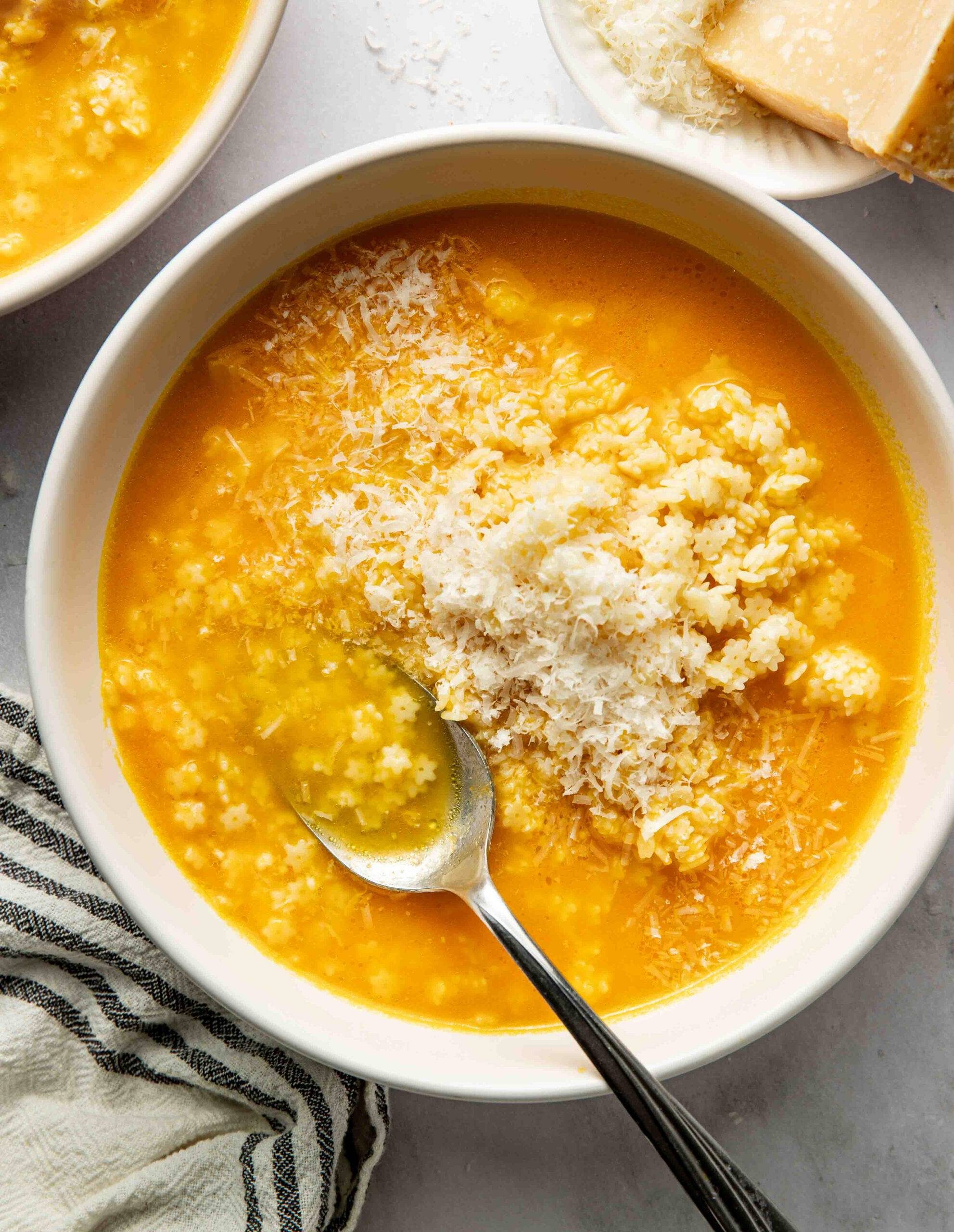
Originating as a traditional remedy passed down through generations of Italian grandmothers, pastina has long served as a culinary cornerstone for convalescing children and adults alike. Characterized by its light yet deeply nourishing profile, the dish relies on a simple base: microscopic pasta shapes cooked or combined with a flavorful, aromatic broth and finished with grated Parmigiano-Reggiano and olive oil. Over the past several years, however, the recipe has transcended its traditional kitchen roots, capturing the attention of millions across social media platforms like TikTok and inspiring home cooks to reevaluate the profound psychological and physiological comfort associated with simple, unpretentious cooking.
Background and Cultural Origins
The concept of "Italian penicillin" is deeply embedded in Mediterranean food culture. Historically, Italian households utilized whatever ingredients were readily available to nurse sick family members back to health. Chicken soup equivalents across global cultures share similar traits—warmth, hydration, easily digestible carbohydrates, and electrolyte-rich liquids—but pastina occupies a unique cultural space due to the sensory experience of the pasta itself.

Pastina, which translates literally to "little pasta," is manufactured in various miniature shapes, with stars (stelle) being the most iconic. Because the pieces are so small, they cook rapidly and absorb flavors efficiently, creating a porridge-like consistency when paired with the right amount of broth. For generations, Italian-American and Italian families have turned to this dish during the onset of winter colds and flus, establishing a generational transmission of comfort food lore.
Nutritional anthropologists note that comfort foods function on dual levels: physiological and psychological. The warmth of the liquid helps soothe sore throats and maintain hydration, while the familiar flavors trigger the release of dopamine, providing a psychological lift when the body is weakened by illness.
The Digital Transformation and Modern Revival
The modern resurgence of pastina soup can be traced largely to the democratization of home cooking content on social media. During periods of widespread isolation and collective health anxieties, online food creators began sharing simplified, comforting recipes that required minimal effort and readily available pantry staples. Pastina emerged as an ideal candidate for viral culinary trends.
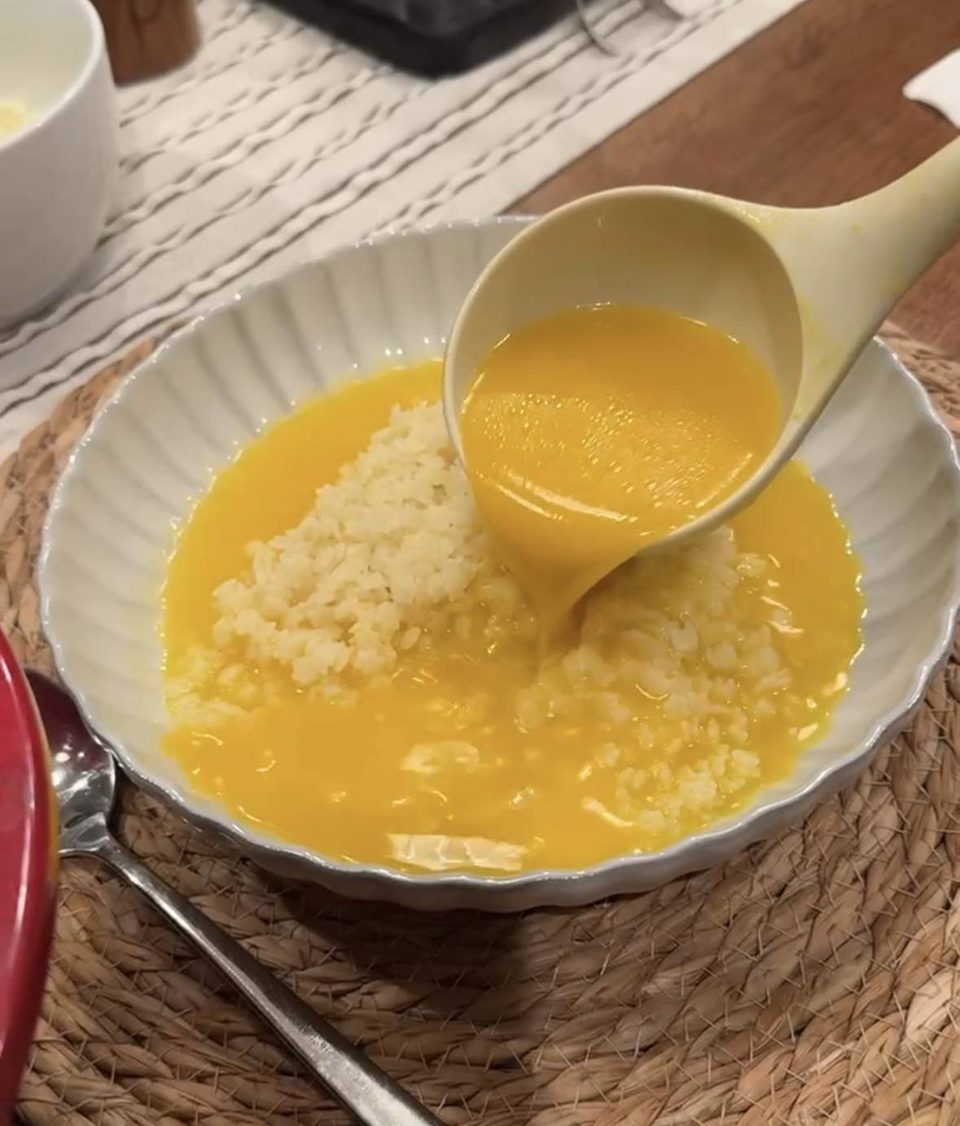
Food bloggers, lifestyle influencers, and home cooks began showcasing their own variations of the dish, often elevating the traditional preparation by enhancing the broth base. Rather than relying solely on store-bought bouillon or plain water, contemporary home cooks have popularized methods involving the quick sautéing of aromatic vegetables—such as carrots, celery, and onions—followed by simmering, blending the vegetables back into the liquid to create a velvety, emulsified broth, and finally ladling it over the cooked pasta.

This refined approach bridges the gap between quick-fix sick-day meals and gourmet comfort food. Culinary analysts point out that the appeal lies in its duality: it requires very little culinary skill and basic ingredients found in standard grocery stores, yet the resulting flavor profile rivals labor-intensive stocks that take hours to prepare.
Preparation and Culinary Methodology
For those looking to replicate the traditional comfort of pastina soup at home, culinary experts and experienced home cooks recommend a specific sequence of steps designed to maximize flavor extraction without increasing prep time.
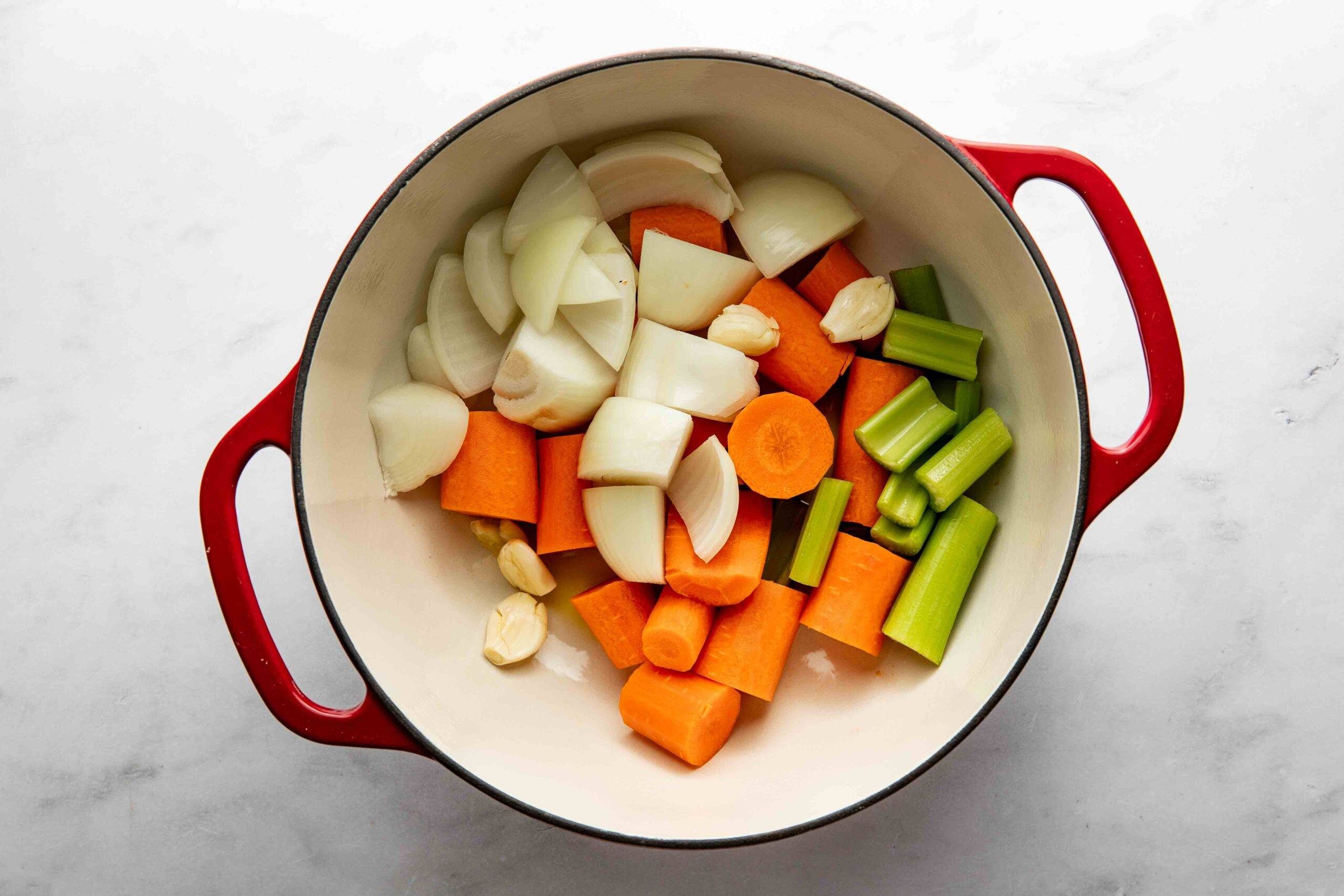
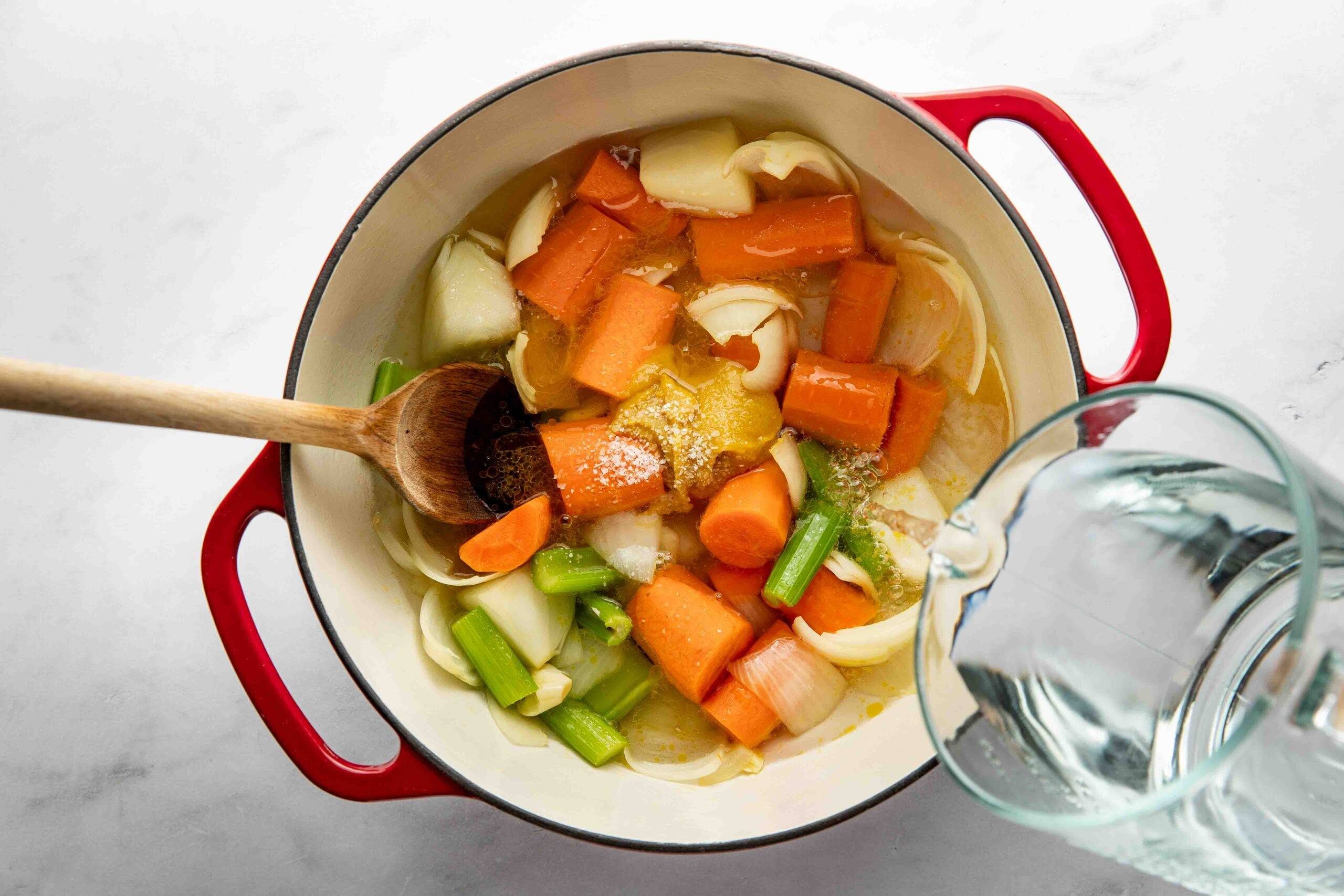
- Aromatic Sautéing: The process typically begins by roughly chopping basic mirepoix vegetables—onions, carrots, and celery—and sautéing them briefly in extra-virgin olive oil. This step releases the natural sugars and essential oils of the vegetables, building a foundational depth of flavor.
- Simmering and Emulsification: Water combined with a high-quality bouillon base (such as vegetable or chicken concentrate) is added to the pot and brought to a simmer. Once the vegetables are tender, they are removed, blended until smooth, and returned to the broth. This technique transforms a standard clear broth into a rich, opaque, and deeply nourishing liquid without the need for heavy cream or complex stocks.
- The Pastina Element: The pastina pasta is cooked separately or directly in the broth, depending on preference, though cooking it separately prevents the pasta from absorbing all the liquid over time.
- The Final Polish: Served piping hot, the dish is traditionally finished with a generous drizzle of quality olive oil and a heavy dusting of freshly grated Parmesan or Parmigiano-Reggiano cheese.
Broader Economic and Market Implications
The viral popularity of pastina has generated measurable shifts in grocery retail trends. Major supermarket chains and neighborhood grocers have reported noticeable increases in the demand for specialty miniature pasta shapes, often leading to temporary stock shortages in the soup and pasta aisles.
Furthermore, the trend has highlighted the enduring resilience of comfort food brands and pantry essentials in the face of shifting consumer habits. As inflation and economic pressures influence household food budgets, consumers increasingly turn toward affordable, versatile, and comforting meals that utilize shelf-stable ingredients. Pastina fits squarely into this economic reality, offering a high-yield, low-cost meal that satisfies both physical hunger and emotional fatigue.
Industry analysts suggest that the pastina trend is part of a broader movement toward "nostalgia cooking"—a cultural preference for retro, comforting dishes that evoke a sense of safety and simplicity. As consumers navigate modern stressors, recipes that harken back to childhood or ancestral traditions continue to dominate culinary interest.
Conclusion
Whether referred to as pastina soup, Italian penicillin, or simply a bowl of tiny stars in broth, the dish remains a testament to the enduring power of simple food. By combining generations of culinary tradition with modern digital sharing, pastina has cemented its place not just as a remedy for the common cold, but as a celebrated staple of contemporary home cooking. As families continue to seek out meals that offer both nourishment and comfort, the humble star-shaped pasta will undoubtedly remain a fixture on kitchen tables for generations to come.