Prime Rib Roast Recipe: A Culinary Guide to Preparing the Perfect Standing Rib Roast

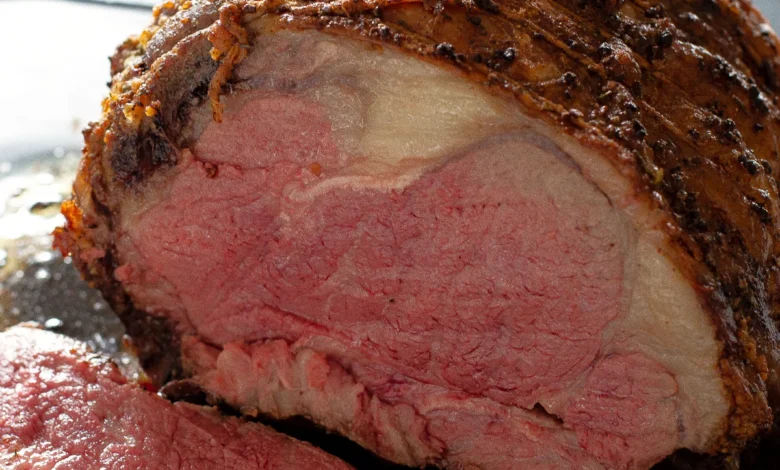
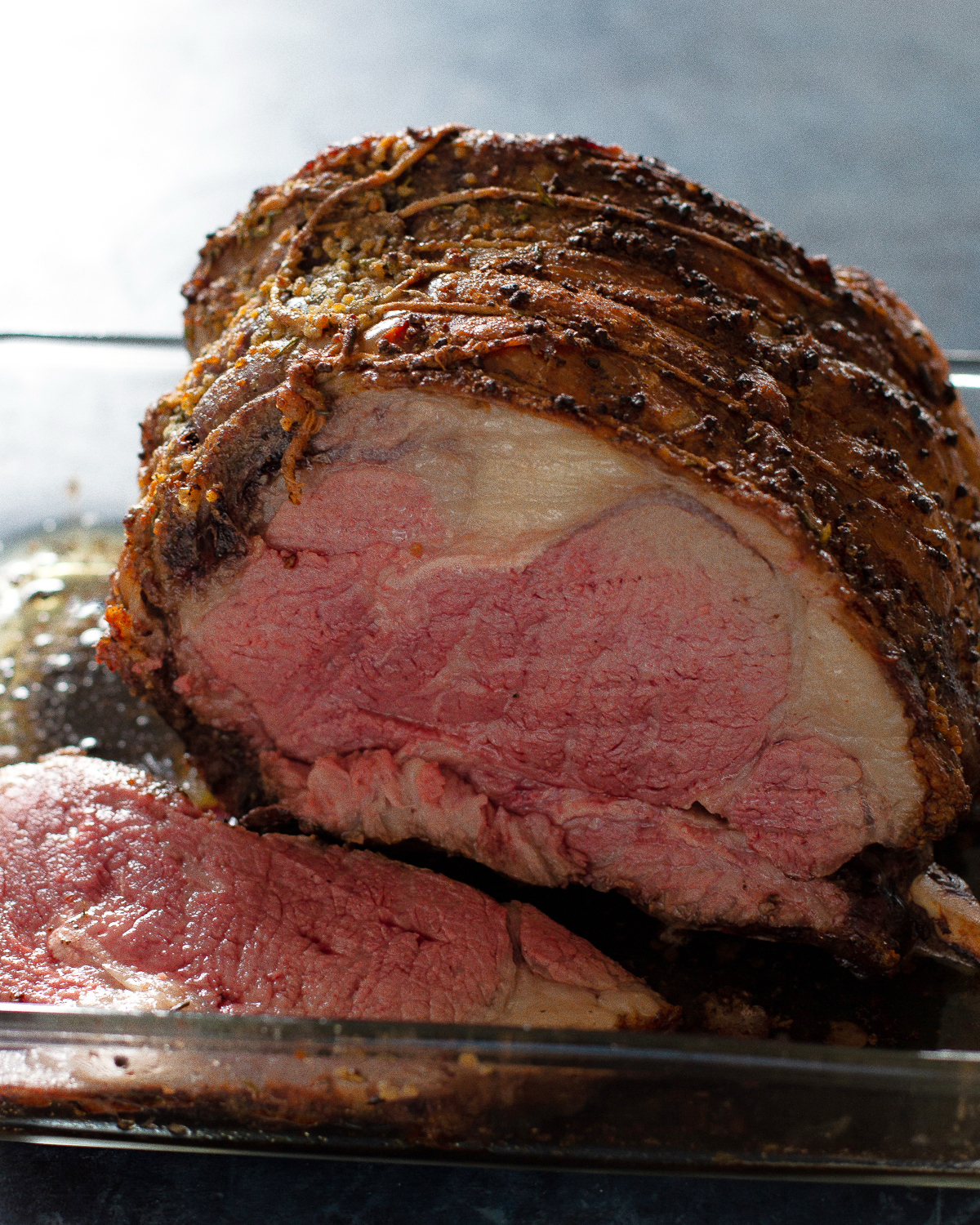
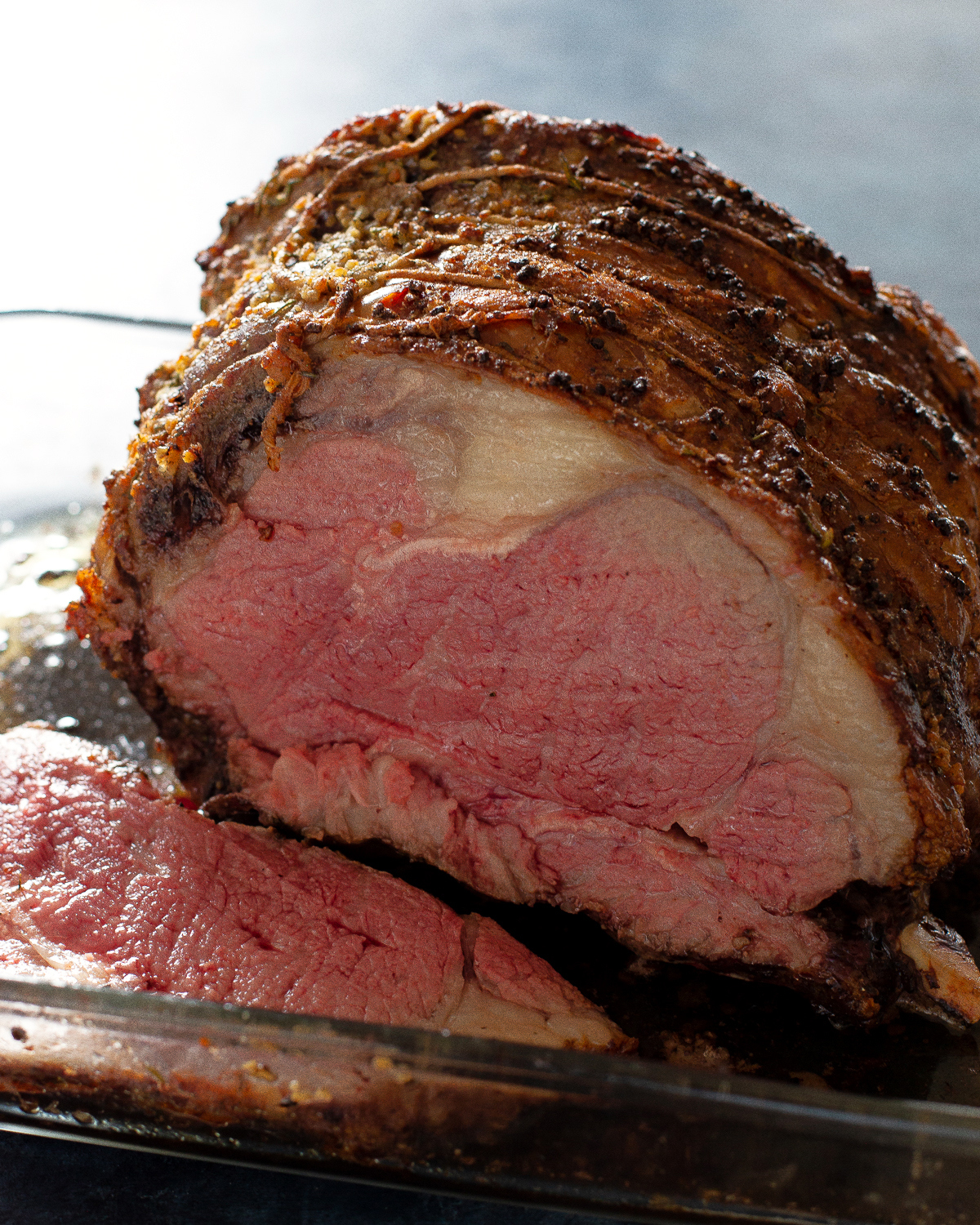
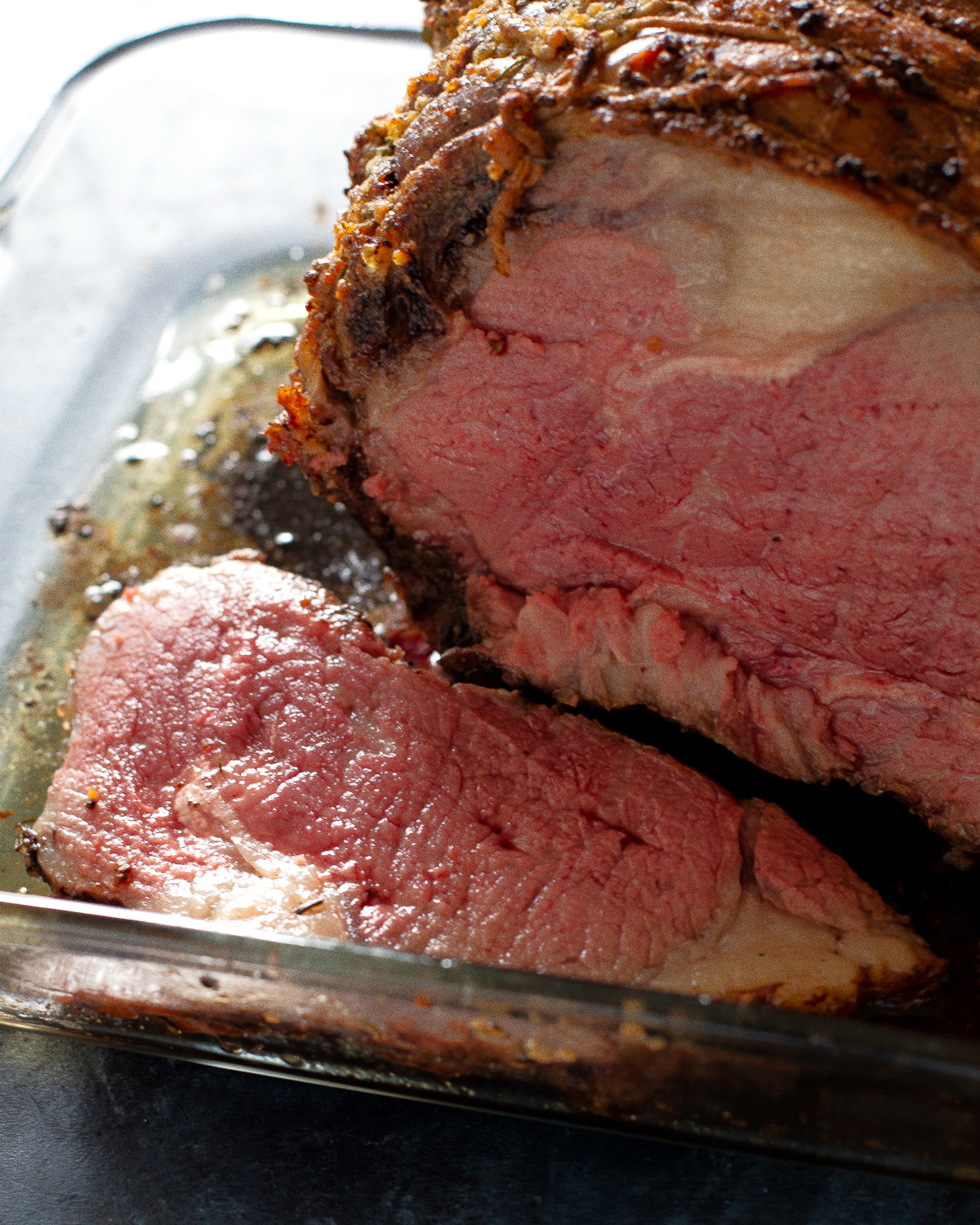
The standing rib roast, commonly referred to as prime rib, occupies a singular position in the pantheon of holiday and celebratory dining. A cut of unparalleled quality, the prime rib is sourced from the primal rib section of the bovine, specifically spanning the sixth through the twelfth ribs. This area is noted for its high degree of marbling and muscle structure, which remains relatively inactive throughout the animal’s life, contributing to a texture and flavor profile that is consistently superior to cuts from the round or chuck. Achieving the ideal preparation of this roast—defined by a deeply caramelized, savory crust and a uniform, tender, edge-to-edge medium-rare interior—requires a systematic approach to thermal management and ingredient application.
The Historical and Culinary Significance of Prime Rib
Historically, the prime rib has been synonymous with high-end hospitality. Throughout the 20th century, the dish became a staple of American steakhouse culture, representing a pinnacle of traditional, formal dining. The term "prime" itself is often colloquially conflated with the United States Department of Agriculture (USDA) grading system. While the USDA classifies beef into categories such as Prime, Choice, and Select based on marbling and maturity, many commercially available roasts labeled as "prime rib" at the retail level are, in fact, USDA Choice grade. Despite this, the Choice-grade standing rib roast retains sufficient fat content to ensure a succulent result when prepared using appropriate low-temperature roasting techniques.
Chronological Preparation Methodology
The preparation of a successful roast relies on a chronological progression that balances surface searing with internal temperature control. Culinary experts suggest that the process should begin with the meat reaching room temperature, typically requiring one to two hours of tempering prior to entering the oven. This step is critical for minimizing the temperature gradient between the exterior and the center of the roast.
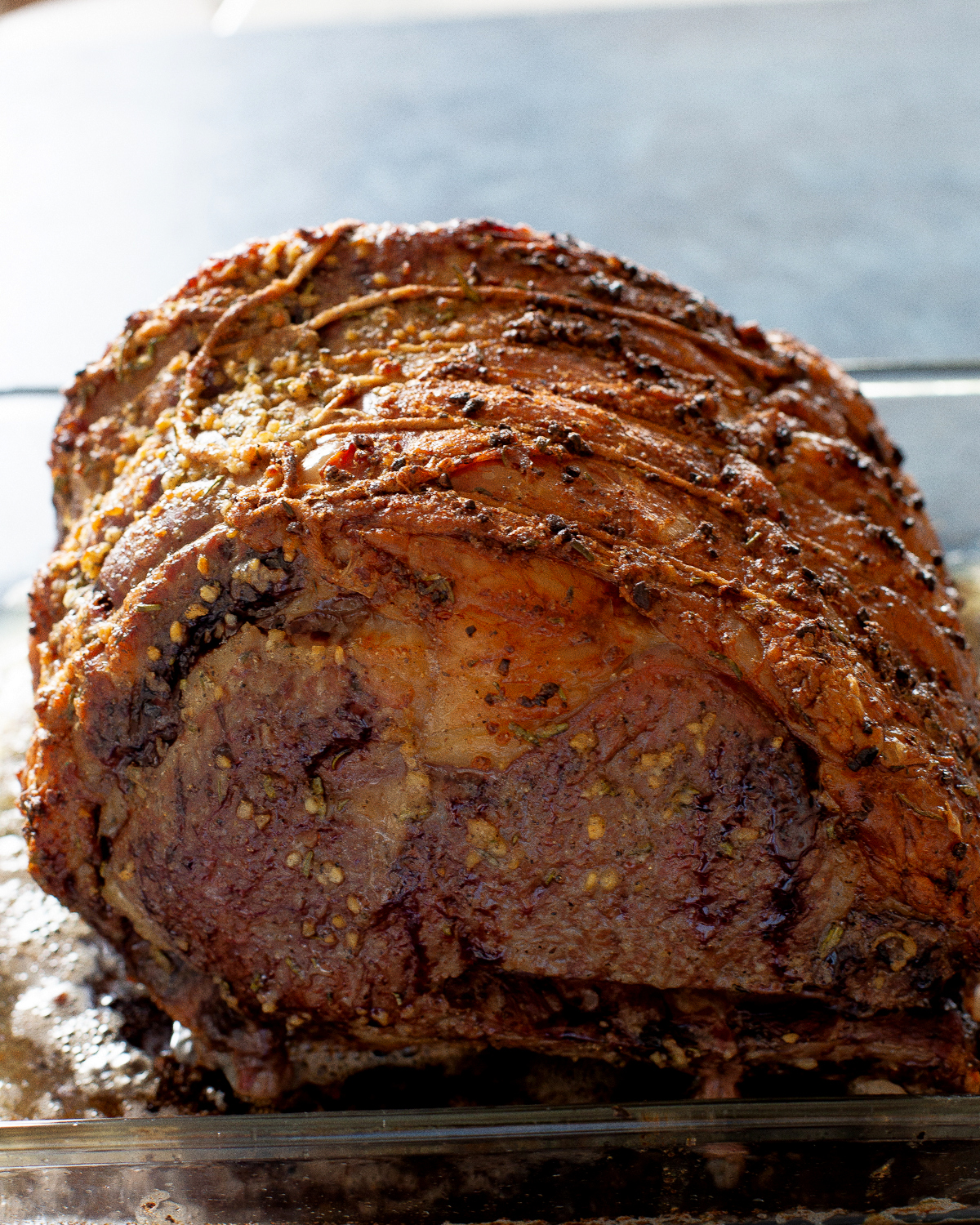
- Pre-Roasting Preparation: The meat is typically treated with a compound of butter, minced garlic, fresh herbs such as rosemary and thyme, and high-quality sea salt. This mixture serves as a conductive medium that facilitates a robust Maillard reaction—the chemical process responsible for the browning and development of complex flavor compounds on the surface of the meat.
- Initial Searing: To establish the crust, the roast is initially subjected to high temperatures—often between 450°F and 500°F—for a brief window of 15 to 20 minutes. This phase initiates the dehydration of the surface proteins, which is essential for creating the signature aesthetic and savory exterior.
- Low-Temperature Transition: Following the sear, the oven temperature is reduced to a range of 250°F to 300°F. This transition is the most critical juncture in the process. The objective is to facilitate a slow, gradual increase in internal temperature. A slow roasting environment prevents the outer layers of the beef from becoming overcooked while the interior reaches the desired level of doneness.
- Thermal Monitoring: The use of a digital meat thermometer is the industry standard for ensuring consistency. Culinary professionals emphasize that the roast should be removed from the oven when the internal temperature is approximately 10°F to 15°F below the target serving temperature, as the internal heat will continue to rise during the resting phase.
Technical Data: Internal Temperature Standards
Precision is non-negotiable when preparing a premium cut of beef. The following temperature parameters are recognized by professional kitchens for determining the state of doneness in a standing rib roast:
- Rare: Remove from oven at 115°F for a final resting temperature of 120°F.
- Medium-Rare: Remove from oven at 120°F for a final resting temperature of 125°F to 130°F.
- Medium: Remove from oven at 130°F for a final resting temperature of 135°F to 140°F.
- Medium-Well: Remove from oven at 140°F for a final resting temperature of 145°F to 150°F.
The resting period is arguably as vital as the cooking time. Allowing the roast to rest on a cutting board, ideally tented loosely with foil, for 20 to 30 minutes allows the muscle fibers to relax and the internal juices to redistribute. Failure to rest the meat results in a loss of moisture when the roast is sliced, diminishing the overall quality of the dish.
Structural Considerations: Bone-In Versus Boneless
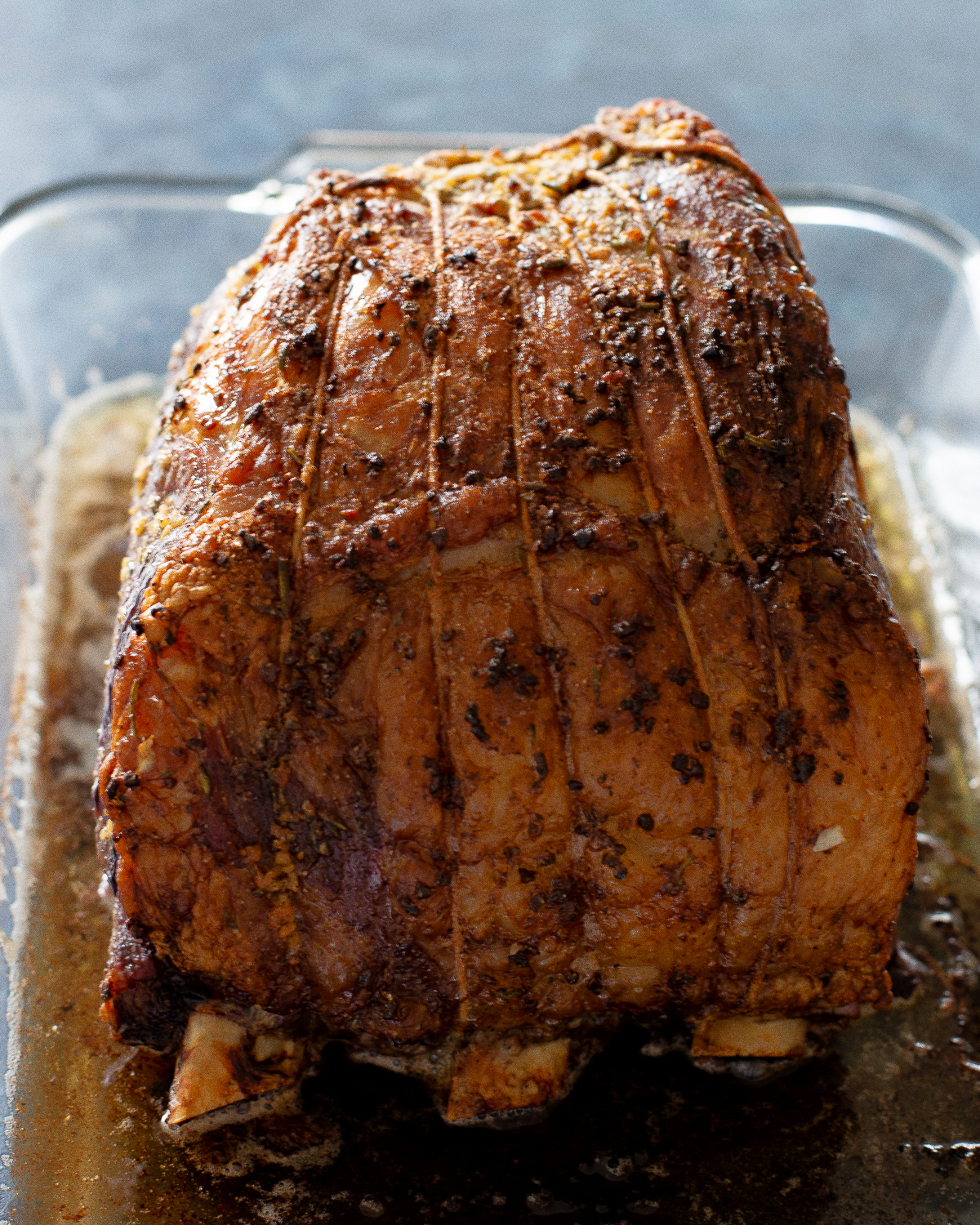
The choice between bone-in and boneless roasts involves a trade-off between flavor and ease of service. A bone-in roast, or "standing" rib roast, uses the natural bone structure to provide an organic rack, which can protect the meat closest to the bone from overheating. Many butchers will cut the bones away and reattach them with butcher’s twine. This process, known as "frenched" or "tied" roasting, provides the flavor benefits of the bone during the cooking process while significantly simplifying the final carving process. Conversely, a boneless roast provides a more consistent, uniform shape, which may be preferable for those prioritizing ease of slicing over the depth of flavor provided by the bone.
The Role of Au Jus and Flavor Development
A proper au jus is the natural accompaniment to prime rib, utilizing the rendered fats and concentrated proteins—known as fond—left at the bottom of the roasting pan. By deglazing the pan with a high-quality beef stock or broth and incorporating aromatics like smashed garlic and woody herbs, a sauce is created that complements the natural richness of the beef. The reduction of this liquid for approximately 10 minutes ensures a concentrated flavor profile that highlights, rather than masks, the quality of the roast.
Broader Implications and Culinary Trends
The preparation of prime rib reflects a broader shift in home culinary practices toward precision-based cooking. The accessibility of high-grade digital thermometers and the availability of educational resources have democratized what was once considered a "professional-only" skill. Home cooks are increasingly adopting techniques traditionally reserved for commercial kitchens, such as consistent temperature monitoring and the use of resting periods.
From an economic perspective, the prime rib remains a significant investment. Because the price-per-pound is often higher than other beef cuts, the "foolproof" nature of the slow-roasting method is highly valued by consumers. The risk of overcooking a multi-rib roast is a significant concern for the average host; consequently, the widespread adoption of the "sear-then-slow" method has become the standard for mitigating this risk.
Conclusion
The standing rib roast remains a cornerstone of celebratory dining due to its visual impact and sensory experience. By focusing on the fundamentals—tempering the meat, achieving a high-heat crust, maintaining a low-temperature cooking environment, and respecting the resting phase—the home cook can achieve results that rival high-end restaurant standards. As culinary techniques continue to evolve, the prime rib stands as a testament to the enduring appeal of traditional, high-quality ingredients prepared with precision and patience. Whether for a holiday gathering or a milestone event, the meticulous preparation of this roast continues to serve as an essential skill for the accomplished home chef.