The secret to a stress-free Thanksgiving is rooted in strategic preparation, where the majority of culinary labor is completed well before the holiday gathering. By utilizing the freezer and refrigerator as logistical assets, home cooks can avoid the common pitfalls of last-minute kitchen chaos. A systematic, week-by-week approach to baking—encompassing pies, rolls, cookies, and savory components—allows for a more manageable workflow, ensuring that the host remains present and composed during the celebration.

The Strategic Value of Advanced Preparation
Professional culinary experts emphasize that Thanksgiving, often considered one of the most labor-intensive holidays for home cooks, requires a logistical framework similar to professional banquet catering. According to food safety data from the USDA, most baked goods maintain their structural integrity and flavor profiles when frozen for up to one month, provided they are properly sealed to prevent freezer burn and odor absorption.

The psychological benefits of an advanced timeline are equally significant. Reducing the "oven real estate" competition on the morning of Thanksgiving allows for more precise temperature control and eliminates the frantic multitasking that leads to errors. By transitioning from a reactive cooking style to a proactive, schedule-driven approach, hosts can ensure that items requiring fresh baking—such as those with delicate meringues or yeasted breads—receive the necessary attention without conflicting with other components of the meal.

Four-Week Chronology: Managing the Freezer Inventory
Effective preparation begins 2 to 4 weeks prior to the holiday. This window is ideal for constructing the foundation of the menu.

- Pie Dough Construction: All-butter pie dough can be prepared in bulk, shaped into discs, and double-wrapped in plastic film and heavy-duty freezer bags. This not only preserves the butter’s fat content, which is crucial for a flaky crust, but also allows the gluten to relax, resulting in a superior texture upon baking. Thawing should occur in the refrigerator for at least 12 hours before rolling.
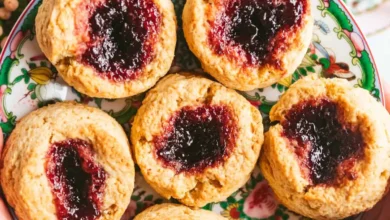
- Cookie Dough Portioning: Cookie dough should be scooped into individual portions and flash-frozen on sheet trays before being transferred to airtight containers. This method enables the cook to bake only the required amount of cookies on Thanksgiving morning, with the added benefit of slightly improved flavor development due to the chilling process.
- Appetizer Stabilization: Savory items, such as cheddar pecan crackers or puff pastry-based hors d’oeuvres, are highly conducive to freezing. These items can be assembled and frozen raw, then placed directly into a preheated oven, saving significant time during the busy hours before the main meal.
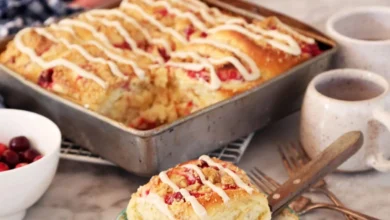
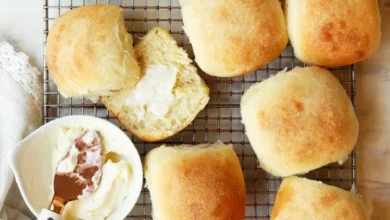
- Yeasted Bread Management: Dinner rolls and scones can be shaped and frozen before their final proof. This allows the cook to move the trays from the freezer to the refrigerator on Tuesday or Wednesday, where they can thaw and undergo their final rise at a controlled pace.
The Week-Before Maintenance Phase
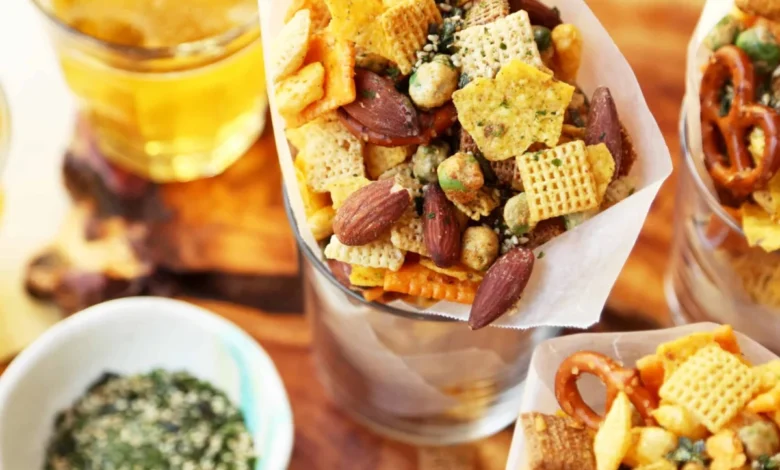
As the holiday approaches, the focus shifts from long-term storage to short-term maintenance. During the weekend preceding Thanksgiving, focus on items that possess a longer shelf life at room temperature or in the refrigerator. Snack mixes, which can remain stable for up to five days in an airtight environment, should be completed now. This prevents the "last-minute scramble" and ensures that guests have access to refreshments without adding to the holiday day-of workload.

Tuesday and Wednesday: The Final Assembly
By Tuesday, the focus turns to items that require specific chilling periods to set correctly. Pie bars, including apple and pumpkin variations, are highly stable and benefit from a two-day rest in the refrigerator, which improves the density of the filling. Tuesday evening should also serve as the deadline for transferring all remaining frozen items into the refrigerator for a gradual thaw.

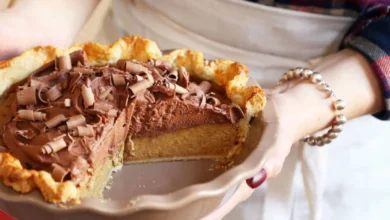
Wednesday is characterized as the most intensive day for the kitchen. This is when the primary pies—specifically cream-based pies and classic pumpkin pies—should be completed. Cream pies require at least four to six hours of refrigeration to achieve the correct setting, while pumpkin pies benefit from overnight chilling to allow the spices and custard to fully meld.

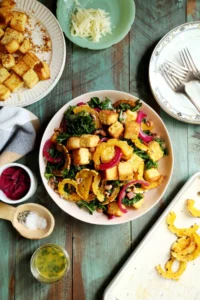
For savory components like cornbread dressing, baking the cornbread on Wednesday allows it to stale slightly under a kitchen towel. This physical change is essential, as drier bread absorbs liquid and stock more effectively without becoming mushy. Similarly, mashed potato dishes can be assembled, layered, and refrigerated on Wednesday, requiring only a final reheating on Thursday.

The Thanksgiving Day Execution
On Thursday, the objective shifts from production to finishing. Because the majority of the labor has been front-loaded, the morning can be dedicated to:

- Fresh Baking: The final bake of pre-shaped rolls, which have been proofed in the refrigerator overnight.
- Assembly and Garnish: Adding fresh meringues to bars or whipping fresh cream for pies.
- Reheating: Utilizing the oven for the final warming of casseroles and dressings.
This workflow minimizes the risk of ingredient shortages or equipment failure, as the cook has already verified the success of these components in the preceding days.

Analysis of Culinary Logistics and Impact
The broader implications of this "make-ahead" philosophy extend beyond simple convenience. By adhering to a rigorous schedule, home cooks effectively manage the food safety risks associated with improper cooling and storage. The systematic use of the refrigerator for thawing, rather than ambient room temperature, prevents the growth of pathogens. Furthermore, the practice of freezing pies and doughs mitigates the risk of "soggy bottoms" in crusts, as the fats remain cold until the very moment of baking, ensuring the steam release necessary for a crisp, layered texture.

Industry experts observe that this level of organization often leads to a higher quality of final output. When a host is not rushed, they are more likely to monitor oven temperatures accurately and attend to the aesthetic presentation of the dishes. This professionalized approach to home cooking has become increasingly popular as families look to preserve the traditional nature of the holiday while managing the realities of modern, time-constrained lifestyles.

Broader Perspectives on Holiday Management
Culinary commentators and event planners suggest that the shift toward prepared, make-ahead menus is a reflection of a broader trend toward intentional hosting. Rather than viewing Thanksgiving as a singular event of high-pressure cooking, the preparation period is treated as a process that contributes to the enjoyment of the holiday itself. By removing the stress of the "big day" labor, the host is able to facilitate a more relaxed social environment.

As Thanksgiving concludes, the cycle of preparation facilitates an easier transition into the post-holiday period. Recipes designed for leftovers—such as turkey pot pies or sophisticated sandwiches—are best executed when the cook has a clear inventory of what remains. This ensures that the efforts of the holiday extend into the following days, minimizing food waste and maximizing the utility of the initial investment in ingredients and time.

In summary, the transition from a day-of production model to a multi-week logistics plan is the most effective strategy for the modern Thanksgiving host. By leveraging cold-storage techniques and a disciplined timeline, the kitchen becomes a space of calm efficiency rather than a source of holiday stress.