The Ultimate Onion Scallion Beef: A 20-Minute Takeout-Worthy Chinese Stir-Fry

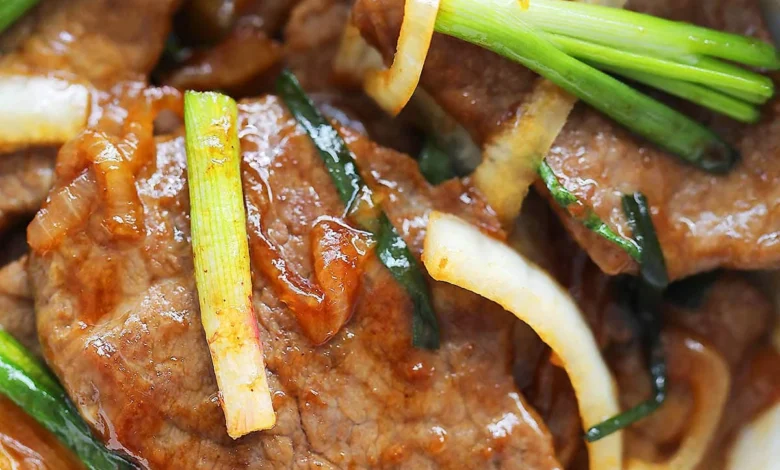
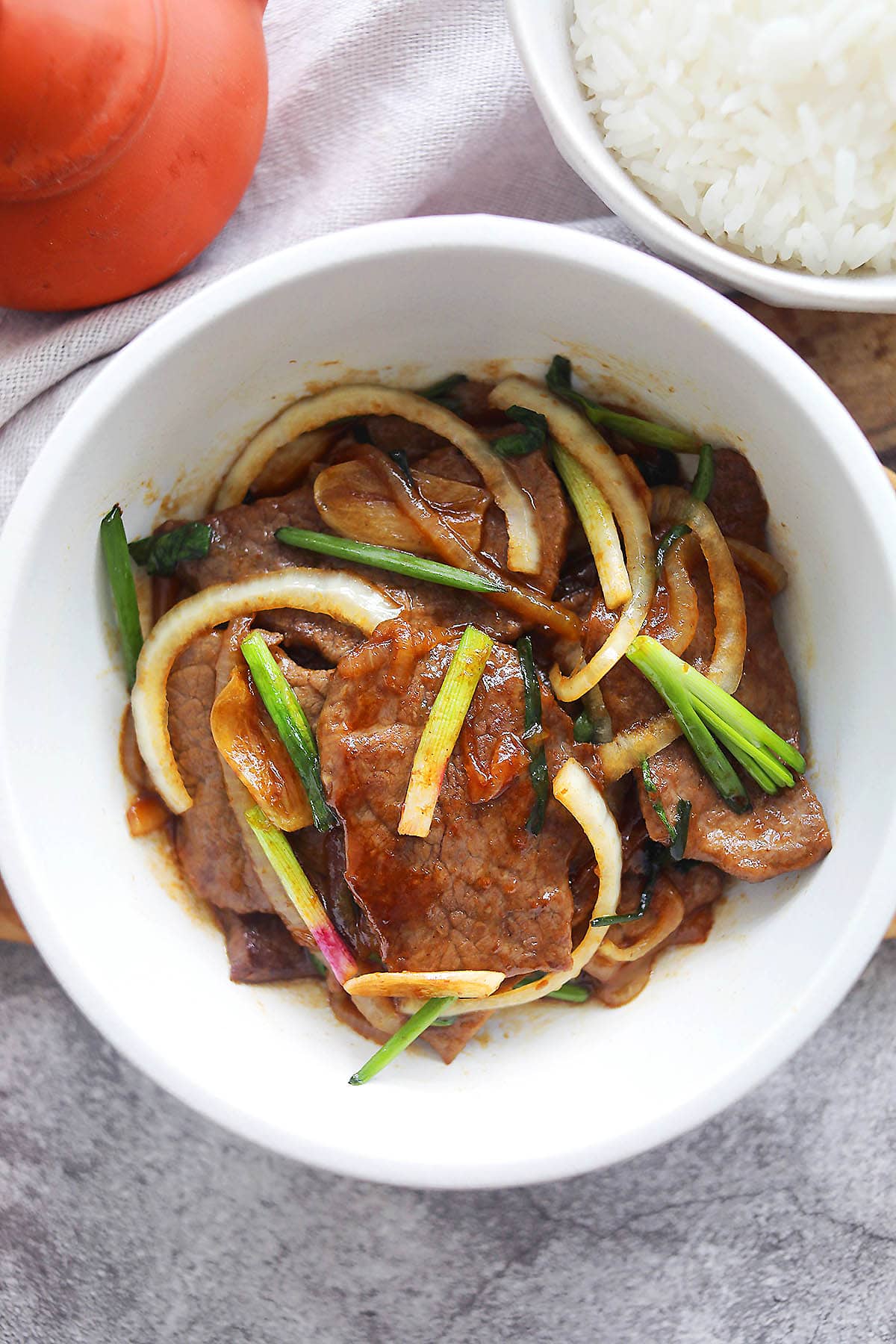
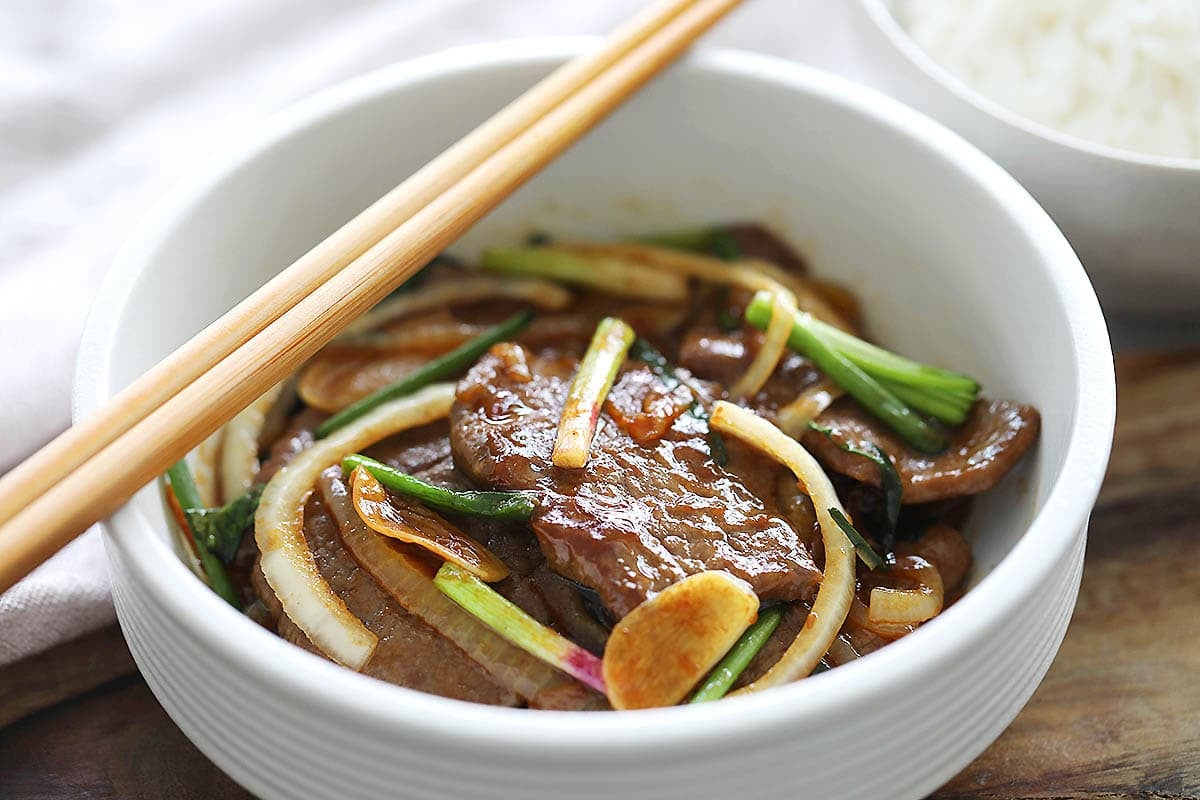
This classic Chinese stir-fry, Onion Scallion Beef, promises a delightful culinary experience with its tender, caramelized onions and aromatic scallions enveloped in a glossy, savory glaze. Achieving a restaurant-quality dish at home is now within reach, thanks to a meticulously crafted Chinese brown sauce and a secret marinade technique that guarantees succulent beef in a mere 20 minutes. This recipe not only rivals takeout but often surpasses it, offering a healthier and more flavorful alternative.
The culinary journey of Onion Scallion Beef, known in Mandarin as Cong Bao Niurou (葱爆牛肉), is rooted in Cantonese home cooking. The name itself offers a glimpse into the preparation: Cong (葱) signifies scallions, Bao (爆) refers to the high-heat, explosive stir-frying technique that is crucial for flash-cooking ingredients, and Niurou (牛肉) translates to beef. This method is designed to rapidly cook the meat, preserving its tenderness while simultaneously charring the aromatics for a deeper flavor profile. This technique is a cornerstone of many beloved Chinese beef dishes, including Sesame Beef and Beef and Broccoli, ensuring a silky-smooth texture in every bite.
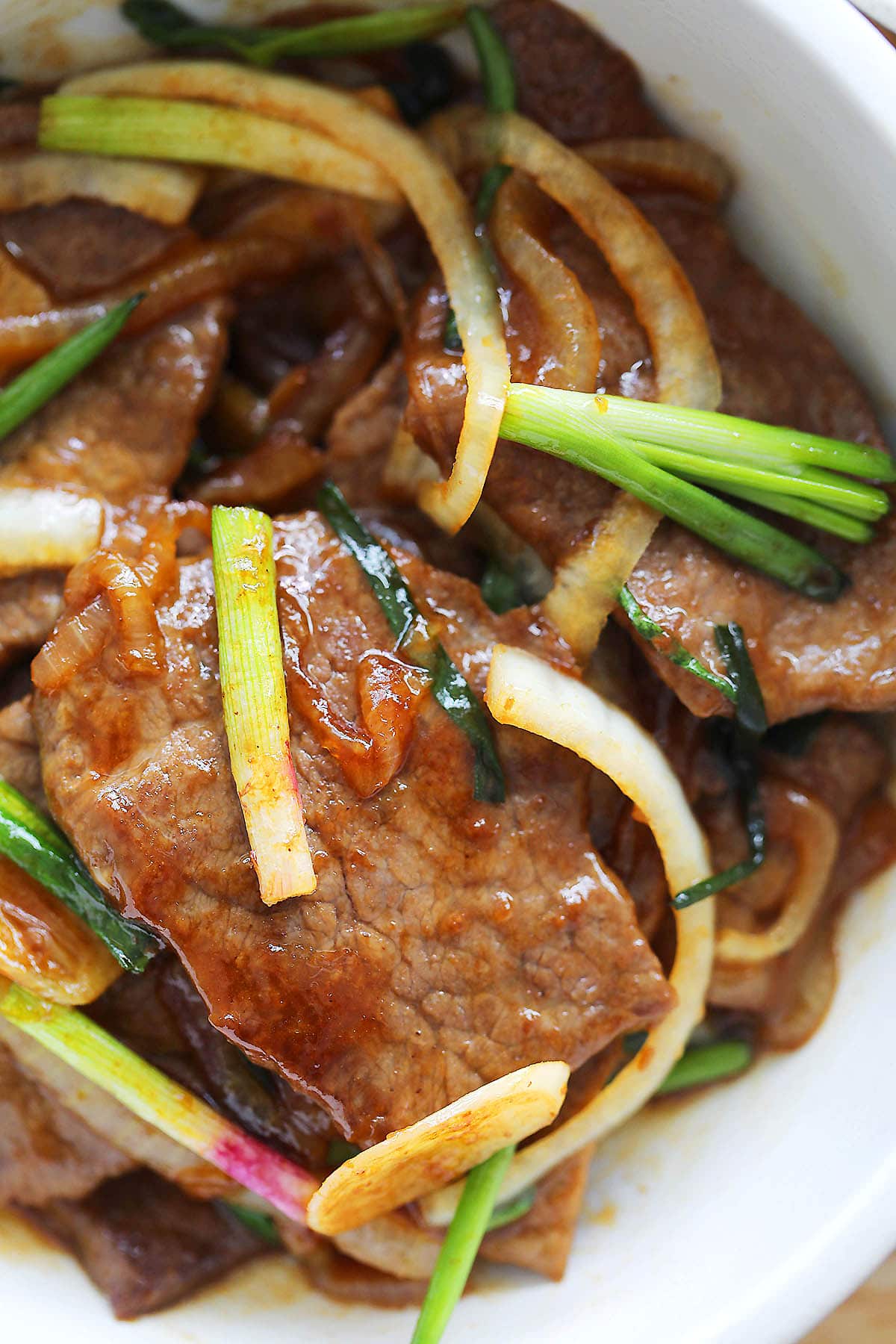
One of the primary challenges in replicating restaurant-style stir-fries at home is achieving the signature tender and juicy beef. This recipe addresses this head-on by employing a critical step known as "velveting" the protein. This involves a simple yet effective marinade, typically incorporating cornstarch, which forms a protective layer around the beef slices. This layer not only seals in the natural juices during the high-heat cooking process but also contributes to a luxuriously smooth mouthfeel, a hallmark of authentic Chinese cuisine.
Secrets to Extra Tender and Juicy Beef
The pursuit of perfectly tender beef in stir-fries is a common quest for home cooks. This recipe’s success hinges on a few key techniques, honed through countless repetitions:
-
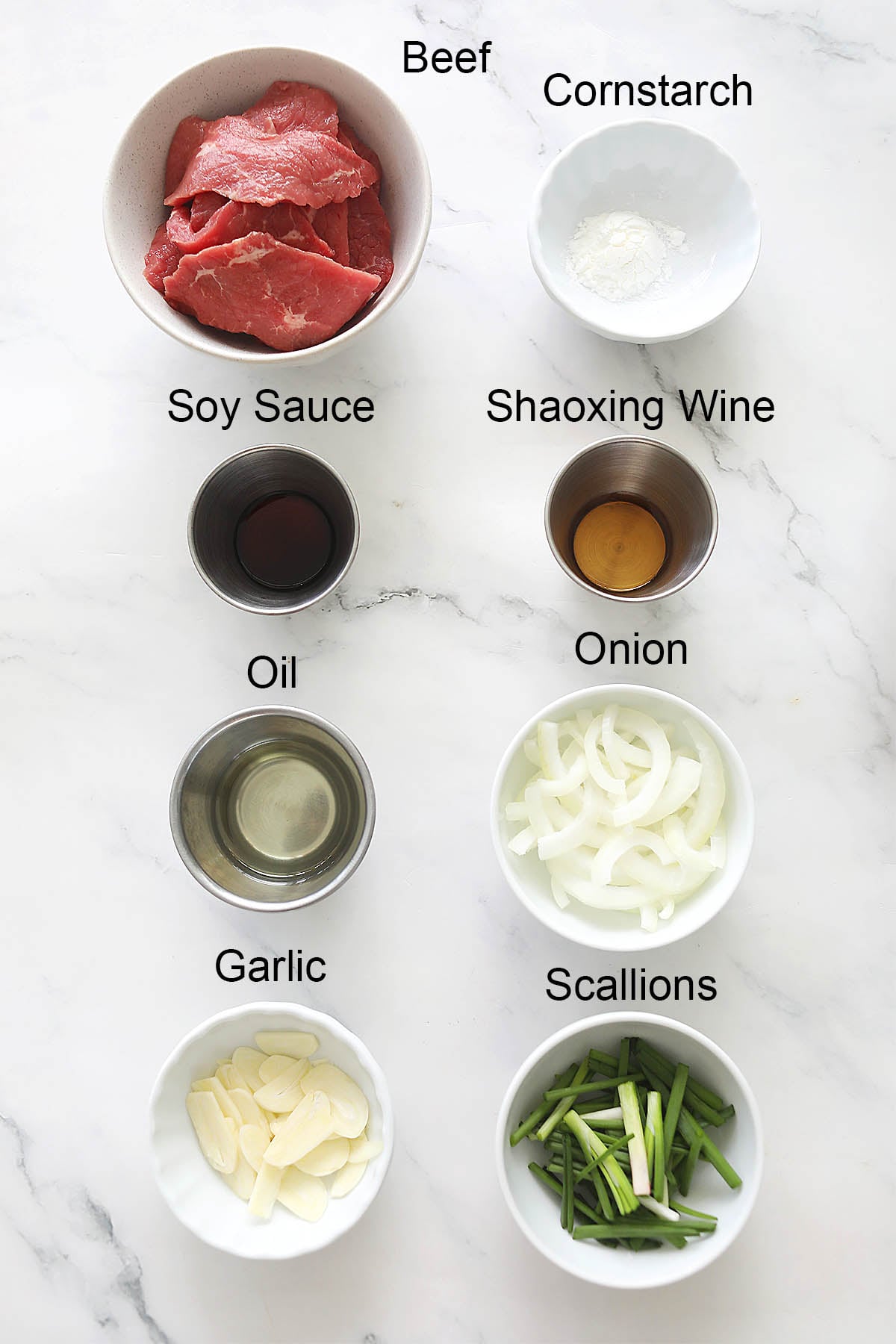
Strategic Beef Selection: The recipe champions the use of beef tenderloin. This premium cut is lauded for its minimal connective tissue, making it exceptionally well-suited for the rapid, high-heat cooking characteristic of stir-frying. Its lean nature ensures it remains moist and tender without becoming tough. For those seeking a more budget-friendly option, flank steak or sirloin are excellent alternatives, provided they are sliced exceptionally thin against the grain. This precise slicing is paramount to breaking down any tougher muscle fibers, thus ensuring tenderness.
-
The Magic of Shaoxing Wine: The marinade incorporates Shaoxing wine, a staple in Chinese cooking, renowned for its ability to impart an authentic, restaurant-like aroma and flavor. Beyond its aromatic qualities, Shaoxing wine acts as a tenderizer, breaking down proteins in the beef. For those unable to procure Shaoxing wine, dry sherry emerges as a suitable substitute. It is crucial to avoid generic "cooking wines" often found in supermarkets, as these tend to be overly salted and lack the nuanced flavor profile necessary for genuine Chinese dishes.
-
The Sweetness of Yellow Onion: The choice of onion is deliberate. Yellow onions are preferred due to their high sugar content, which facilitates beautiful caramelization when cooked. This process not only softens the onions but also imparts a natural sweetness that complements the savory notes of the beef and sauce. Red onions are generally discouraged as they can sometimes bleed their color into the sauce, potentially altering its visual appeal, and their sharper bite can detract from the delicate balance of flavors, particularly the prominent scallions.
Crafting the Signature Chinese Brown Sauce
The glossy, flavorful glaze that coats the Onion Scallion Beef is a testament to the well-balanced Chinese brown sauce. This integral component elevates the dish from simple stir-fry to a culinary masterpiece.
-
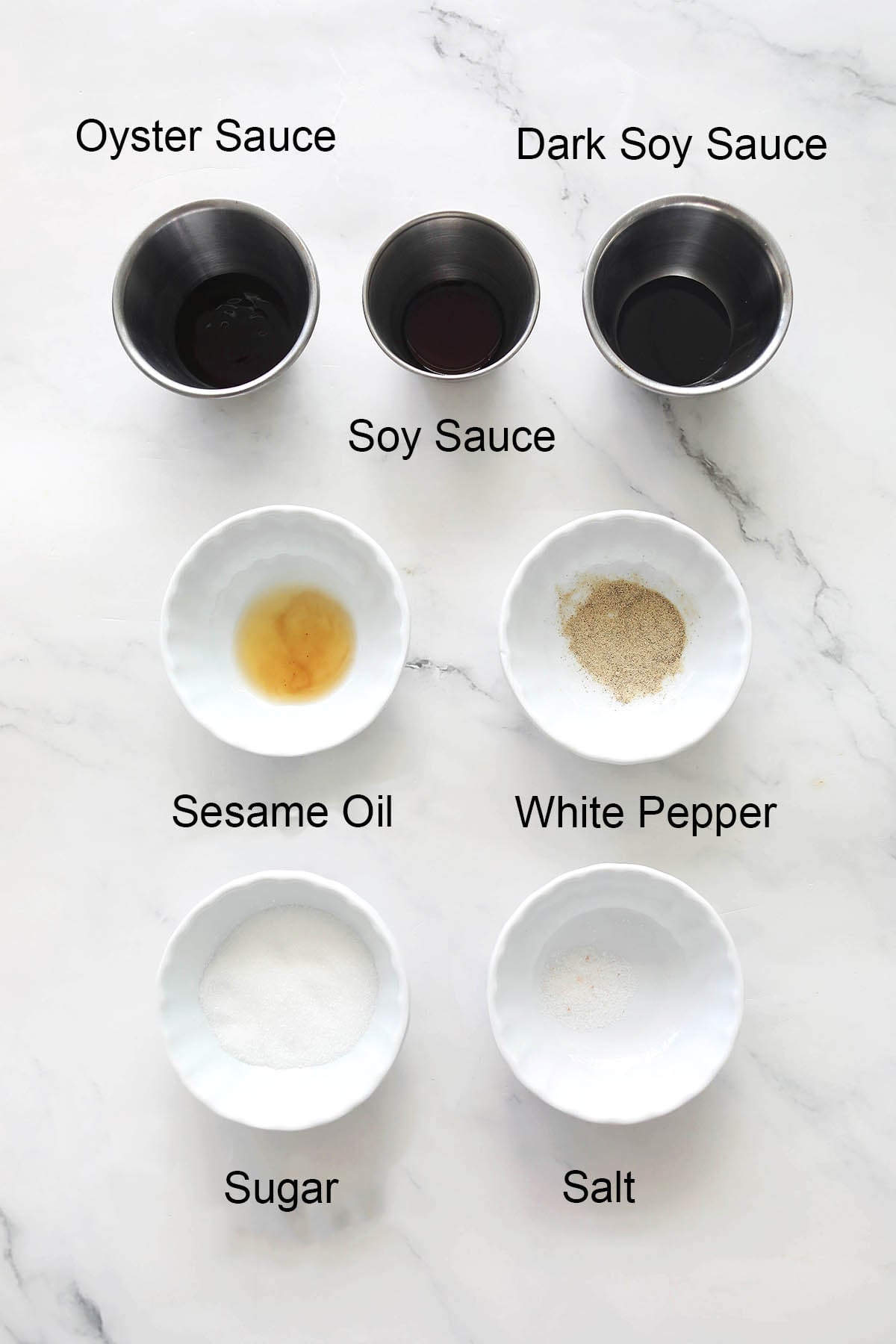
The Importance of Quality Soy Sauces: The foundation of the brown sauce relies on high-quality soy sauces. Light soy sauce, such as Lee Kum Kee or Kikkoman, provides a clean, salty base without any harsh or artificial aftertastes. Dark soy sauce, specifically Lee Kum Kee Premium Dark Soy Sauce, is essential for achieving the dish’s characteristic deep, mahogany hue and a subtle hint of caramel sweetness. This layered approach to soy sauce ensures both depth of flavor and visual appeal.
-
The Nuance of White Pepper: White pepper is a non-negotiable ingredient in this recipe. Unlike black pepper, which can impart a woody flavor and a less appealing visual to the sauce, white pepper offers a sharp, floral heat that is quintessentially Chinese. Its subtle yet distinct pungency harmonizes with the other flavors without overpowering them, contributing to the dish’s authentic character.
-
Balancing Sweetness: A small but crucial addition of sugar to the sauce plays a vital role in harmonizing the flavors. It acts as a bridge, rounding out the saltiness from the soy sauce and oyster sauce. This careful balance prevents the glaze from becoming overly saline, resulting in a more complex and satisfying taste profile.
The Art of Preparation: A Step-by-Step Guide
The process of creating this delectable Onion Scallion Beef is streamlined for efficiency, ensuring a delicious meal can be on the table in under 30 minutes, including prep time.
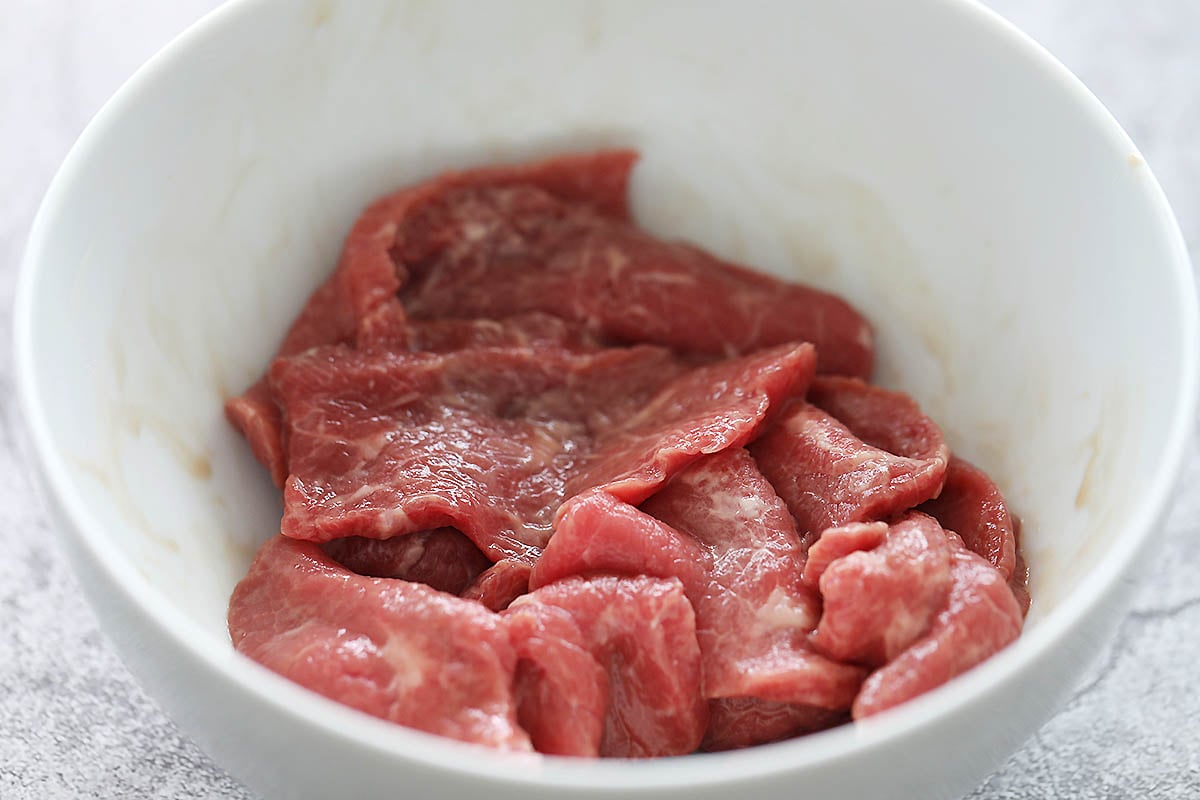
Step 1: Marinating the Beef (10 minutes)
Begin by combining thinly sliced beef with the marinade ingredients. This crucial step allows the beef to absorb the flavors and initiate the tenderizing process. The cornstarch in the marinade will begin to coat the meat, preparing it for the high-heat cooking.
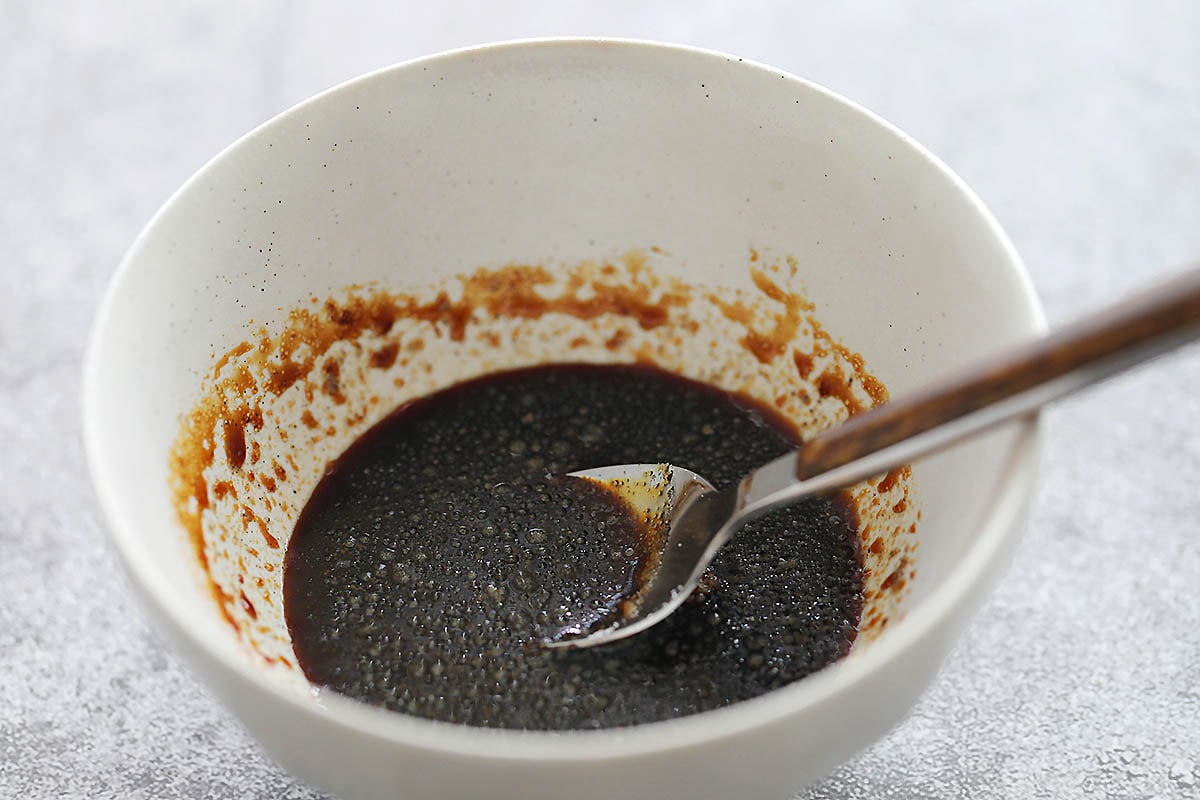
Step 2: Preparing the Sauce
While the beef marinates, whisk together all the sauce ingredients in a small bowl until the sugar is fully dissolved. This ensures a homogenous sauce that will evenly coat the ingredients during the stir-frying process.
Step 3: The Initial Sear
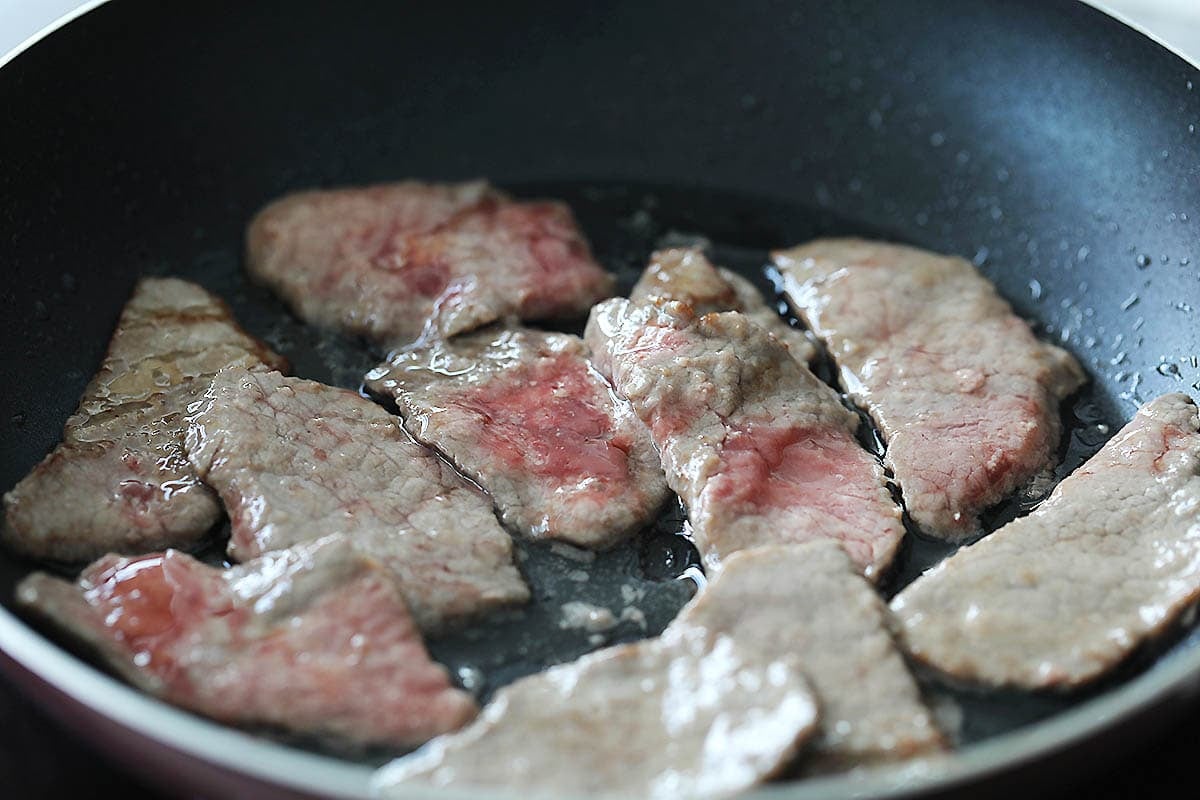
Heat one tablespoon of oil in a wok or a large, heavy-bottomed skillet over high heat until shimmering. Add the marinated beef in a single layer, ensuring not to overcrowd the pan. Stir-fry the beef for approximately 1 to 2 minutes, just until it is half-cooked. The goal here is to sear the exterior, locking in juices, but not to cook it through. Promptly remove the beef from the wok and set aside. It is important to drain any excess liquid from the beef at this stage to prevent the sauce from becoming diluted.
Step 4: Building the Flavor Base
Add the remaining oil to the hot wok. Introduce the minced garlic and sliced onions. Stir-fry until the garlic is fragrant and the onions begin to soften and turn translucent, typically about 1 to 2 minutes. Return the partially cooked beef to the wok. Give everything a quick toss to combine.
Step 5: Glazing and Finishing
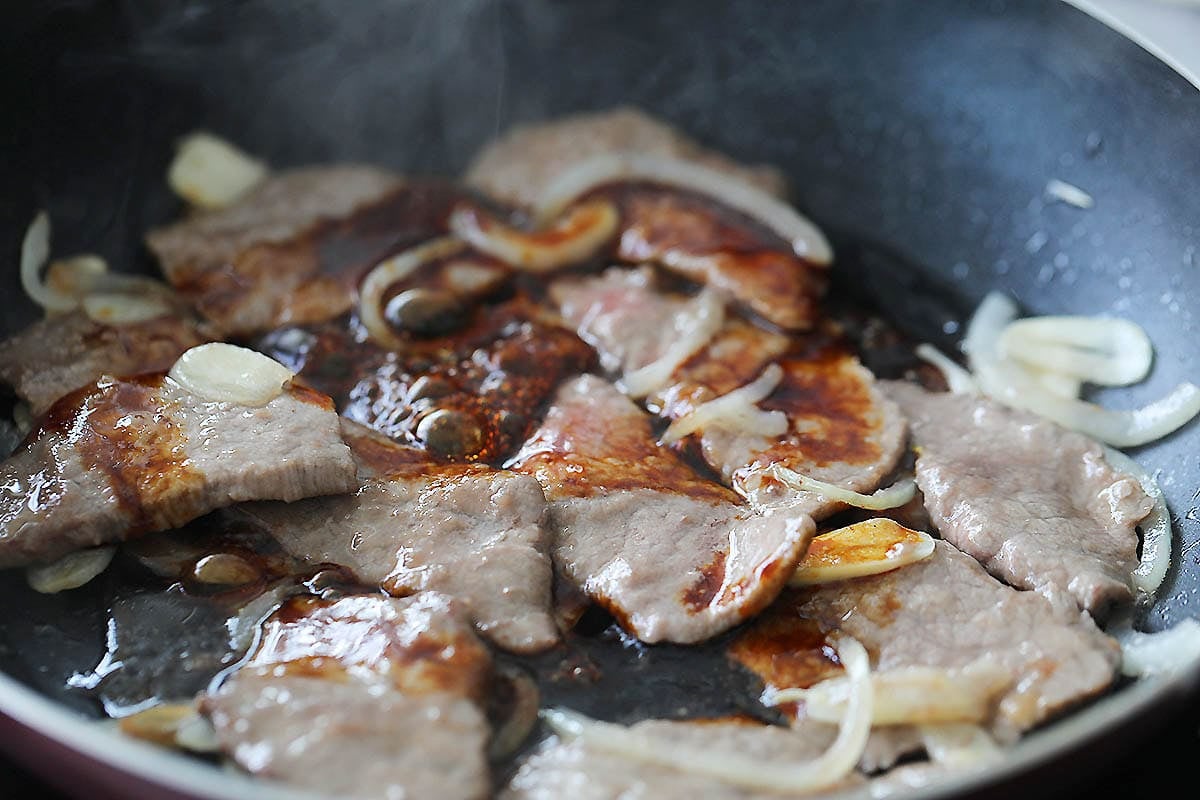
Pour the prepared sauce mixture over the beef and onions. Continue to stir-fry vigorously until the beef is fully cooked and the sauce has thickened into a glossy glaze that beautifully coats all the ingredients. In the final moments of cooking, toss in the chopped scallions. Stir-fry for just another 30 seconds to a minute, allowing the scallions to wilt slightly and release their aromatic essence without losing their vibrant color and crispness. Immediately dish out the Onion Scallion Beef and serve hot.
Nutritional Snapshot and Serving Suggestions
This dish is remarkably light, with approximately 233 calories per serving. It is a balanced option, offering a good source of protein and a manageable amount of carbohydrates. The recipe yields about two servings, making it an ideal weeknight meal for couples or small families.
Onion Scallion Beef is traditionally served with steamed white rice, which acts as the perfect canvas to soak up the rich, savory glaze. For a more complete and satisfying meal, consider pairing it with complementary dishes. A simple stir-fried bok choy, steamed broccoli, or a light and refreshing cucumber salad would provide a delightful contrast in textures and flavors.
Frequently Asked Questions
Addressing common queries can further enhance the user’s experience with this recipe.
-
Gluten-Free Adaptation: For those adhering to a gluten-free diet, this recipe can be easily modified. Substitute regular soy sauce with Tamari and opt for a gluten-free oyster sauce. The use of cornstarch in the marinade remains effective in achieving the desired velvety texture.
-
Advance Preparation: While components can be prepped in advance, it’s recommended to marinate the beef closer to cooking time. Slicing the beef and preparing the sauce can be done a day ahead. However, marinating the beef in cornstarch for an extended period (more than 20 minutes) can lead to a mushy or chalky texture. For optimal results, marinate the beef only 10 to 20 minutes before cooking.
-
Preventing Sticking: Beef sticking to the wok is a common issue, often stemming from insufficient heat or oil. Ensure the wok is thoroughly heated and the oil is shimmering before adding the beef. Allowing the beef to sear undisturbed for about 30 seconds before stirring helps the cornstarch coating set, preventing adhesion.
-
Storing and Reheating Leftovers: Leftovers can be stored in an airtight container in the refrigerator for up to three days. To reheat, flash-fry the beef in a pan with a splash of water for about a minute. Microwaving is not recommended, as it can render the beef rubbery and tough.
-
Calorie Information: As noted, this recipe is approximately 233 calories per serving, making it a relatively healthy choice for a stir-fry.
Broader Culinary Context and Variations
The Onion Scallion Beef recipe is a testament to the ingenuity and flavor-forward approach of Chinese home cooking. It highlights the principles of balancing textures, colors, and tastes to create a dish that is both comforting and exciting. The underlying technique of high-heat stir-frying, or Bao, is a fundamental skill in Chinese cuisine, responsible for the vibrant flavors and textures found in countless dishes.
While this recipe focuses on beef, the principles of velveting and the Chinese brown sauce can be applied to other proteins, such as chicken or pork, with minor adjustments to cooking times. The addition of other vegetables, like bell peppers or snap peas, could also be incorporated to create a more complex vegetable medley, though care must be taken not to dilute the core flavor profile of onion and scallion.
The enduring popularity of dishes like Onion Scallion Beef speaks to the universal appeal of well-executed, flavorful, and quick-to-prepare meals. It serves as a reminder that authentic, delicious Chinese cuisine is not confined to restaurant kitchens but can be readily recreated in home environments, offering a satisfying and healthy alternative to processed convenience foods. The simplicity of its ingredients, combined with a few key techniques, transforms humble components into an extraordinary culinary experience.