Taiwanese Fish Ball Soup: A Culinary Cornerstone of Comfort and Convenience

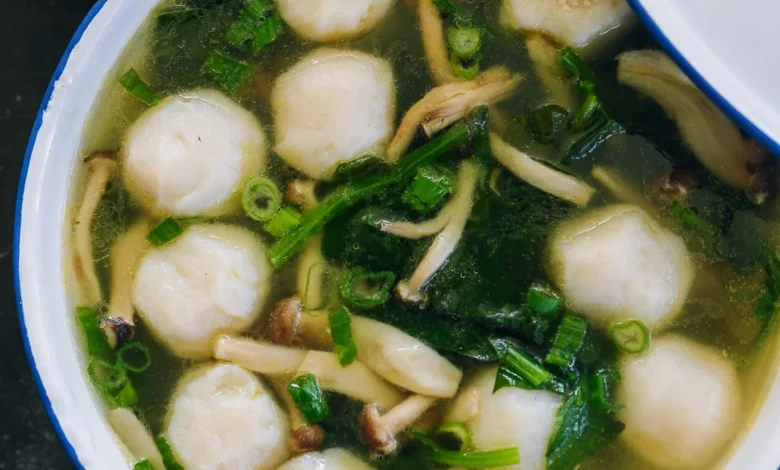
Taiwanese Fish Ball Soup, a dish deeply ingrained in the heart of Taiwanese households, represents more than just a meal; it’s a point of familial pride and culinary heritage. This beloved comfort food, characterized by its rich flavor derived from a few staple ingredients, offers a quick and accessible path to a satisfying and nutritious dish, often kept readily available in home pantries. While traditional restaurant versions might feature a simpler assembly of fish balls, broth, and a garnish, this contemporary approach elevates the classic by incorporating nutrient-rich leafy greens like spinach and savory mushrooms, transforming it into a more complete and flavorful experience. The inherent adaptability of this soup allows for further customization, with suggestions for adding cooked noodles, wontons, dumplings, or chewy nian gao rice cakes, enabling it to be easily transformed into a hearty, standalone meal.
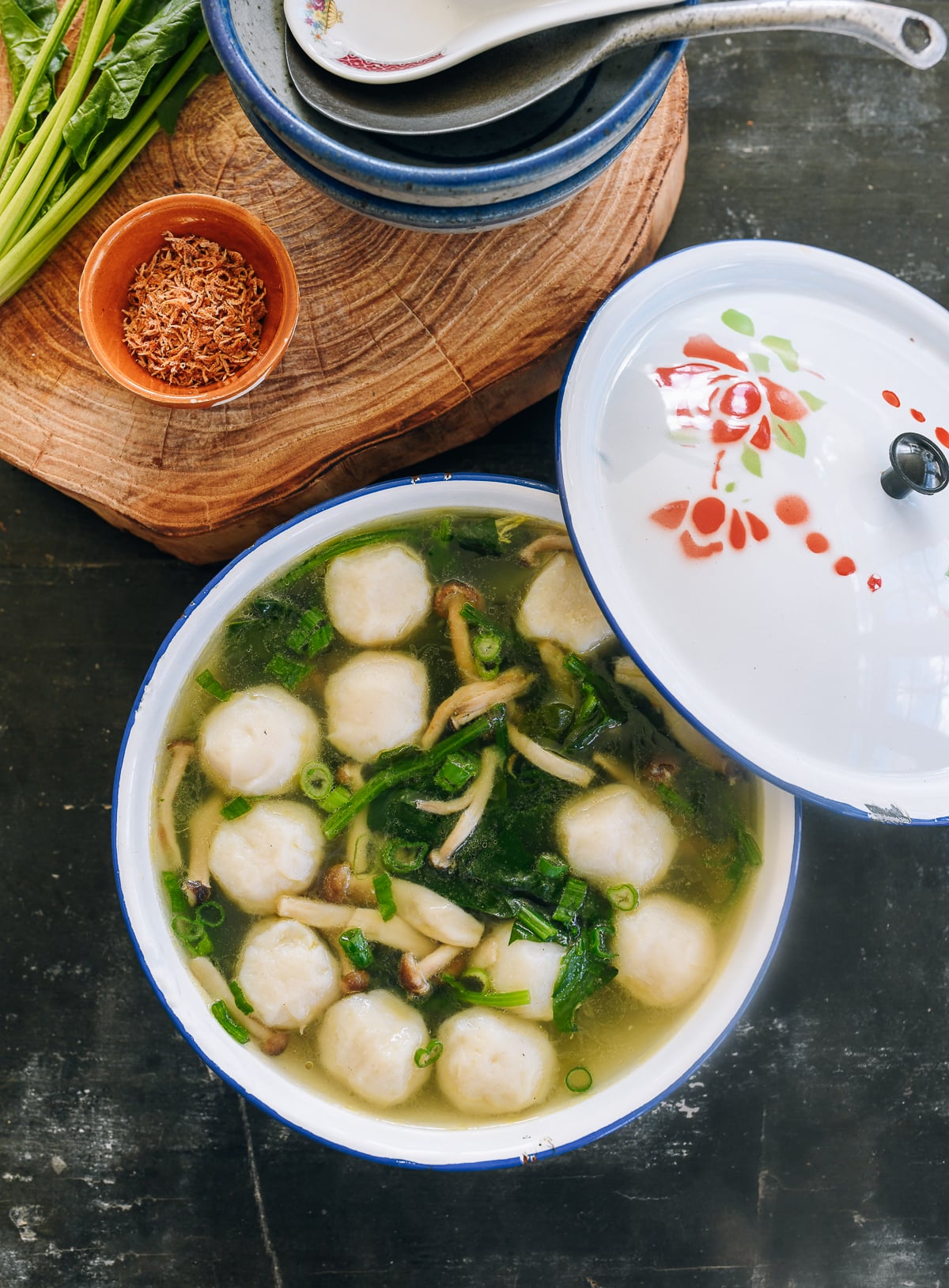
The debate between store-bought and homemade fish balls is a recurring theme in Taiwanese culinary discussions. The dedication to freshly made fish balls is often a point of emphasis for restaurant owners, who take pride in their craftsmanship. A meticulously prepared homemade fish ball is lauded for its unique texture – a delightful combination of softness, fluffiness, and chewiness. When these delicate spheres absorb the surrounding broth, their textural perfection is amplified, creating an unparalleled culinary sensation. However, the process of crafting authentic homemade fish balls is undeniably labor-intensive. While a recipe for homemade fish balls is under development, the practicality of utilizing high-quality store-bought options significantly streamlines the preparation of this quick soup, making it an even more appealing choice for busy households.
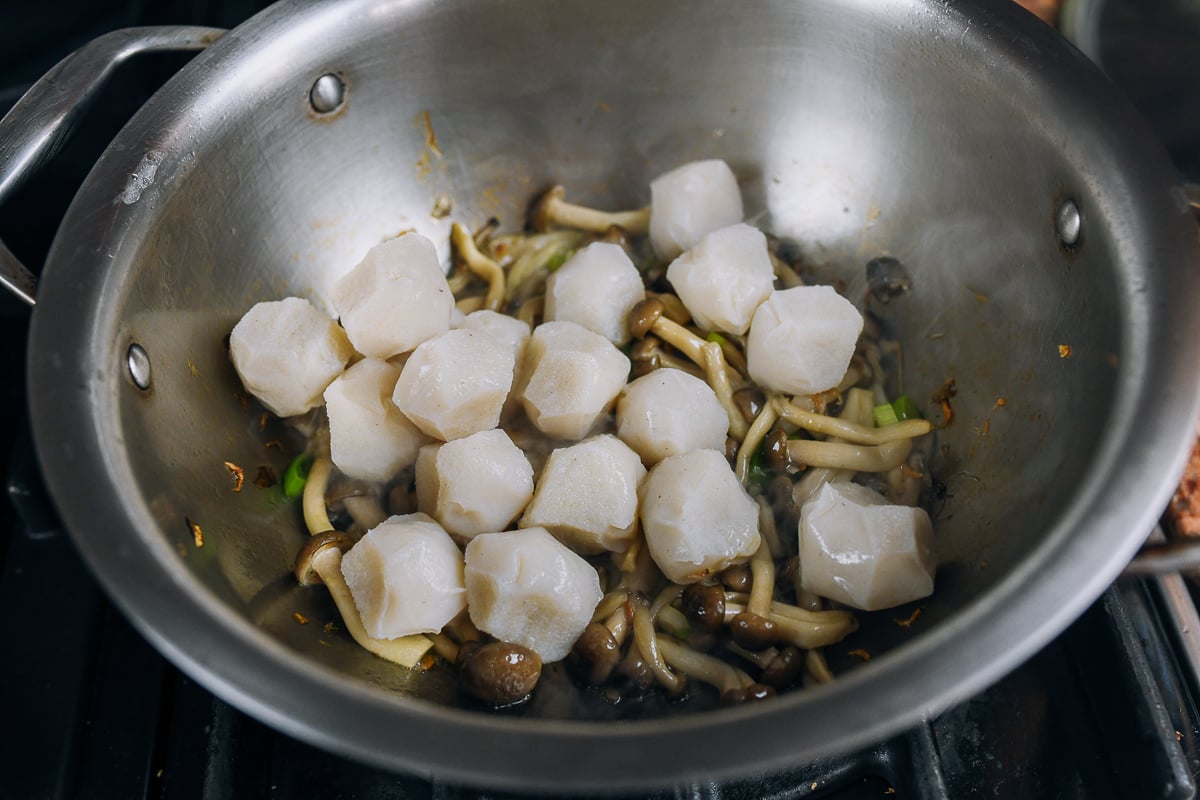
Premade fish balls are readily available in the frozen sections of most Asian grocery stores, serving as a convenient pantry staple. Their versatility extends beyond soups, making them suitable for hot pot preparations or as an addition to noodle dishes, especially when enhanced with a drizzle of homemade chili oil. This accessibility underscores the dish’s role as a quick, flavorful, and adaptable culinary solution.
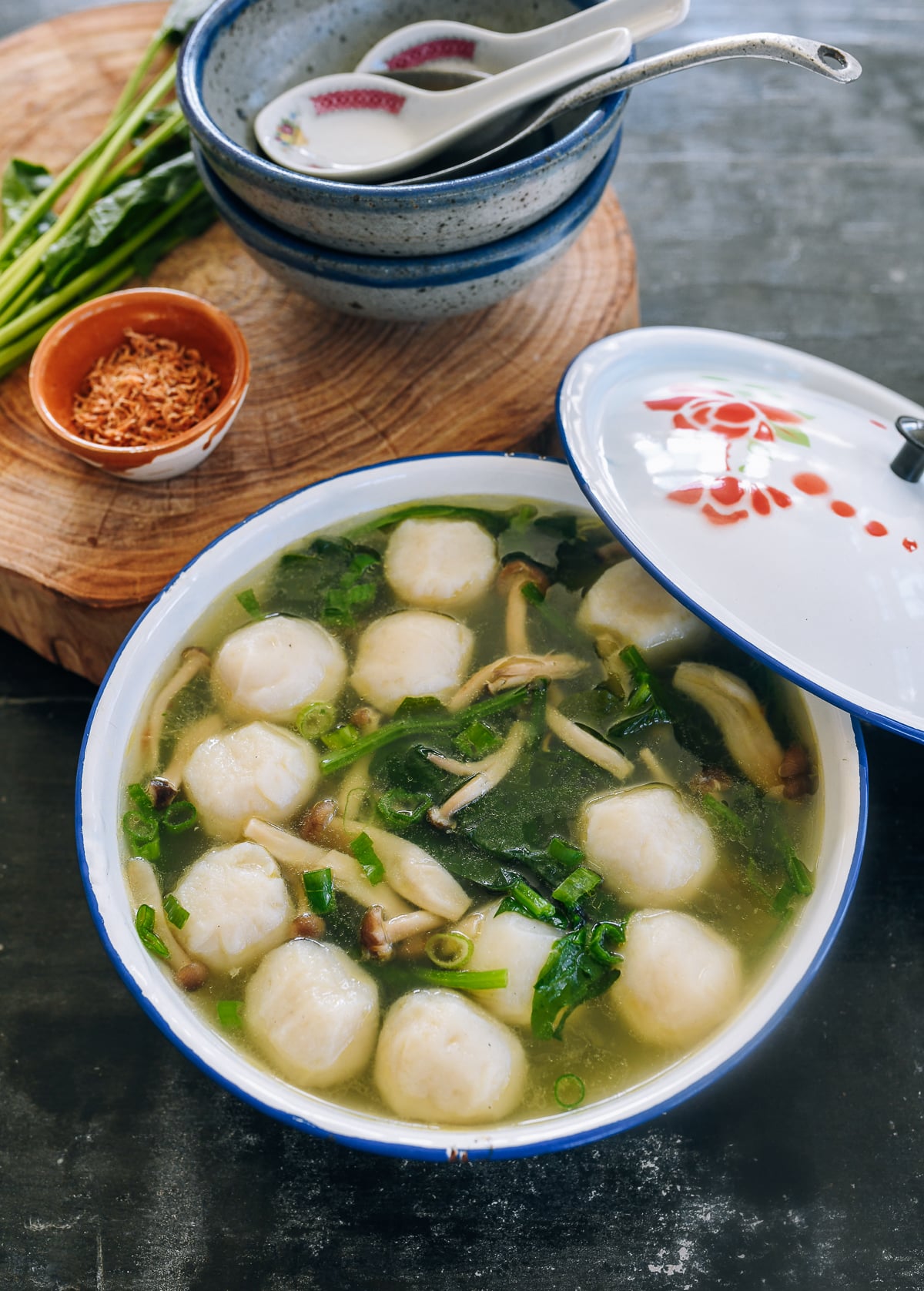
The art of crafting flavorful Chinese soups rapidly is a skill honed over years of culinary exploration. In contrast to the slow-simmered Cantonese broths, which rely on extended cooking times with pork bones or chicken to develop complex flavors, quicker soups can achieve depth and satisfaction through strategic ingredient choices. A key to unlocking this rapid flavor development lies in the use of tiny dried shrimp, known as xiapi (虾皮) or xiao xia mi (小虾米). These small but potent ingredients are a constant presence in refrigerators across Taiwan, prized for their ability to impart a significant umami punch in a short period. When combined with a base of chicken stock, whether from bouillon paste or pre-packaged cartons, dried shrimp contribute a savory depth without an overtly fishy taste, resulting in a deliciously complex broth.
Recipe Genesis and Culinary Context
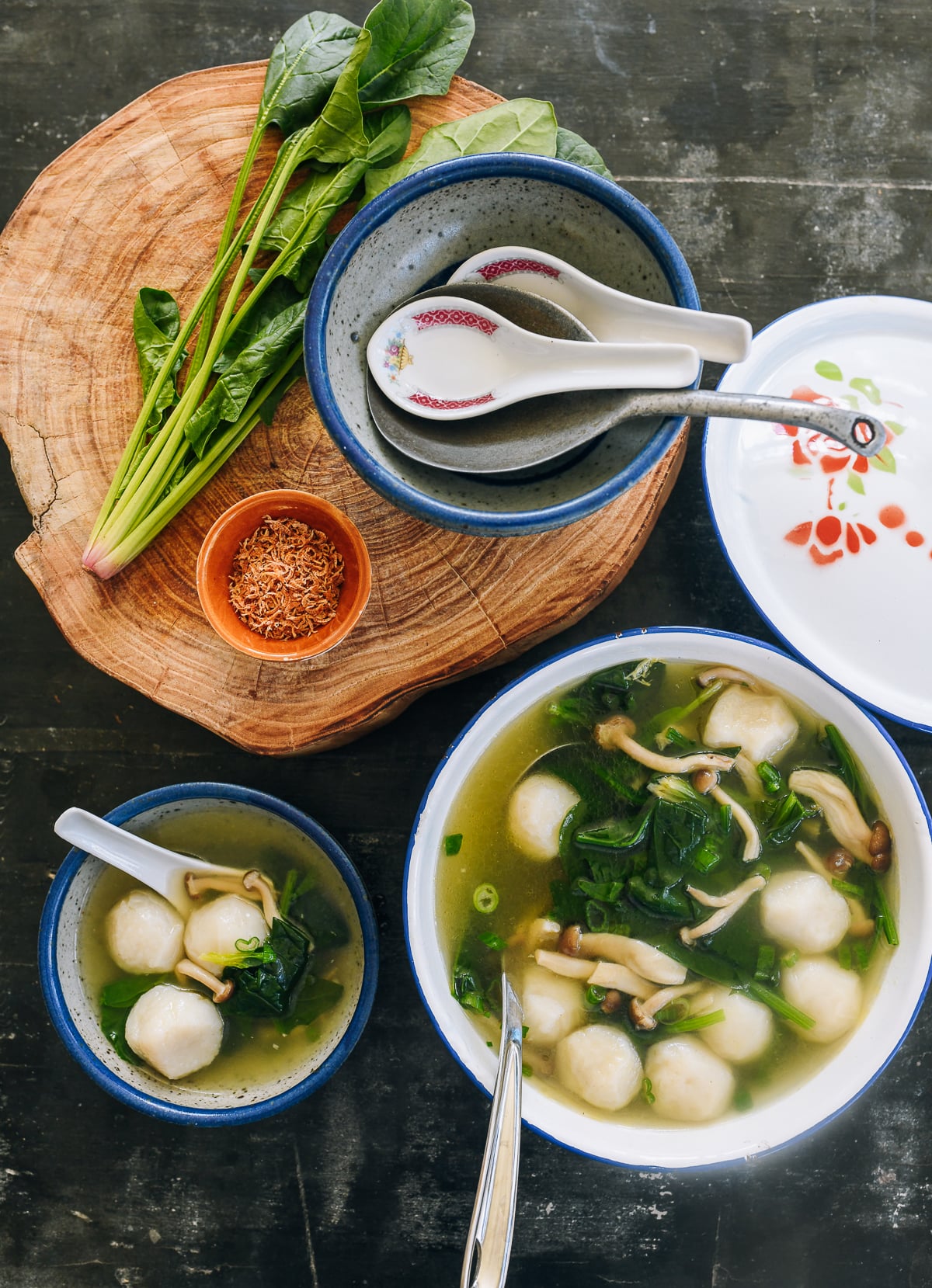
The origins of fish ball soup are deeply rooted in coastal communities where fish was a plentiful resource. Early iterations likely involved processing fresh fish into a paste and shaping it into balls, a method that preserved the fish and allowed for easy cooking in broths. Over time, as culinary traditions evolved and ingredients became more widely available, the dish diversified. The incorporation of various vegetables and seasonings reflects regional preferences and the increasing emphasis on balanced nutrition. In Taiwan, fish ball soup has transcended its humble beginnings to become a comfort food staple, often associated with home-cooked meals and casual dining. Its presence at family gatherings and its representation of a quick, nourishing option highlight its cultural significance.
The year 2026, as indicated by the image metadata, suggests a contemporary context for this recipe, highlighting its enduring appeal in modern Taiwanese cuisine. The emphasis on speed and readily available ingredients points to the evolving needs of contemporary cooks who seek both authenticity and efficiency.
Key Flavor Enhancers in Taiwanese Fish Ball Soup
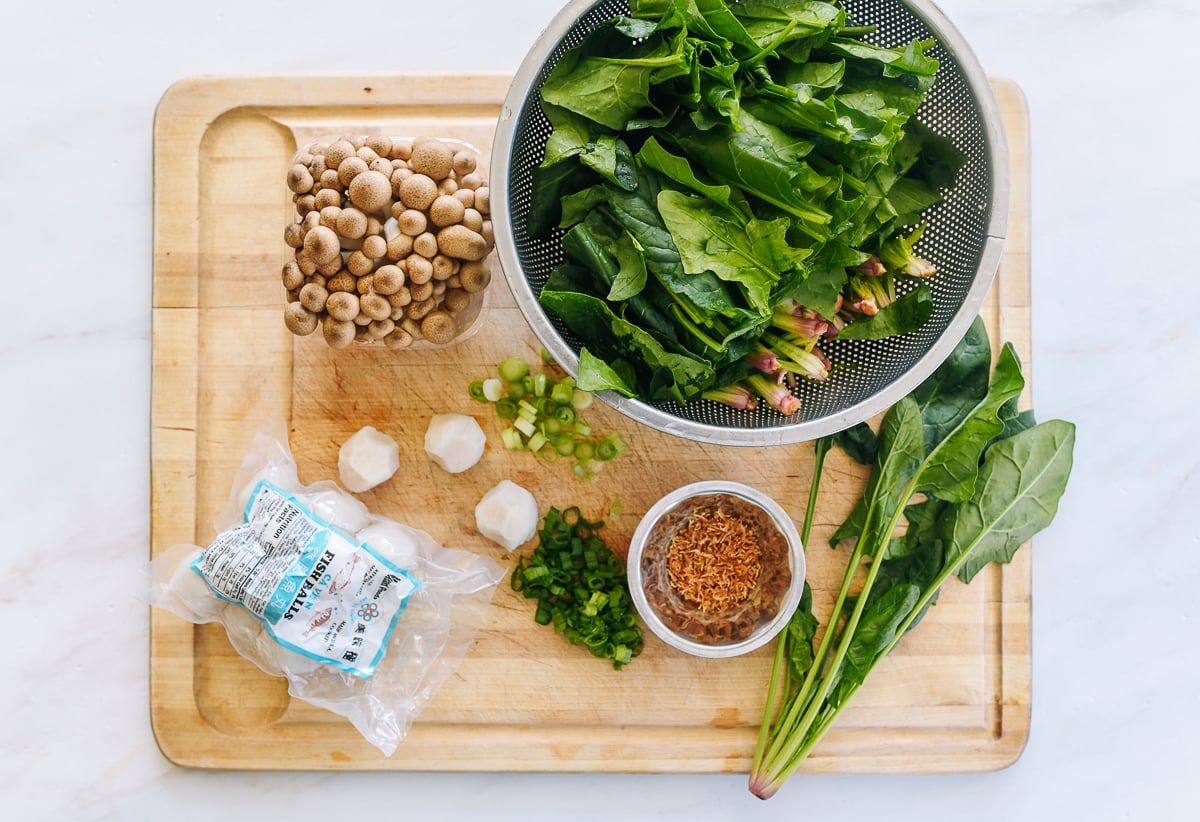
The development of a rich and satisfying broth is paramount to a truly exceptional fish ball soup. The recipe’s foundation relies on a strategic combination of aromatics and umami-rich ingredients:
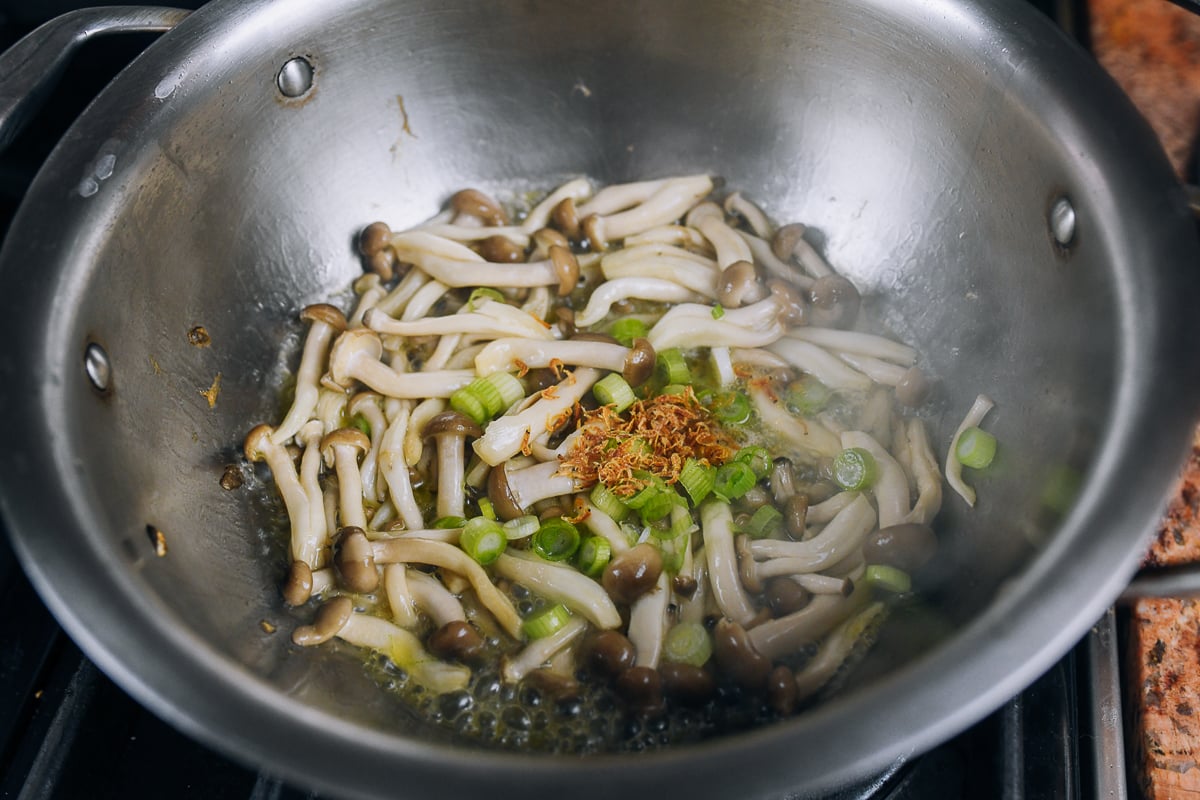
- Dried Shrimp (Xiapi / Xiao Xia Mi): These tiny, concentrated powerhouses of flavor are a cornerstone of many quick Asian broths. Their dehydrated state intensifies their natural savory notes, providing a deep umami base that complements the fish balls without overpowering them. The subtle salinity and oceanic essence they impart are crucial for achieving a complex flavor profile in a short cooking time.
- Mushrooms: Whether dried shiitake or fresh varieties, mushrooms contribute a distinct earthy flavor and a pleasing textural contrast. They absorb the broth and release their own savory compounds, adding another layer of depth to the soup.
- Scallions: The white parts of the scallions are often sautéed at the beginning of the cooking process to release their pungent, aromatic oils, forming an aromatic base. The green parts are typically added towards the end to maintain their fresh, bright flavor and vibrant color.
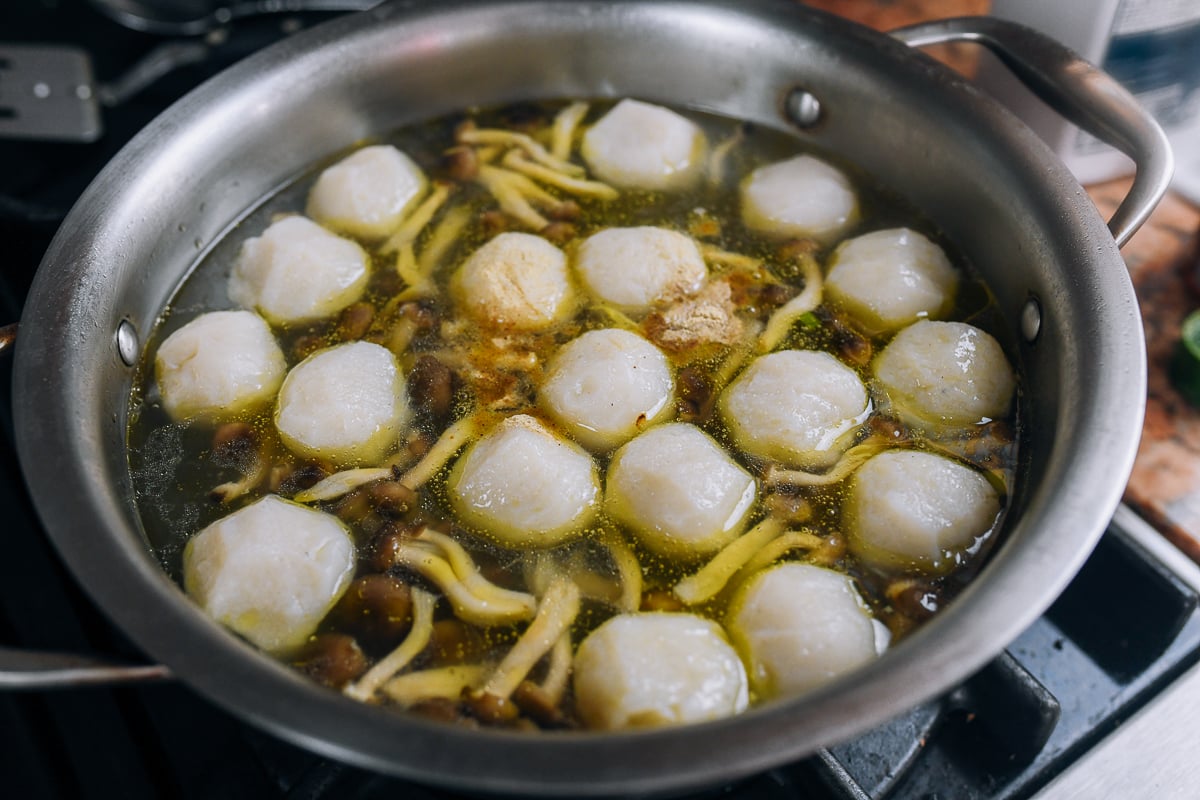
- Chicken Stock: A good quality chicken stock provides a neutral yet flavorful base, allowing the other ingredients to shine. Whether made from scratch, bouillon paste, or a boxed variety, it serves as the liquid medium for infusing flavors.
- White Pepper: A staple in many Asian cuisines, white pepper offers a subtle warmth and a distinct peppery aroma that enhances the savory notes of the soup without introducing excessive heat.
- Sesame Oil: A drizzle of toasted sesame oil at the end of cooking imparts a nutty aroma and a rich, satisfying finish, elevating the overall sensory experience of the dish.
Nutritional Profile and Health Considerations
A serving of this Taiwanese Fish Ball Soup, estimated at approximately 165 calories, offers a balanced nutritional profile. It provides a moderate amount of carbohydrates (14g), making it a light yet satisfying option. The protein content (14g) is substantial, largely contributed by the fish balls, which is essential for muscle repair and satiety. The soup contains a modest amount of fat (7g), with saturated fat at 2g, aligning with general dietary recommendations.
The presence of essential micronutrients is also noteworthy. With an impressive 107% of the daily recommended value for Vitamin A, largely attributed to the spinach, this soup contributes significantly to eye health and immune function. It also provides a good source of Vitamin C (21% DV), an antioxidant crucial for immune support and skin health. The mineral content includes Calcium (10% DV) and Iron (11% DV), further enhancing its nutritional value. The sodium content, at 497mg (21% DV), is moderate and can be adjusted based on individual dietary needs by carefully controlling the amount of salt added. The fiber content (2g) from the vegetables adds to the digestive benefits of the dish. While the provided nutritional information is an estimate, it underscores the soup’s potential as a wholesome and balanced meal component.
Variations and Culinary Evolution
The beauty of Taiwanese Fish Ball Soup lies in its inherent flexibility, allowing for endless customization to suit individual tastes and dietary needs. Beyond the suggested additions of noodles, wontons, or rice cakes, adventurous cooks might consider incorporating other ingredients such as:
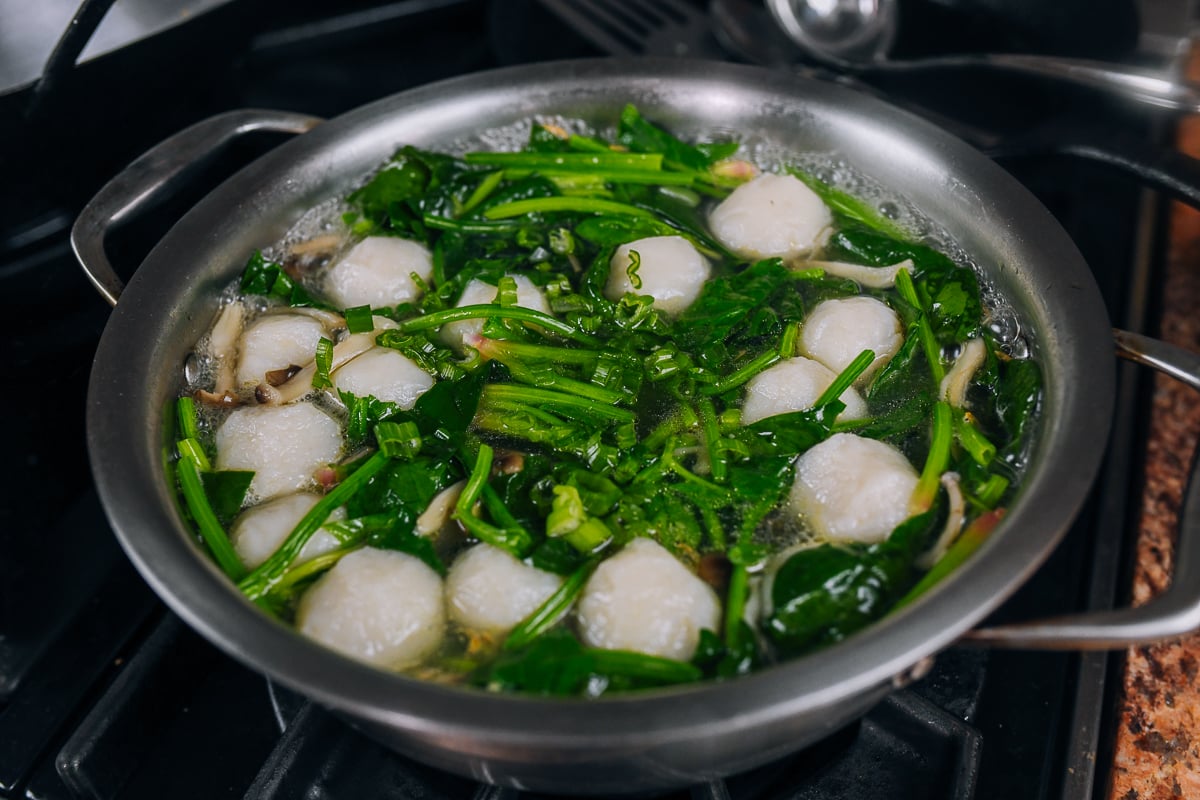
- Other Leafy Greens: Bok choy, napa cabbage, or even watercress can be substituted for spinach, offering different flavor profiles and textures.
- Root Vegetables: Thinly sliced daikon radish or carrots can add a subtle sweetness and a tender-crisp texture.
- Protein Boosts: Sliced chicken breast, firm tofu, or even a small amount of cooked pork can be added for extra protein.
- Spicy Elements: For those who enjoy a kick, a dash of chili paste or fresh chili slices can be incorporated into the broth.
- Aromatic Herbs: A few sprigs of fresh cilantro or a sprinkle of chopped chives can provide a burst of freshness as a garnish.
These variations demonstrate the dish’s capacity to evolve, reflecting the diverse culinary landscape of Taiwan and the ingenuity of its home cooks. The continuous adaptation of traditional recipes ensures their relevance and appeal across generations.
Conclusion
Taiwanese Fish Ball Soup stands as a testament to the power of simple ingredients and thoughtful preparation. It embodies a culinary philosophy that values both tradition and practicality, offering a comforting and flavorful experience that can be enjoyed by individuals and families alike. Whether prepared as a quick weeknight meal or a more elaborate gathering, its enduring appeal lies in its adaptability, its rich flavor profile, and its deep cultural significance within Taiwanese households. The recipe, while straightforward, unlocks a world of taste and nourishment, solidifying its place as a cherished cornerstone of Taiwanese cuisine.