Easy Dinner Recipes That Are Low Effort and High Reward for Modern Home Cooks

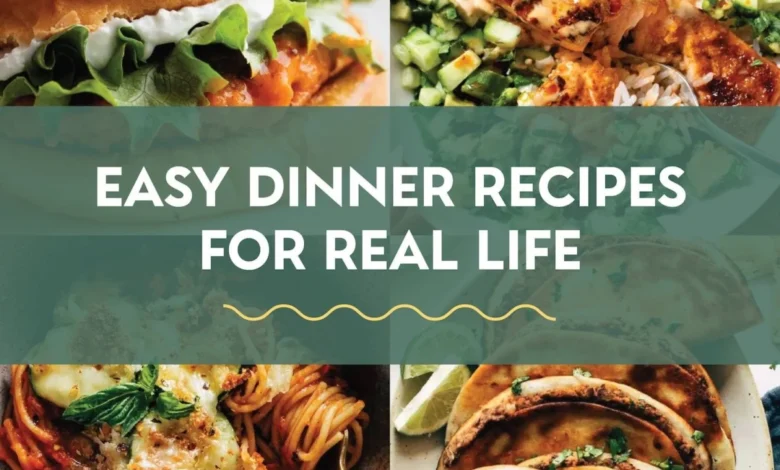
The landscape of contemporary home dining is undergoing a significant transformation as households increasingly prioritize efficiency without sacrificing nutritional value or flavor profile. Recent culinary trends indicate a decisive shift toward "minimalist gastronomy," a method of cooking characterized by short ingredient lists, reduced preparation times, and the utilization of modern kitchen appliances to achieve gourmet results. This movement, often referred to as "low-effort, high-reward" cooking, addresses the growing "time poverty" experienced by working professionals and families alike. By focusing on reliable, repeatable recipes that require minimal specialized skills or obscure ingredients, the modern home cook is reclaiming the kitchen as a space of manageable productivity rather than high-stress labor.
The Evolution of the Weeknight Meal: Context and Background
Historically, the concept of a "home-cooked meal" often implied hours of labor, intricate techniques, and a vast array of fresh and pantry staples. However, the post-pandemic era has solidified a different set of priorities. Economic fluctuations, including rising inflation and the soaring costs of dining out, have pushed consumers back to their own kitchens. Simultaneously, the digital age has democratized culinary expertise, allowing platforms like Pinch of Yum to disseminate streamlined recipes that bypass traditional complexities.
Market research suggests that the average consumer now seeks meals that can be prepared in 30 minutes or less, utilizing ten ingredients or fewer. This shift is not merely a matter of convenience; it is a response to the psychological need for "attainable success" in the domestic sphere. When a recipe is labeled as "low effort," it lowers the barrier to entry for novice cooks and reduces the cognitive load for experienced ones, leading to a higher frequency of home-prepared meals over processed alternatives.
Technological Integration and Efficiency in the Kitchen
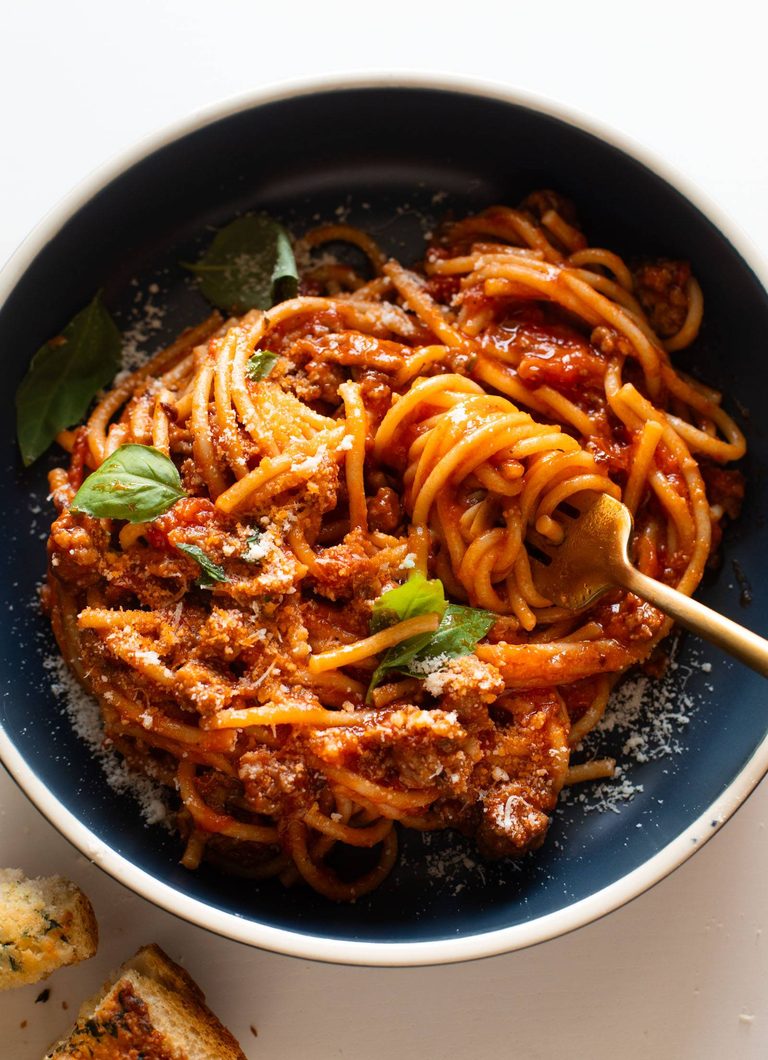
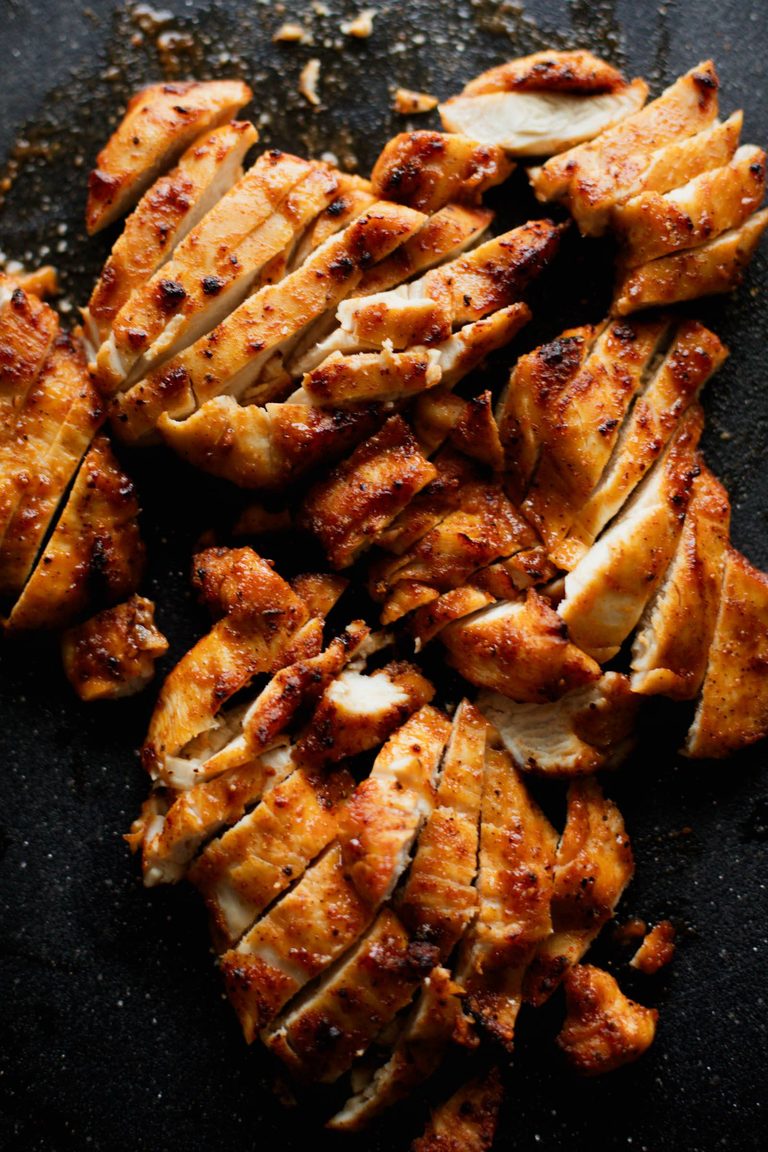
A critical component of the high-reward cooking strategy involves the strategic use of kitchen technology. The rise of the Air Fryer and the Instant Pot has revolutionized how proteins and grains are handled. For instance, the "Ridiculously Good Air Fryer Chicken Breast" highlights how convection technology can produce juicy, spice-laden results in a fraction of the time required by traditional roasting. Similarly, "Instant Pot Spaghetti" challenges the conventional method of boiling pasta and simmering sauce separately, proving that a single-vessel approach can yield a "silky, flavorful, and delightfully clingy" result that appeals to all age groups.
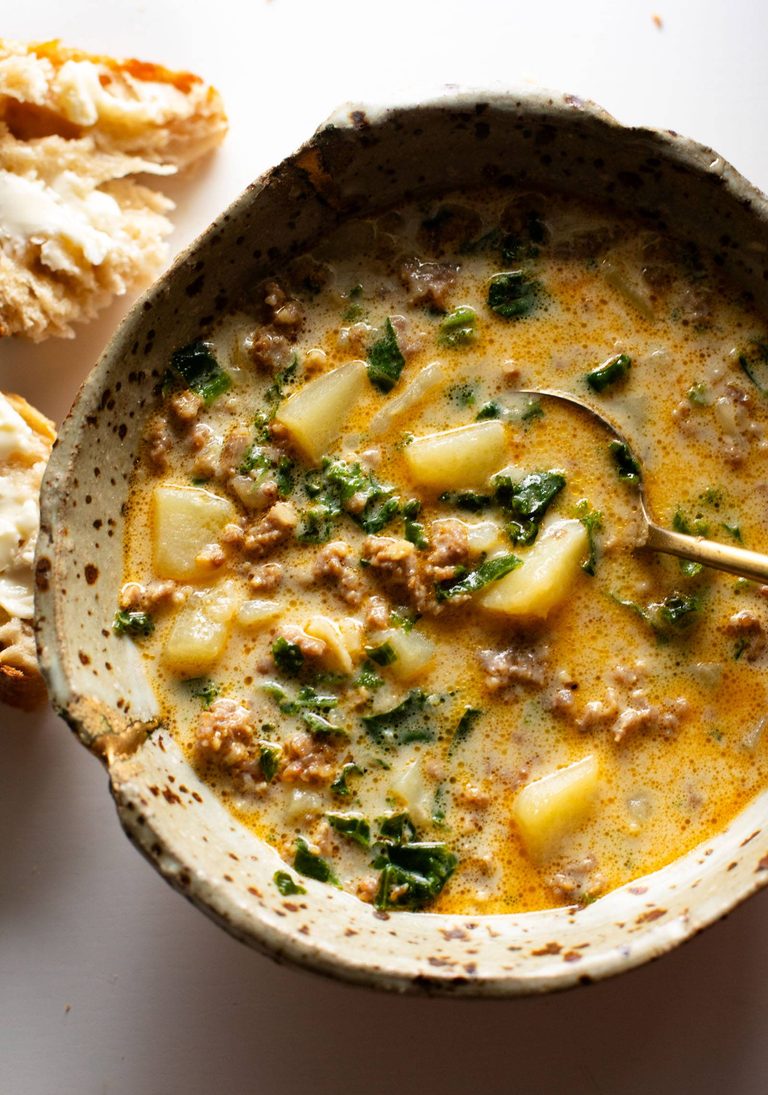
These appliances serve as "force multipliers" in the kitchen, allowing for hands-off cooking periods where the cook can attend to other household responsibilities. The data supports this: sales of multi-cookers and air fryers have seen a steady 10-15% year-over-year growth as consumers seek to replicate restaurant-quality textures—such as the crispiness of "Bang Bang Salmon" or the tenderness of "Crockpot Chicken Gnocchi Soup"—with minimal manual intervention.
A Comprehensive Portfolio of Low-Effort Recipes
The current repertoire of high-reward recipes can be categorized into four primary pillars: Bowl-Based Nutrition, Global Fusion Shortcuts, Handheld Innovations, and One-Pan Efficiencies.
Bowl-Based Nutrition and Deconstructed Classics
The "bowl" trend continues to dominate because of its versatility and ease of assembly. "Burger Bowls with House Sauce and Ranch Fries" offer a prime example of deconstructing a labor-intensive classic into a manageable weeknight format. By replacing the traditional bun with a base of ranch-seasoned fries and adding fresh "fixings," the cook eliminates the structural stress of burger assembly while maintaining the flavor profile.
Other notable entries in this category include:
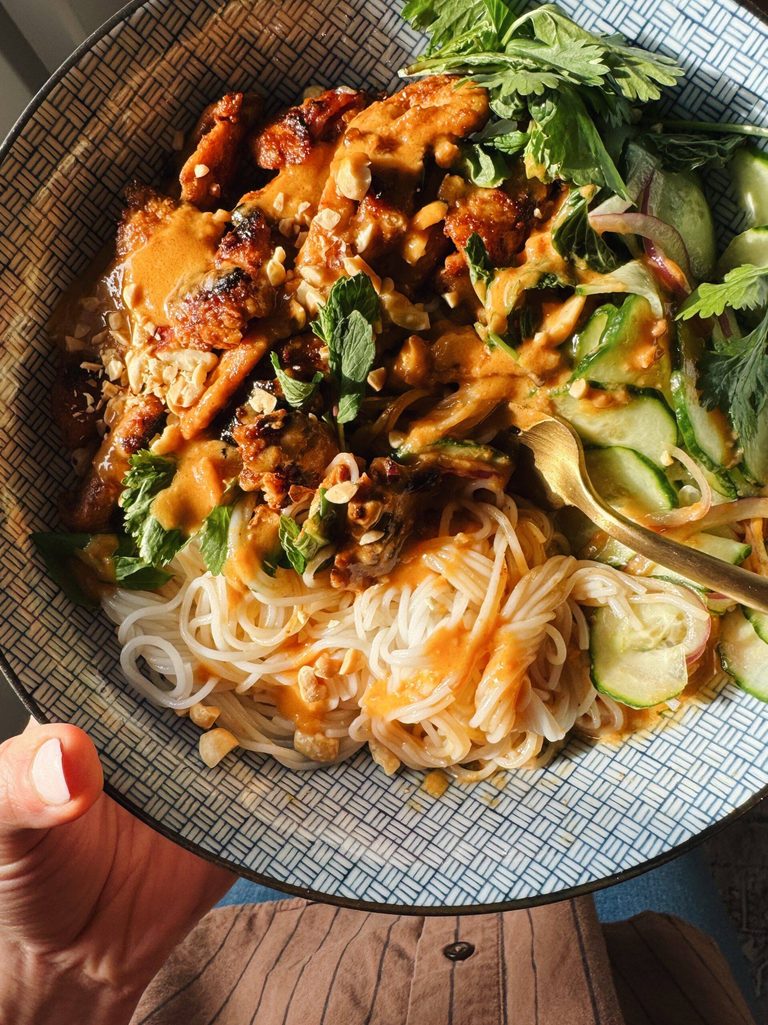
- Thai Peanut Chicken Bowls: Utilizing vermicelli noodles and a "shortcut dinner hack" of caramelized peanut chicken.
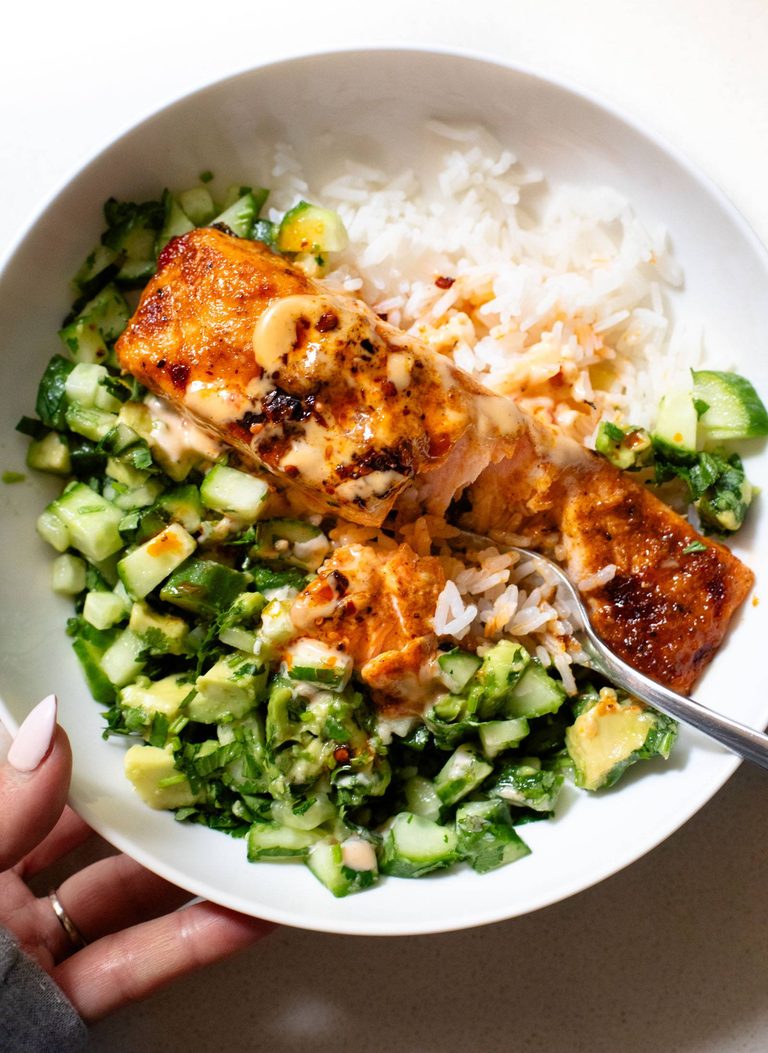
- Bang Bang Salmon: A dish that combines creamy, sweet, and savory notes with a fresh avocado cucumber salsa.
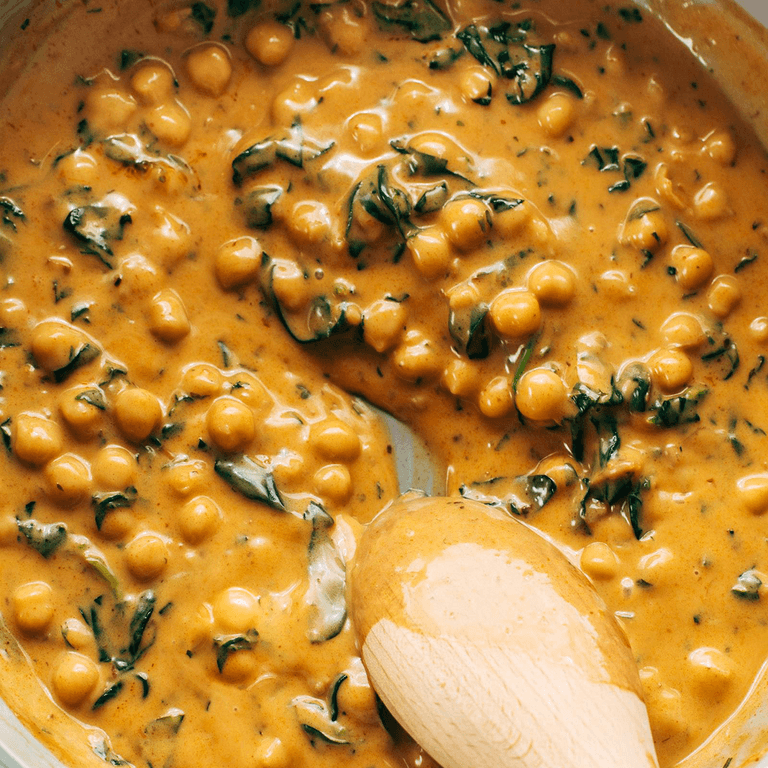
- Chickpea Curry with Spinach and Rice: A 20-minute vegetarian powerhouse that utilizes pantry staples like canned chickpeas and chili crisp.
Global Fusion via Simplified Ingredients
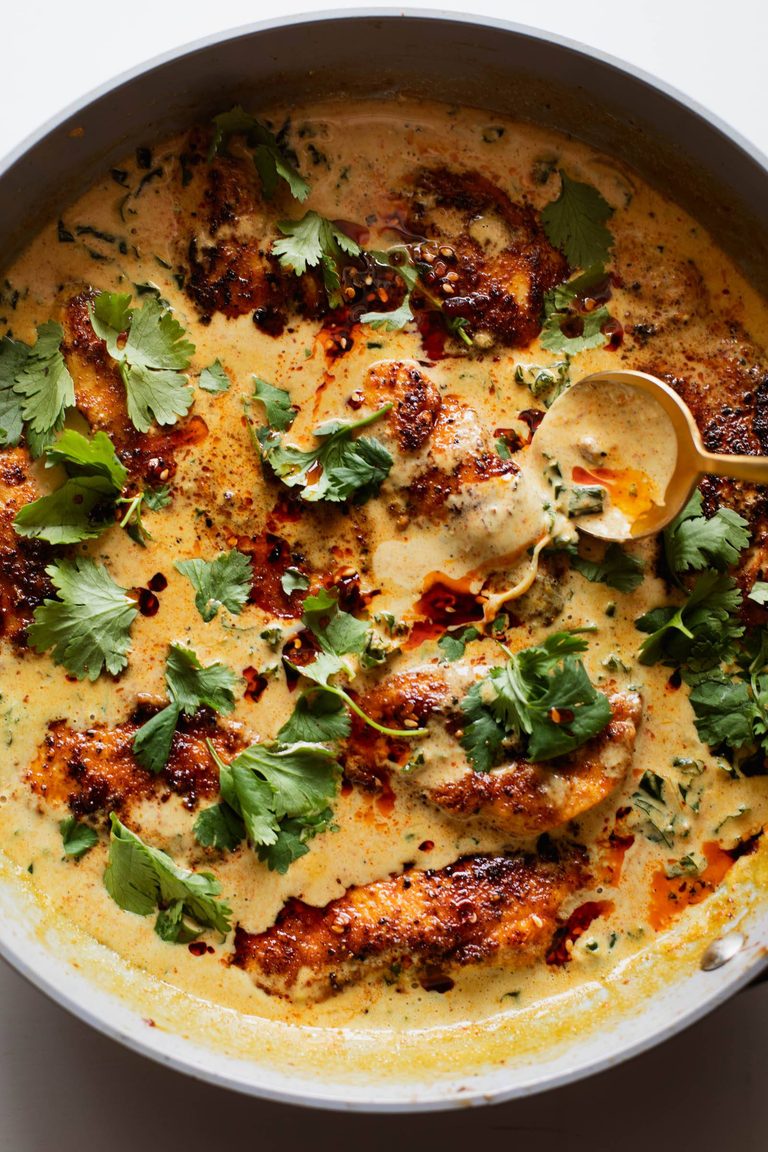
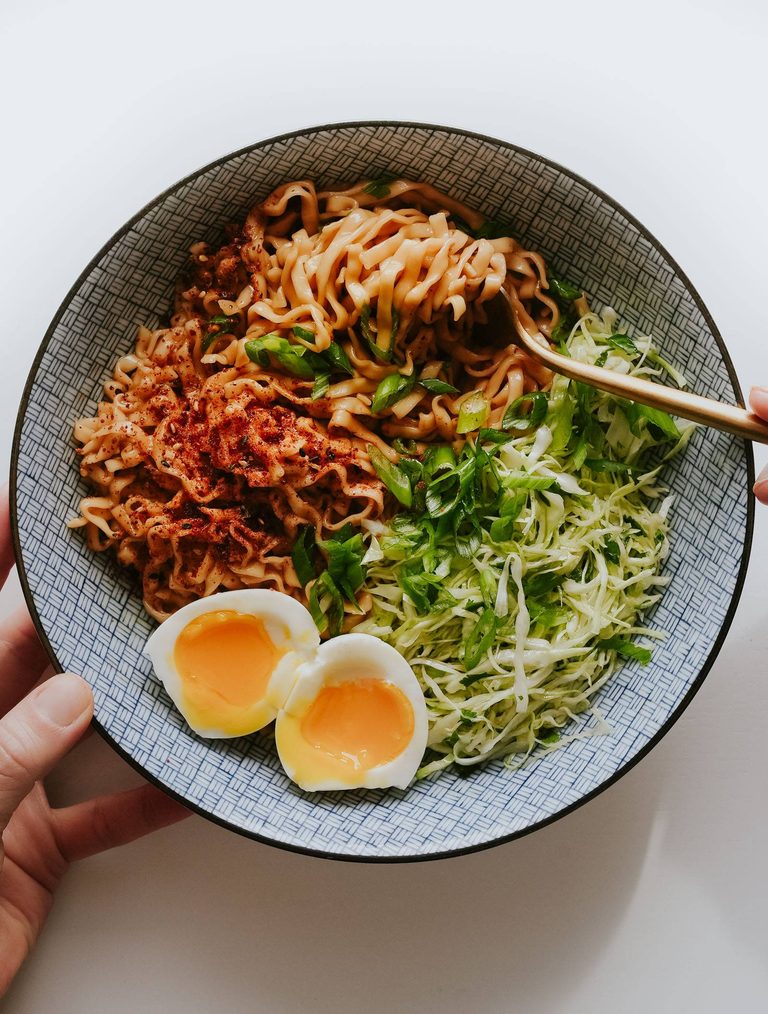
Modern recipes are increasingly incorporating global flavors through "back-pocket" techniques. The "Saucy Gochujang Noodles with Chicken" uses Korean fermented chili paste to provide depth that would otherwise require hours of simmering. Similarly, the "Instant Pot Coconut Tandoori-Inspired Chicken" leverages rich spices and coconut milk to create a complex flavor profile with only five minutes of hands-on preparation.
This category also includes:
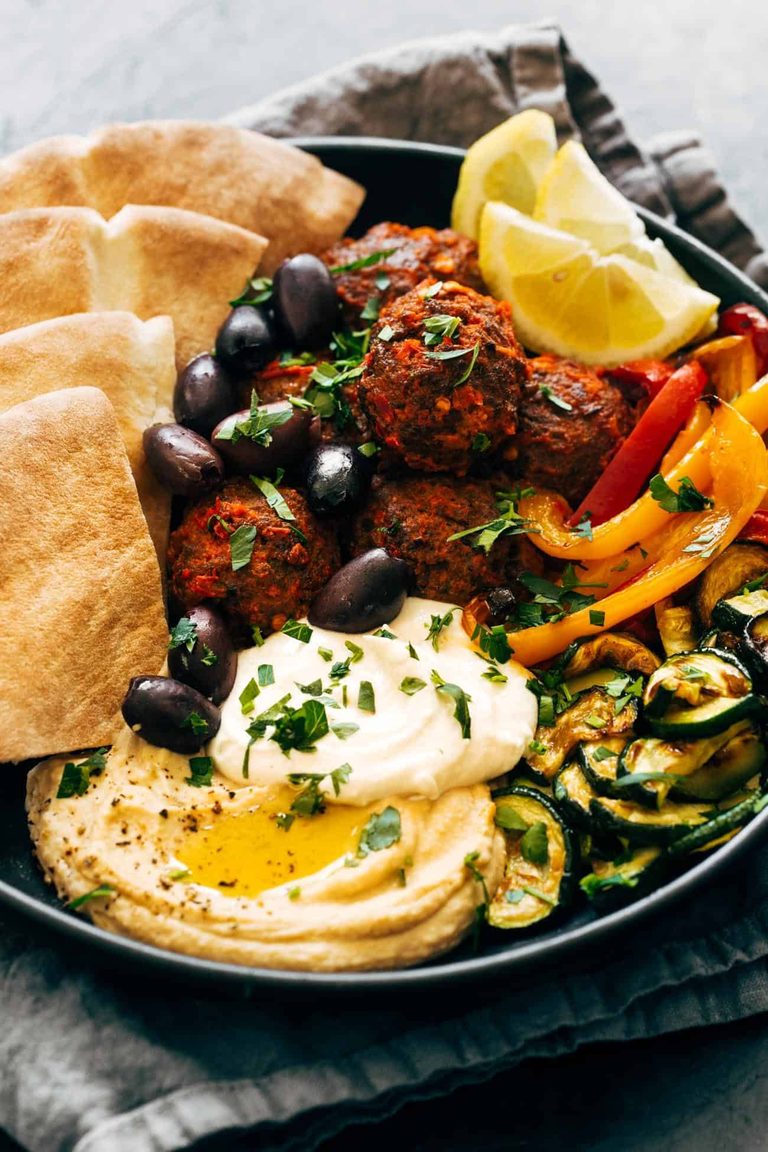
- Harissa Meatballs with Whipped Feta: A dish that uses store-bought meatballs and Mediterranean staples like zucchini and bell peppers to create a sophisticated one-bowl meal.
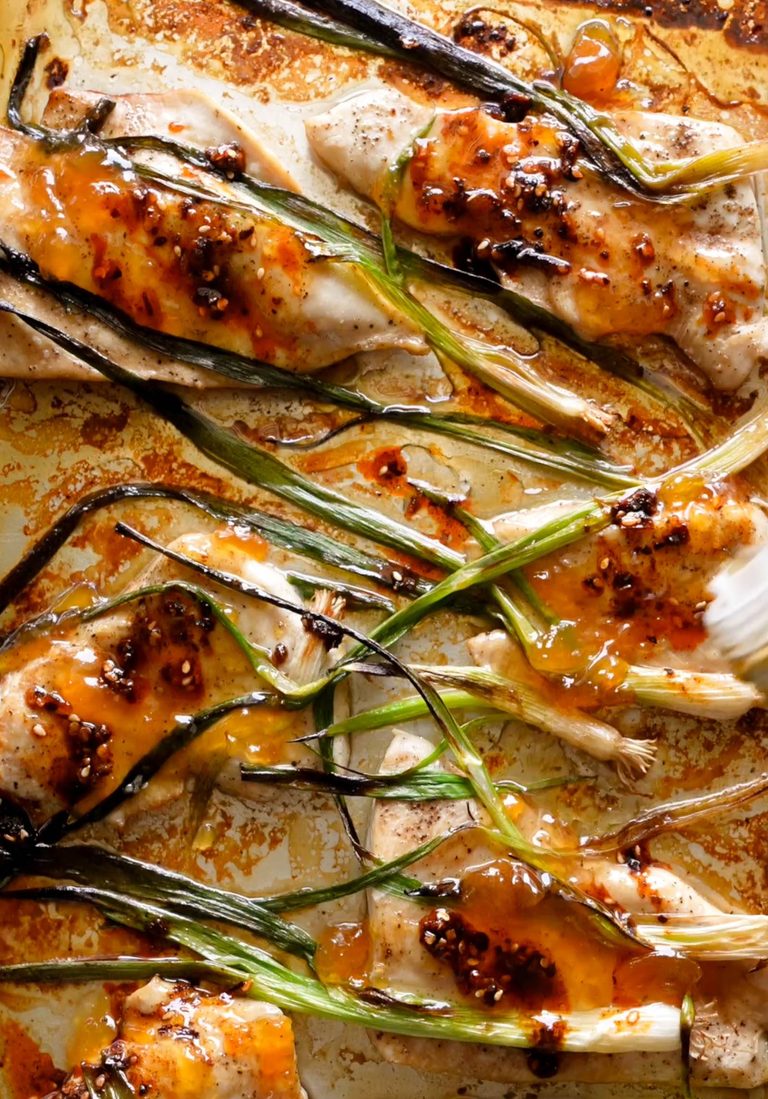
- Apricot Chicken with Charred Scallions: A sheet-pan recipe that finds a balance between fruit sweetness and the bitter notes of charred aromatics.
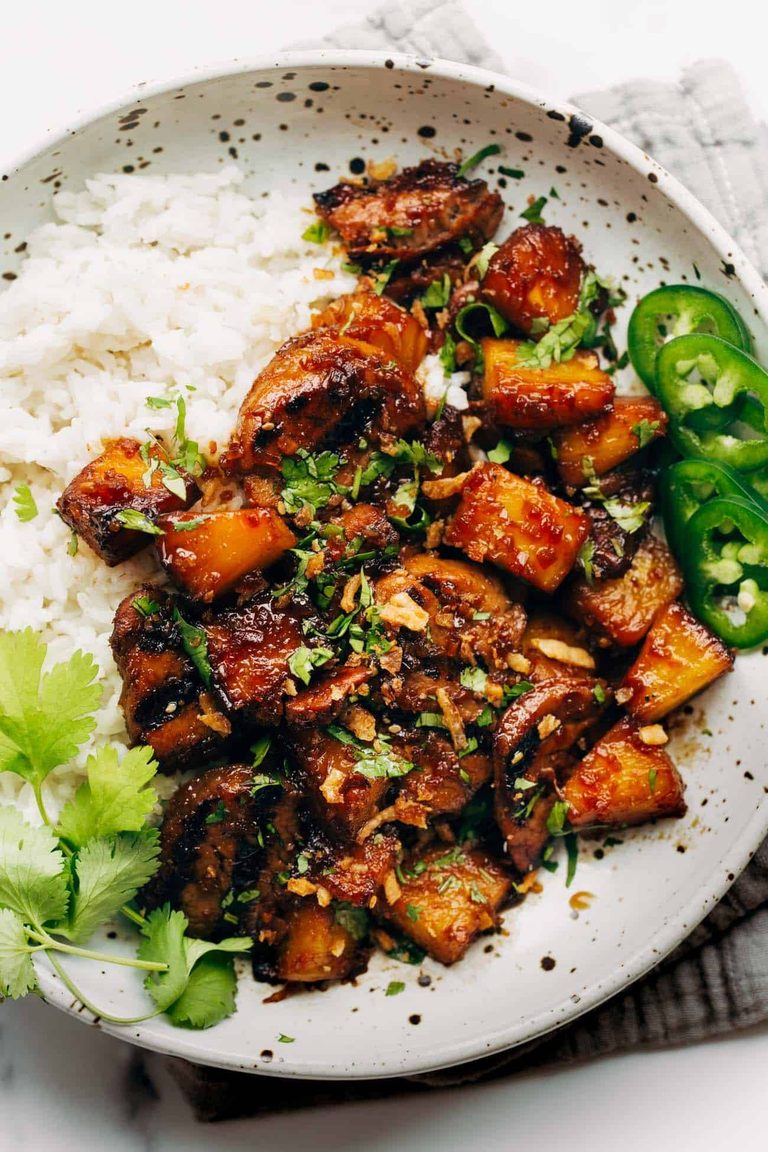
- Pineapple Pork with Coconut Rice: A combination of sticky-sweet proteins and tropical grains.
Handheld Innovations: Tacos and Burgers
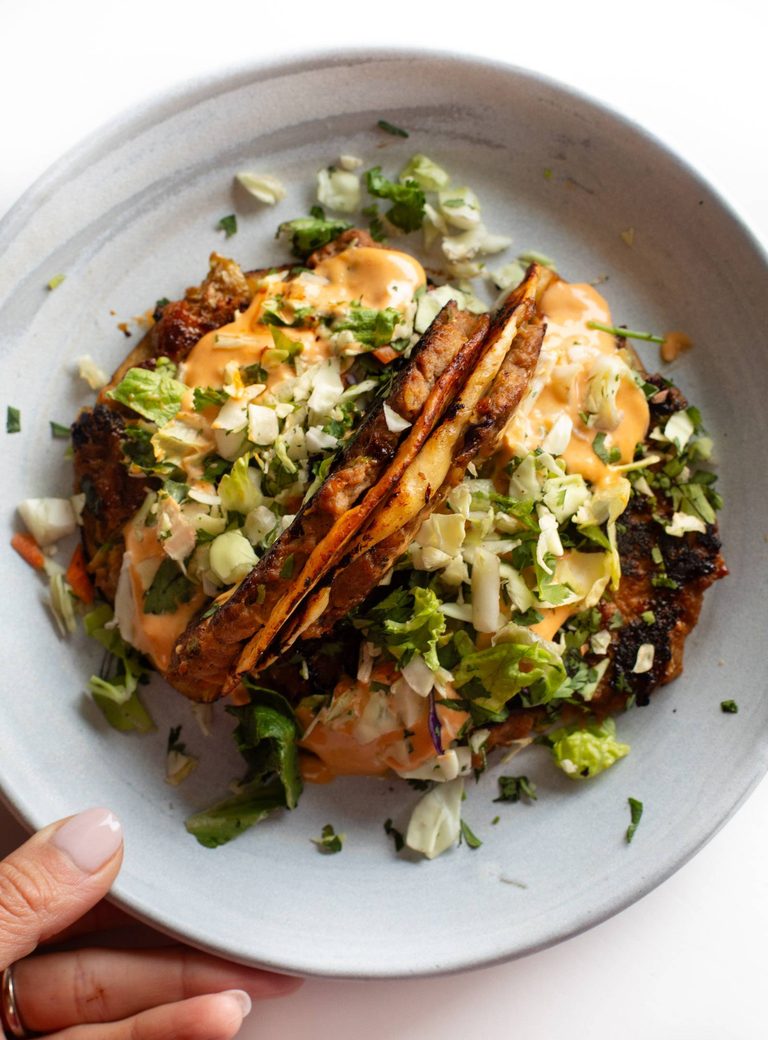
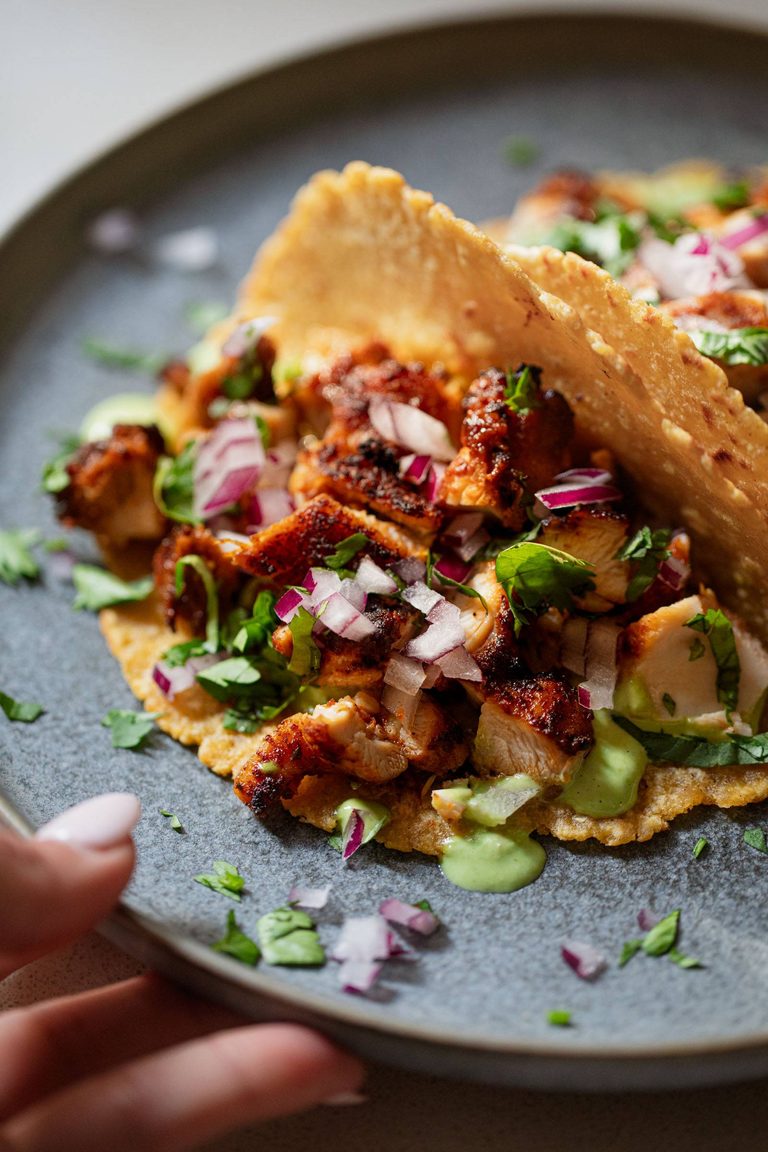
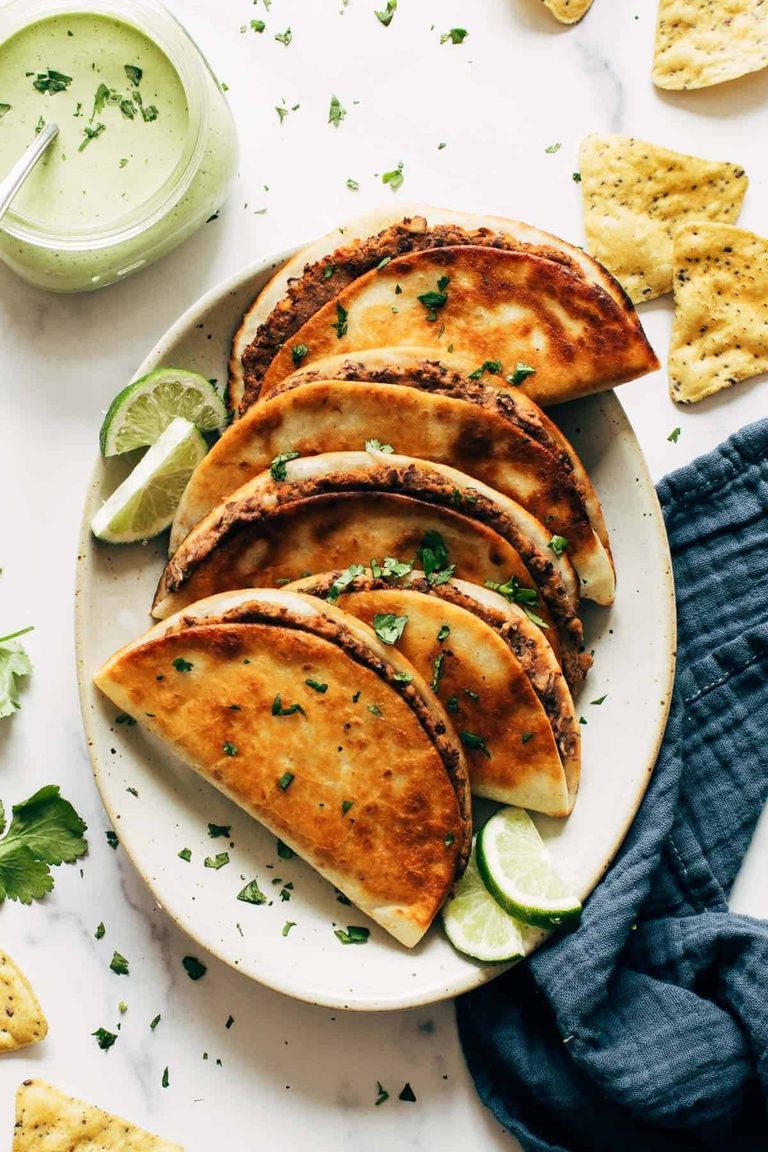
The taco has emerged as the ultimate "mindless" weeknight vehicle. Recipes like "Brandon’s Egg Roll Tacos" bridge the gap between Asian and Mexican cuisines, using classic egg roll fillings inside pillowy tortillas. "Chicken Tinga Tacos" and "Crispy Black Bean Tacos" offer high-intensity flavor with minimal cleanup, particularly when using pre-cooked or rotisserie chicken as a base.
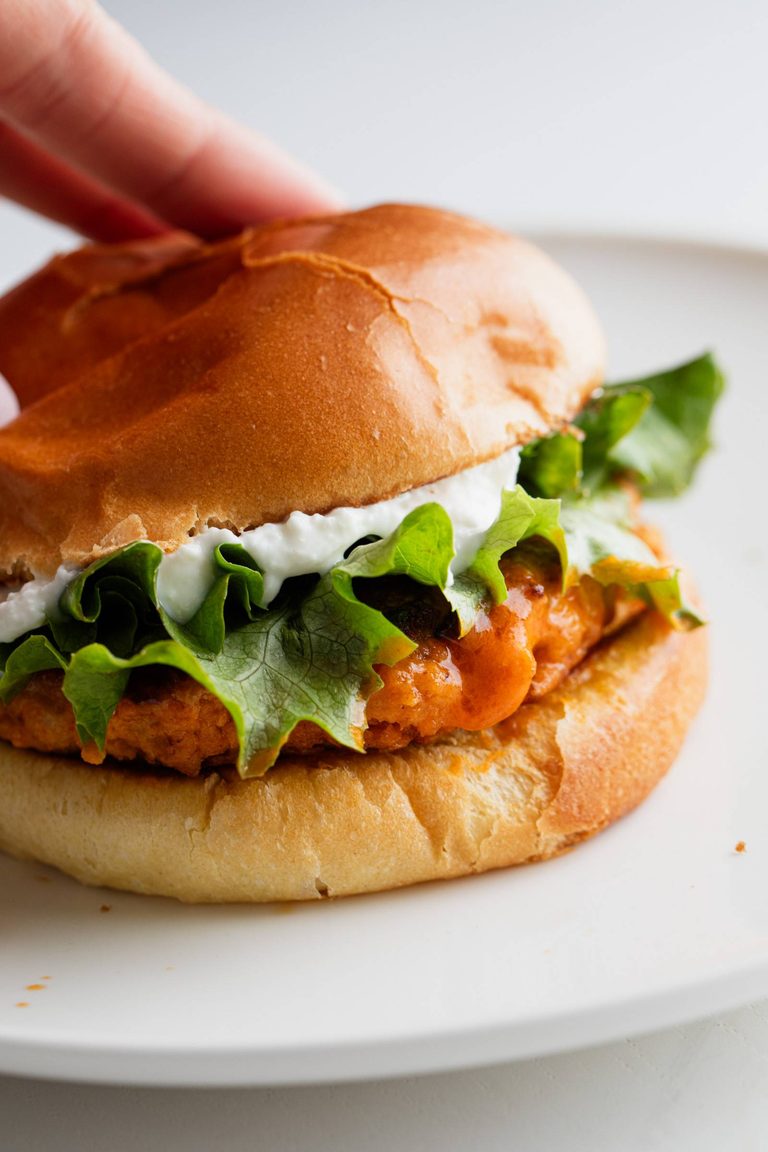
In the burger sub-category, "Buffalo Chicken Burgers with Whipped Feta" and "Spicy Salmon Burgers" (using canned salmon and lemongrass) demonstrate how alternative proteins can be elevated with simple spreads and toasted brioche buns, moving beyond the standard beef patty.
One-Pan and Sheet-Pan Efficiencies
Minimizing dishwashing is a cornerstone of the high-reward philosophy. "Sheet Pan Jambalaya" condenses a traditionally complex Creole dish into a single roasting step involving sausage, shrimp, and cauliflower rice. "One-Pan Farro with Tomatoes and Kale" provides a wholesome, rustic grain dish that cooks entirely in one vessel, allowing the starches and juices to meld into a cohesive, flavorful whole.
Chronology of the Minimalist Cooking Trend
To understand the current state of these recipes, one must look at the timeline of their development:
- 2010-2015: The "Slow Cooker Era." Focus was on long cook times with minimal prep, but often resulted in muted flavors.
- 2016-2019: The "Instant Pot Explosion." Pressure cooking introduced speed to the "set it and forget it" model.
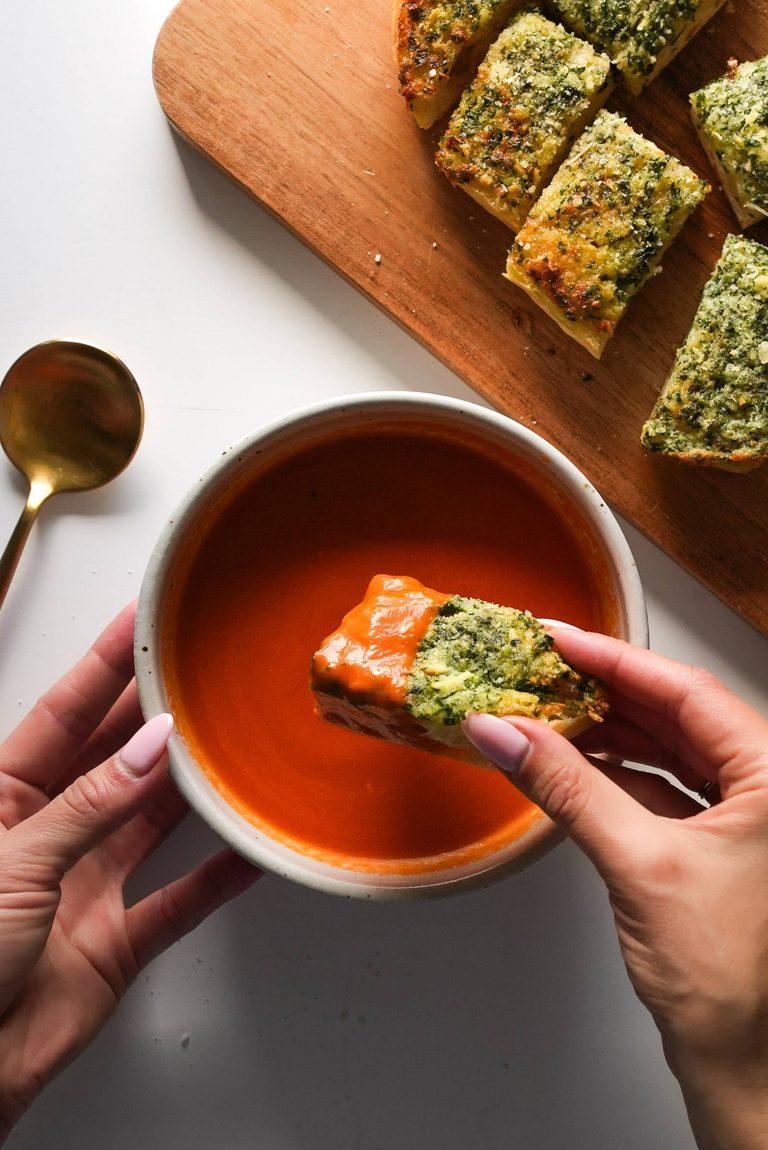
- 2020-2022: The "Pantry Staple Pivot." Due to supply chain issues, recipes became leaner, focusing on what was already in the cupboard (e.g., the 5-Ingredient Tomato Soup based on Marcella Hazan’s iconic sauce).
- 2023-Present: The "High-Reward Refinement." The current phase emphasizes "texture and punch"—using air fryers for crispiness and global condiments (harissa, gochujang, aji verde) for instant flavor.
Economic and Sociological Implications
The shift toward recipes like "Shortcut Sesame Butter Noodles" or "Three Cheese Baked Gnocchi" has broader implications for public health and household economics. According to recent consumer surveys, households that master five to ten "reliable" low-effort recipes are 40% less likely to rely on ultra-processed delivery food.
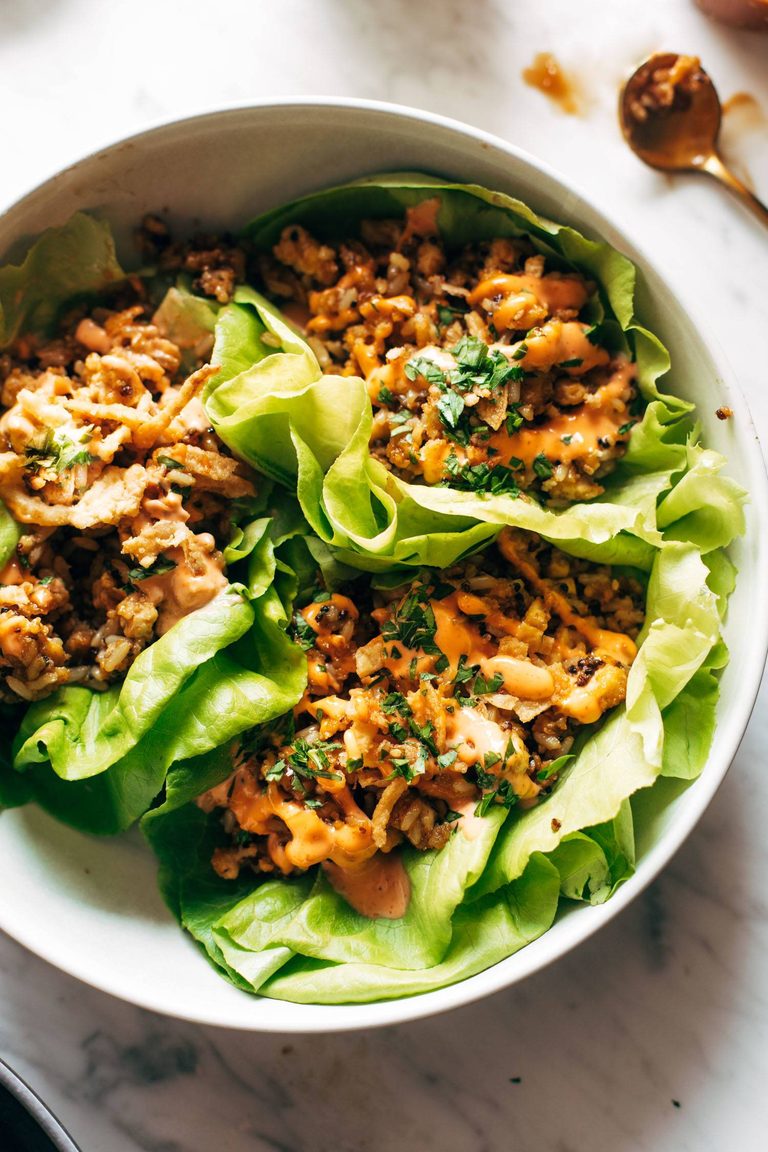
Furthermore, the inclusion of vegetable-forward options like "Cauliflower Black Bean Tostadas" and "Tofu and Brown Rice Lettuce Wraps" suggests that "low effort" does not equate to "low nutrition." By making vegetables the center of a "high reward" meal, these recipes facilitate a higher intake of fiber and micronutrients without the perceived burden of "dieting."
Analysis of the "High Reward" Factor
What defines a "high reward" in the culinary context? For the modern consumer, it is the ratio of sensory satisfaction to caloric and emotional expenditure. A dish like "Hot Honey Salmon" provides a "fancy-to-eat" experience—spicy, sweet, and perfectly seared—that reinforces the cook’s sense of competency. When a meal looks professional and tastes complex but requires only a handful of steps, it provides a hit of dopamine that encourages the habit of cooking.
Industry experts note that the success of these recipes lies in their "reliability." In an era of viral, often non-functional "stunt" recipes on social media, the return to "permanent rotation" recipes represents a desire for stability. These are dishes that have been tested in family environments, ensuring that the instructions lead to a successful outcome every time.
Conclusion: The Future of Home Dining
As the boundary between work and home continues to blur, the demand for dinner recipes that offer a "high reward" for "low effort" is expected to grow. The integration of global flavors, the optimization of kitchen appliances, and the simplification of ingredient lists are not merely trends but essential adaptations to modern life. By focusing on dishes like "Zuppa Toscana" or "Sesame Beef and Broccoli," home cooks are finding a sustainable way to nourish themselves and their families, proving that a special, home-cooked dinner does not require a full day of preparation—just a few smart steps and the right set of reliable recipes.