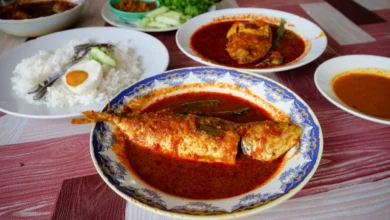
Nasi Lemak Tanglin and the Evolution of Malaysia’s Culinary Heritage in Kuala Lumpur’s Modern Gastronomic Landscape

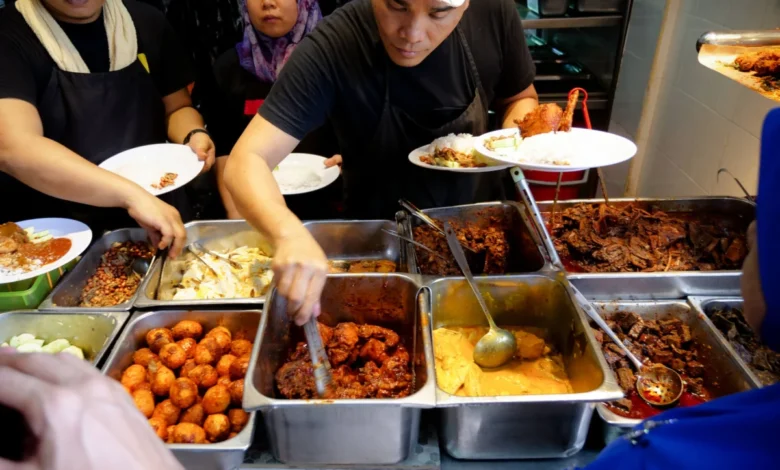
Established in 1948, Nasi Lemak Tanglin has evolved from a humble wooden stall into a definitive gastronomic landmark within Kuala Lumpur, representing the enduring legacy of Malaysia’s national dish. Situated within the Kompleks Makan Tanglin near the Perdana Botanical Gardens, the establishment serves as a historical anchor for the city’s breakfast culture. While Kuala Lumpur has undergone rapid modernization over the past seven decades, Nasi Lemak Tanglin remains a consistent focal point for locals and international tourists alike, demonstrating the resilience of traditional Malay cuisine in an increasingly globalized food market. The stall’s longevity is not merely a result of its age but is rooted in a meticulous adherence to traditional recipes and a communal dining atmosphere that bridges socioeconomic divides.
The Historical Foundation and Daily Operations of a Culinary Institution
The origins of Nasi Lemak Tanglin date back to the post-World War II era, a period when Malaysia—then Malaya—was navigating a complex path toward independence. Founded by Suryati Jawirunnah, the stall began its journey under a cherry tree before eventually moving to its current location. This history is significant as it mirrors the growth of Kuala Lumpur itself. Today, the operation is managed with industrial efficiency to meet overwhelming demand. The stall opens its shutters at 7:00 AM daily, and by 10:00 AM, the surrounding parking facilities are typically at full capacity. Observers note that the establishment frequently exhausts its entire inventory by 11:30 AM, a testament to its status as a "sell-out" destination where demand consistently outpaces supply.
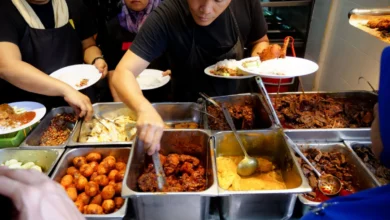
The logistical challenge of managing hundreds of daily patrons is mitigated by the stall’s location within a structured food court. This setting allows for a symbiotic relationship between various vendors, though Nasi Lemak Tanglin remains the primary draw. The presence of live musical performances, specifically "Pop Yeh Yeh"—a genre of Malay pop music influenced by 1960s British rock and roll—adds a layer of cultural immersion to the dining experience. This atmosphere transforms a simple meal into a heritage event, preserving the auditory and olfactory memories of mid-century Malaysia for younger generations.
Technical Composition: The Anatomy of "Fat Rice"
Nasi Lemak, translated literally as "fat rice," derives its name from the cooking process where rice is soaked in coconut cream before being steamed. At Nasi Lemak Tanglin, the technical execution of this process is central to its reputation. The rice must achieve a delicate balance: it must be fragrant with pandan leaf and rich with coconut fats (santan) without becoming overly mushy or clumping together. Each grain is expected to remain distinct, acting as a vehicle for the various sauces and sambals that accompany the dish.
The sambal—a chili-based condiment—at Tanglin is noted for its complexity. Unlike the fiery, sharp heat found in some regional variations, the Tanglin sambal is characterized by a deep, dark hue and a balanced flavor profile that incorporates sweetness, acidity, and a savory undertone. The preparation of such a sambal is labor-intensive, often requiring hours of slow-cooking (tumis) to allow the oil to separate from the chili paste (pecah minyak), a process essential for developing a mature flavor and ensuring a longer shelf life without artificial preservatives.

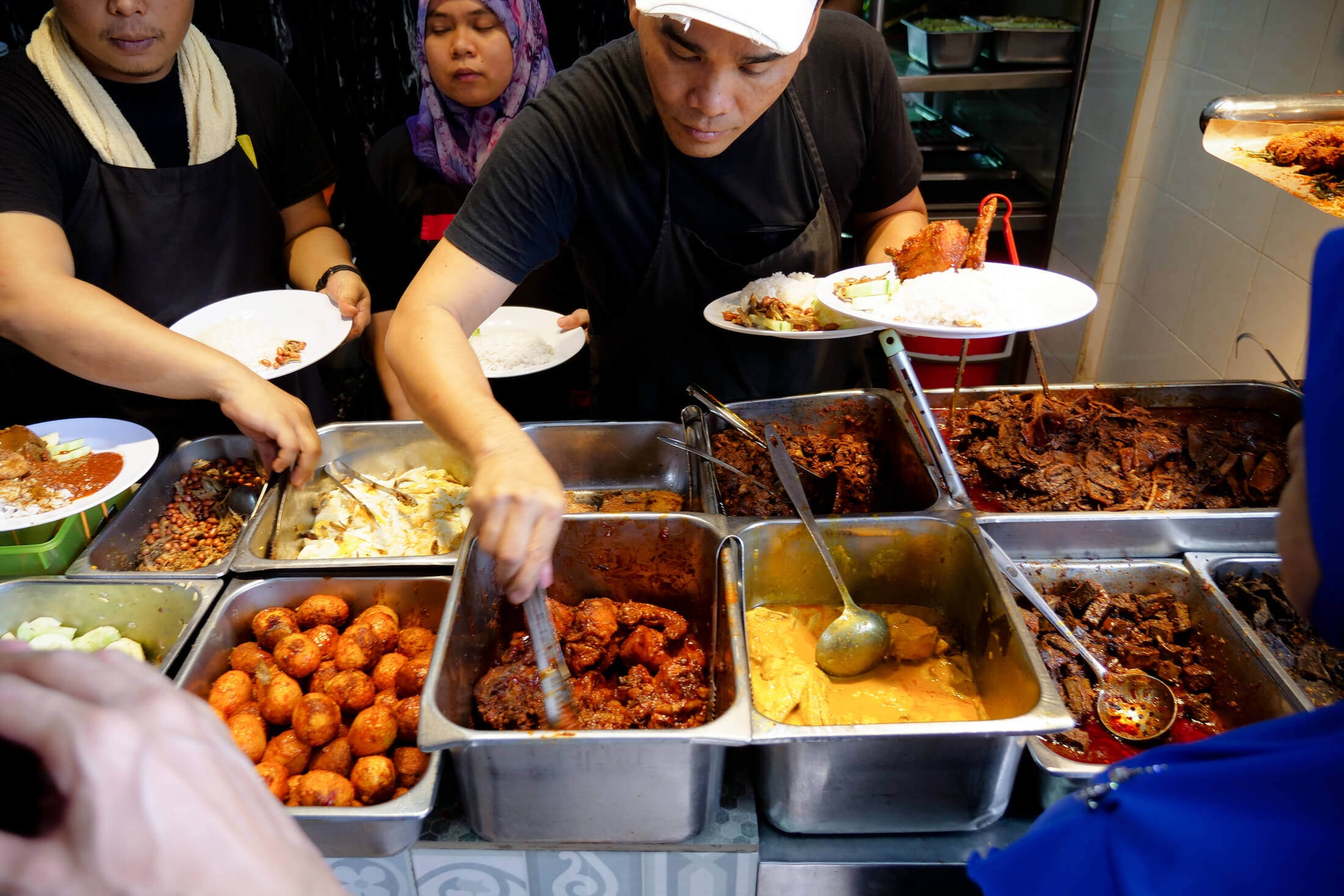
Standard accompaniments at the stall include the traditional quartet: fried anchovies (ikan bilis), roasted peanuts, fresh cucumber slices, and a hard-boiled or fried egg. However, the stall’s distinction lies in its array of supplementary side dishes, or "lauk." These include:
- Sambal Kerang: Cockles cooked in a spicy gravy, prized for their metallic, oceanic tang.
- Kuah Hitam Daging: A dark, rich beef gravy that provides a savory depth to the coconut rice.
- Paru Goreng and Limpa: Fried beef lungs and spleen. These offal cuts are prepared to achieve a creamy interior texture, often described by patrons as rich and "mushily creamy," serving as a hallmark of traditional Malay soul food.
- Beef Rendang: A dry curry characterized by the slow reduction of coconut milk and spices until the meat is tender and the flavors are highly concentrated.
Socio-Economic Impact and Accessibility Data
The economic model of Nasi Lemak Tanglin reflects the broader "street food" economy of Southeast Asia, where high-volume, low-margin sales ensure both profitability for the vendor and accessibility for the consumer. As of recent reporting, a basic plate of Nasi Lemak at Tanglin starts at approximately 2 RM (roughly 0.45 USD). Even with the addition of premium proteins such as beef spleen or rendang, the total cost for a substantial meal rarely exceeds 7 to 10 RM.
For a group of four diners, a comprehensive meal including various side dishes and beverages typically totals around 35 RM (8.50 USD). This pricing strategy is crucial for maintaining a diverse customer base, ranging from blue-collar laborers and office workers to high-ranking government officials from the nearby administrative districts. In a city where inflation and the rising cost of living are frequent topics of public discourse, the affordability of a heritage institution like Tanglin provides a vital "safety net" for cultural and culinary continuity.

Furthermore, the stall contributes to the local "breakfast economy." Data from Malaysian tourism boards suggest that food-motivated travel is a primary driver for domestic tourism. Nasi Lemak Tanglin acts as a "destination anchor," drawing foot traffic to the Kompleks Makan Tanglin, which in turn supports secondary vendors selling beverages, traditional kuih (desserts), and other regional specialties.
Environmental Responsibility and Policy Alignment
In recent years, Nasi Lemak Tanglin has adapted its service model to align with national environmental objectives. Historically, Nasi Lemak was served wrapped in banana leaves and newspaper or brown wax paper. While some traditionalists lament the move toward reusable melamine plates, this shift is a calculated response to Malaysia’s "Roadmap Towards Zero Single-Use Plastics 2018–2030."
The transition to reusable plates serves multiple purposes:

- Waste Reduction: It significantly lowers the volume of single-use wrappers generated by hundreds of daily customers.
- Resource Conservation: By reducing the reliance on banana leaves, the industry eases the pressure on agricultural sectors that have seen fluctuations in supply due to climate change and land-use shifts in protected jungle areas.
- Operational Speed: Plating is faster than traditional wrapping, allowing the staff to maintain the high turnover rate necessary to clear the morning queues.
This adaptation demonstrates that heritage businesses are not static; they are capable of evolving to meet modern sustainability standards while preserving the core sensory experience of the food they serve.
Cultural Significance: A Unifying National Symbol
Nasi Lemak is frequently cited by sociologists as a unifying force in Malaysia’s multicultural society. While it has Malay origins, it is consumed by Chinese, Indian, and indigenous communities across the peninsula and Borneo. Nasi Lemak Tanglin, by virtue of its location in the capital and its historical pedigree, serves as a "culinary embassy."
The dining etiquette at Tanglin often involves "eating with fingers" (makan dengan tangan), a practice that many locals believe enhances the flavor of the curry-soaked rice. This tactile connection to food is a significant aspect of Malay heritage. The "bonus ladle" of curry broth (banjir), which vendors often pour over the rice upon request, ensures that every grain is saturated, creating a cohesive flavor profile that cannot be replicated through Western-style dining implements.

The presence of the "Pop Yeh Yeh" music further reinforces this cultural identity. This musical style represents a period of intense creativity and optimism in Malaysian history. By pairing this music with a 1948-era recipe, the restaurant creates a "time capsule" effect, offering diners a brief respite from the fast-paced, digital-centric life of modern Kuala Lumpur.
Broader Implications and Future Outlook
The continued success of Nasi Lemak Tanglin provides a blueprint for the survival of traditional food vendors in an era of shopping malls and international fast-food chains. Its success suggests that authenticity, consistency, and communal atmosphere are competitive advantages that can withstand market shifts.
However, the future of such institutions faces challenges. The rising cost of raw ingredients—particularly coconut milk and beef—pressures the "low-price" model. Additionally, as the founders’ generation passes, the "succession crisis" in traditional trades becomes a concern. At Tanglin, the transition to second and third-generation management appears to have been successful, maintaining the quality control that has defined the brand for over 70 years.

In conclusion, Nasi Lemak Tanglin is more than a food stall; it is a living museum of Malaysian flavors and social history. Its ability to attract hundreds of people daily, rain or shine, highlights the deep-seated emotional and physical connection Malaysians have with their national dish. As Kuala Lumpur continues to grow into a global megacity, the preservation of sites like Kompleks Makan Tanglin will be essential in maintaining the city’s unique soul and its status as one of the world’s premier food destinations. For the traveler or the local, a plate of rice at Tanglin is not just a meal—it is an encounter with the enduring spirit of 1948 Malaya, served one ladle of sambal at a time.