A Comforting Classic: Split Pea Soup Offers Hearty Nutrition and Adaptable Flavor

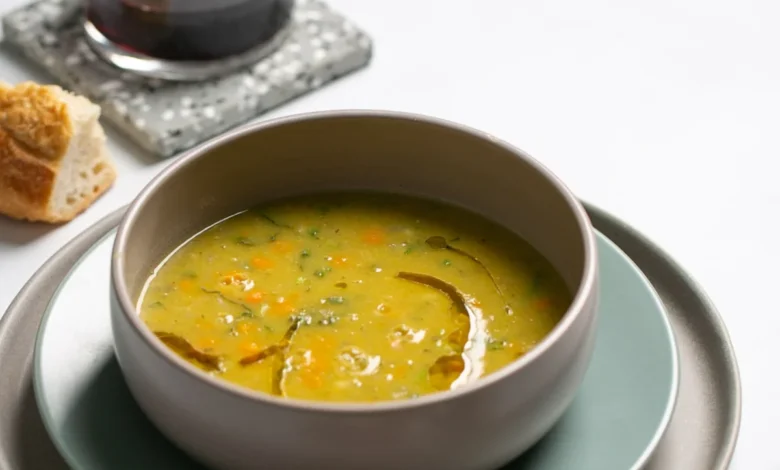
This article delves into the enduring appeal and nutritional benefits of split pea soup, a beloved dish that has transcended generations. While originating as a family recipe, its inherent simplicity and satisfying nature have cemented its place in culinary traditions worldwide. The base recipe, remarkably, is entirely plant-based, proving that hearty meals don’t require animal products. However, for those seeking a more traditional or familiar flavor profile, the article outlines accessible "flexitarian" modifications, integrating elements like bacon, ham, or chorizo. This adaptability underscores the soup’s broad appeal, allowing it to seamlessly fit into diverse dietary preferences and culinary explorations.
The essence of this comforting soup lies in its primary ingredient: split peas. These are not to be confused with fresh or frozen peas. Split peas are essentially dried green peas that have been dehydrated and then split in half. A key characteristic that makes them ideal for this dish is their ability to cook down and thicken the soup without the need for pre-soaking. This inherent property contributes to the soup’s signature thick, almost creamy texture, creating a deeply satisfying culinary experience. Their widespread availability in the dried goods and legume aisle of most supermarkets further enhances their accessibility for home cooks.
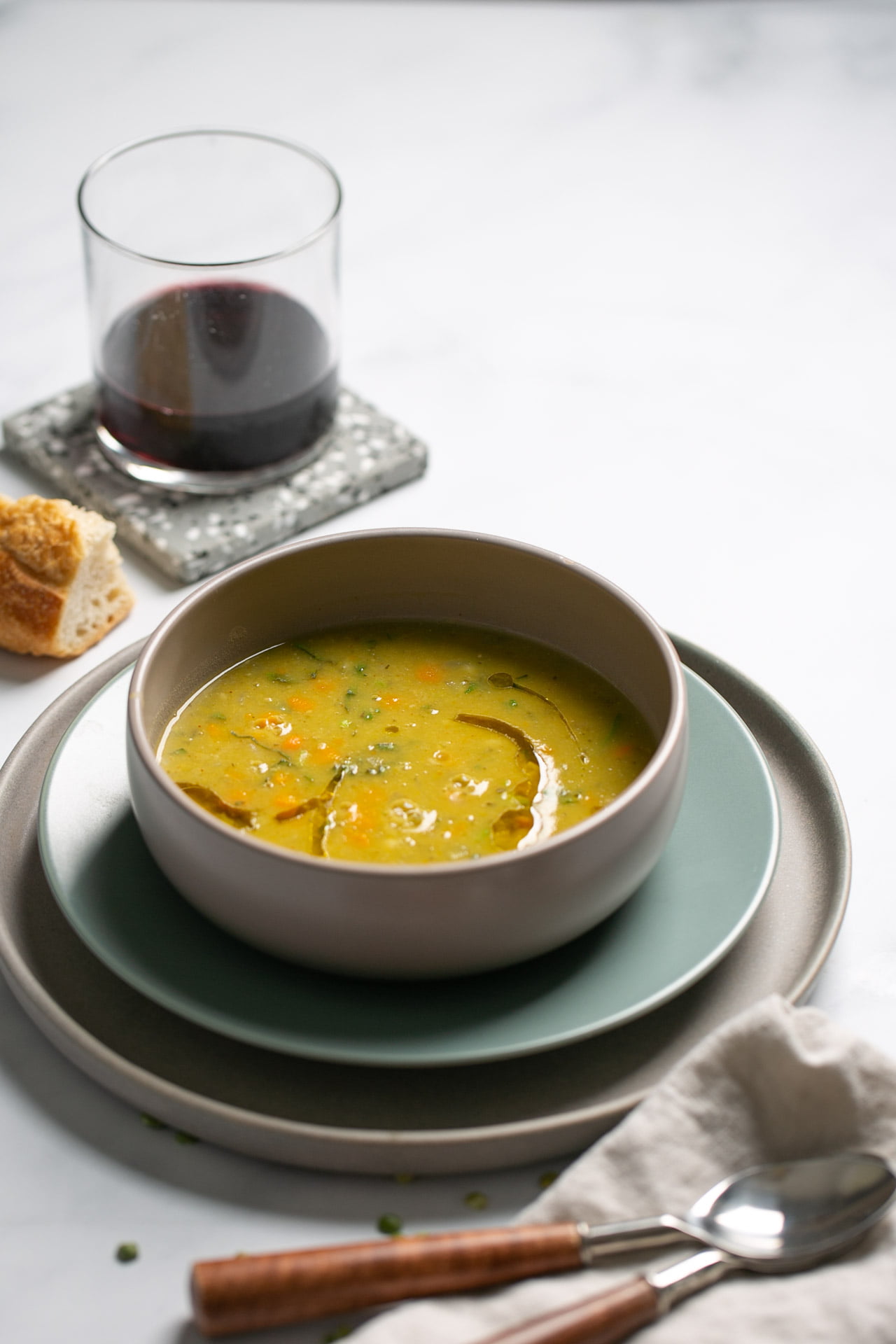
Beyond their culinary utility, split peas are a nutritional powerhouse. They stand out as one of the most nutrient-dense legumes, offering a substantial amount of both protein and dietary fiber. This combination is crucial for sustained energy release and plays a significant role in maintaining stable blood sugar levels. Furthermore, split peas are a valuable source of essential micronutrients, including iron, magnesium, and folate. The presence of folate is particularly noteworthy, as it is a vital nutrient for pregnant individuals and growing children, supporting critical developmental processes.
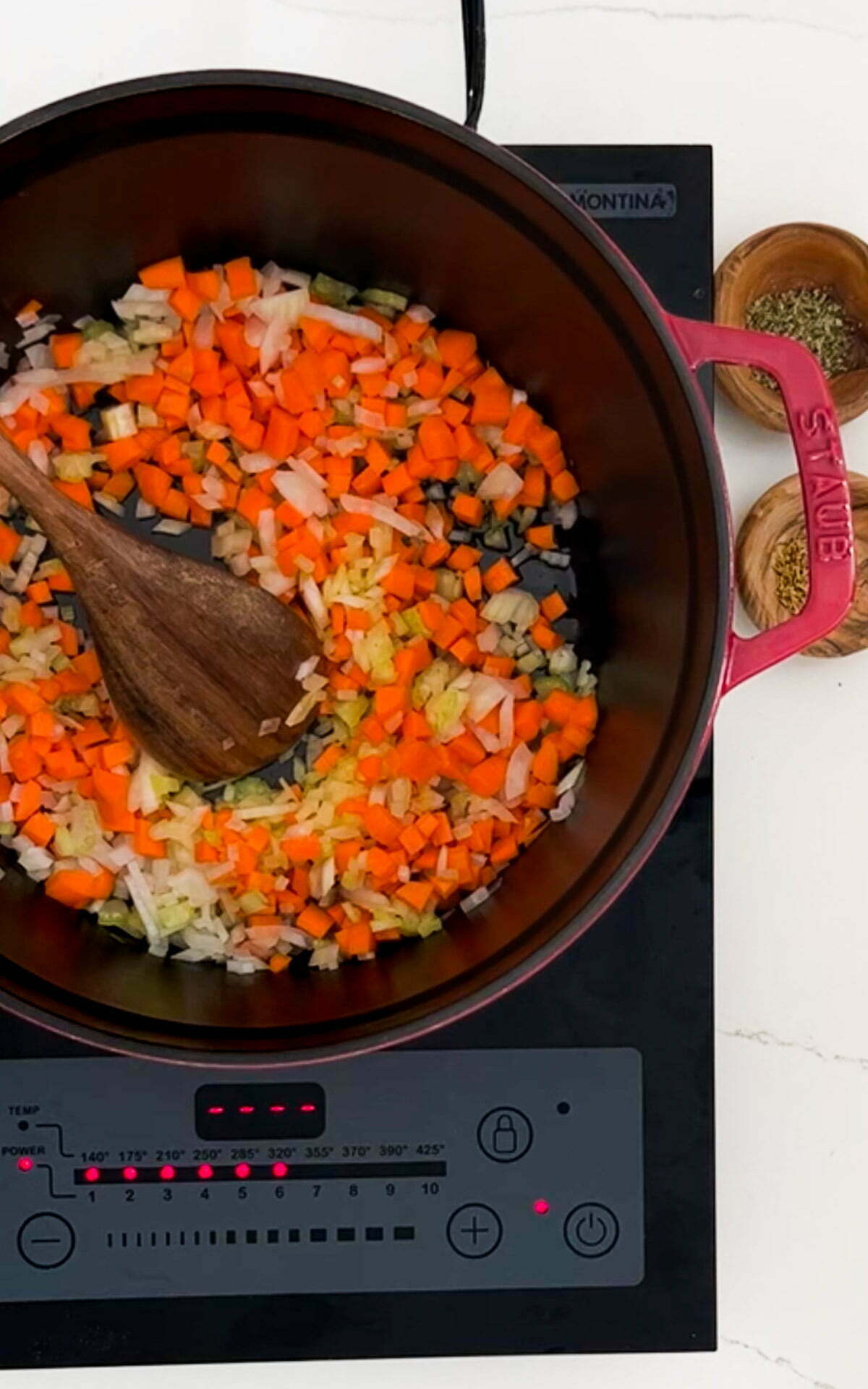
The preparation of split pea soup is remarkably straightforward, often achievable in under an hour. The foundational recipe typically involves sautéing aromatic vegetables such as carrots, celery, and onions, forming a flavorful base. These vegetables are then simmered with the split peas and a liquid, often vegetable broth or water, until the peas break down and the soup achieves its characteristic thickness. The inclusion of herbs, such as bay leaves or thyme, further enhances the depth of flavor, creating a complex and comforting profile that belies the simplicity of its preparation.
Exploring the "Flexitarian" Options
For those who appreciate the robust flavors often associated with traditional split pea soup, the article thoughtfully outlines several "flexitarian" variations. These options allow cooks to incorporate meat-based ingredients without fundamentally altering the soup’s core structure.
- Bacon: To introduce a smoky, savory dimension, bacon can be rendered in the pot before sautéing the vegetables. The rendered bacon fat can then be used to cook the aromatics, infusing them with its rich flavor. The crispy bacon bits can also be reserved and used as a garnish.
- Ham: Cubed ham can be added to the soup along with the split peas and liquid. This imparts a salty, savory depth that complements the earthy notes of the peas. Leftover ham hocks or smoked ham can also be simmered in the broth for a more intense flavor.
- Chorizo: For a spicier and more robust profile, chorizo can be browned and crumbled before adding the vegetables. The flavorful fat released by the chorizo can then be used as the cooking medium for the aromatics, creating a soup with a distinct kick.
These flexitarian options highlight the versatility of split pea soup, demonstrating how it can be adapted to suit a wide range of palates and dietary preferences. The underlying simplicity of the base recipe ensures that even with the addition of meat, the soup remains relatively quick and easy to prepare.
Nutritional Significance and Culinary Context
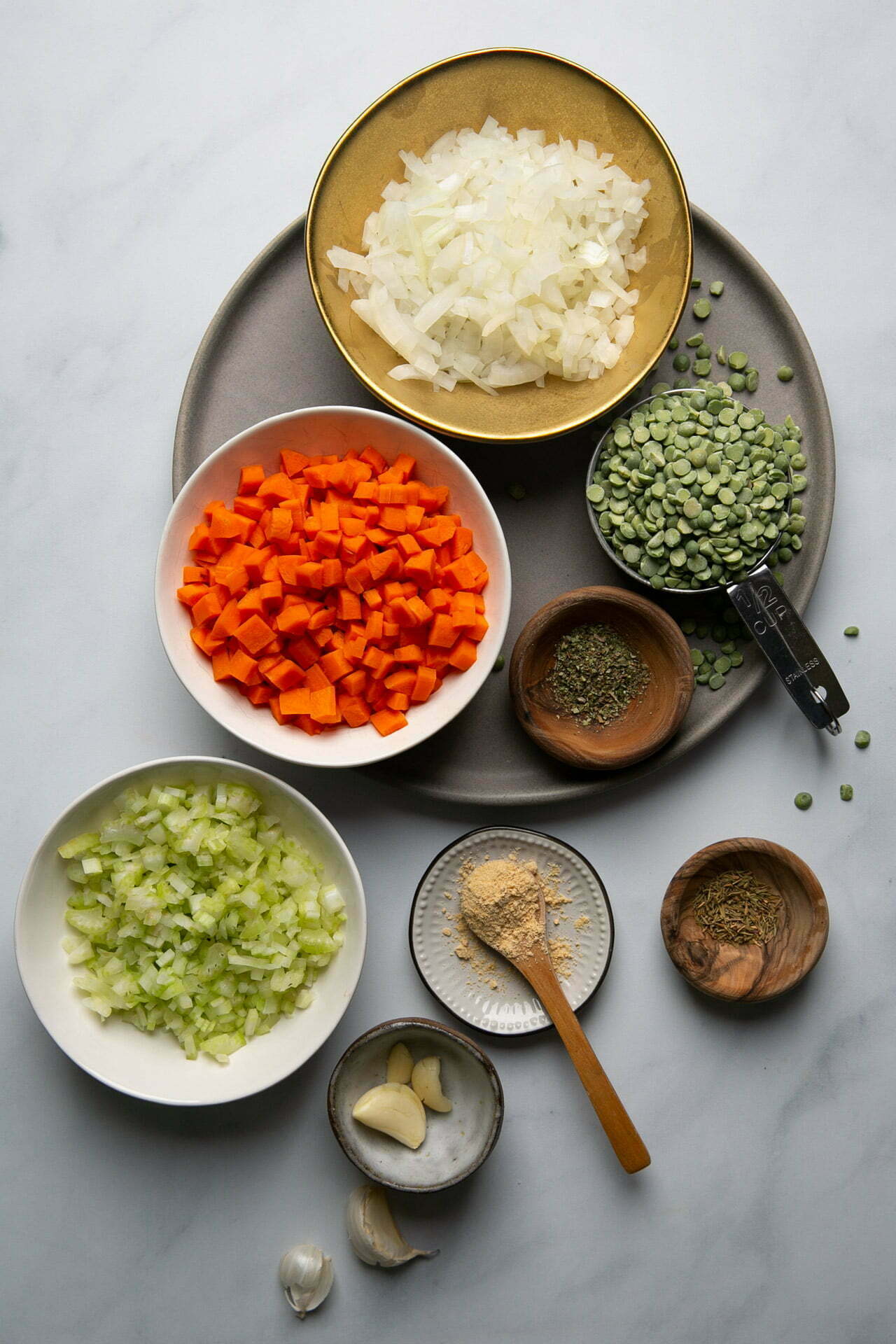
The nutritional profile of split pea soup extends beyond its protein and fiber content. The vegetables typically included, such as carrots and celery, contribute vitamins, minerals, and antioxidants. Carrots, for instance, are rich in beta-carotene, which the body converts to vitamin A, essential for vision and immune function. Celery provides vitamin K and a good source of fiber.
Historically, split pea soup has been a staple in many cultures, particularly in North America and Europe. Its longevity can be attributed to its affordability, the ease of storing dried peas, and its ability to provide a filling and nutritious meal, especially during colder months. It was often a dish prepared in large batches, making it economical for families and communities. The "one-pot" nature of its preparation further adds to its historical practicality.
Tips for Success and Variations

To ensure optimal results when preparing split pea soup, several key considerations are often highlighted by experienced cooks:
- Rinsing the Peas: While split peas do not require soaking, a quick rinse under cold water before cooking is often recommended to remove any dust or debris.
- Simmering Time: The cooking time can vary depending on the age and brand of the split peas. It is crucial to simmer the soup until the peas are tender and have begun to break down, creating a thickened consistency. If the soup remains too thin, simmering it uncovered for an additional 10-15 minutes can help reduce the liquid.
- Flavor Enhancements: Beyond the core aromatics, cooks often experiment with adding other ingredients to enhance the flavor. Smoked paprika can introduce a subtle smoky note, while a touch of cumin can add warmth. A bay leaf during the simmering process is a classic addition that imparts a delicate herbaceous aroma.
- Texture Adjustment: If the soup becomes too thick, it can be thinned out with a little water or vegetable broth when reheating. Conversely, if it’s too thin, as mentioned, simmering uncovered can help thicken it. For an ultra-smooth consistency, the soup can be partially or fully puréed using an immersion blender or a standard blender (with caution, as hot liquids can expand).
Storage and Reheating
Split pea soup stores exceptionally well, making it an ideal candidate for meal prepping. Refrigerated in an airtight container, it can last for up to four days. As the soup thickens considerably upon cooling, it’s important to remember to add a splash of water or vegetable broth when reheating to achieve the desired consistency.
Freezing is also a practical option for longer storage. Allow the soup to cool completely before transferring it to freezer-safe containers, leaving some headspace to accommodate expansion during freezing. Frozen split pea soup can be stored for up to three months. Thawing can be done overnight in the refrigerator or by gently reheating over low heat, stirring frequently.
Conclusion
Split pea soup stands as a testament to the power of simple ingredients to create deeply satisfying and nourishing meals. Its inherent adaptability, from its entirely vegan base to its flexitarian meat additions, ensures its continued relevance in contemporary kitchens. Coupled with its impressive nutritional profile and ease of preparation, this timeless classic remains a comforting and valuable addition to any culinary repertoire. The enduring appeal of split pea soup lies not just in its taste and texture, but in its ability to adapt and nourish, making it a true culinary heirloom.