The Ultimate Guide to the Classic Egg Salad Recipe for Modern Home Cooking

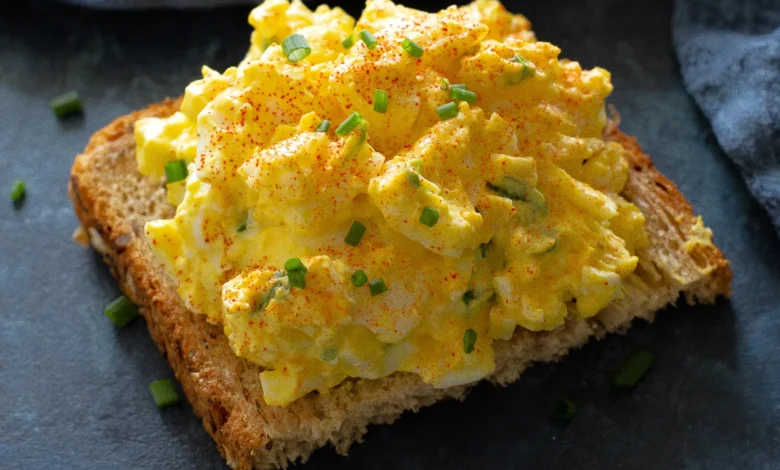
The classic egg salad remains a cornerstone of Western deli culture and home-style culinary traditions, valued for its creamy texture, savory profile, and accessibility. Often regarded as a nostalgic staple, the dish has seen a resurgence in popularity as home cooks seek nutritious, cost-effective, and versatile meal options. The fundamental recipe, which typically combines hard-boiled eggs with an emulsified dressing of mayonnaise and mustard, serves as a canvas for various regional and personal interpretations. However, the most enduring version relies on a specific balance of acidity, fat, and herbaceous notes, often achieved through the inclusion of lemon juice and fresh chives. As culinary trends shift back toward "back-to-basics" cooking, understanding the science, history, and nutritional value of this simple dish provides essential context for its continued relevance in the modern kitchen.
The Culinary Anatomy of a Classic Dish
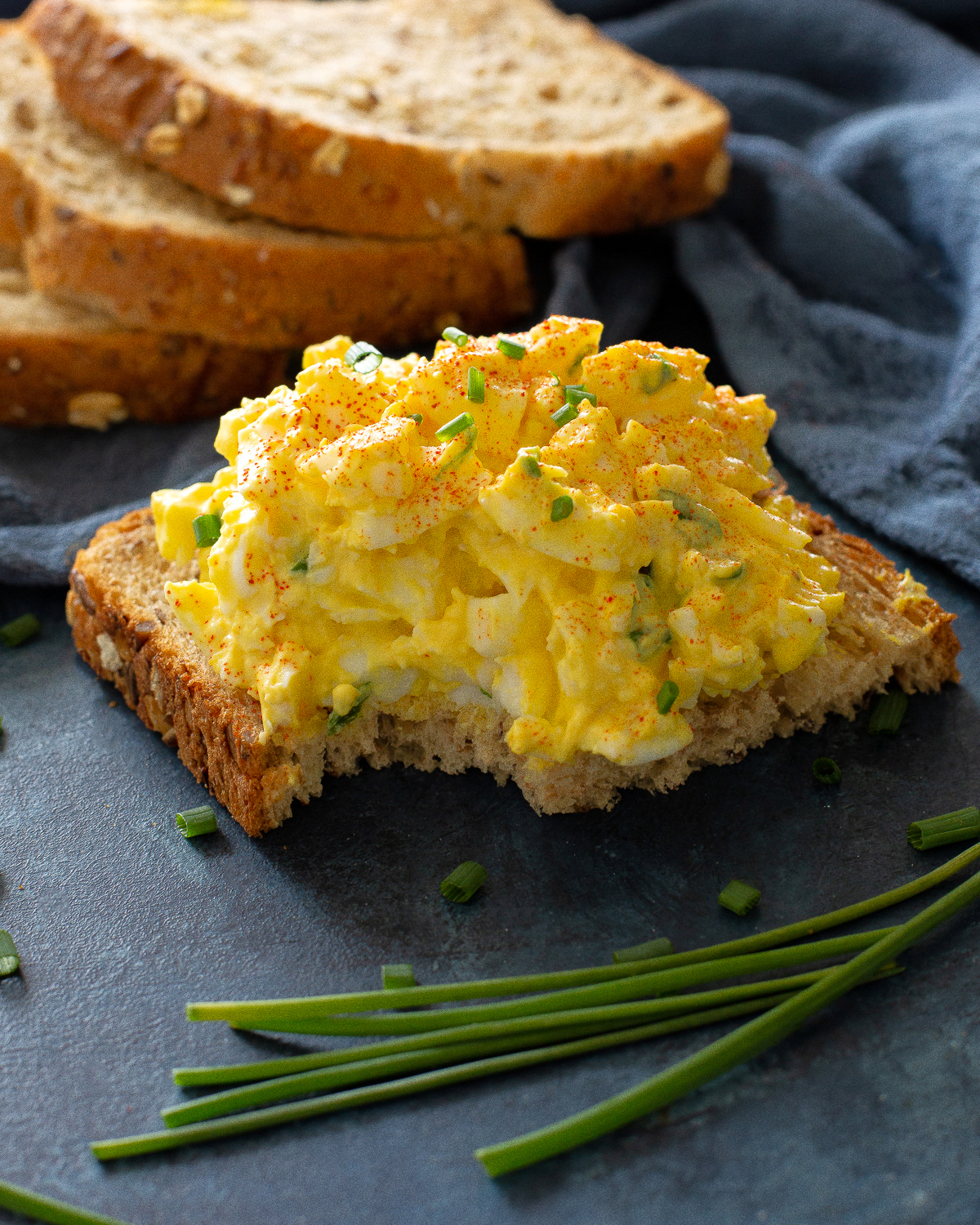
The architecture of a high-quality egg salad depends on the quality of its core components. According to culinary experts and food scientists, the dish is defined by the interaction between the soft, protein-rich whites and the rich, lipid-heavy yolks of the hard-boiled egg. When combined with mayonnaise, the yolks further enrich the dressing, creating a cohesive binder that coats the chopped whites.
The inclusion of mustard provides a necessary sharp counterpoint to the richness of the eggs and mayonnaise. While yellow mustard is traditional for its bright color and mild tang, Dijon mustard is often substituted for a more complex, peppery flavor. Acidity is another critical element; a splash of fresh lemon juice or vinegar serves to brighten the flavors and cut through the fat, preventing the palate from becoming overwhelmed by the creaminess. Fresh chives or green onions introduce a mild allium bite and a visual contrast of color, which is essential for presentation.
Historical Evolution and the Rise of the Deli Staple
The origins of egg salad are closely tied to the development of mayonnaise and the broader category of "bound salads," which includes chicken, tuna, and potato salads. While the concept of mixing cold proteins with dressings dates back centuries in various forms, the modern egg salad gained significant traction in the United States during the late 19th and early 20th centuries.
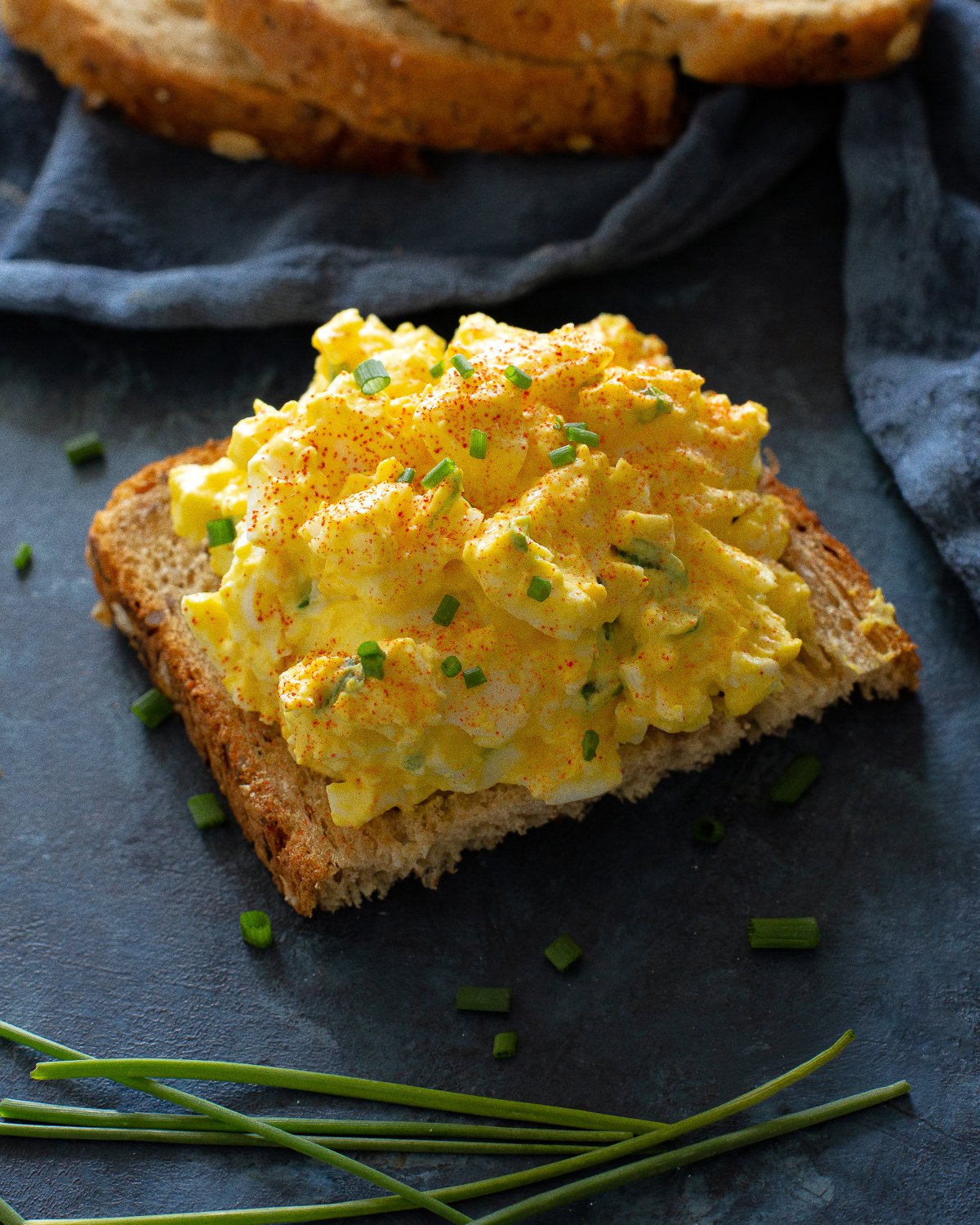
As commercial mayonnaise became widely available and refrigerated transport improved, egg salad transitioned from a labor-intensive luxury to a convenient lunchroom favorite. By the 1920s, it was a fixture in American soda fountains and department store tea rooms. The dish’s popularity was further cemented during the mid-20th century, as it became a staple of the "brown bag" lunch culture due to its ability to be prepared in advance and its high satiety factor. Today, it remains a permanent fixture in Jewish delis, European bistros, and American diners, representing a rare intersection of high-protein nutrition and comfort food.
The Science of the Perfect Hard-Boiled Egg
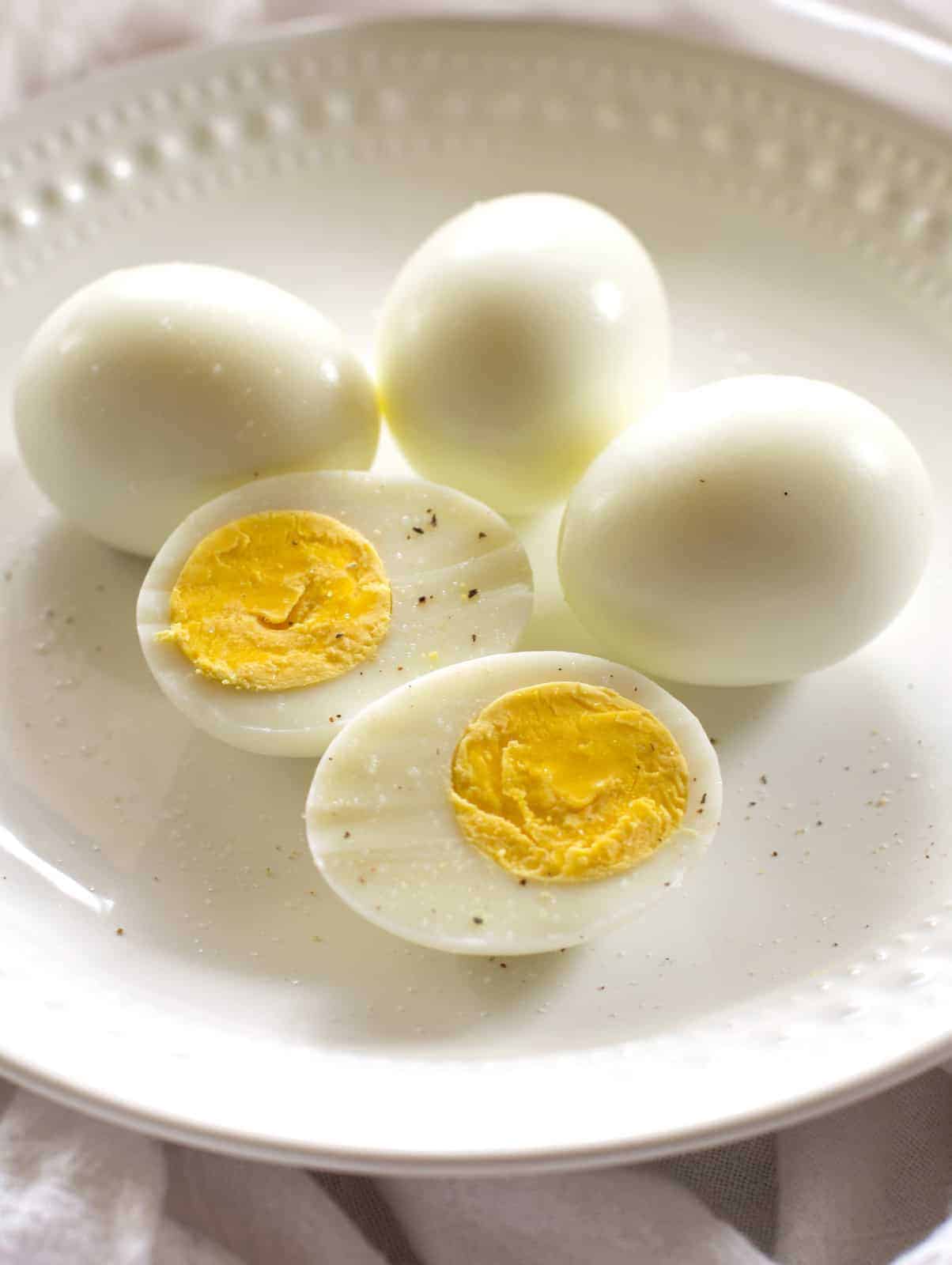
The success of any egg salad recipe begins with the preparation of the eggs themselves. Achieving a tender white and a fully set, yet creamy, yolk requires precise temperature control. Overcooking eggs often leads to a chemical reaction between the sulfur in the whites and the iron in the yolks, resulting in a green ring around the yolk and a rubbery texture.
To mitigate this, culinary professionals recommend the "simmer and soak" method. This involves bringing a pot of water to a boil, carefully lowering the eggs into the water, and then reducing the heat to a bare simmer for approximately 10 to 12 minutes. Immediate immersion in an ice-water bath—a process known as "shocking"—is crucial. This stops the cooking process instantly and causes the egg membrane to shrink away from the shell, making the eggs significantly easier to peel. Data from the American Egg Board suggests that slightly older eggs (about one to two weeks from the purchase date) are actually better for boiling, as the alkaline level in the whites increases over time, weakening the bond between the membrane and the shell.
Nutritional Profile and Health Considerations
From a nutritional standpoint, egg salad is a powerhouse of essential vitamins and minerals. A standard serving of egg salad provides a high concentration of complete protein, containing all nine essential amino acids necessary for human health.
According to the United States Department of Agriculture (USDA), one large egg contains approximately 6 grams of protein and is a significant source of Vitamin D, B12, and riboflavin. Eggs also contain choline, a nutrient vital for brain health and liver function. While the mayonnaise content introduces saturated fats, many modern recipes allow for healthier substitutions, such as Greek yogurt or avocado-based dressings, to reduce caloric density while maintaining the desired creamy texture. For those following low-carbohydrate or ketogenic diets, egg salad is an ideal meal option, as it is naturally low in sugar and high in healthy fats.
Regional Variations and Global Interpretations
While the classic American version focuses on mayonnaise and mustard, global variations highlight the versatility of the egg salad concept. In the United Kingdom, "egg and cress" sandwiches are a cultural icon, often featuring finely chopped eggs and peppery garden cress on buttered bread. In Japan, the "Tamago Sando" has gained international fame for its minimalist approach, using soft, pillowy milk bread and a highly seasoned, creamy egg filling made with Kewpie mayonnaise.
In Eastern Europe, egg salads often incorporate sour cream or smetana instead of mayonnaise, frequently garnished with dill or pickles for added crunch. Some contemporary American chefs have begun incorporating "umami-bombs" into their recipes, such as miso paste, capers, or anchovies, to elevate the dish from a simple lunch item to a sophisticated appetizer.
Safety and Storage Protocols
Given that egg salad is a perishable item containing high-protein ingredients and emulsified fats, food safety is a paramount concern. The Food and Drug Administration (FDA) recommends that egg-based dishes should not be left at room temperature for more than two hours, or one hour if the ambient temperature is above 90°F (32°C).
For optimal quality and safety, egg salad should be stored in an airtight container in the refrigerator at or below 40°F (4°C). Under these conditions, the salad typically remains fresh for three to five days. It is important to note that egg salad does not freeze well; the freezing and thawing process causes the mayonnaise to break and the egg whites to become tough and watery, significantly degrading the texture.
Economic Implications and Consumer Trends
The enduring popularity of egg salad is also driven by economic factors. Eggs remain one of the most affordable sources of high-quality protein on the market. During periods of high inflation or economic uncertainty, consumer data shows an uptick in the consumption of "pantry staple" meals.
Market research indicates that the "DIY" (Do-It-Yourself) food movement, accelerated by global supply chain disruptions, has led to an increased interest in mastering basic recipes. Home cooks are increasingly looking for ways to replicate restaurant-quality results using minimal ingredients. This "back-to-basics" trend has revitalized the egg salad’s status, positioning it not just as a quick meal, but as a culinary skill that balances simplicity with precision.
Serving Suggestions and Modern Presentation
The versatility of egg salad extends to its presentation. While the traditional sandwich on white or whole-wheat bread remains the most common delivery method, modern dietary preferences have introduced several alternatives:
- Low-Carb Options: Serving the salad in large lettuce leaves (such as Bibb or Romaine) or hollowed-out bell peppers provides a crisp, fresh alternative to bread.
- Appetizer Style: Placing a dollop of egg salad on a cucumber slice or a high-quality cracker makes for a sophisticated and easy-to-handle hors d’oeuvre.
- The "Deconstructed" Bowl: Incorporating the egg salad into a larger grain bowl with quinoa, roasted vegetables, and fresh greens offers a balanced, multi-textured meal.
Conclusion: The Enduring Legacy of the Egg Salad
The classic egg salad recipe represents more than just a convenient lunch; it is a testament to the power of simple, well-balanced ingredients. By combining the nutritional density of eggs with a carefully calibrated dressing, it fulfills the universal human desire for comfort and satiety. As culinary science continues to refine our understanding of cooking techniques and nutritional health, the egg salad remains a reliable and beloved fixture in the global kitchen. Whether served on a simple slice of toast or as part of an elaborate brunch spread, its place in the gastronomic canon is secure, proving that some classics never go out of style.