Wine Folly Expands Educational Horizons with Premium Global Wine Subscription Service Targeting Enthusiast Market

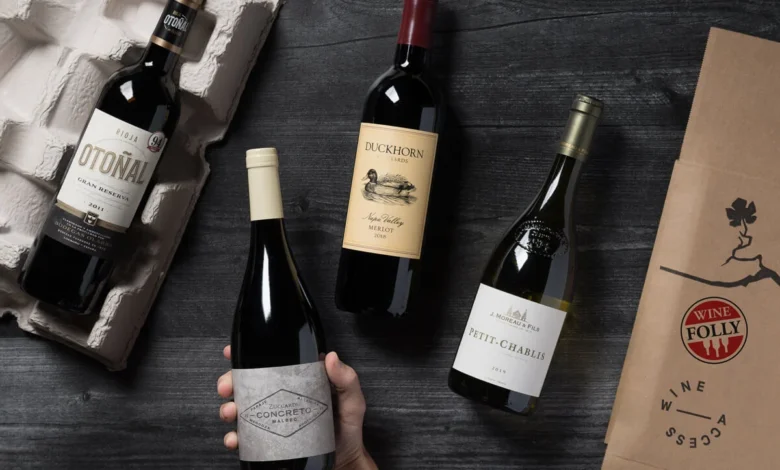
The global wine industry is witnessing a significant shift toward experiential and educational consumption, a trend underscored by the recent expansion of the Wine Folly wine club, a subscription service designed to bridge the gap between casual consumption and professional-level mastery. As the direct-to-consumer (DTC) wine market continues to evolve, Wine Folly has positioned its offering not merely as a delivery service for alcoholic beverages, but as a comprehensive pedagogical tool. Starting at a baseline price of $99 per month, the program integrates physical product delivery with a sophisticated digital infrastructure, providing members with handselected bottles from diverse global regions accompanied by in-depth historical, viticultural, and oenological data.
The Evolution of the Wine Subscription Model
The traditional wine club model, historically dominated by individual wineries or large-scale retail aggregators, has often focused on volume and price-point discounts. However, market data from the last five years indicates a growing demand for "curated discovery." According to industry reports on DTC trends, consumers—particularly those in the Millennial and Gen X demographics—are increasingly prioritizing the "story" and "education" behind the label. Wine Folly’s entry into this space leverages its established reputation as a leader in visual wine education to meet this demand.
Founded on the principle of making wine knowledge accessible through data visualization and clear, concise information, Wine Folly has transitioned from a content-only platform into a hybrid commerce and education entity. The club’s structure reflects this transition by offering more than just bottles; it provides a narrative framework for every shipment. This "educational adventure" model is designed to demystify the complexities of the wine world, which can often be intimidating to the uninitiated.
Technical Specifications and Member Benefits
The Wine Folly subscription is built upon three primary pillars: discovery, adventure, and knowledge acquisition. Each shipment is curated to showcase different producers, grape varietals, and geographical regions, ensuring that members are exposed to a broad spectrum of the global wine landscape.
Comprehensive Digital Integration
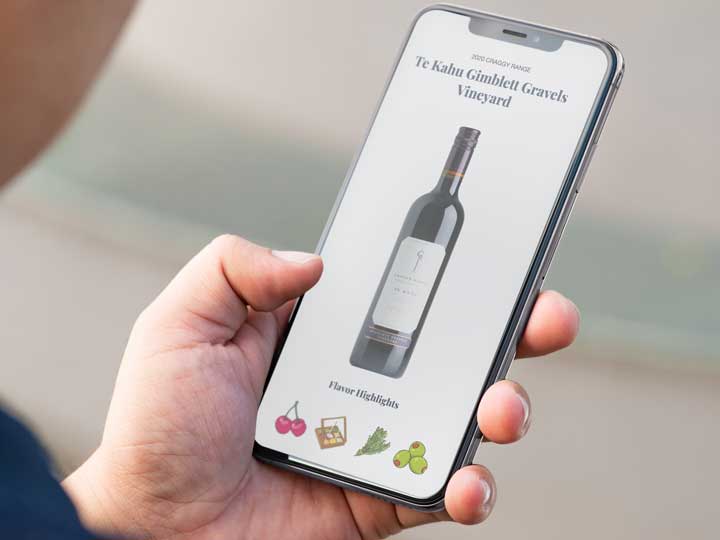
Central to the experience is the member portal, which allows subscribers to access "rich media content" from any location. This digital component includes:

- Producer Profiles: Detailed backgrounds on the wineries, including their farming practices and philosophies.
- Varietal Analysis: Technical breakdowns of the grapes used, including flavor profiles and chemical characteristics like acidity and tannin levels.
- Regional History: Contextual information regarding the terroir and historical significance of the wine’s origin.
- Professional Tasting Notes: Guidance from Wine Folly’s internal experts, allowing members to calibrate their palates against professional standards.
Personalization and Flexibility
The service incorporates a "tailored experience" feature where members can provide feedback on their preferences. This data-driven approach allows the curators to refine future selections, increasing the likelihood of consumer satisfaction while maintaining the element of surprise essential to the discovery model. Furthermore, the subscription model emphasizes flexibility, offering a "cancel anytime" policy and various gifting tiers (2, 3, 6, and 12 months), which caters to the seasonal gifting market.
Market Context and Industry Data
The rise of educational wine subscriptions comes at a time when the DTC wine shipping channel in the United States has seen unprecedented growth. In 2021, DTC shipments surpassed $4 billion in value, a trend that has stabilized but remains significantly higher than pre-2020 levels. Within this market, premium subscriptions—those priced above the $80-per-shipment mark—have shown the most resilience.
Analysts suggest that the $99 price point of the Wine Folly experience places it in the "attainable luxury" category. By providing wines that are often difficult to source through local retail channels—a point specifically highlighted by current members—the service provides a tangible value proposition that justifies the subscription cost. The inclusion of vertical tastings and comparison flights within the curriculum also mirrors the training protocols used by the Court of Master Sommeliers and the Wine & Spirit Education Trust (WSET), further professionalizing the home-tasting experience.

Consumer Reception and Testimonials
Feedback from the current membership base suggests that the educational depth of the program is its primary differentiator. Laura M., a long-term subscriber, noted the "perfection" of the format, specifically citing the membership area’s inclusion of serving suggestions and varietal information as key benefits. This sentiment is echoed by other members who emphasize the value of the "insider view" provided by the producers themselves.
Another subscriber, Christine B., highlighted the expansion of her wine knowledge through the monthly "in-depth information" about wineries and personal experiences shared by the curators. For many members, the club serves as a surrogate for travel, providing a sensory and intellectual connection to regions like Piedmont, Rioja, or the Willamette Valley.
Milford C., a member who focuses on the logistical benefits, pointed out that the club provides access to wines that are "not sourceable locally." This addresses a common pain point for enthusiasts living in states with restrictive liquor laws or limited boutique retail options. The ability to engage in "vertical tastings" and "taste pairings" through the club’s guidance allows these consumers to conduct professional-level analysis from their own homes.
The Role of Visual Learning in Oenology
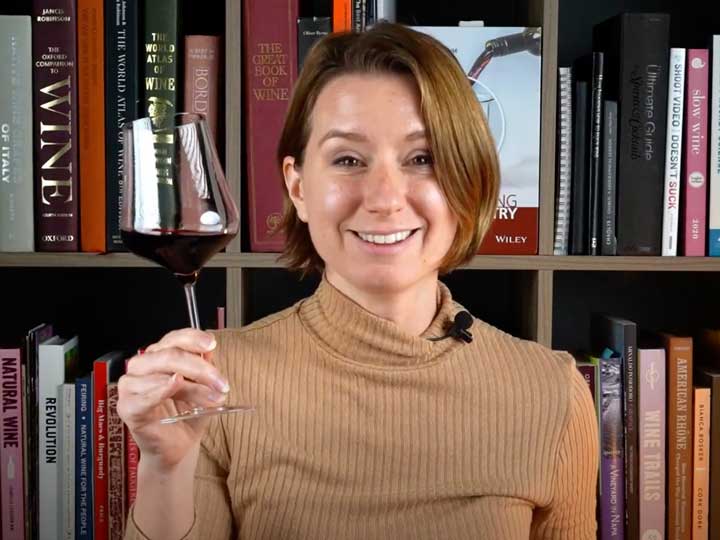
Wine Folly’s success is inextricably linked to its visual-first approach. The company’s use of infographics and standardized tasting grids has become a benchmark in the industry. By applying this same methodology to a subscription service, they have created a "tactile learning" environment. When a member opens a bottle, they are not just tasting fermented grape juice; they are engaging with a visual and textual map of that wine’s existence.
This pedagogical strategy is particularly effective in an industry where terminology can be opaque. By breaking down "aroma clusters" or "structural components" through the digital portal, the service empowers the consumer to trust their own palate. This democratization of expertise is a core component of Wine Folly’s brand identity and a significant driver of its subscription growth.
Broader Impact and Industry Implications
The success of the Wine Folly model has broader implications for the global wine trade. First, it provides a vital platform for small-to-medium-sized producers who may lack the distribution networks to reach international markets. By featuring these producers in a curated club, Wine Folly acts as a bridge between artisanal wineries and a dedicated, educated consumer base.
Second, the model challenges the traditional retail gatekeeper role. As consumers become more educated through direct-to-home services, their purchasing habits at physical retail locations and restaurants are likely to become more discerning. This shift forces retailers and sommeliers to provide higher levels of service and more diverse selections to keep pace with a better-informed public.
Finally, the integration of "value wines" into a premium subscription—as mentioned by current members—highlights a shift in consumer perception. Education allows drinkers to understand why a $20 bottle from a lesser-known region might offer a superior experience to a $60 bottle from a famous one. This focus on "value" through the lens of quality and education, rather than just low price, is a healthy development for the long-term sustainability of the wine market.
Conclusion
The Wine Folly wine club represents a sophisticated convergence of e-commerce, digital media, and traditional viticulture. By prioritizing education as much as the product itself, the service addresses a specific niche in the market: the "curious enthusiast" who seeks to transform a hobby into a mastery. As the industry continues to navigate the complexities of global supply chains and changing consumer habits, the success of education-heavy subscription models suggests that the future of wine consumption lies in the informed, curated, and digitally-integrated experience. With its $99 entry point and robust educational infrastructure, Wine Folly is not just selling wine; it is selling the expertise required to truly appreciate it.