The Culinary Evolution of Eggs in Purgatory: A Deep Dive into the Traditional Italian One-Pan Staple

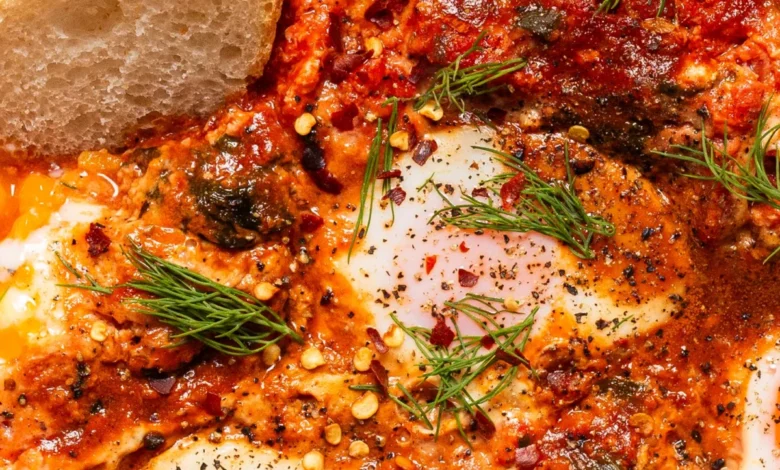
Eggs in Purgatory, known in its native Italy as uova in purgatorio, represents a cornerstone of Neapolitan "cucina povera"—the "kitchen of the poor"—that has transcended its humble origins to become a global breakfast and brunch sensation. This rustic, one-pan dish, characterized by eggs poached directly within a bubbling, savory tomato sauce, offers a complex profile of flavors driven by garlic, red pepper flakes, and fresh herbs. While frequently compared to the North African and Middle Eastern shakshuka, Eggs in Purgatory maintains a distinct identity rooted in Italian culinary tradition, Catholic symbolism, and a specific focus on Mediterranean aromatics. As home cooking sees a resurgence driven by economic shifts and a desire for nutrient-dense, single-vessel meals, this dish has moved from the backstreets of Naples to the menus of high-end metropolitan bistros, highlighting a broader trend toward artisanal, historical comfort foods.
The Historical and Symbolic Origins of Uova in Purgatorio
The history of Eggs in Purgatory is inextricably linked to the arrival of the tomato in Italy and the subsequent culinary revolution in the Kingdom of Naples during the 16th and 17th centuries. Initially regarded with suspicion as potentially poisonous, the tomato eventually became the backbone of Southern Italian cuisine. The dish’s evocative name is steeped in the religious iconography of the region. In Catholic tradition, purgatory is an intermediate state after physical death for those destined for heaven, where they undergo purification.
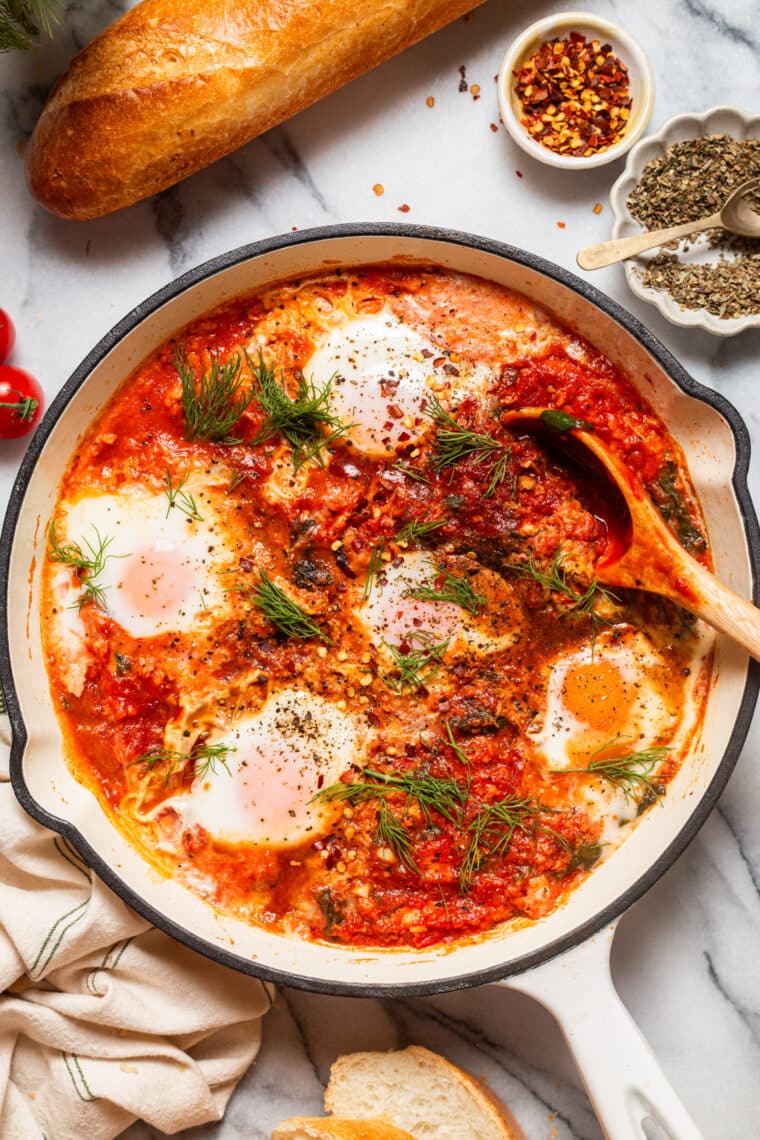
Culinary historians note that the vibrant, red tomato sauce, often spiked with chili flakes for heat, represents the "cleansing fires" of purgatory. The white egg whites, settling into the sauce, symbolize the souls of the departed attempting to ascend through the flames. This dramatic nomenclature is typical of Neapolitan culture, which frequently blends the sacred with the profane, particularly in matters of the kitchen. While the exact date of the dish’s inception is difficult to pin down, it became a staple in the 19th century as a way to provide a high-protein meal using inexpensive, shelf-stable ingredients like canned tomatoes or late-season garden harvests.
Culinary Mechanics: The Poaching Process and Flavor Profile
The technical appeal of Eggs in Purgatory lies in its simplicity and the specific chemical interaction between the ingredients. Unlike traditional water-poaching, which can be temperamental and often results in a diluted flavor, poaching eggs in a thick tomato reduction allows the eggs to absorb the acidity and aromatics of the sauce.
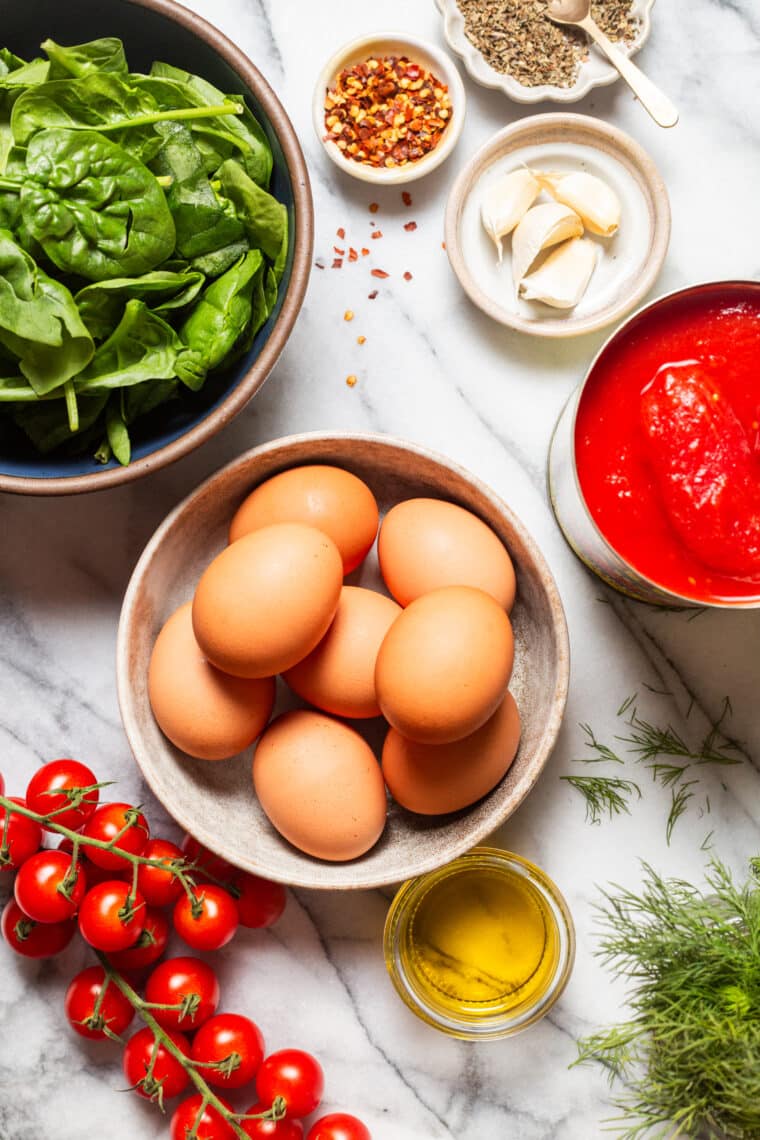
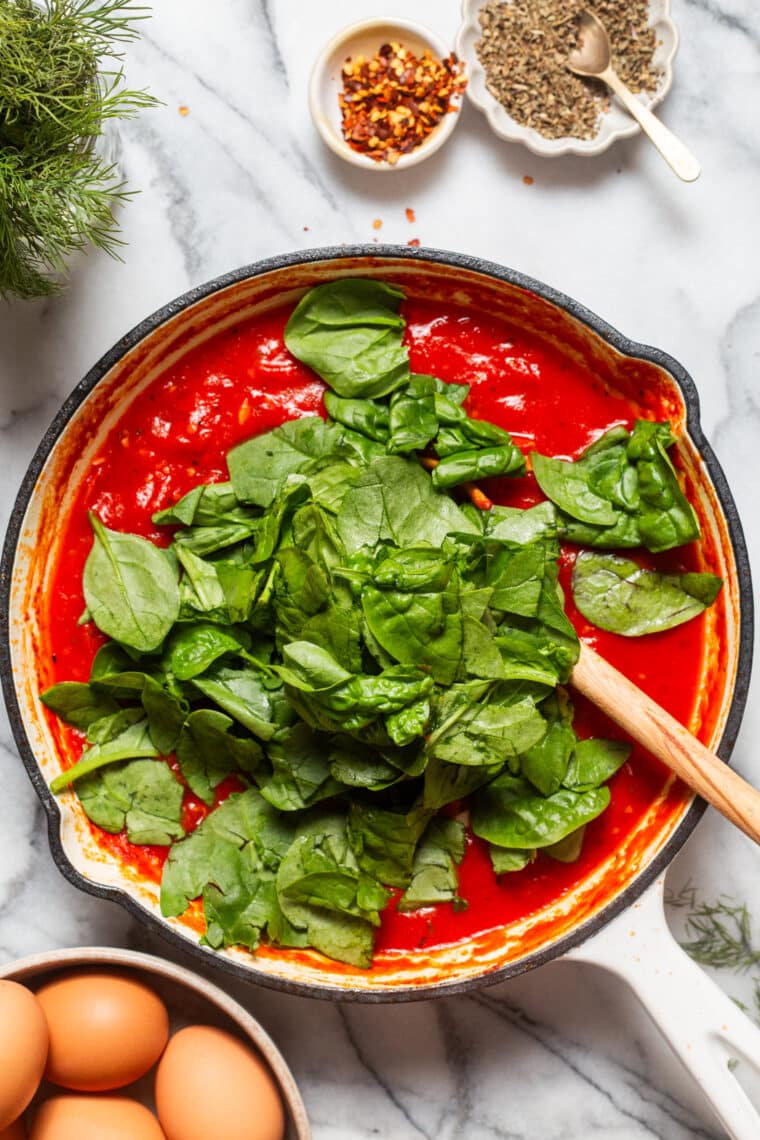
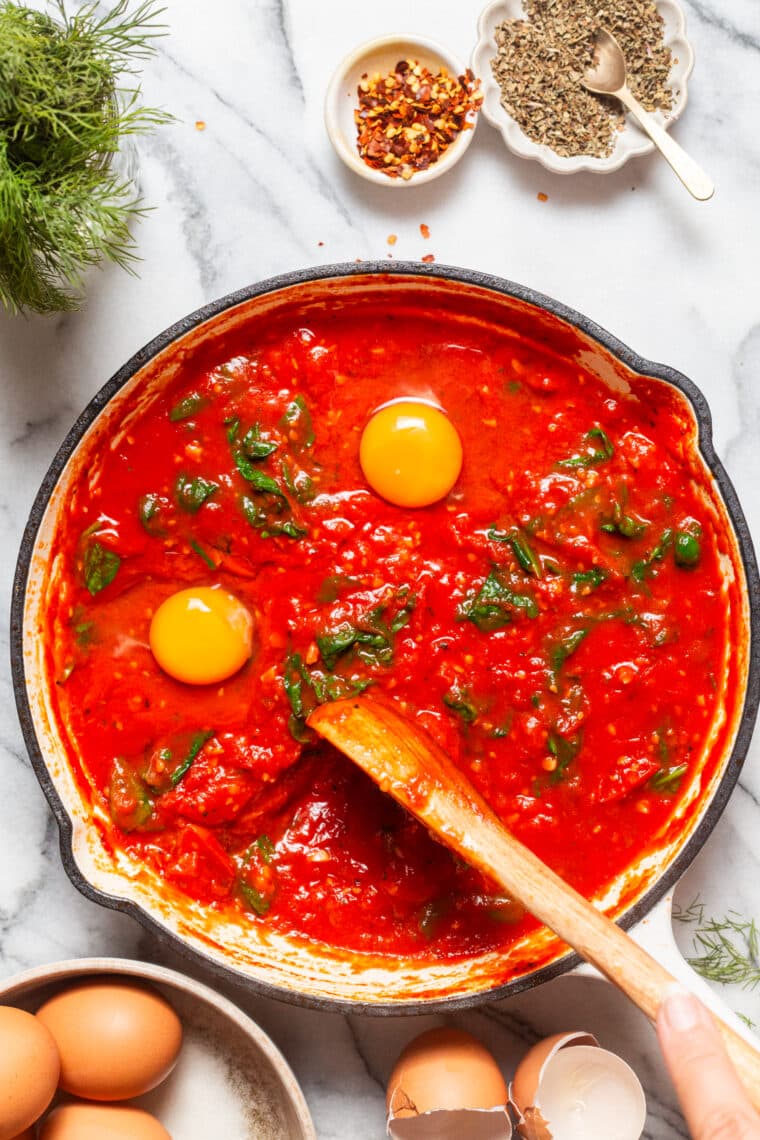
The base of a traditional Eggs in Purgatory begins with a soffritto of garlic and olive oil. Modern variations often incorporate onions or shallots, though the Neapolitan original leans heavily on the sharp, pungent profile of toasted garlic. The addition of crushed tomatoes—ideally San Marzano for their low acidity and high sugar content—creates a viscous poaching medium. As the eggs are cracked into "wells" created in the sauce, the steam trapped by a lid ensures the whites set firmly while the yolks remain liquid. This creates a dual-texture experience: the firm, savory exterior and the rich, creamy interior that, when broken, creates a secondary sauce.
Comparative Analysis: Eggs in Purgatory vs. Shakshuka
In the contemporary culinary landscape, Eggs in Purgatory is frequently conflated with shakshuka. While the two share a visual language, their flavor architectures are distinct. According to culinary analysts, the primary difference lies in the spice palette and the vegetable base.
Shakshuka, which has roots in Tunisia, Yemen, and Israel, typically features a heavy reliance on ground cumin, smoked paprika, and sometimes caraway seeds. It almost universally includes sautéed bell peppers and onions, creating a sweeter, more complex vegetable profile. In contrast, Eggs in Purgatory is a study in Italian minimalism. It focuses on the purity of the tomato, the bite of garlic, and the freshness of basil or parsley. Furthermore, the Italian version is often finished with a grating of Pecorino Romano or Parmigiano-Reggiano, adding a salty, umami depth that is absent from the traditional feta-topped shakshuka.
Socio-Economic Impact and the Rise of One-Pan Cooking
The resurgence of uova in purgatorio in the 2020s can be attributed to several socio-economic factors. Data from consumer research groups indicate a 15% increase in "one-pan meal" searches over the last three years, a trend driven by the dual pressures of inflation and time poverty. With the rising cost of animal proteins, eggs have remained a relatively affordable source of high-quality nutrition.

Furthermore, the "no-waste" movement has embraced the dish as a vehicle for kitchen scraps. The versatility of the tomato base allows for the inclusion of wilting greens, leftover beans, or small amounts of cured meats like pancetta or sausage. "It is the ultimate ‘fridge-clearing’ meal that doesn’t feel like a compromise," says food analyst Dr. Elena Rossi. "It appeals to the modern consumer’s desire for authenticity and sustainability without requiring professional-grade equipment or expensive ingredients."
Nutritional Profile and Health Implications
From a nutritional standpoint, Eggs in Purgatory is a powerhouse of bioavailable nutrients. A standard serving provides approximately 12 to 15 grams of protein and a significant dose of healthy fats from olive oil.
- Lycopene Bioavailability: Tomatoes are rich in lycopene, a powerful antioxidant. Crucially, lycopene is more easily absorbed by the body when tomatoes are cooked and paired with a fat source like olive oil.
- Choline and Vitamins: Eggs provide choline, essential for brain health, along with Vitamin D and B12.
- Glycemic Index: When served with whole-grain crusty bread, the dish offers a balanced glycemic load, providing sustained energy without the insulin spikes associated with sugary breakfast cereals.
Nutritionists often recommend the addition of leafy greens—such as the spinach mentioned in contemporary recipes—to increase the fiber and folate content, making it a complete meal that aligns with Mediterranean diet principles, which are consistently ranked as the healthiest eating patterns globally.
Modern Variations and Global Adaptations
While purists argue for the traditional garlic-and-tomato base, the global culinary community has introduced numerous variations that reflect local palates:
- The Meat-Heavy Variant: Incorporating crumbled Italian sausage or spicy ‘nduja (a spreadable Calabrian pork salumi) to add heat and fat.
- The Green Purgatory: Using a base of tomatillos or a pesto-cream sauce instead of red tomatoes, though this departs significantly from the "purgatory" symbolism.
- The Legume Boost: Adding cannellini beans or chickpeas to increase the satiety factor and fiber content, a common practice in rural Italian households.
- Vegetable Enrichment: The inclusion of zucchini, mushrooms, or eggplant, effectively turning the dish into a hybrid of ratatouille and poached eggs.
Chronology of a Culinary Trend
- 16th Century: Tomatoes introduced to Italy; initially used as ornamental plants.
- 18th-19th Century: Uova in purgatorio becomes a documented staple in Neapolitan households.
- 1950s-1970s: The dish is brought to the United States by Italian immigrants but remains largely confined to home kitchens.
- 2010s: The "Brunch Revolution" in major cities like New York and London sees shakshuka become a menu staple, paving the way for its Italian cousin.
- 2020-2024: Social media platforms like TikTok and Instagram see a surge in "one-pan" and "budget-friendly" cooking videos, propelling Eggs in Purgatory into the mainstream.
Strategic Preparation and Storage
Professional chefs emphasize that while the dish is quick, certain techniques elevate it from a simple meal to a gourmet experience. Making the sauce in advance—a "pro tip" often cited by culinary experts—allows the flavors of the garlic and chili to meld and the tomato acidity to mellow.
Regarding storage, the sauce itself is highly stable. In a commercial or home kitchen setting, the tomato base can be refrigerated for up to three days. However, the eggs must be poached fresh. Reheating poached eggs often results in a rubbery texture and overcooked yolks, which defeats the primary purpose of the dish’s textural contrast. For those looking to meal prep, the "deconstructed" approach—storing sauce and eggs separately—is the industry standard for maintaining quality.
Broader Implications: The Future of Rustic Cuisine
The enduring popularity of Eggs in Purgatory signals a shift in consumer behavior toward "transparent" cooking. In an era of highly processed foods, a dish that consists of five or six recognizable, whole-food ingredients offers a sense of security and connection to the past.
As we look toward the future of home dining, Eggs in Purgatory stands as a testament to the resilience of regional traditions. It proves that a dish born of necessity and religious allegory can find a permanent place in the modern kitchen, provided it offers what today’s diners crave most: flavor, economy, and a story. The "souls" in the "flames" of the tomato sauce continue to offer a culinary experience that is as much about history as it is about taste, ensuring that this Neapolitan classic will remain a fixture of global breakfast culture for generations to come.