A Culinary Revolution: Rediscovering Authentic Chinese Lemon Chicken at Home

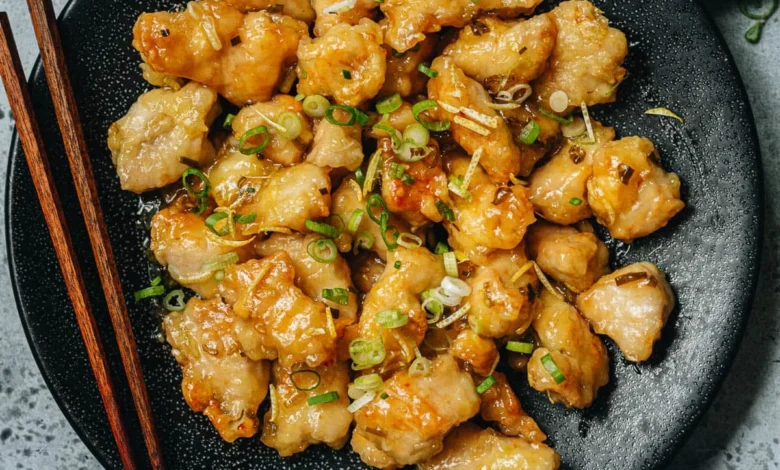
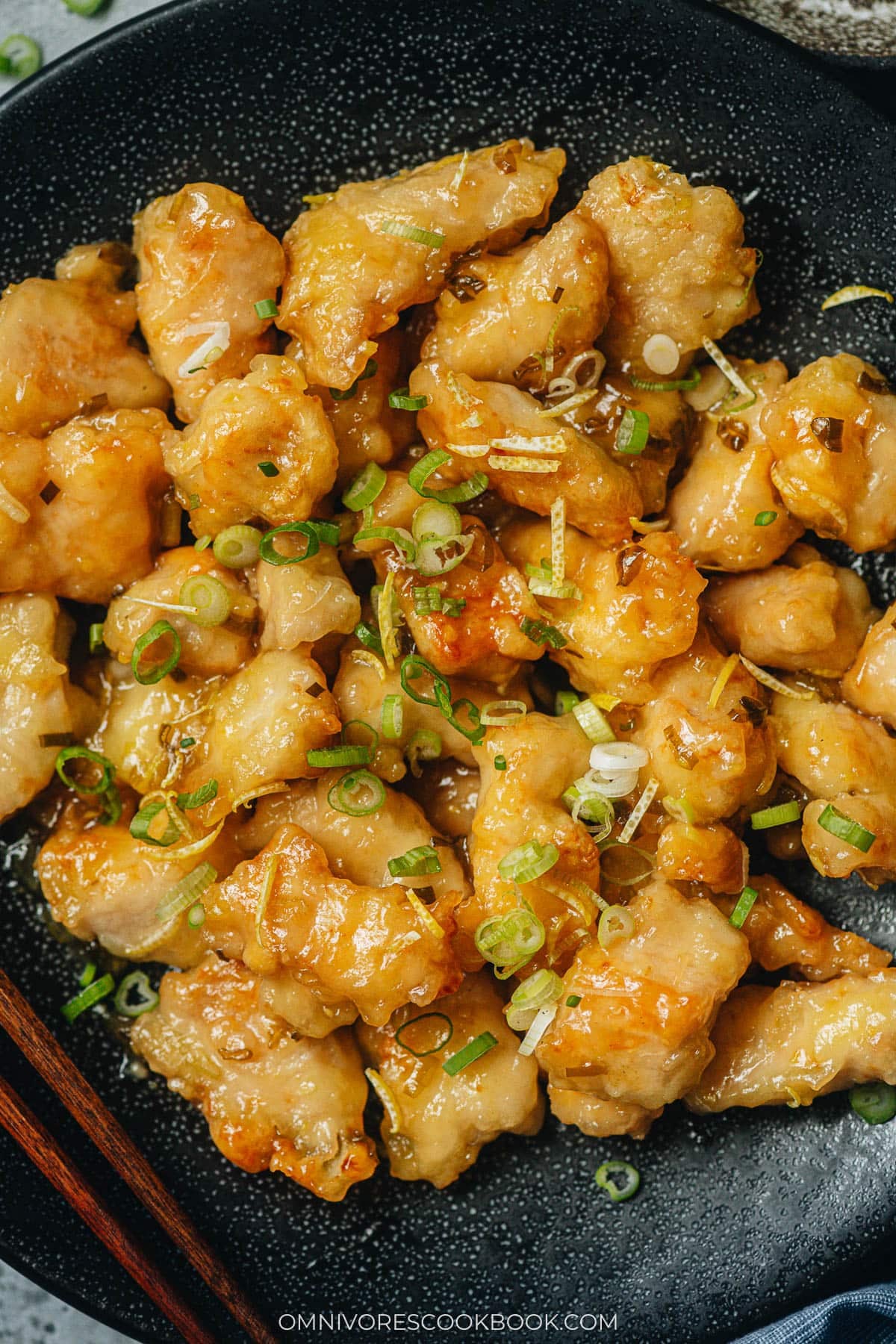
Chinese Lemon Chicken, a beloved takeout staple, is often perceived as an unachievable delicacy for home cooks. However, a closer examination of its preparation reveals a culinary landscape far more accessible and rewarding than commonly believed. The restaurant rendition typically involves deep-frying chicken pieces and drenching them in an overly sweet sauce, a method that often masks the delicate lemon flavor with an excess of grease and sugar. This article delves into a meticulously crafted home recipe that offers a healthier, more flavorful alternative, emphasizing the bright zest and tang of real lemon, balanced with savory undertones and a satisfyingly crisp texture achieved through pan-frying.
The genesis of this recipe stems from a growing dissatisfaction with the often disappointing quality of takeout lemon chicken. Many commercial versions prioritize sweetness over the nuanced citrus notes that define the dish. The desire for an authentic lemon flavor, one that truly sings with brightness and is complemented by subtle sweetness and the warmth of fresh ginger, spurred the development of this home-friendly approach. The foundation of the sauce is built upon a harmonious blend of chicken broth, freshly squeezed lemon juice, fragrant lemon zest, and rice vinegar, creating a more complex and well-rounded flavor profile than a simple lemon juice base.
The cooking process itself is designed for efficiency and optimal texture. Chicken pieces are coated in a mixture of beaten egg and cornstarch, then pan-fried until golden and crisp. This technique achieves a satisfying crunch without the need for a deep fryer. After frying, the chicken is allowed to rest briefly, enabling the crust to firm up, ensuring it retains its texture even after being coated in sauce. The sauce is prepared separately, infused with aromatics like ginger and green onion, before the perfectly crisped chicken is reintroduced at the very end. This strategic timing ensures that the chicken remains delightfully crunchy beneath a glistening, flavorful glaze. The resulting dish is a testament to the fact that authentic, delicious Chinese cuisine can be recreated in any home kitchen.
The Anatomy of Flavor: Key Ingredients and Their Roles
The success of this Chinese Lemon Chicken recipe hinges on the careful selection and preparation of its components. To streamline the cooking process and ensure clarity, the ingredients are thoughtfully organized into three distinct categories: the lemon sauce, the chicken marinade and coating, and the stir-fry aromatics.
The Lemon Sauce: This is the heart of the dish, where the signature flavor is developed. The core components include:
- Chicken Broth: Provides a savory base and helps to create a smooth sauce consistency.
- Fresh Lemon Juice and Zest: The stars of the show, delivering a vibrant citrus punch. Using both juice and zest is crucial for capturing the full spectrum of lemon flavor.
- Rice Vinegar: Adds a subtle tanginess that complements the lemon and balances the sweetness.
- Shaoxing Wine: A staple in Chinese cooking, this fermented rice wine imparts a unique depth and complexity to the sauce. For those seeking gluten-free options, a dry sherry can be a suitable substitute.
- Sugar: Balances the acidity of the lemon and vinegar, creating the characteristic sweet and sour profile. The quantity can be adjusted to personal preference.
- Cornstarch: Acts as a thickening agent, transforming the liquid ingredients into a glossy glaze that clings beautifully to the chicken.
- Salt: Enhances all the other flavors in the sauce.
The Chicken Marinade and Coating: This element is responsible for the chicken’s tenderness and the irresistible crispiness of its exterior.
- Boneless, Skinless Chicken Breast: Cut into bite-sized pieces for even cooking and easy consumption.
- Oil: Used for a brief marinade, contributing to moisture and helping the coating adhere.
- Salt: Seasoning for the chicken.
- Beaten Egg: Acts as a binder, helping the cornstarch adhere to the chicken pieces.
- Cornstarch: Forms the crucial crispy coating when pan-fried. The key is to achieve an uneven, slightly clumpy coating for maximum texture.
The Stir-Fry Aromatics: These ingredients provide a foundational layer of flavor for the sauce.
- Green Onion (White Parts): Sautéed to release their subtle oniony aroma and sweetness.
- Minced Ginger: Adds a warm, pungent kick that is characteristic of many Chinese dishes.
- Green Onion (Green Parts): Reserved for garnish, adding a fresh, vibrant finish to the plated dish.
The Art of Preparation: A Step-by-Step Guide
Creating this restaurant-quality Chinese Lemon Chicken at home is a straightforward process, achievable in approximately 30 minutes. The method prioritizes techniques that yield maximum flavor and texture.
Step 1: Sauce and Chicken Preparation
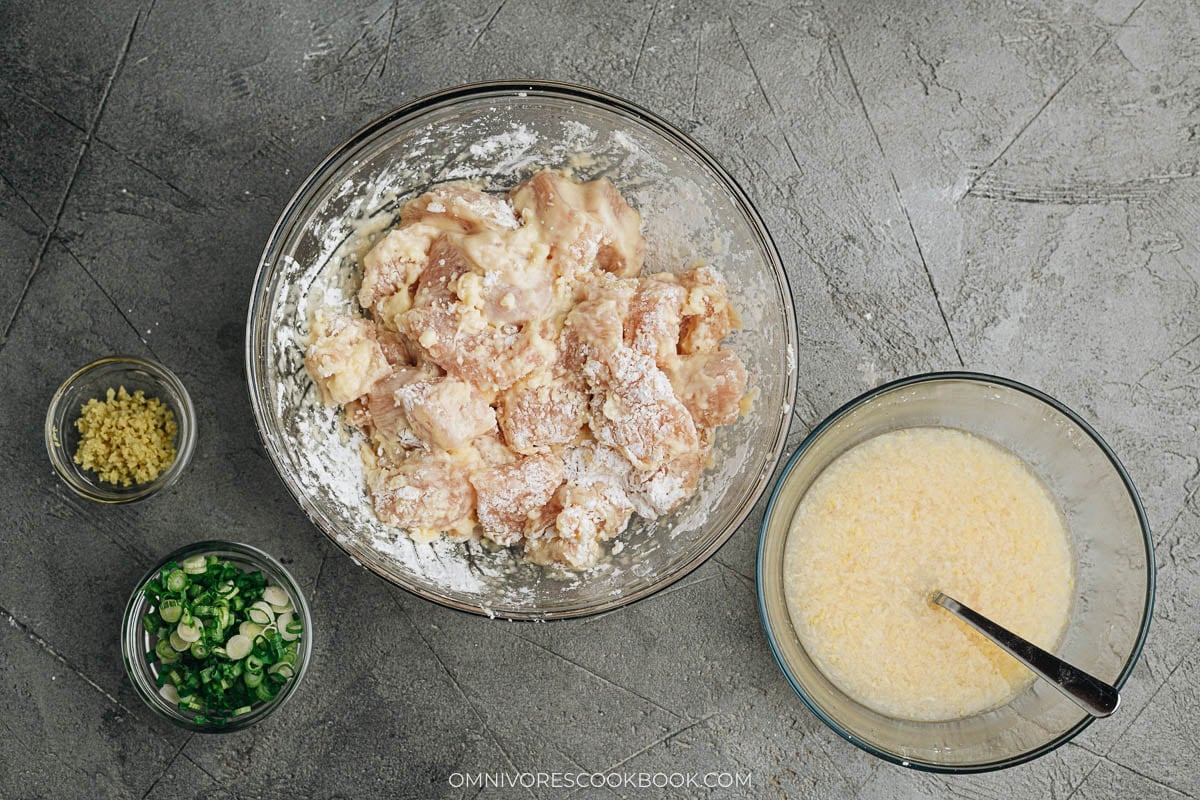
Begin by whisking together all the sauce ingredients in a bowl. Ensure the cornstarch is fully dissolved. In a separate bowl, marinate the chicken pieces with oil and salt for about 15 minutes. This brief marination helps to tenderize the chicken. Just before cooking, stir the beaten egg into the chicken, followed by the cornstarch. Toss the chicken until each piece is coated with an uneven, slightly clumpy layer of cornstarch. This clumpy texture is essential for achieving a craggy, crisp exterior.
Step 2: Pan-Frying the Chicken
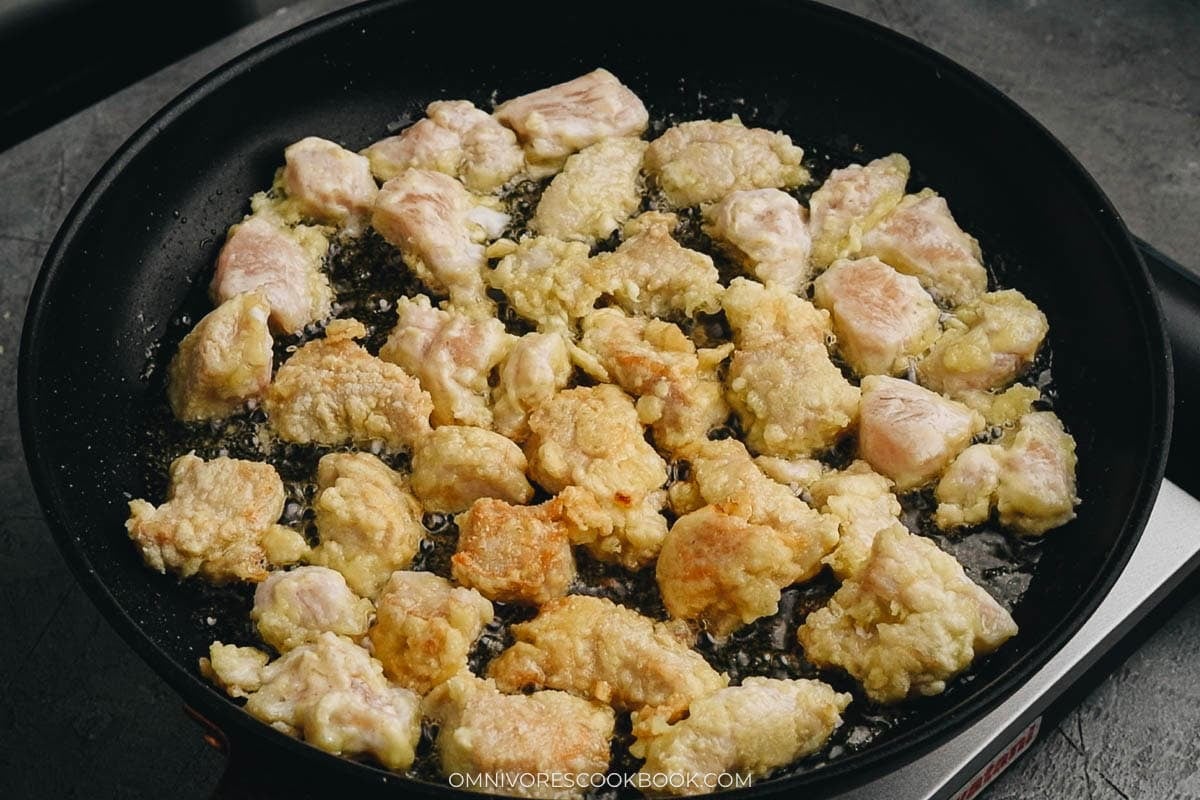
Heat a generous amount of oil in a large skillet over medium-high heat until it just begins to smoke. Carefully add all the coated chicken pieces, ensuring they are in a single layer and not overcrowded. Overcrowding will cause the chicken to steam rather than fry, resulting in a less crispy coating. Cook undisturbed for 2 to 3 minutes until the bottom is golden brown. Flip the chicken pieces and cook the other side for another 2 to 3 minutes until golden and cooked through. Transfer the fried chicken to a plate and allow it to rest for 2 to 3 minutes. This resting period is critical; it allows the residual heat to finish crisping the coating and prevents the sauce from making it immediately soggy.
Step 3: Cooking the Aromatics
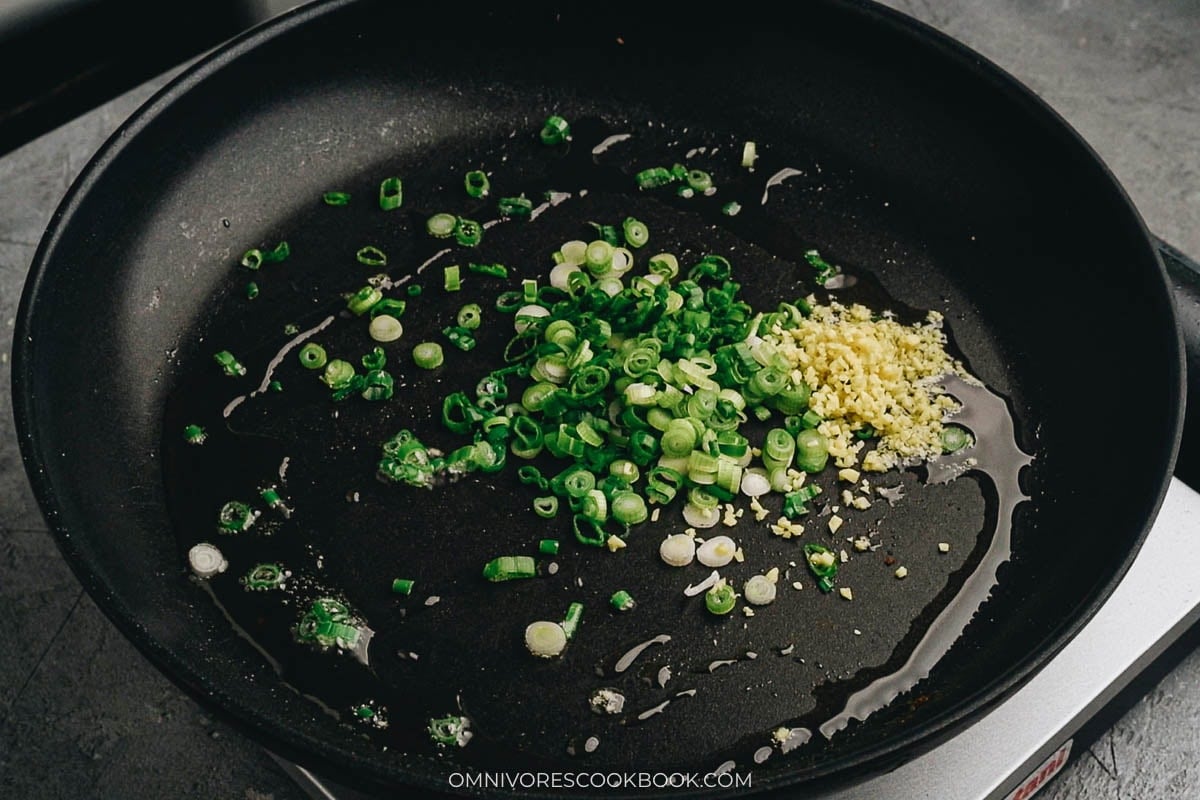
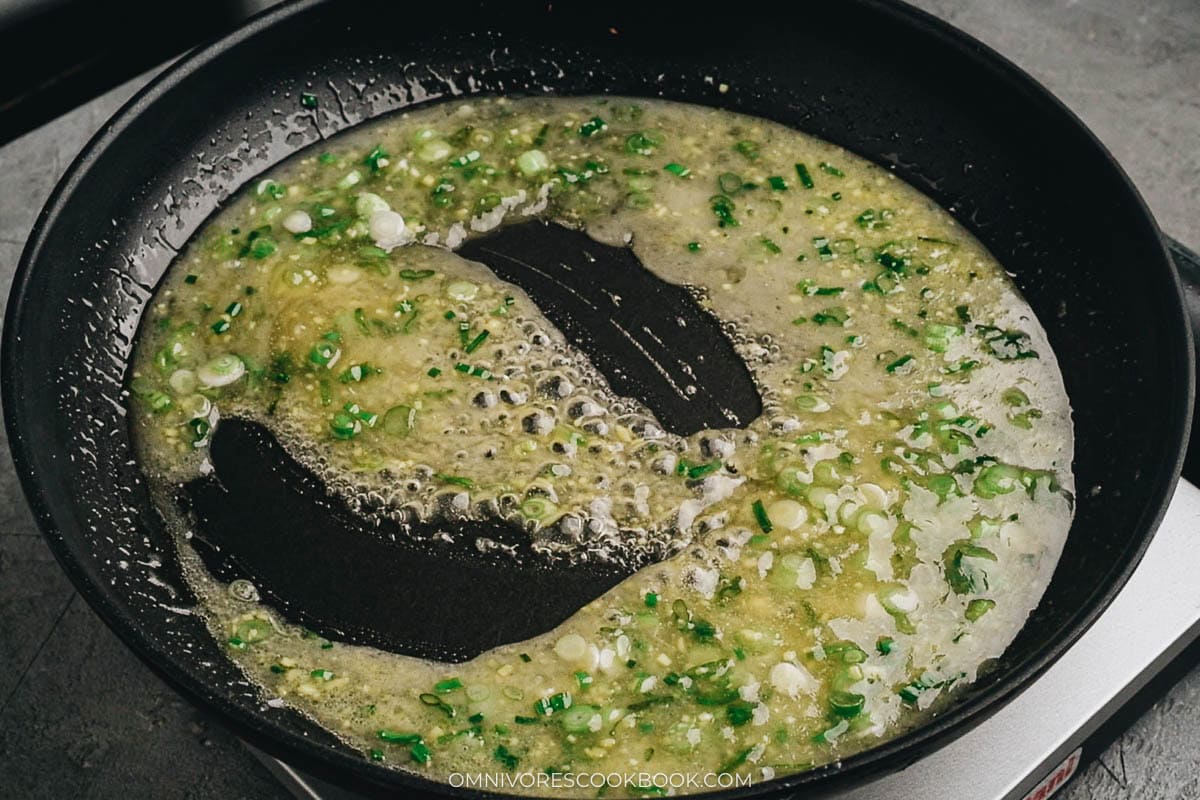
Return the skillet to medium heat, leaving approximately 1 to 2 tablespoons of the frying oil. Add the white parts of the green onion and the minced ginger. Stir-fry for a few seconds until fragrant, releasing their aromatic oils into the pan. This forms the flavorful base for the sauce.
Step 4: Building the Luscious Sauce
Give the prepared lemon sauce a quick stir to ensure the cornstarch hasn’t settled. Pour the sauce into the skillet with the aromatics. Stir constantly, bringing the sauce to a simmer. Continue to stir as it thickens into a glossy, beautiful glaze. This process typically takes only a minute or two.
Step 5: Combining and Coating
Add the rested, crispy chicken back into the skillet with the thickened sauce. Gently toss to ensure every piece of chicken is evenly coated in the glistening lemon glaze. The goal is to coat the chicken without losing its crispiness.
Step 6: Serving Perfection
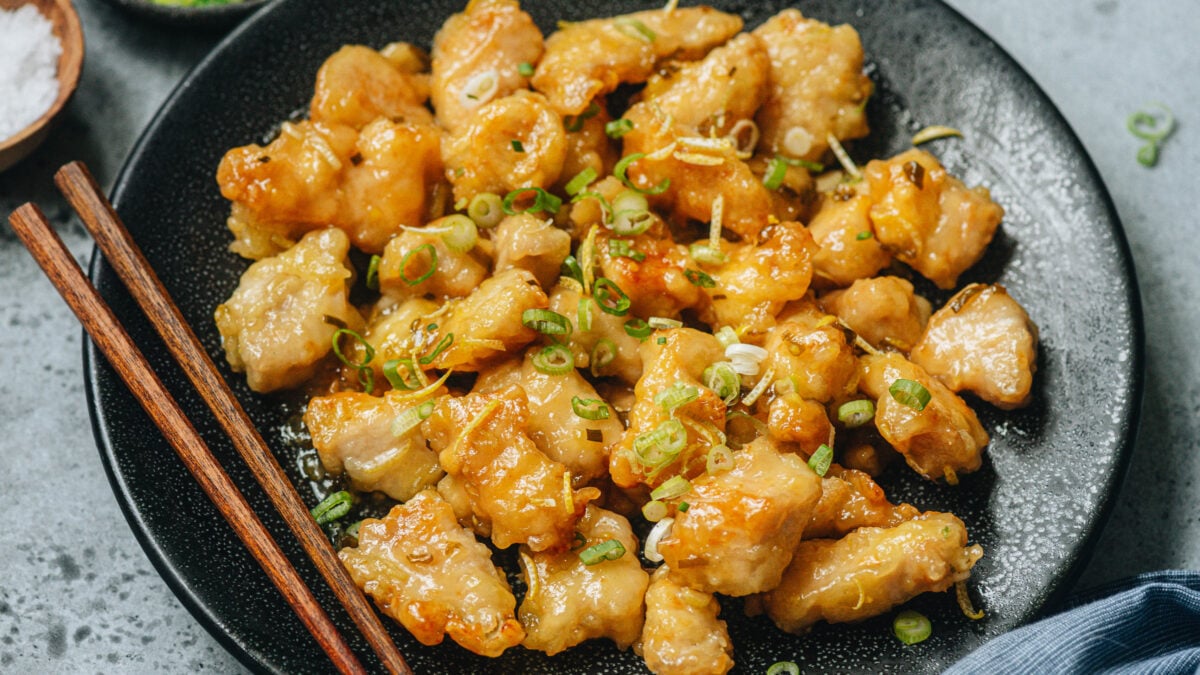
Transfer the finished Chinese Lemon Chicken to a serving plate. Garnish generously with the reserved green parts of the green onion. Serve immediately to enjoy the optimal balance of crispy chicken and tangy sauce.
Culinary Insights: Tips for Success
Achieving the perfect Chinese Lemon Chicken at home involves a few key techniques and considerations. These tips, gleaned from culinary experience, ensure a superior outcome.
- The Importance of Resting: Allowing the chicken to rest after frying is non-negotiable. This short period allows the cornstarch coating to fully set and crisp up. Skipping this step often leads to a soggy coating once the sauce is introduced.
- Embracing Imperfection in the Coating: Do not strive for a perfectly smooth cornstarch coating. The uneven, slightly clumpy bits are what create the desirable craggy texture, which not only looks appealing but also provides more surface area for the sauce to adhere to.
- The Power of Freshness: While convenient, bottled lemon juice cannot replicate the bright, vibrant flavor of freshly squeezed lemon juice and zest. Zesting the lemon before juicing maximizes the aromatic oils and adds a depth of citrus flavor that is simply irreplaceable.
- Avoiding the Crowded Pan: When pan-frying, ensure there is ample space between chicken pieces. Overcrowding leads to steaming, which compromises the crispiness of the coating. A 12-inch skillet is generally sufficient for a standard batch.
- Taste and Adjust the Sauce: The recipe provides a guideline for sweetness, but individual palates vary. It is highly recommended to taste the sauce before adding the chicken back. If a more tart profile is desired, reduce the sugar and add a little extra lemon juice. This flexibility ensures the dish is perfectly tailored to your preferences.
Enhancing the Dining Experience: Serving Suggestions
Chinese Lemon Chicken is a versatile dish that can be enjoyed in various ways, from a simple weeknight meal to the centerpiece of a more elaborate Chinese feast.
Everyday Elegance: The most common and perhaps most satisfying way to serve this dish is over a bed of fluffy steamed white rice. The rice acts as a perfect canvas, soaking up the delicious lemon sauce. A bottle of chili oil on the side caters to those who enjoy a touch of heat, adding another layer of complexity to the meal. This dish also pairs beautifully with a simple green vegetable side, creating a balanced and wholesome dinner.
A Takeout-Inspired Spread: For an authentic Chinese takeout experience at home, consider building a multi-dish meal. Start with a comforting bowl of tomato egg drop soup. For the vegetable component, air fryer garlic green beans or Chinese broccoli with oyster sauce offer delightful options. If a second protein is desired, a dish like orange chicken, prepared using the same pan-frying method, can be cooked back-to-back with the lemon chicken, ensuring a truly impressive spread that rivals any restaurant offering.
Frequently Asked Questions
Addressing common queries can help home cooks navigate the preparation and customization of this dish.
-
Why does my coating fall off during cooking?
The most frequent culprits are a wet chicken surface before coating or oil that is not hot enough. It is crucial to pat the marinated chicken dry before applying the egg and cornstarch mixture. Furthermore, waiting until the oil is shimmering and just beginning to smoke before adding the chicken ensures the coating seizes and adheres properly upon contact.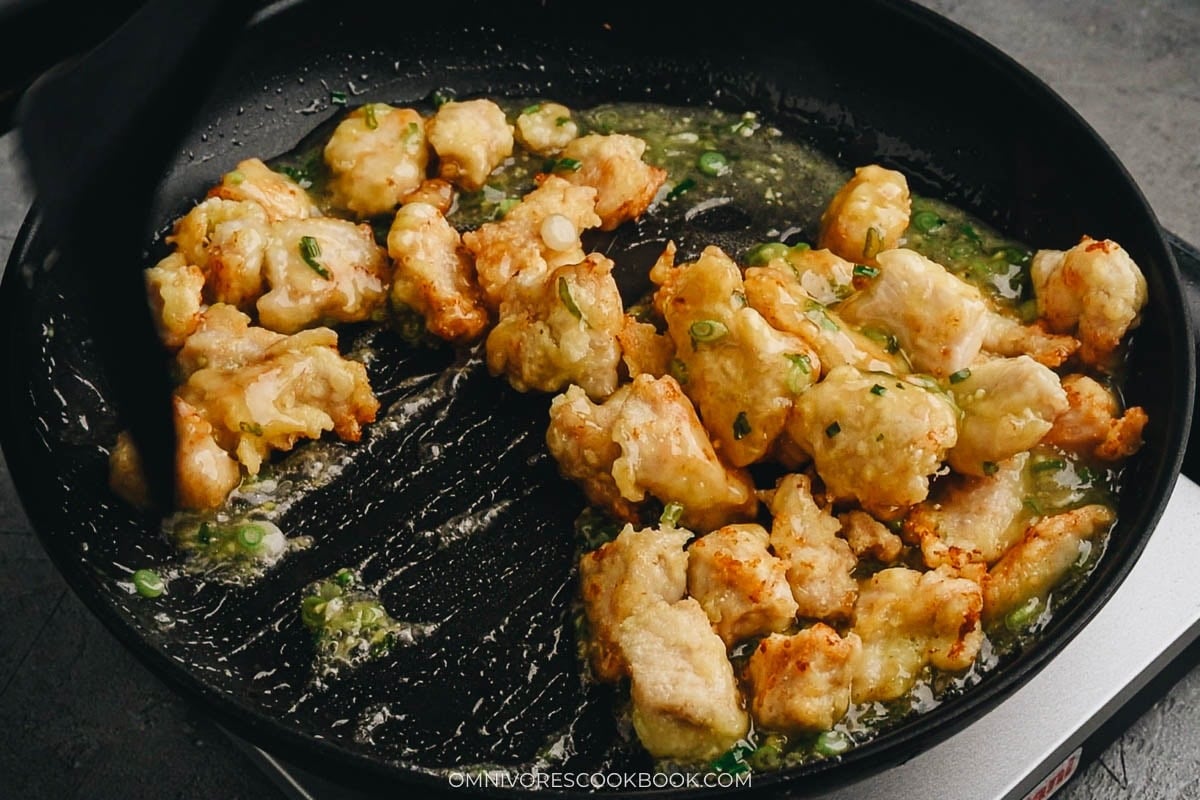
-
Is there a way to make this gluten-free?
Yes, this recipe can be easily adapted to be gluten-free. Omit the Shaoxing wine or substitute it with dry sherry. The rest of the ingredients, including the cornstarch coating, are naturally gluten-free. Always ensure any store-bought ingredients, like broth, are certified gluten-free. The absence of soy sauce in this particular recipe simplifies the gluten-free adaptation. -
How do I store and reheat leftover lemon chicken?
Leftovers can be stored in an airtight container in the refrigerator for up to three days. While the coating will soften overnight, its crispness can be largely restored by reheating in a preheated oven at 375°F (190°C) for 8 to 10 minutes on a wire rack set over a baking sheet. Microwaving will heat the chicken through but will not revive the crispiness of the coating.
A Deeper Dive into Chinese Culinary Techniques
The development of recipes like this Chinese Lemon Chicken reflects a broader trend of home cooks seeking to replicate restaurant-quality dishes with accessible methods. The traditional deep-frying technique, while effective, poses challenges for home kitchens due to oil management, safety concerns, and the resulting caloric density. Pan-frying, as employed in this recipe, offers a viable and healthier alternative, delivering a comparable level of crispiness with significantly less oil.
The emphasis on fresh ingredients, particularly the lemon juice and zest, is a hallmark of authentic Chinese cooking, where the quality of produce directly impacts the final flavor. The use of aromatics like ginger and green onion is fundamental to building layers of flavor that are both complex and harmonious. The inclusion of Shaoxing wine, a fermented rice wine, adds a subtle umami depth that is difficult to replicate with other ingredients. Its absence in gluten-free adaptations necessitates careful balancing of other savory elements.
The evolution of takeout cuisine has also played a role. As consumers become more discerning, there is a greater demand for dishes that are not only convenient but also offer superior flavor and nutritional profiles. Recipes that demystify complex restaurant techniques and empower home cooks to create authentic versions of their favorite dishes are increasingly valuable. This Chinese Lemon Chicken recipe stands as a prime example, offering a pathway to enjoying a beloved classic with a newfound appreciation for its culinary artistry and accessible preparation.