The Silk Road of Flavors: A Culinary Journey into Chinese Eggplant and Green Bean Stir Fry

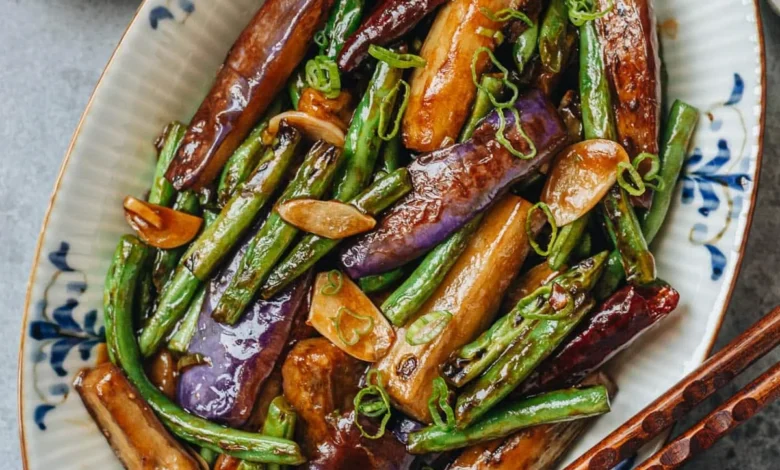
A Culinary Staple from the Heart of Sichuan Cuisine, Chinese Eggplant and Green Bean Stir Fry Offers a Harmonious Blend of Textures and Savory Aromas, Balancing the Fiery Intensity of Traditional Sichuan Dishes with a Refreshing Vegetable Medley.
In the bustling culinary landscape of Midtown Manhattan, a particular dish stands out as a beacon of balanced flavors and comforting textures: the Chinese Eggplant and Green Bean Stir Fry. This beloved creation, a fixture at the six-year Michelin-starred Sichuan establishment, Cafe China, serves as a vital counterpoint to the intensely flavorful and often numbing spice of classic Sichuan fare. When presented alongside iconic dishes such as Dan Dan Noodles, Mapo Tofu, and Saliva Chicken, this vibrant stir-fry provides a much-needed respite for the palate, allowing diners to fully appreciate the complex symphony of tastes that define Sichuan cuisine. Beyond its role as a palate cleanser, the dish itself is a testament to the thoughtful integration of vegetables into a predominantly meat-centric culinary tradition.
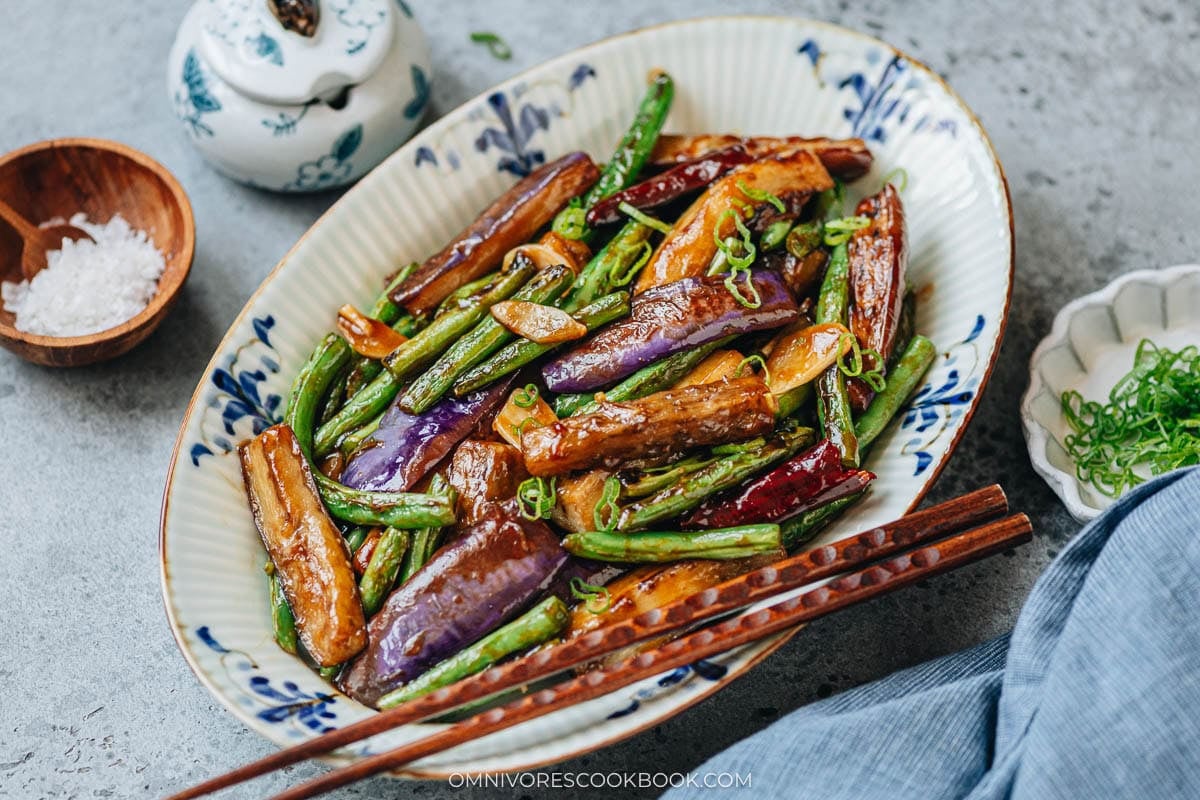
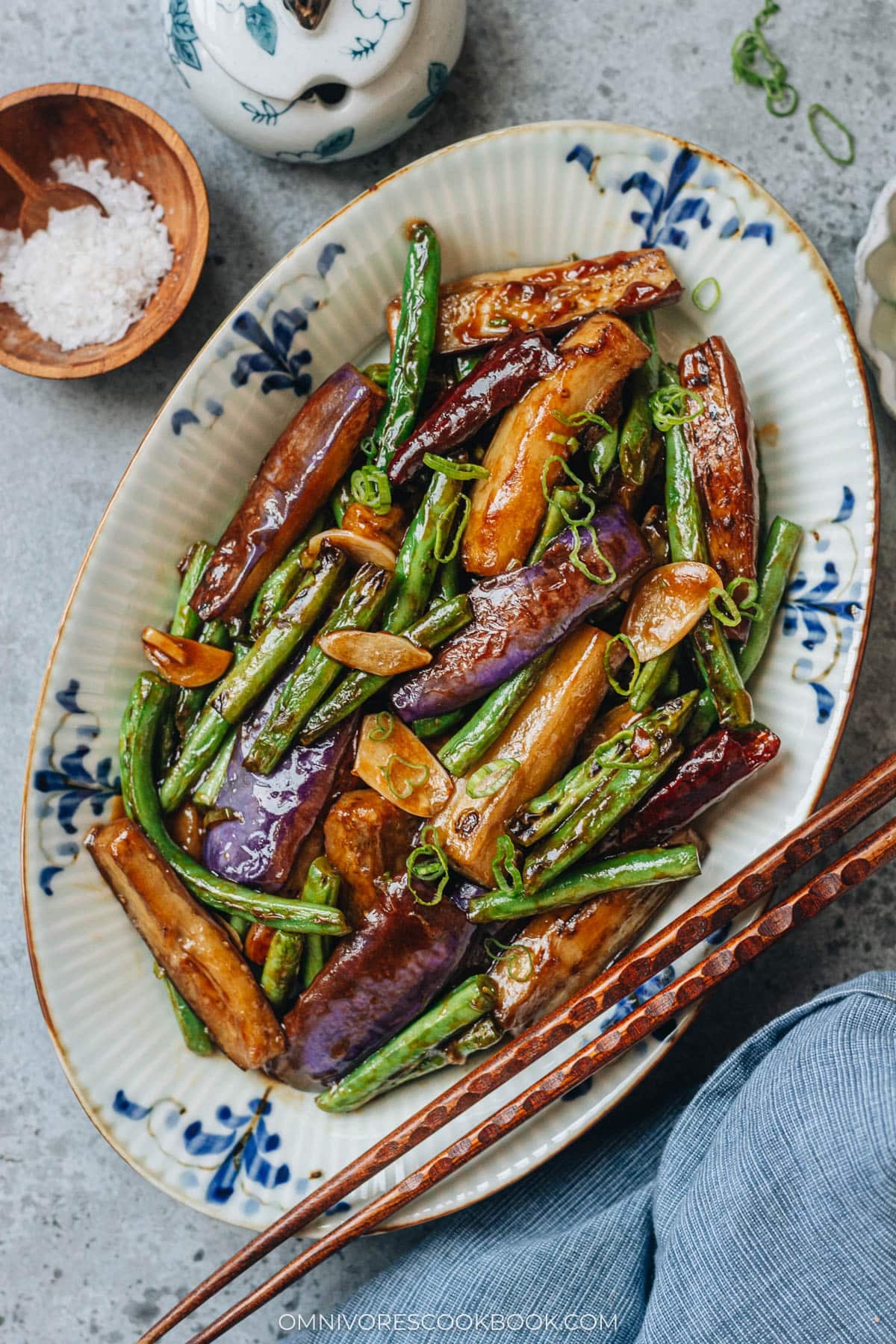
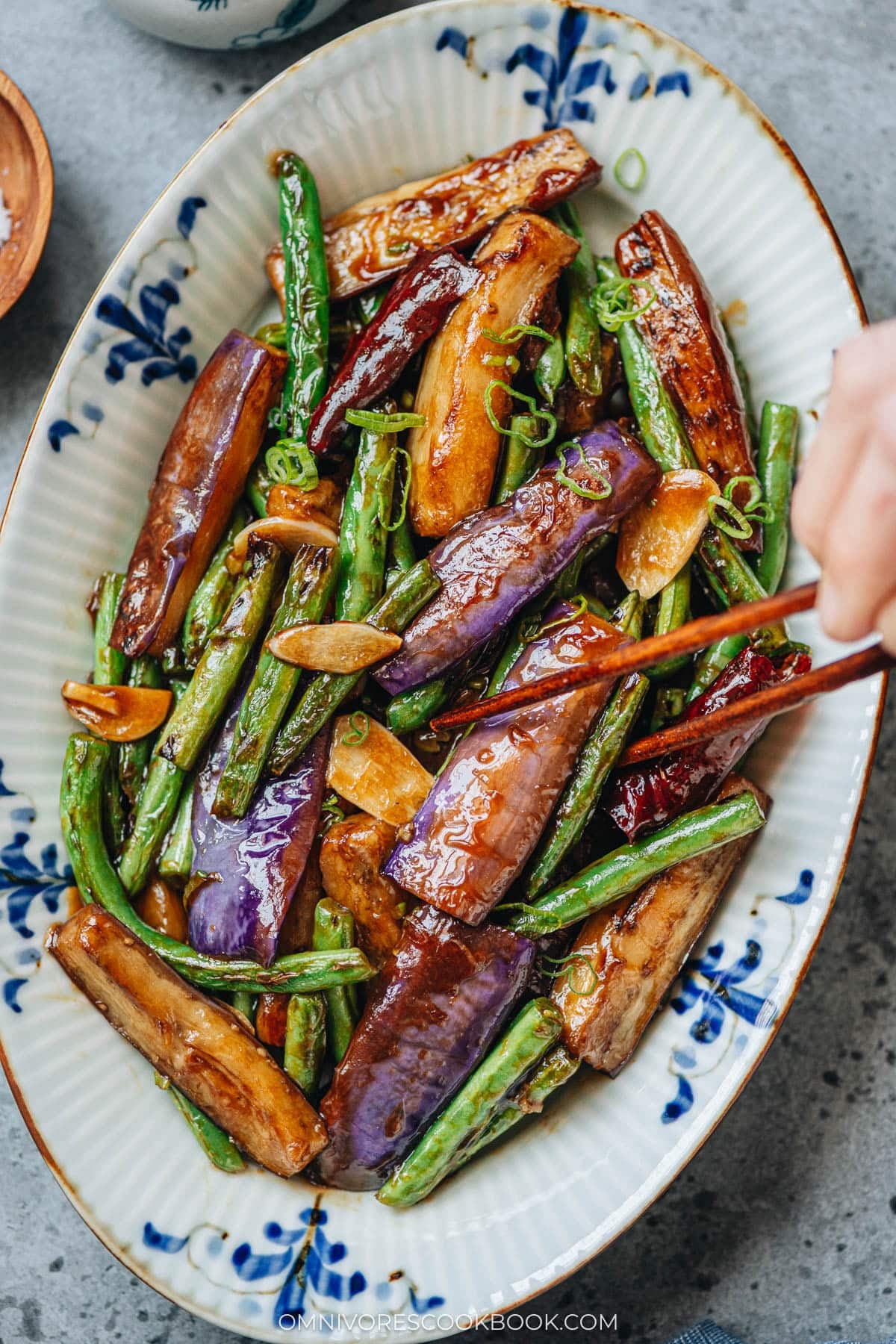
The appeal of this stir-fry lies in its seemingly simple yet masterfully executed combination of ingredients. Silky, tender eggplant, having absorbed the rich, savory notes of a garlic-infused brown sauce, nestles alongside green beans that have been expertly blistered, retaining a satisfying bite. The sauce, a harmonious blend of chicken broth, soy sauce, and oyster sauce, is elevated by a generous infusion of garlic, which imparts a captivating aroma that permeates the entire dish. While traditional restaurant preparation often involves deep-frying the components to achieve optimal texture and color, home cooks can replicate this delightful experience with a slightly modified approach, focusing on pan-frying to achieve a similar, yet healthier, result. This method, while requiring a touch more time and attention, significantly reduces oil consumption and simplifies post-meal cleanup, making it an accessible option for culinary enthusiasts seeking to recreate authentic flavors in their own kitchens.
The Art of Ingredient Selection
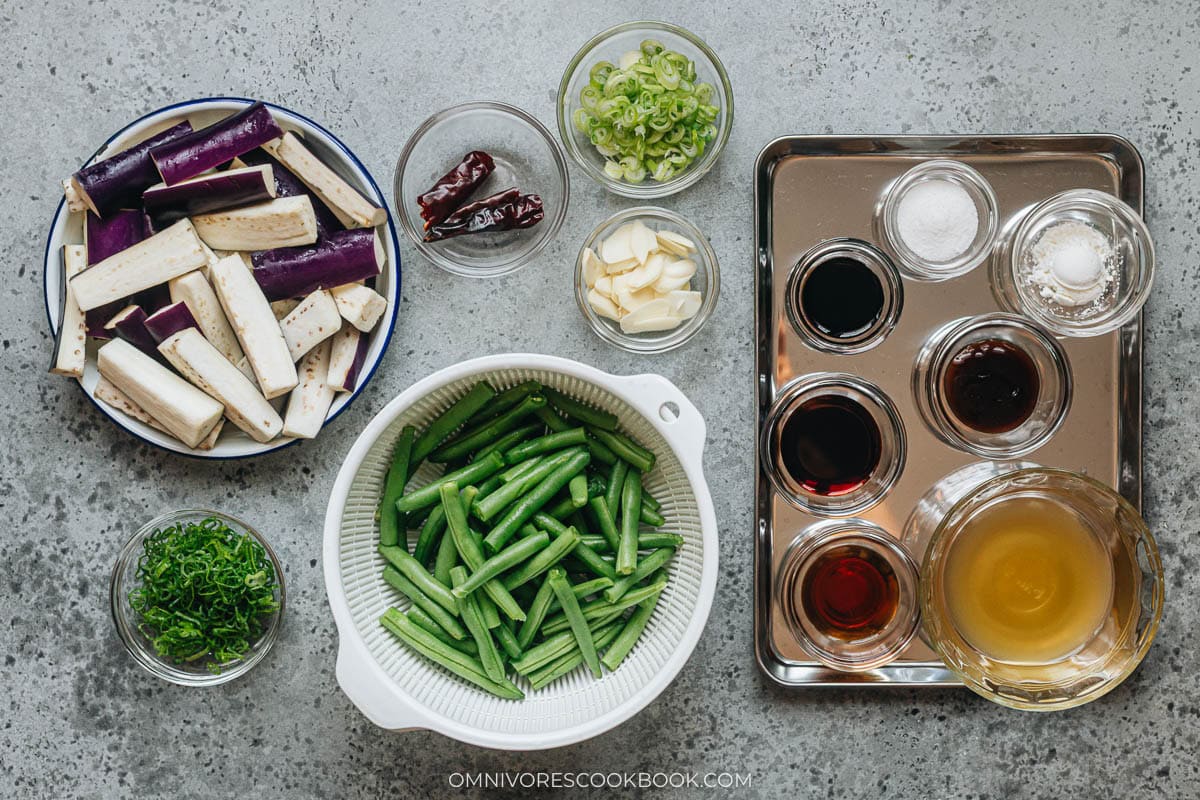
The foundation of an exceptional Chinese Eggplant and Green Bean Stir Fry rests on the careful selection of its core ingredients, many of which are staples in Chinese pantries. The recipe can be broadly categorized into three essential groups: the star vegetables, the flavor-building sauce, and the aromatic stir-fry elements.
Eggplant and Green Beans: The Vegetable Backbone
For the eggplant component, the recommendation strongly favors Chinese or Japanese varieties. These eggplants are characterized by their lower moisture content and a higher skin-to-flesh ratio. This structural advantage allows them to cook down to a tender consistency while remarkably holding their shape, preventing the dreaded soggy outcome. When these specific types are unavailable, opting for smaller, firmer eggplants like Italian varieties is a viable alternative, as they also offer a more robust texture and a proportionately larger skin surface. The green beans, a vibrant counterpoint to the eggplant, are typically fresh and crisp, providing a textural contrast that is crucial to the dish’s overall appeal.
The Symphony of the Sauce
The heart of any stir-fry lies within its sauce, and this dish is no exception. The base is a carefully balanced combination of chicken stock, oyster sauce, and light soy sauce, providing a savory depth. Dark soy sauce is introduced not only for its rich, appetizing color but also for a subtle hint of caramel sweetness. Shaoxing wine, a cornerstone of Chinese cooking, lends an indispensable layer of earthy umami, while a touch of sugar is employed to harmonize the saltiness of the soy sauces and enhance the inherent flavors of the vegetables. Finally, cornstarch acts as the vital thickening agent, transforming the liquid mixture into a glossy, clinging sauce that beautifully coats every morsel.
Aromatic Foundations
The stir-fry process itself is enhanced by a selection of aromatic ingredients that infuse the oil with fragrance. An oil with a high smoking point, such as peanut or vegetable oil, is essential for achieving the high heat required for stir-frying. Minced garlic and chopped scallions form the aromatic core, releasing their pungent and sweet notes into the hot oil. For a touch of warmth and smokiness, dried chili peppers are often included. The level of heat can be easily adjusted by the cook; removing the seeds from the chilies before cooking will result in a milder dish, suitable for those with a lower spice tolerance or when preparing the dish for younger family members. Conversely, leaving the seeds in will amplify the heat and introduce a more pronounced smokiness.
The Culinary Process: From Prep to Plate
The journey from raw ingredients to a finished, delectable stir-fry involves a series of precise steps, each contributing to the final texture and flavor profile.
Preparation: Laying the Groundwork
-
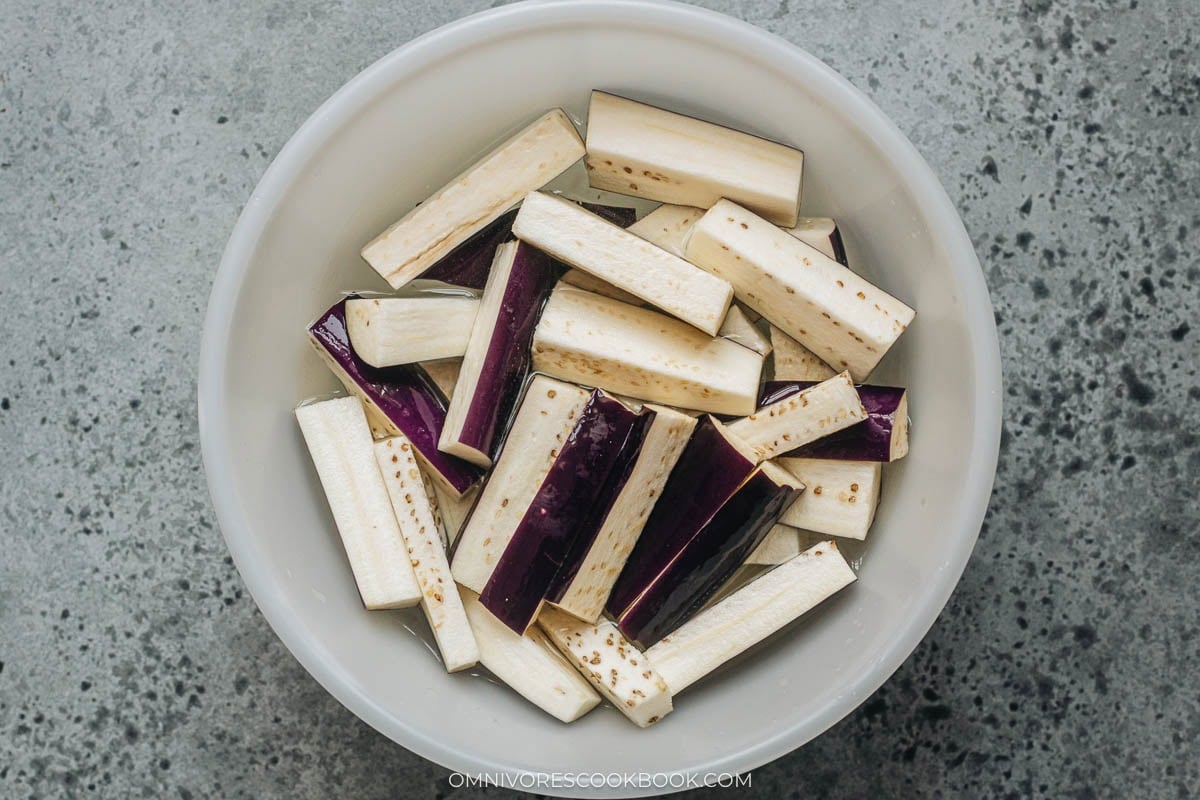
Soaking the Eggplant: A crucial preparatory step for eggplant involves soaking it in salted water for approximately 10 to 15 minutes. This process is particularly beneficial for Chinese eggplant varieties, as it helps to improve their texture and draw out any slight bitterness. After soaking, the eggplant should be thoroughly drained and patted dry to remove excess moisture, which is essential for proper cooking.
-
Crafting the Sauce: While the eggplant soaks, the sauce components are brought together. In a bowl, chicken stock, light soy sauce, oyster sauce, dark soy sauce, Shaoxing wine, sugar, and cornstarch are whisked until well combined and the cornstarch is fully dissolved. This ensures a smooth, lump-free sauce that will thicken evenly when added to the wok.
The Art of Stir-Frying: Building Layers of Flavor and Texture
The cooking process is a dynamic dance of heat and ingredients, designed to coax out the best from each component.
-
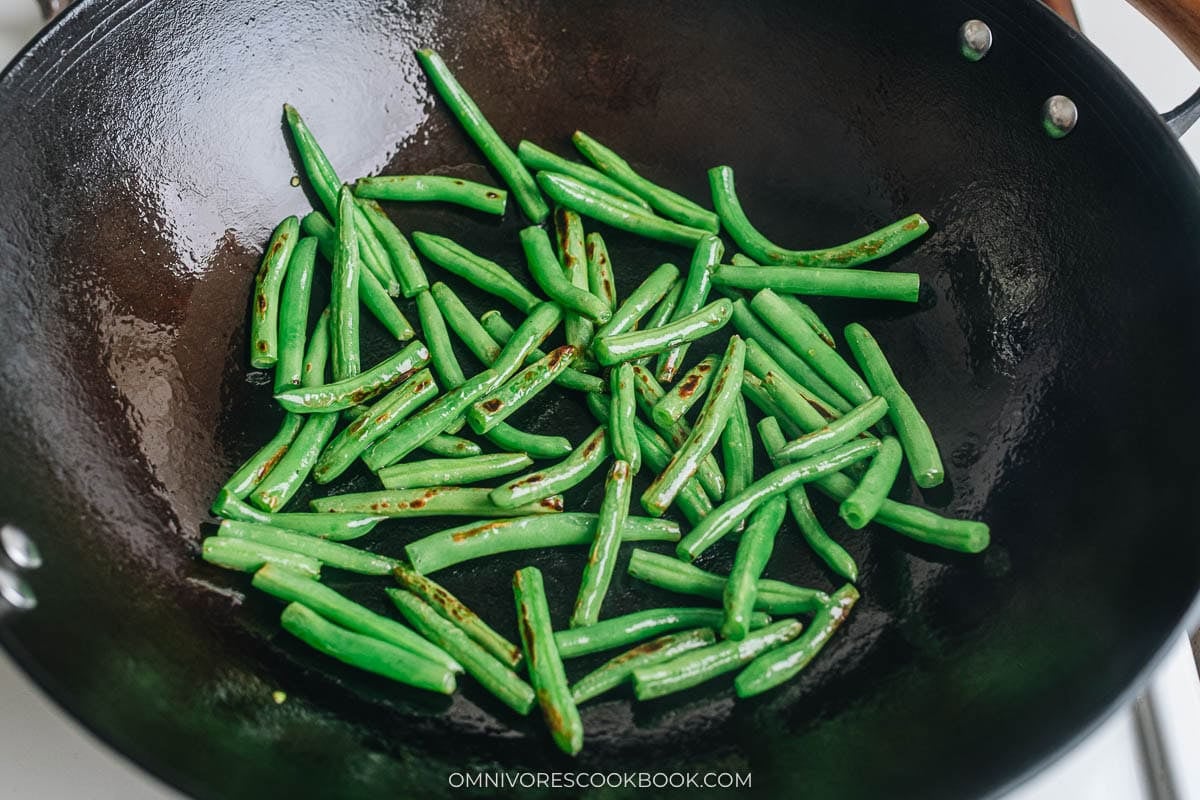
Cooking the Green Beans: The green beans are typically cooked first. To achieve the desired blistered texture, they should be spread in a single layer in the hot pan, allowing them to sear without overcrowding. This step usually takes between 8 to 10 minutes, depending on the heat of the pan and the freshness of the beans. The goal is for the beans to become tender yet retain a slight crispness, their vibrant green color deepening as they cook. If desired, they can be cooked slightly longer until their color begins to shift subtly towards yellow for a softer texture.
-
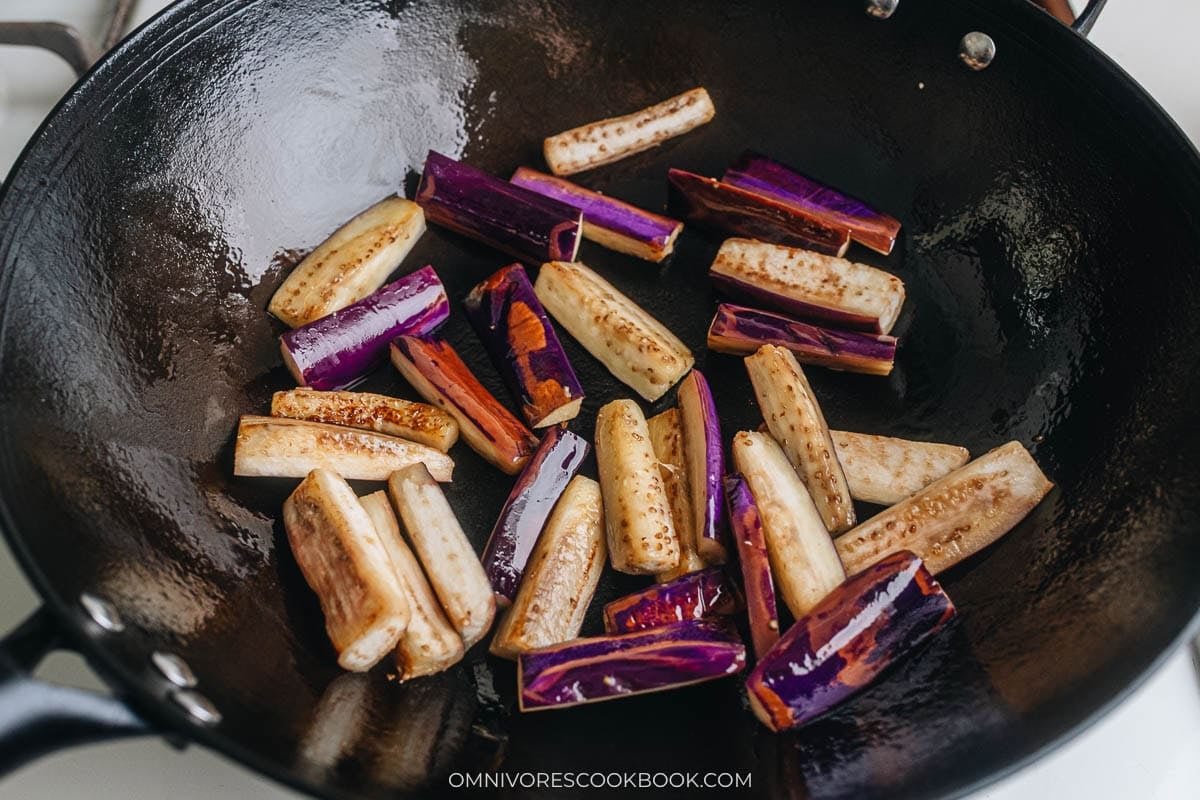
Achieving Silky Eggplant: Eggplant is known for its voracious appetite for oil. To ensure it cooks properly and develops a silky texture without becoming dry, a slightly more generous amount of oil is used compared to the green beans. Starting the cooking process with the eggplant skin-side down is a strategic move, as the hot oil helps to preserve the vibrant purple hue of the skin. This searing process, followed by gentle cooking, allows the eggplant to become tender and absorb the flavors of the oil.
-
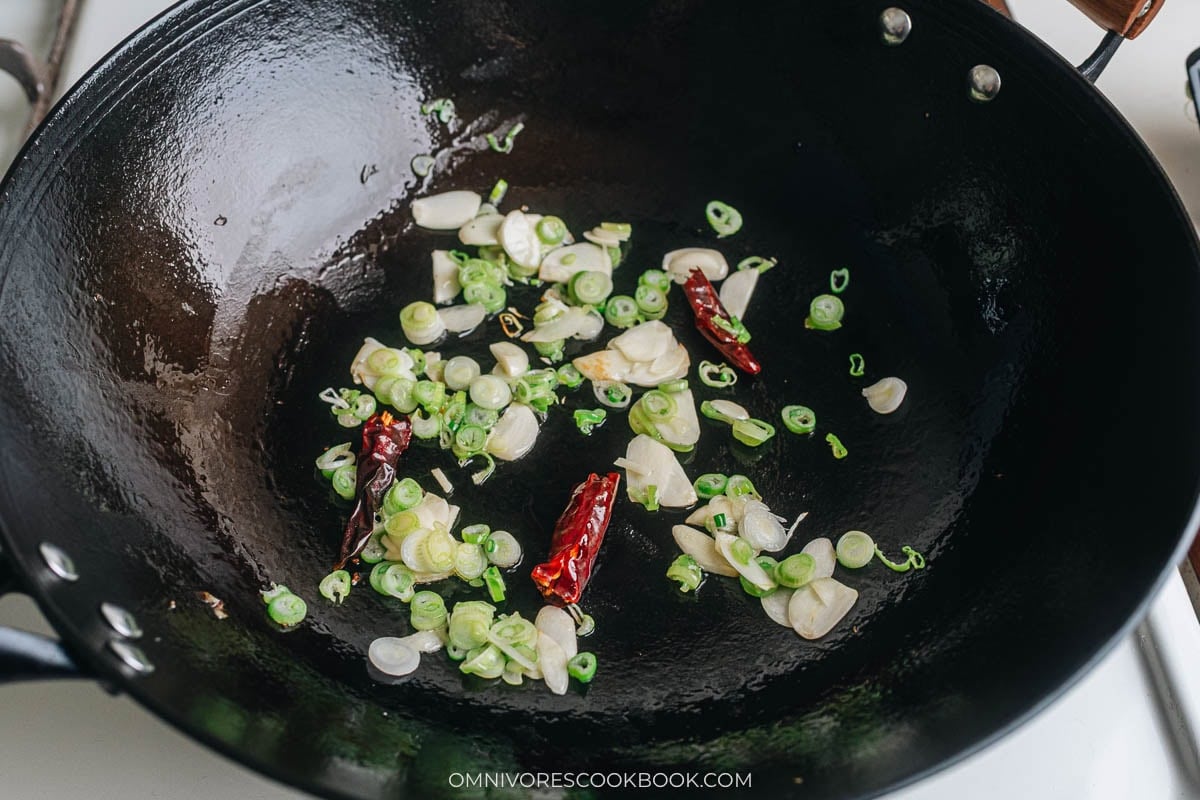
Infusing with Aromatics: In the same wok, after the eggplant has been cooked, the aromatics come into play. Minced garlic, chopped scallions, and dried chili peppers are added to the residual oil. This step is crucial for infusing the oil with their fragrant essence, creating a flavor base for the final sauce. The heat should be moderate to prevent the garlic from burning.
-
The Grand Finale: Once the aromatics have released their fragrance, the cooked green beans and eggplant are returned to the wok. The prepared sauce is then poured over the vegetables. The heat of the wok and the cornstarch in the sauce will cause it to thicken rapidly, creating a glossy, sticky coating that adheres beautifully to the eggplant and green beans. The vegetables will be tender yet retain their structural integrity, enrobed in a rich, garlicky glaze.
Enhancing the Experience: Serving and Pairings
The Chinese Eggplant and Green Bean Stir Fry, while often considered a side dish, possesses a depth of flavor and satisfaction that allows it to stand as a main course in its own right. Its versatility makes it an ideal accompaniment to a variety of dishes, particularly those that can be prepared in advance.
When planning a meal, pairing this stir-fry with dishes like sesame noodles, bang bang chicken, or a hearty Chinese beef stew with potatoes allows for a more streamlined cooking process. The flavors and textures of these pre-prepared dishes complement the vibrant, savory notes of the stir-fry without overpowering it. For a quick and satisfying lunch, any leftovers of the eggplant and green bean stir-fry are perfectly suited to be served alongside steamed rice, offering a flavorful and convenient meal option.
Addressing Culinary Queries: Frequently Asked Questions
Can I skip frying the vegetables separately?
While it is possible to cook the vegetables together, separating the cooking stages for the green beans and eggplant yields superior results. Cooking them independently ensures that each vegetable achieves its optimal texture: crisp-tender for the green beans and silky soft for the eggplant. If cooked together, the timing can become difficult to manage, potentially leading to overcooked or undercooked components.
My eggplant turned brown during cooking. How do I preserve the purple color of the eggplant?
Preserving the vibrant purple hue of eggplant during pan-frying can be challenging, as deep-frying, commonly employed in restaurant settings, is the most effective method. For home cooks, the key lies in using sufficient hot oil and cooking the eggplant skin-side down first. High heat quickly sears the surface, sealing in moisture and limiting oxidation, which is the primary cause of browning. Eggplant pigments are heat and air sensitive; slow cooking allows these pigments to break down, resulting in a duller color. Quick searing minimizes this degradation.
Can I bake the eggplant and green beans in the oven?
Yes, baking is a viable alternative, particularly for larger batches. While the texture may be slightly softer and less blistered compared to pan-frying, it still yields delicious results. Toss the eggplant and green beans separately with oil and roast at 450°F (230°C). Eggplant typically requires 18 to 20 minutes, while green beans need 15 to 20 minutes. Using the convection setting, if available, can aid in achieving a better browning. The roasted vegetables can then be tossed with the sauce in a wok.
Why are my green beans not blistering?
The lack of blistering in green beans often indicates that the pan is not hot enough or is overcrowded. To achieve proper searing and blistering, ensure the pan is adequately heated and spread the green beans in a single layer, allowing them time to char without excessive stirring.
Can I make this vegetarian?
Absolutely. To make the dish vegetarian, substitute chicken stock with vegetable stock and replace oyster sauce with a vegetarian alternative.
Can I make this dish gluten-free?
This dish can be easily adapted to be gluten-free by using tamari instead of light and dark soy sauce. Dry sherry can be used as a substitute for Shaoxing wine, and it is important to ensure that the oyster sauce used is certified gluten-free.
A Taste of Tradition, Adapted for the Modern Kitchen
The Chinese Eggplant and Green Bean Stir Fry represents more than just a recipe; it embodies a culinary philosophy that balances robust flavors with fresh ingredients. Its enduring popularity, both in esteemed Chinese restaurants and in home kitchens, speaks to its universal appeal. The meticulous attention to ingredient selection, the nuanced cooking techniques, and the thoughtful consideration of dietary adaptations underscore its status as a cornerstone of Chinese home cooking and a testament to the adaptability of traditional cuisine in the face of evolving culinary practices and preferences. As diners continue to seek out authentic yet accessible flavors, this classic stir-fry remains a beacon of culinary delight, offering a harmonious blend of taste, texture, and tradition.