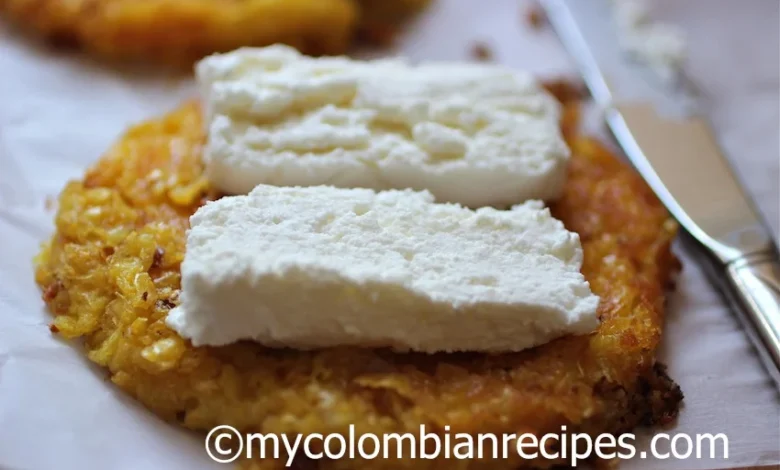
The Arepa de Choclo stands as a cornerstone of Colombian culinary heritage, representing a centuries-old tradition that bridges the gap between indigenous agricultural practices and contemporary gastronomic innovation. Unlike the more common arepas made from dry corn flour, these cakes are crafted from fresh, sweet yellow corn, offering a distinct texture and flavor profile that has secured their place as both a beloved street food and a staple in fine-dining establishments across the Andean region.
The Historical and Cultural Significance of Colombian Corn
To understand the significance of the Arepa de Choclo, one must look at the historical dependence on maize in the Colombian Andes. Historically, the cultivation of corn served as the lifeblood for civilizations such as the Muisca and the Quimbaya. Over centuries, these communities developed specialized techniques for processing corn. While the standard arepa uses nixtamalized corn flour, the Arepa de Choclo requires the harvest to be utilized at the "milk stage"—the point at which the kernels are plump, sweet, and possess a high moisture content.
This specific requirement ties the dish to the seasonal harvest cycles of the Andean valleys. As urbanization increased in the 20th century, the dish transitioned from a rural farmhouse staple to a vital component of Colombia’s urban culinary landscape. Today, it is recognized as a cultural symbol of the Antioquia and Andean regions, often serving as a centerpiece for family gatherings and national celebrations.
Culinary Composition and Preparation Methodology
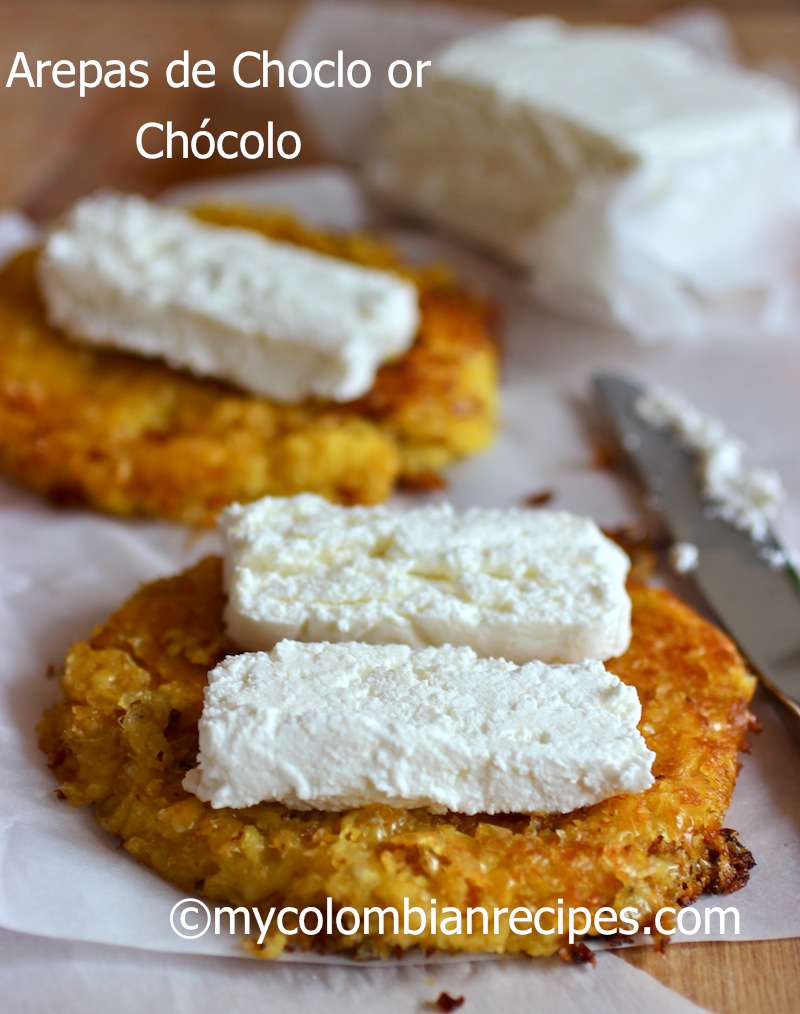
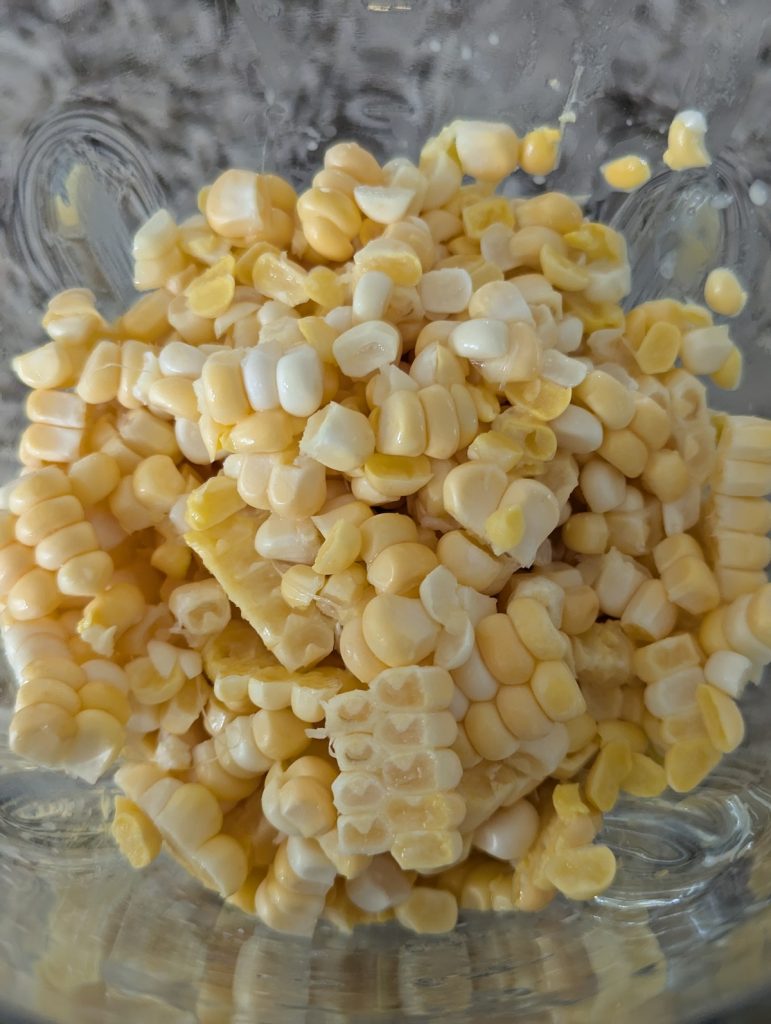
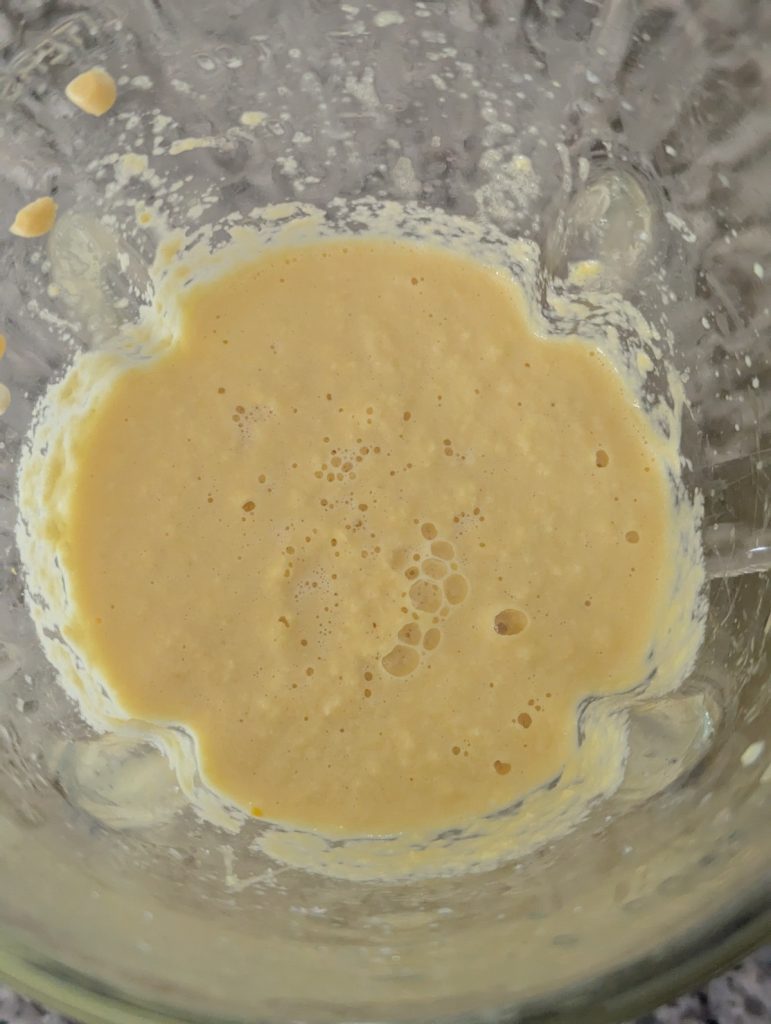
The preparation of Arepa de Choclo is defined by its simplicity and the quality of its primary ingredients. The base is composed of fresh corn kernels, which are blended into a thick, consistent batter. Unlike traditional baked goods that rely on complex leavening agents, the texture of the Choclo arepa is derived from the natural starches present in the fresh corn.
A standard preparation involves:
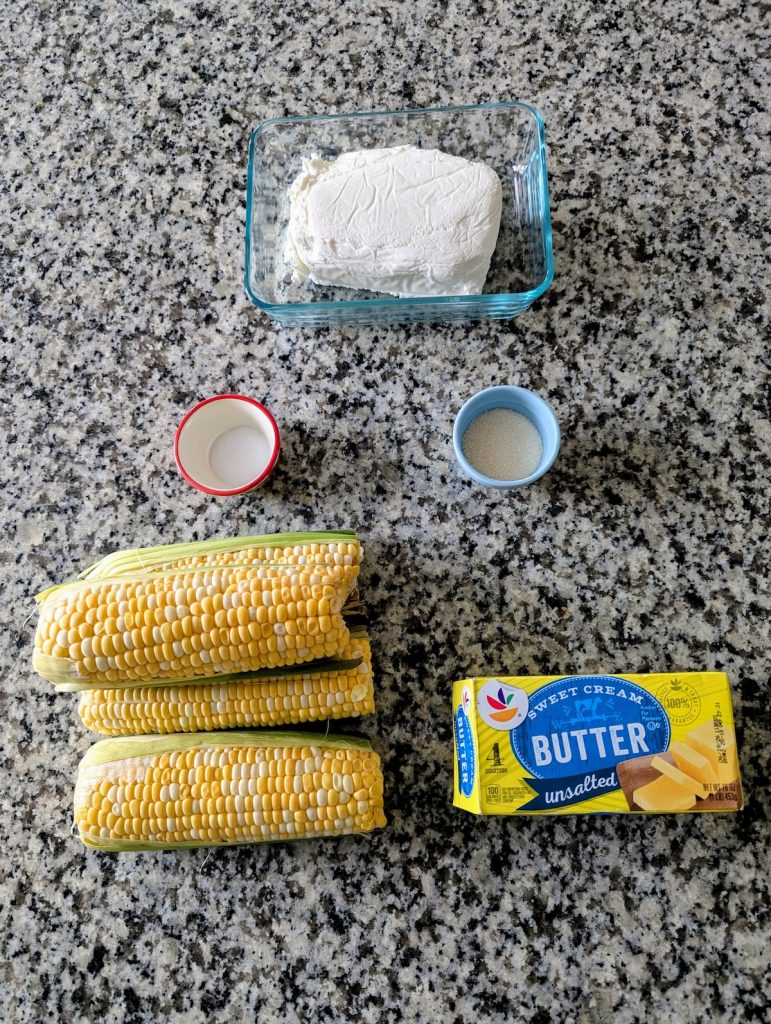
- Fresh Corn: The essential component, which must be harvested when the kernels are at peak sweetness.
- Binding Agents: Small amounts of cornmeal or masarepa are often added to adjust the viscosity of the batter, ensuring it holds its shape during the cooking process.
- Balancing Agents: A precise ratio of sugar and salt is incorporated to highlight the natural sweetness of the corn while tempering it with a savory depth.
- Cooking Fat: Butter is traditionally used both in the batter and for greasing the griddle to ensure a golden-brown exterior.
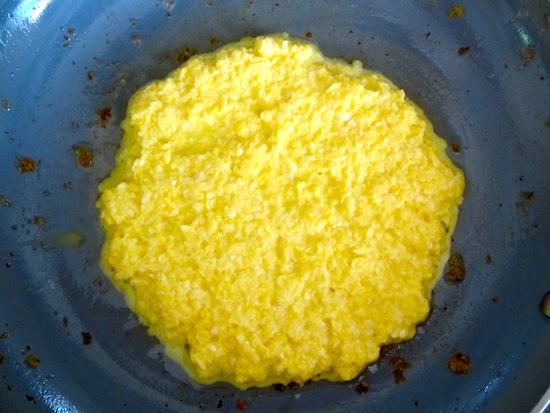
Culinary experts note that the preparation is notoriously delicate. Because the batter has a higher moisture content than standard corn cakes, it is prone to breaking during the flipping process. To mitigate this, many chefs utilize a hybrid cooking method: initiating the process on a hot, well-seasoned griddle or skillet to set the exterior, and finishing the cooking in an oven to ensure the center is thoroughly heated without compromising the structural integrity of the cake.
Supporting Data: Nutritional and Dietary Profile
From a nutritional standpoint, the Arepa de Choclo offers a profile distinct from processed bread products. A standard serving of approximately 100 grams contains roughly 243 kilocalories. The carbohydrate content, primarily complex sugars and starches from the corn, provides a significant energy source, making the dish a popular breakfast item for laborers and students alike.
Data indicates that a typical portion includes:
- Protein: Approximately 6 grams, largely derived from the corn.
- Fiber: 4 grams, aiding in digestive health.
- Fat: 11 grams, with a moderate saturated fat content, often increased by the traditional addition of butter and fresh white cheese (quesito).
- Micronutrients: Significant levels of Vitamin A and various B-complex vitamins found naturally in yellow maize.
The dish is generally considered gluten-free, provided the cornmeal used is processed in a facility that avoids cross-contamination, a factor that has contributed to its rising popularity in international markets where gluten-sensitive diets are increasingly prevalent.
Regional Variations and Modern Interpretations
While the fundamental recipe remains consistent, regional variations abound throughout Colombia. In the Department of Boyacá, variations often include the addition of local cheeses directly into the batter, resulting in a denser, more savory product. In the coffee-growing regions, the focus remains on the purity of the corn, often served with a thinner, more refined layer of butter.
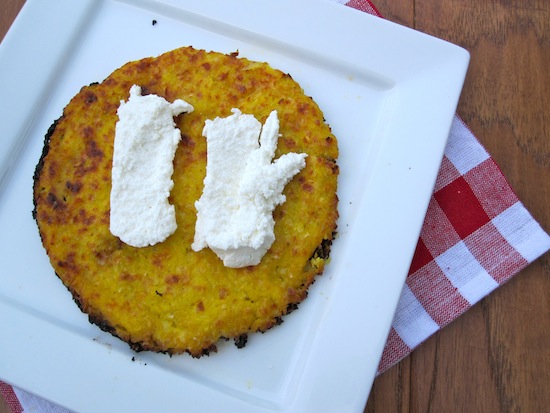
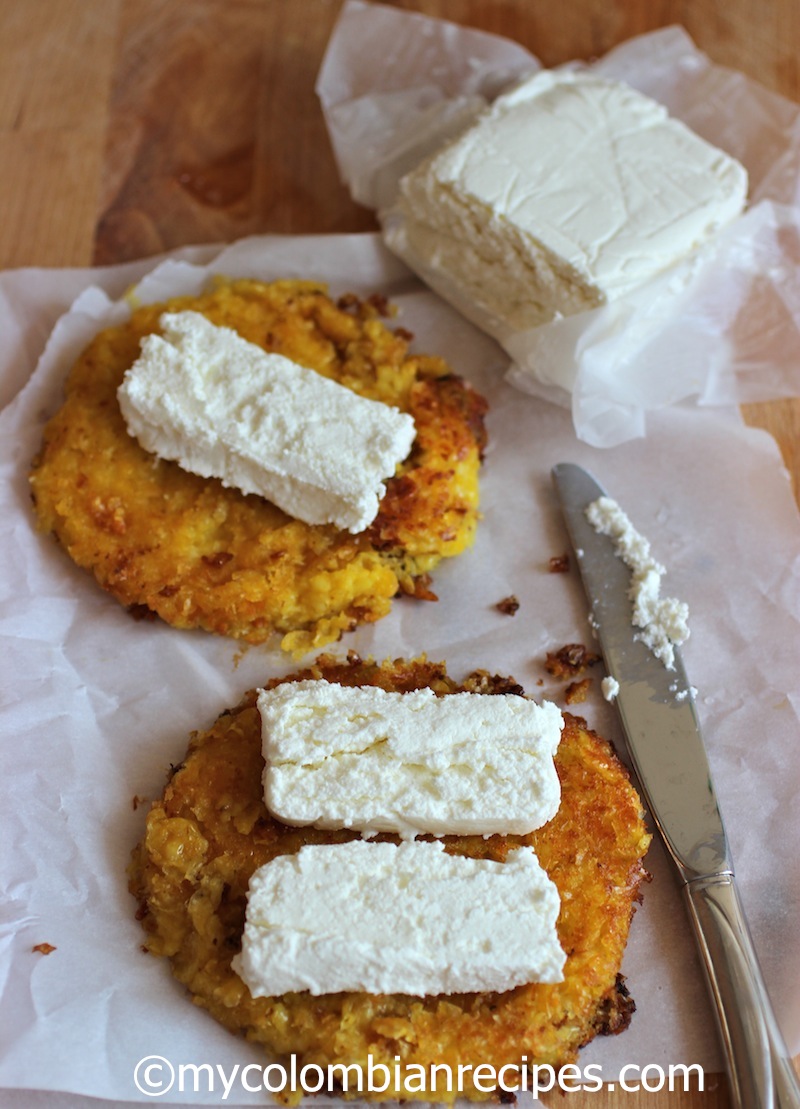
In modern fine-dining, the Arepa de Choclo has undergone a transformation. Chefs are now experimenting with gourmet toppings that range from avocado mousses and braised meats to artisanal honey drizzles, attempting to elevate the humble street food into a sophisticated appetizer or dessert. Despite these innovations, the traditional serving method—topped with a generous slice of fresh, unsalted white cheese and a dollop of butter—remains the gold standard for authenticity.
Economic and Social Impact
The production and sale of arepas form a significant segment of the informal economy in Colombia. Street vendors, known as areperos, operate in high-traffic urban centers, providing an accessible, hot meal to millions of commuters daily. The economic impact is twofold: it supports local corn farmers who prioritize fresh-harvest distribution over industrial-scale dry storage, and it provides low-barrier entry for small-scale entrepreneurs.
From a sociological perspective, the arepa serves as a unifying factor in a country characterized by diverse regional identities. While a person from the Caribbean coast might prefer a different type of arepa (such as the arepa de huevo), the Arepa de Choclo is recognized universally as a national treasure. Government cultural initiatives have periodically sought to categorize traditional arepa-making techniques as intangible cultural heritage, emphasizing the role of the dish in maintaining social cohesion.
Challenges and Future Outlook
Despite its popularity, the traditional method of preparing Arepa de Choclo faces challenges. The labor-intensive process of selecting and grinding fresh corn is increasingly being replaced by commercial, pre-packaged mixes. While these products increase convenience, culinary purists argue that they lack the complex flavor profile and texture of the original recipe.
Furthermore, climate change impacts on corn production in the Andean region pose a long-term risk. Unpredictable rainfall and rising temperatures affect the sugar content of the corn, which is critical for the specific flavor profile of the Arepa de Choclo. Agricultural research centers in Colombia are currently working on resilient corn varieties that maintain the sensory characteristics required for traditional dishes while offering better resistance to shifting climate patterns.
Conclusion: A Lasting Legacy
The Arepa de Choclo remains more than just a food item; it is a manifestation of Colombian history, agricultural ingenuity, and social identity. As the dish continues to find its way onto international menus, its importance as a staple of Colombian gastronomy is cemented. Whether enjoyed in a bustling city market at dawn or as part of an elaborate dinner service, the corn cake stands as a testament to the enduring power of simple, high-quality ingredients processed with traditional care. The future of this dish lies in the balance between preserving these ancient preparation techniques and adapting to the evolving demands of a globalized culinary market.