
Favorite Old Fashioned Gingerbread

Old Fashioned Gingerbread: A Deep Dive into its Enduring Appeal and Perfect Baking
The aroma of old fashioned gingerbread is more than just a pleasant scent; it’s a powerful trigger for nostalgia, a sensory anchor to holidays past, and a testament to the enduring appeal of simple, well-executed baking. This classic confection, often characterized by its dark, chewy texture, intense spice, and molasses-rich flavor, stands apart from its lighter, crisper cousins. It’s a cookie that demands attention, a flavorful journey that unfolds with each bite. The essence of old fashioned gingerbread lies in its robust flavor profile, achieved through a careful balance of warming spices and the deep, slightly bitter sweetness of molasses. Unlike the delicate, snappy gingerbread often seen in cookie cutters, the old fashioned variety leans towards a softer, more substantial chew, making it perfect for dunking in hot beverages or enjoying on its own as a comforting treat. This article will explore the history, key ingredients, variations, and tips for achieving the perfect old fashioned gingerbread, ensuring you can recreate this timeless delight in your own kitchen.
The historical roots of gingerbread are deep and complex, stretching back to the Middle Ages. Early forms of gingerbread were not necessarily cookies as we know them today. They were often more cake-like or even loaves, enjoyed for their medicinal properties as much as for their taste. The use of ginger, a potent spice, was believed to aid digestion and warm the body. As trade routes expanded, spices like ginger, cinnamon, cloves, and nutmeg became more accessible in Europe, leading to a richer and more complex flavor profile in baked goods. Gingerbread’s association with celebrations, particularly Christmas, grew over centuries. Gingerbread houses, a whimsical architectural feat, became a popular tradition, often decorated elaborately and enjoyed by children and adults alike. The "old fashioned" descriptor in modern gingerbread recipes typically refers to a style that emphasizes the traditional flavor and texture, prioritizing depth of flavor and a satisfying chew over decorative crispness. This often means a higher proportion of molasses, less leavening, and sometimes the inclusion of ingredients that contribute to moisture and chewiness, like softened butter and sometimes even an egg.
The bedrock of any exceptional old fashioned gingerbread is its ingredient list, where each component plays a crucial role in achieving that signature taste and texture. Molasses is the undisputed star. Unlike lighter syrups, dark molasses or blackstrap molasses imparts a deep, complex sweetness with a distinct slightly bitter undertone that is essential for authentic old fashioned gingerbread. The type of molasses used significantly impacts the final flavor and color. Dark molasses offers a good balance, while blackstrap molasses, being less refined, provides an even deeper color and a more robust, slightly mineral flavor. Brown sugar, often dark brown sugar, is another key sweetener, contributing to both moisture and a subtle caramel note that complements the molasses. The spices are equally vital, forming the characteristic "gingerbread" flavor. Ground ginger is the namesake ingredient, providing its characteristic warmth and pungency. Beyond ginger, cinnamon adds sweet, woody notes. Cloves bring a pungent, slightly sweet, and aromatic depth. Nutmeg offers a warm, subtly sweet, and nutty flavor. A pinch of allspice can also be added for further complexity. The fat component, typically butter, contributes richness and aids in creating a tender crumb. Some recipes may also utilize shortening, which can contribute to a chewier texture. The binding agents, usually eggs and sometimes an extra yolk, provide structure and moisture, contributing to the chewiness. Leavening agents, like baking soda and/or baking powder, are used sparingly in old fashioned gingerbread. Too much leavening can lead to a cakey or crumbly texture, which is contrary to the desired dense, chewy outcome. A touch of baking soda, activated by the acidic molasses, helps with browning and a slight lift without compromising the chew. The inclusion of flour, typically all-purpose flour, provides the structure. The precise ratio of wet to dry ingredients is critical for achieving the correct consistency – a dough that is firm enough to handle but moist enough to yield a chewy cookie.
Beyond the classic recipe, numerous variations exist, each offering a slightly different nuance to the old fashioned gingerbread experience. Some recipes incorporate finely chopped candied ginger, which provides pockets of intense ginger flavor and a delightful chewiness. Others might add a touch of black pepper, a surprising addition that enhances the warmth of the other spices and adds a subtle bite. For those seeking a more intense spice profile, a higher ratio of spices or the inclusion of cardamom can be explored. Another popular variation involves the addition of a small amount of corn syrup or golden syrup alongside molasses. These liquid sweeteners can contribute to a chewier, more pliable texture and prevent the gingerbread from becoming too hard or brittle. Some bakers swear by adding a splash of strong brewed coffee or espresso to the wet ingredients. This deepens the molasses flavor and adds a subtle roasted note without making the gingerbread taste like coffee. When it comes to shaping, while many old fashioned gingerbread recipes are cut into simple shapes and baked as individual cookies, some are baked in larger sheets and then cut into bars or squares after cooling. This method is particularly useful for achieving a uniformly chewy texture throughout. For a truly rustic presentation, some recipes are simply pressed into a greased pan and baked, then cut into diamonds or rectangles. The beauty of old fashioned gingerbread lies in its adaptability, allowing bakers to tailor it to their specific preferences.
Achieving that perfect old fashioned gingerbread texture and flavor requires attention to detail throughout the baking process. The mixing method is crucial. Typically, softened butter and sugar are creamed together until light and fluffy, followed by the molasses and any other liquid sweeteners or flavorings. The dry ingredients, including flour, spices, leavening, and salt, are whisked together separately to ensure even distribution. The dry ingredients are then gradually added to the wet ingredients, mixing until just combined. Overmixing at this stage can develop the gluten in the flour, leading to a tougher cookie. For cut-out gingerbread, the dough often needs to be chilled. This firming process makes the dough easier to roll out and prevents excessive spreading during baking, helping to maintain the desired shapes. Rolling the dough to a consistent thickness is also important. Too thin and the cookies will become crisp; too thick and they may not bake through properly. For a truly chewy cookie, rolling to about ¼ to ½ inch thickness is generally recommended.
Baking temperature and time are paramount. Old fashioned gingerbread is typically baked at a moderate oven temperature, usually around 350°F (175°C). This allows the cookies to bake through without becoming overly browned or scorched. The baking time will vary depending on the size and thickness of the cookies, but generally ranges from 8 to 12 minutes. It’s important to watch the cookies closely. They are done when the edges are set and slightly darker, and the centers appear still slightly soft. Overbaking is the most common mistake that leads to dry, hard gingerbread. The cookies will continue to firm up as they cool on the baking sheet. For the ultimate chewiness, it’s often recommended to underbake them slightly. Allowing the cookies to cool on the baking sheet for a few minutes before transferring them to a wire rack to cool completely helps them to set properly. If the gingerbread is baked in larger sheets or bars, the cooling time will be longer, and it’s often best to let them cool completely before cutting. Storage is also key to maintaining freshness and chewiness. Airtight containers are essential. Adding a slice of bread or an apple slice to the container can help to reintroduce moisture, keeping the gingerbread soft for longer.
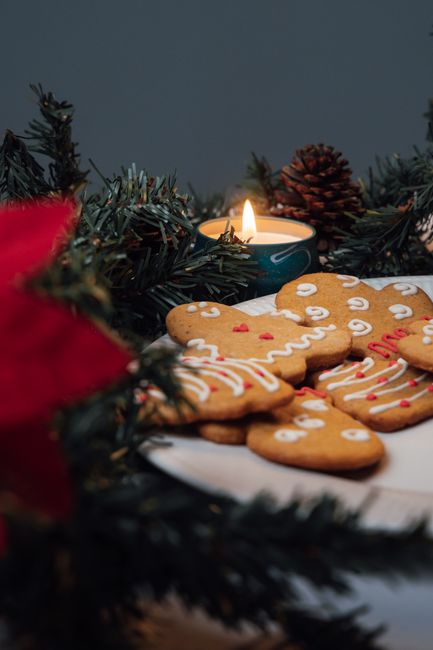
Decorating old fashioned gingerbread, while not as elaborate as some modern styles, still offers opportunities for personalization and enhancement. Simple royal icing can be used to outline shapes or create basic patterns. A dusting of powdered sugar is a classic and understated finish. For a more rustic appeal, a light glaze made from powdered sugar and milk or lemon juice can be brushed over the warm cookies. Some bakers choose to press whole cloves or pieces of candied ginger into the tops of the cookies before baking for both visual appeal and an extra flavor boost. The true decoration of old fashioned gingerbread, however, often comes from its inherent beauty – the rich, dark color, the irregular edges that speak of homemade charm, and the promise of its comforting flavor. The focus remains on the quality of the bake and the depth of flavor rather than elaborate adornment.
The enduring popularity of old fashioned gingerbread speaks volumes about our collective desire for comfort, tradition, and authentic flavors. In a world of constant culinary innovation, the appeal of a well-made classic remains strong. Its ability to evoke memories, to bring people together, and to offer a moment of simple, unadulterated pleasure is unparalleled. Whether enjoyed during the festive holiday season or as a comforting treat any time of year, old fashioned gingerbread continues to hold a special place in kitchens and hearts around the world. Its robust flavor, satisfying chew, and rich history make it a timeless testament to the power of simple, well-crafted baking. This is not just a cookie; it’s a sensory experience, a warm embrace, and a delicious piece of edible history.


