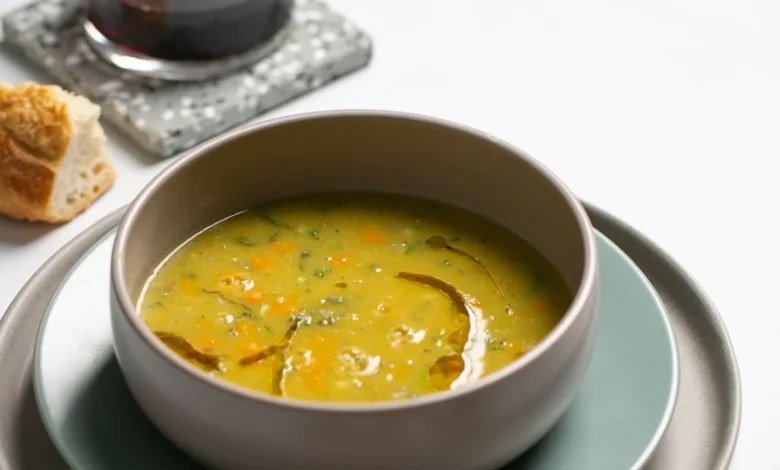
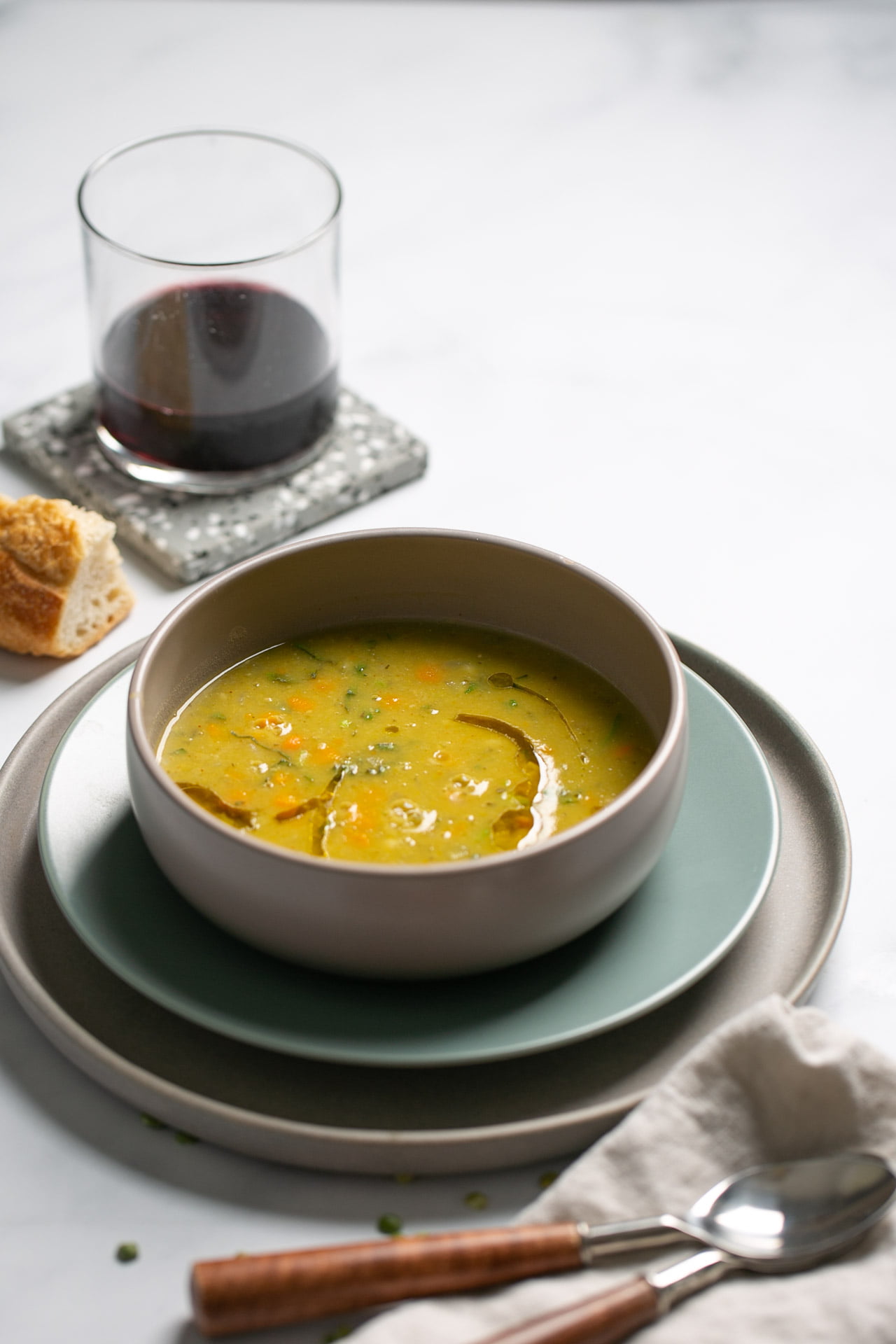
This deeply comforting split pea soup, a cherished family recipe passed down through generations, offers a delightful blend of tradition and adaptability. Renowned for its thick, velvety texture and ability to satisfy, this dish emerges from the kitchen in under an hour, making it an ideal choice for busy weeknights or cozy weekends. While the foundational recipe is entirely plant-based, it graciously accommodates those seeking a more traditional, meat-infused experience, with clear guidance provided for incorporating ingredients like bacon, ham, or chorizo. This versatile soup consistently ranks among the household’s most beloved dishes, often competing for affection with other comforting favorites such as creamy broccoli soup, classic noodle soup, and hearty lentil soup.
Understanding the Star Ingredient: Split Peas
Split peas, also known in various Spanish-speaking regions as "guisantes partidos" or "arvejas partidas," are essentially dried green peas that have been dehydrated and split in half. A significant advantage of using split peas is their inherent ability to cook down and thicken without the need for pre-soaking, a common requirement for other dried legumes. This natural characteristic contributes to the soup’s characteristic dense and almost creamy consistency. Readily available in the grains and legumes aisle of most supermarkets, split peas are an accessible pantry staple for creating this nourishing meal.
Nutritional Powerhouse: The Benefits of Split Peas
Beyond their culinary appeal, split peas stand out as one of the most nutrient-dense legumes. They are an exceptional source of both protein and dietary fiber, contributing to sustained energy levels and promoting digestive health. Furthermore, split peas play a role in maintaining stable blood sugar levels. They also provide essential micronutrients, including iron, magnesium, and folic acid, which are particularly vital for pregnant individuals and growing children, supporting healthy development and overall well-being.
A Foundation of Flavor: Key Ingredients for Split Pea Soup
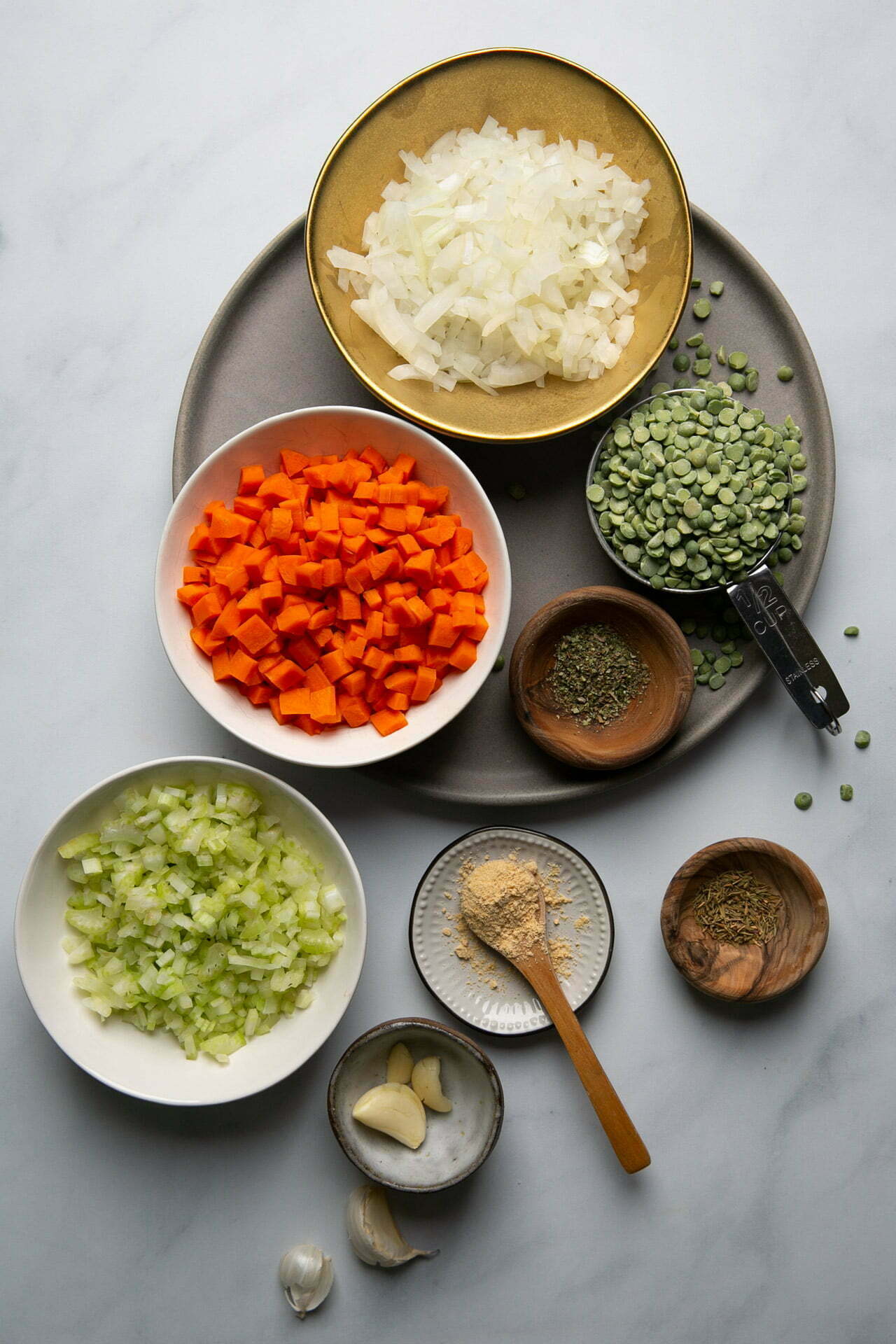
The creation of this beloved split pea soup relies on a carefully selected ensemble of ingredients, each contributing to its robust flavor profile. At its core, the soup features:
- Split Peas: The indispensable ingredient, providing the soup’s signature texture and nutritional base.
- Aromatic Vegetables: A mirepoix of finely diced carrots, celery, and onions forms the flavor foundation, releasing their natural sweetness and depth as they cook.
- Garlic: Minced garlic adds a pungent warmth that complements the earthiness of the peas.
- Broth or Water: Vegetable broth is recommended for a richer, more complex flavor, though water can be used as a lighter alternative.
- Herbs and Spices: Bay leaves, thyme, and other savory herbs infuse the soup with aromatic notes, while salt and freshly ground black pepper are used to enhance the overall taste.
- Olive Oil: Used to sauté the aromatic vegetables, it adds a subtle richness and helps to meld the flavors.
Culinary Tip: The Art of Substituting Fresh Herbs with Dried
A common culinary query revolves around the substitution of fresh herbs with their dried counterparts. The general rule of thumb for most dried herbs, including thyme, marjoram, and oregano, is a 1:3 ratio: for every tablespoon of fresh herb, use one teaspoon of dried herb. This is because dried herbs possess a more concentrated flavor profile due to the removal of moisture. This simple conversion allows for flexibility in the kitchen, ensuring that the soup’s aromatic qualities can be achieved regardless of herb availability.
Crafting the Comfort: Step-by-Step Preparation
The process of creating this split pea soup is designed for efficiency and ease, culminating in a deeply satisfying meal. The typical preparation involves:
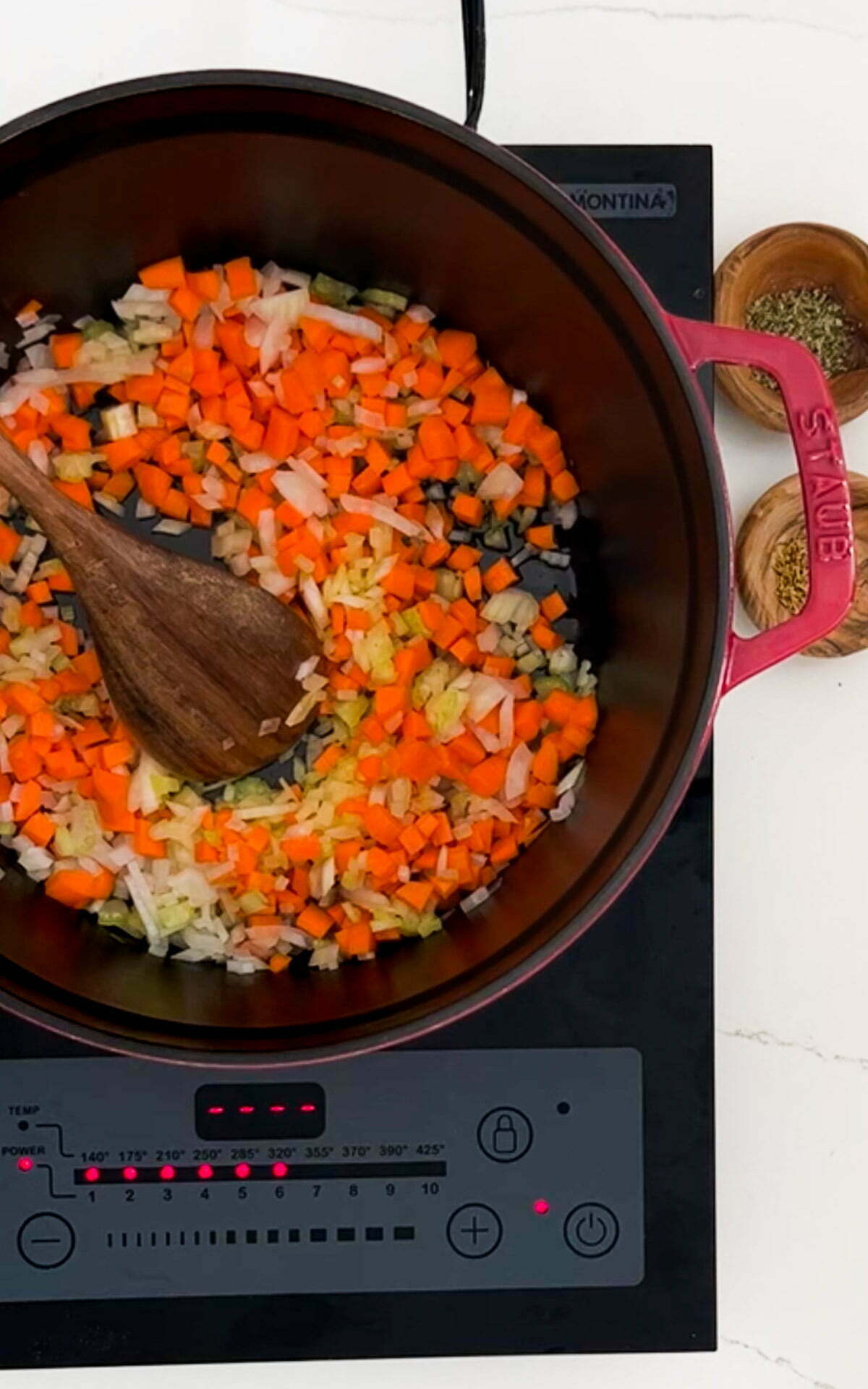
- Sautéing Aromatics: Begin by heating olive oil in a large pot or Dutch oven over medium heat. Add the diced carrots, celery, and onion, cooking until softened and translucent, approximately 5-7 minutes. Stir in the minced garlic and cook for an additional minute until fragrant.
- Adding Legumes and Liquid: Rinse the split peas thoroughly under cold water and add them to the pot along with the broth or water.
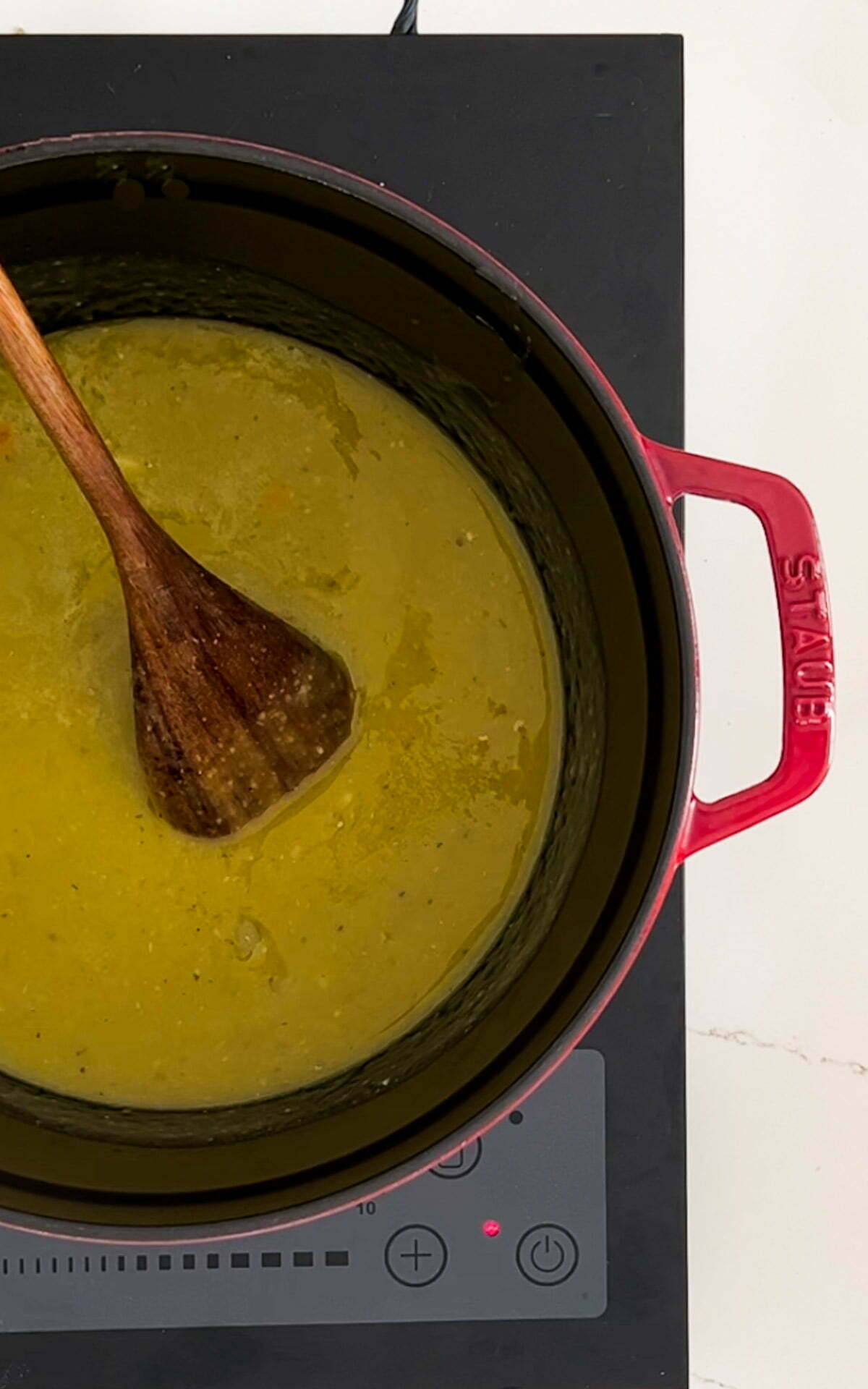
- Simmering to Perfection: Bring the mixture to a boil, then reduce the heat to low, cover, and simmer. The cooking time can vary, but typically ranges from 20 to 30 minutes, or until the split peas are tender and have begun to break down, naturally thickening the soup. Stir occasionally to prevent sticking.
- Seasoning and Finishing: Once the peas have reached the desired consistency, remove the bay leaves. Season generously with salt and freshly ground black pepper to taste. For an extra touch of freshness, a drizzle of olive oil and a sprinkle of fresh parsley can be added just before serving.
Adapting the Recipe: Flexitarian Options
While the vegetarian base of this split pea soup is exceptionally flavorful, the recipe thoughtfully provides options for those who prefer a meatier profile.
- Bacon or Pancetta: For a classic, smoky depth, crisp strips of bacon or pancetta can be cooked in the pot first. The rendered fat can then be used to sauté the vegetables, infusing them with a rich, savory essence. The cooked bacon can be crumbled and used as a garnish.
- Ham: Diced ham, whether from a leftover holiday roast or purchased pre-cubed, can be added to the soup along with the split peas. It will simmer and soften, lending its distinctive flavor to the broth.
- Chorizo: For a spicier, more robust variation, crumbled chorizo can be browned in the pot before adding the vegetables. The flavorful oils from the chorizo will enhance the soup’s overall character.
Streamlining the Process: Crockpot and Instant Pot Instructions
Recognizing the diverse cooking methods employed in modern kitchens, this recipe has been adapted for both slow cookers and electric pressure cookers.

- Crockpot (Slow Cooker): Sauté the aromatic vegetables and garlic on the stovetop as per the standard instructions. Transfer the sautéed vegetables, rinsed split peas, broth or water, and any desired meat to the slow cooker. Cook on low for 6-8 hours or on high for 3-4 hours, until the peas are tender and the soup is thickened.
- Instant Pot (Electric Pressure Cooker): Utilize the sauté function to soften the aromatic vegetables and garlic. Add the rinsed split peas, broth or water, and any meat. Secure the lid, set the valve to sealing, and cook on high pressure for 10-12 minutes. Allow for a natural pressure release of 10 minutes before performing a quick release. Stir well and season.
Tips and Variations for Culinary Exploration
To further enhance the split pea soup experience, consider these helpful tips and creative variations:
- Smoked Paprika: A pinch of smoked paprika can add a subtle smokiness and a beautiful reddish hue to the soup, even in its vegetarian form.
- Lemon Zest: A touch of lemon zest stirred in at the end of cooking can brighten the flavors and add a refreshing counterpoint to the richness of the soup.
- Creamy Texture Enhancement: For an even creamier consistency, a portion of the cooked soup can be blended using an immersion blender or transferred to a standard blender (being careful with hot liquids) and then returned to the pot.
- Spice it Up: For those who enjoy a bit of heat, a pinch of red pepper flakes or a dash of hot sauce can be added during the simmering process.
- Garnish Ideas: Beyond parsley, consider garnishes such as a dollop of vegan sour cream or yogurt, toasted croutons, or a sprinkle of crispy fried onions for added texture and flavor.
Preserving the Goodness: Storage and Freezing
The hearty nature of split pea soup makes it an excellent candidate for make-ahead meals and long-term storage.
- Refrigeration: Store cooled soup in an airtight container in the refrigerator for up to 4 days. It’s important to note that split pea soup tends to thicken considerably as it cools. When reheating, gently warm the soup over low heat, adding a splash of water or vegetable broth as needed to achieve your desired consistency.
- Freezing: Allow the soup to cool completely before transferring it to freezer-safe containers. Leave some headspace, as liquids expand when frozen. Frozen split pea soup will maintain its quality for up to 3 months. To thaw, transfer the container to the refrigerator overnight or reheat directly from frozen over low heat, stirring frequently.
Addressing Common Questions: A Comprehensive FAQ
Do split peas require soaking?
No, unlike many other dried legumes, split peas do not require pre-soaking. They cook down and thicken the soup naturally when simmered.
Why is my split pea soup too thin?
This usually indicates insufficient cooking time or too much liquid. Continue simmering uncovered for an additional 10-15 minutes to allow the soup to reduce and thicken. If the peas haven’t fully broken down, extend the cooking time until they are very tender.
Can this soup be made without oil?
Yes, the oil can be omitted. Sauté the vegetables in a small amount of vegetable broth instead. The flavor will be slightly different but still delicious.
Are split peas and fresh peas the same?
No, split peas are dried, halved green peas, offering a distinct texture and cooking behavior compared to fresh or frozen peas. They are specifically suited for creating thick, hearty soups and cannot be directly substituted in this recipe.
Can I make this soup with bacon or ham?
Absolutely. For a bacon version, cook the bacon first and use the rendered fat to sauté the vegetables. For ham, add diced ham along with the split peas during the simmering process. Detailed instructions for these variations are provided in the "Flexitarian Options" section of the article.
This enduring recipe for split pea soup continues to be a testament to the power of simple, wholesome ingredients transformed into a dish that nourishes both body and soul, adapting seamlessly to various dietary preferences and modern cooking techniques.