Leftover Rice Arroz con Leche: A Quick and Innovative Take on Traditional Dominican Rice Pudding

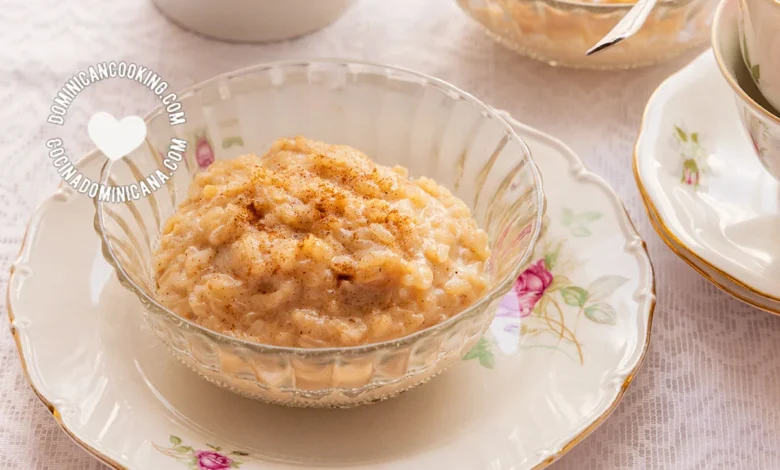
In the culinary traditions of the Dominican Republic, rice is rarely viewed as a mere side dish; it is a cultural anchor, a daily staple, and frequently, a bridge to resourceful household management. A prominent example of this culinary pragmatism is the adaptation of traditional arroz con leche (rice pudding) using leftover white rice (arroz blanco). Championed by home cooks and culinary preservationists like Clara Gonzalez, popularly known as Tía Clara, this method transforms everyday kitchen surpluses into a celebrated dessert, blending cultural heritage with modern efficiency.
Main Facts and the Culinary Evolution of Arroz con Leche
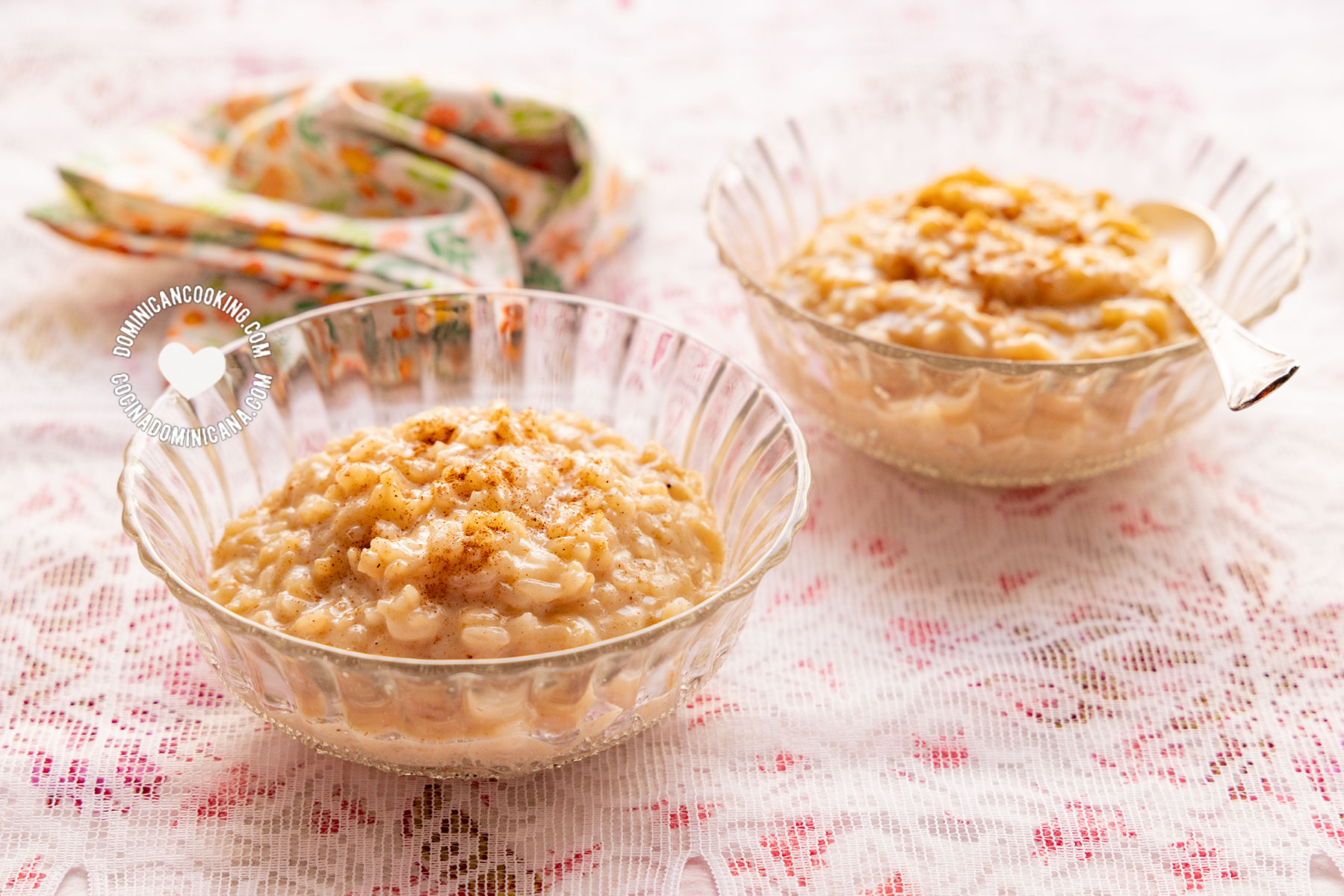
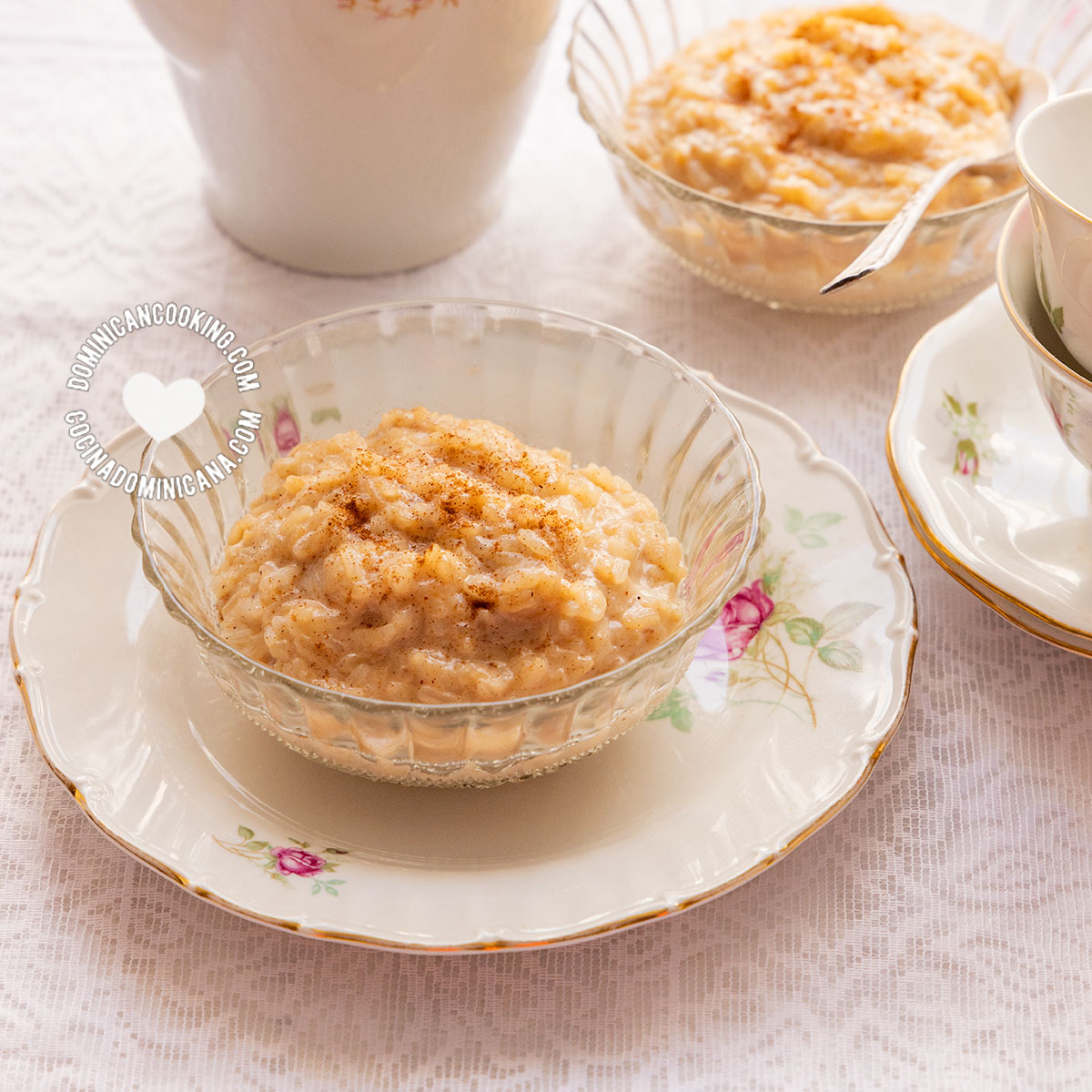
Traditional arroz con leche is a beloved dessert deeply embedded in Latin American and Caribbean gastronomy. Classically, the dish requires raw rice to be simmered slowly in milk—often infused with cinnamon, citrus peel, and sugar—allowing the grains to release their starches gradually to achieve a thick, creamy consistency. This traditional preparation, while undeniably rich and flavorful, demands considerable time and sustained attention at the stove, often taking upwards of an hour of continuous stirring.
The adaptation utilizing leftover cooked rice streamlines this process without sacrificing the core sensory experience of the dessert. By starting with pre-cooked grains, home cooks bypass the lengthy initial softening phase. Culinary experts note that incorporating ground spices instead of whole sticks allows the flavors to permeate the mixture more rapidly, resulting in a slightly deeper hue and a robust aromatic profile. Furthermore, the strategic use of condensed milk accelerates the thickening process while imparting the necessary sweetness and dairy richness, reducing overall preparation and cooking timelines significantly.
Chronology and Kitchen Tradition

The practice of recycling leftover arroz blanco into sweets is rooted in generations of Caribbean household management. Historically, kitchens across the Dominican Republic operated under strict principles of zero food waste, where surplus grains from lunch—the main meal of the day—were routinely repurposed for evening meals or the following day’s breakfast and dessert courses.
In the timeline of a typical Dominican household, the production of leftover-rice arroz con leche generally unfolds in a compressed window compared to its traditional counterpart.
Preparation Phase (Day Prior to or Hours Before): A standard batch of arroz blanco is prepared and served with lunch or dinner. Any remaining portion—typically measuring slightly more than a cup to yield four servings—is stored properly.
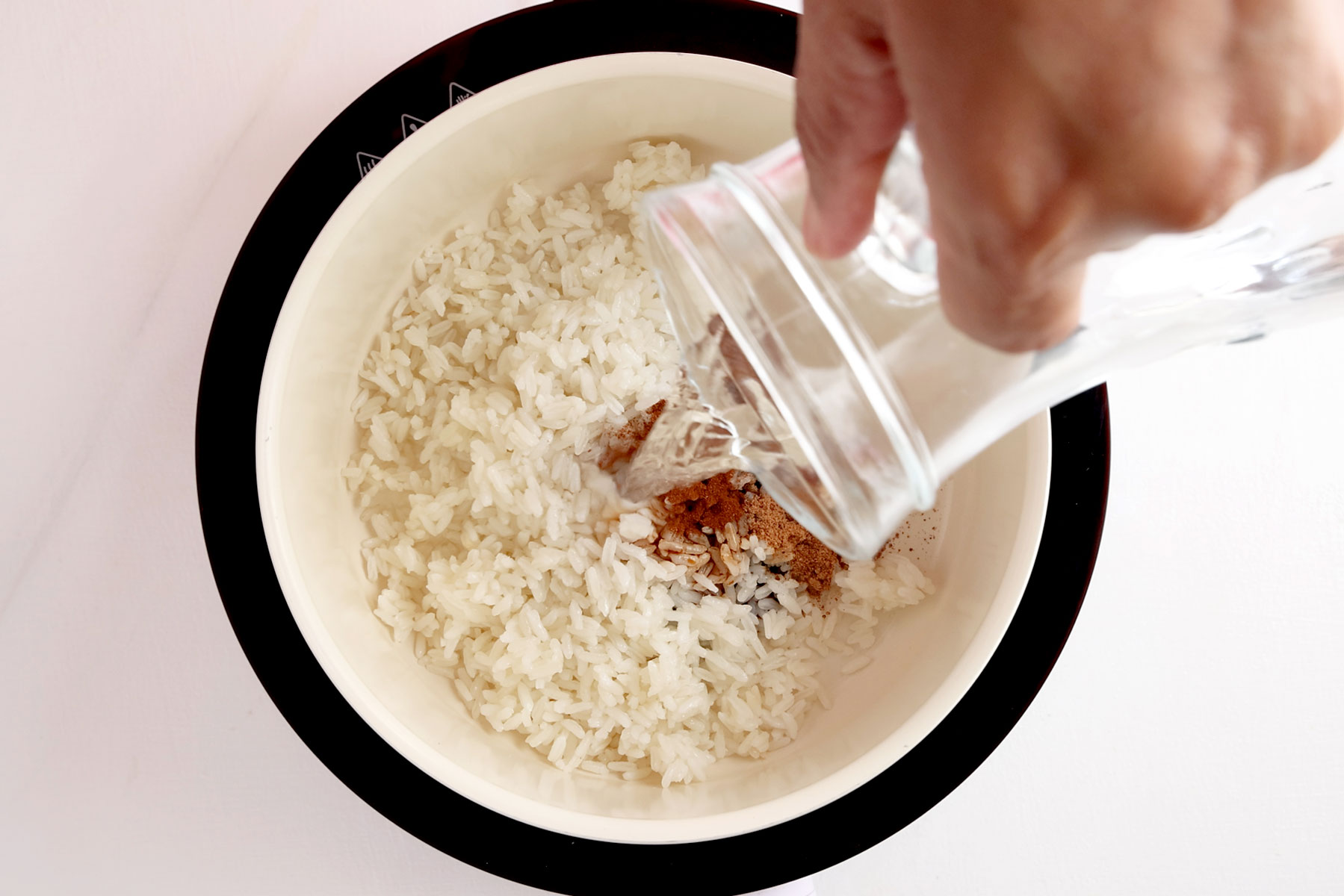
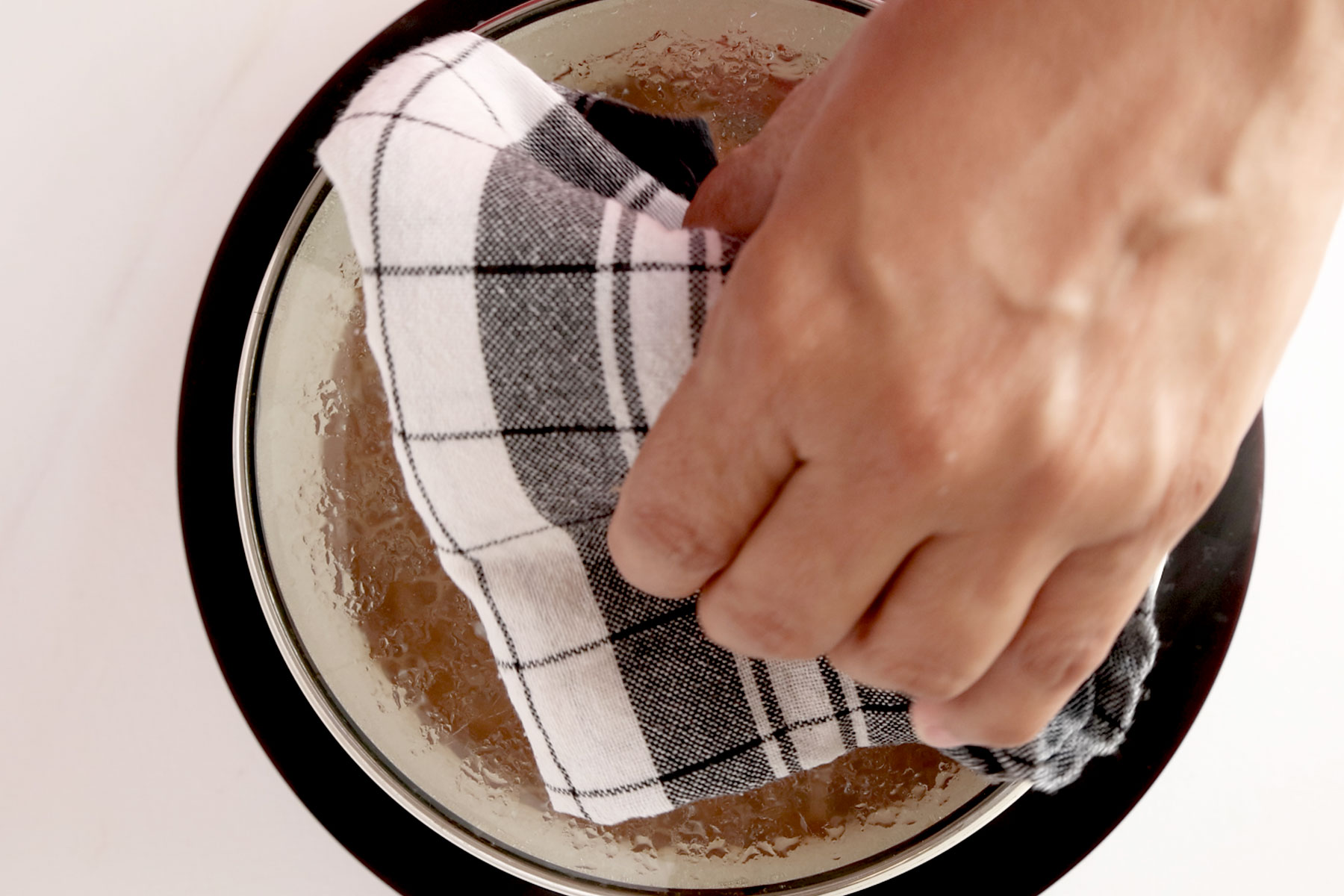
Active Cooking Phase (Approximately 45 Minutes): The leftover rice is combined in a saucepan with aromatic liquids, spices, and dairy components such as condensed milk. Unlike raw rice pudding, which requires vigilant stirring from the outset to prevent burning, the pre-cooked rice acts as an already-softened base, requiring primarily a gentle simmer to meld the ingredients.
Finishing and Service (Immediate or Chilled): The resulting dessert can be served warm shortly after preparation or chilled in refrigeration depending on personal preference. Total active preparation and cooking time is routinely halved compared to classical methods, rendering the dessert accessible even on weeknights.
Supporting Data and Nutritional Profile
While celebrated for its convenience and rich flavor, the adapted recipe carries a substantial nutritional profile typical of dairy- and sugar-heavy desserts. According to standardized culinary analyses for a four-serving yield based on Gonzalez’s formulation, a single serving of leftover-rice arroz con leche provides approximately 708 kilocalories.
The macronutrient breakdown indicates a carbohydrate content of 116 grams, driven primarily by the rice base and the concentrated sugars in the condensed milk. Protein stands at 16 grams, while total fat is recorded at 20 grams, including 12 grams of saturated fat. Additional nutritional metrics per serving include 70 milligrams of cholesterol, 841 milligrams of sodium, 3 minutes of dietary fiber yielding 3 grams, and significant mineral contributions such as 555 milligrams of calcium and 724 milligrams of potassium. Nutritionists advise that while the dish offers high caloric density and calcium content derived from milk products, consumers with dietary restrictions regarding sugar or sodium intake should exercise portion moderation.
Broader Impact and Culinary Implications
The endurance and adaptation of traditional recipes using modern shortcuts reflect broader shifts in contemporary home cooking. As urban lifestyles demand quicker meal preparation solutions, culinary historians observe a growing trend toward "smart comfort food"—dishes that retain traditional flavors and emotional resonance while accommodating tighter schedules.
Moreover, recipes utilizing leftover rice highlight the continued relevance of sustainable kitchen practices. In the context of global food waste reduction initiatives, traditional methods of repurposing staple grains serve as valuable educational tools for modern households. In Dominican cuisine, surplus arroz blanco is foundational not only to desserts like arroz con leche but also to savory mainstays such as chofán (Dominican-style fried rice), arroz amarillo, and ensalada de arroz (rice salad).
Through these versatile applications, staple ingredients remain dynamic components of the cultural menu. By bridging the gap between historical culinary heritage and modern domestic efficiency, innovations like Tía Clara’s leftover-rice arroz con leche ensure that traditional flavors continue to thrive in fast-paced modern kitchens.