The Evolution of Food-Centric Media in the 21st Century
Over the past decade, the genre of food documentary has shifted from culinary exploration toward systemic critique. Early entries in the field often focused on the aesthetics of cooking or the travelogues of celebrity chefs. However, the contemporary era is defined by a rigorous investigation into the mechanics of the global food supply chain. This shift is driven by increasing public skepticism regarding industrial food manufacturing and a growing demand for transparency. The Sustainable Food Trust (SFT) and other advocacy groups have identified a specific group of films and series that are expected to define the discourse throughout the current year, highlighting the urgent need for a return to "real food" and regenerative agricultural practices.
Confronting the Ultra-Processed Era: What Not to Eat
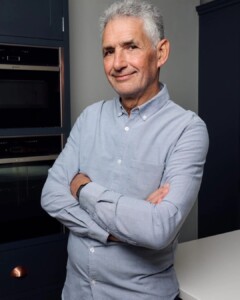
A central pillar of this new media movement is the Channel 4 series What Not to Eat, directed by Mickey Bishop. The program features Dr. Tim Spector, a professor of genetic epidemiology at King’s College London and co-founder of the ZOE health study, alongside GP Dr. Kandi Ejiofor. The series addresses the pervasive nature of Ultra-Processed Foods (UPFs) in the British diet. Recent data from the British Medical Journal suggests that UPFs now account for more than 50% of the average energy intake in the UK, a statistic that correlates closely with rising rates of obesity, Type 2 diabetes, and cardiovascular disease.
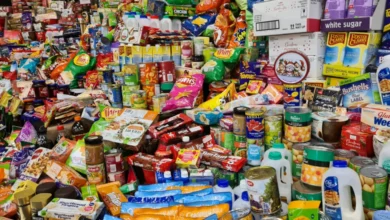
The narrative structure of What Not to Eat utilizes a "shock therapy" approach, visualising the sheer volume of processed goods consumed by average families. By filling bathtubs with instant noodles and buckets with carbonated soft drinks, the producers provide a visceral representation of nutritional deficits. Dr. Spector’s investigation into the manufacturing process reveals a world where traditional ingredients are replaced by chemical emulsifiers, flavor enhancers, and industrial by-products. This segment of the documentary serves as a factual analysis of the "nutritional void" created when food is engineered for shelf-life and palatability rather than biological sustenance. The series concludes with a focus on habit formation, questioning whether the short-term weight loss and health improvements observed in the participating families can be sustained in an environment dominated by inexpensive, accessible UPFs.
The Commercialization of Nutrition: Decoding the Protein Industry
Complementing the critique of UPFs is the documentary Protein: Everything You Need to Know, directed by Liam Royales and hosted by Gemma Atkinson. This production investigates the "protein-washing" phenomenon, a marketing strategy used to upsell products by highlighting protein content while obscuring high levels of sugar and artificial additives. The global protein supplement market was valued at approximately £20 billion in recent years, driven largely by social media trends and the "wellness" industrial complex.
The documentary features expert testimony from Dr. Yanaina Chavez-Ugalde and Dr. Rupy Aujla, who argue that the public’s hyper-fixation on protein has led to a "fibre gap." While consumers chase protein-enriched breads and snacks—often at a 37% price premium—they frequently neglect the whole-food sources of fibre necessary for gut health and disease prevention. A key revelation in the film is the industrial scale of whey processing, which categorizes many popular protein powders as ultra-processed. By contrasting "dirty sodas" (a mixture of diet cola and protein shakes) with nutrient-dense meals like prawn and lentil curry, the film advocates for "whole-food synergy," suggesting that nutrients should be consumed in their natural contexts rather than as isolated supplements.
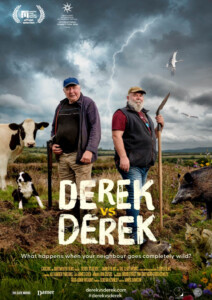
A Clash of Philosophies: The Great Land Use Debate in Derek vs Derek
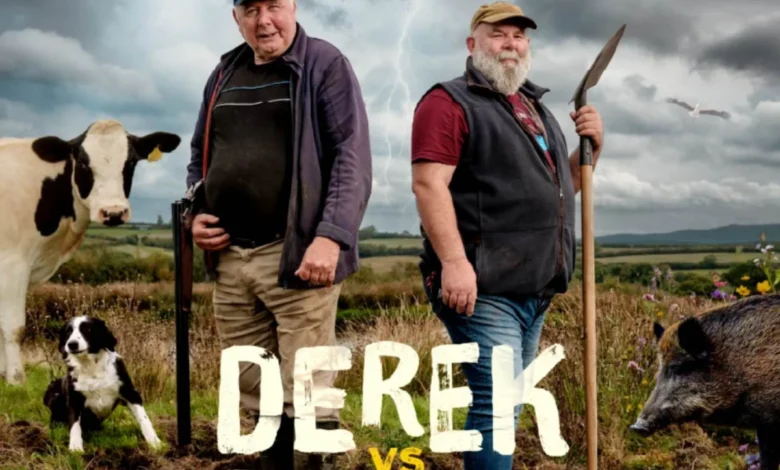
Moving from the plate to the pasture, James Dawson’s Derek vs Derek offers a localized look at the broader global conflict over land management. Set in Devon, the film follows two landowners, Derek Banbury and Derek Gow, who represent diametrically opposed visions for the future of the British countryside. Banbury, an intensive dairy farmer with a multi-generational heritage, views his land as a tool for global food security. His approach is rooted in the post-war agricultural paradigm of maximum efficiency and output.
Conversely, Derek Gow, a former sheep farmer turned rewilding advocate, views the land as a biological system in need of "healing." Gow has become a prominent figure in the UK for his efforts to reintroduce native species, such as water voles and beavers, to the landscape. This film serves as an entry point into the "Land Sharing vs. Land Sparing" debate. Data from the UK’s State of Nature report indicates a 19% decline in average species abundance since 1970, providing the scientific backdrop for Gow’s urgency. The documentary does not seek to vilify either party but rather to highlight the passion and conviction inherent in the struggle to define "correct" land use in an era of ecological collapse.
The Royal Vision: Decades of Advocacy in Finding Harmony
The documentary Finding Harmony: A King’s Vision, directed by Nicolas Brown, provides historical context to the sustainable food movement through the lens of King Charles III’s lifelong environmentalism. Long before organic farming entered the mainstream, the then-Prince of Wales established Highgrove House as a flagship for organic and regenerative practices. The film chronicles the initial media hostility toward these "radical" ideas and the eventual success of Duchy Originals, which demonstrated that sustainable agriculture could be financially viable while supporting charitable causes.
The "Harmony Principles," as outlined in the film, emphasize the interconnection between the natural world and human society. Patrick Holden, CEO of the Sustainable Food Trust, provides commentary on the King’s role in convening global leaders, including his instrumental work ahead of the 1991 Earth Summit. The documentary frames the King’s vision not as a return to the past, but as a blueprint for a future where humanity lives as "part of nature, not apart from nature." This perspective is increasingly reflected in international policy, such as the COP28 UAE Declaration on Sustainable Agriculture, Resilient Food Systems, and Climate Action.
The Economic Fragility of Regenerative Agriculture: Lessons from Flourish
While documentaries like Finding Harmony offer a high-level vision, Christopher Baker’s Flourish provides a grounded, often sobering look at the operational realities of small-scale sustainable farming. The film follows Calixta Killander, a Nuffield Scholar and founder of Flourish Produce in Cambridgeshire. Despite winning prestigious awards, such as the BBC Best Food Producer 2025, the farm faces significant financial hurdles.
The documentary is notable for its transparency regarding the "profitability gap" in regenerative farming. Killander’s admission that the farm would not be profitable in the current year, leading to staff redundancies, highlights a critical systemic issue: the lack of economic infrastructure to support small-scale producers who prioritize soil health and biodiversity over industrial volume. Flourish serves as a case study for the "learning by doing" ethos of the regenerative movement, illustrating that while these farms are essential for local food security and ecological restoration, they operate within a market designed for industrial consolidation.

Analysis of Broader Implications and Future Trends
The collective impact of these films suggests a growing cultural consensus that the current food system is untenable. The recurring themes across these productions—transparency, the dangers of ultra-processing, and the necessity of ecological restoration—point toward a shift in consumer consciousness that will likely influence future legislation.
From a policy perspective, the evidence presented in What Not to Eat and Protein supports calls for stricter labeling laws and potential taxes on ultra-processed products, similar to the UK’s Soft Drinks Industry Levy. Meanwhile, the narratives in Derek vs Derek and Flourish underscore the need for agricultural subsidies that reward "public goods," such as carbon sequestration and habitat creation, rather than just acreage or production volume.
As these documentaries reach wider audiences via platforms like Channel 4 and Amazon Prime, they are expected to catalyze a broader public debate. The "wake-up call" delivered by these films is clear: the health of the individual is inextricably linked to the health of the soil. By interrogating what we eat, how it is marketed, and how it is grown, these visual stories provide the necessary framework for a transition toward a more resilient and harmonious global food system. The success of this transition will depend not only on the awareness raised by such media but on the willingness of governments and industries to act upon the evidence they present.
Related posts: