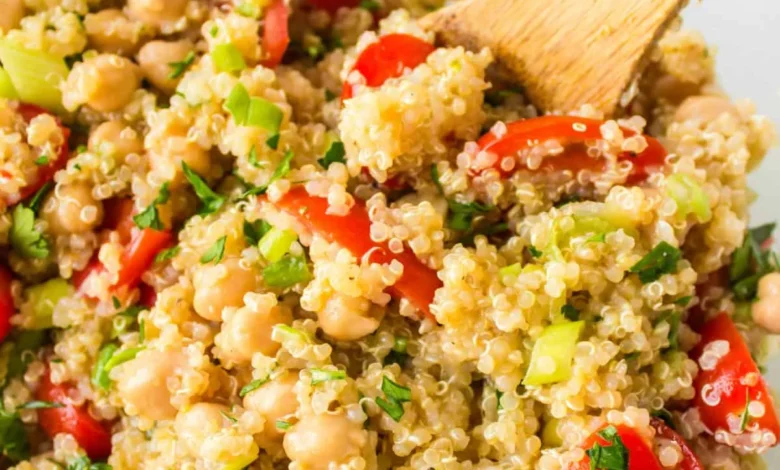
The rise of nutrient-dense, plant-based meal options has transformed contemporary culinary habits, positioning the quinoa salad as a cornerstone of modern dietary preparation. This specific formulation, featuring a harmonious blend of chickpeas, fresh tomatoes, and a zesty citrus-based dressing, exemplifies the shift toward functional foods that prioritize both satiety and nutritional density. As consumers increasingly seek "complete protein" sources that do not rely on animal products, the combination of quinoa and legumes has moved from niche health food circles into the mainstream of global food culture.
The Nutritional Architecture of Quinoa and Chickpeas
To understand the significance of this dish, one must analyze its primary components through a biochemical lens. Quinoa (Chenopodium quinoa) is technically a pseudo-cereal, a seed that is prepared and consumed like a grain. Unlike traditional grains such as wheat or rice, quinoa is recognized by the Food and Agriculture Organization (FAO) of the United Nations as a "complete protein." This designation means it contains all nine essential amino acids that the human body cannot synthesize on its own. For individuals following vegetarian or vegan diets, this makes quinoa an invaluable tool for muscle repair and metabolic function.
The inclusion of chickpeas (Cicer arietinum) further enhances the protein profile of the salad. Chickpeas provide a significant amount of dietary fiber—roughly 12.5 grams per cup—which facilitates digestive health and regulates blood sugar levels. When combined with the complex carbohydrates found in quinoa, the resulting dish offers a low-glycemic index meal that provides sustained energy release, preventing the insulin spikes associated with refined carbohydrate consumption.
Chronology of Preparation and Culinary Methodology
The production of a high-quality quinoa salad requires adherence to specific culinary protocols to ensure optimal texture and flavor absorption. The process is divided into three distinct phases: grain preparation, vegetable integration, and the emulsification of the dressing.
-
Phase One: Quinoa Preparation (15–20 Minutes)
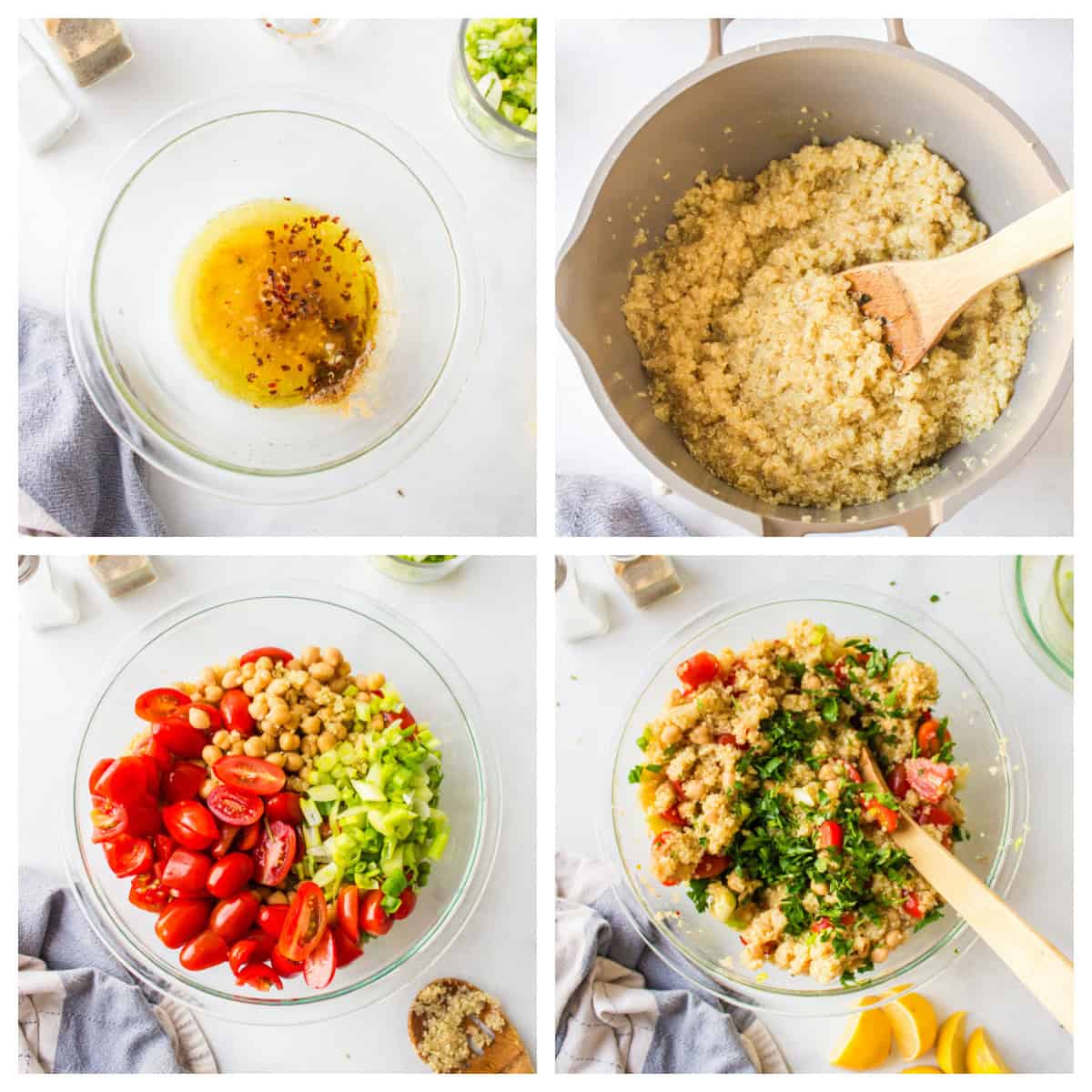
The process begins with the thorough rinsing of the quinoa. This step is critical to remove saponins—naturally occurring compounds on the seed’s coating that can impart a bitter or "soapy" flavor. Once cleaned, the quinoa is simmered in a 2:1 ratio of liquid to grain. For this specific recipe, the cooking time typically spans 15 minutes, followed by a resting period. This rest allows the remaining steam to be absorbed, resulting in a "fluffy" texture rather than a mushy consistency.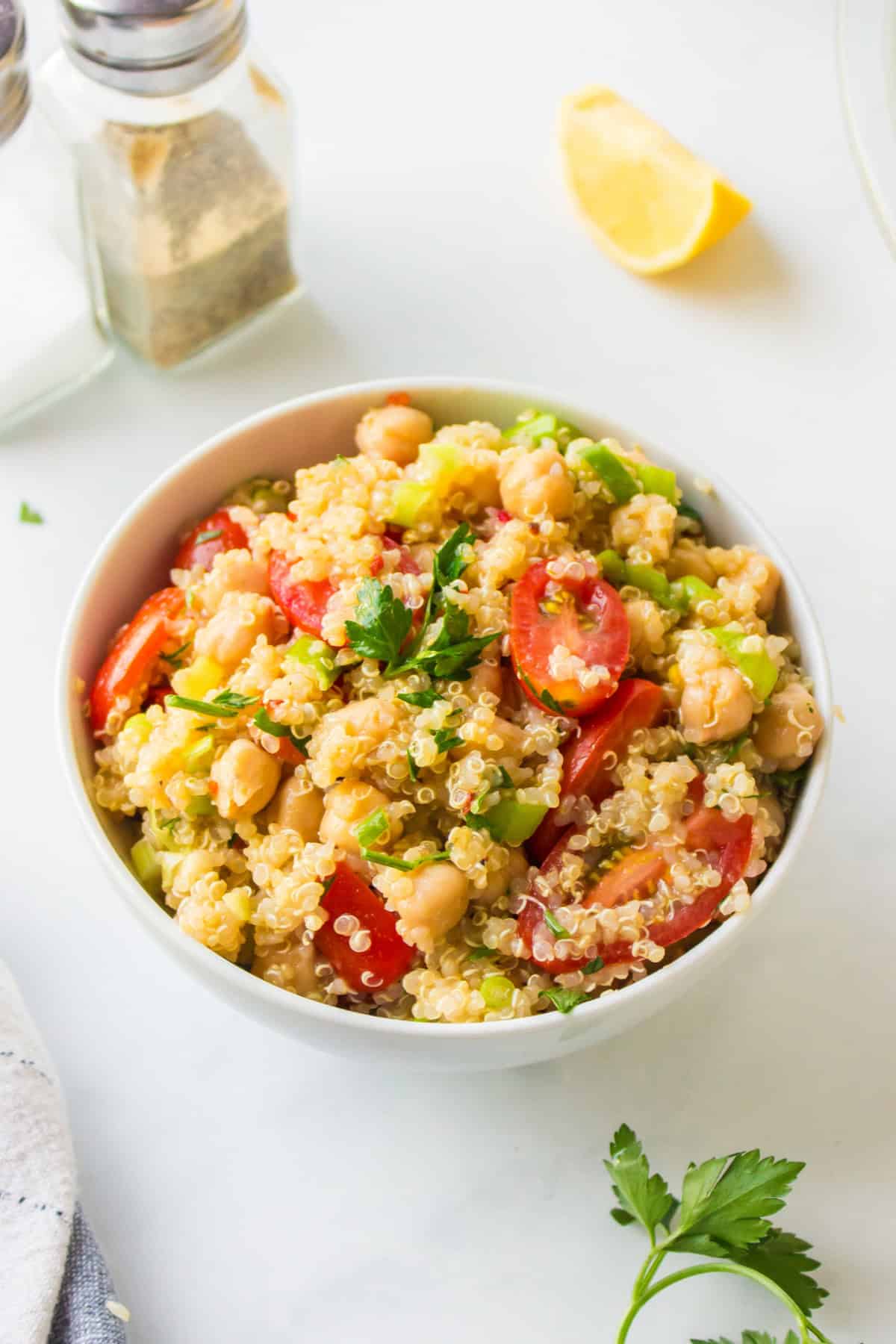
-
Phase Two: Component Integration
While the quinoa cools, the secondary ingredients are prepared. The chickpeas are drained and rinsed, and the tomatoes are diced. The cooling of the quinoa is a vital chronological step; if the dressing and fresh vegetables are added while the grain is still hot, the tomatoes may soften excessively, and the volatile oils in the dressing may lose their aromatic potency. -
Phase Three: The Emulsification of the Lemon Dressing
The dressing serves as the chemical bridge between the earthy quinoa and the fresh vegetables. By whisking together lemon juice, red wine vinegar, olive oil, cumin, and red pepper flakes, an emulsion is created. The acidity of the lemon and vinegar serves to "brighten" the flavor profile, while the cumin provides an earthy depth that complements the nuttiness of the quinoa.
Supporting Data and Nutritional Analysis
Quantitative data provided for this recipe indicates a robust nutritional profile per serving. Based on a standard yield of six servings, the dish contains approximately 321 calories. The macronutrient breakdown is as follows:
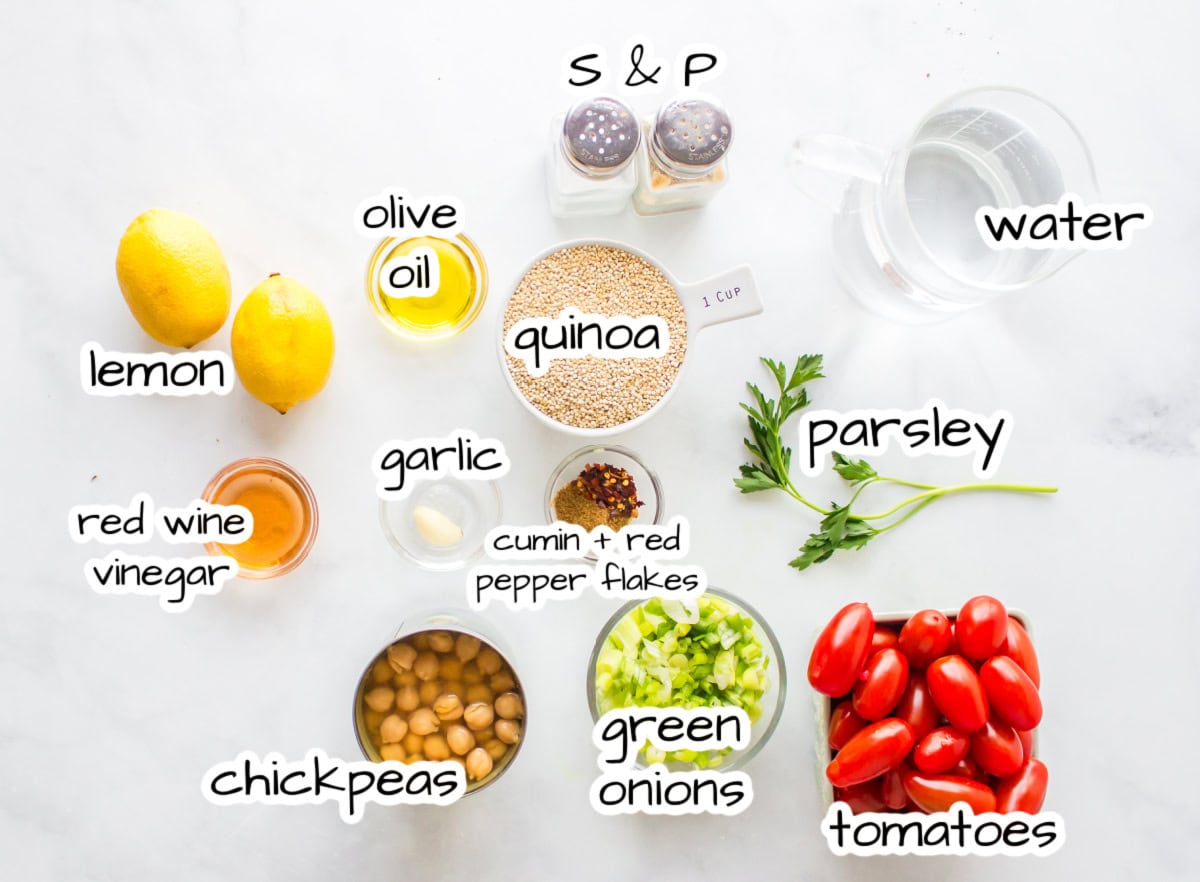
- Total Carbohydrates: 43g (including 9g of dietary fiber)
- Protein: 11g
- Total Fat: 13g (with a focus on monounsaturated and polyunsaturated fats from olive oil)
- Micronutrients: The dish is a significant source of Vitamin C (32mg) and Vitamin A (461 IU), largely contributed by the fresh tomatoes and lemon juice. It also provides essential minerals, including 4mg of iron and 73mg of calcium.
From a public health perspective, the high fiber-to-calorie ratio makes this salad an effective tool for weight management and cardiovascular health. Clinical studies have consistently shown that diets high in legumes and whole grains are associated with lower levels of LDL cholesterol and reduced risk of Type 2 diabetes.
Historical Context: The Global Ascent of Ancient Grains
The popularity of this quinoa salad is part of a broader historical trend involving the "rediscovery" of ancient grains. Quinoa was a staple of the Inca Empire in the Andean region of South America for over 4,000 years, often referred to as "the mother of all grains." However, it remained largely localized until the late 20th century.
The United Nations declared 2013 as the "International Year of Quinoa," citing the crop’s potential to contribute to global food security due to its ability to grow in harsh climates and its high nutritional value. This global endorsement triggered a massive increase in demand in North America and Europe, leading to the development of recipes like this one, which adapt the ancient seed to modern, Western-style salad formats.
Expert Perspectives and Culinary Adaptability
Dietary experts and professional chefs emphasize the "make-ahead" nature of this dish as its primary logistical advantage. Unlike leafy green salads (such as those based on spinach or romaine), which undergo rapid cellular breakdown and wilting when exposed to acidic dressings, quinoa and chickpeas are structurally resilient.
"The porous nature of quinoa allows it to act as a sponge for the dressing," notes one culinary analyst. "As the salad sits in refrigeration, a process of marination occurs. The flavors of the cumin and red pepper flakes penetrate the grain, leading to a more cohesive flavor profile after 12 to 24 hours."
Furthermore, the recipe’s versatility allows for numerous variations to suit different dietary needs or seasonal availability:
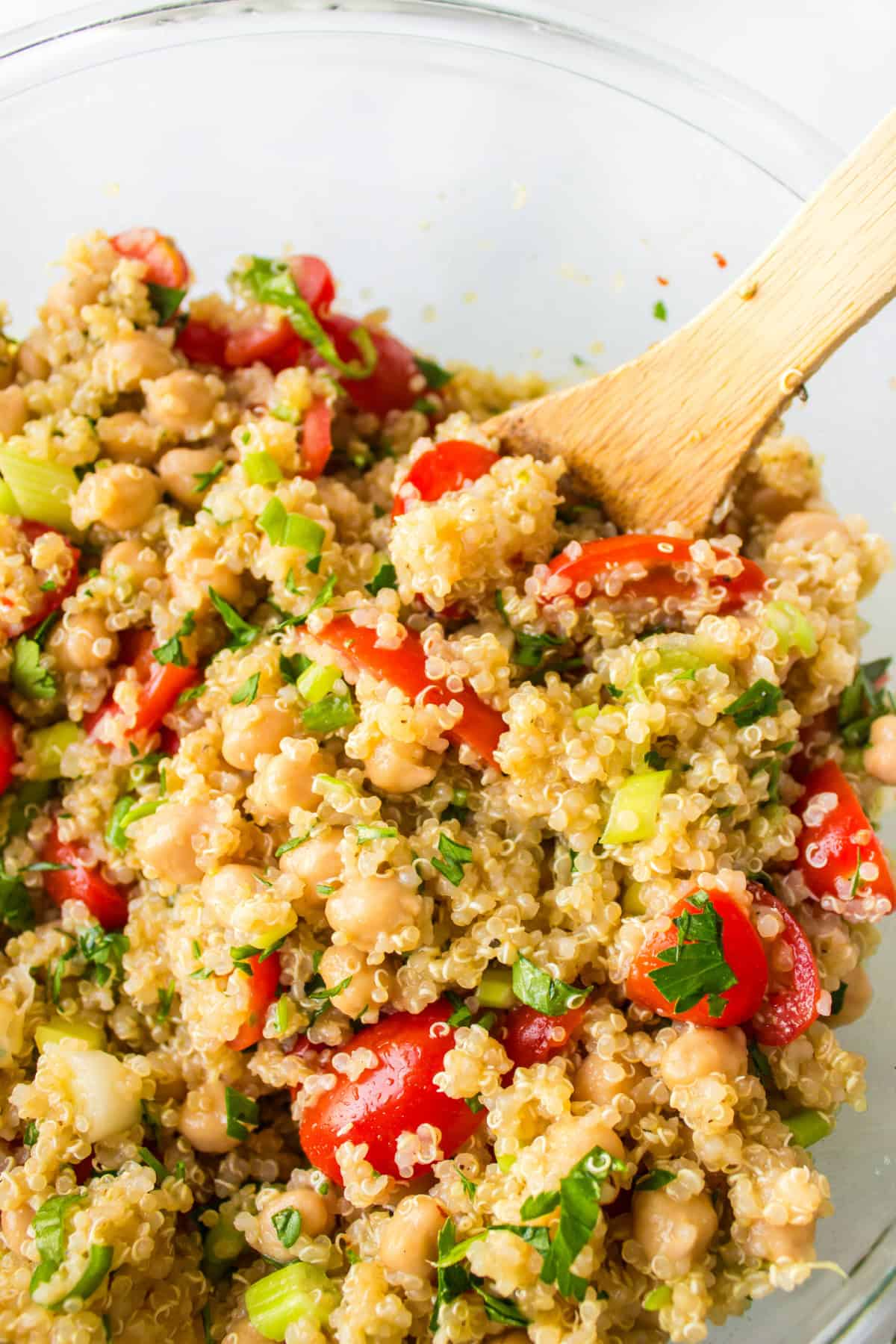
- Added Textures: The inclusion of cucumbers or bell peppers can increase the crunch factor.
- Creamy Elements: Feta cheese or goat cheese can be introduced for those who consume dairy, adding a salty, creamy contrast.
- Healthy Fats: The addition of avocado provides monounsaturated fats and a rich mouthfeel.
- Protein Boosts: For those not strictly adhering to a plant-based diet, grilled chicken or shrimp can be added as a topper.
Broader Impact on Meal Prepping and Food Waste
The rise of "meal prepping" as a cultural phenomenon among urban professionals has significantly boosted the relevance of recipes like the Easy Quinoa Salad. In an economy where time is a scarce commodity, the ability to prepare six servings of a nutritionally complete meal in under 40 minutes is highly valued.
Moreover, this dish contributes to the reduction of household food waste. Because the base is shelf-stable (dry quinoa and canned chickpeas) and the salad remains edible for up to five days in the refrigerator, it is less likely to be discarded than more perishable meal options. The "clean-out-the-fridge" potential of this recipe—where leftover vegetables can be easily integrated into the base—further aligns it with sustainable consumption practices.
Economic and Market Implications
The market for gluten-free and plant-based products continues to expand at a compound annual growth rate (CAGR) of over 9%. Quinoa, being naturally gluten-free, occupies a strategic position in this market. The accessibility of the ingredients—all of which are standard items in modern grocery stores—ensures that the dish remains an affordable option for the average consumer despite its "superfood" status.
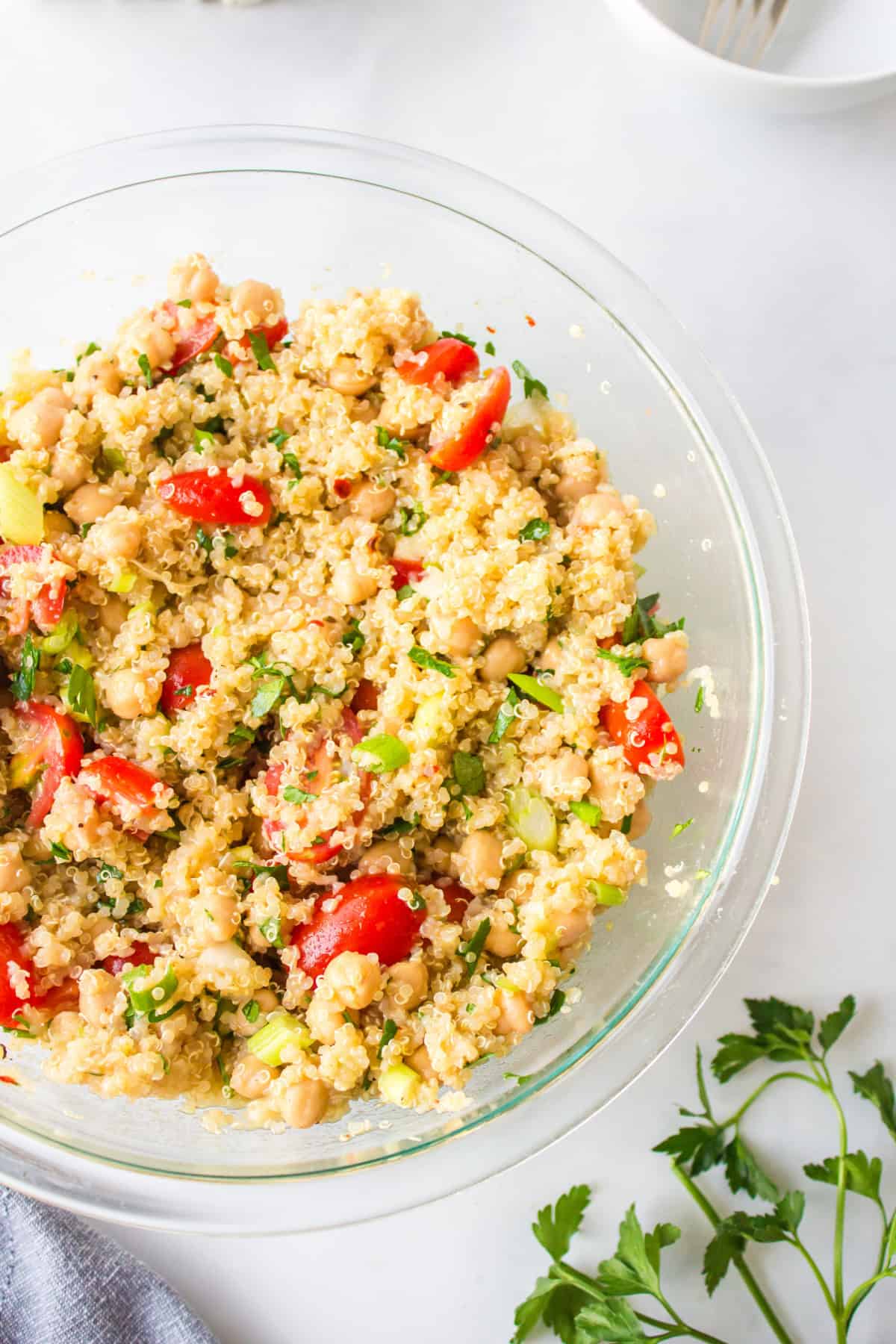
The shift toward these types of meals also reflects a broader change in the restaurant industry. The "grain bowl" segment of the fast-casual dining market has seen explosive growth over the last decade, with brands like Sweetgreen and Cava centering their menus around bases very similar to this quinoa and chickpea salad. This recipe allows home cooks to replicate high-end, healthy dining experiences at a fraction of the cost.
Final Synthesis of the Dish’s Role in Modern Living
The Easy Quinoa Salad with Chickpeas, Tomatoes, and Lemon Dressing represents more than just a simple meal; it is a synthesis of historical agriculture, modern nutritional science, and practical culinary design. By providing a complete protein source that is both shelf-stable and highly adaptable, it addresses the core challenges of the modern diet: the need for efficiency, the desire for health-conscious ingredients, and the demand for vibrant, engaging flavors.
As global food trends continue to move toward plant-forward eating, dishes that utilize the structural integrity of ancient grains and the nutritional power of legumes will likely remain at the forefront of the culinary landscape. This salad, with its bright citrus notes and substantial texture, stands as a definitive example of how traditional ingredients can be reimagined to meet the rigorous demands of 21st-century life.