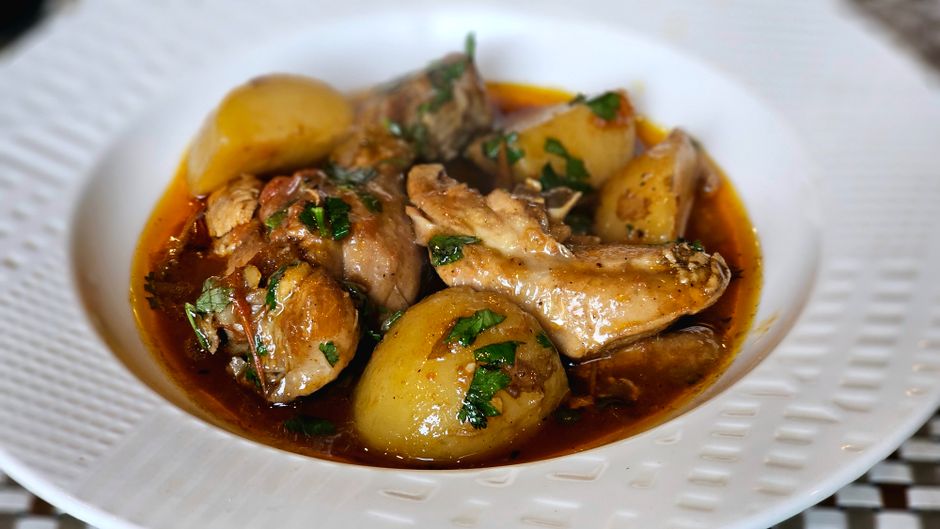
Vegan Paneer Ghee Roast A Culinary Exploration Of Mangalorean Flavors Reimagined 2

Vegan Paneer Ghee Roast: A Culinary Exploration of Mangalorean Flavors Reimagined
The vibrant and complex tapestry of South Indian cuisine is a constant source of inspiration for culinary innovators, and the realm of vegan adaptation is no exception. Among its many treasures, the distinct spice profiles and rich, savory notes of Mangalorean cooking hold a special allure. Traditionally, dishes like Ghee Roast, renowned for their fiery depth and characteristic tang, are built upon a foundation of dairy ghee and paneer, a firm, non-melting Indian cheese. This article embarks on a deep dive into the art of recreating the iconic Mangalorean Paneer Ghee Roast in a wholly vegan iteration, meticulously dissecting the ingredients, techniques, and nuanced flavor profiles that define this revitalized classic. We will explore the critical component of plant-based ghee alternatives, the transformation of paneer through vegan substitutes, and the symphony of spices that evoke the authentic spirit of Mangalore.
The soul of any Ghee Roast lies in its distinctive masala paste, a potent blend of roasted spices and aromatics. For a vegan Paneer Ghee Roast, this foundation remains paramount. The characteristic smoky, nutty undertones are typically achieved through dry roasting red chilies, coriander seeds, fenugreek seeds, and black peppercorns. The heat from the dried red chilies, often a mix of Byadgi and Kashmiri for color and mild heat respectively, is crucial. Fenugreek seeds, while used sparingly due to their inherent bitterness, contribute a subtle depth and a traditional Mangalorean aroma. Coriander seeds provide a citrusy, earthy base, and black peppercorns add a pungent kick. The roasting process must be carefully monitored; over-roasting can lead to burnt flavors, while under-roasting will result in a raw, underdeveloped spice profile. The goal is a fragrant, uniformly toasted blend that releases its oils and aromas when ground.
Beyond the dry spices, the wet components of the masala are equally vital for achieving the signature tang and umami. Tamarind pulp, strained to a smooth consistency, is the cornerstone of the sour element in a traditional Ghee Roast. Its complex tartness is irreplaceable and provides a crucial counterpoint to the richness and spice. For a vegan adaptation, the quality and ripeness of the tamarind are essential. Freshly extracted pulp is always preferred over pre-made concentrates, which can sometimes have a harsher, more artificial taste. The aroma of ginger and garlic is another non-negotiable. A generous quantity of fresh ginger and garlic, finely minced or ground into a paste, forms the aromatic backbone of the dish. This paste, when sautéed, develops a sweet, savory depth that melds beautifully with the spices.
The "ghee" in Ghee Roast, while seemingly straightforward, presents the primary challenge in veganizing this dish. Traditional ghee, clarified butter, imparts a distinct nutty flavor and a rich mouthfeel due to its high smoke point and unique fat composition. Replicating this requires a multi-pronged approach. A high-quality vegan butter, often made from a blend of plant-based oils like coconut, shea, and sunflower, serves as a good starting point. However, to truly capture the nutty essence of ghee, additional ingredients are needed. Toasting nuts like cashews or almonds until golden brown and then finely grinding them into a paste can introduce a similar richness and subtle nuttiness. Another effective strategy is to incorporate toasted sesame oil, judiciously used, as its toasted flavor profile can subtly echo that of ghee. Some vegan ghee substitutes also incorporate a small amount of nutritional yeast, which can contribute a subtle cheesy, umami note that complements the overall flavor profile. The key is to experiment with different combinations to achieve a balance that mimics the richness and flavor of dairy ghee without overpowering the other spices.
The "paneer" element, too, requires careful consideration. Traditional paneer is a fresh, non-aged cheese, characterized by its firm, crumbly texture that holds its shape when cooked. Vegan paneer substitutes have come a long way, with several excellent options available. Tofu, particularly firm or extra-firm varieties, is a popular choice. The key to using tofu effectively in a Ghee Roast is to press it thoroughly to remove excess water, which can make it mushy. Cubing the pressed tofu and then pan-frying or baking it until golden brown and slightly crisp on the outside is crucial. This process creates a desirable textural contrast, mimicking the slight chewiness and firmness of dairy paneer. Another increasingly popular option is store-bought vegan paneer, often made from almond or soy protein. These products can offer a more authentic texture and flavor, but it’s important to choose brands known for their good texture and minimal soy or bean-like aftertaste. Regardless of the chosen substitute, marinating the tofu or vegan paneer in some of the prepared Ghee Roast masala before cooking allows the flavors to penetrate, ensuring each bite is infused with the characteristic spices.
The cooking process for vegan Paneer Ghee Roast is where the magic truly unfolds, demanding attention to detail and a nuanced understanding of flavor development. The masala paste is typically sautéed in the vegan ghee until the raw aroma of the spices dissipates and the oil begins to separate from the paste. This stage is critical for unlocking the full flavor potential of the roasted spices. Once the masala is well-cooked, the tamarind pulp and water are added, and the mixture is simmered until it thickens into a rich gravy. The addition of a pinch of sugar or jaggery can help to balance the tartness of the tamarind and the heat of the chilies, creating a more rounded flavor profile. The marinated vegan paneer cubes are then gently introduced into the simmering masala, ensuring they are well-coated. The dish is then cooked on a low heat until the paneer absorbs the flavors of the masala and the gravy reaches the desired consistency. Overcooking can lead to the vegan paneer becoming too soft or breaking apart, so a gentle simmer is preferred. Some chefs also opt for a final tempering, a small flourish of spices fried in a little more vegan ghee and poured over the finished dish, adding an extra layer of aromatic complexity.
The spice palette of Mangalorean cuisine is renowned for its boldness, and the vegan Paneer Ghee Roast is no exception. While the core spices mentioned earlier form the base, variations often include other aromatics that contribute to the dish’s complexity. Curry leaves, with their distinct aroma and slightly bitter notes, are a quintessential addition, often fried until crisp and added as a garnish or incorporated into the masala. Mustard seeds, a common tempering ingredient in South Indian cooking, can also be used to add a pungent kick and a subtle mustardy flavor. Turmeric powder provides both color and a mild earthy flavor. A touch of asafoetida (hing), a pungent resin, is often used in Indian cooking to aid digestion and impart a unique savory depth, and it plays a role in the authentic Ghee Roast flavor profile. For a vegan version, ensure the asafoetida used is free from any animal derivatives. The careful balance and proportion of these spices are what elevate a good Ghee Roast to an exceptional one, creating a symphony of sweet, sour, spicy, and savory notes that dance on the palate.
Beyond the core ingredients and techniques, understanding the cultural context of Mangalorean cuisine enriches the appreciation of this vegan reimagining. Mangalore, a coastal city in Karnataka, boasts a unique culinary heritage influenced by its geographical location, historical trade routes, and diverse communities, including the Konkani, Tulu, and Byari people. The region’s proximity to the sea means that seafood features prominently, but the robust spice blends and the use of coconut are also defining characteristics that extend to vegetarian dishes. The Ghee Roast, in its traditional form, is a testament to this vibrant culinary landscape, showcasing a mastery of spice utilization and a deep understanding of flavor pairings. By veganizing it, we not only cater to dietary preferences but also demonstrate the adaptability and enduring appeal of these traditional flavors. The challenge lies in honoring the essence of the original dish while embracing plant-based ingredients, a feat that requires both culinary intuition and a willingness to experiment.
The success of a vegan Paneer Ghee Roast also hinges on the quality of the accompanying elements. Traditionally, it is served with fluffy steamed rice, flaky parotas, or soft appams, each offering a different textural experience that complements the rich, spiced gravy. The slightly sweet and neutral flavor of rice allows the robust flavors of the Ghee Roast to shine. Parotas, with their layered, slightly chewy texture, provide a satisfying contrast. Appams, with their lacy edges and soft, slightly fermented center, offer a delightful tang that harmonizes with the dish’s sour notes. When serving the vegan version, these traditional accompaniments remain equally important, ensuring a complete and authentic dining experience. Garnishes also play a role in enhancing both the visual appeal and the flavor. Fresh cilantro leaves, chopped finely, add a burst of freshness and a touch of herbaceousness. Crispy fried curry leaves provide a delightful crunch and an aromatic finish. A dollop of vegan yogurt or coconut cream can be offered as a cooling element to temper the heat for those who prefer a milder flavor.
The exploration of vegan Paneer Ghee Roast is a testament to the evolving landscape of plant-based cuisine. It demonstrates that beloved traditional dishes can be reimagined and enjoyed by a wider audience without compromising on flavor or authenticity. The journey from dairy ghee and paneer to their plant-based counterparts requires a nuanced understanding of fat composition, protein structure, and the intricate interplay of spices. The result is a dish that is not only a culinary triumph but also a celebration of ingenuity, proving that the vibrant and complex flavors of Mangalore can be enjoyed in a conscious and compassionate way. The key takeaways for achieving a successful vegan Paneer Ghee Roast lie in the meticulous preparation of the masala, the strategic selection and treatment of vegan ghee and paneer substitutes, and a patient approach to cooking that allows the flavors to meld and deepen. It is a dish that invites exploration, encourages experimentation, and ultimately, delivers a deeply satisfying and flavor-rich experience.