This intensely flavorful and robust salsa, a true testament to the depth of Mexican culinary traditions, centers around the potent Chile Morita. This ingredient, often overlooked by the uninitiated, is the star of a sauce that promises a significant kick, urging a word of caution to those unaccustomed to its heat. The foundation of this remarkable condiment lies in the unique characteristics of the Morita chile, a variety that transforms a common jalapeño into a smoky, fiery powerhouse.
The Genesis of a Flavorful Fire: Understanding the Chile Morita
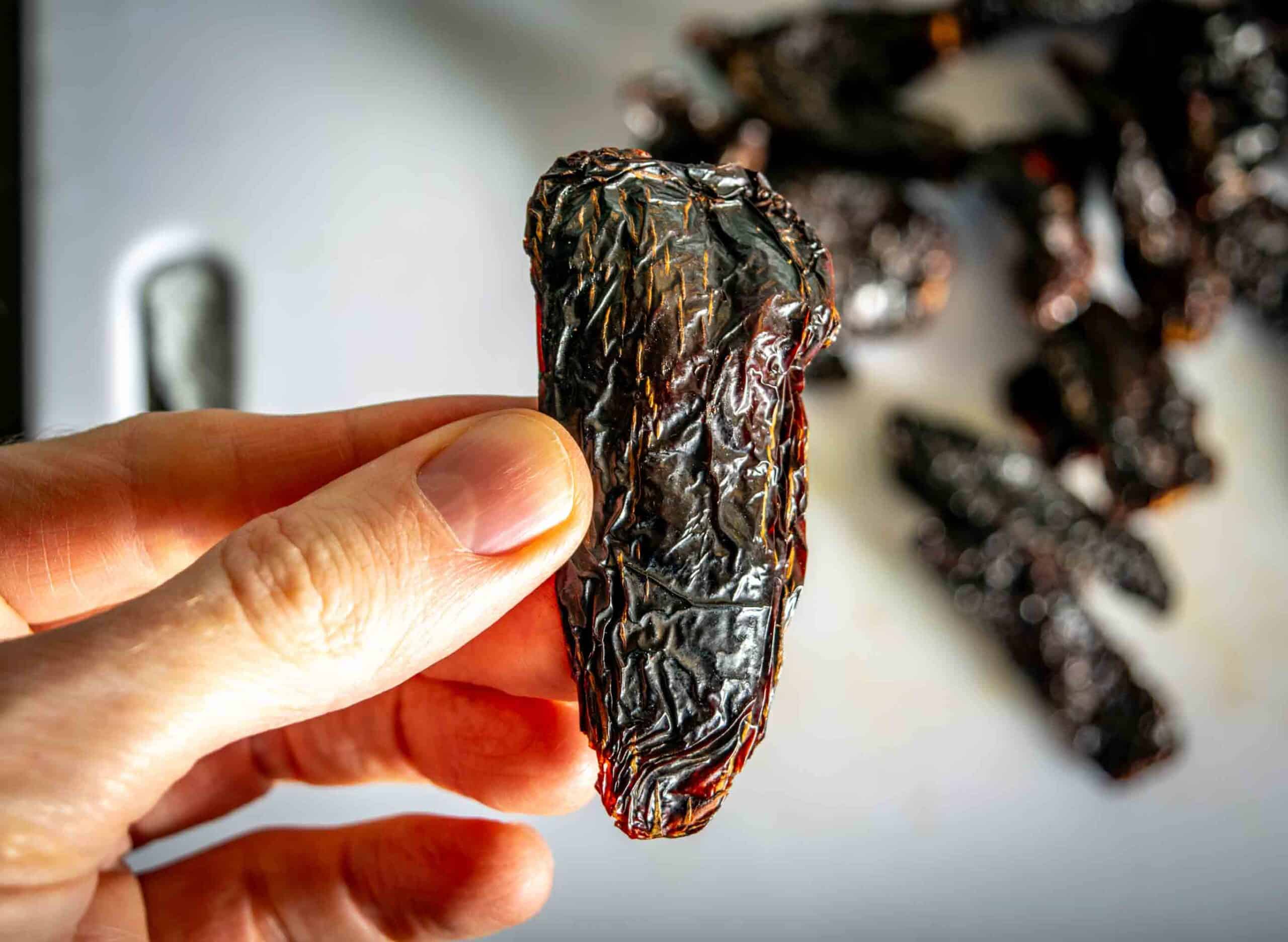
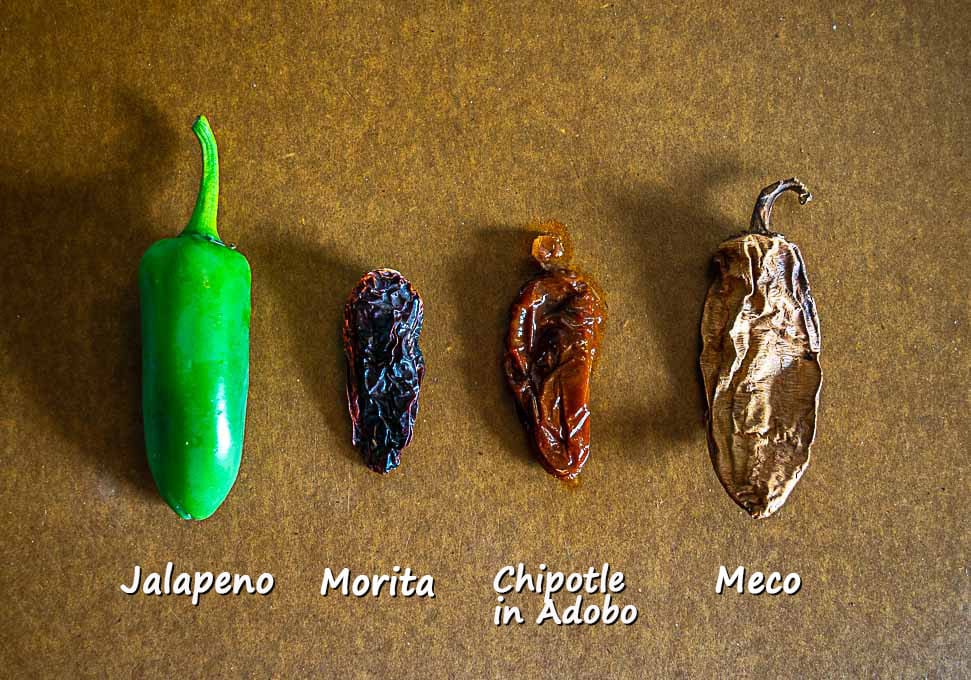
The Chile Morita, sometimes referred to as Chipotle Morita, embarks on its culinary journey as a standard jalapeño. When left to mature on the vine, the jalapeño undergoes a transformation, its vibrant green hue deepening into a rich, ruby red. It is at this stage that the pepper is harvested and subjected to a smoking and dehydrating process, culminating in the distinct appearance and complex flavor profile of the Morita chile. This transformation imbues the chile with an inherent smokiness and a fiery intensity, making it an exceptional ingredient for salsas seeking to deliver a profound taste experience.
The visual evidence of the chile’s metamorphosis is striking. As depicted in accompanying imagery, a spectrum of chiles, all originating from the humble jalapeño, presents a fascinating array of forms and flavors. From the fresh, green jalapeño to the intensely smoked and dried Meco chile, the Morita occupies a distinct and crucial position within this lineage. This progression highlights the intricate science and artistry involved in developing the nuanced flavors of Mexican cuisine. For a more in-depth exploration of the Morita chile’s origins and characteristics, further resources delve into its unique attributes and its place within the broader family of Mexican chiles.
The Art of Preparation: Unlocking the Chile’s Potential
To truly harness the full potential of dried chiles like the Morita, a crucial preliminary step involves roasting. This process is not merely a suggestion but a vital technique that "wakes up" the chiles, significantly enhancing their inherent flavors and aroma. Skipping this step would mean sacrificing a layer of complexity and depth that defines the final salsa.
The roasting can be achieved through various methods, with oven roasting being a common and effective approach. A few minutes in a moderate oven can dramatically alter the chile’s character. Alternatively, pan-roasting offers another effective way to achieve similar results. Once roasted to perfection, the chiles must be rehydrated. This is typically done by soaking them in hot tap water. This rehydration process not only softens the chiles, making them pliable for grinding, but also allows their potent flavors to infuse into the soaking liquid, which can then be incorporated into the salsa. Detailed guides on working with dried chiles offer further insights into mastering this essential preparation technique.
Building the Flavor Base: Tomatoes and Tomatillos
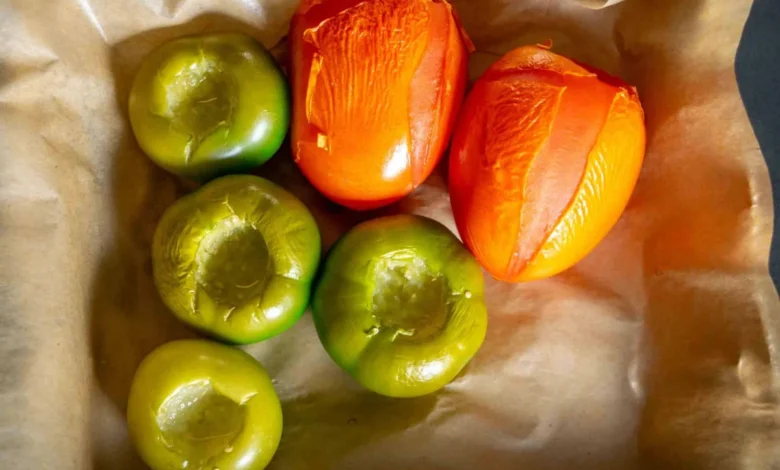
The salsa’s robust character is further amplified by the inclusion of both tomatoes and tomatillos. Like the chiles, these essential base ingredients benefit immensely from roasting. This culinary technique draws out their natural sweetness, intensifies their acidity, and adds a subtle smoky undertone that complements the Morita chiles beautifully.
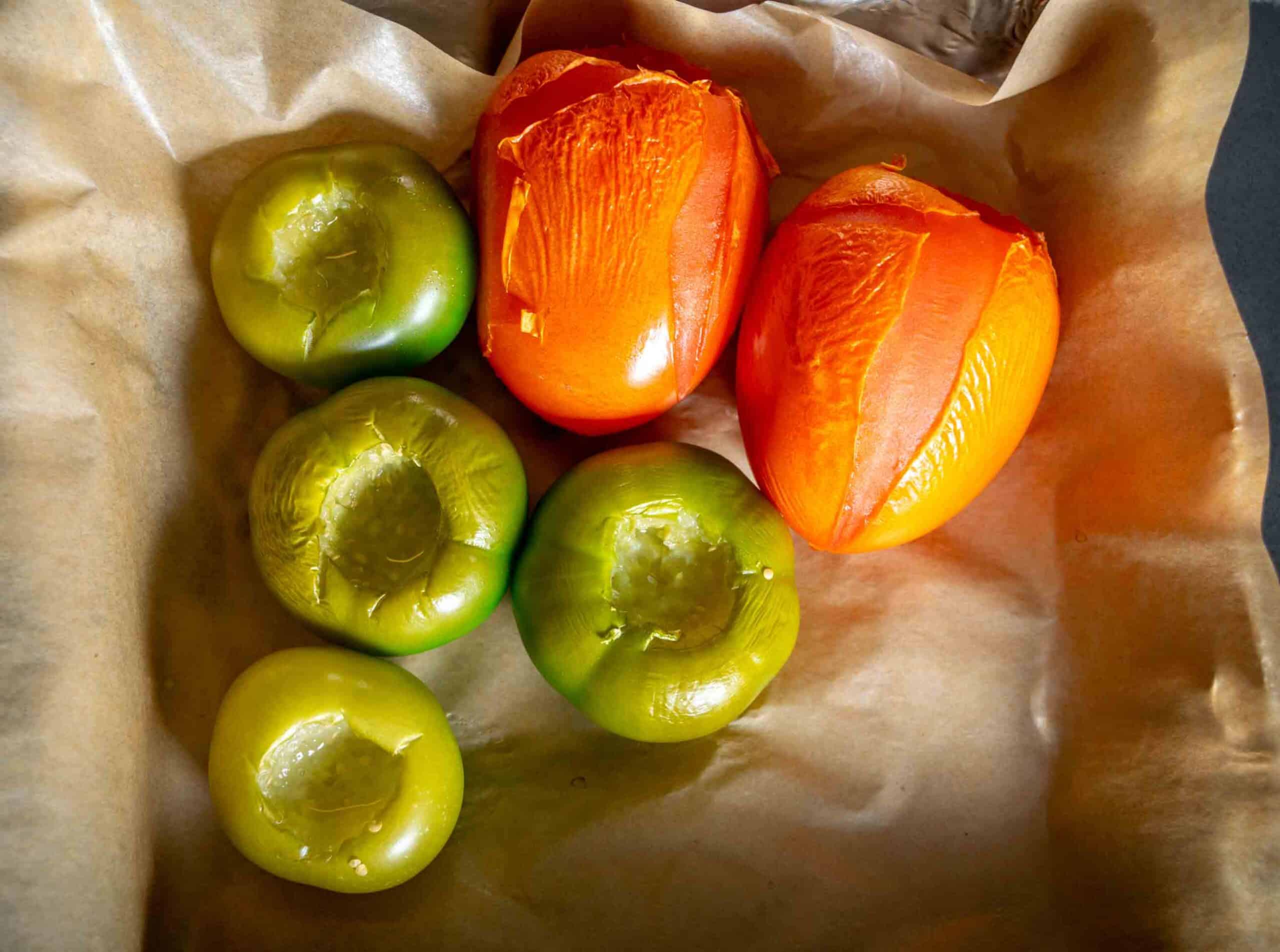
A typical roasting time for a combination of tomatillos and Roma tomatoes is around 20 to 30 minutes at 400°F (200°C). It’s worth noting that tomatillos often require slightly less roasting time than tomatoes, though many cooks opt to roast them together until they reach the desired tenderness. The visual transformations are significant; the tomatoes soften and their skins begin to char slightly, while the tomatillos shed their husks and develop a more mellow, roasted appearance.
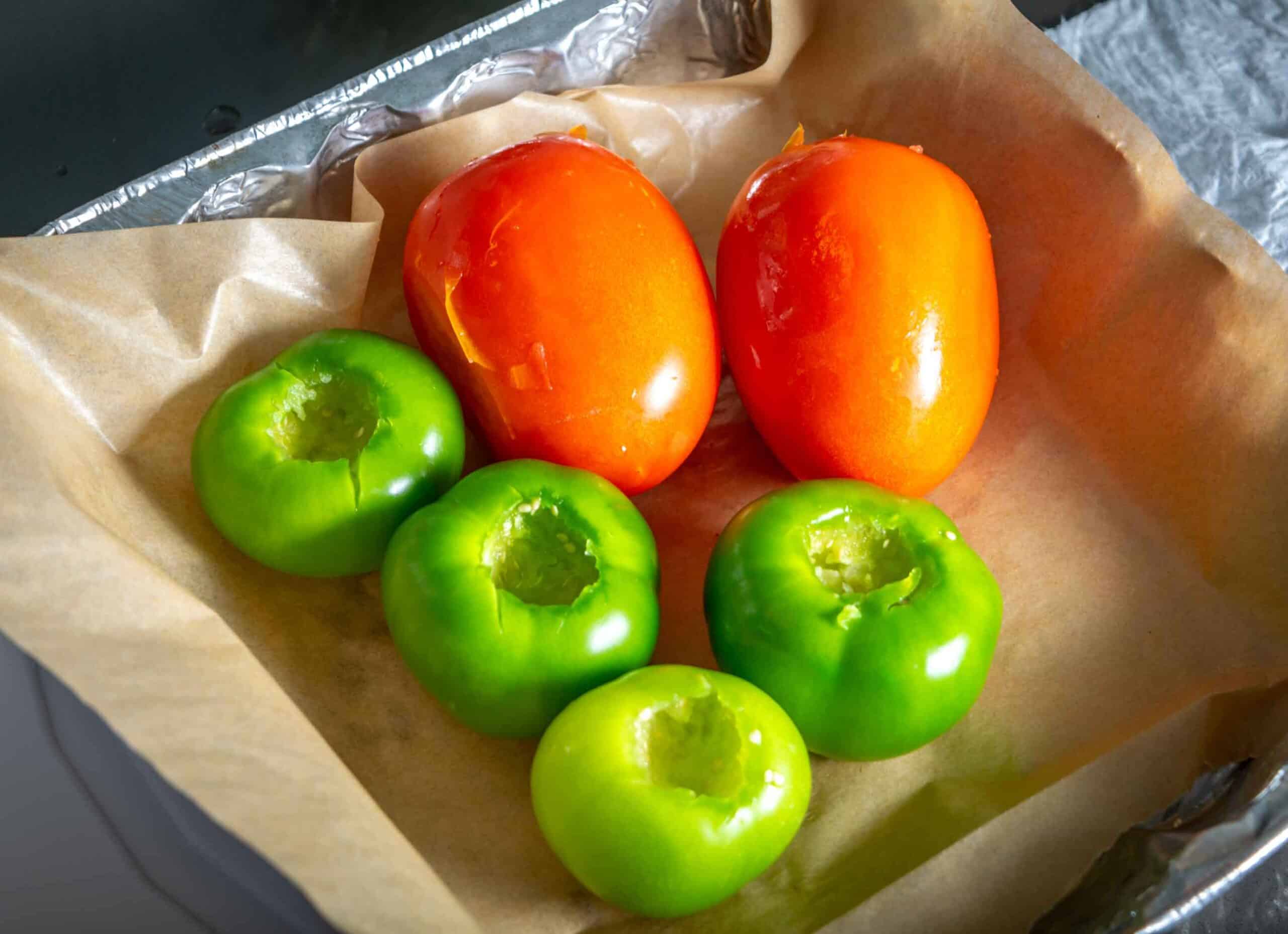
The method of roasting these ingredients can also influence the final flavor. While boiling is an option, it is generally considered less effective in developing the complex flavors that oven or broiler roasting can achieve. Exploring different roasting techniques provides valuable insights into maximizing the taste profile of these fundamental salsa components.
The Symphony of Flavors: Blending the Ingredients
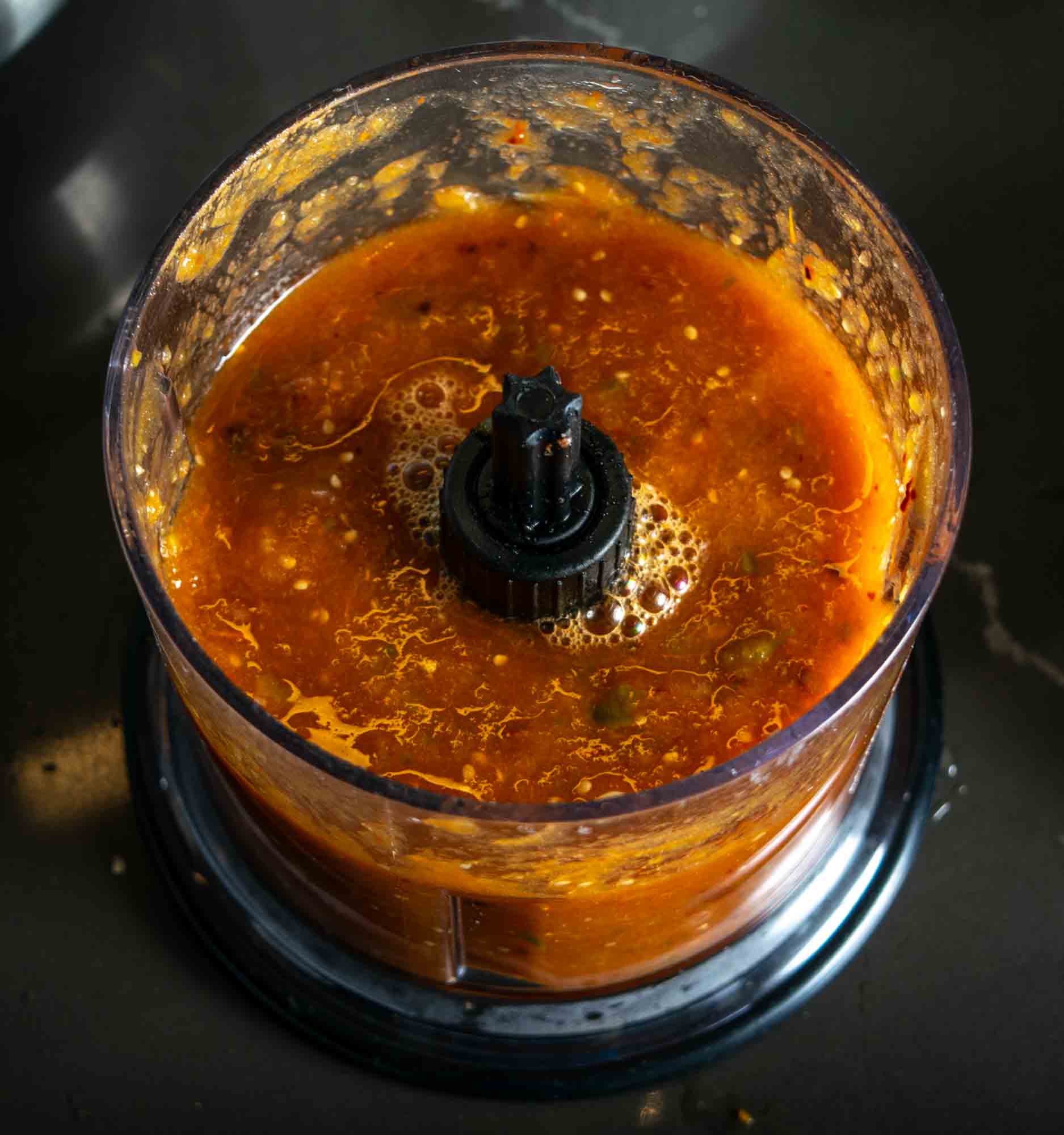
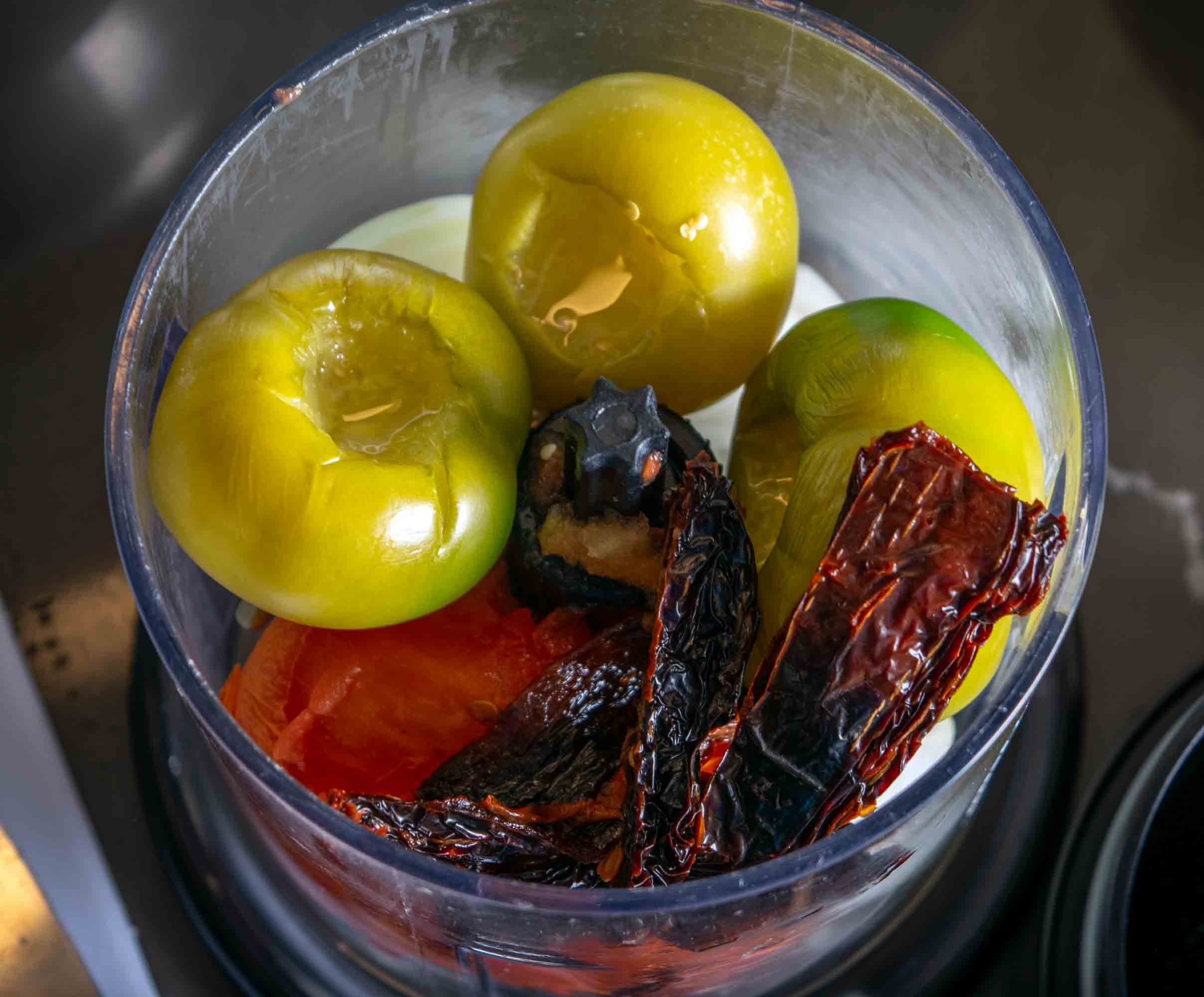
With the chiles rehydrated and the tomatoes and tomatillos roasted, the stage is set for the final blending of ingredients. The Morita chiles, after rehydration, are typically seeded. While this step is optional, removing the seeds can prevent an overly gritty texture and potentially mitigate some of the intense heat, though the seeds themselves do not significantly alter the core flavor.
A classic recipe for this potent salsa often includes a balanced combination of ingredients:
- Roma Tomatoes: 2 medium
- Tomatillos: 4 medium
- Onion: 1/2 small
- Garlic: 1 clove
- Morita Chiles: 2 (adjust to heat preference)
These ingredients are then combined in a blender and processed until a smooth, vibrant salsa is achieved. The resulting mixture is a testament to the power of simple, high-quality ingredients transformed through careful preparation.
Navigating the Heat: A Personal Touch
It is imperative to acknowledge the significant heat level imparted by the two Morita chiles in this recipe. For those new to this salsa or with a lower tolerance for spice, it is highly recommended to start with a single Morita chile or even half of one. The beauty of homemade salsa lies in its customizability. By gradually adding slivers of Morita chile and tasting along the way, individuals can precisely calibrate the heat level to their personal preference, ensuring an enjoyable and satisfying culinary experience. This iterative approach allows for a personalized creation that caters to individual palates.
A Culinary Cornerstone: Applications and Versatility
The Chile Morita Salsa is more than just a dip; it is a culinary cornerstone capable of elevating a wide array of dishes. Its rich, smoky, and fiery profile makes it an ideal accompaniment for a variety of Mexican staples.
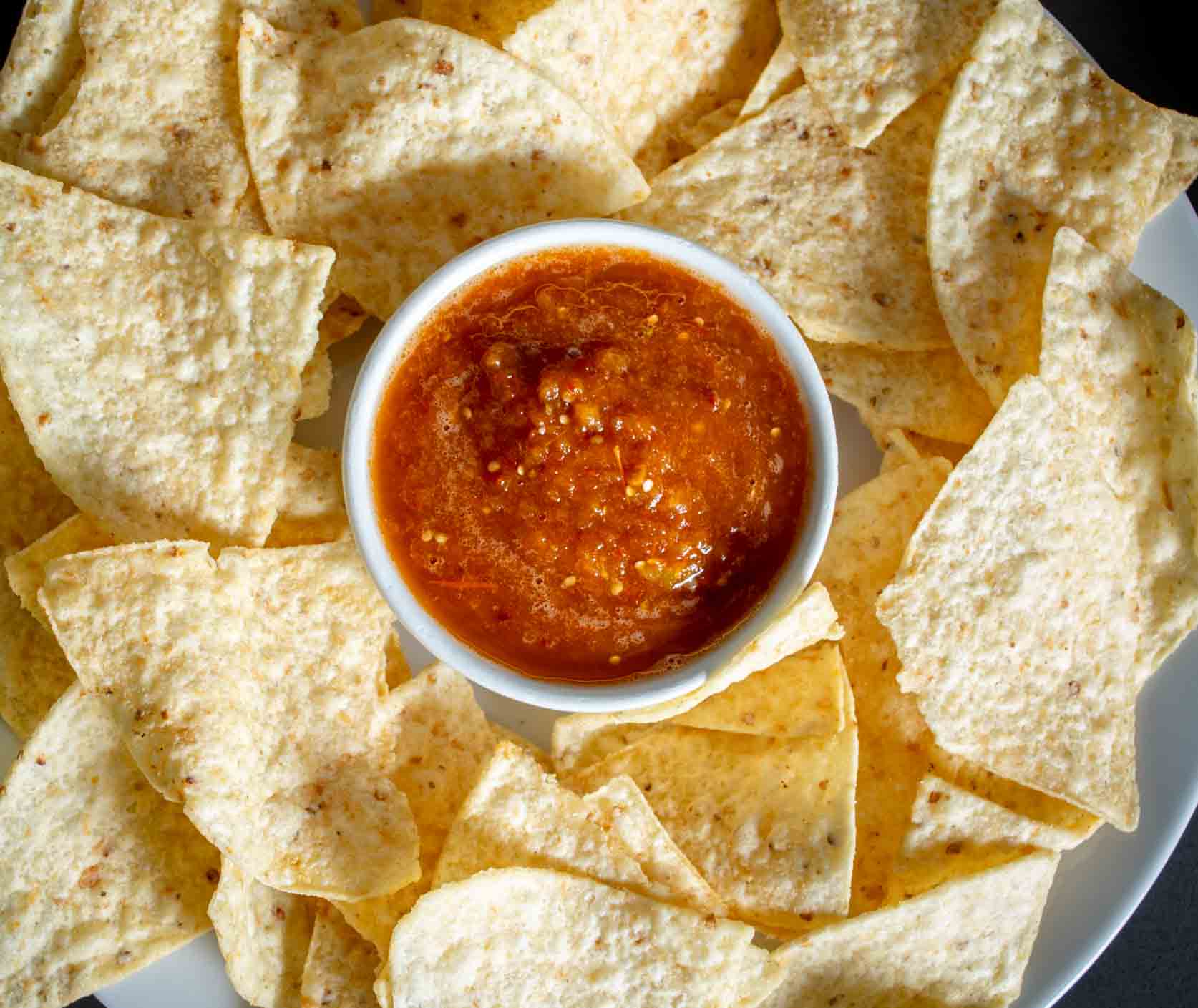
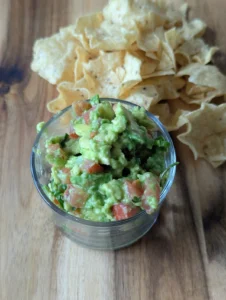
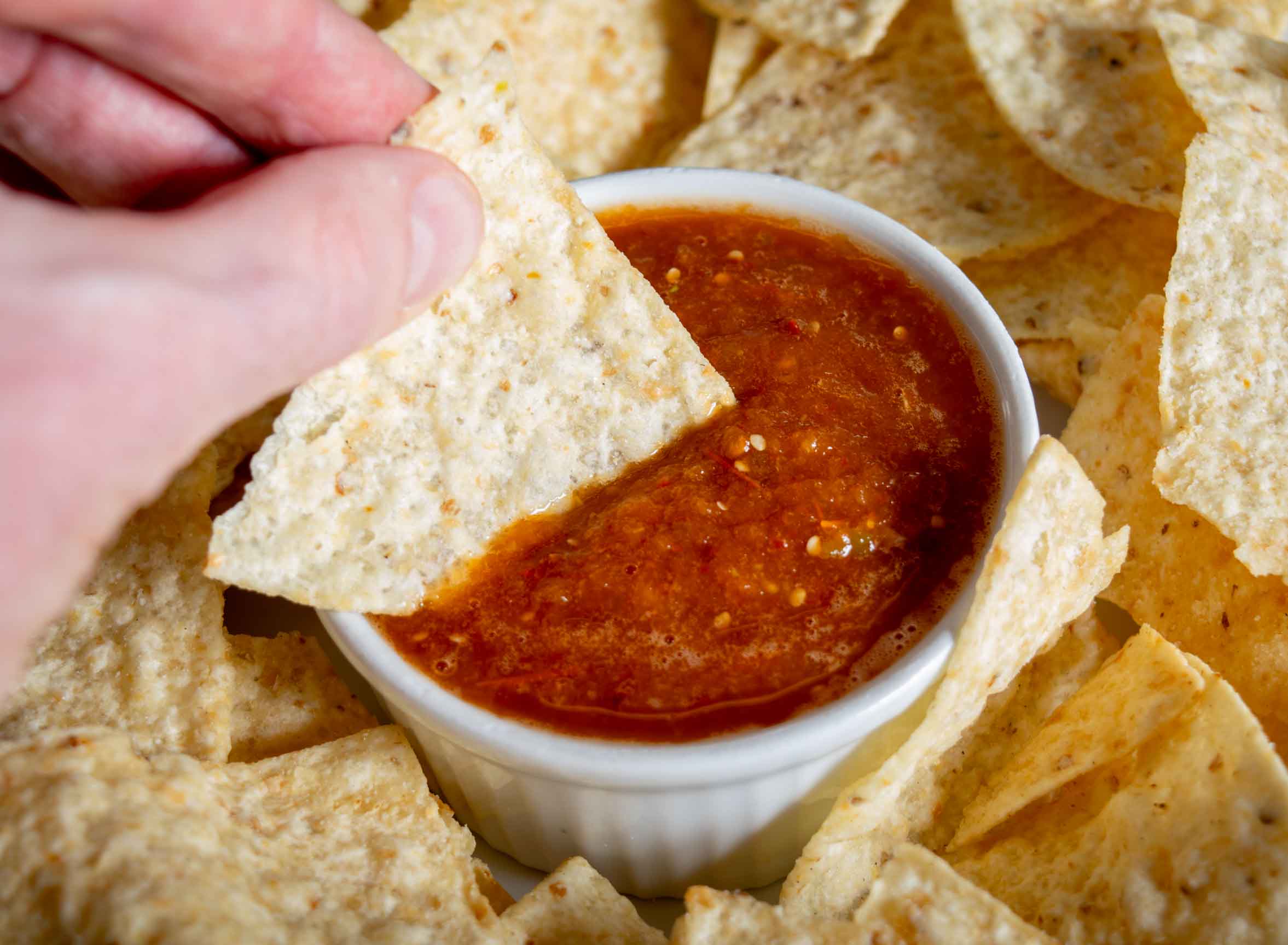
- A Classic Pairing: For a first encounter, serving this salsa with tortilla chips and a side of freshly made guacamole provides an excellent opportunity to assess its impact on the palate. The coolness of the guacamole acts as a perfect counterpoint to the salsa’s heat.
- Enhancing Main Dishes: This salsa can serve as the primary flavor agent in numerous recipes, transforming familiar dishes into something extraordinary. Consider its application in:
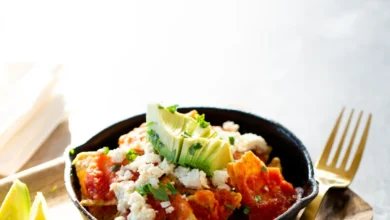
- Bean Tostadas with Avocado and Queso Fresco: The vibrant heat of the Morita salsa cuts through the richness of the beans and avocado.
- Breakfast Tacos: A dollop of this salsa can provide a much-needed kick to morning tacos, awakening the senses.
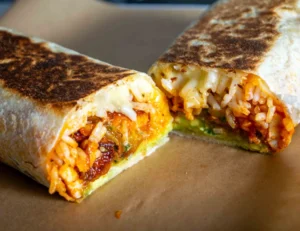
- Chicken Burritos with Salsa Verde: While traditionally paired with salsa verde, introducing the smoky depth of Morita salsa can offer a compelling alternative or complementary flavor.
Beyond these examples, the salsa’s versatility extends to a multitude of applications. It can be a zesty addition to sandwiches, a flavorful glaze for grilled meats, or a spicy accent for scrambled eggs. The possibilities are virtually endless, making it a valuable addition to any home cook’s repertoire.
Sourcing the Star Ingredient: Availability and Accessibility
Morita chiles are a staple in many Hispanic markets and are increasingly found in the international aisles of larger grocery store chains. For those who find them elusive in their local stores, the convenience of online retailers, such as Amazon, provides a readily accessible source for this essential ingredient. This accessibility ensures that the unique flavors of Chile Morita Salsa are within reach for culinary enthusiasts worldwide.
Broader Culinary Context and Implications
The creation of this Chile Morita Salsa reflects a broader trend in culinary exploration, where home cooks are increasingly seeking authentic and impactful flavors. The emphasis on traditional ingredients and preparation methods, such as roasting dried chiles, highlights a growing appreciation for the depth and complexity of ethnic cuisines. The ability to customize the heat level further democratizes the culinary experience, allowing individuals to engage with potent ingredients like the Morita chile on their own terms.
The widespread availability of these ingredients through both traditional markets and online platforms suggests a growing global interest in Mexican cuisine beyond its most commonly recognized dishes. This accessibility encourages experimentation and fosters a deeper understanding of the diverse range of flavors and techniques that define this rich culinary heritage. The Chile Morita Salsa, in its fiery simplicity, serves as an excellent gateway into this world of intense and rewarding flavors.