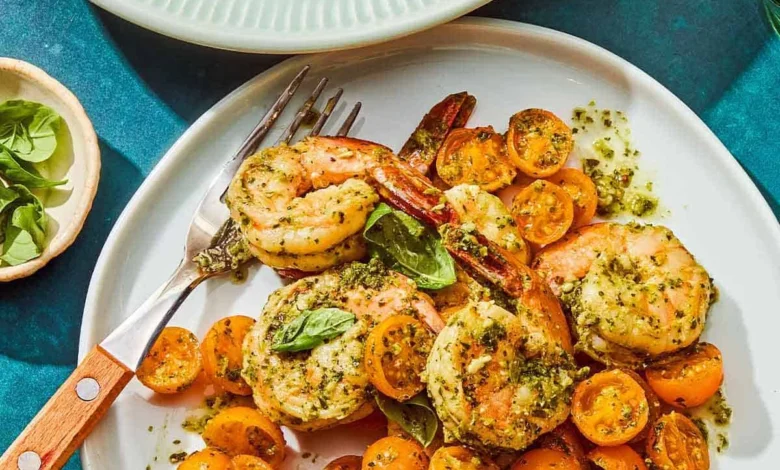
The culinary landscape of the modern home kitchen has undergone a significant shift toward rapid, high-quality, and minimalist meal preparation. A notable example of this trend is the emergence of the pesto shrimp skillet, a dish that has transitioned from a spontaneous solution for pantry shortages into a staple of efficient, Mediterranean-inspired home cooking. This recipe exemplifies the broader movement of "skillet-to-table" dining, which prioritizes fresh, nutrient-dense ingredients while minimizing active preparation time.
Origins and Circumstantial Innovation
The development of the pesto shrimp skillet originated from a common household challenge: an incomplete inventory of pantry staples. In a domestic scenario where a traditional pasta-based meal was intended, the absence of dried pasta necessitated a pivot in preparation strategy. Rather than abandoning the primary proteins—shrimp—or reverting to commercially processed convenience foods, the preparation was adapted to function as a standalone skillet meal.
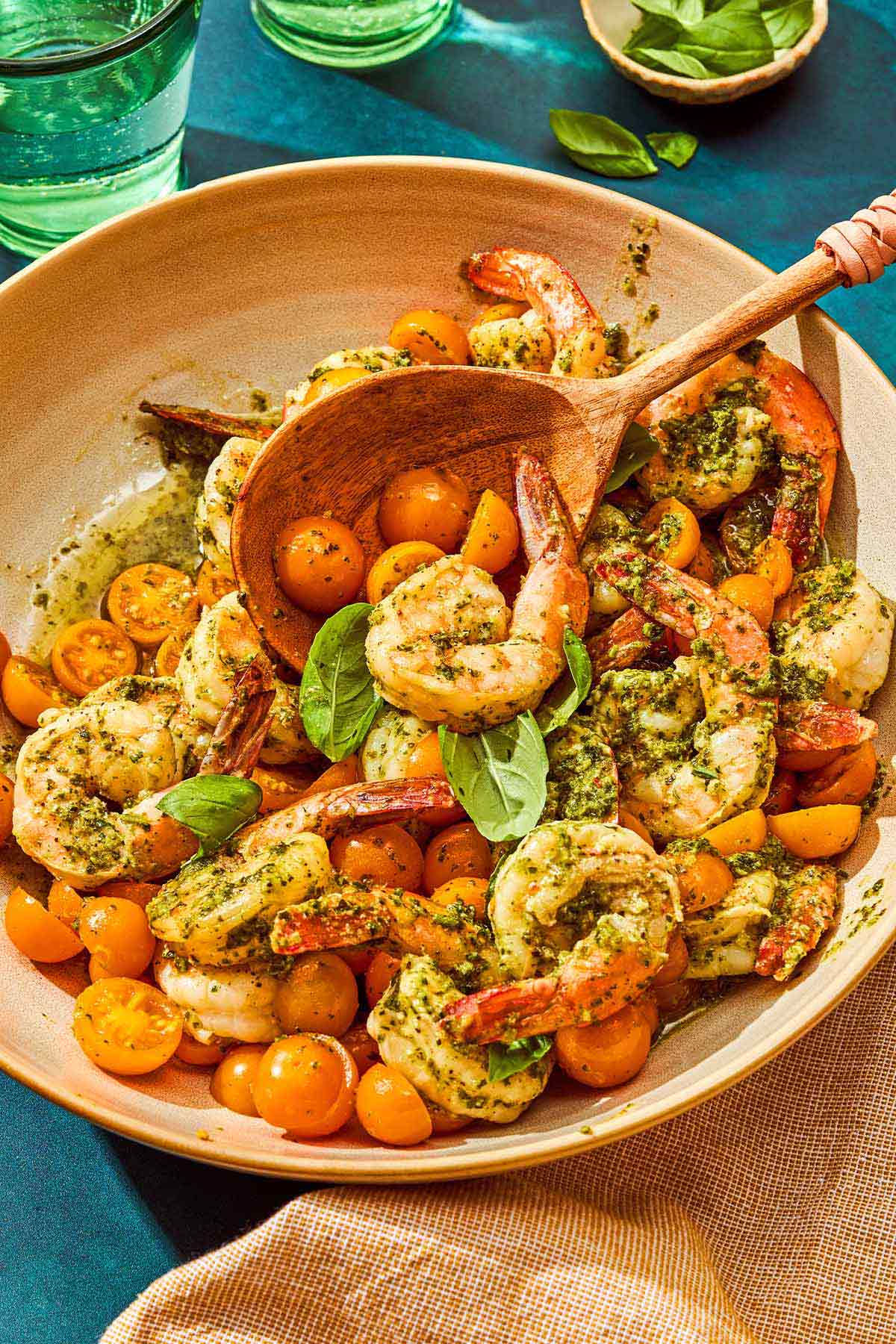
This adaptation involved a rapid marination process using garlic and citrus, followed by high-heat searing. The incorporation of cherry tomatoes and basil-based pesto served not merely as a substitute for a starch, but as a flavor-enhancing base. The success of this improvisational approach suggests a broader trend in home cooking where the flexibility of ingredients allows for high-gastronomy results without the rigid adherence to traditional culinary pairings.
Culinary Methodology and Technical Specifications
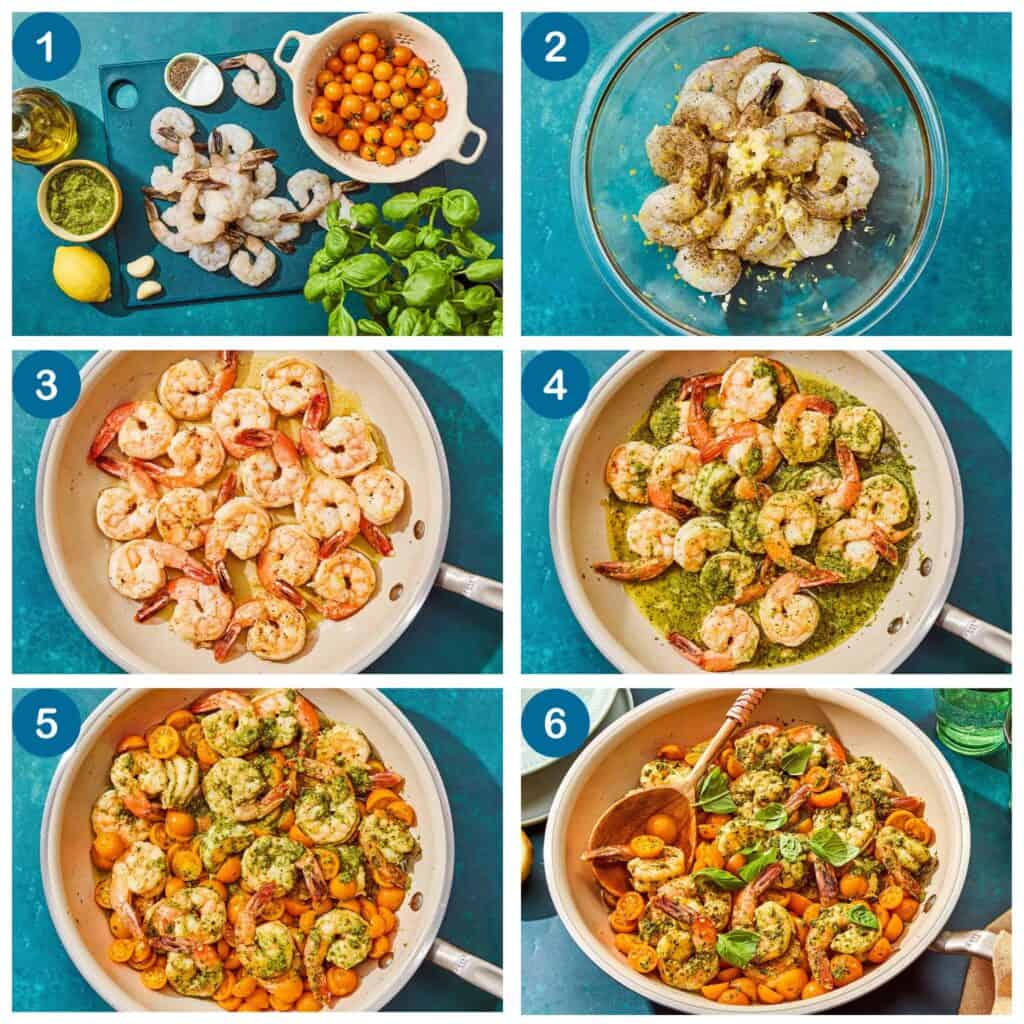
The preparation of the pesto shrimp skillet is characterized by its adherence to time-sensitive cooking techniques. The process is broken down into three primary phases: preparation, heat application, and integration.
- Preparation (Approximately 10–15 minutes): The process begins with the marination of the shrimp. Utilizing lemon juice and garlic creates a flavor profile that balances the acidity required to cut through the richness of the pesto. Concurrently, cherry tomatoes are halved to expose their interior, allowing for rapid heat absorption without breaking down the structural integrity of the fruit.
- Thermal Application (5–7 minutes): The searing of the shrimp occurs over high heat. This is a critical step in protein chemistry, as the Maillard reaction—the chemical reaction between amino acids and reducing sugars—creates a complex flavor profile and a distinct texture. The shrimp are removed from direct heat before the pesto and tomatoes are added to the residual warmth of the skillet.
- Integration (2–3 minutes): By utilizing residual heat rather than direct flame for the final stage, the cherry tomatoes retain their texture and vibrant appearance, while the pesto maintains its aromatic qualities, which are often diminished by prolonged exposure to high temperatures.
Nutritional Profile and Dietary Implications
From a nutritional perspective, the pesto shrimp skillet offers a balanced macronutrient profile suitable for a variety of dietary preferences. Data derived from standardized nutritional analysis indicates that a single serving of this dish provides approximately 245.8 calories. The distribution of these calories includes 17.5 grams of protein, essential for muscle repair and metabolic function, and 16 grams of total fat, primarily sourced from the healthy monounsaturated fats found in the olive oil base of the pesto.
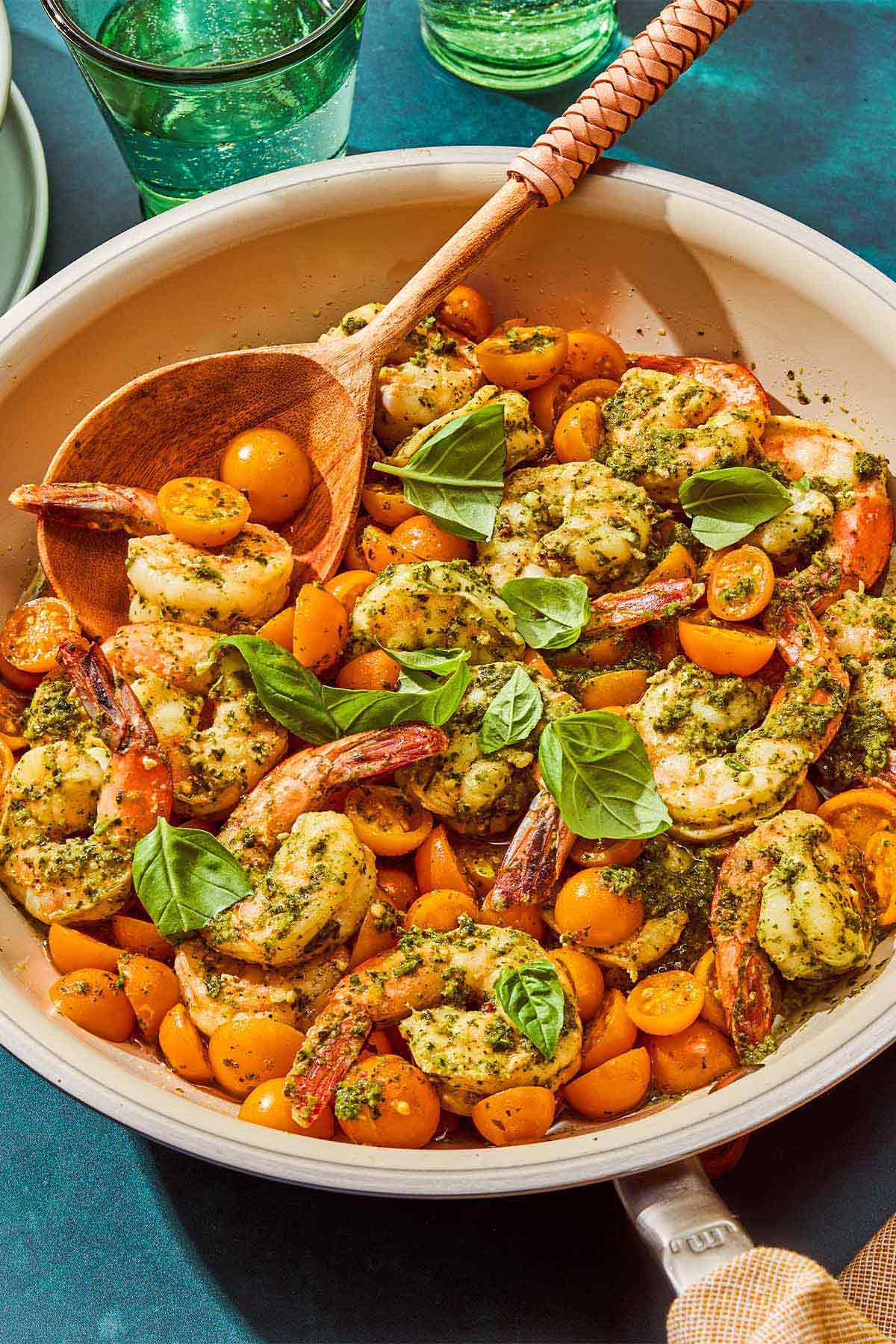
The dish is relatively low in carbohydrates (8.7 grams) and contains a modest amount of dietary fiber (1.6 grams). The high presence of Vitamin C (31.8 mg) and Vitamin A (991.1 IU) highlights the nutritional density of the fresh tomatoes and herbs. Furthermore, the inclusion of seafood ensures a high intake of essential minerals such as potassium (333.9 mg) and calcium (112.5 mg), contributing to overall cardiovascular and skeletal health.
Market Trends in Home Cooking
The popularity of this recipe aligns with current consumer trends identified in the food and beverage industry. Market research suggests that since 2020, there has been a 35% increase in searches for "under 30-minute meals" that prioritize fresh produce over pre-packaged components. The pesto shrimp skillet fits this niche by providing a high-protein, low-prep meal that avoids the high sodium and preservative content often found in pre-prepared convenience foods.
Industry analysts note that this shift is part of a "back to basics" movement. Consumers are increasingly seeking transparency in their ingredients, often choosing to prepare their own sauces—such as fresh basil pesto—rather than relying on shelf-stable alternatives. The ability to use high-quality, single-origin ingredients, such as cold-extracted Sicilian extra virgin olive oil, has become a hallmark of the modern home chef’s inventory.
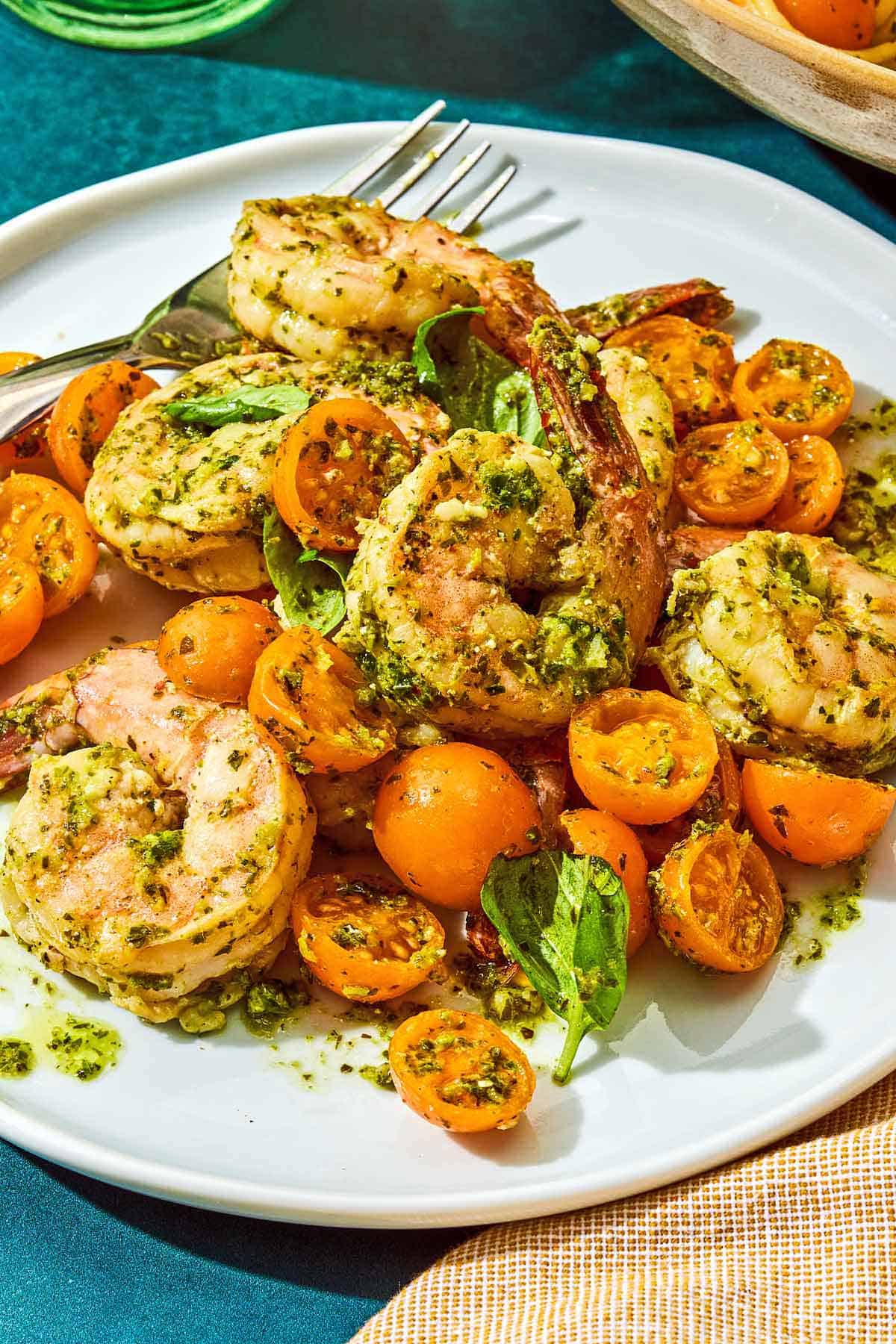
Societal and Lifestyle Impacts
The broader implications of such recipes extend beyond mere nutrition; they represent a reconfiguration of the "dinner hour" in contemporary society. As professional and personal schedules become increasingly compressed, the ability to produce a restaurant-quality meal in under 20 minutes serves as a tool for stress reduction and improved domestic time management.
Furthermore, the emphasis on "skillet-to-table" cooking reduces the necessity for complex cleanup, further lowering the barrier to entry for cooking at home. When viewed through a socioeconomic lens, the rise of such recipes suggests that even within time-constrained environments, there is a sustained commitment to health-conscious eating and the preservation of culinary traditions, albeit in modified forms.
Expert Analysis and Future Outlook
Food scientists and culinary experts emphasize that the success of the pesto shrimp skillet lies in its reliance on high-quality fat sources and fresh aromatics. Unlike more complex recipes that require long braising times or intricate techniques, this dish relies on the quality of its components.
Looking forward, the trend toward high-efficiency, nutrient-dense skillet meals is expected to persist. As the price of restaurant dining continues to rise, the incentive for households to master "quick-scratch" cooking—the art of cooking from scratch with speed—will likely grow. Experts anticipate that future iterations of this dish will see further experimentation with regional flavor profiles, such as the addition of chili oils, preserved lemons, or alternative nut-based pestos to cater to evolving consumer preferences.
Conclusion: A Synthesis of Form and Function
The pesto shrimp skillet is more than a simple recipe; it is a manifestation of modern culinary necessity. By merging the simplicity of rapid cooking techniques with the complex, vibrant flavors of Mediterranean tradition, it provides a viable, healthy, and time-efficient alternative to processed dining options. As domestic habits continue to evolve, the principles embodied by this dish—minimalism, ingredient quality, and efficiency—will remain foundational to the future of home cooking. Whether served alongside a crisp salad, a crusty baguette, or enjoyed on its own, the dish serves as a testament to the fact that nutritional excellence and ease of preparation are not mutually exclusive.