
Mexican Style Shrimp Cocktail

Authentic Mexican Shrimp Cocktail: A Zesty, Flavorful Dive into Tradition and Taste
Mexican shrimp cocktail, or "coctel de camarones," is more than just a refreshing appetizer; it’s a vibrant culinary icon deeply rooted in Mexican coastal traditions. Unlike its American counterpart, which often features a simple ketchup-based sauce, the Mexican rendition is a symphony of bold, fresh flavors, characterized by a tangy, tomato-based broth infused with citrus, spice, and a medley of aromatic accompaniments. This article will explore the essential components of an authentic Mexican shrimp cocktail, delve into its historical and cultural significance, offer practical tips for preparation, and highlight variations that showcase the diversity of Mexican cuisine. Understanding these elements allows for the creation of a truly exceptional dish that delights the palate and transports the diner to the sun-drenched shores of Mexico.
The foundation of an exceptional Mexican shrimp cocktail lies in the quality of its primary ingredient: shrimp. Opt for fresh, large, or jumbo shrimp for the best texture and flavor. While pre-cooked shrimp can be a time-saver, they often lack the succulence and subtle sweetness of freshly cooked specimens. For the most authentic experience, it’s recommended to buy raw, shell-on shrimp, ideally wild-caught, and cook them yourself. This allows for precise control over the cooking process, preventing them from becoming rubbery or overcooked. A simple poaching method is preferred: bring a pot of water to a rolling boil, add a generous amount of salt (mimicking seawater), a few bay leaves, and perhaps a whole clove of garlic or a slice of onion. Carefully add the shrimp and cook for just 2-3 minutes, or until they turn pink and opaque. Immediately remove them from the heat and plunge them into an ice bath to halt the cooking process and ensure a firm, yet tender, texture. Once cooled, peel and devein the shrimp, leaving the tails on for an attractive presentation. This personal touch in preparing the shrimp elevates the entire dish.
The soul of Mexican shrimp cocktail resides in its vibrant, complex sauce. Forget the bland, one-dimensional ketchup concoctions; this is a meticulously crafted broth. The base is typically a tomato purée or a blend of crushed tomatoes and tomato juice, providing a rich, slightly sweet foundation. The crucial element that distinguishes it as distinctly Mexican is the liberal use of lime juice. Freshly squeezed lime juice is non-negotiable, its bright acidity cutting through the richness of the tomatoes and enhancing the natural sweetness of the shrimp. The tanginess is further amplified by the inclusion of orange juice, which adds a subtle sweetness and a more nuanced citrus profile. For heat, finely minced jalapeños or serrano peppers are essential. The amount can be adjusted to personal preference, but a good kick is characteristic of authentic Mexican shrimp cocktail. Other flavor enhancers commonly found include finely chopped white or red onion, cilantro, and a touch of Worcestershire sauce for umami depth, though some purists may omit this to preserve a more purely Mexican flavor profile. A pinch of salt and freshly ground black pepper are, of course, necessary for seasoning. The sauce is typically served chilled, allowing the flavors to meld and intensify.
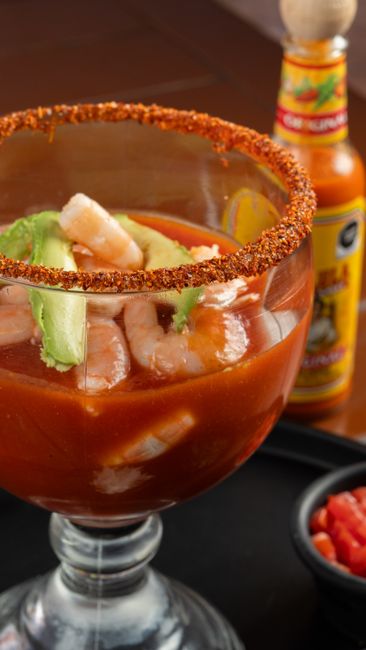
The artful assembly of Mexican shrimp cocktail is as important as its individual components. While the shrimp and sauce are paramount, the accompanying garnishes are what truly elevate the dish and contribute to its iconic status. These accompaniments are not merely decorative; they offer contrasting textures and complementary flavors that create a multi-sensory experience. Avocado is an indispensable element, its creamy richness providing a luxurious counterpoint to the zesty sauce and firm shrimp. Cubed or sliced, ripe avocado adds a beautiful green hue and a delightful mouthfeel. Finely diced white or red onion offers a sharp, pungent crunch that awakens the palate. Fresh cilantro, chopped generously, brings an herbaceous freshness that harmonizes perfectly with the citrus and tomato. For a touch of sweetness and color, finely diced tomato is often included. Some regional variations might also incorporate finely diced cucumber for an extra layer of crispness. A squeeze of extra lime juice over the finished cocktail is often the final flourish, ensuring maximum brightness.
The serving of Mexican shrimp cocktail is a ritual in itself. Traditionally, it’s served in a tall glass, such as a pilsner or goblet, allowing for a visually appealing layering of the ingredients. The chilled shrimp are nestled into the vibrant sauce, with the garnishes artfully arranged on top. The sauce should be plentiful, allowing diners to scoop up generous portions with each bite. Accompanying the cocktail are essential accompaniments: crisp tostadas, often spread with a thin layer of mayonnaise or refried beans, provide a sturdy vessel for scooping. Saltine crackers or even crusty bread can also be served for dipping. The visual appeal is paramount; the bright red of the sauce, the vibrant green of the avocado and cilantro, and the pink of the shrimp create a visually stunning presentation that is as inviting as its taste.
The history of Mexican shrimp cocktail is intertwined with the culinary evolution of Mexico’s coastal regions, particularly the Pacific coast. While its exact origins are debated, it emerged as a popular dish in the mid-20th century, evolving from simpler preparations of seafood. The influence of Americanized shrimp cocktail, with its ketchup base, was likely present, but Mexican cooks infused it with their own distinct flavors and ingredients. The abundance of fresh seafood along the coast, coupled with the readily available produce like tomatoes, limes, and chili peppers, provided the perfect canvas for this innovation. The dish gained widespread popularity as a refreshing and satisfying appetizer, especially during warmer months. Its accessibility and adaptability have allowed it to become a staple in homes, restaurants, and street food stalls across Mexico and beyond. The enduring appeal lies in its ability to be both simple and sophisticated, customizable to individual tastes while retaining its essential character.
While the classic recipe for Mexican shrimp cocktail is beloved, regional variations and personal touches abound, showcasing the vast culinary landscape of Mexico. In Sinaloa, for instance, you might find a touch of orange juice more prominently featured, contributing a distinct sweetness to the sauce. Some preparations might incorporate a hint of clamato juice, adding a deeper, more complex tomato-clam flavor. For those who enjoy a spicier kick, a combination of serrano and habanero peppers can be used, creating a fiery experience. Other creative additions might include finely diced mango for a tropical sweetness, or a splash of hot sauce for an extra layer of heat. Some chefs even experiment with different types of seafood, incorporating octopus or ceviche-style fish alongside the shrimp for a mixed seafood cocktail. The key is to maintain the balance of tangy, spicy, and fresh flavors that define the dish.
Preparing authentic Mexican shrimp cocktail at home is an achievable and rewarding endeavor. The key lies in sourcing high-quality ingredients and dedicating attention to the preparation of each component. Begin by selecting fresh, plump shrimp. Cooking them yourself is highly recommended to ensure optimal texture. For the sauce, fresh lime and orange juice are essential – avoid bottled juices. Finely mince your aromatics; the smaller the pieces, the better they will integrate into the sauce. For the peppers, remove the seeds and membranes if you prefer a milder heat, or leave them in for a more intense spice. Taste and adjust the seasoning frequently. The sauce can be made several hours in advance, allowing the flavors to meld beautifully in the refrigerator. This also ensures the sauce is thoroughly chilled for serving. When assembling, don’t skimp on the garnishes; they are crucial to the dish’s character. Present the shrimp cocktail chilled, with plenty of sauce, alongside your chosen accompaniments.
SEO considerations are paramount for any online content aiming to reach a broad audience interested in culinary topics. For this article on Mexican shrimp cocktail, several keywords and phrases are strategically incorporated. Terms like "Mexican shrimp cocktail," "coctel de camarones," "authentic recipe," "how to make," "traditional," "fresh ingredients," "lime juice," "chili peppers," "avocado," and "cilantro" are woven throughout the text. The article also addresses common search queries such as "best shrimp cocktail recipe," "easy shrimp cocktail," and "seafood appetizer ideas." By using these terms naturally and within relevant contexts, the article is optimized to rank higher in search engine results for users actively seeking information about this popular dish. The comprehensive nature of the article, covering ingredients, preparation, history, and variations, also contributes to its SEO value by providing a rich and informative resource.
The versatility of Mexican shrimp cocktail extends beyond its role as an appetizer. While it’s a crowd-pleaser for parties and gatherings, it can also be enjoyed as a light lunch or a refreshing starter for a Mexican-themed dinner. Its vibrant flavors and refreshing nature make it particularly well-suited for warm weather dining, outdoor barbecues, or even as a post-beach treat. The ease of preparation, once the initial cooking of the shrimp is done, makes it an ideal dish for those with limited time but a desire for authentic, homemade flavor. Furthermore, its inherent health benefits – shrimp being a lean protein source and the sauce packed with vitamins from tomatoes and citrus – make it a guilt-free indulgence. The visual appeal also makes it a popular choice for special occasions and celebrations, adding a touch of elegance and festivity to any table.
In conclusion, authentic Mexican shrimp cocktail is a culinary masterpiece that celebrates fresh ingredients, bold flavors, and rich cultural heritage. From the perfectly cooked shrimp to the zesty, complex sauce and the artful array of garnishes, every element plays a vital role in creating this iconic dish. By understanding the nuances of its preparation and the significance of its components, home cooks can recreate this beloved classic and experience a true taste of Mexico. The ongoing popularity and adaptability of Mexican shrimp cocktail ensure its place as a cherished and timeless culinary delight for generations to come. Its SEO-friendly nature means that this comprehensive guide will be readily accessible to those eager to explore and master this delightful Mexican staple.


