Easy Homemade Chicken Liver Pâté with Thyme: A Culinary Exploration of a Timeless Appetizer

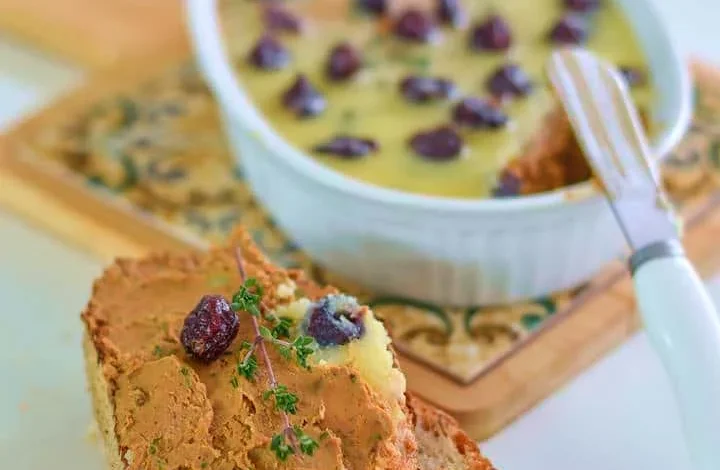
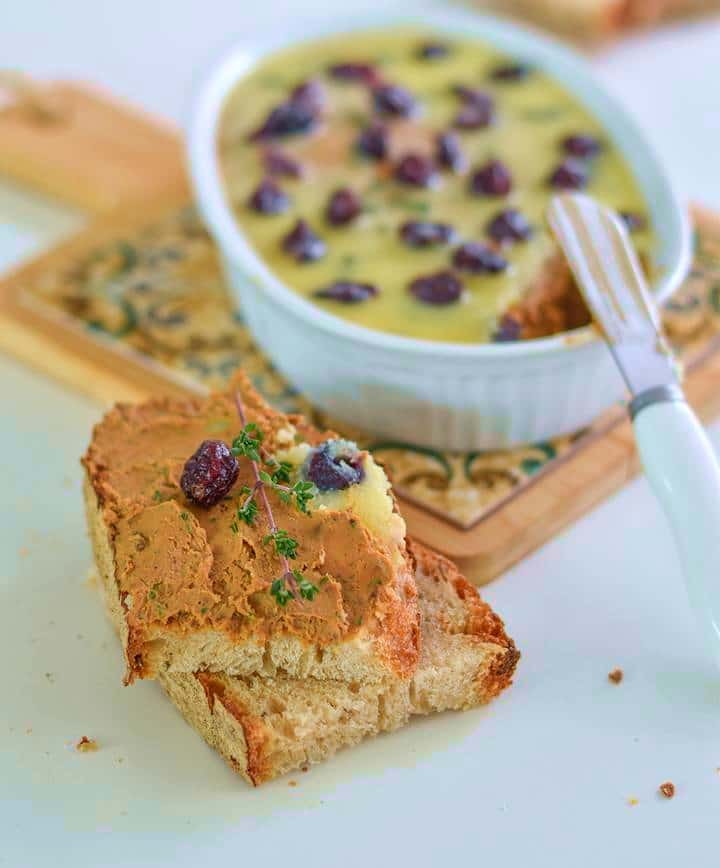
The classic chicken liver pâté, a culinary staple renowned for its rich, savory flavors and exquisitely smooth, spreadable texture, continues to captivate palates globally. A recent recipe featured by Chef’s Pencil, crafted by award-winning food blogger Diana Oana, exemplifies this enduring appeal, presenting a dish that masterfully blends rustic charm with refined elegance. This particular rendition highlights gently cooked chicken livers, meticulously blended with butter, onion, garlic, and thyme, creating a balanced and deeply satisfying experience. The addition of cognac-soaked dried fruit introduces a subtle sweetness, artfully complementing the earthy depth of the pâté, which is then crowned with a glossy layer of melted butter and a delicate sprinkle of fresh thyme, making it an ideal appetizer for both sophisticated dinner parties and simple home indulgences.
Historical Roots and Gastronomic Evolution of Pâté
To truly appreciate chicken liver pâté, one must delve into its rich historical and cultural context. The term "pâté" itself is French for "paste" or "pie," reflecting its origins as a meat mixture baked in a pastry crust, known as pâté en croûte. Historically, pâtés were a practical means of preserving meat, particularly offal, long before refrigeration. Early forms can be traced back to medieval Europe, where resourceful cooks utilized every part of an animal, transforming less desirable cuts and organs into flavorful, long-lasting preparations.
France, in particular, elevated pâté making to an art form. Over centuries, various regional styles emerged, each with distinct ingredients and preparation methods. While pâté en croûte remains a beloved classic, the modern interpretation of pâté, often served without a crust (referred to as pâté de foie or liver pâté), gained prominence for its luxurious, melt-in-your-mouth texture. This evolution saw pâté transition from a sustenance item to a gourmet delicacy, gracing the tables of aristocracy and eventually becoming a hallmark of French haute cuisine. The use of chicken livers for pâté is especially popular due to their milder flavor compared to duck or goose liver, making them more accessible and versatile while still delivering profound richness.
The Art and Science Behind a Silky Chicken Liver Pâté
Crafting the perfect chicken liver pâté is a testament to the beauty of traditional techniques, demanding precision and an understanding of ingredient interactions. The Chef’s Pencil recipe underscores this, relying on minimal yet high-quality components to achieve maximum impact.
Key Ingredients and Their Culinary Roles:
- Chicken Livers: The foundation of the pâté, chicken livers are prized for their distinctive, slightly metallic yet sweet and earthy flavor. They are also remarkably nutrient-dense, packed with iron, Vitamin A, and various B vitamins, contributing both taste and nutritional value.
- Butter: Essential for achieving the signature smooth, creamy texture and decadent richness. Butter acts as an emulsifier, binding the ingredients together, and its high-fat content carries and enhances the delicate flavors of the liver and aromatics. The final layer of melted butter not only adds a glossy finish but also serves as a protective seal, preventing oxidation and preserving freshness.
- Onion and Garlic: These foundational aromatics provide crucial depth and complexity. When gently sautéed, they release their sugars, caramelizing slightly and adding a sweet, pungent counterpoint to the richness of the liver.
- Thyme: A classic herb pairing for liver, thyme imparts an aromatic, slightly peppery, and earthy note that complements the chicken livers without overpowering them. Fresh thyme, as used in the recipe, offers a brighter, more vibrant flavor than its dried counterpart.
- Cognac-Soaked Dried Fruit: This element is a masterstroke in balancing the richness of the pâté. Cognac, a French brandy, adds a sophisticated alcoholic depth and a subtle sweetness. The dried fruit, rehydrated and infused with the spirit, introduces a chewy texture and concentrated fruity notes (such as figs or cranberries), providing a welcome acidity that cuts through the fat and cleanses the palate.
The Crucial Technique: Avoiding the Grainy Mistake
One of the most critical aspects of pâté preparation, meticulously highlighted in Diana Oana’s "Chef Tip," is the precise cooking of the livers. Overcooking is identified as the "biggest mistake," leading to a "grainy, chalky, and bitter" product that even generous amounts of butter cannot rectify. This insight is fundamental to achieving the desired silky texture.

When liver is overcooked, its proteins coagulate excessively, expelling moisture and tightening, which results in a coarse, sandy texture. Furthermore, the iron content in the liver, when subjected to prolonged heat, can oxidize and develop an unpleasantly bitter flavor. The recipe advises sautéing livers for a mere 4-6 minutes, aiming for a deep browning on the outside while maintaining a "blush-pink and springy in the center." The internal temperature should reach precisely 165°F (74°C). This temperature ensures food safety by eliminating potential pathogens while preserving the delicate structure of the liver proteins. Pulling the livers from the heat the moment this temperature is achieved is paramount; any further cooking pushes them past their optimal point, leading to the dreaded grainy outcome.
The blending process that follows is equally important. Once cooked and combined with the sautéed aromatics and butter, the mixture is typically processed in a food processor until incredibly smooth. This step emulsifies the fats and solids, creating a homogeneous, velvety paste. Chilling then allows the flavors to meld and the fats to solidify, transforming the warm, loose mixture into a firm, spreadable pâté.
Nutritional Value and Economic Accessibility
Beyond its exquisite taste, chicken liver pâté offers a compelling nutritional profile. As an organ meat, chicken liver is a powerhouse of essential nutrients. It is an excellent source of highly bioavailable iron, crucial for oxygen transport in the blood, and rich in Vitamin A, vital for vision, immune function, and skin health. It also provides significant amounts of B vitamins, particularly B12, folate, and riboflavin, which are essential for energy metabolism and neurological function. In a culinary landscape increasingly focused on "nose-to-tail" eating and sustainable practices, utilizing chicken livers fits perfectly into a philosophy of minimizing waste and maximizing nutritional output from animal products.
Economically, chicken livers are remarkably affordable compared to muscle meats or more exotic offal like foie gras. This makes chicken liver pâté an accessible gourmet option, allowing home cooks to create a sophisticated appetizer without a prohibitive cost. This accessibility contributes to its enduring popularity, bridging the gap between everyday cooking and celebratory cuisine.

Modern Interpretations and Culinary Trends
While the Chef’s Pencil recipe champions a classic approach, chicken liver pâté is not immune to modern culinary interpretations. Chefs globally experiment with various spirits (brandy, port, Madeira), herbs (sage, rosemary), and additional flavorings (truffle oil, balsamic glaze, fruit compotes) to put their unique spin on the dish. Some contemporary versions incorporate elements like smoked paprika or chili flakes for a subtle heat, or even a touch of cream cheese for an extra layer of richness and tang.
The rise of the home cooking movement, spurred by online resources like Chef’s Pencil and food bloggers such as Diana Oana, has democratized access to once-intimidating recipes. Oana’s background, an award-winning food blogger committed to "crafting flavorful, tasty meals that defy the stereotype of bland health cuisine," perfectly encapsulates this trend. Her recipe provides clear, step-by-step instructions, including a video guide, making it approachable for aspiring cooks. This blend of traditional techniques with modern instructional formats encourages more people to experiment with classic dishes, fostering a deeper appreciation for culinary heritage.
Serving Suggestions and Presentation
The final presentation of chicken liver pâté is almost as important as its preparation. The recipe suggests serving it chilled with crusty bread or crackers, a timeless pairing that allows the pâté’s complex flavors to shine. However, the possibilities extend further. Accompaniments like cornichons (small pickled gherkins), fig jam, or caramelized onion chutney offer a delightful contrast of acidity, sweetness, and texture, cutting through the pâté’s richness. A light salad with a sharp vinaigrette can also provide a refreshing counterpoint. For a truly elegant presentation, the pâté can be molded into ramekins or a terrine, then garnished with additional fresh thyme sprigs, a sprinkle of flaky sea salt, or a few artfully placed cognac-soaked fruits.

Broader Implications and Enduring Appeal
The continued popularity of dishes like chicken liver pâté has several broader implications for the food industry and culinary culture. It signifies a renewed interest in classic, robust flavors and a move away from overly processed foods. It also highlights a growing consumer awareness of sustainability, encouraging the use of all parts of an animal ("nose-to-tail" philosophy) rather than focusing solely on prime cuts. This shift not only reduces waste but also introduces a wider array of textures and flavors into the diet.
Furthermore, the emphasis on precise cooking techniques, such as temperature control for liver, underscores the importance of culinary education and food safety awareness, even for home cooks. Recipes that clearly articulate such critical steps contribute to a more informed and confident cooking public.
In conclusion, the easy homemade chicken liver pâté with thyme, as presented by Chef’s Pencil and Diana Oana, is more than just a recipe; it is a gateway to understanding a rich culinary heritage. It embodies the essence of a classic appetizer – a perfect marriage of simplicity and sophistication, achieved through careful technique and an appreciation for quality ingredients. Its enduring appeal lies in its ability to deliver a deeply satisfying, elegant experience that is both steeped in history and perfectly suited for the contemporary table. As culinary trends evolve, the timeless allure of a perfectly crafted chicken liver pâté remains a testament to the power of traditional gastronomy.