
Category Gluten Free Baking

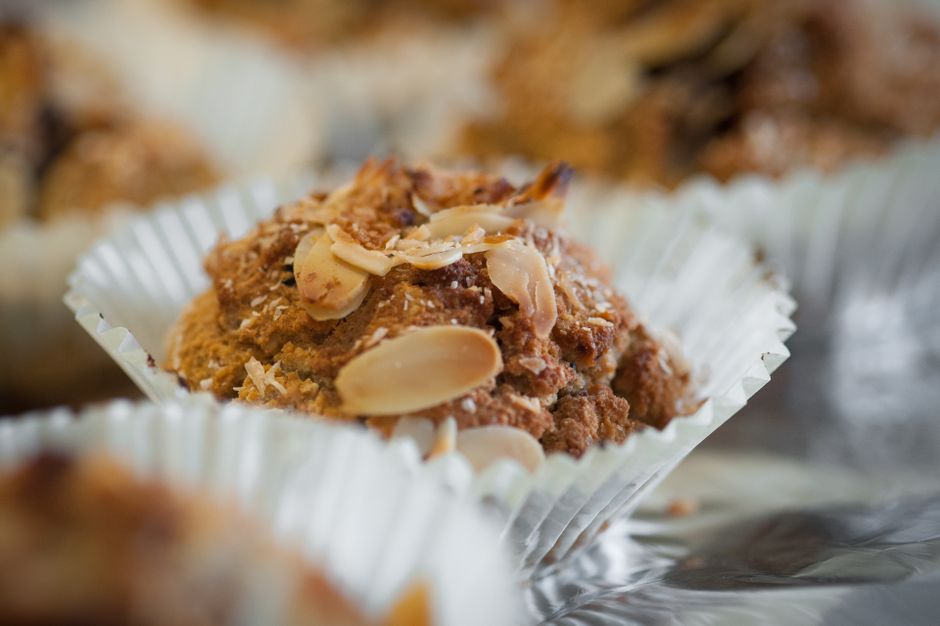
Gluten-Free Baking: Mastering Delicious Alternatives for Every Craving
Gluten-free baking has transcended its niche origins to become a cornerstone of modern cuisine, driven by a growing awareness of celiac disease, non-celiac gluten sensitivity, and a broader interest in alternative dietary approaches. This surge in popularity has fueled innovation, transforming the landscape of flour blends, leavening agents, and baking techniques. Gone are the days of dense, crumbly baked goods; today, gluten-free baking offers a spectrum of textures and flavors that rival, and often surpass, their gluten-containing counterparts. The fundamental challenge in gluten-free baking lies in replicating the unique properties of gluten, a protein complex found in wheat, barley, and rye. Gluten provides elasticity and structure to doughs, trapping gases produced by yeast or chemical leaveners, resulting in a light, airy crumb. Without gluten, bakers must rely on a carefully selected array of alternative flours, starches, and binders to achieve similar results. This article delves into the intricacies of gluten-free baking, exploring the science behind it, the essential ingredients, versatile flour blends, proven techniques, and a wealth of practical tips to empower bakers of all skill levels to create exceptional gluten-free treats.
The core of successful gluten-free baking resides in understanding the role of each ingredient and how they interact to create the desired texture and flavor profile. Unlike traditional baking where wheat flour is the primary structural component, gluten-free baking necessitates a synergistic approach, combining multiple ingredients to achieve balance. These ingredients can be broadly categorized into flours, starches, binders, sweeteners, fats, and leaveners. Gluten-free flours are derived from a diverse range of sources, each contributing distinct characteristics. Common examples include rice flour (white, brown, and sweet), almond flour, coconut flour, oat flour (certified gluten-free), buckwheat flour, sorghum flour, millet flour, and quinoa flour. Each offers a unique nutritional profile and flavor. For instance, almond flour lends a rich, nutty flavor and moisture, while coconut flour is highly absorbent and requires a greater liquid ratio. Brown rice flour provides a slightly gritty texture and a wholesome flavor, while white rice flour is more neutral and can contribute to a lighter crumb.
Starches play a crucial role in gluten-free baking by providing lightness and tenderness, mimicking some of gluten’s binding and structural properties. Common starches include tapioca starch (also known as tapioca flour), cornstarch, potato starch, and arrowroot starch. Tapioca starch is particularly versatile, offering a chewy texture and excellent binding capabilities. Cornstarch provides tenderness and acts as a thickener. Potato starch contributes to a fine, tender crumb, and arrowroot starch offers a neutral flavor and a glossy finish. The careful combination of different flours and starches is what truly elevates gluten-free baking. A single flour rarely suffices to replicate the complex matrix of gluten-based baking. This is where the art of flour blending comes into play, creating custom mixes that address specific recipe requirements.
Binders are essential in gluten-free baking to compensate for the absence of gluten’s adhesive qualities. They help to hold the ingredients together, preventing a crumbly texture and improving the overall structure. Xanthan gum and guar gum are the most widely used binders. Xanthan gum, a polysaccharide produced by bacterial fermentation, creates a gel-like substance that mimics gluten’s elasticity. Guar gum, derived from the guar bean, offers similar binding properties. Psyllium husk is another effective binder, particularly useful for yeast-based recipes as it can also absorb moisture and contribute to a lighter, chewier texture. When using binders, moderation is key. Too much can result in a gummy or overly dense product. Recipes typically specify the amount of binder required, and it’s important to adhere to these guidelines.
Sweeteners in gluten-free baking function similarly to their gluten-containing counterparts, providing sweetness and contributing to moisture and browning. Popular choices include granulated sugar, brown sugar, maple syrup, honey, agave nectar, and coconut sugar. Each sweetener imparts a unique flavor and affects the final texture. Liquid sweeteners like maple syrup and honey add significant moisture, which can be beneficial in gluten-free recipes that tend to be drier. Coconut sugar offers a caramel-like flavor and a slightly coarser texture. When substituting liquid sweeteners for granulated sugar, it’s often necessary to reduce the overall liquid content of the recipe to maintain the correct consistency.
Fats are critical for richness, tenderness, and moisture in all baking, and gluten-free baking is no exception. Butter, vegetable oil, coconut oil, and shortening are common choices. Butter provides a rich flavor and contributes to a flaky texture. Vegetable oils, such as canola or sunflower oil, offer neutral flavor and consistent moisture. Coconut oil, especially virgin coconut oil, imparts a subtle coconut flavor and can create a crispier texture. The choice of fat can significantly impact the flavor and mouthfeel of the finished product. For instance, using melted butter versus softened butter will yield different results.
Leavening agents are indispensable for creating volume and a light texture. Baking soda and baking powder are the most common. Baking soda requires an acidic ingredient (like buttermilk, yogurt, or lemon juice) to activate and produce carbon dioxide gas. Baking powder, a complete leavening agent, contains both an acid and a base and only requires liquid and heat to activate. For gluten-free baking, ensuring your leavening agents are fresh is paramount. Expired baking soda or baking powder will result in flat, dense baked goods. Double-acting baking powder provides a more sustained lift, which can be advantageous in gluten-free recipes.
The foundation of most successful gluten-free baking recipes lies in the flour blend. While pre-made gluten-free all-purpose flour blends are readily available and offer convenience, creating your own custom blend allows for greater control over texture, flavor, and nutritional content. A well-balanced blend typically incorporates a combination of grains, starches, and sometimes a small amount of protein-rich flour. A common starting point for a basic all-purpose gluten-free flour blend is a ratio of approximately 60% "hearty" flours (like brown rice flour, sorghum flour, or oat flour) to 40% "light" flours and starches (like white rice flour, tapioca starch, or potato starch). For example, a versatile blend could consist of: 1 ½ cups brown rice flour, ½ cup tapioca starch, and ½ cup potato starch. This forms a good base, and depending on the recipe, adjustments can be made.
For recipes requiring more structure, such as bread or pizza dough, a blend might incorporate flours with higher protein content or additional binders. Buckwheat flour, for instance, adds a robust flavor and can improve structure. Amaranth flour is another option with a slightly nutty taste and good nutritional value. For delicate cakes or cookies, a blend leaning more heavily on lighter starches and finely ground nut flours like almond flour might be preferred. Almond flour, when used in significant quantities, can add moisture and richness but can also lead to denser baked goods if not balanced with starches. Coconut flour is exceptionally absorbent and requires a higher liquid ratio; it also imparts a distinct flavor. When developing or adapting recipes, consider the unique properties of each flour and starch to achieve the desired outcome.
Mastering gluten-free baking techniques is as crucial as selecting the right ingredients. One of the primary differences lies in the consistency of the batter or dough. Gluten-free batters are often wetter and stickier than their gluten-containing counterparts due to the lack of gluten’s absorbency. This can make them appear more like a thick liquid or a very soft dough. Overmixing is a common pitfall, leading to toughness. In gluten-free baking, gentle mixing is key. Once the wet and dry ingredients are combined, limit mixing to just until no dry streaks remain. This prevents the starches from becoming overly hydrated and developing a gummy texture.
For yeast-based recipes like bread, the kneading process is significantly different. Gluten development is not the goal. Instead, the focus is on incorporating air and ensuring even distribution of ingredients. Many gluten-free bread recipes involve mixing until a cohesive batter forms, and then allowing it to rise. The texture of gluten-free bread dough will likely be softer and more like a thick batter than a traditional bread dough. Proofing times may also vary, and it’s important to observe the dough for signs of rising rather than relying solely on time.
Resting the batter or dough is also a beneficial technique in gluten-free baking. Allowing gluten-free flours to hydrate fully can improve the texture and prevent grittiness. For cake batters, a short resting period of 10-15 minutes before baking can allow the starches to absorb moisture. For breads, longer resting periods can contribute to better flavor development and structure.
Baking temperature and time often require adjustments. Gluten-free baked goods tend to brown more quickly than those made with wheat flour. This is often due to the presence of sugars and starches in the alternative flours. Lowering the oven temperature by 25°F (around 15°C) and potentially increasing the baking time slightly can help to ensure that the inside is cooked through without the exterior becoming overly dark or burnt. Using a thermometer to check the internal temperature of cakes and breads is a reliable method for determining doneness.
Cooling is another important step. Allowing gluten-free baked goods to cool completely on a wire rack is crucial for setting their structure. Attempting to slice or handle them while still warm can lead to them falling apart. The cooling process allows the starches to firm up and the internal structure to stabilize.
Troubleshooting common issues in gluten-free baking is an essential part of the learning process. One of the most frequent complaints is a crumbly texture. This can be caused by an insufficient amount of binder, too little fat, or an imbalanced flour blend. Adding a touch more xanthan gum or guar gum, increasing the fat content slightly, or re-evaluating the flour blend can help. Conversely, a gummy texture often indicates too much binder, overmixing, or underbaking. Reducing the binder, mixing gently, and ensuring the product is fully baked are key.
A dry, dense crumb can be a result of using too much flour or not enough liquid or fat. Gluten-free flours, especially coconut flour, are highly absorbent. Accurate measuring of ingredients, particularly flour by weight rather than volume, can significantly improve results. Adding a bit more liquid or fat to the recipe can also help. A gritty texture is often due to under-hydrated flours. Resting the batter as mentioned earlier can help mitigate this.
The flavor profile of gluten-free baked goods can sometimes be less pronounced than their gluten-containing counterparts. This can be addressed by incorporating flavorful ingredients like vanilla extract, citrus zest, spices, or high-quality cocoa powder. Using a blend of flours that contribute their own distinct flavors, such as almond, buckwheat, or coconut flour, can also enhance the overall taste.
For bakers seeking to recreate specific gluten-containing recipes, the process often involves meticulous substitution and testing. When replacing wheat flour, a good starting point is to use a pre-made gluten-free all-purpose blend that already contains a binder. However, for optimal results, understanding the original recipe’s flour composition and adapting a custom blend is often more effective. For instance, if a recipe calls for cake flour, a blend of white rice flour and potato starch might be a good substitute. For bread flour, a blend with more structure, incorporating ingredients like sorghum flour and psyllium husk, would be more appropriate.
The journey into gluten-free baking is an ongoing exploration of ingredients and techniques. With a solid understanding of the fundamental principles, a willingness to experiment, and a keen eye for detail, bakers can unlock a world of delicious possibilities. From decadent cakes and tender cookies to crusty breads and flaky pastries, gluten-free baking has come of age, offering a satisfying and inclusive culinary experience for everyone. The continuous development of new flour varieties, binders, and baking aids further expands the horizons, ensuring that the future of gluten-free baking is as vibrant and flavorful as its gluten-containing counterpart. Embrace the versatility, experiment with combinations, and enjoy the rewarding process of creating exceptional gluten-free treats.


