The Evolution of Seasonal Nutrition: A Comprehensive Guide to Healthy Summer Dinners and Sustainable Dietary Trends

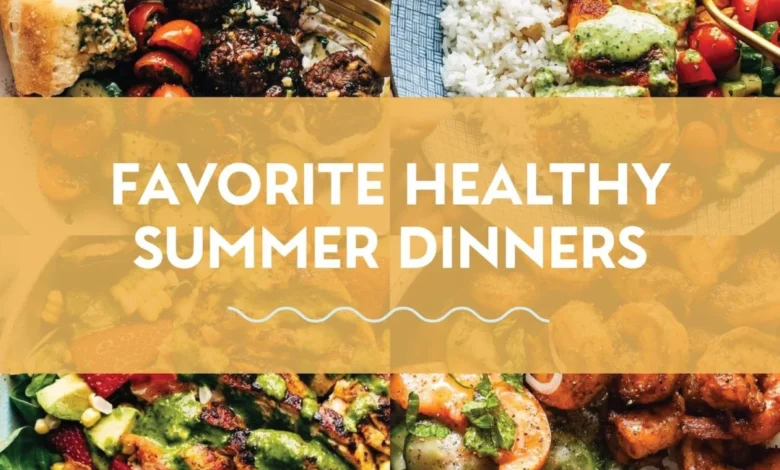
As the summer solstice passes and the northern hemisphere enters the peak of the agricultural harvest, a significant shift in consumer dietary habits has been observed, moving away from the heavy, calorie-dense comfort foods of winter toward "light and bright" culinary profiles. This transition is not merely a matter of personal preference but is rooted in the increased availability of nutrient-dense produce and a growing public health emphasis on seasonal eating. Current culinary trends indicate that home cooks are increasingly prioritizing meals that utilize fresh ingredients—such as heirloom tomatoes, sweet corn, and stone fruits—to achieve nutritional goals without sacrificing flavor or aesthetic appeal. The following analysis explores the modern landscape of summer dining, highlighting specific recipe archetypes and the broader implications of seasonal food consumption on public health and the environment.
The Science and Economics of Seasonal Produce
The foundation of the modern summer dinner is the utilization of seasonal produce at its nutritional and flavor peak. Agricultural data from the United States Department of Agriculture (USDA) indicates that produce harvested during its natural growing season often retains higher levels of vitamins and antioxidants compared to out-of-season items that must be transported long distances. For instance, tomatoes harvested in mid-to-late summer are significantly higher in lycopene and vitamin C than those grown in greenhouses during the winter months.
This availability of high-quality ingredients has led to a "minimalist" approach in the kitchen. Culinary experts note that when ingredients like corn, peppers, and leafy greens are at their freshest, they require less processing, sodium, and supplemental fats to be palatable. This "heavy lifting" by the produce itself allows for the creation of meals that are naturally lower in calories but high in satiety. From an economic perspective, the surge in farmers’ market attendance during the summer months suggests a strengthening link between local agriculture and the domestic dinner table, fostering a sustainable food loop that benefits both the consumer and the regional economy.
Culinary Trends: The Rise of the Nutrient-Dense Bowl and Sheet Pan Efficiency
A systematic review of popular summer recipes reveals a dominant trend toward "bowl-style" meals and one-pan preparation methods. These formats are favored for their versatility and efficiency, particularly during warmer months when consumers prefer to minimize the time spent near high-heat kitchen appliances.
The Integration of Lean Proteins and Botanical Sauces
A cornerstone of the summer menu is the pairing of lean proteins, such as salmon and shrimp, with vibrant, herb-based sauces. The "Salmon with Basil Sauce and Tomato Salad" serves as a primary example of this trend. By utilizing fresh basil—a prolific summer herb—home cooks can create high-flavor profiles that replace cream-based or high-sugar bottled dressings. This approach aligns with Mediterranean diet principles, which are consistently ranked by health organizations as the gold standard for cardiovascular health. Similarly, "Chimichurri Shrimp" and "Chipotle Salmon with Orange Salsa" demonstrate the use of citrus and fresh aromatics to provide "bright" acidity, which enhances the natural flavors of seafood.
The "Bowl-ification" of Dinner
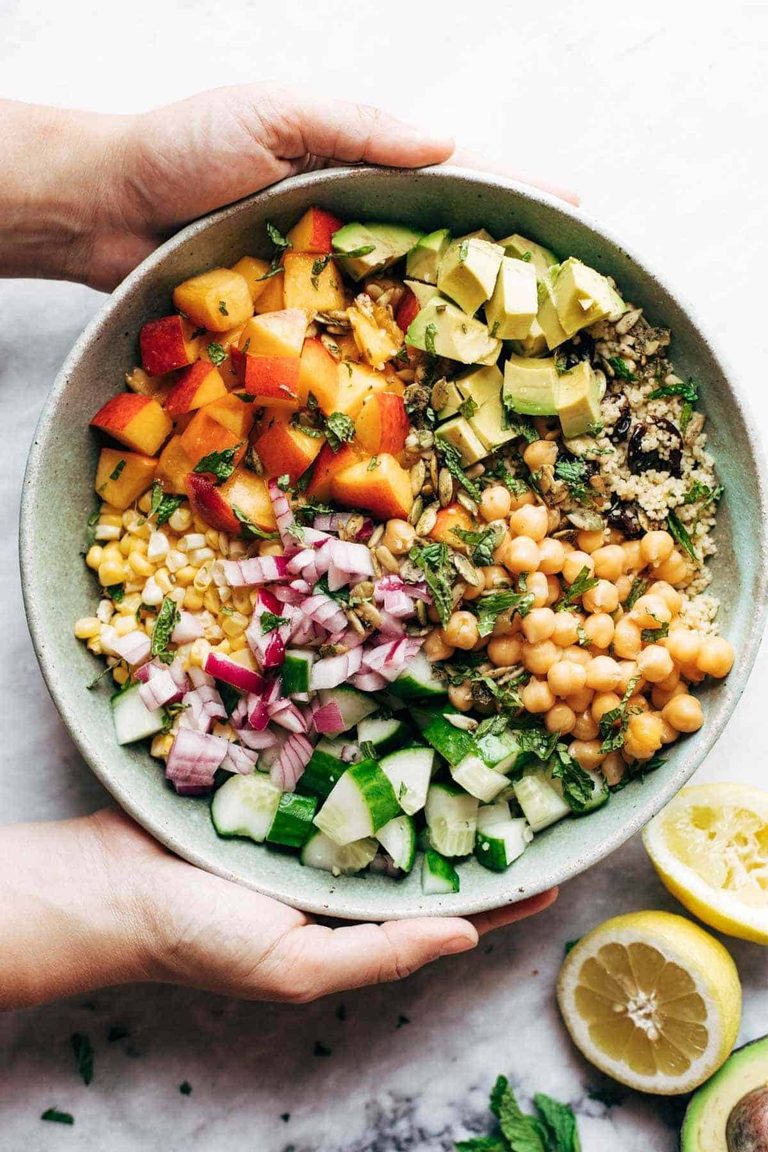
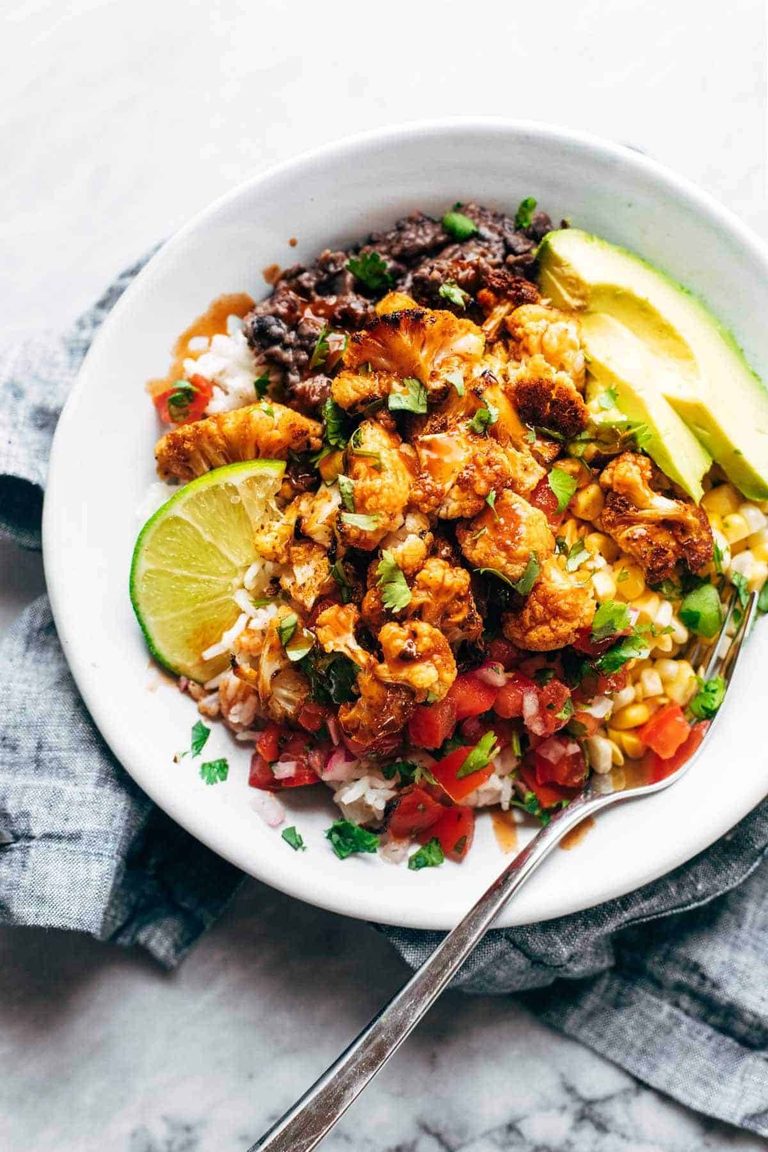
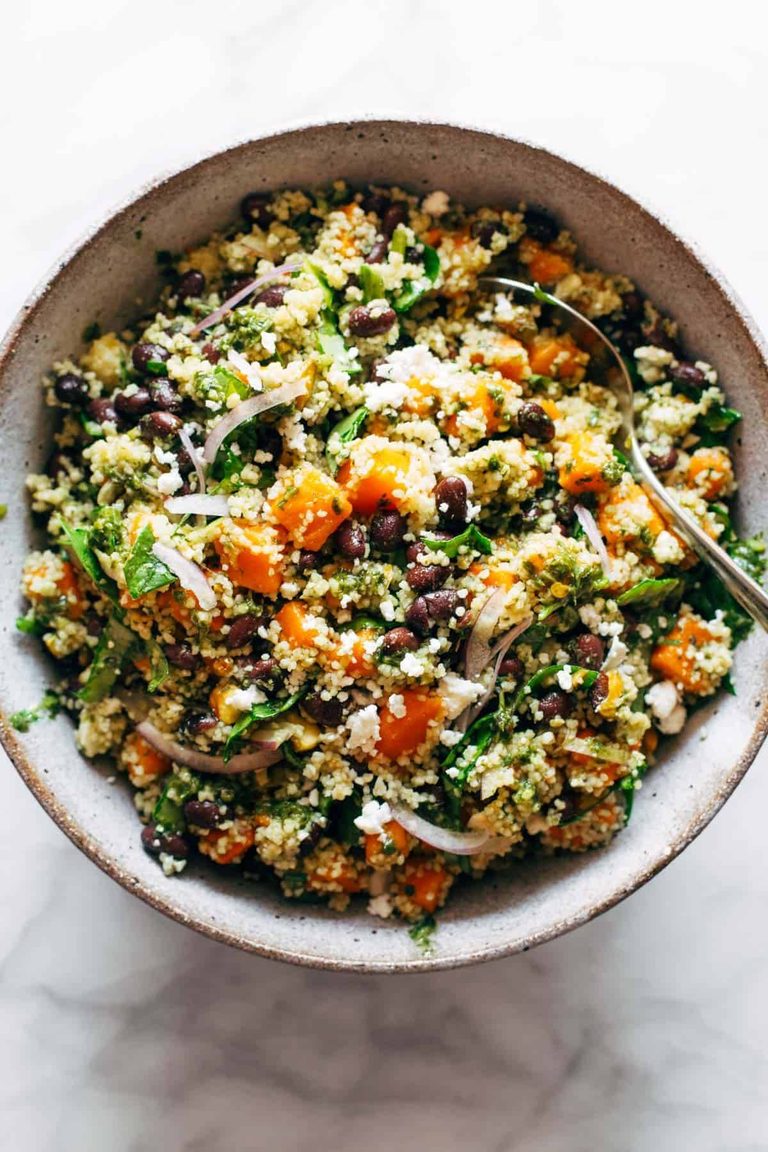
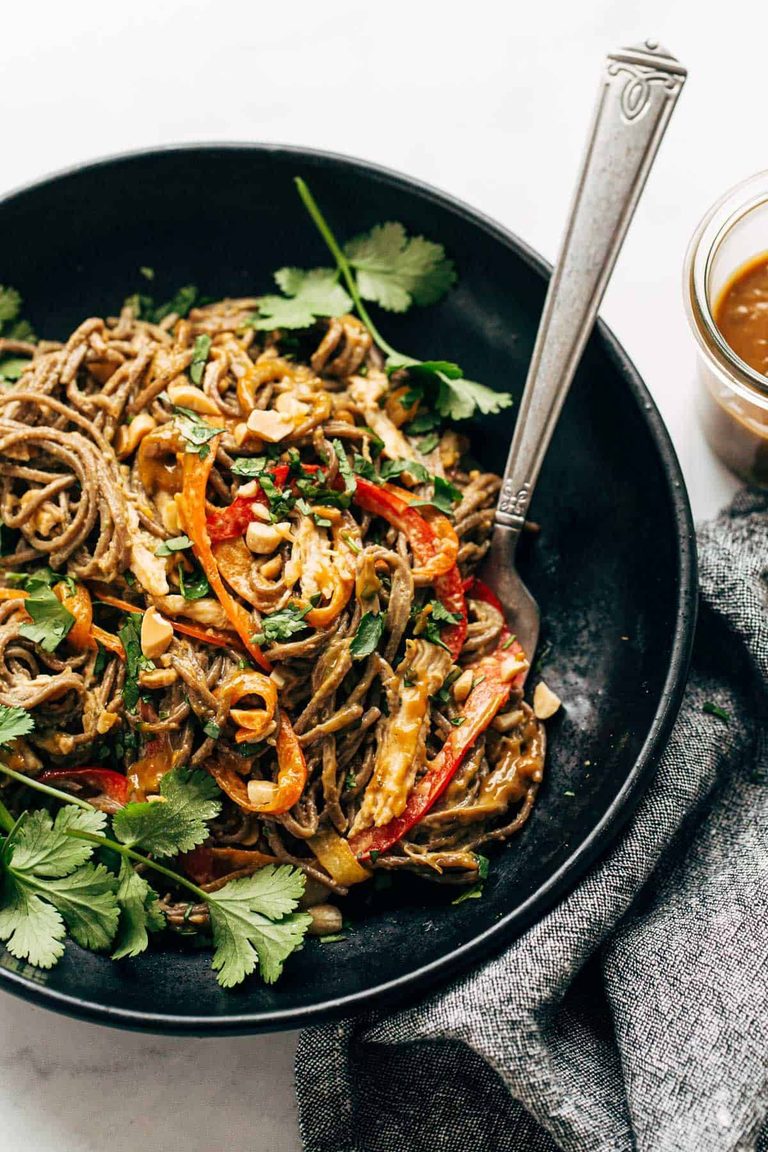
The transition from traditional "meat and three sides" plating to integrated bowls remains a significant movement in domestic cooking. Recipes such as "Mediterranean Quinoa Bowls," "Roasted Cauliflower Burrito Bowls," and "Thai Peanut Chicken Bowls" highlight a strategic balance of complex carbohydrates, plant-based or lean proteins, and raw vegetables. These bowls often incorporate "superfoods" like quinoa and kale, which provide essential fiber and micronutrients. The "Street Corn Beef and Sweet Potato Bowls" represent an evolution of this trend, merging traditional comfort ingredients with the high-protein, high-fiber requirements of modern fitness-conscious consumers.
Chronology of Summer Flavor Profiles: From June to August
The summer dining calendar follows a distinct chronological progression based on harvest cycles. Understanding this timeline is essential for optimizing both the flavor and cost-effectiveness of home-cooked meals.
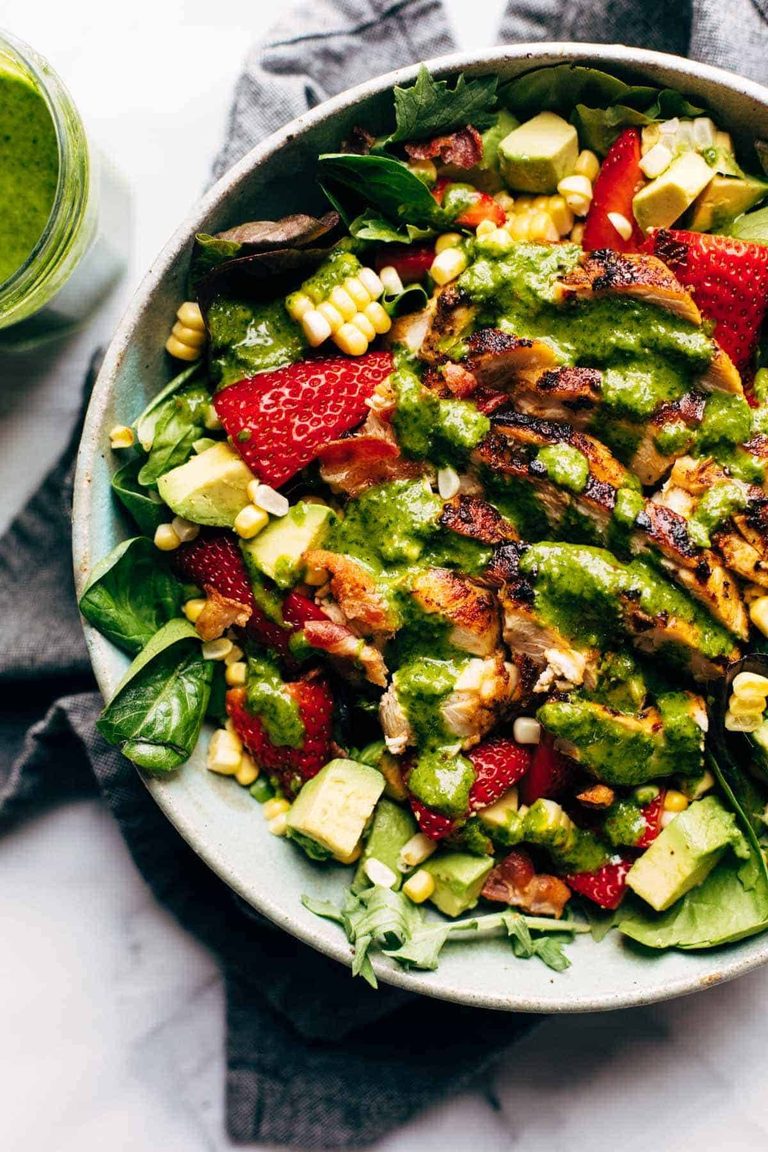
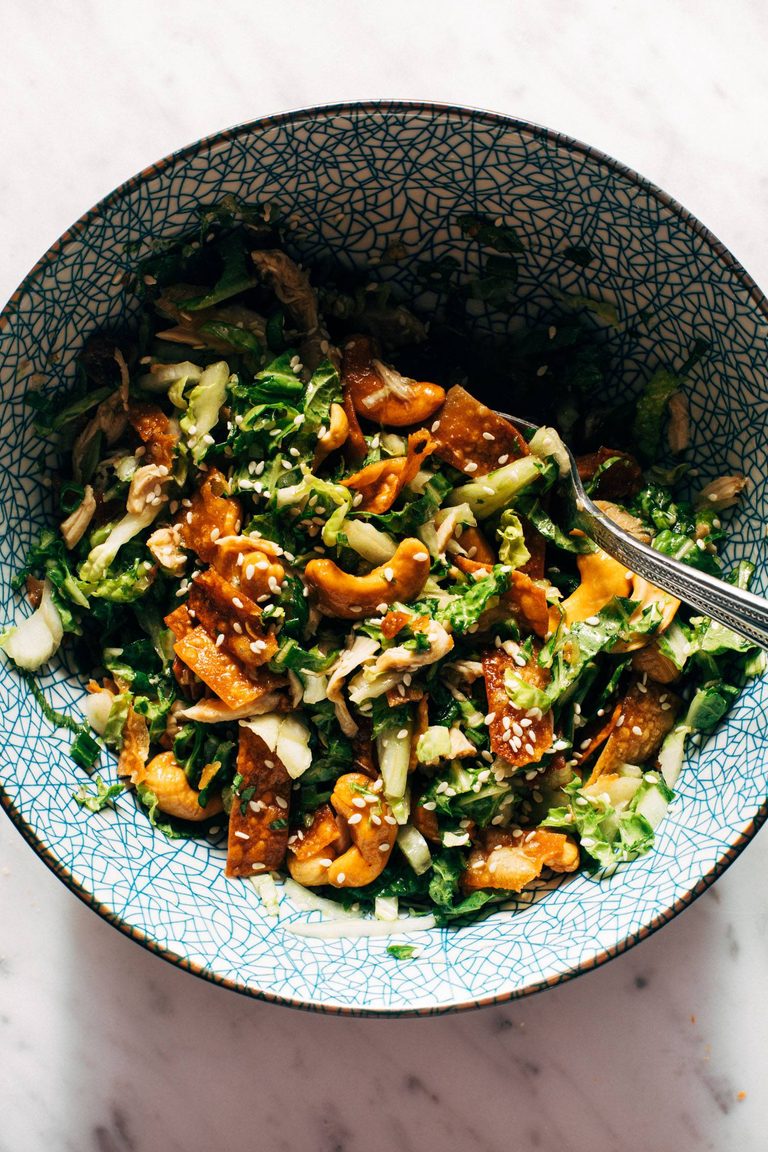
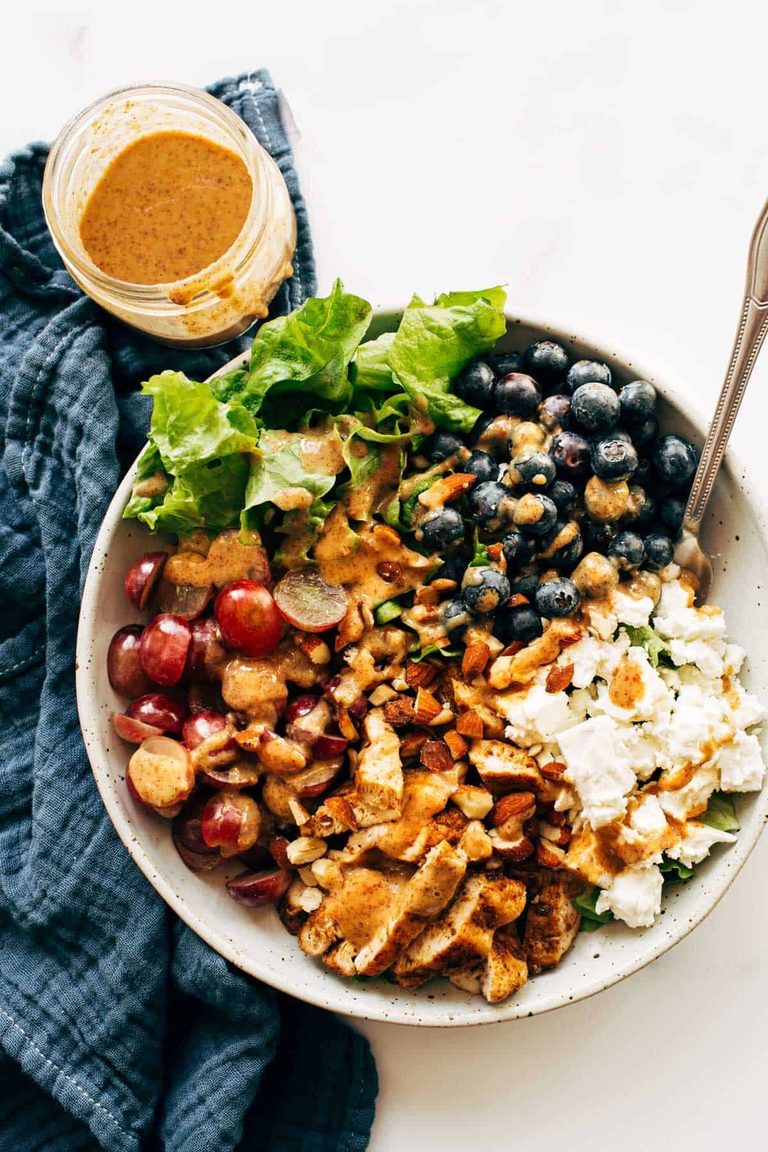
- Early Summer (June): The focus is on cool-weather greens, herbs, and early berries. This period sees a high frequency of "Napa Chicken Salads" and "Rainbow Chicken Salads" featuring strawberries and fresh almonds.
- Mid-Summer (July): This is the peak for stone fruits and early vine-ripened vegetables. Recipes like the "Couscous Summer Salad" with nectarines and cherries, and "Spicy Shrimp with Peach Salad," become centerpieces as these fruits reach their highest sugar content.
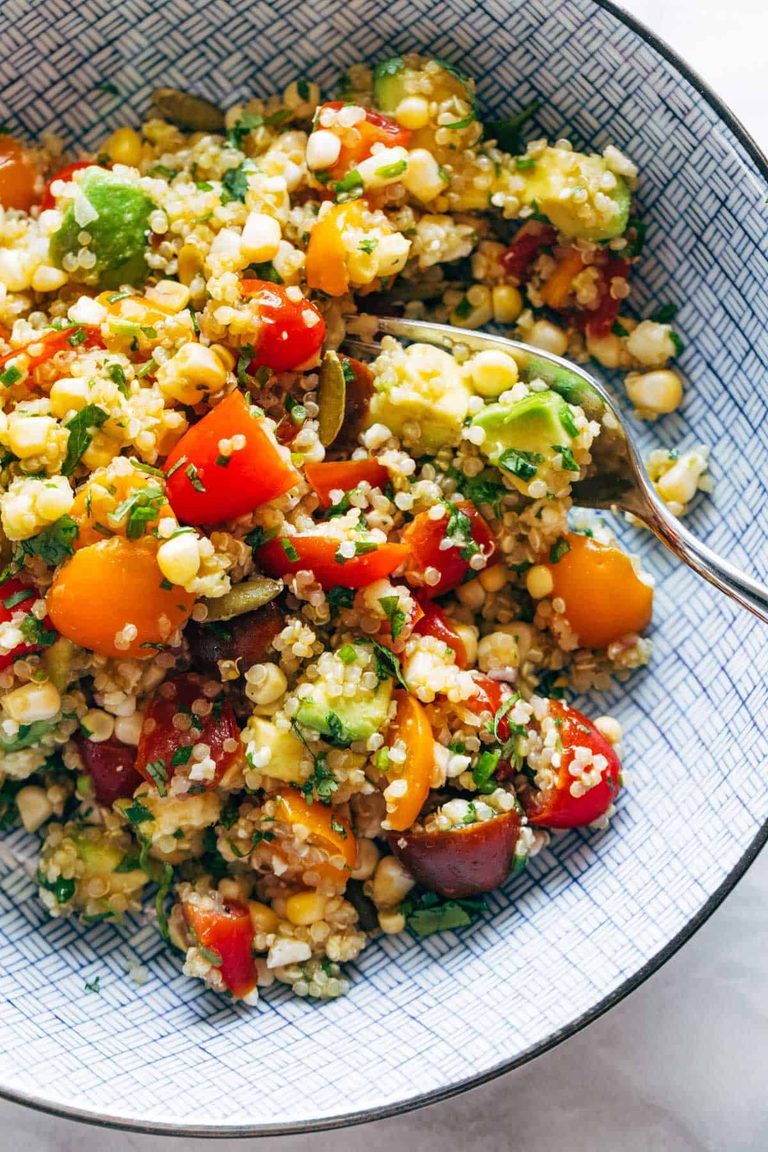
- Late Summer (August): The "bounty" period. Tomatoes, peppers, and corn are at their zenith. This is the optimal time for "Corn, Avocado, and Quinoa Salads" and "One-Pan Farro with Tomatoes and Kale." The abundance of produce during this window often leads to more vegetable-forward or "flexitarian" eating patterns.
Global Influences on the Modern Summer Table
The contemporary summer menu is characterized by a high degree of globalization. Traditional American "picnic" food has been largely supplanted or augmented by flavors from Southeast Asia, the Mediterranean, and Latin America.
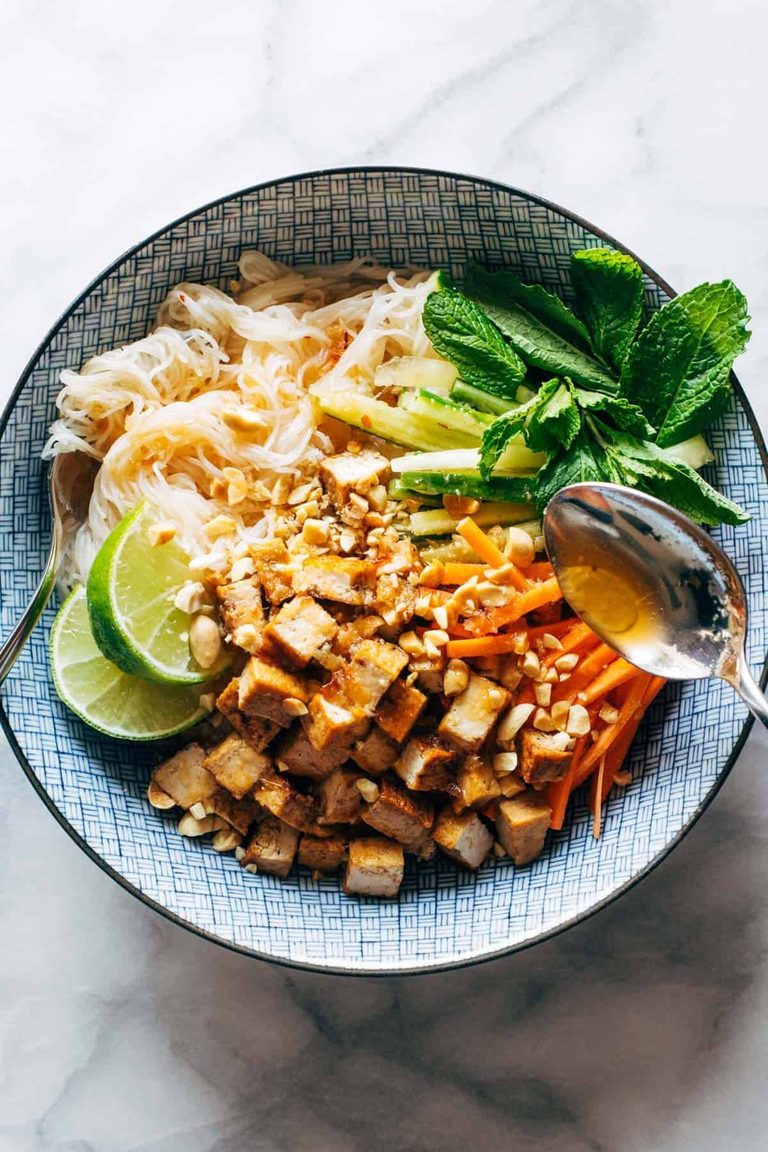
- Southeast Asian Influence: The use of lemongrass, ginger, and sesame in recipes like "Lemongrass Vermicelli Salad" and "Spicy Peanut Soba Noodle Salad" provides a cooling effect through the use of fresh herbs (mint, cilantro) and spicy elements that can induce thermoregulation.
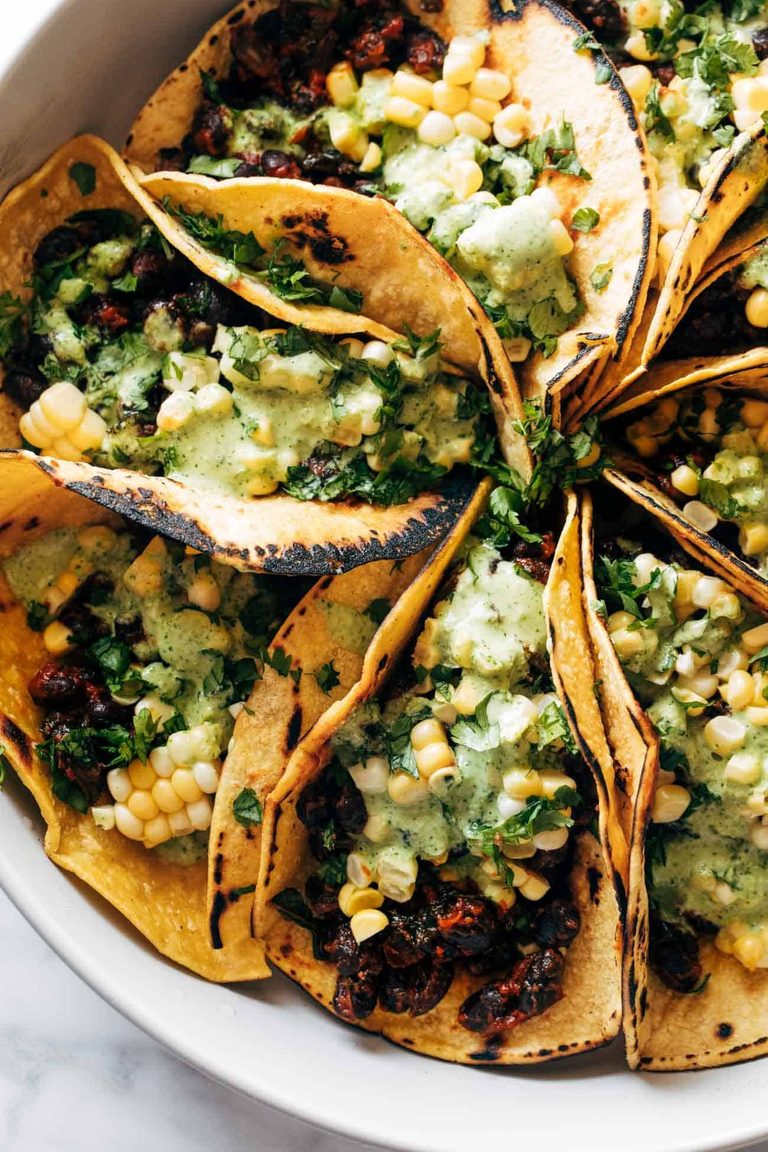
- Latin American Influence: "Aji Verde" (a spicy Peruvian green sauce) and "Elote-style" preparations have moved from niche culinary circles into mainstream home cooking. These flavors offer a "feisty" and "punchy" alternative to standard condiments, often utilizing Greek yogurt or avocado as a creamy base instead of mayonnaise.
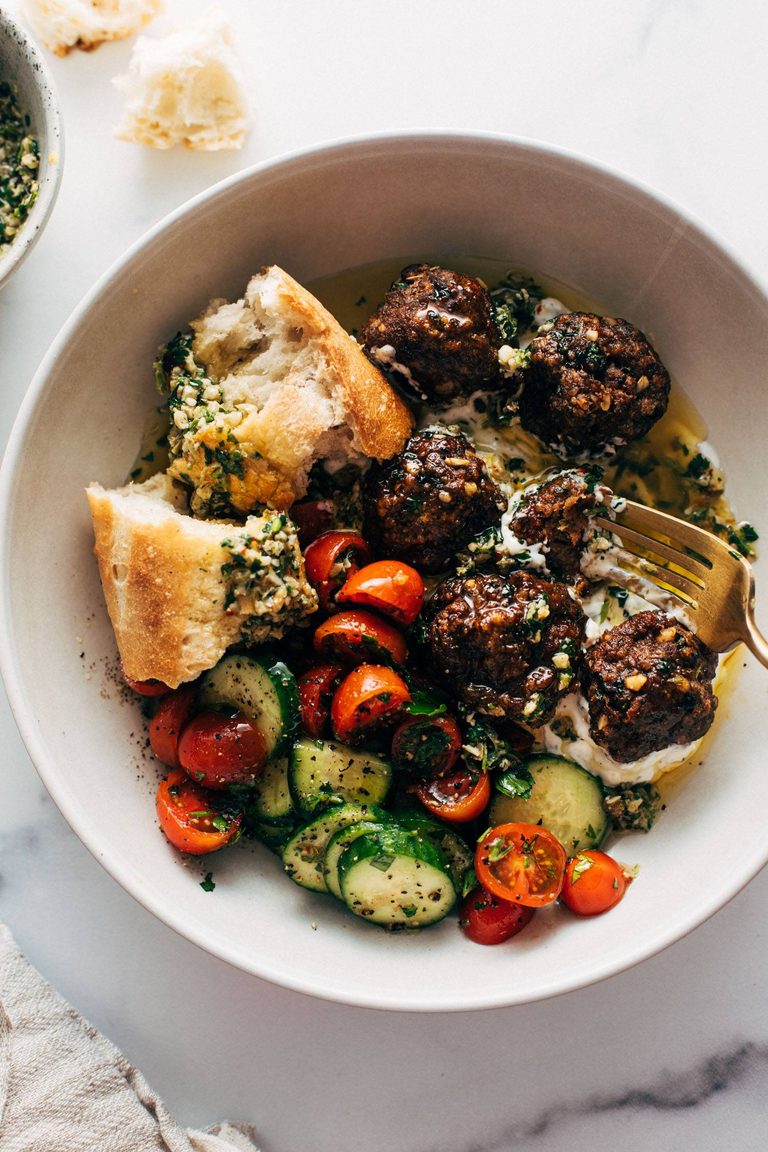
- Mediterranean Influence: The "Sheet Pan Chicken Pitas with Tzatziki" and "Harissa Meatballs" reflect a preference for bold, sun-drenched flavors that are inherently associated with health and longevity.
Psychological Impact and the "Eat the Rainbow" Philosophy
Beyond the physiological benefits of vitamins and minerals, the aesthetic quality of summer meals—often referred to as "eating the rainbow"—has a documented psychological impact. Visual appeal is a critical component of the dining experience; bright, colorful meals are often perceived as more satisfying and higher in quality. This "breezy" approach to cooking reduces the "mental load" associated with dieting. When meals look beautiful and taste fresh, the perception of "trying to be healthy" is replaced by a genuine craving for wholesome food. This shift is vital for long-term dietary adherence, as it moves away from a restrictive mindset toward one of abundance and enjoyment.
Broader Impact and Implications for Public Health
The trend toward light, produce-heavy summer dinners has significant implications for public health. According to the Centers for Disease Control and Prevention (CDC), only one in ten adults meets the federal recommendations for fruit and vegetable consumption. The promotion of "easy" and "delicious" summer recipes serves as a practical intervention to close this nutritional gap. By lowering the barrier to entry—through 15-minute meal preps and one-pan recipes—home cooks are more likely to avoid processed "fast foods" that contribute to metabolic syndromes.
Furthermore, the emphasis on seafood (Salmon Burgers, Shrimp and Avocado Salad) supports the intake of essential fatty acids, which are often under-consumed in the standard Western diet. The inclusion of plant-based options, such as "Firecracker Vegan Lettuce Wraps" and "Roasted Cauliflower Lettuce Wraps," reflects a growing societal move toward "reductarianism," where meat consumption is decreased in favor of environmentally sustainable plant proteins.
Official Responses and Culinary Expert Analysis
Nutritionists and culinary analysts have largely lauded the shift toward seasonal, produce-led cooking. "The integration of fresh produce as the ‘heavy lifter’ in a recipe is a masterclass in intuitive eating," says a representative from a leading culinary institute. "It removes the clinical nature of nutrition and replaces it with a sensory experience."
Market analysts also note that the "meal prep" friendly nature of many summer recipes—such as the "Sesame Noodle Bowls" or "Marinated Kale and Chicken Bowls"—addresses the modern consumer’s need for time efficiency. As the workforce continues to balance hybrid schedules, the ability to create a "restaurant-level" dinner in under 30 minutes remains a top priority for the average household.
Conclusion: The Future of Seasonal Eating
As we look toward the future of domestic dining, the "light and bright" summer dinner is likely to remain a permanent fixture of the culinary landscape. The convergence of health consciousness, environmental awareness, and a desire for global flavor profiles has created a robust framework for how we eat during the warmest months of the year. By embracing the natural cycles of the harvest, consumers are finding that eating well does not have to be an arduous task of willpower, but rather a simple, delicious response to what the earth provides. The recipes and trends discussed herein represent more than just a seasonal phase; they are a blueprint for a more vibrant, sustainable, and healthful way of life.