A Journey into the Heart of Southern Brazilian Barbecue at Costelão do Gaúcho in Curitiba

The culinary landscape of Curitiba, the capital of the southern Brazilian state of Paraná, is defined by its deep-rooted connection to the cattle-ranching traditions of the Pampas. At the center of this gastronomic identity is Costelão do Gaúcho, a restaurant that has functioned as a local landmark for over four decades. Specializing in "costela" (beef ribs), the establishment serves as a case study in the preservation of traditional Gaucho cooking techniques, utilizing slow-roasting methods and specialized industrial tools to deliver a product that has become synonymous with the region’s cultural heritage. Located near the city’s downtown district, the restaurant operates as a high-volume steakhouse, bridging the gap between historical rural traditions and modern urban dining demands.
The Historical and Cultural Context of the Gaucho Tradition
To understand the significance of Costelão do Gaúcho, one must examine the history of the Gaucho—the nomadic, skilled horsemen of the South American grasslands. Spanning across Rio Grande do Sul, parts of Paraná, and into Uruguay and Argentina, the Gaucho culture was built around the management of livestock. Beef became the primary staple of their diet, and the "churrasco" (barbecue) emerged as the most efficient way to prepare large quantities of meat over open fires in the field.
The "costela" or beef rib is historically considered the most traditional cut in Gaucho barbecue. Unlike the "picanha" (sirloin cap), which gained international fame in the late 20th century, the ribs require a laborious, hours-long cooking process to break down the tough connective tissues and intramuscular fat. This slow-cooking method, often referred to as "fogo de chão" (ground fire) in its most traditional form, is what Costelão do Gaúcho has refined within an indoor commercial setting for over 40 years. The restaurant’s longevity reflects a broader trend in Brazilian hospitality where family-owned establishments maintain strict adherence to ancestral recipes while catering to a growing middle-class demographic.
The Technical Process: From Pasture to Table
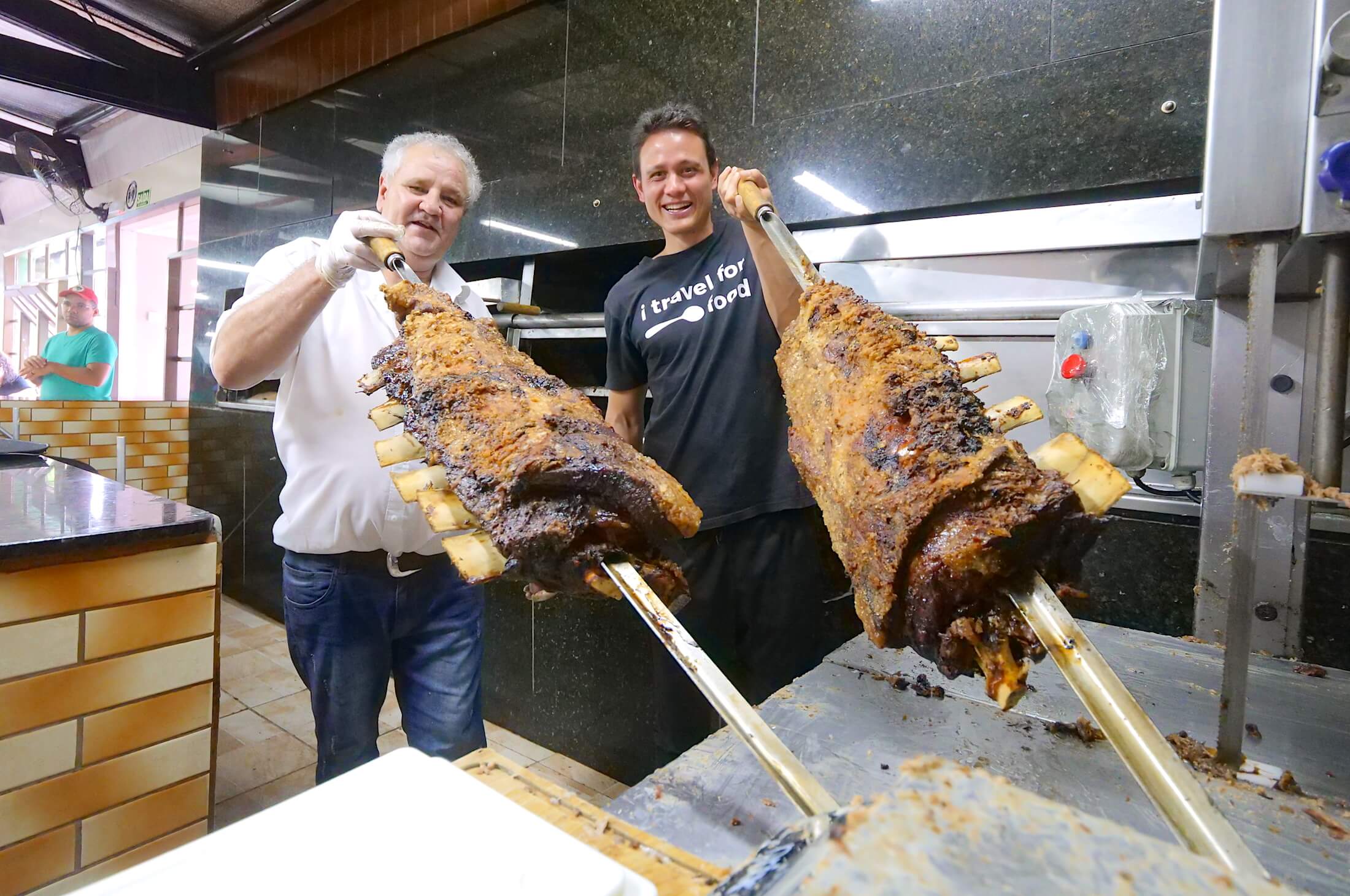
The production cycle at Costelão do Gaúcho begins long before the doors open at 11:00 am. The restaurant utilizes massive sides of beef, often weighing between 15 and 20 kilograms per section. These portions are skewered on large metal "swords" and positioned in a specialized roasting chamber. The heat source is strictly charcoal, providing the dry, intense heat necessary to render fat while imbuing the meat with a distinct smokiness.
The chronology of the cooking process is rigorous. The ribs are seasoned primarily with coarse rock salt, a hallmark of Brazilian barbecue that draws out moisture and creates a savory crust. The meat is then roasted for several hours in a separate room behind the main service area. This separation ensures that the temperature remains consistent and that the smoke is managed through high-capacity ventilation systems, which are visible as towering smokestacks from the exterior of the building.
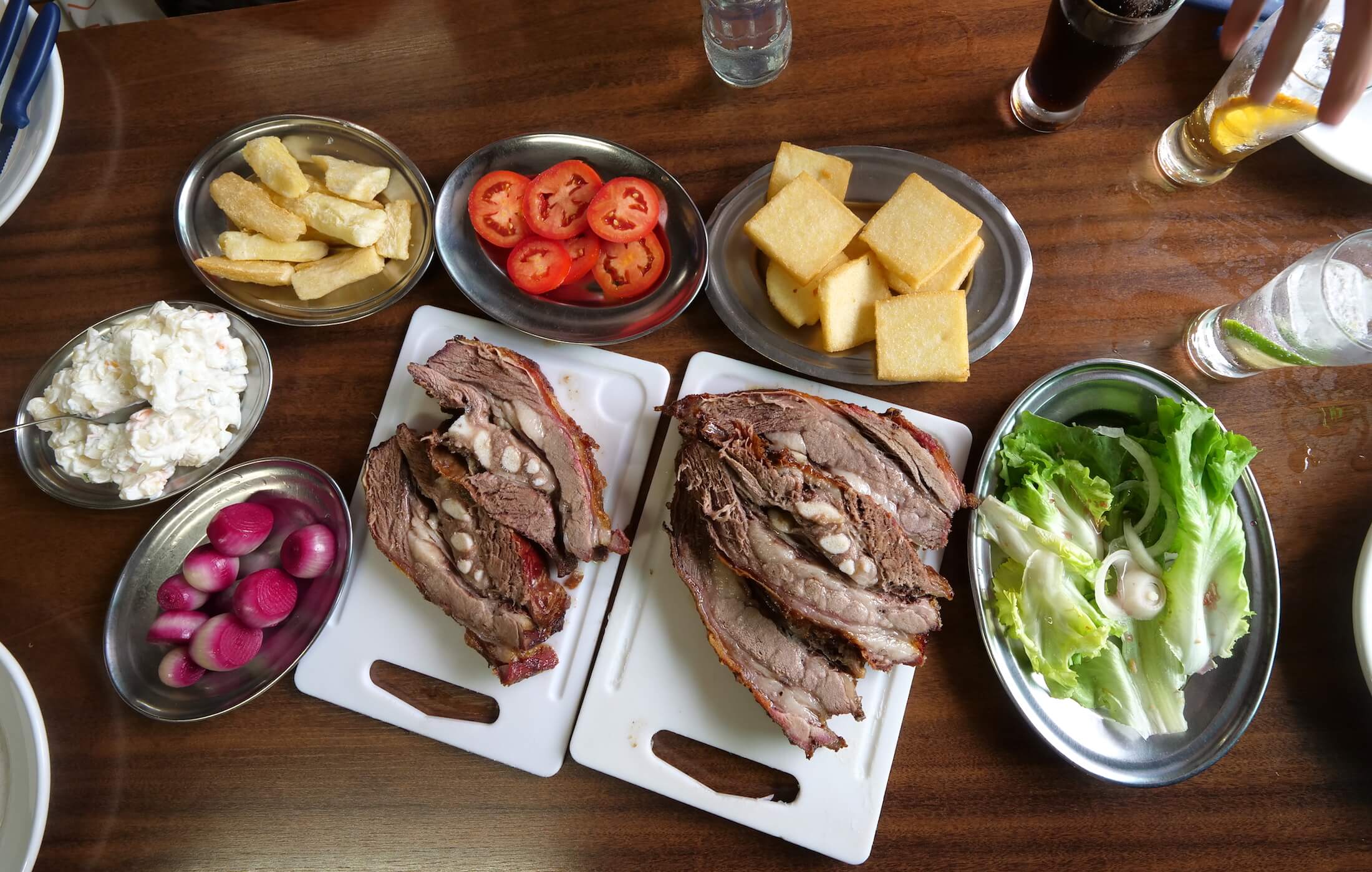
As the meat nears completion, it is moved to a secondary grilling area closer to the service counter. Here, the head chef, who has managed the grills for over 40 years, performs a final inspection. This involves checking the internal temperature and the "fall-off-the-bone" tenderness of the beef. The final stage of preparation is a display of culinary precision that distinguishes this establishment from standard steakhouses.
The Industrial Art of the Rib-Saw
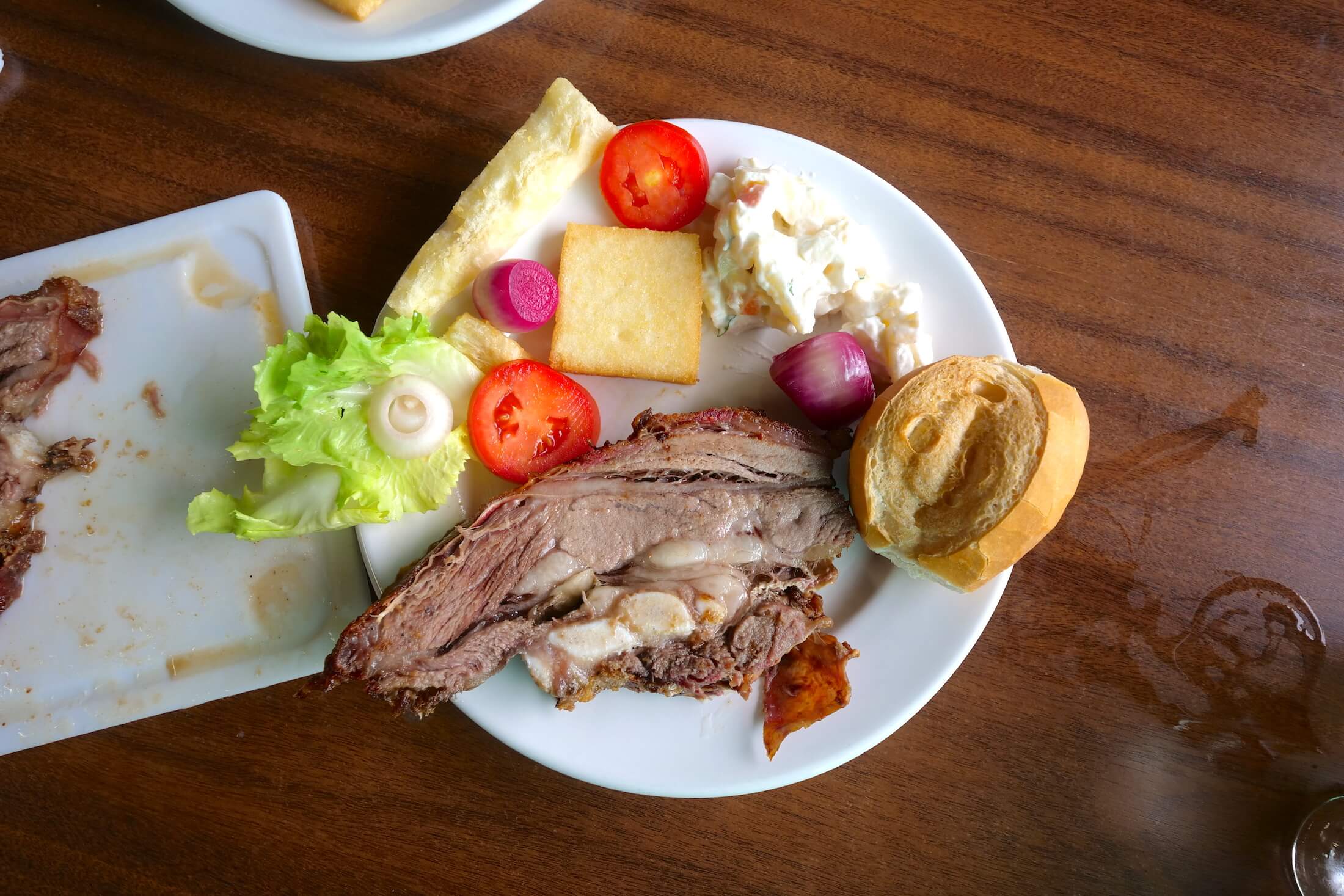
One of the most distinctive features of Costelão do Gaúcho is the method by which the meat is portioned. While most restaurants rely on traditional butcher knives, this establishment utilizes an industrial jigsaw—a tool more commonly found in carpentry than in a kitchen. The use of the rib-saw is a response to the physical density of the bovine ribs, which can be several inches thick and difficult to cut cleanly with manual tools.
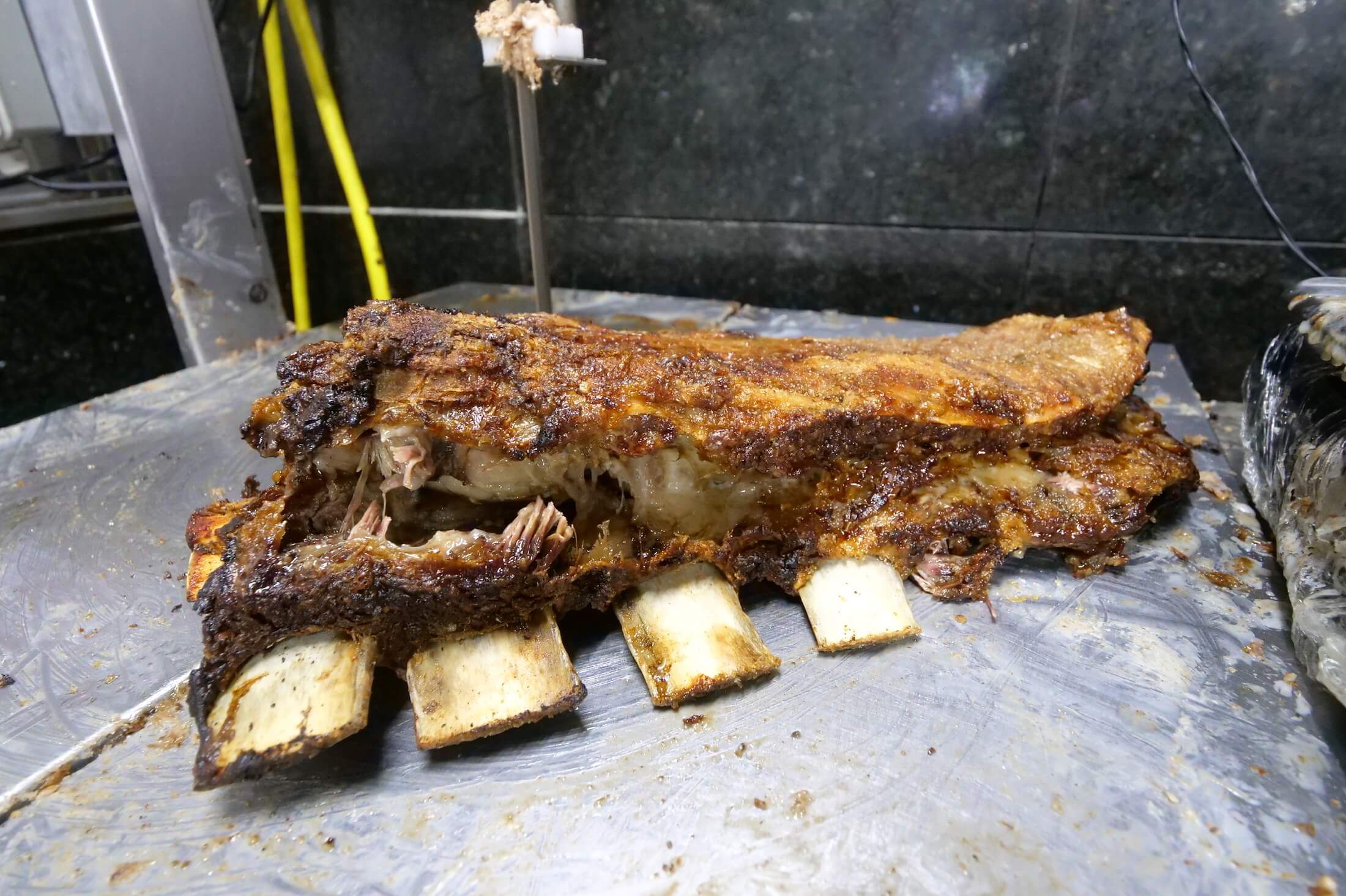
The chef operates the vertically spinning blade with remarkable dexterity, sliding the 20-kilogram sides of beef against the saw to produce clean, uniform slices. This method allows the restaurant to cut through bone, fat, and tendon simultaneously, ensuring that each serving contains the full spectrum of textures that define the rib cut. The speed and accuracy of this process are essential for maintaining the flow of service, especially during peak weekend hours when the restaurant reaches maximum capacity.
The portioning is done by weight, reflecting a transparent pricing model common in Brazilian "comida por quilo" or specialized meat houses. This allows diners to customize their intake, though the standard serving is typically around one kilogram (approximately 35 ounces) per plate, intended for communal sharing.
A Hybrid Service Model: Meat and Bottomless Accompaniments
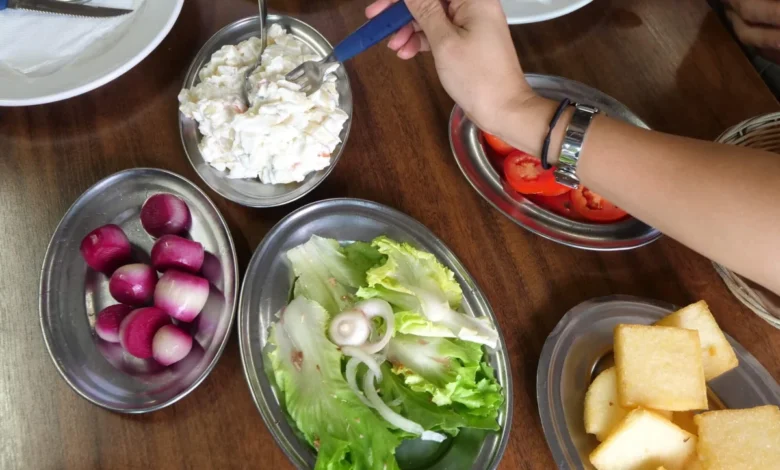
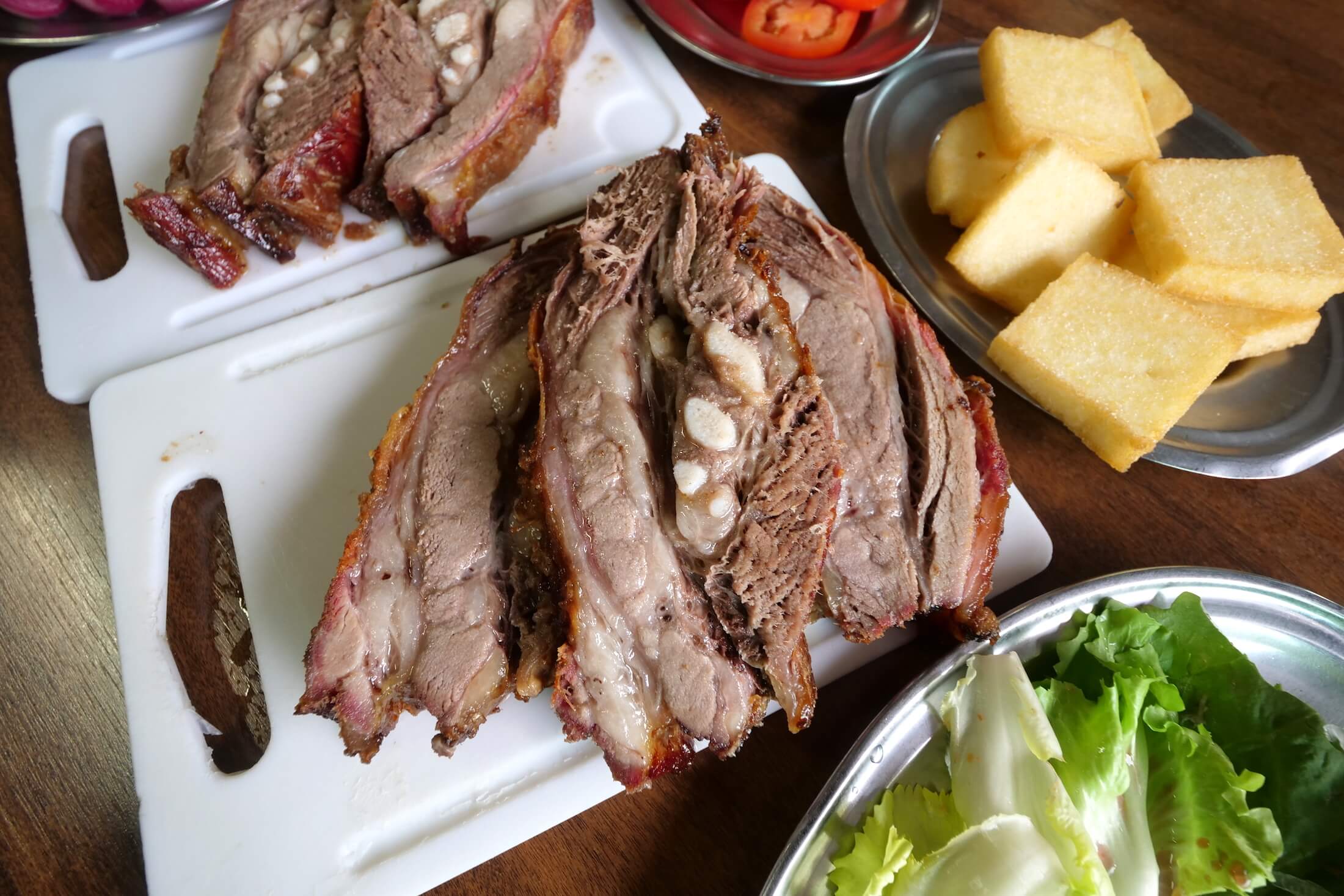
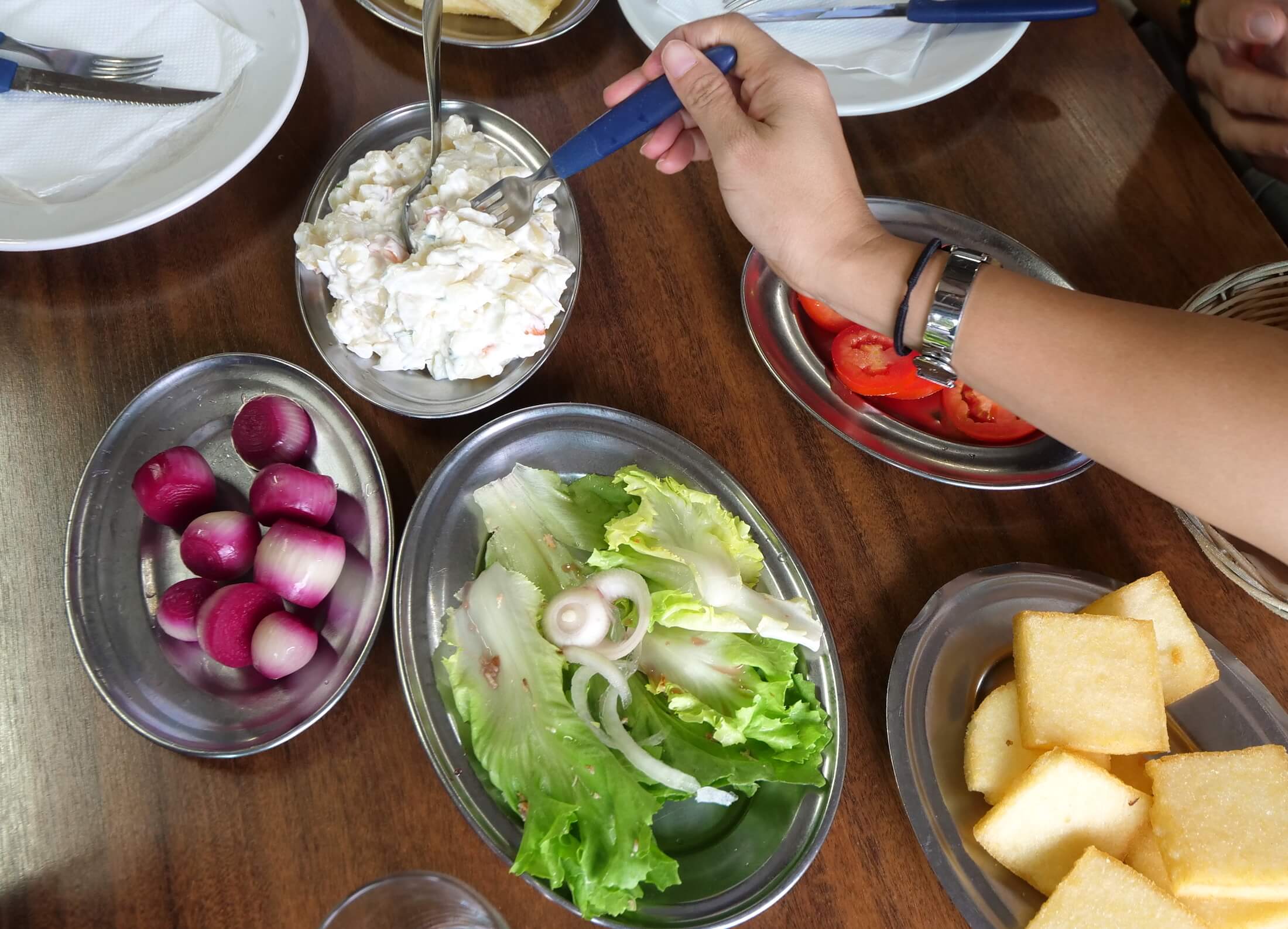
The service structure at Costelão do Gaúcho is a hybrid of the "rodízio" (continuous service) and "a la carte" styles. While the meat is selected and weighed at the counter, the side dishes are served at the table in an unlimited capacity for a fixed per-head fee. This model maximizes efficiency and ensures that the side dishes—many of which are fried or fresh—arrive at the table at the peak of their quality.
The menu of accompaniments is designed to balance the richness of the beef. Key components include:
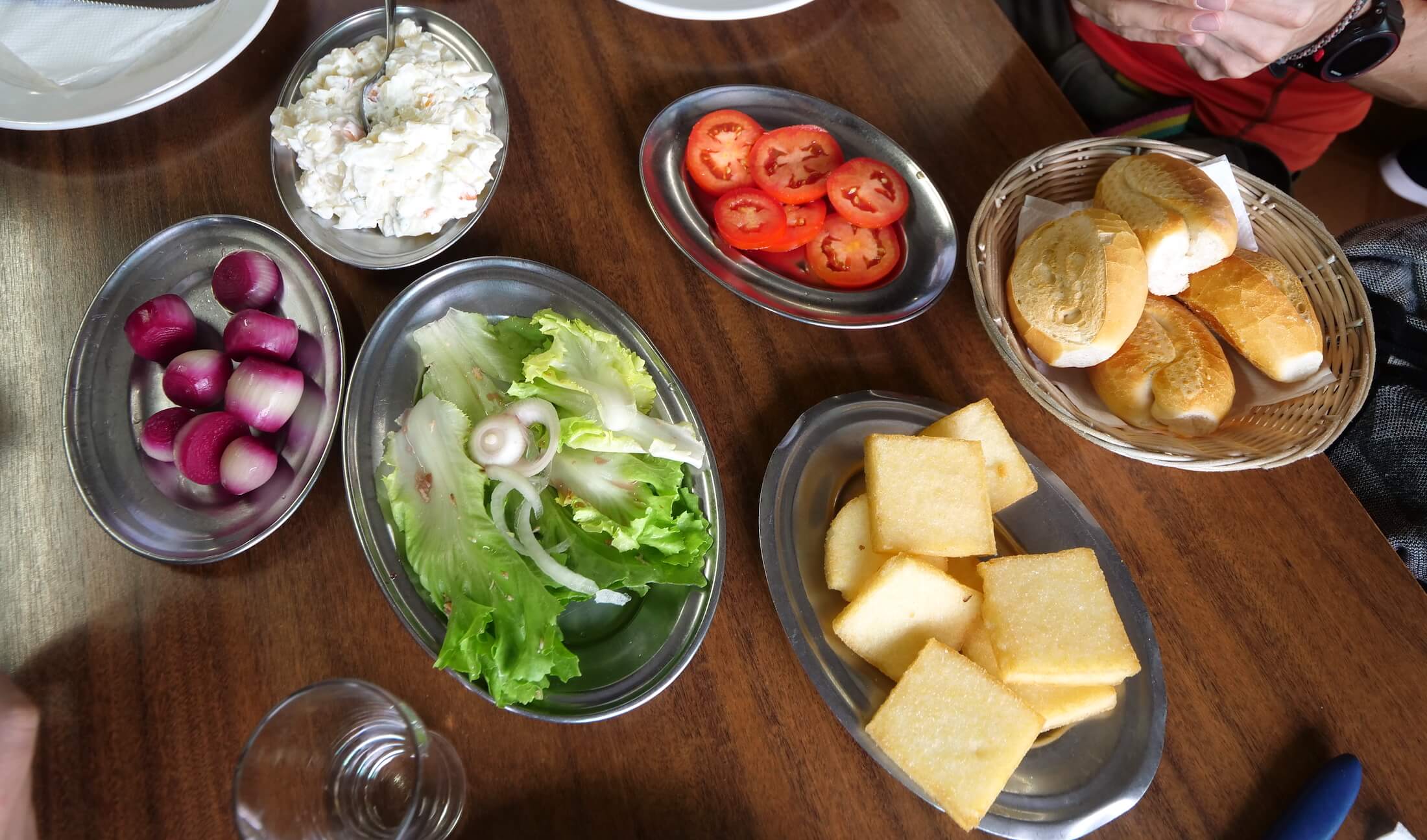
- Polenta: Deep-fried sticks of cornmeal, a staple influenced by the Italian immigration waves to Southern Brazil in the late 19th century.
- Manioc (Cassava): A traditional indigenous starch that is boiled or fried. At Costelão do Gaúcho, the manioc is noted for its fibrous texture and translucent appearance, serving as a primary source of carbohydrates.
- Vinaigrette and Pickled Vegetables: Sliced beets, onions, and lettuce dressed in a sour vinegar base. These acidic elements are crucial for cutting through the heavy fat content of the beef ribs.
- Specialty Onions: The restaurant is noted for its preparation of purple and green shallots, which are lightly steamed and then flash-fried, providing a soft interior with a crisp outer layer.
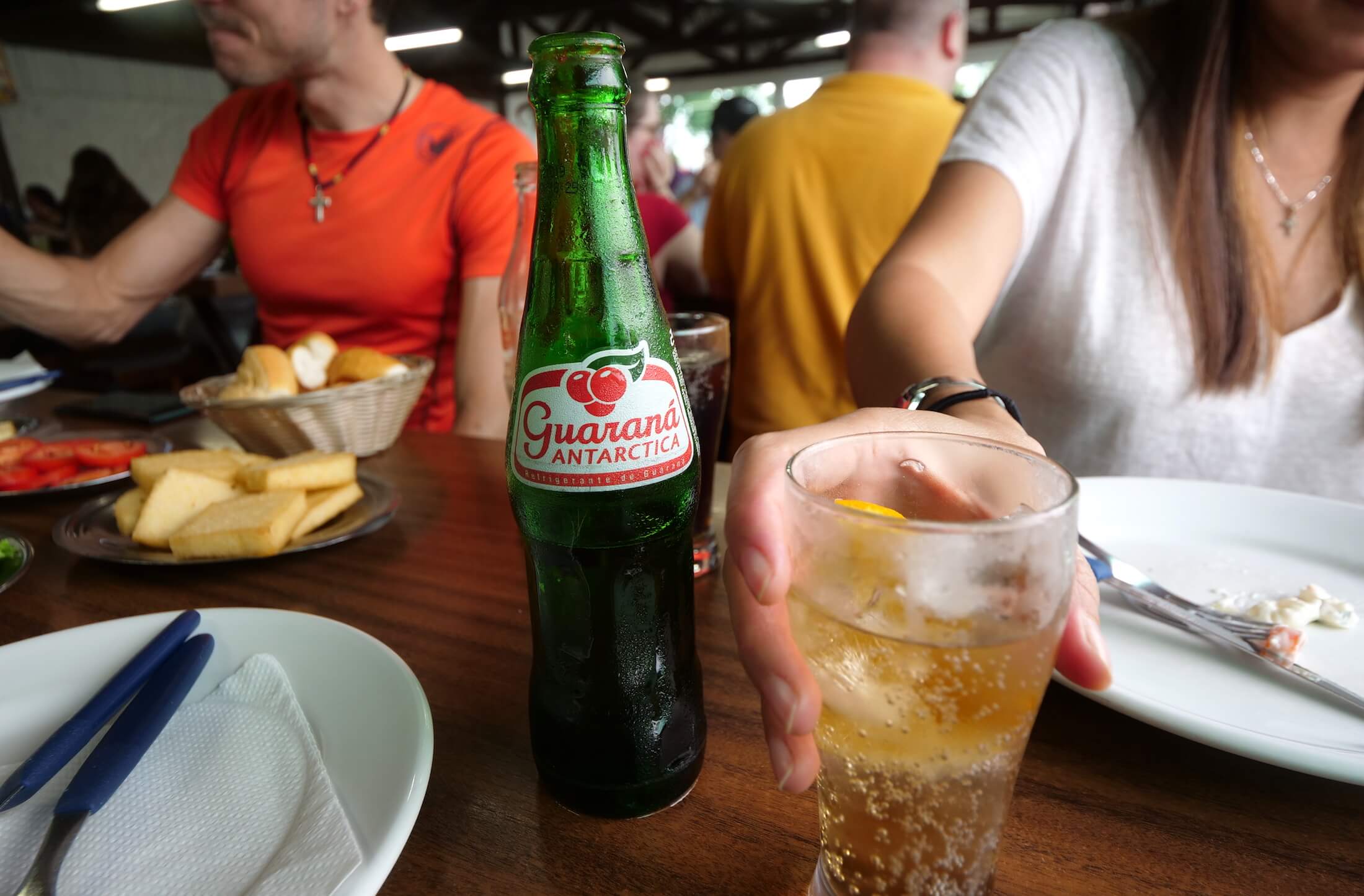
The beverage of choice for many patrons is Guaraná Antarctica, a carbonated soft drink flavored with the guaraná fruit from the Amazon basin. The drink’s high tannin content and sweetness provide a traditional pairing for the salty, savory profiles of the barbecue.
Economic and Agricultural Implications
The success of establishments like Costelão do Gaúcho is intrinsically linked to Brazil’s status as a global leader in the beef industry. As of recent agricultural data, Brazil maintains one of the world’s largest commercial cattle herds, with the beef sector accounting for a significant portion of the national GDP. The state of Paraná, while also a major producer of soy and corn, has a robust livestock sector that supplies local consumption and international exports.
The cultural insistence on high-quality beef in the southern regions has created a sophisticated internal market. Restaurants that fail to meet the "Gaucho standard" for meat tenderness and flavor rarely survive more than a few years. Therefore, Costelão do Gaúcho’s 40-year tenure is not merely a feat of business management but a testament to its ability to consistently source and prepare meat that meets the rigorous expectations of a beef-centric population.
Broader Impact on Global Culinary Trends
The Brazilian steakhouse model, or "Churrascaria," has expanded globally over the last three decades, with major chains establishing a presence in North America, Europe, and Asia. However, many of these international iterations focus on the "rodízio" variety of meats. Costelão do Gaúcho represents a more specialized, authentic precursor to the globalized version—one that focuses on a single, difficult-to-master cut: the rib.
The restaurant’s refusal to over-commercialize, as evidenced by the chef’s preference for local patronage over social media fame, highlights a tension between traditional culinary arts and the modern "foodie" tourism industry. By maintaining a focus on the technical aspects of the slow-roast and the unique industrial cutting method, the restaurant preserves a specific sub-set of Brazilian culture that is often diluted in larger, more tourist-oriented venues.
Conclusion and Future Outlook
Costelão do Gaúcho remains a vital institution within Curitiba’s urban fabric. It operates as more than just a dining venue; it is a repository of Gaucho technique and a gathering place for families to engage in the ritual of the weekend feast. The combination of historical cooking methods, industrial innovation (the rib-saw), and a communal service model provides a comprehensive look at the evolution of Brazilian barbecue.
As the global food industry moves toward more processed and fast-casual models, the persistence of a 40-year-old establishment dedicated to the art of the slow-cooked rib serves as an important reminder of the value of culinary patience and regional specialization. For the city of Curitiba, the restaurant is a symbol of stability and tradition in an ever-changing metropolitan landscape. For the international observer, it offers a factual glimpse into the rigorous standards of Brazilian beef production and the enduring legacy of the Gaucho way of life.
Related posts: