Industry Experts Argue for Rebranding Spains Premium Sparkling Wine to Protect Fine Wine Identity

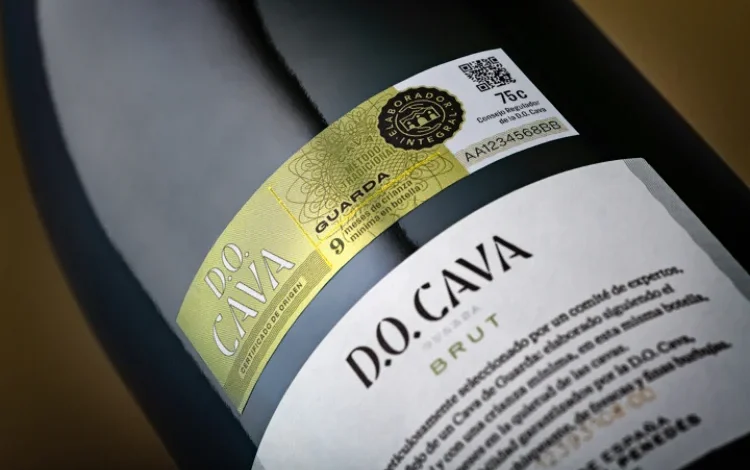
The landscape of Spanish viticulture is currently navigating a pivotal crossroads as leading figures within the international wine community suggest that the term Cava may no longer be fit for purpose when applied to the nation’s highest-quality sparkling wines. During a high-level panel discussion at the Taste Spain trade event recently held in London, a group of influential experts, including winemakers, restaurateurs, and Masters of Wine, argued that the historical baggage associated with the Cava brand name is hindering the global recognition of Spain’s most prestigious cuvées. The consensus emerging from the forum was that for Spain’s fine fizz to be taken seriously alongside the likes of Champagne or Franciacorta, a fundamental shift in nomenclature and regional focus is required.
The discussion, moderated by Patrick Schmitt MW, brought together a diverse range of perspectives to examine the future of Spanish fine wine. The panel featured Carlos López de la Calle, technical director of the acclaimed Bodega Artadi; Richard Bigg, the founder of Camino Restaurants and a pioneer of Spanish gastronomy in the United Kingdom; and Sarah Jane Evans MW, a world-renowned author and expert on Iberian wines. While the session touched upon the secondary market for Spanish labels and the increasing presence of Rioja on the Place de Bordeaux, the most contentious and passionate debate centered on the identity of Spanish sparkling wine.
The Volume Versus Value Dilemma
For decades, Cava has been a powerhouse of global exports, successfully positioning itself as an accessible, traditional-method alternative to Champagne. However, this success has come at a cost. The brand name Cava is now inextricably linked in the minds of many international consumers with high-volume production and aggressive pricing. According to Carlos López de la Calle, this association has become a ceiling that prevents the country’s artisanal producers from achieving the "fine wine" status they deserve.
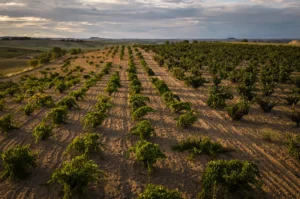
López de la Calle argued that the name Cava has suffered significant reputational damage due to the industry’s historical focus on quantity over quality. He suggested that if Spain intends to build a lasting reputation for world-class sparkling wine, it must move away from the generic Cava designation for its top-tier products. "I think in order to make Spanish sparkling wine great again, we cannot call it Cava," he stated, emphasizing that the name is too broad to convey the specificity and craftsmanship of elite viticulture. He proposed that the future of the category lies in tying these wines to specific, geographically defined areas rather than a broad regulatory umbrella that spans multiple non-contiguous regions of Spain.
The Corpinnat Precedent and the Challenge of Branding
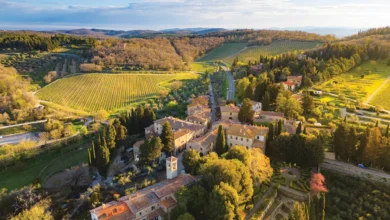
The debate over the Cava name is not a new one, but it has gained significant momentum following the high-profile departure of several top-tier producers from the DO Cava (Denominación de Origen) in recent years. In 2015, a group of six producers—now expanded to eleven—formed Corpinnat, a collective mark for high-end sparkling wines produced in the heart of the Penedès region. Brands such as Recaredo and Gramona, widely considered among the finest sparkling wine producers in the world, are now marketed under this label rather than Cava.
Richard Bigg noted that these producers have successfully created a "collectible status" for their wines. By utilizing native Spanish grapes—most notably Xarel-lo, which provides a unique structural backbone and aging potential—and insisting on rigorous production standards, these brands have differentiated themselves from the mass market. Many of these wines are released only after a decade of cellaring, a timeline that rivals the most prestigious vintage Champagnes.
However, López de la Calle raised a logistical concern regarding this fragmentation. While he supports the ethos of Corpinnat, he pointed out the branding difficulties inherent in creating a new category from scratch. He noted that "Corpinnat" is not a name that consumers naturally search for as a geographic location, which can lead to confusion in a market where "Penedès" or "Champagne" are recognized as specific places of origin. This highlights the central tension in the rebranding effort: the need to distance the wine from a "damaged" brand name while ensuring the new identity is rooted in a recognizable terroir.
A Proposal for Chronological and Regional Separation
Sarah Jane Evans MW offered a practical framework for how this transition might occur. Drawing from her extensive research for her book on the wines of Central and Southern Spain, Evans suggested a clear demarcation based on aging and geography. She proposed that the name Cava should be reserved exclusively for wines aged for less than 18 months—the entry-level and mid-tier products that fuel the volume market.
For wines aged beyond the 18-month threshold, Evans argued for a new system of identification that prioritizes regionality. "All these wonderful and lovely and individual diverse wines that are Cava over 18 months should be called something else," she remarked. By identifying these wines as being from Catalonia, Rioja, or Requena, the industry could highlight the diverse microclimates and soil types that contribute to the wine’s character. This would move the conversation away from a generic method-based identity toward a terroir-driven one.
Identifying the Terroirs of the Future
If the industry moves toward a more specific regional model, the question remains: which areas are best suited for high-end sparkling production? López de la Calle identified several regions with untapped potential. While Penedès remains the historical heartland, he pointed to Galicia in the northwest and the Basque Country’s Txakoli regions as areas of great interest.
The naturally low alcohol levels and high acidity found in Northern Spain’s Chacolí (Txakoli) vineyards make them ideal candidates for traditional-method sparkling wines. These regions offer a "unique location" that differs significantly from the warmer Mediterranean climates, potentially allowing Spain to offer a diverse portfolio of sparkling styles that go beyond the traditional Cava profile.
The DO Cava’s Strategic Evolution
Despite the criticisms leveled by some experts, the DO Cava regulatory board has not been idle. Under the leadership of president Javier Pagés, the DO has introduced significant reforms aimed at premiumization and sustainability. The introduction of the "Cava de Guarda Superior" category is a direct response to the demand for higher standards. This classification includes Reserva (minimum 18 months aging), Gran Reserva (minimum 30 months), and Cava de Paraje Calificado (minimum 36 months from a single exceptional vineyard).
Furthermore, the DO has committed to a bold environmental agenda. By 2025, all wines labeled as Cava de Guarda Superior must be 100% organic. This move is intended to align the brand with the values of modern, conscious consumers and to justify a higher price point in the global market. Pagés has consistently argued that the future of the region lies in "the value of the Cava brand" and its ability to offer a premium product that remains accessible compared to its French counterparts.
Market Implications and the Road Ahead
The statistics surrounding Cava’s market performance illustrate the scale of the challenge. In 2023, Cava sales remained robust, with over 250 million bottles sold globally. However, the vast majority of these sales are in the "Guarda" (entry-level) category. While the "Guarda Superior" segment is growing—particularly in markets like the United States and the United Kingdom—it still represents a fraction of total production.
The debate in London reflects a broader trend in the global wine industry: the shift from "method" to "place." Just as the producers of Prosecco have sought to elevate their image through the Rive and Cartizze designations, and Franciacorta has successfully established itself as a standalone prestige brand in Italy, Spanish producers are realizing that "Traditional Method" is no longer enough of a selling point on its own.
The implications of a potential name change are significant. A successful rebranding of Spain’s top-tier sparkling wines could unlock higher price brackets and attract investment from the luxury sector. However, it also risks fragmenting the market and confusing consumers who have spent decades learning to associate Spain with the word Cava.
As the 2025 organic mandate approaches and more producers experiment with long-lees aging and indigenous varieties, the identity of Spanish sparkling wine will continue to evolve. Whether the solution is a total rebranding, a more rigorous regional sub-division, or a continued evolution within the DO Cava framework, the goal remains the same: ensuring that the quality inside the bottle is accurately reflected by the name on the label. For the experts at Taste Spain, the message was clear: the time for a generic approach has passed, and the era of specific, terroir-driven Spanish fine fizz has begun.