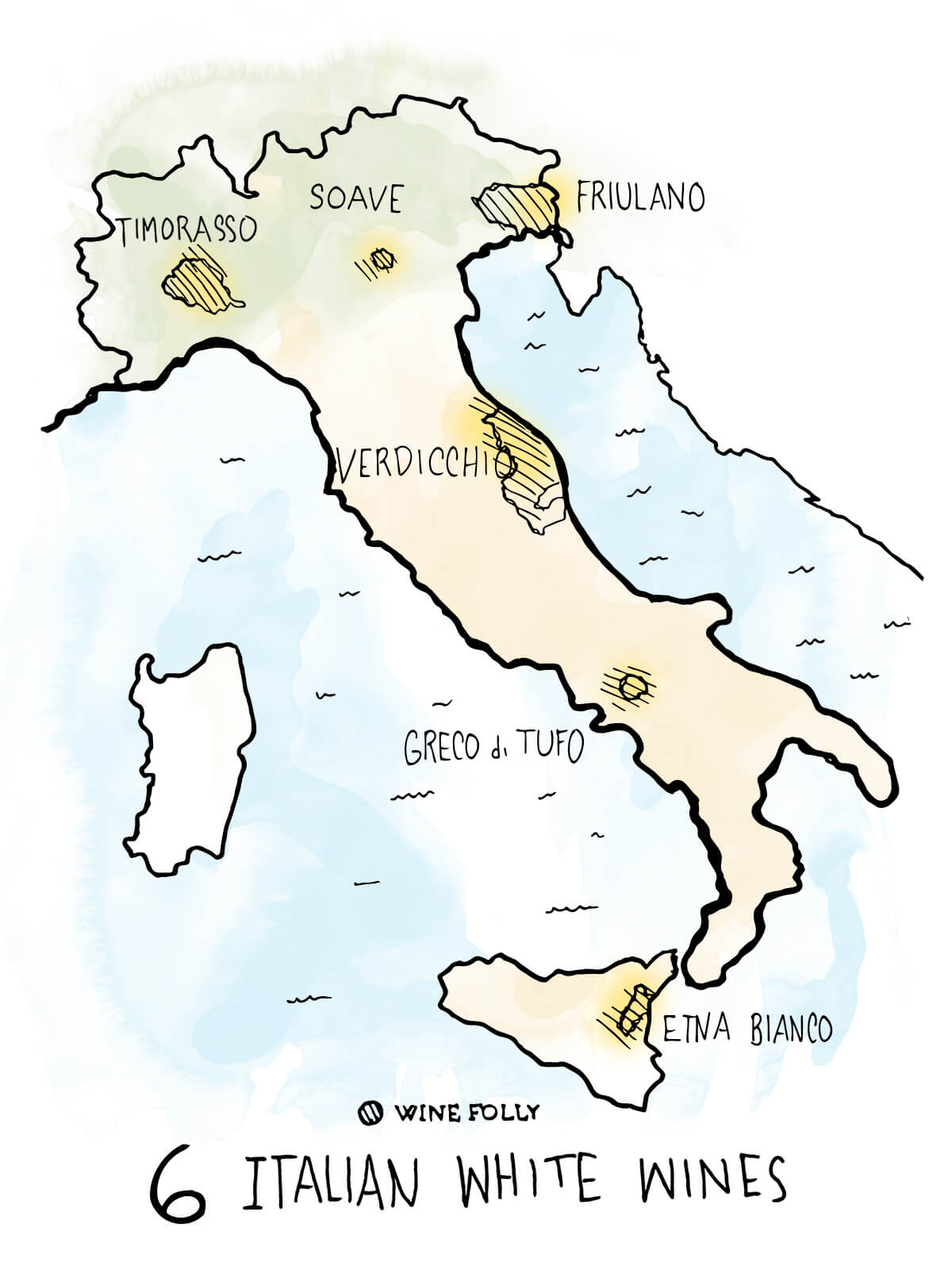
The Italian viticultural landscape is often defined in the global market by its prestigious red wines, such as Barolo, Brunello di Montalcino, and Amarone. However, beneath the shadow of these tannic giants lies a diverse and historically significant collection of white wines that remain largely undervalued by the general consumer. From the Alpine foothills of the north to the volcanic slopes of Sicily, Italy’s white wine production is undergoing a period of intense qualitative refinement. Savvy oenophiles and market analysts are increasingly identifying these varietals as offering some of the highest price-to-quality ratios in the world of fine wine.
The Historical Evolution of Italian White Viticulture
The complexity of Italian wine is a direct result of the peninsula’s unique geographical positioning and a history of viticulture that spans nearly three millennia. When Greek settlers arrived in Southern Italy—a region they dubbed "Oenotria" or the "land of vines"—they introduced sophisticated training systems and new cultivars. These joined the indigenous varieties already being cultivated by the Etruscans in central Italy.
The Roman Empire later standardized many of these practices, spreading viticulture across Europe. Following the fall of Rome, the preservation of these genetic lineages fell to monastic orders, which maintained vineyards for liturgical use. The eventual unification of Italy in 1861 began the process of codifying these disparate traditions, leading to the modern Denominazione di Origine Controllata (DOC) system established in 1963. Today, Italy boasts over 500 registered indigenous grape varieties, a genetic diversity that far exceeds that of France or Spain.
Friulano: The Heritage of the Northeast
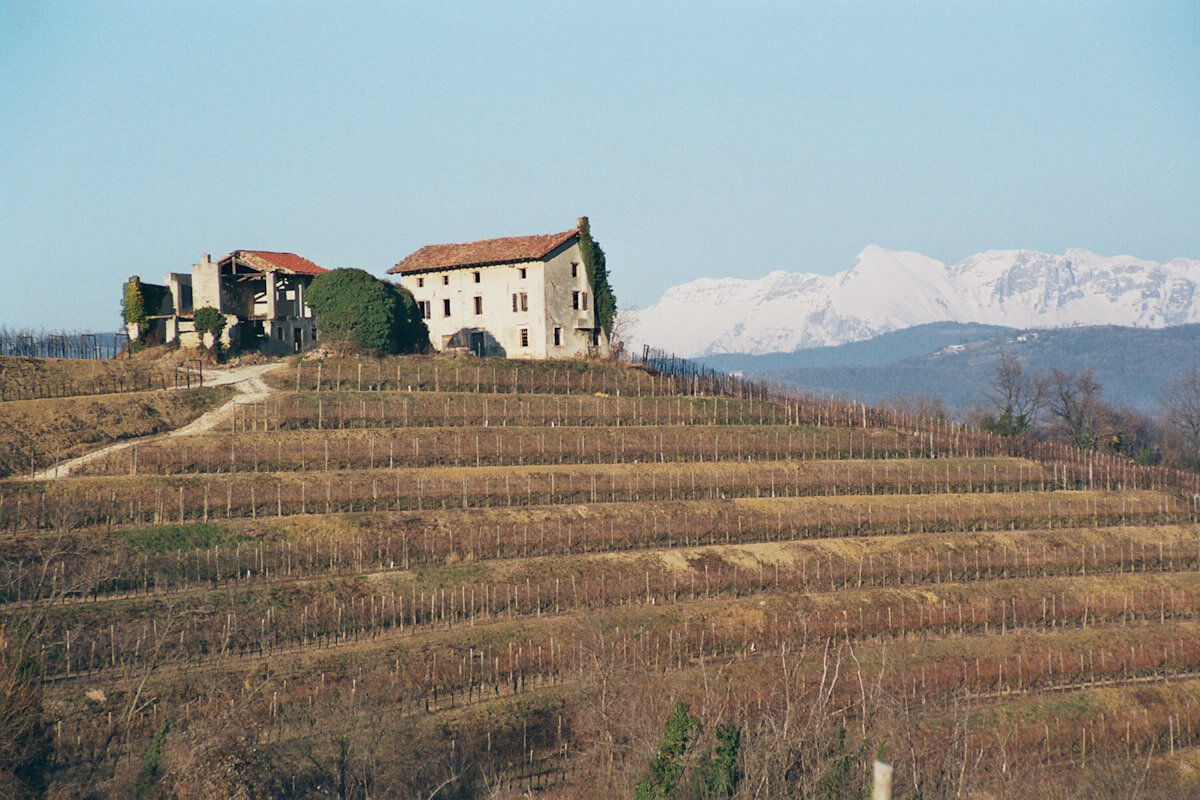
In the region of Friuli-Venezia Giulia, specifically within the Collio and Colli Orientali zones, the Friulano grape stands as a cultural cornerstone. While historically known as "Tocai Friulano," a 2007 European Court ruling prohibited the use of the name to avoid confusion with Hungary’s Tokaji. Despite this nomenclature shift, the wine remains the region’s most representative white variety.
The terroir of Friuli is defined by the "ponca" soil—a flysch of marly limestone and sandstone. This, combined with the "Venturi effect" created by the proximity of the Julian Alps to the Adriatic Sea, creates a microclimate characterized by significant diurnal temperature shifts. These conditions preserve the grape’s natural acidity while allowing for full phenolic ripeness.
Friulano is characterized by a sophisticated aromatic profile featuring jasmine, narcissus, and green apple, often underscored by a distinct salinity. On the palate, it is noted for a "silky" texture and a characteristic bitter almond finish. Industry analysts suggest that Friulano’s lack of global recognition is due to the historical dominance of Pinot Grigio in the region’s exports, though Friulano is widely considered by local producers to be the superior expression of the land.
Soave: From Mass Production to MGA Classification
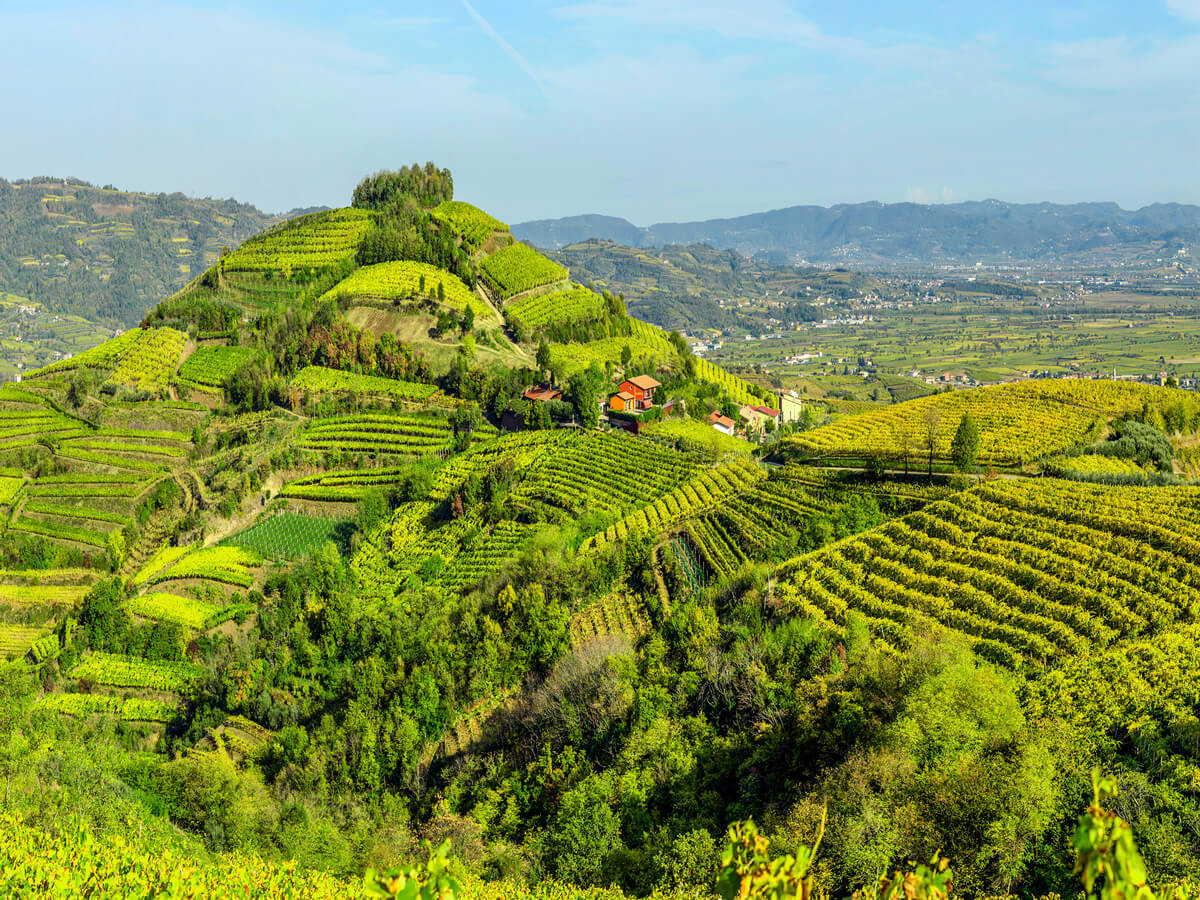
Soave, produced in the Veneto region east of Verona, has navigated a tumultuous market history. Once a staple of high-end Roman banquets, it became a victim of its own success in the mid-20th century, when overproduction led to a reputation for being thin and unremarkable. However, a modern movement led by the Consorzio il Soave has successfully pivoted the region toward premiumization.
The primary grape, Garganega, thrives in the volcanic soils of the Soave Classico zone. The recent implementation of the Menzione Geografica Aggiuntiva (MGA) system—a classification of 33 specific subzones or "crus"—has allowed producers to highlight the diversity of the region’s terroir.
High-quality Soave is described as "masculine" and structured, offering notes of chamomile, baked pear, and flinty minerality. The distinction between the volcanic soils of the hills and the limestone-rich soils of the plains provides a range of expressions, from racy and linear to rich and age-worthy. Food pairing data suggests Soave is an ideal companion for traditional Italian poultry dishes and rich pasta like fettuccine Alfredo.
Timorasso: The Resurrection of a Piedmontese Icon
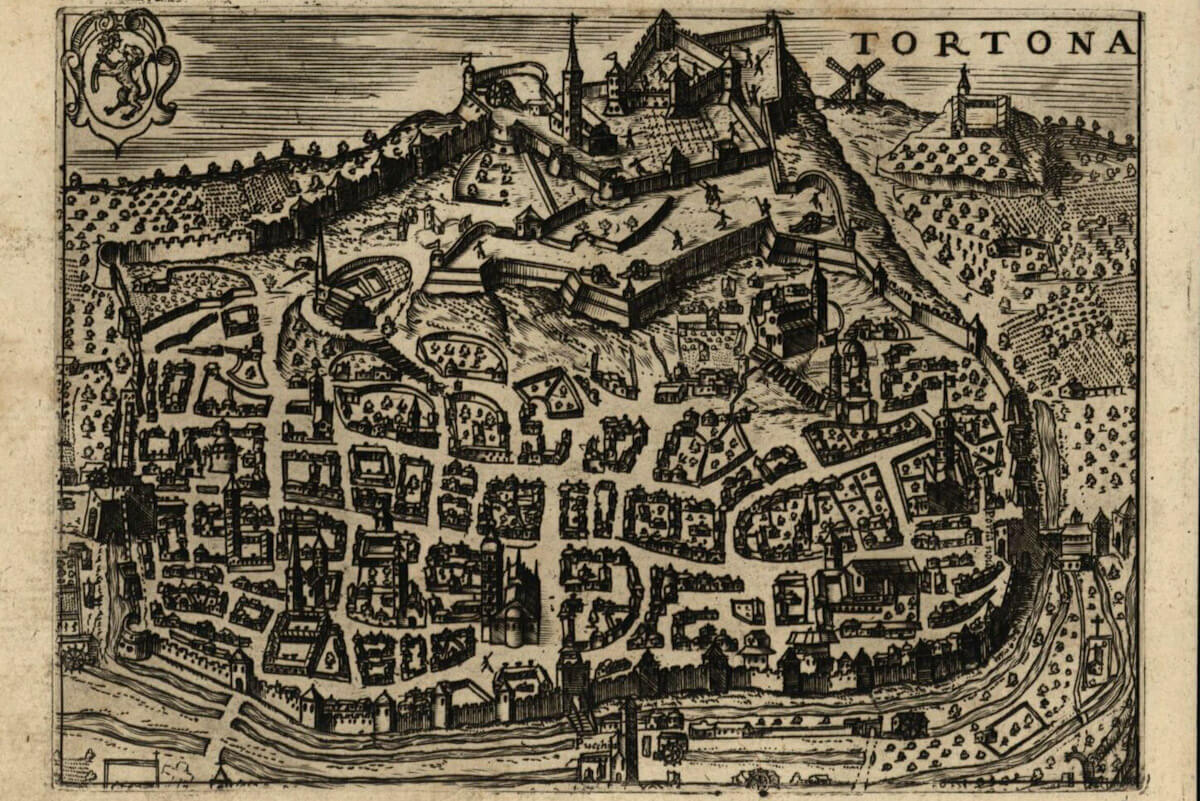
Perhaps the most dramatic story in modern Italian winemaking is the revival of Timorasso. Indigenous to the southeast of Piedmont, specifically the hills surrounding Tortona (historically called Derthona), the grape was nearly extinct by the 1980s. The phylloxera crisis of the late 19th century and the post-war trend toward high-yielding varieties like Cortese had relegated Timorasso to a few forgotten hectares.
The variety’s survival is largely credited to winemaker Walter Massa, who in the late 20th century recognized the grape’s potential for producing "white Barolo"—a white wine with the structure and longevity of a top-tier red. Timorasso is unusual for its high tannin content (for a white) and its ability to develop complex tertiary aromas of petrol and honey with age.
While it currently lacks its own specific DOCG, many producers use the "Derthona" designation on labels to signify quality. The soils of the Tortona hills, composed of calcareous clay, impart a structural intensity that allows these wines to age for a decade or more, a rarity for non-aromatic Italian whites.
Verdicchio: The Green Gold of the Marche
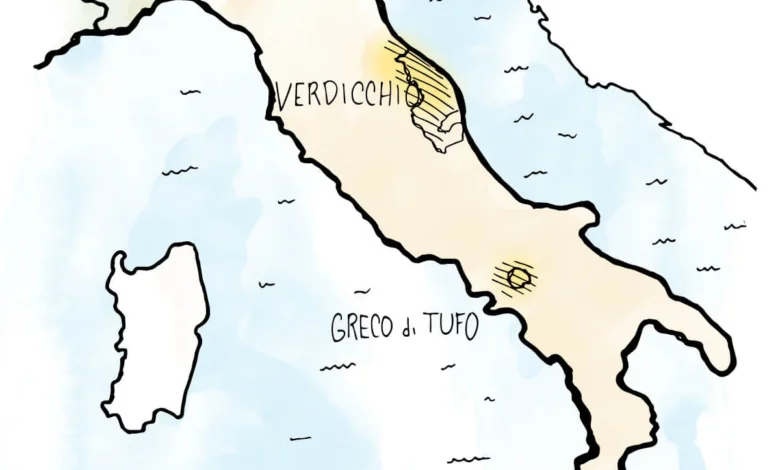
Verdicchio, named for its "verde" (green) hue, is the flagship white of the Marche region on Italy’s Adriatic coast. It is primarily found in two distinct appellations: Verdicchio dei Castelli di Jesi and Verdicchio di Matelica. While Jesi produces wines influenced by maritime breezes, Matelica, situated further inland in a mountain-locked valley, produces wines with higher acidity and mineral tension.
Verdicchio is frequently cited by Italian wine critics as the country’s most consistently high-performing white grape. It offers a tiered quality structure:
- DOC Classico: Fresh, high-acid wines with lime zest and almond notes.
- Superiore: Derived from lower yields, offering greater concentration.
- Riserva: Often aged in oak or on the lees, providing a complexity that rivals top Burgundy.
Market data indicates that Verdicchio is gaining traction in the "gastronomy sector" due to its versatility with spicy Asian cuisines and fried foods, providing a refreshing counterpoint to fat and heat.
Greco di Tufo: Volcanic Power in Campania
In the Irpinia region of Campania, the Greco di Tufo DOCG represents one of the most ancient viticultural lineages in Italy. Despite its name, genetic testing has distanced it from modern Greek varieties, suggesting it was likely named for the "Greek style" (sweet) of wine popular in antiquity.
The defining characteristic of this wine is the soil of Tufo, a town built upon volcanic tuff (compressed ash). These sulfur-rich soils impart a distinct "smoky" or "flinty" quality to the wine. Greco di Tufo is known for being racy and bone-dry, often possessing a phenolic grip that mimics the structure of red wine. It features aromas of dried apricot and hibiscus, transitioning into a creamy, tannic finish. Producers in Campania note that while the wine is approachable in its youth, it gains significant depth after three to five years of bottle age.
Etna Bianco: High-Altitude Viticulture on a Living Volcano
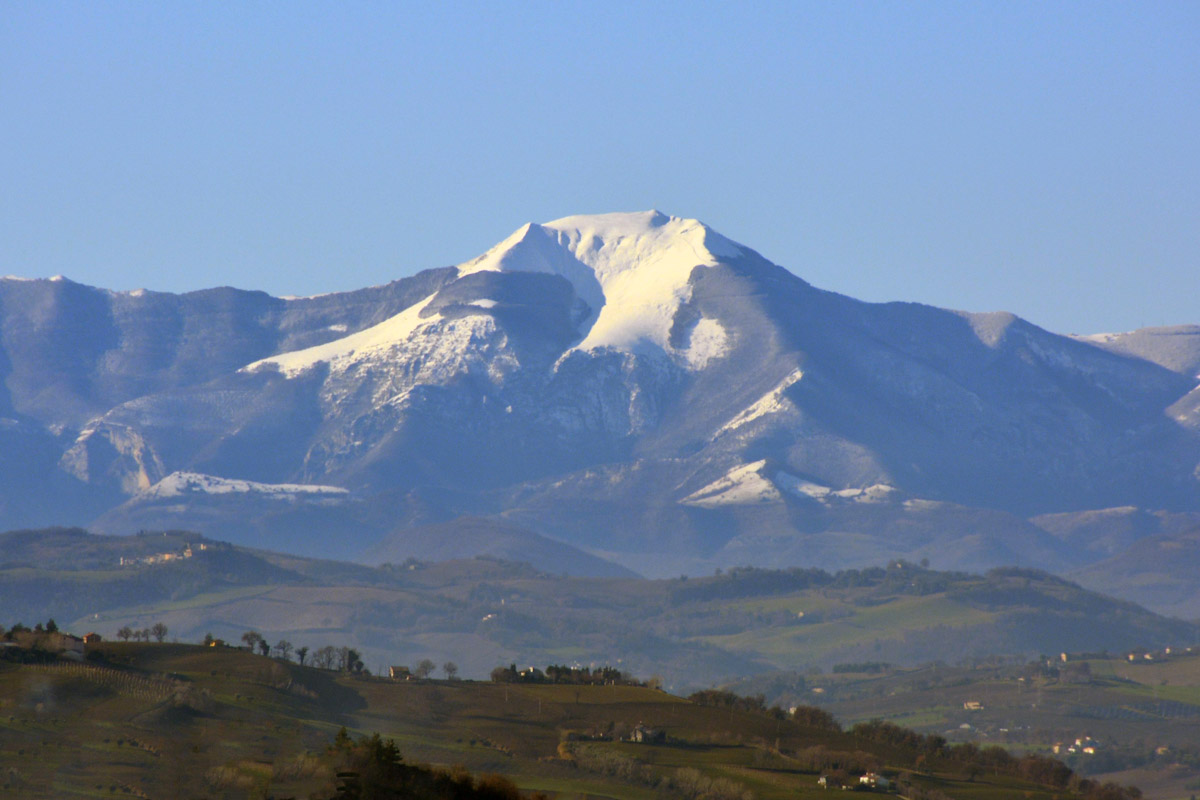
The most recent surge in international interest has focused on the slopes of Mount Etna in Sicily. Etna Bianco, primarily crafted from the Carricante grape, is produced in vineyards that are among the highest in Europe, some exceeding 1,000 meters above sea level.
The revitalization of the "Contrade" system in 2011 has allowed for site-specific labeling, acknowledging the vast differences in lava flow ages and soil decomposition across the volcano. Etna Bianco is characterized by an intense mineral profile, racy acidity, and notes of saline, mandarin orange, and prickly pear.
Because many of these vineyards are "pre-phylloxera" (vines that survived the 19th-century pest due to the sandy volcanic soil), they offer a level of concentration and complexity that is difficult to replicate elsewhere. Logistical data from Sicilian exporters shows a marked increase in demand for Etna Bianco in the North American and Northern European markets, where consumers are seeking "terroir-driven" alternatives to Chardonnay.
Broader Market Implications and Future Outlook
The rise of these six underrated white wines reflects a broader shift in the global wine market. Consumers are moving away from homogenized, international styles and toward indigenous varieties that tell a story of "place."
From an economic perspective, these wines represent a significant opportunity for collectors and restaurateurs. While the prices for top-tier French whites and Italian reds continue to escalate, these Italian whites remain accessible. However, as climate change impacts traditional growing regions, the high-altitude and coastal microclimates of Friuli, Marche, and Etna are becoming increasingly valuable.
The move toward higher quality standards—exemplified by the MGA in Soave and the Contrade in Etna—indicates that Italian producers are no longer content with producing "thirst-quenching" table wines. Instead, they are positioning these varietals as serious, age-worthy contenders on the world stage. For the savvy consumer, the current undervaluation of these wines offers a window of opportunity to explore some of the most complex and historically rich liquids currently being bottled.
Related posts: