The Quest for the Perfect Guacamole: A Simple Recipe’s Enduring Appeal

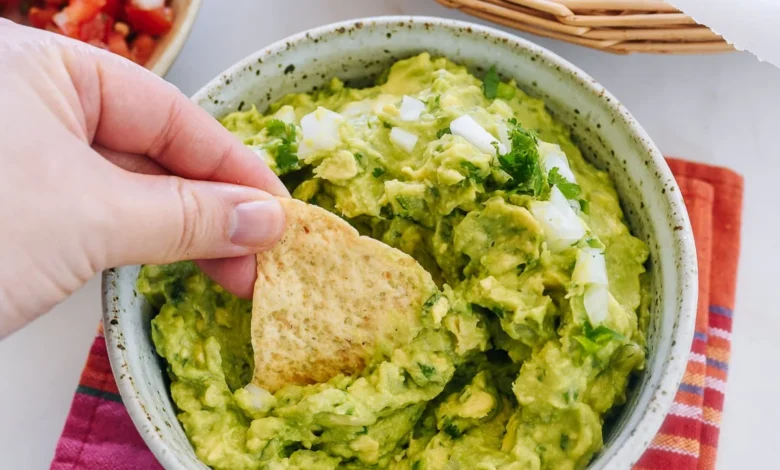
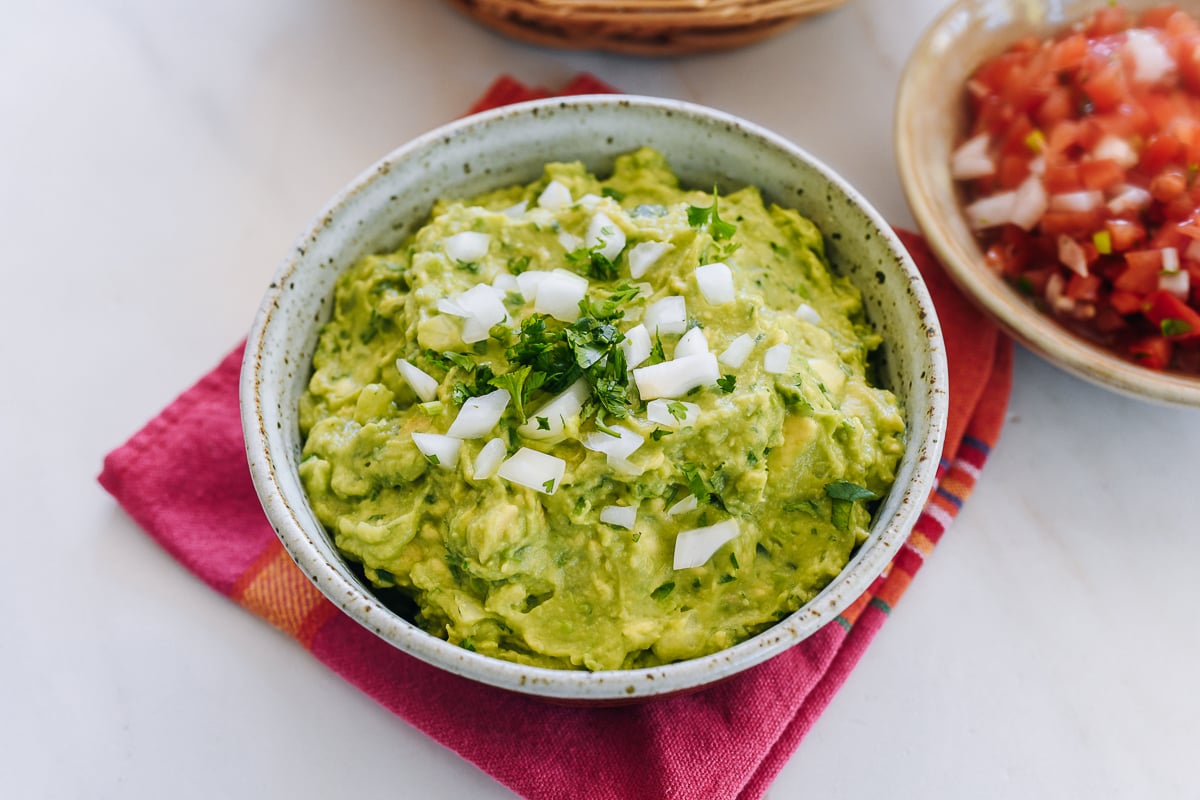
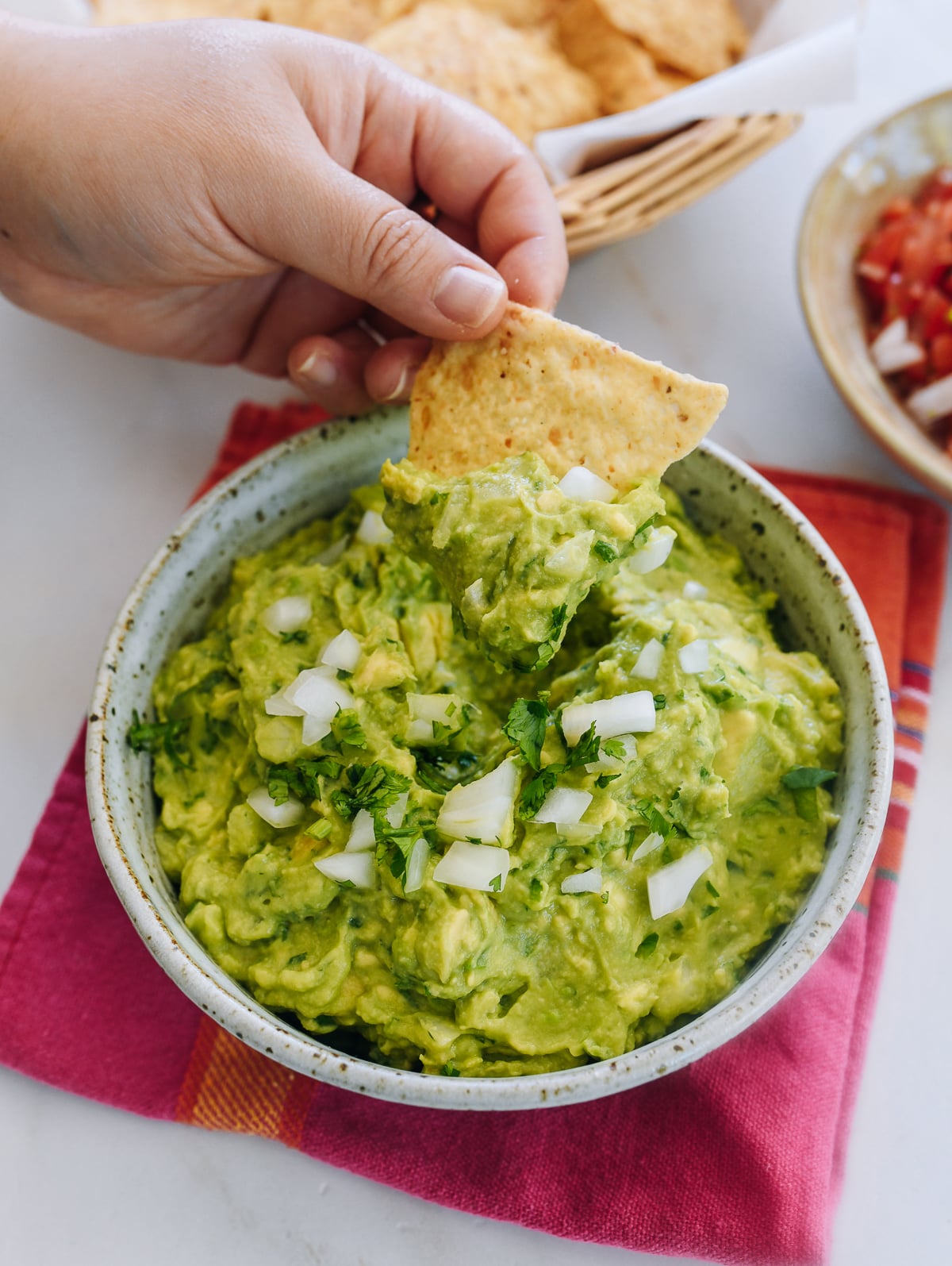
The pursuit of an exceptional guacamole recipe has long been a culinary enigma for many home cooks, often leading down paths of unnecessary complexity. However, a recent exploration into a particularly well-received recipe reveals that the secret to this beloved avocado dip lies in its refreshing simplicity, relying on a core of high-quality, fresh ingredients. This approach eschews common additions like garlic and cumin, which are often mistakenly believed to enhance flavor but can, in fact, detract from the avocado’s natural richness. The cornerstone of this uncomplicated yet universally praised guacamole consists of ripe avocados, finely diced onion, fresh cilantro, a squeeze of lime, salt, and a touch of jalapeño for a gentle kick.
The journey to this culinary revelation often involves a period of misguided experimentation. For years, the author of this recipe found themselves overcomplicating the process, influenced by the artificial flavor profiles of processed taco seasonings from the 1990s. This led to the inclusion of ingredients such as cumin and garlic, which, while staples in many Mexican dishes, can overpower the delicate essence of avocado in guacamole. The realization that a more direct and less-seasoned approach was superior marked a significant turning point in perfecting this seemingly straightforward yet often debated dish. The refined recipe asserts that true guacamole needs only the vibrant notes of cilantro, the bright acidity of freshly squeezed lime juice, and the essential touch of salt to complement the avocado, onion, and jalapeño.
A Common Point of Contention: The Tomato Debate
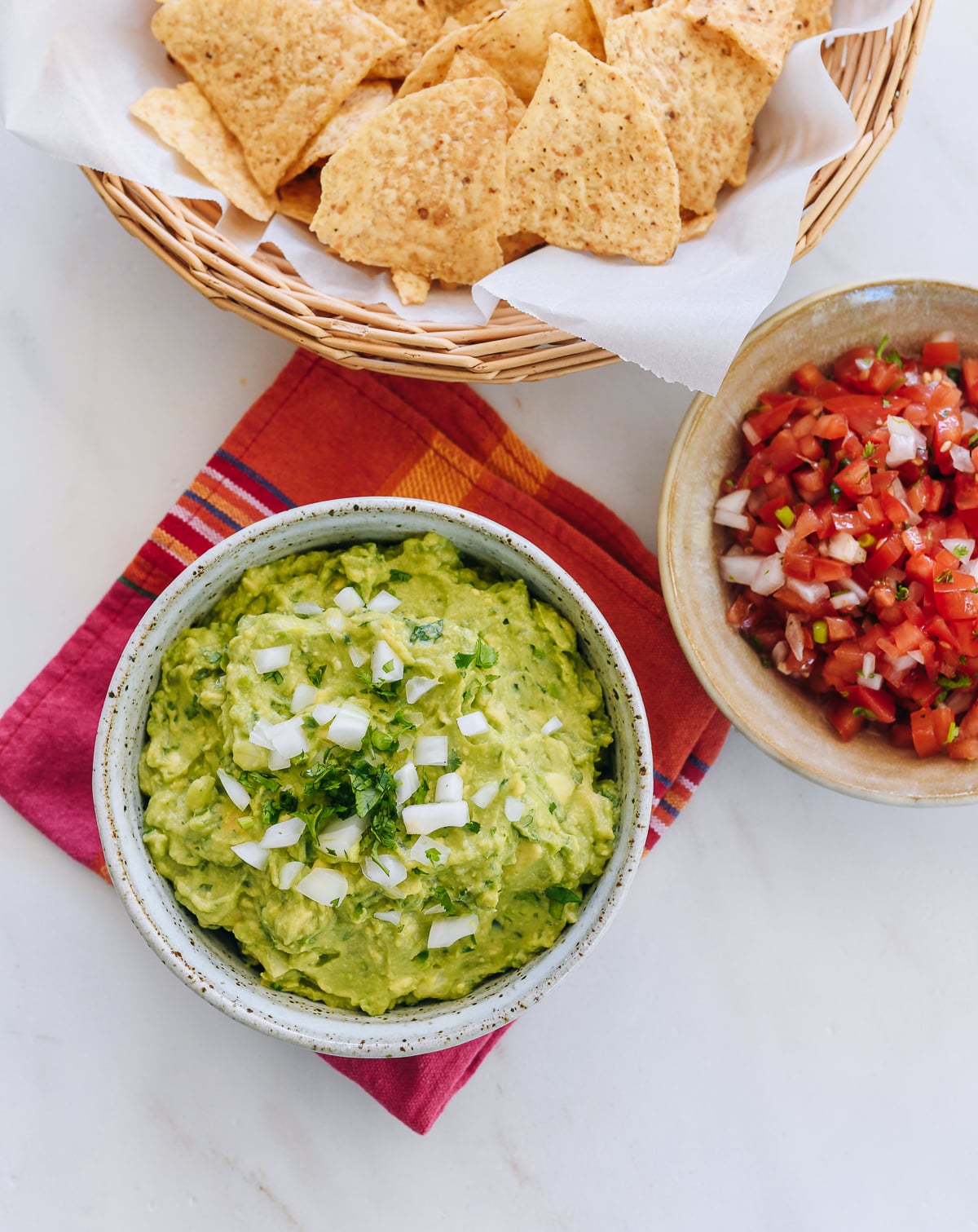
One of the most frequent discussions surrounding guacamole is the inclusion of tomatoes. The prevailing sentiment in this recipe’s philosophy is that tomatoes introduce an element of unpredictability. A less-than-perfect tomato can significantly compromise the overall quality of the guacamole, introducing unwanted moisture and a dulled flavor. Instead, the recommendation is to reserve tomatoes for a complementary dish, such as pico de gallo. This classic salsa, composed of chopped tomatoes, onions, jalapeño, cilantro, lime juice, and salt, offers a vibrant and fresh counterpoint without diluting the core guacamole experience. Alternatively, for those seeking a more complex salsa, a restaurant-style version, characterized by its smoky and spicy notes, is suggested as an equally compelling accompaniment. This strategic separation of ingredients allows each component to shine in its intended role, ensuring a superior culinary outcome.
The Nuances of Lime Juicing
A critical, yet often overlooked, aspect of guacamole preparation is the juicing of limes. The type of juicer used and the careful extraction of juice can significantly impact the final flavor. When employing a manual wooden juicer, excessive pulp can inadvertently be incorporated into the mixture. This pulp, particularly from older or out-of-season limes, can introduce bitterness, subtly altering the balance of the guacamole. Therefore, a mindful approach to juicing is advised to maintain the intended refreshing taste.
Serving Guacamole: A Versatile Accompaniment
Guacamole’s inherent appeal makes it a perennial favorite for social gatherings and casual dining. Its ability to elevate a variety of dishes is undeniable. For sporting events, the pairing of classic tortilla chips, such as Doritos, with homemade guacamole offers a surprisingly satisfying experience. Beyond this simple indulgence, guacamole serves as a crucial component in more elaborate spreads. Consider a Mexican-themed feast featuring Sarah’s carnitas tacos, accompanied by rice, beans, tortillas, guacamole, pico de gallo, and a refreshing red cabbage slaw. This curated selection of dishes has proven to be a reliable crowd-pleaser for years, demonstrating the versatility of guacamole in creating a complete and enjoyable dining experience.
The applications of guacamole extend far beyond chips and tacos. It is an excellent addition to turkey burgers, providing a creamy and flavorful topping. For breakfast enthusiasts, it enhances breakfast burritos and tacos, adding a zesty dimension. Wraps, tortilla roll-ups, and even a comforting bowl of chili can be significantly improved with a dollop of fresh guacamole. Ultimately, its adaptability ensures it can be enjoyed in numerous culinary contexts, from the most elaborate of meals to the simplest of snacks.
Crafting the Perfect Guacamole: A Step-by-Step Guide
The creation of this celebrated guacamole begins with meticulous preparation of the foundational ingredients. The first step involves finely dicing white or yellow onion. While red onion can be used in a pinch, the milder flavors of white or yellow varieties are preferred for this specific recipe. Simultaneously, the jalapeño pepper is deseeded and finely diced. The degree of fineness in the pepper’s dice directly influences the guacamole’s heat level; a finer chop will result in a spicier outcome.
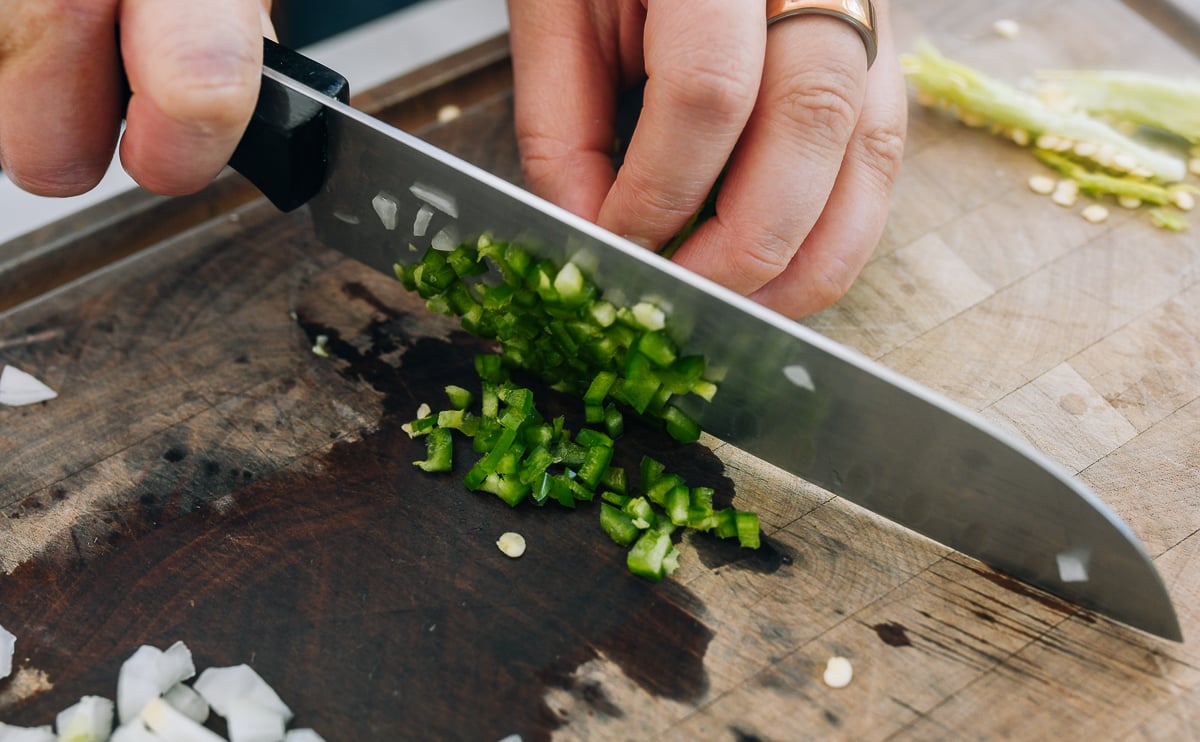
Following the onion and jalapeño, the cilantro is prepared. Both the leaves and stems are chopped. The stems, often discarded, contribute a subtle yet enjoyable textural crunch that enhances the overall mouthfeel of the guacamole.
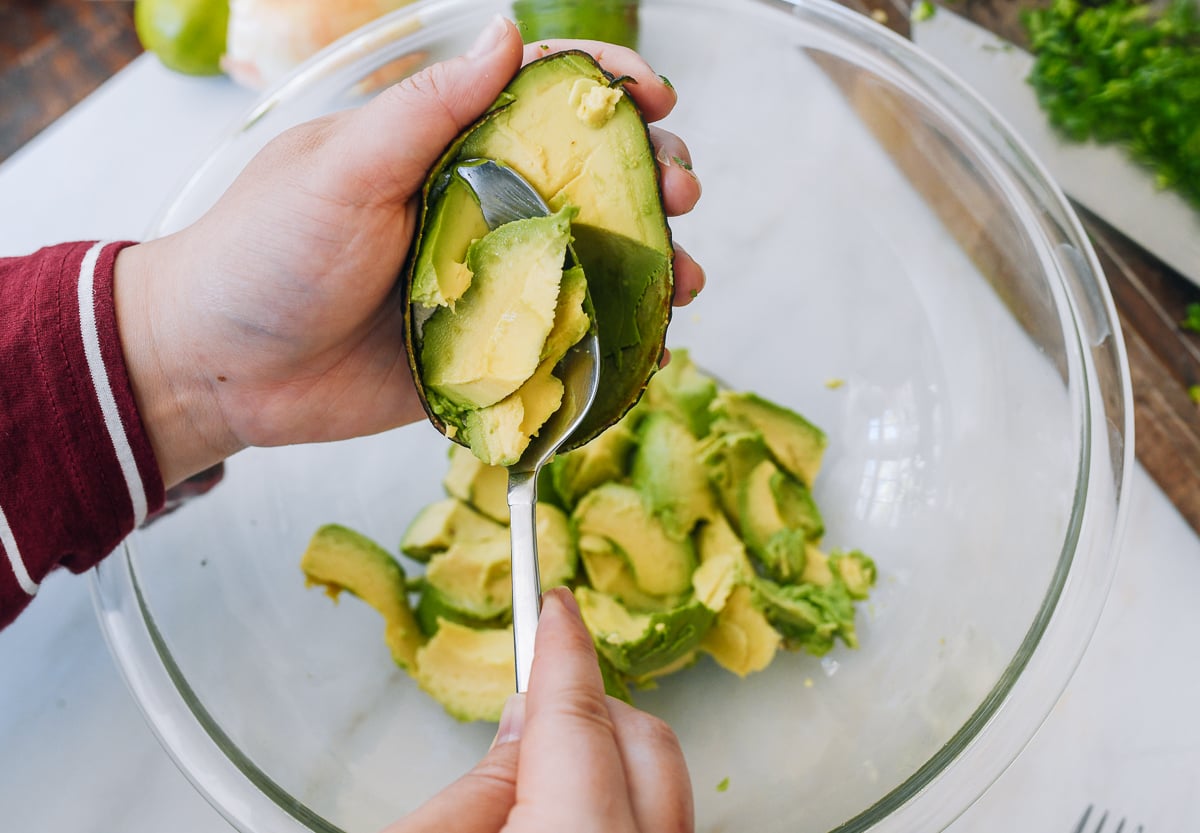
With the supporting ingredients prepped, attention turns to the avocados. The ripe avocados are halved lengthwise, and their pits are carefully removed. A common technique involves gently wedging a knife into the pit and twisting to extract it, followed by a quick disposal. Instead of scooping the entire avocado flesh at once, the method advocates for using a large spoon to carve out chunks directly into a mixing bowl. This technique not only facilitates the initial mashing process but also contributes to a more pleasing, varied texture in the finished product.
Once the avocado chunks are in the bowl, the juice of one lime is squeezed over them. A fork is then employed to mash the avocado to the desired consistency, with a preference for a texture that is neither entirely chunky nor completely smooth, striking a balance that offers both visual appeal and pleasant mouthfeel.
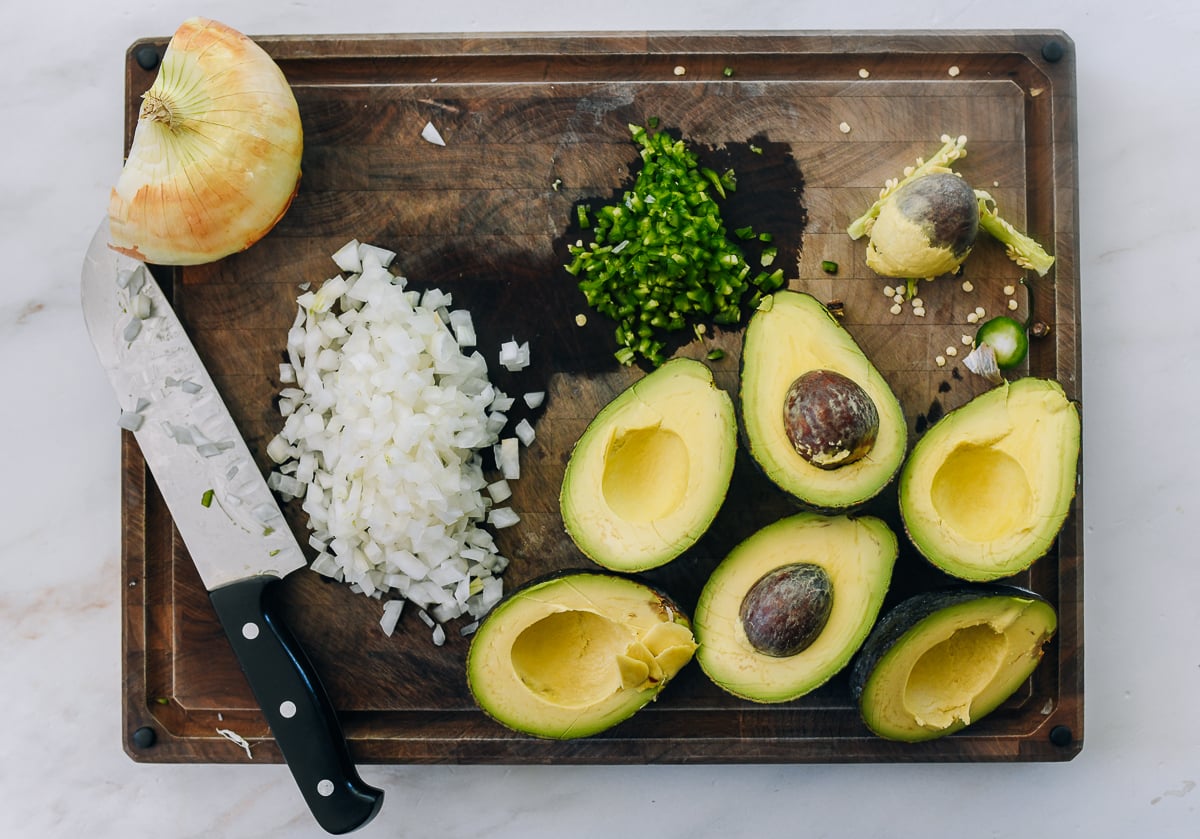
The final stage of preparation involves incorporating the prepped onion, jalapeño, cilantro, and salt into the mashed avocado. These ingredients are gently stirred to combine, ensuring an even distribution of flavors. The guacamole is then ready to be served, ideally with a generous portion of tortilla chips or as a flavorful accompaniment to any of your favorite Mexican dishes.
Storage Solutions for Freshness
While guacamole is undeniably best when consumed immediately after preparation, strategies exist to prolong its freshness. The inherent tendency of guacamole to oxidize and brown upon exposure to air can be mitigated. The acidic nature of lime juice plays a crucial role in slowing this process, though it cannot entirely prevent it.
For short-term storage, pressing a layer of plastic wrap directly onto the surface of the guacamole, ensuring no air pockets remain, is a highly effective method. This creates a barrier that limits oxygen contact. An alternative, widely recognized technique involves transferring the guacamole to an airtight container, flattening its surface, and then covering it with a thin layer of cold water—approximately half an inch. The container is then sealed and refrigerated. Upon retrieval, the water is simply poured off, revealing guacamole that has retained its vibrant color and fresh taste.
Nutritional Considerations
This carefully crafted guacamole, when prepared as directed and yielding approximately eight servings, offers a balanced nutritional profile. Each serving contains an estimated 124 calories, with carbohydrates accounting for about 2% of the daily recommended intake. Protein contributes 4%, while fats make up a more significant portion at 17%. Within the fat content, saturated fat comprises 10% of the daily value, with monounsaturated fats being a more prominent component. Sodium levels are moderate, at 6% of the daily value, and the recipe provides a good source of potassium, contributing 11% to daily needs. Furthermore, it is a notable source of dietary fiber, offering 20% of the recommended daily intake, and a small amount of sugar, at 1% of the daily value. Micronutrient contributions include vitamins A and C, along with trace amounts of calcium and iron. It is important to note that these figures are estimates, and actual nutritional content may vary based on ingredient sourcing and preparation methods.