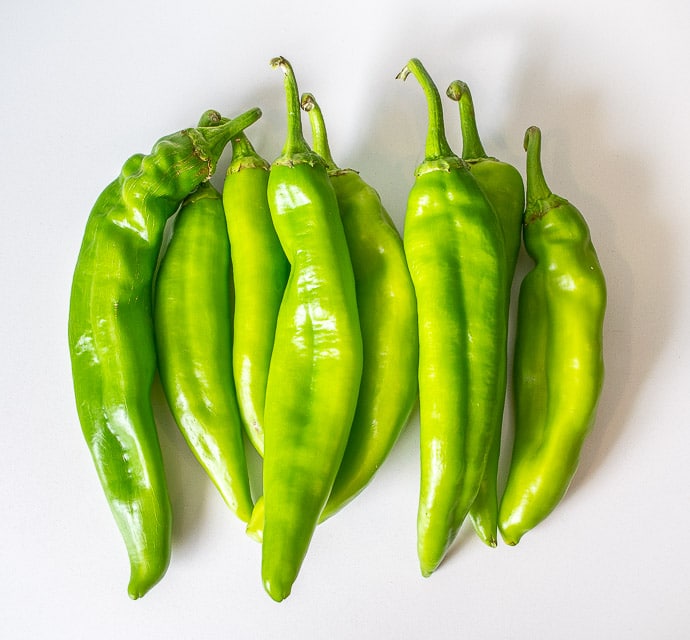
The annual arrival of Hatch chile season represents a significant cultural and culinary milestone for the American Southwest, specifically the Mesilla Valley of New Mexico. As late summer temperatures crest, the region begins its harvest of the iconic Capsicum annuum, a chile variety synonymous with the geographical identity of Hatch, New Mexico. For home cooks and culinary professionals alike, the availability of these fresh, green chiles signals the commencement of a brief but intensive window for preservation, roasting, and the preparation of seasonal staples such as Hatch green chile enchiladas.
The Provenance and Significance of the Hatch Chile
Hatch chiles derive their unique profile from the specific climatic conditions of the Rio Grande Valley. The high altitude, intense daytime solar radiation, and cool desert nights contribute to a distinctive flavor profile that sets the cultivar apart from other regional peppers. While varieties such as the Anaheim are often compared to the Hatch, agronomists note that the specific soil composition and irrigation practices along the Rio Grande are irreplicable elsewhere, leading to a protected status for the crop.
The harvest typically begins in early August and concludes in late September. During this six-to-eight-week period, supply chains across the United States pivot to accommodate the surge in demand. For retailers, the logistics of sourcing, transporting, and roasting these chiles at scale has become a sophisticated operation. Grocery chains often install high-capacity, propane-fired roasting drums in their parking lots, a ritual that has become a staple of late-summer commerce.
Culinary Methodology: Preparing the Foundation
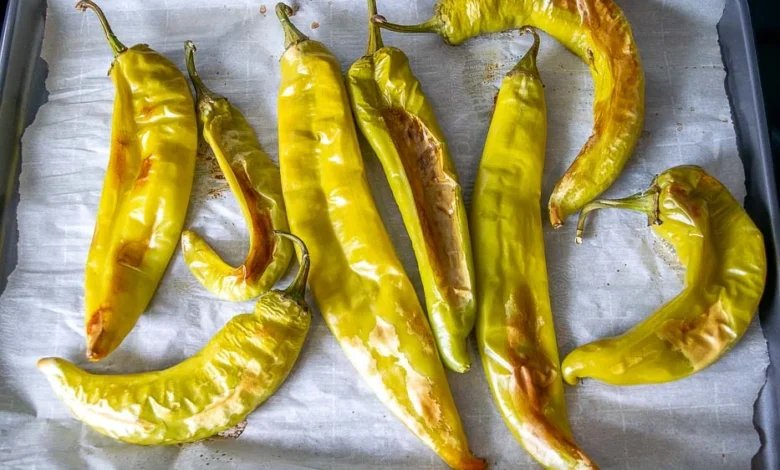
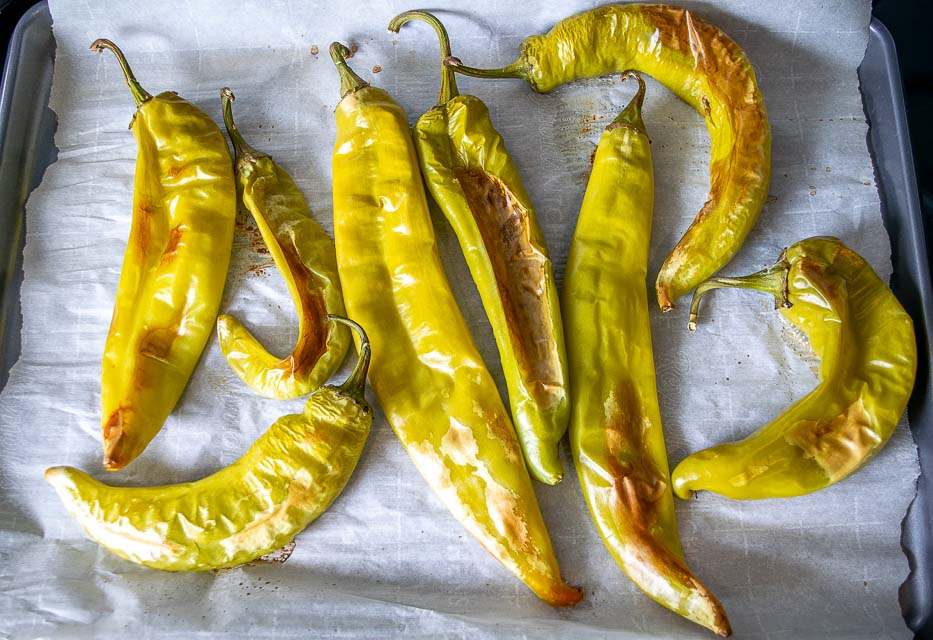
The preparation of authentic Hatch green chile enchiladas centers on the extraction of the chile’s essential oils through roasting. Whether achieved via a commercial-grade roaster or a standard home oven, the objective remains the same: the blistering of the outer skin to develop a smoky, complex base.
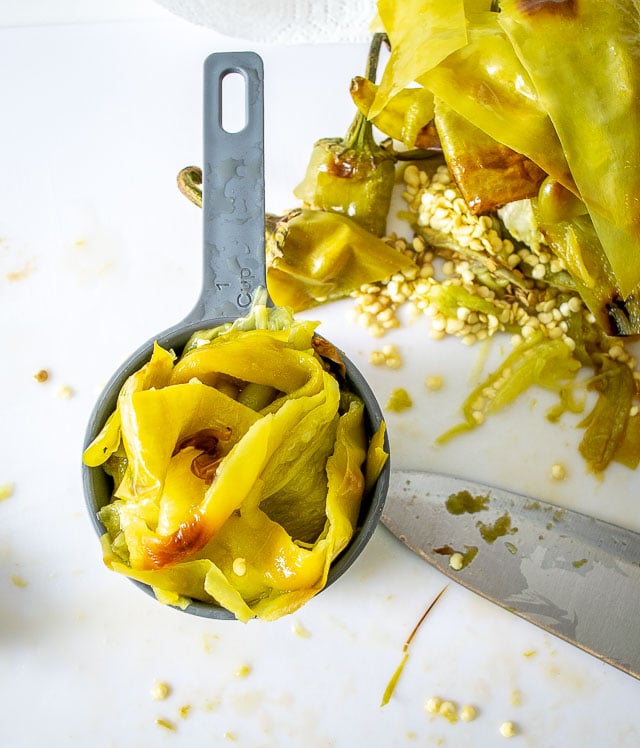
Following the roasting process, the chiles undergo a mandatory cooling phase, which facilitates the removal of the charred epidermis. While some mechanical peeling is common in industrial settings, home preparation often involves manual de-stemming and de-seeding. Culinary experts emphasize that while the skin removal is primarily a textural consideration, the retention of a small portion of the seeds and membrane is often encouraged by purists to maintain the heat intensity characteristic of the variety.
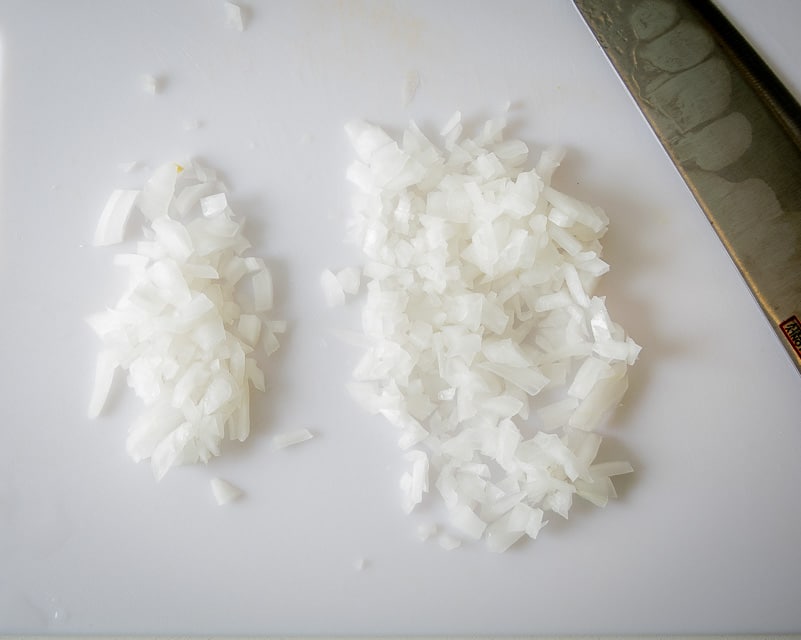
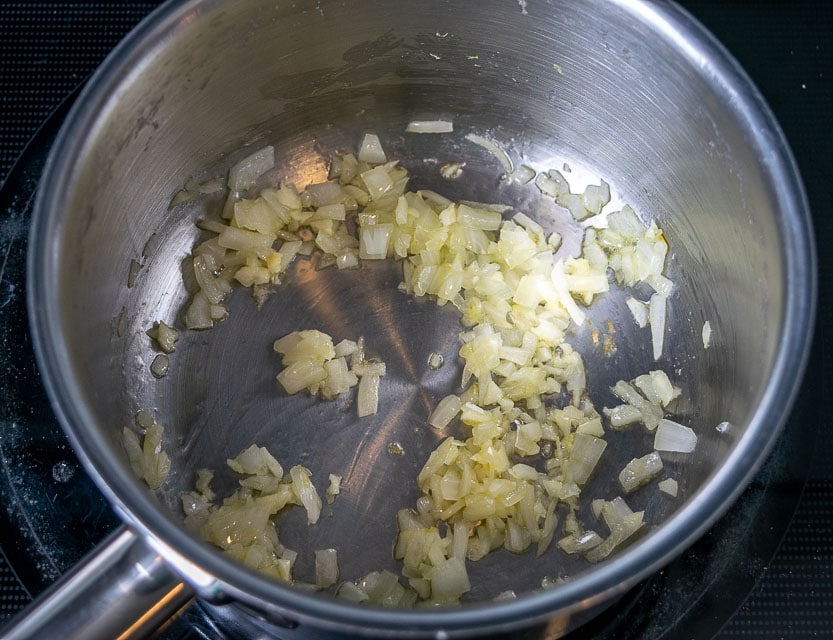
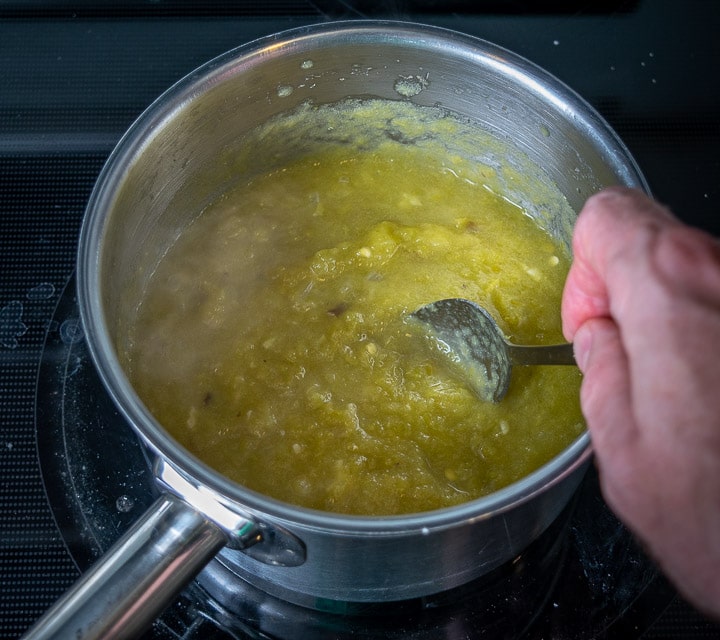
The resulting sauce is a reduction of roasted chiles, sautéed aromatics—typically onions and garlic—and a balanced liquid base, such as high-quality chicken or vegetable stock. The inclusion of Mexican oregano and a touch of cumin serves to harmonize the earthy notes of the chiles. The sauce is then simmered to reach a consistency that balances the natural butteriness of the roasted flesh with the savory depth of the stock.
The Role of Protein and Assembly
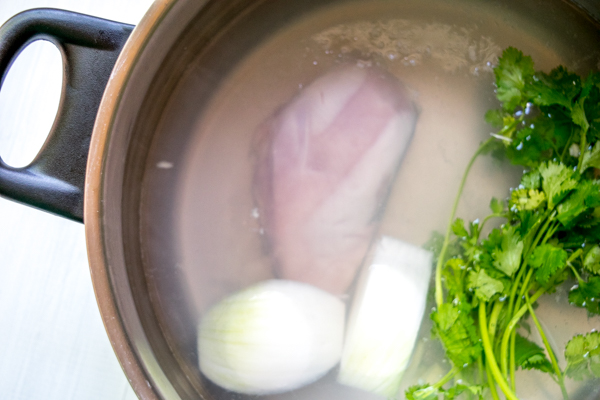
While the sauce serves as the dish’s primary flavor driver, the integration of protein is a standard component of the traditional recipe. Poultry, specifically chicken, remains the most common pairing. Culinary techniques such as poaching or brining are frequently employed to ensure the meat retains moisture when subjected to the high-heat environment of the oven.
The assembly process is governed by the need to maintain structural integrity. Corn tortillas, the vessel of choice for this dish, require pre-treatment—either through brief heating or a light coating in the enchilada sauce—to increase elasticity and prevent fracturing during the rolling process. Once filled with the shredded protein, onions, and cheese, the enchiladas are arranged in a baking vessel, submerged in the remaining green chile sauce, and topped with a layer of cheese, typically Monterey Jack or a mild cheddar.
Chronology of the Season
The market cycle for Hatch chiles follows a predictable timeline:
- Early August: Initial harvest yields smaller, early-season peppers; retailers begin regional distribution.
- Late August to Mid-September: Peak harvest period. This is the optimal window for consumers to purchase bulk quantities for freezing, as the flavor profile is at its most robust.
- Late September: The conclusion of the harvest. Prices for fresh chiles often stabilize, while the focus shifts to preserved and canned inventory.
Economic and Market Implications
The economic impact of the Hatch chile harvest extends well beyond the agricultural sector. The "Hatch phenomenon" has created a specialized market where demand often outstrips supply, leading to a rise in online sourcing. Consumers unable to access local fresh markets frequently utilize direct-to-consumer shipping services from New Mexico-based farms.
Market analysts observe that the growing interest in regional American cuisines has elevated the Hatch chile from a localized specialty to a nationwide culinary asset. This shift has forced supply chain managers to optimize shipping routes to ensure that fresh chiles maintain their quality during transit. The implications for the hospitality industry are also notable, as restaurants across the U.S. capitalize on "Hatch Season" menus to drive late-summer traffic.
Nutritional and Dietary Considerations
From a nutritional perspective, Hatch chiles are a rich source of vitamins A and C, and contain capsaicin, the compound responsible for the heat sensation. When prepared as an enchilada dish, the caloric density is primarily derived from the cheese and tortillas. However, the dish remains a staple of Southwestern dietary patterns, valued for its ability to incorporate high levels of vegetables and lean proteins.
For those managing sodium intake, the choice of stock in the sauce-making process is critical. Homemade stocks, which allow for the control of salt levels, are often recommended over commercial alternatives, which can contain significant amounts of sodium. Furthermore, the heat level of the chiles can be mitigated or managed by adjusting the quantity of peppers used in the reduction, providing flexibility for different consumer palatability requirements.
Standardizing the Craft
The dissemination of "best practices" for handling Hatch chiles has been largely facilitated by a community of culinary educators and regional food advocates. The emphasis on roasting, the proper technique for sauce reduction, and the advice on using Mexican oregano over generic alternatives are consistent themes in the culinary discourse surrounding this dish.
For the home cook, the process of making Hatch green chile enchiladas serves as a masterclass in seasonal cooking. It encourages a departure from standardized, year-round ingredients in favor of a time-sensitive, location-specific product. The success of the final dish is directly proportional to the care taken during the initial roasting and the patience exhibited during the simmering of the sauce.
Future Outlook and Sustainability
As climate change impacts agricultural regions across the globe, the sustainability of the Hatch chile harvest is a subject of ongoing discussion among farmers in the Mesilla Valley. Water rights, irrigation efficiency, and soil health are the primary variables that will dictate the future of this industry. Despite these challenges, the cultural attachment to the Hatch chile ensures that it will remain a cornerstone of American regional cuisine for the foreseeable future.
The transition from a regional secret to a national culinary event has provided the Hatch valley with economic stability and global recognition. As long as the specific environmental conditions of the Rio Grande continue to yield this particular variety, the tradition of preparing Hatch green chile enchiladas will persist as a definitive marker of the transition from summer to autumn in the American kitchen. Whether garnished with cilantro and crema or served in its most elemental form, the dish remains a testament to the enduring appeal of the Hatch green chile.