The Evolution of Himalayan Comfort Food: How Spinach and Ricotta Momos Bridge Culinary Traditions

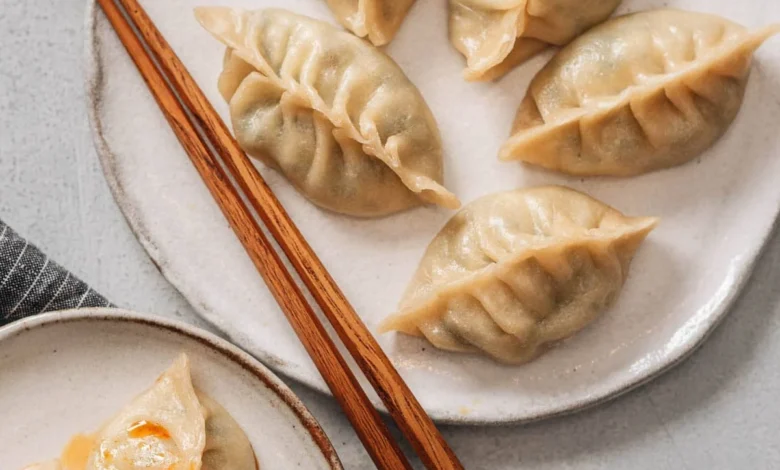
Himalayan cuisine has long captured the global imagination for its robust, comforting flavors that bridge South Asian and East Asian culinary landscapes. At the center of this culinary tradition are momos—steamed dumplings indigenous to Nepal, Tibet, and the broader Himalayan corridor. While historically filled with minced yak, water buffalo, or spiced vegetables, a contemporary variation featuring a vibrant filling of spinach, whole-milk ricotta, and Parmesan cheese has steadily gained traction among home cooks and culinary enthusiasts worldwide. This cross-cultural fusion dish reflects a broader global movement toward adapting traditional ethnic recipes using accessible local ingredients without sacrificing authenticity of texture and spirit.
The historical roots of the momo stretch back centuries, closely tied to the trans-Himalayan trade routes that connected Tibet, Nepal, India, and China. Culinary historians note that momos evolved from traditional Chinese stuffed dumplings, adapting over generations to suit the palate and available ingredients of the Himalayan region. Traditionally, Tibetan and Nepalese households gathered for communal dumpling-making sessions during major festivals like Losar (Tibetan New Year) or Dashain, transforming the labor-intensive process into a vital social ritual.
The introduction of dairy-based fillings, such as paneer and spinach, emerged from the cultural convergence found throughout northern India and Nepal. The modern adaptation substituting ricotta for paneer represents a logical evolution in Western and multicultural kitchens. Ricotta shares paneer’s mild profile and moisture-retaining properties, providing a rich, velvety texture that contrasts sharply with the fibrous, iron-rich bite of wilted baby spinach.
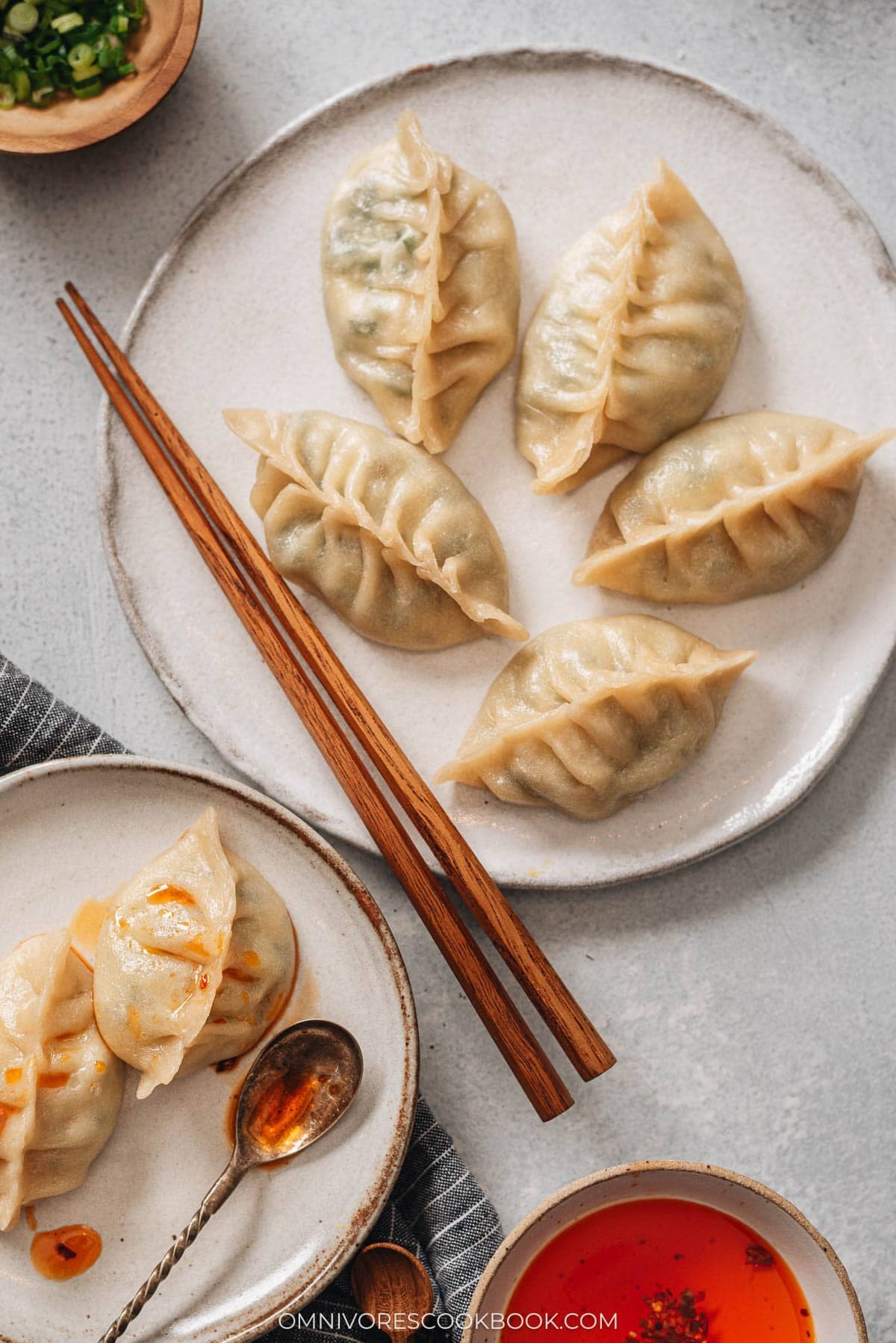
Preparing this contemporary Himalayan delicacy requires a structured, three-stage culinary process designed to maximize efficiency while preserving the delicate integrity of the dumpling skins. The entire preparation and cooking cycle typically spans approximately 50 minutes, making it an approachable weekend project for culinary hobbyists.
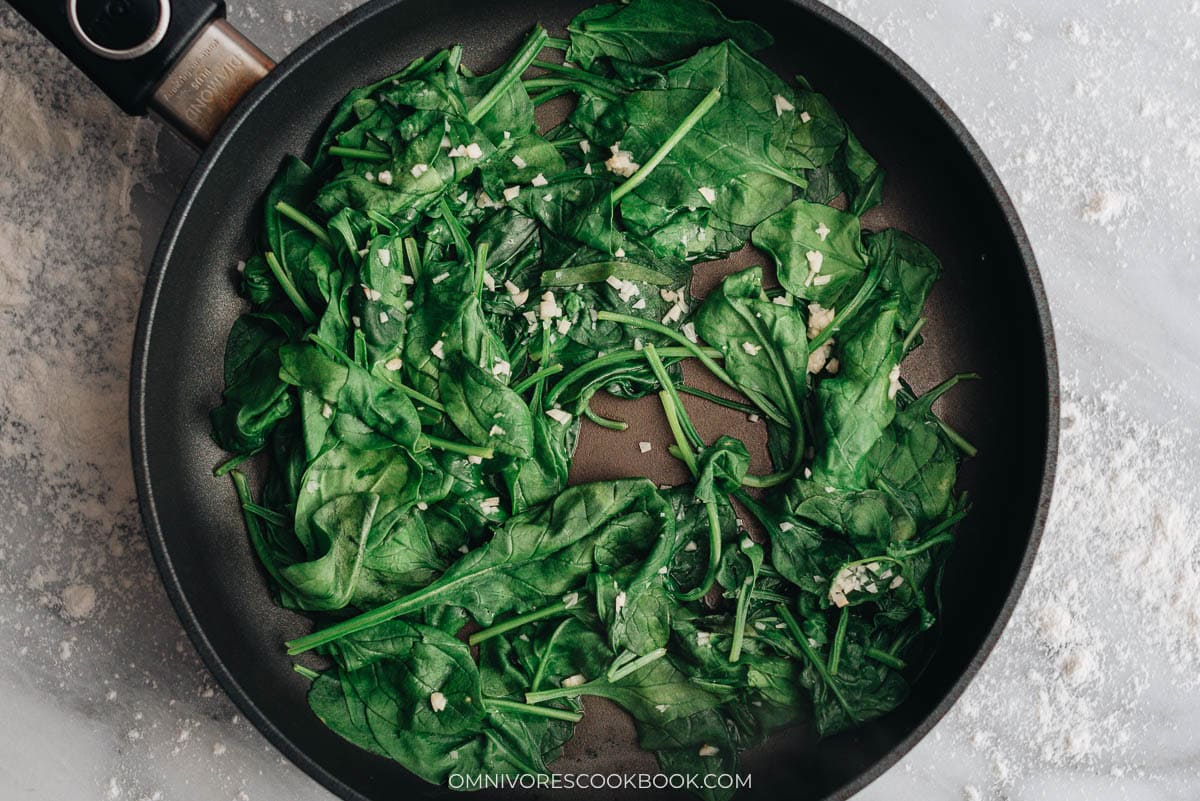
The process begins with the preparation of the filling. A standard batch utilizes fresh baby spinach, which requires minimal stem trimming compared to mature spinach leaves. The greens are first gently wilted in a skillet with a splash of water, a single clove of minced garlic, and a pinch of salt. Once cooled, the cooked spinach must be thoroughly squeezed to eliminate excess moisture—a critical step to prevent the filling from becoming watery, which would otherwise compromise the structural integrity of the dumpling wrappers.
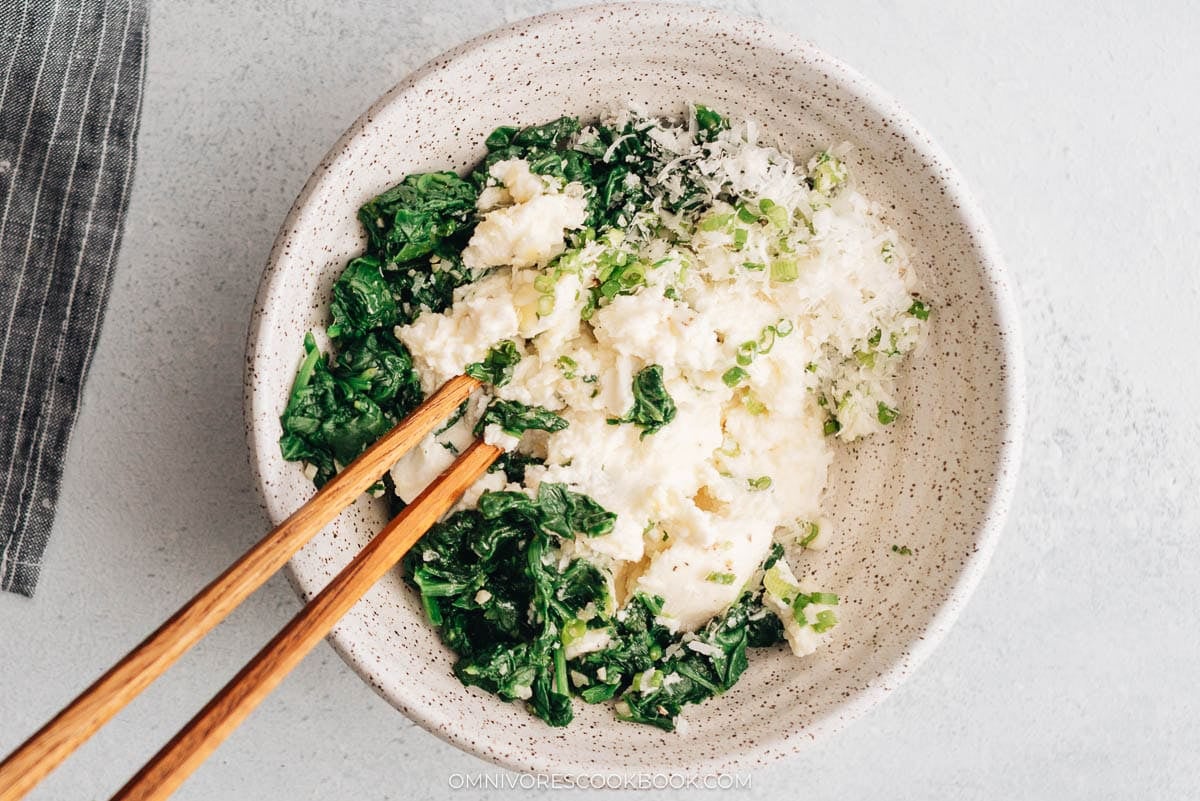
Following the moisture extraction, the spinach is finely chopped to ensure the filling remains smooth and uniform. In a single mixing bowl, the prepared greens are combined with whole-milk ricotta, finely grated Parmesan cheese, sliced green onions, a touch of melted butter or ghee, and freshly ground black pepper. The inclusion of Parmesan adds a distinct savory depth that mimics traditional seasoning profiles, while the butter maintains a soft, glossy texture within the sealed pocket.
Structuring the Dumplings and Steaming Technique
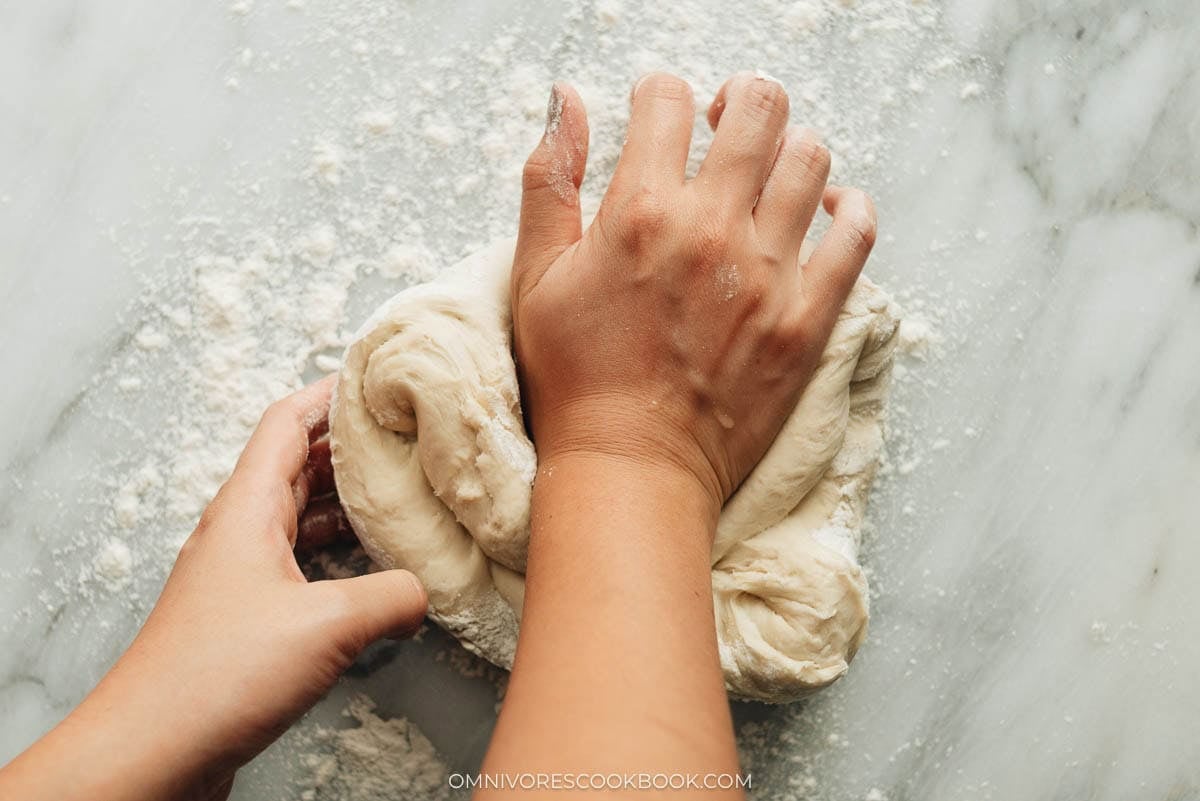
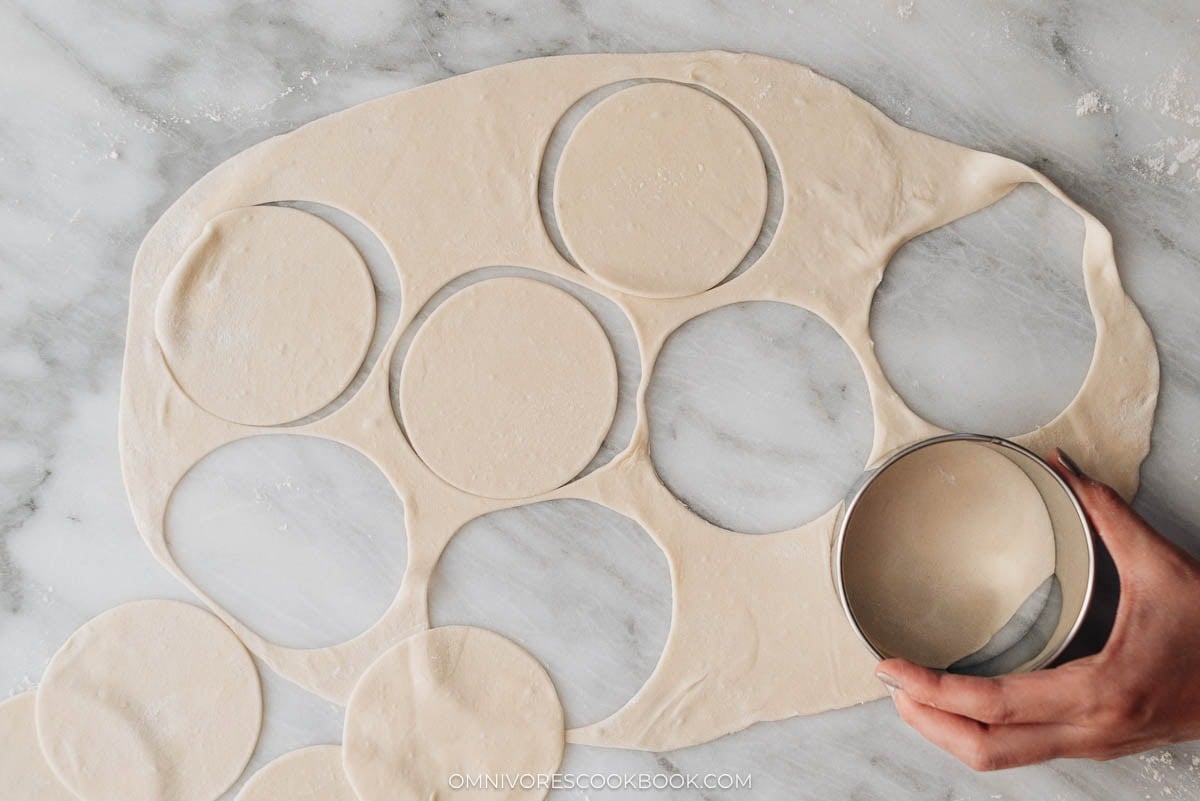
The assembly phase demands precision to ensure the dumplings withstand the steaming process without tearing. Utilizing standard, store-sized round dumpling wrappers significantly accelerates the preparation timeline, though purists may opt for handmade dough composed of flour and water.
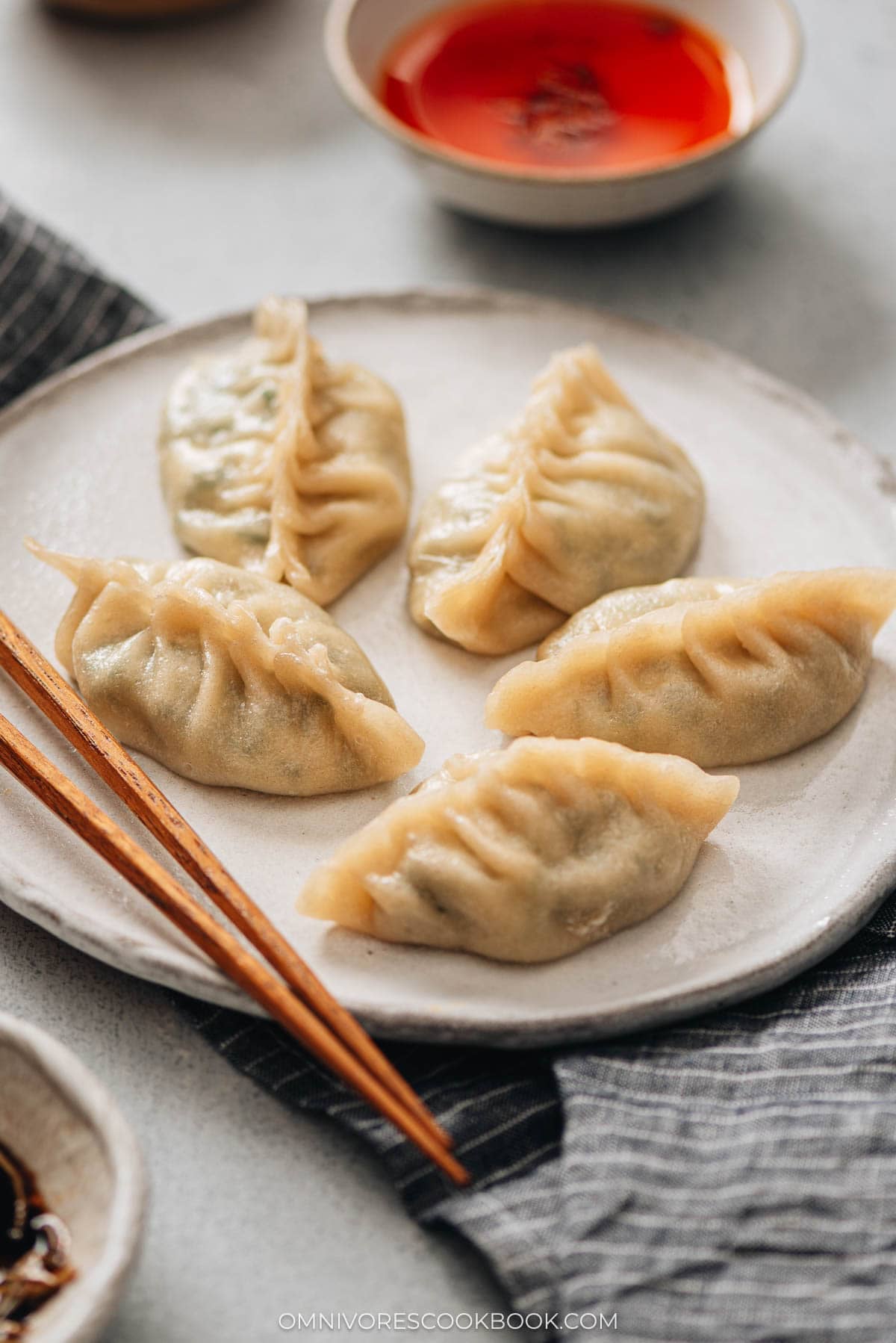
Culinary experts recommend placing approximately two teaspoons of the spinach-ricotta mixture into the center of each wrapper. Overfilling remains the primary cause of structural failure during the pleating process. Once filled, the edges are sealed using traditional pleating techniques—such as half-moon folds or pleated crescents—and firmly pressed to lock the seam.
To prevent the raw dough from drying out, assembled momos are stored on parchment-lined baking sheets beneath a damp cloth. The final cooking stage involves placing the dumplings in a bamboo or metal steamer lined with perforated parchment paper or damp cheesecloth, ensuring a one-finger-width gap between each piece to prevent them from fusing together. Steaming over a rolling boil for precisely 10 minutes yields translucent, tender wrappers and a piping-hot, creamy interior.
Broader Culinary Implications and Cultural Significance
The growing popularity of fusion momos highlights shifting consumer preferences toward multicultural comfort foods that accommodate diverse dietary restrictions, particularly vegetarianism. As global palates increasingly embrace cross-cultural experimentation, traditional recipes are continually reinterpreted through the lens of local ingredient availability.
Food industry analysts note that the surge in popularity of homemade Asian and Himalayan comfort foods aligns with a broader post-pandemic trend toward mindful, tactile cooking experiences. Projects like rolling, filling, and pleating dumplings serve as a form of culinary therapy, encouraging home cooks to slow down and engage directly with their food preparation. Furthermore, the adaptability of the momo framework—accommodating everything from classic minced meats to Italian cheeses—underscores the enduring versatility of the dumpling format across global gastronomy.
Whether served alongside traditional spicy tomato-based achar (dipping sauces) or innovative contemporary accompaniments, spinach and ricotta momos demonstrate how culinary traditions can evolve organically while honoring the communal spirit of their origins.