Culinary specialists and home economists are increasingly shifting their focus toward practical, nutrient-dense meal preparation strategies that prioritize both longevity and flavor profile stability. Among recent developments in everyday home cooking, the reinvention of the standard green salad has taken center stage, specifically through the popularization of a versatile, meal-prep-friendly kale salad designed to withstand the rigors of multi-day storage without compromising textural integrity.
The Evolution and Science of Kale Preparation
For decades, raw kale remained an underutilized ingredient in mainstream American households, frequently dismissed by consumers due to its naturally tough fibrous structure and sharp, bitter flavor notes. Nutritional scientists note that brassica oleracea—the botanical family encompassing kale—contains high concentrations of glucosinolates, sulfur-containing compounds responsible for the vegetable’s characteristic pungency.
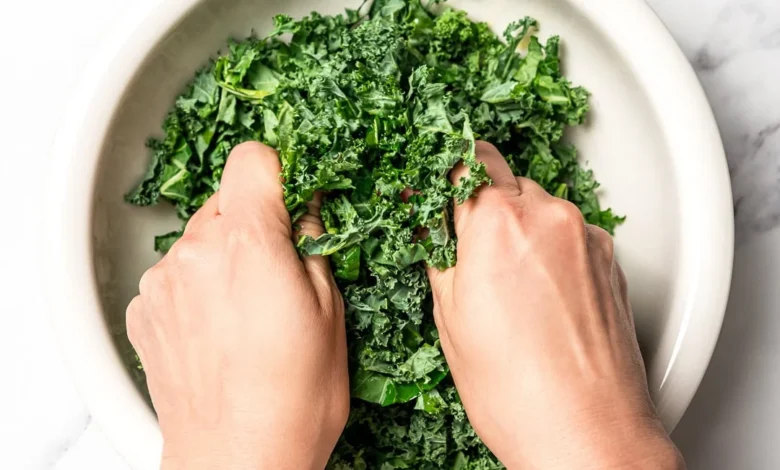
However, recent culinary methodologies have successfully neutralized these barriers to widespread consumption. The breakthrough relies on two distinct mechanical and chemical processes: ultra-fine shredding and deliberate leaf massaging. By breaking down the cellular walls of the kale leaves through physical manipulation, home cooks can accelerate the softening process. When combined with an acidic medium, such as a fresh citrus-based vinaigrette, the harsh tannins are mellowed, yielding a tender, pliable green capable of absorbing complex flavor profiles rather than resisting them.
Comprehensive Recipe Specifications and Ingredient Breakdown
Food safety and nutritional data collected from recent kitchen trials emphasize the importance of balanced macronutrients within daily dietary regimens. This specific formulation yields approximately four standard servings, clocking in at 240 kilocalories per portion, with 7 grams of protein, 24 grams of carbohydrates, and 14 grams of healthy fats derived primarily from plant sources.
For the Salad Base:
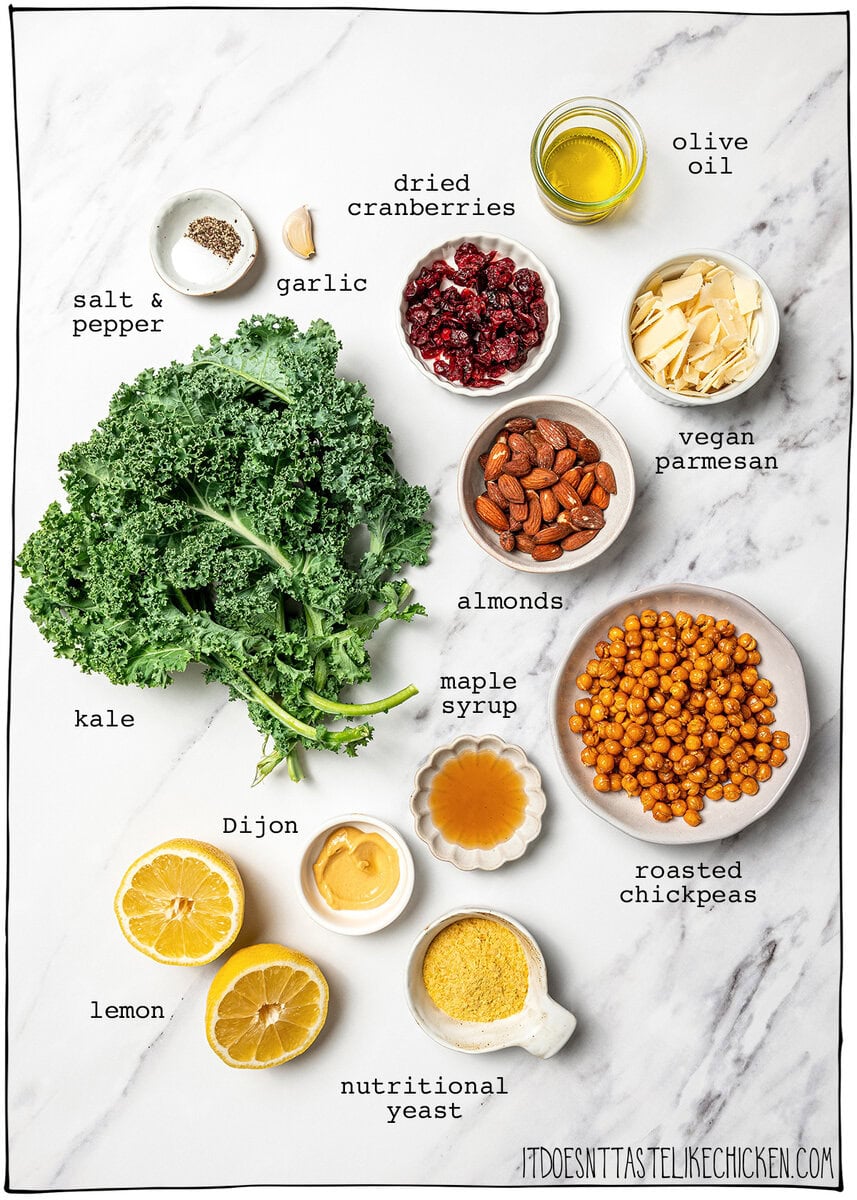
- 1 large bunch of lacinato or curly kale, thoroughly washed, de-stemmed, and very finely shredded
- 1/2 cup dried cranberries, providing natural sweetness and chewy textural contrast
- 1/2 cup sliced or slivered almonds, toasted to enhance nutty aromatic compounds
- 1 cup crispy roasted chickpeas or artisan croutons, supplying plant-based protein and substantial crunch
- Optional additions based on seasonal availability include diced crisp apples, roasted sweet potato cubes, quinoa, or marinated tofu.
For the Lemon Dijon Vinaigrette:
- 1/4 cup extra-virgin olive oil (or an approved oil-free citrus alternative)
- 3 tablespoons freshly squeezed lemon juice
- 1 teaspoon Dijon mustard acting as a natural emulsifier
- 1 clove garlic, finely minced or grated
- Sea salt and freshly cracked black pepper to taste
Step-by-Step Chronology of Preparation
- Greens Conditioning: Begin by stripping the leafy material from the tough central stems of the kale. Discard the stems or reserve them for vegetable stock. Using a sharp chef’s knife, shred the leaves into whisper-thin ribbons. Transfer the shredded greens to an oversized mixing bowl.
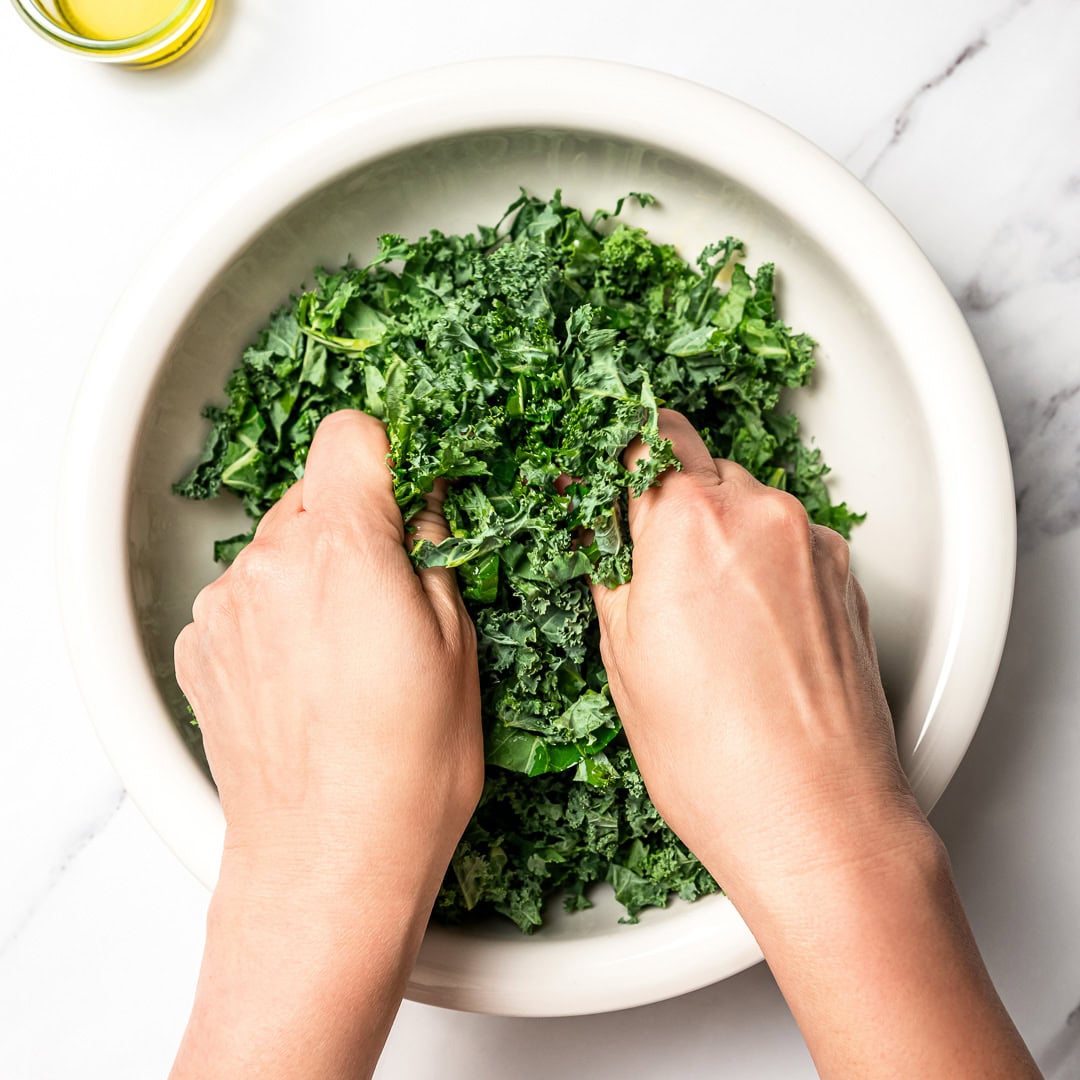
- The Massage Technique: Add a pinch of sea salt and a fraction of the lemon juice directly to the bare kale. Using clean hands, firmly massage and squeeze the greens for approximately two to three minutes. Observers will note a visible reduction in volume and a darkening of the green pigment as the leaves soften.
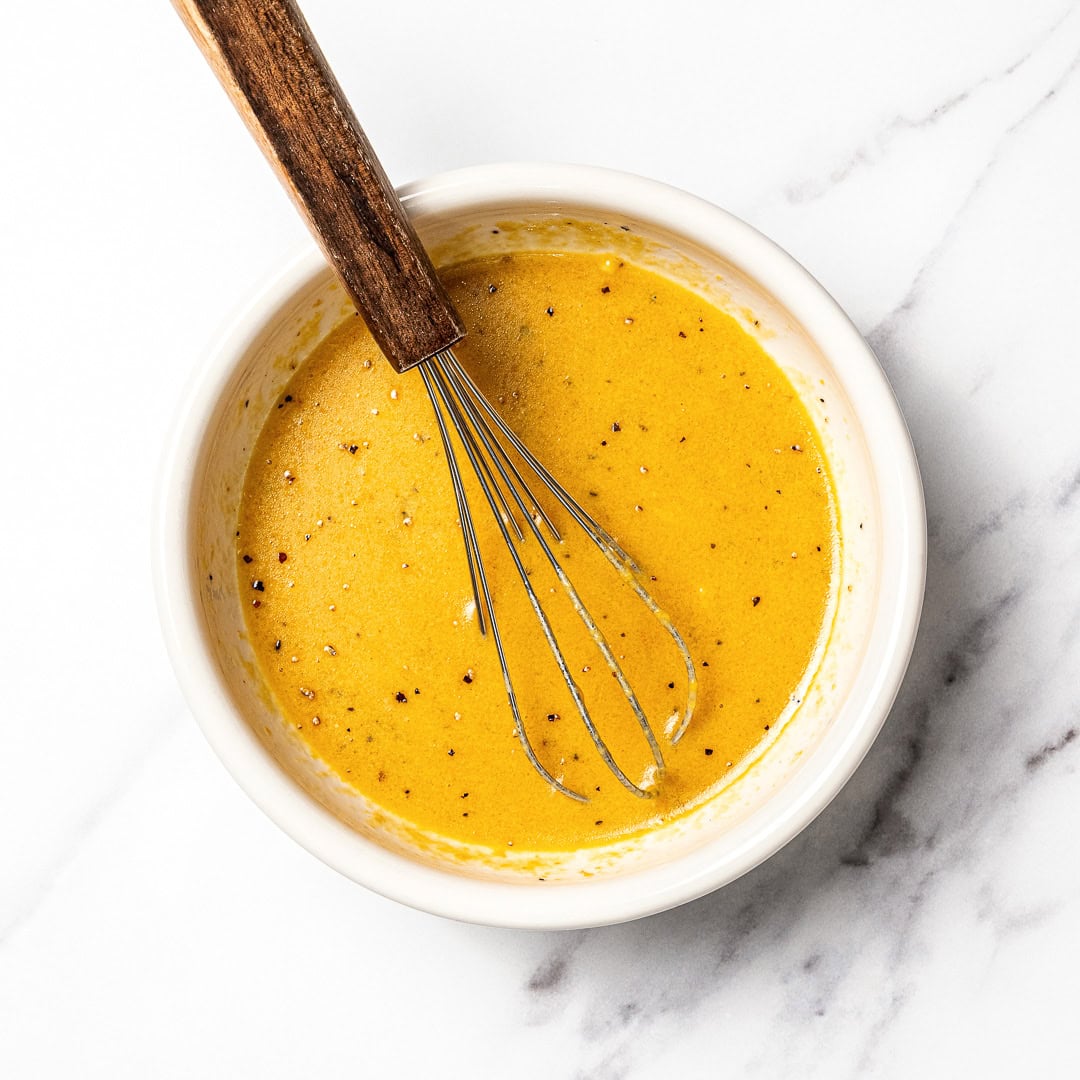
- Vinaigrette Emulsification: In a separate small vessel, whisk together the remaining lemon juice, extra-virgin olive oil, Dijon mustard, minced garlic, salt, and pepper until a cohesive emulsion forms.
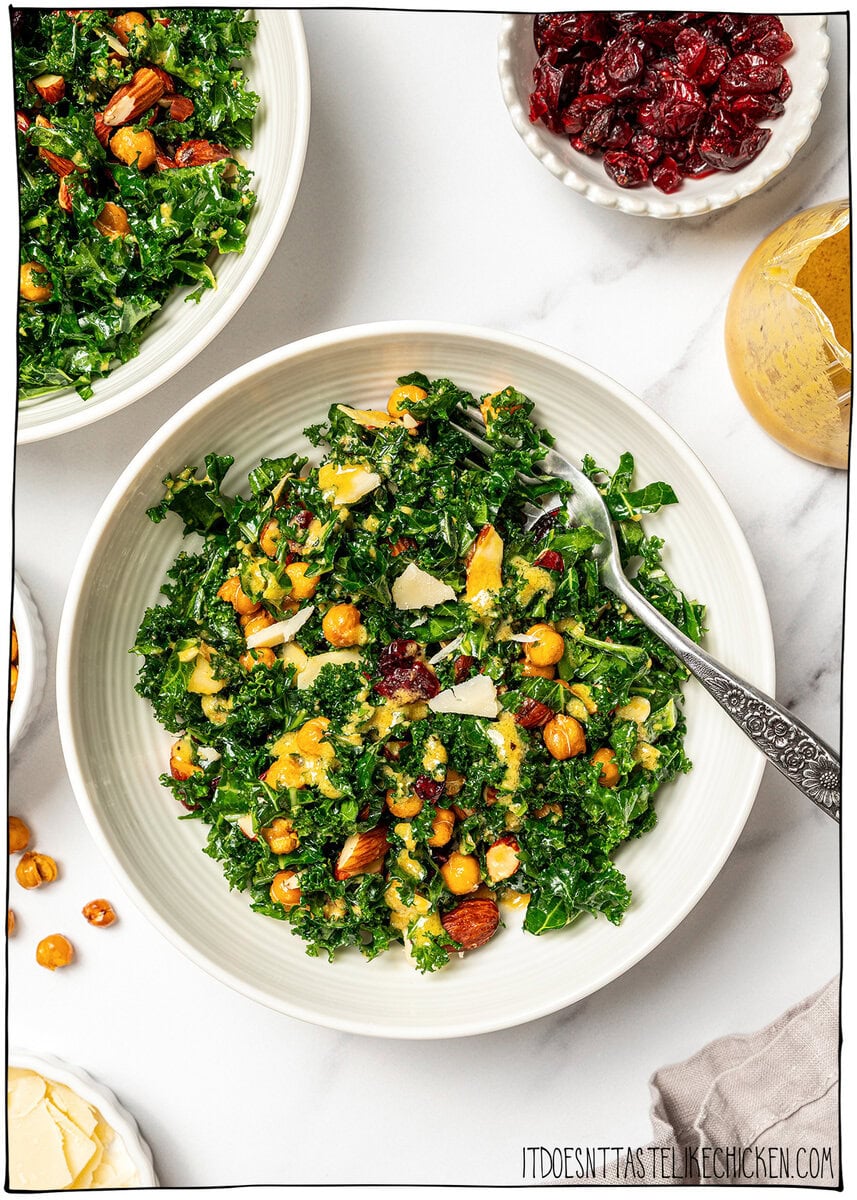
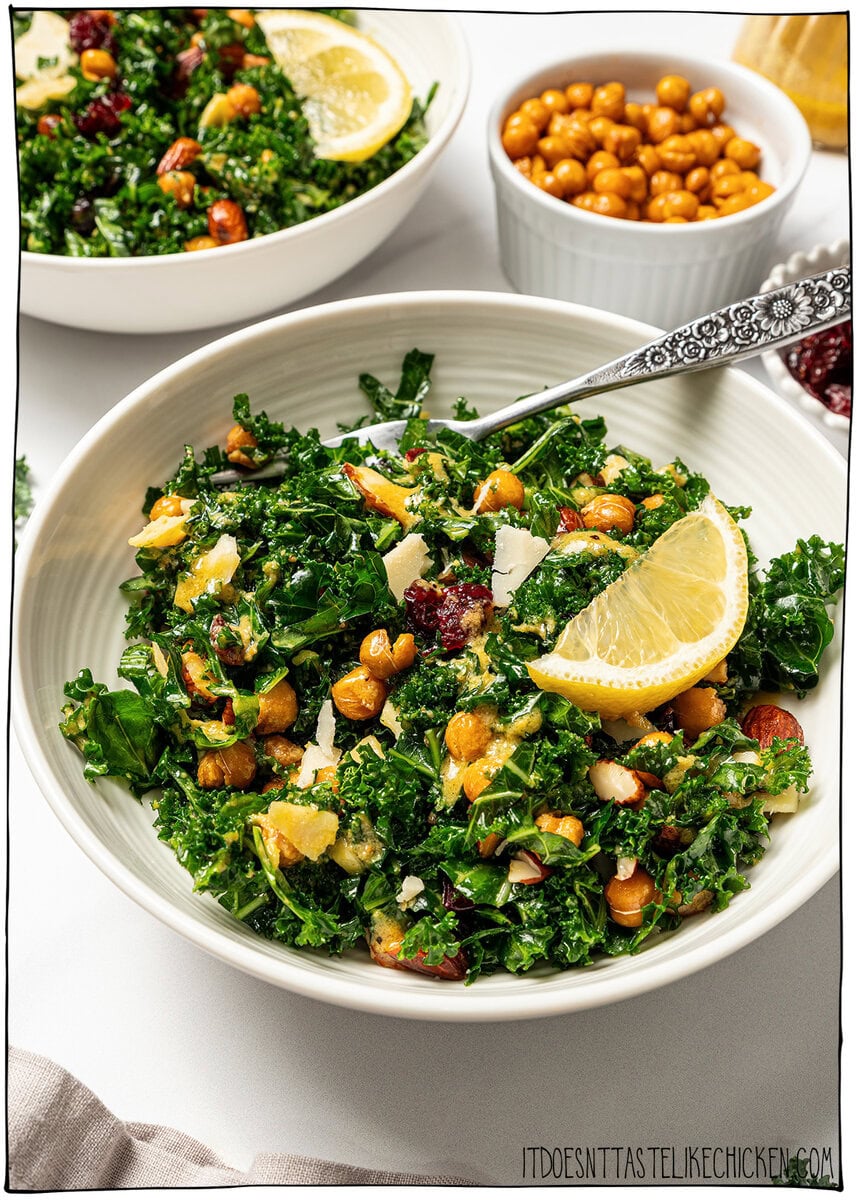
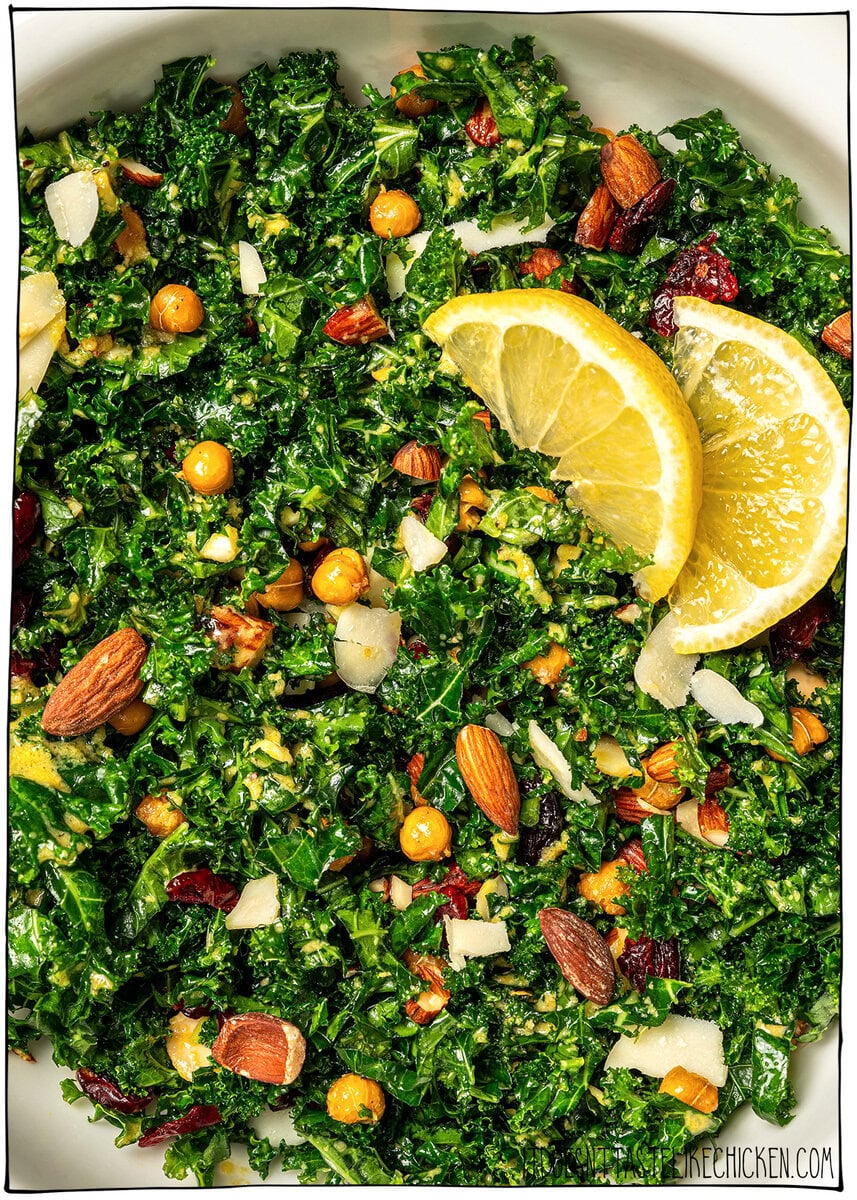
- Integration: Pour the dressing over the massaged kale, followed by the dried cranberries and toasted almonds. Toss thoroughly to ensure every ribbon of greens is evenly coated.
- Final Assembly: Just prior to serving, fold in the crispy roasted chickpeas or croutons to preserve their structural crispness.
Storage, Shelf Life, and Meal-Prep Implications
In the context of modern meal-planning logistics, the longevity of prepared foodstuffs is a critical metric for consumers seeking to minimize food waste and optimize weekly schedules. Traditional lettuce-based salads typically wilt within hours of dressing application due to osmotic pressure drawing moisture out of the cellular structure.
In contrast, sturdy greens like massaged kale exhibit superior structural resilience. Clinical shelf-life evaluations indicate that this assembled salad retains its nutritional value, color vibrancy, and structural integrity for up to three days when stored in a hermetically sealed container within a refrigerated environment operating at or below 40 degrees Fahrenheit (4 degrees Celsius). To achieve optimal results during extended storage, nutritionists recommend storing porous crunchy elements—such as nuts, croutons, and roasted legumes—in a separate compartment and incorporating them immediately prior to consumption.

Broader Industry Impact and Consumer Trends
The rising popularity of specialized, resilient green salads reflects a broader cultural shift toward functional nutrition and sustainable home economics. As consumer demand for plant-forward, allergen-conscious, and oil-free dietary options continues to expand, culinary platforms are placing renewed emphasis on foundational kitchen techniques that elevate accessible, affordable ingredients into sophisticated daily meals. Market analysts project that interest in customizable, batch-prepped vegetable dishes will maintain an upward trajectory as households prioritize efficiency, health outcomes, and culinary satisfaction.