The Ultimate Guide to Making Authentic Shanghai Wonton Soup at Home

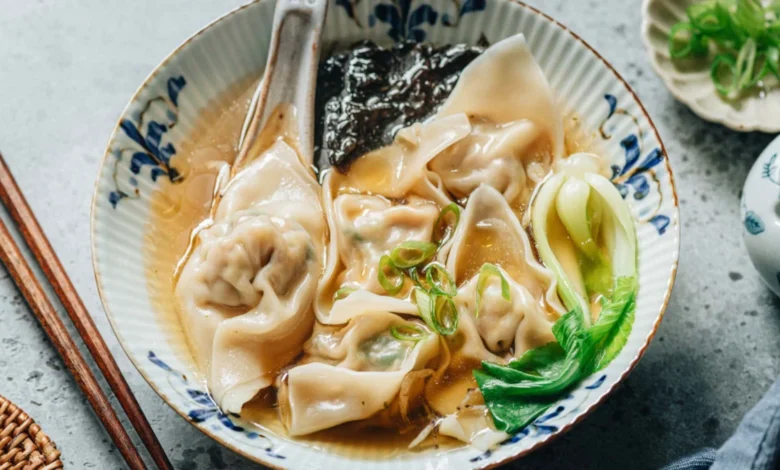
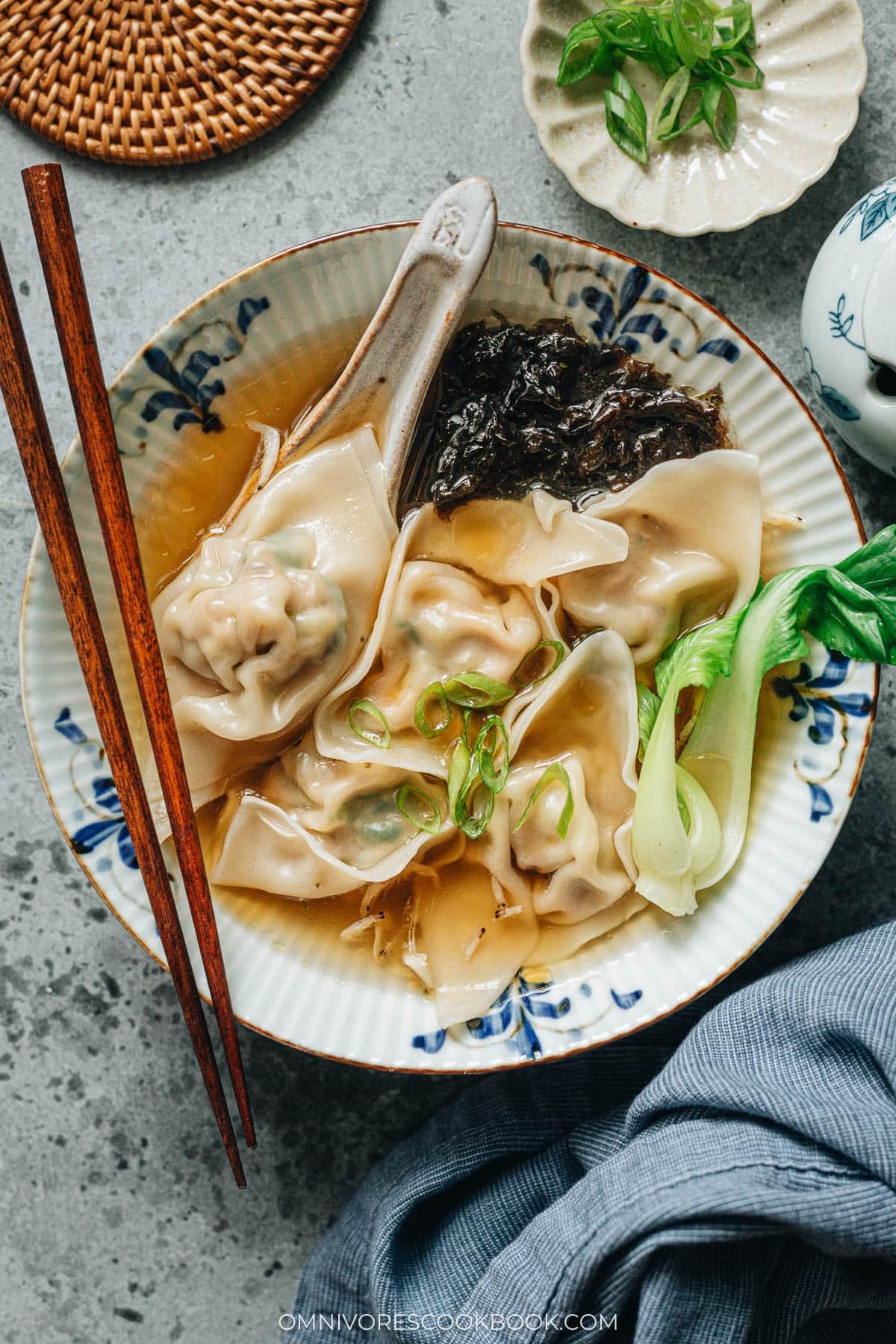
Culinary traditions often trace their origins to regional adaptations of staple foods, and few dishes exemplify this evolution as distinctly as Shanghai Wonton Soup, locally known as "dahuntun" or big wontons. Distinct from the smaller, broth-centric wonton variations found in Cantonese cuisine or the fiery, red-oil-drenched iterations of Sichuan province, Shanghai-style wontons are characterized by their generous proportions and substantial fillings. Historically born out of practical home-cooking economics—where maximizing satiety and utilizing seasonal greens took precedence over elaborate, time-consuming broths—this comfort food has transitioned from domestic dining tables to a celebrated symbol of Jiangnan regional gastronomy.
Culinary historians and home cooks alike note that the defining feature of the Shanghai wonton is its architectural design. Utilizing wide, square wrappers that are thicker than those used in southern varieties, the dumpling allows for a hefty core of coarsely ground pork, blanched baby bok choy, and rehydrated shiitake mushrooms. This structural integrity is essential; because the wrapper is robust, it can encapsulate a larger volume of filling without tearing during the boiling process, ensuring a high meat-to-daugh ratio that satisfies as a standalone meal.
Cultural Context and Regional Evolution
The broader landscape of Chinese dumpling culture relies heavily on geographical variables, grain availability, and local flavor profiles. While Cantonese wonton noodle soup traditionally demands meticulous preparation of clear chicken and dried flounder stock, paired with delicate bite-sized dumplings folded with shrimp and pork, the Shanghai tradition takes a pragmatic approach.
In Shanghai households, the focus shifts toward efficiency without sacrificing depth of flavor. The soup base itself is intentionally kept light, clear, and unpretentious. Rather than simmering bones for hours, home cooks often rely on the starchy cooking water left over from boiling the dumplings. This technique, known in Chinese culinary practices as "yuan tang hua yuan" (using the original soup water), infuses the serving liquid with a silky viscosity and residual starches that help bind the seasonings together.
Furthermore, the adaptability of Shanghai wontons has secured their year-round popularity. During frigid winter months or damp transitional seasons, they are served piping hot in their savory broth. Conversely, during the sweltering summer months, locals frequently omit the soup entirely, dressing the boiled dumplings in a vibrant Sichuan-inspired red-oil sauce or tossing them over chili-crisp noodles for an intensified flavor profile.
Comprehensive Ingredient Profile
Achieving the authentic flavor of Shanghai Wonton Soup requires specific ingredients that balance umami, freshness, and texture:
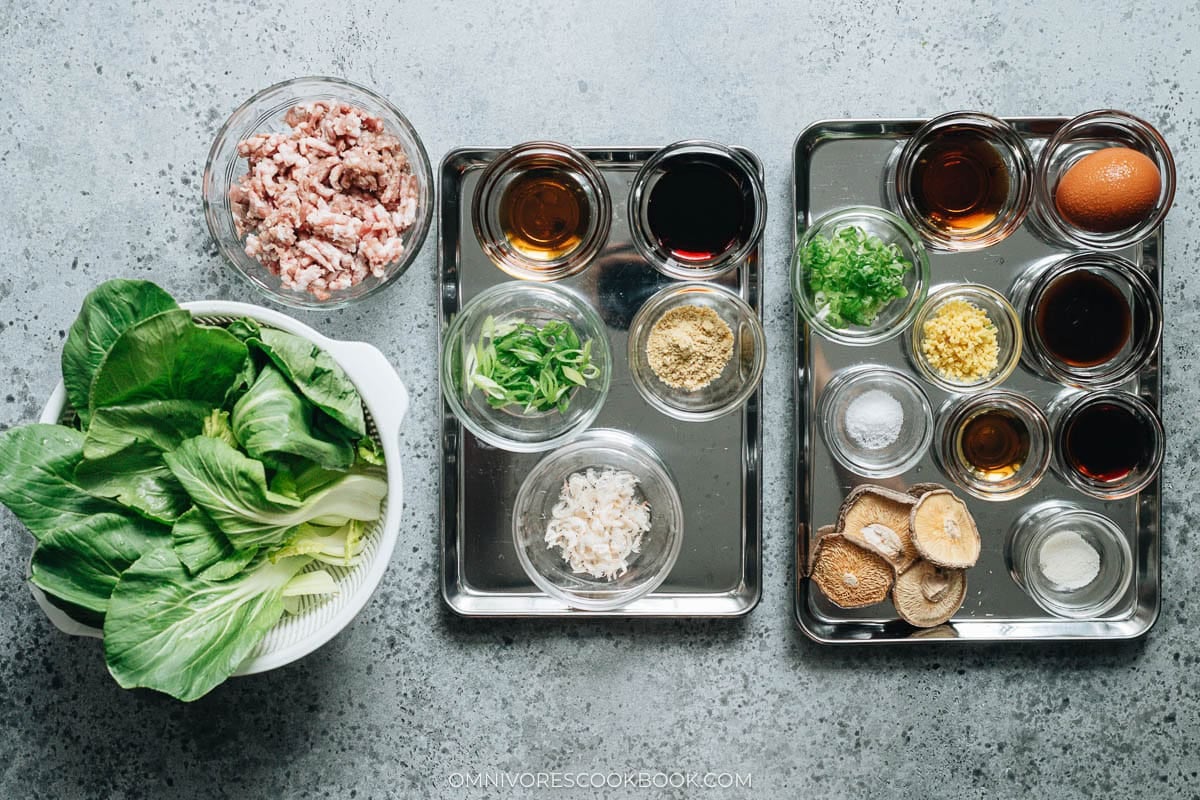
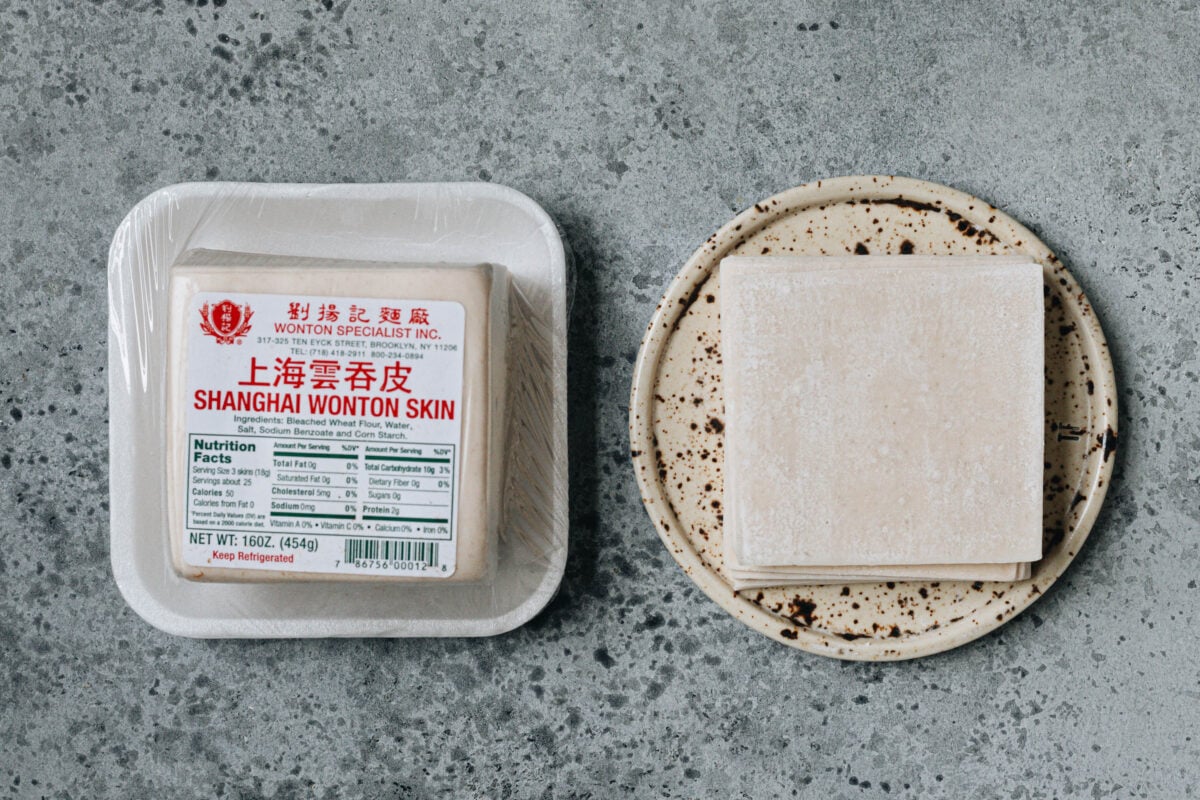
- Wonton Wrappers: Shanghai-style wrappers are distinctly wider and thicker than standard commercial wrappers. This heft prevents the dumpling from becoming soggy in the broth and provides a satisfying, chewy bite.
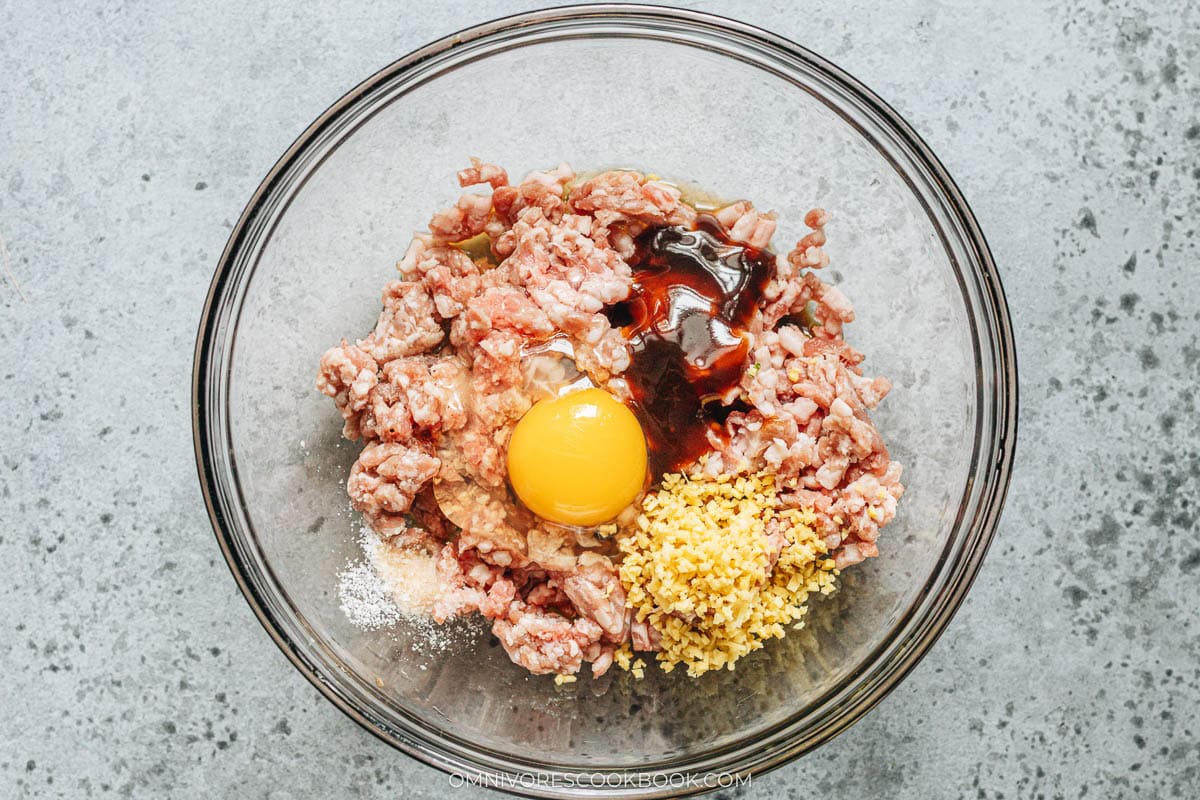
- Ground Pork: A higher fat-to-lean ratio is critical. The natural rendering of pork fat during cooking ensures the filling remains succulent and tender. The meat is seasoned with an aromatic blend of egg, Shaoxing rice wine, oyster sauce, light soy sauce, sugar, salt, and finely minced ginger.
- Baby Bok Choy: Providing a crisp, vegetal contrast to the rich pork, the greens must be thoroughly blanched and rigorously wrung dry of excess moisture to prevent the filling from becoming watery.
- Shiitake Mushrooms and Scallions: Rehydrated dried shiitake mushrooms impart an earthy depth of flavor, while scallions and sesame oil add aromatic lift.
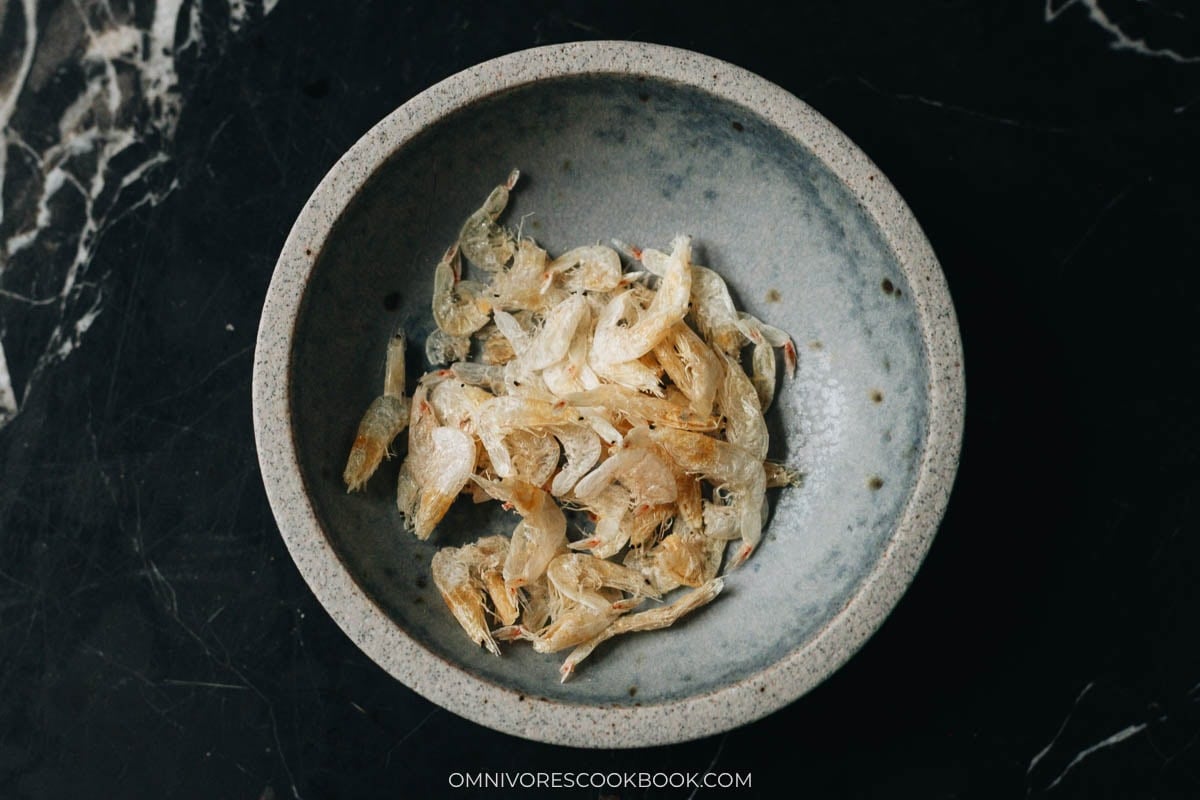
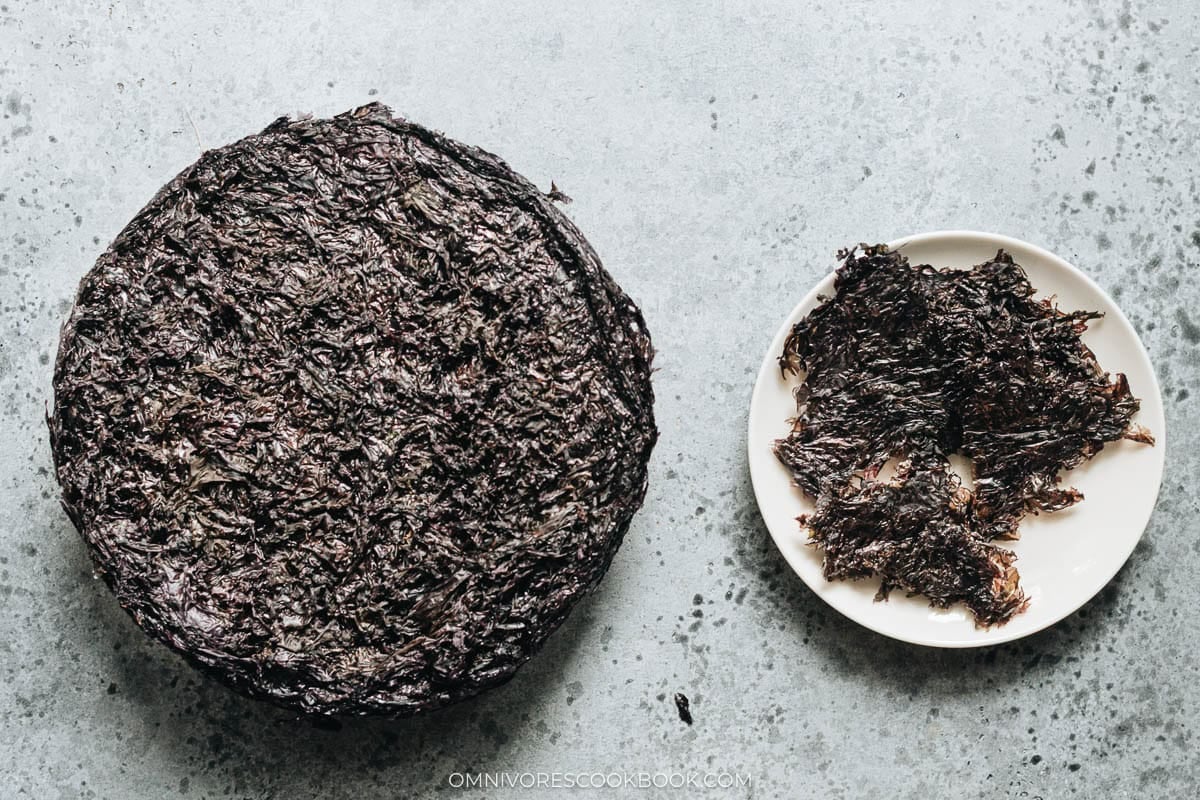
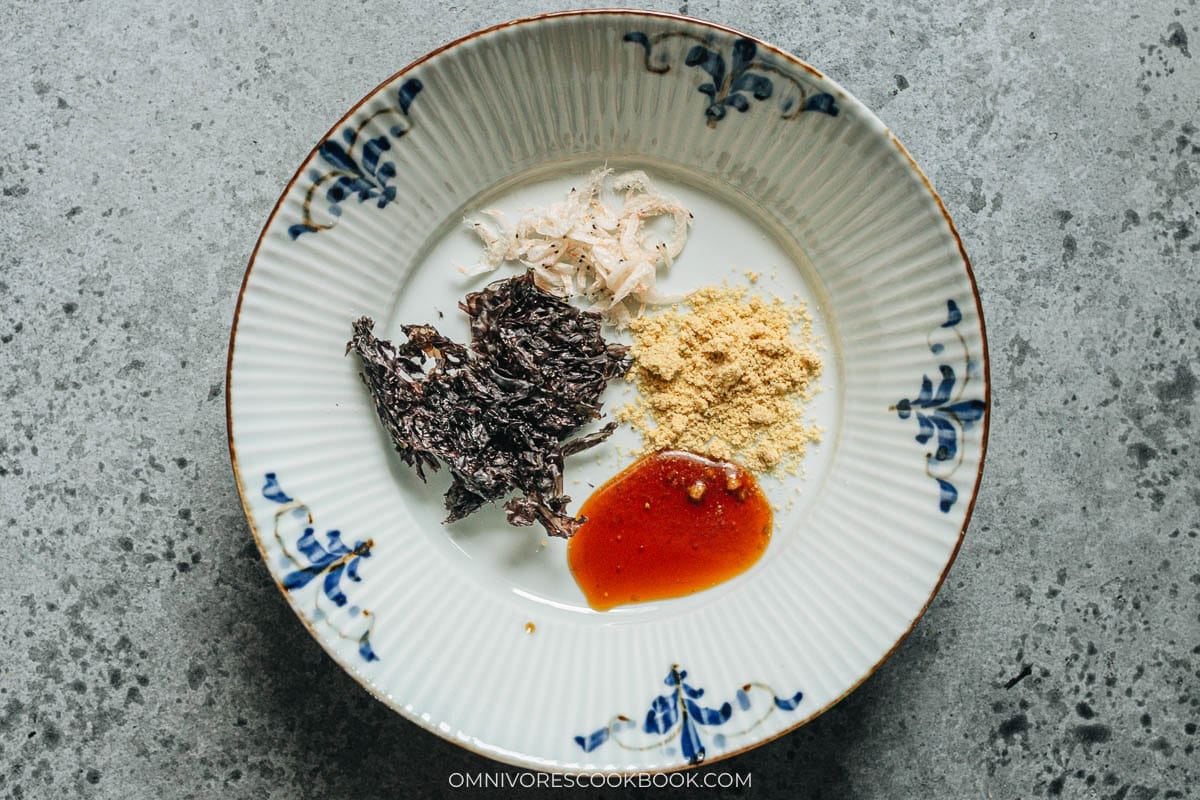
- Seasoning Base: Individual serving bowls are preemptively seasoned with chicken bouillon powder, light soy sauce, dried papery shrimp (xia pi) for briny sweetness, and traditional Chinese dried seaweed (zicai), which instantly rehydrates upon contact with hot liquid.
Step-by-Step Preparation Methodology
The preparation of Shanghai Wonton Soup follows a methodical sequence designed to optimize texture and structural stability.

1. Preparing the Filling
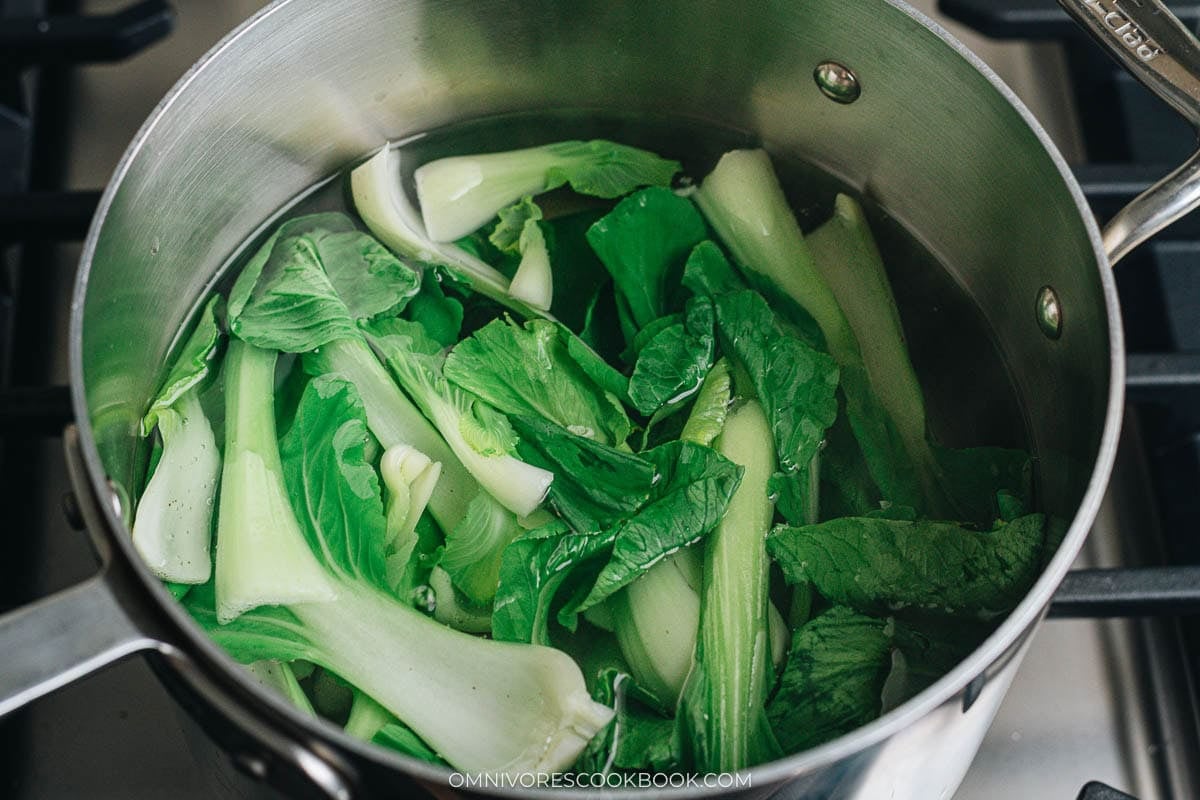
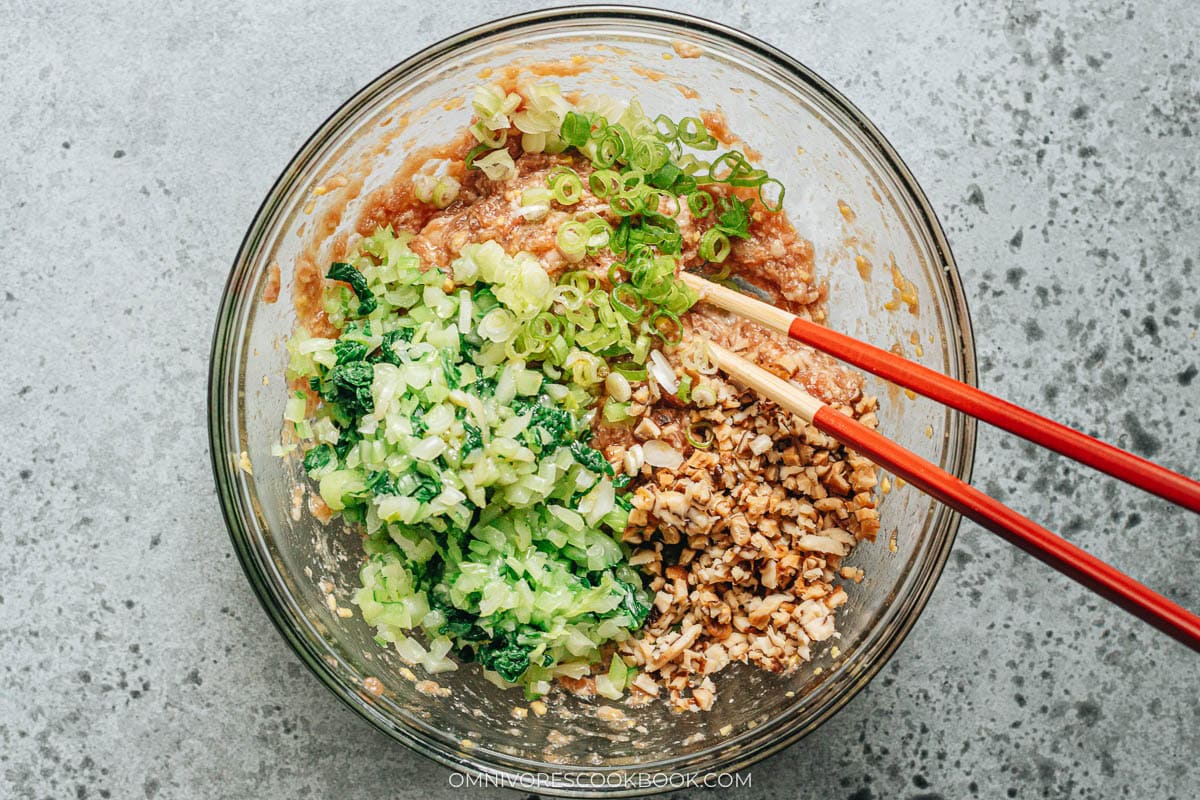
The process begins by rehydrating dried shiitake mushrooms in warm water for 15 to 20 minutes, after which the stems are discarded and the caps are finely minced. Simultaneously, baby bok choy is washed thoroughly to remove residual grit, blanched in boiling water for 30 to 60 seconds, shocked, and aggressively squeezed to extract all trapped water before being chopped into fine pieces.
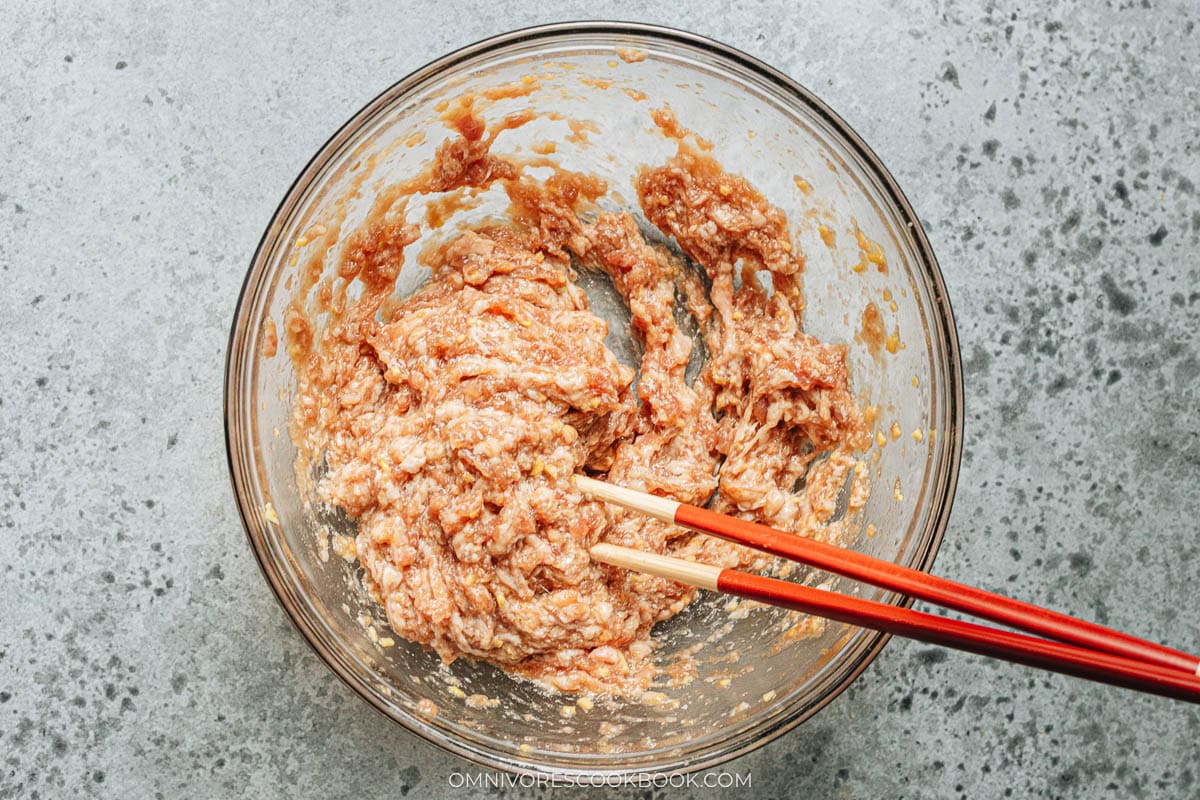
The ground pork is placed in a spacious mixing bowl alongside the aromatics and liquid seasonings. A crucial culinary technique involves stirring the meat mixture vigorously in a single direction for approximately three minutes. This mechanical action develops the proteins in the pork, transforming the loose meat into a cohesive, sticky paste that traps moisture and ensures the filling behaves like an integrated meatball rather than crumbling apart inside the wrapper. Finally, the prepared bok choy, scallions, minced mushrooms, and sesame oil are folded into the pork mixture.
2. The Wrapping Technique
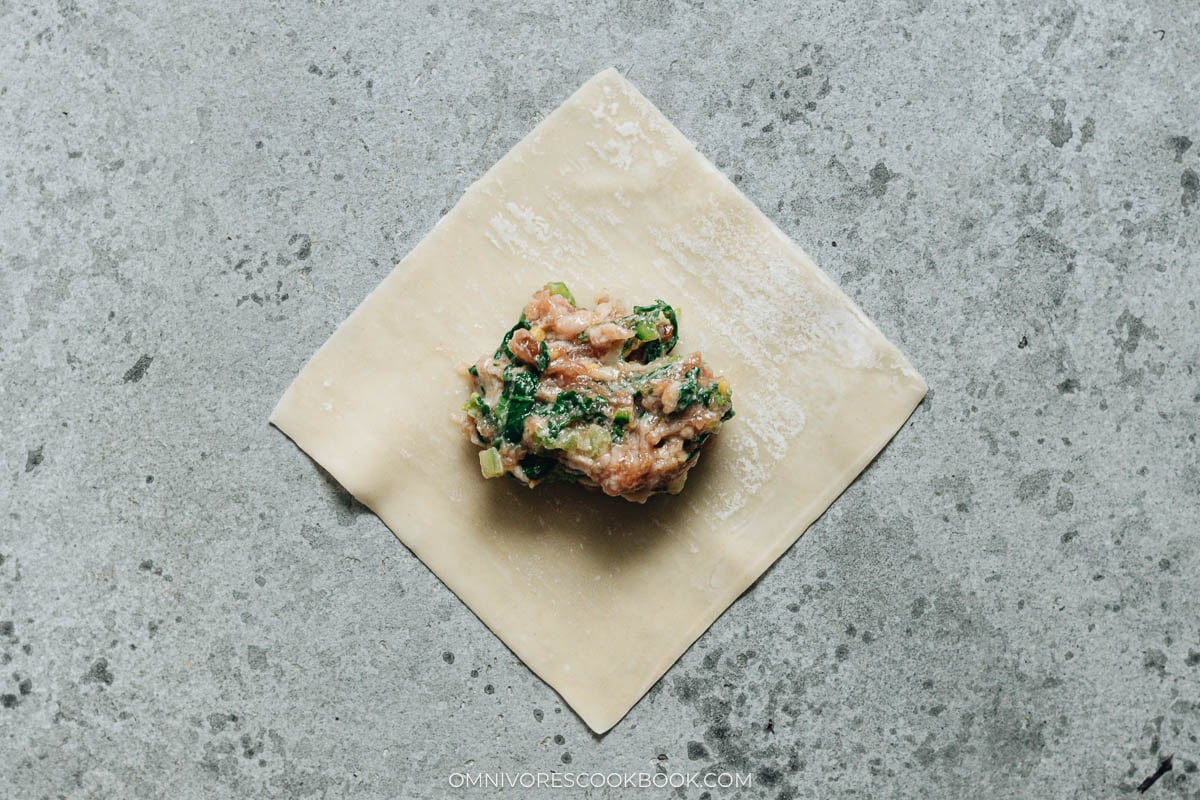
To prevent the wrappers from drying out, they are kept stacked beneath a damp paper towel. A standard assembly line utilizes a small bowl of water for edge-sealing. Approximately two teaspoons of filling are placed in the center of a wrapper positioned in a diamond orientation.
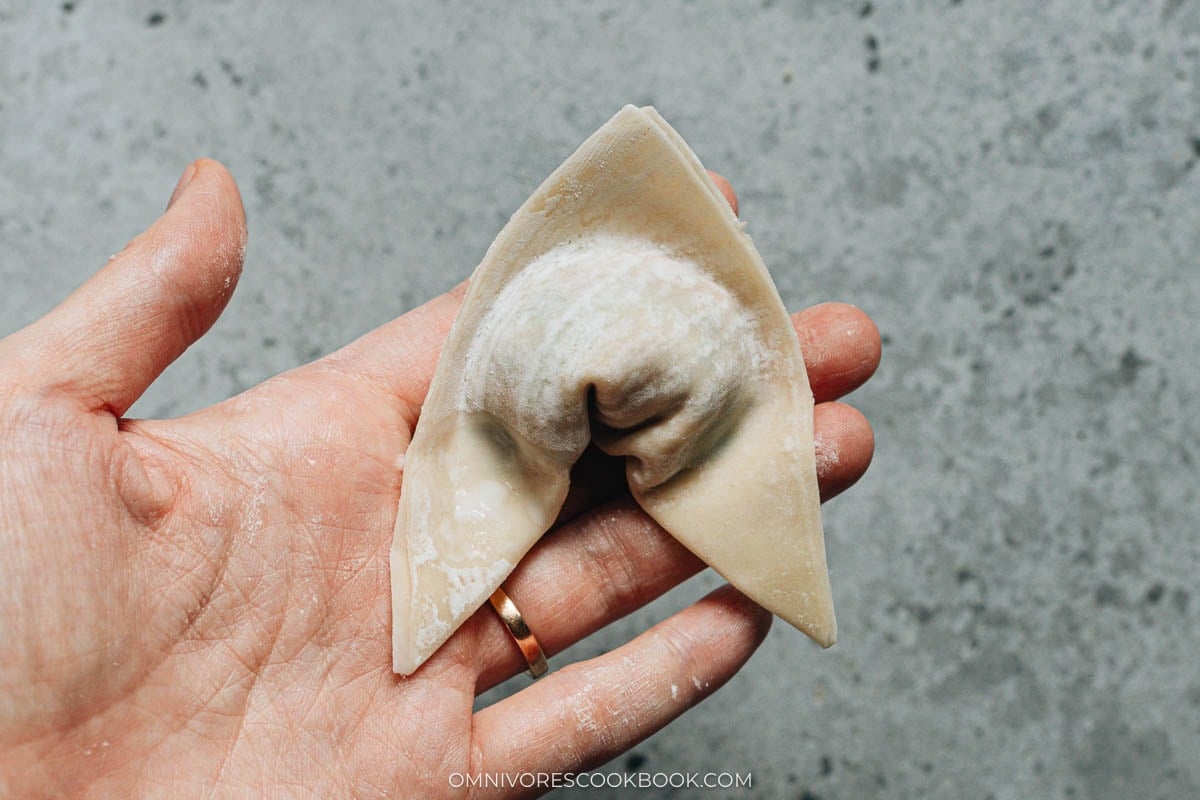
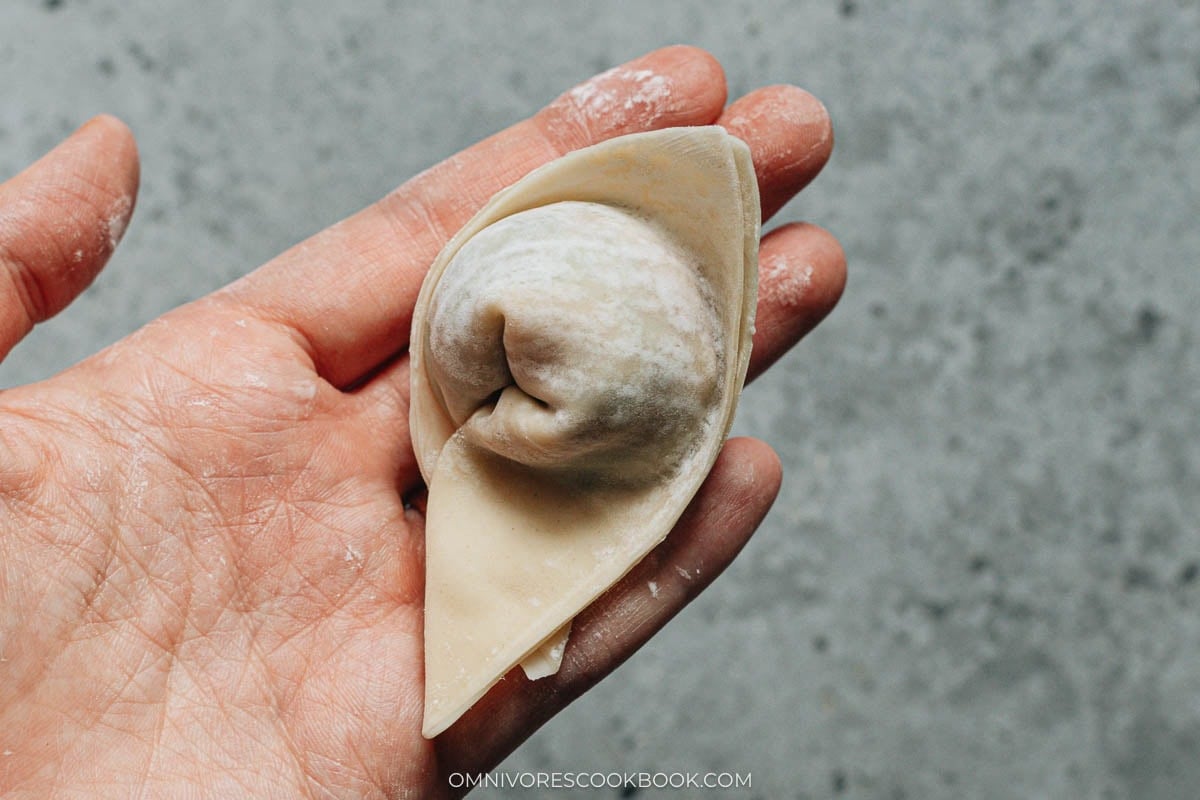
The bottom corner is folded up to meet the top corner, forming a triangle, and the edges are firmly pressed to expel trapped air. A touch of water applied to the side corners allows them to be overlapped and firmly sealed, creating the traditional voluminous shape characteristic of the Shanghai big wonton.
3. Cooking and Assembly
Unlike soups that require a pre-made stock, the broth is built directly in the serving bowl. Each bowl receives a measured quantity of chicken bouillon, light soy sauce, dried shrimp, and dried seaweed.
A large pot of water is brought to a rolling boil. Wontons are added in single-layer batches to prevent overcrowding and sticking. Once the dumplings float to the surface, they are gently simmered for an additional one to two minutes until the pork filling is thoroughly cooked. The hot, starchy cooking water is then ladled directly over the seasonings in each bowl, followed by the addition of the cooked wontons, a garnish of fresh scallions, and a final drizzle of sesame oil.

Nutritional Analysis and Dietary Considerations
A standard serving of Shanghai Wonton Soup—typically calculated as five to eight large wontons accompanied by their broth—provides a balanced nutritional profile. On average, a single serving contains approximately 369 kilocalories, 37 grams of carbohydrates, 19 grams of protein, and 15 grams of fat.
While the dish offers significant protein and moderate iron content, individuals monitoring their sodium intake should note that traditional seasonings, bouillon, and dried seafood contribute to a higher sodium content per serving (averaging roughly 1,274 milligrams). Home cooks can mitigate sodium levels by substituting low-sodium soy sauce or reducing the quantity of bouillon powder without compromising the structural integrity of the recipe.
Storage, Freezing, and Culinary Implications
One of the primary practical advantages of Shanghai Wonton Soup is its exceptional adaptability to meal-prep routines. Uncooked wontons freeze remarkably well. By arranging freshly wrapped dumplings in a single layer on a parchment-lined tray until solid, home cooks can transfer them to airtight freezer bags where they maintain optimal quality for up to two months.
Culinary experts emphasize that cooked wontons should never be stored directly in liquid or left sitting in broth for extended periods, as the delicate wheat wrappers will rapidly absorb moisture, disintegrate, and compromise the texture of the soup. Instead, boiling wontons straight from the frozen state—allowing an extra minute or two of cooking time—provides an efficient, wholesome meal solution for domestic households, bridging the gap between traditional heritage recipes and modern dietary convenience.