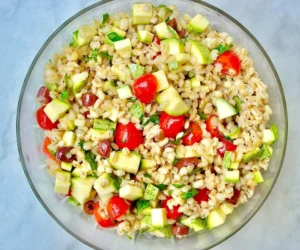
Watch: 5 Mediterranean Foods That Help Lower Cholesterol and the Science Behind Heart-Healthy Dietary Shifts

For decades, the prevailing narrative surrounding cardiovascular health and cholesterol management was defined by a culture of restriction. Patients were frequently advised to avoid eggs, eliminate fats entirely, and adhere to rigid, low-fat regimens. However, contemporary nutritional science has shifted the focus from merely avoiding cholesterol-rich foods to understanding the nuanced impact of dietary patterns on lipid profiles and overall cardiovascular longevity.
The modern consensus among cardiologists and nutritionists suggests that for most individuals, dietary cholesterol has a less significant impact on blood LDL (low-density lipoprotein) levels than previously thought. Instead, the focus has pivoted toward the reduction of saturated fats and the strategic inclusion of heart-protective nutrients. This shift aligns closely with the Mediterranean Diet, a long-standing nutritional framework that emphasizes the consumption of whole foods, healthy fats, and fiber-rich ingredients. By replacing saturated fats with unsaturated alternatives and focusing on nutrient density, individuals can effectively support healthy cholesterol levels and reduce long-term cardiovascular risk.
Understanding the Function of Cholesterol and Cardiovascular Risk

Cholesterol is not inherently detrimental; it is a vital lipid required for the structural integrity of cell membranes, the synthesis of hormones, and various physiological functions. The medical concern arises when LDL particles—often referred to as "bad" cholesterol—circulate in excess within the bloodstream.
Over time, these particles can infiltrate arterial walls, contributing to the formation of plaque, a process known as atherosclerosis. Should this plaque become unstable and rupture, it can trigger the formation of a blood clot, potentially obstructing blood flow to the heart or brain. This mechanism is the primary driver of myocardial infarction (heart attack) and ischemic stroke. Therefore, clinical efforts to manage cholesterol are not merely aimed at improving a blood test result, but at preserving the physical integrity of the arterial system. The Mediterranean approach prioritizes this systemic protection, favoring a holistic, dietary pattern over the pursuit of a "magic bullet" ingredient.
The Shift from Restriction to Strategic Swapping
The traditional approach of simply cutting out foods has often led to poor long-term adherence. Modern nutritional guidelines now advocate for "better swaps." This philosophy recognizes that the body requires fat for satiety and nutrient absorption, provided that those fats are unsaturated.
Significant sources of saturated fat—such as butter, processed meats, full-fat dairy, and tropical oils—are prime targets for replacement. By swapping butter for extra virgin olive oil, or choosing lentils over fatty sausage, individuals can simultaneously reduce their intake of pro-inflammatory fats while increasing their consumption of fiber, polyphenols, and omega-3 fatty acids.
Fatty Fish: The Omega-3 Powerhouse
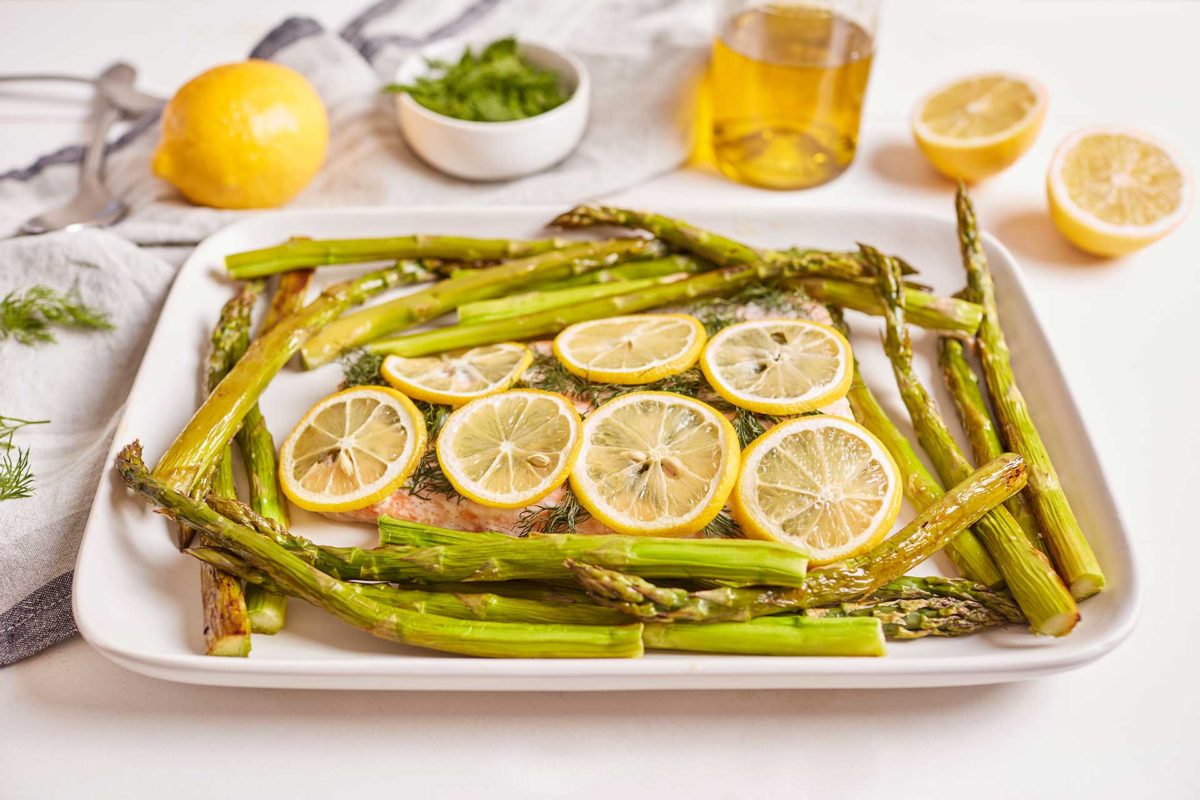
Fatty fish, including salmon, mackerel, sardines, and anchovies, remain staples of the Mediterranean dietary pattern. While they do not directly "scrape" cholesterol from the arteries, they provide essential EPA (eicosapentaenoic acid) and DHA (docosahexaenoic acid). These omega-3 fatty acids are clinically recognized for their ability to lower triglyceride levels and reduce systemic inflammation.
From a behavioral perspective, incorporating fish once or twice a week provides a practical alternative to red or processed meats. When a consumer chooses a fillet of wild-caught salmon over a processed burger, they are not just avoiding saturated fats; they are actively fueling their cardiovascular system with compounds that improve vascular elasticity and heart rhythm stability.
The Role of Whole Grains and Soluble Fiber
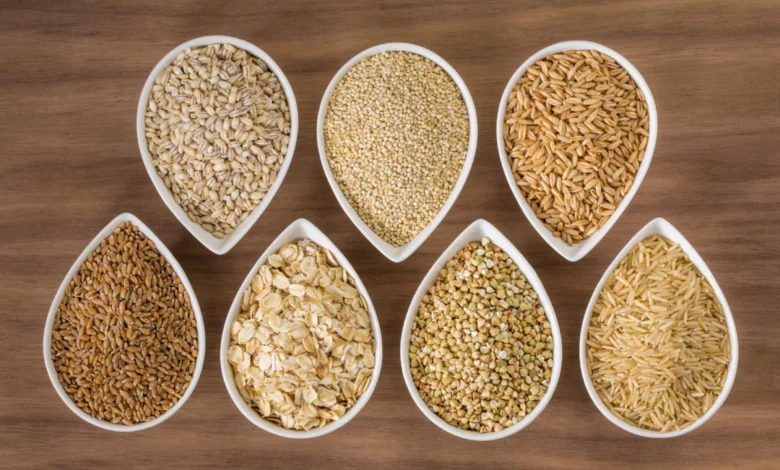
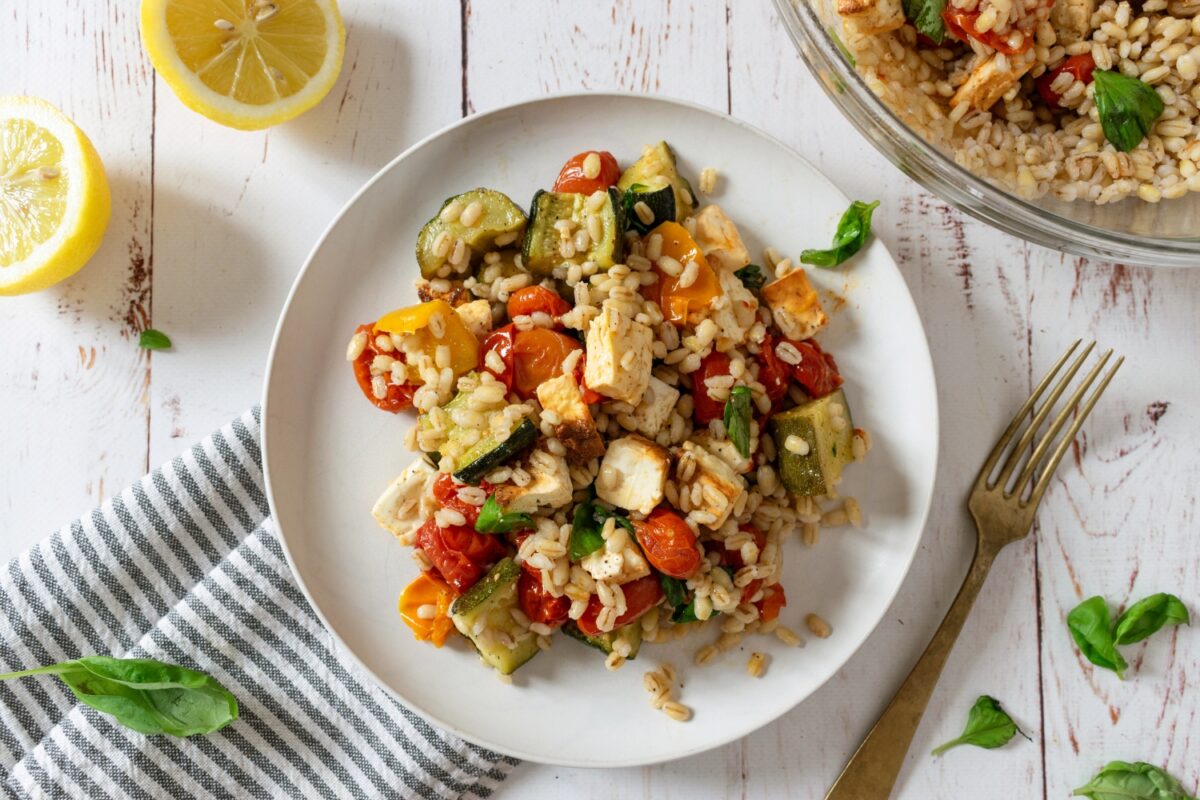
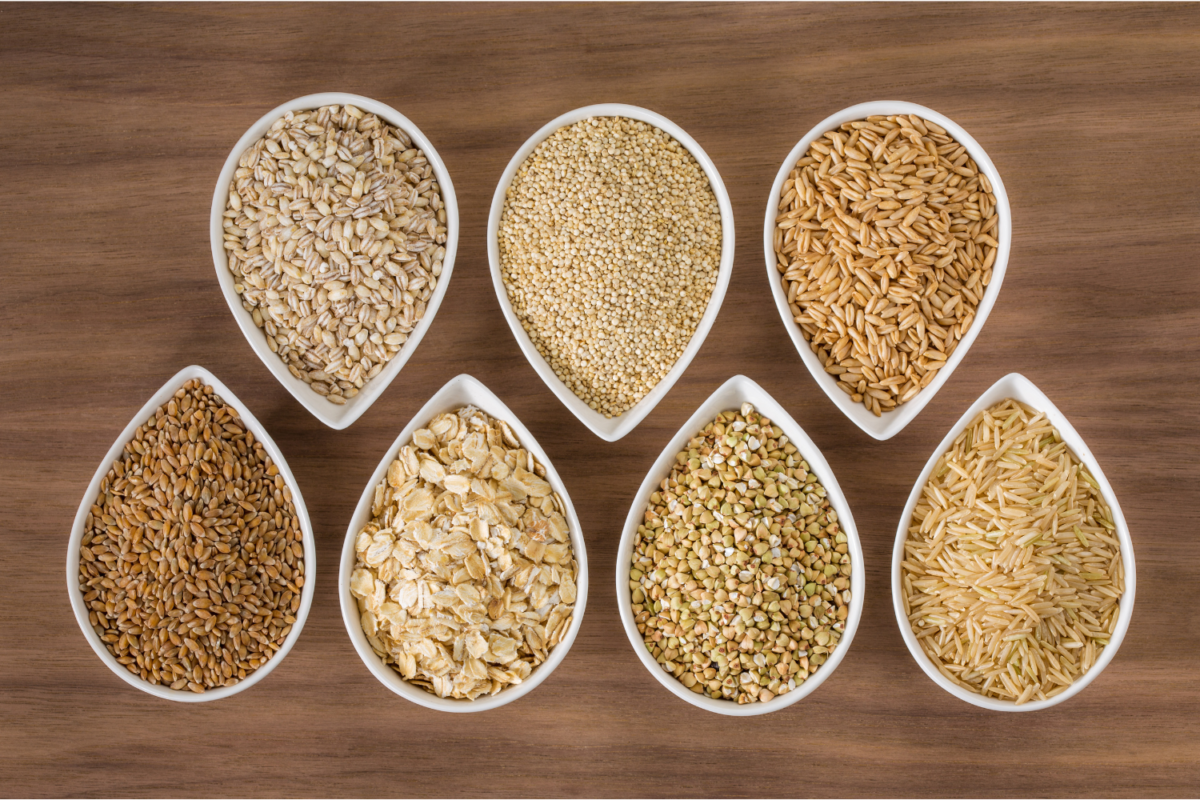
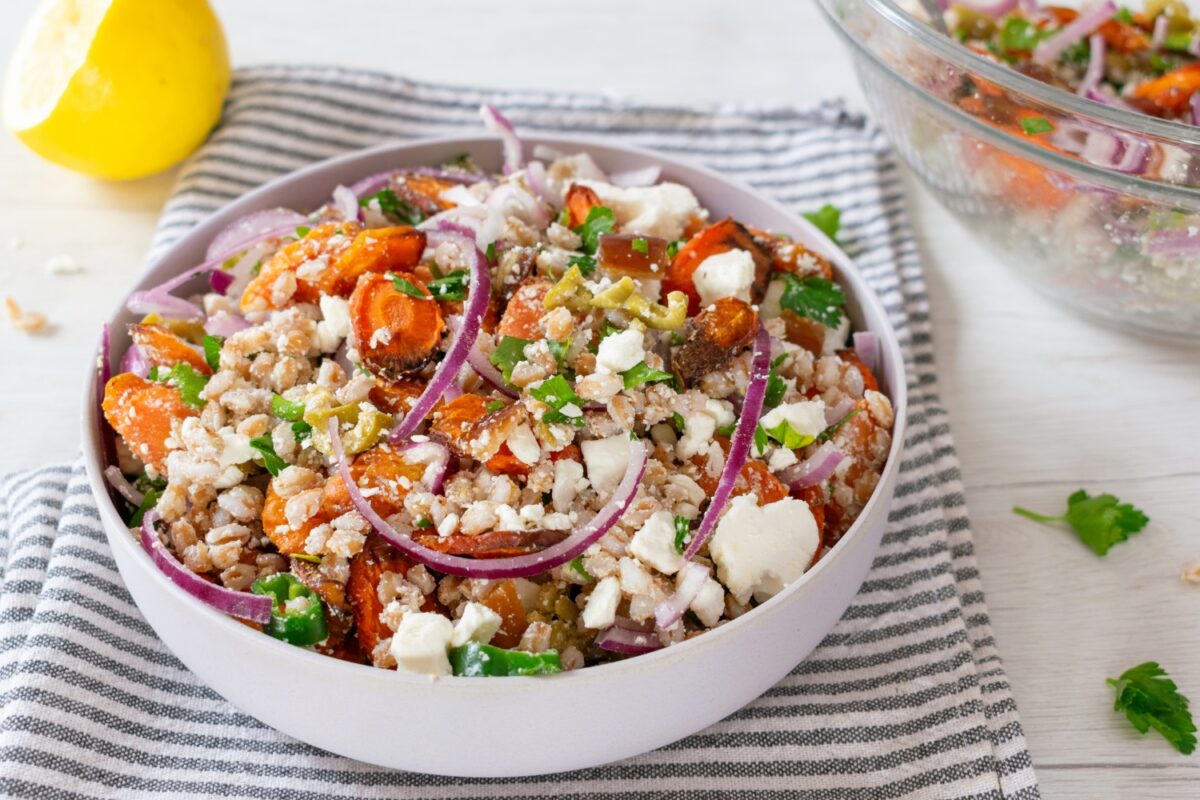
Oatmeal has long been the poster child for cholesterol-lowering foods, but the Mediterranean diet offers a broader spectrum of whole grains, including barley, farro, and bulgur. These grains are rich in beta-glucan, a type of soluble fiber.
The physiological process here is well-documented: soluble fiber forms a gel-like consistency in the digestive tract, which binds to bile acids. Because the body requires cholesterol to produce more bile, the liver pulls LDL cholesterol from the bloodstream to replenish these stores, effectively lowering circulating levels. Furthermore, whole grains contribute to better glycemic control and support a diverse gut microbiome, both of which are secondary factors in reducing metabolic syndrome risk.
Extra Virgin Olive Oil: Beyond Monounsaturated Fats
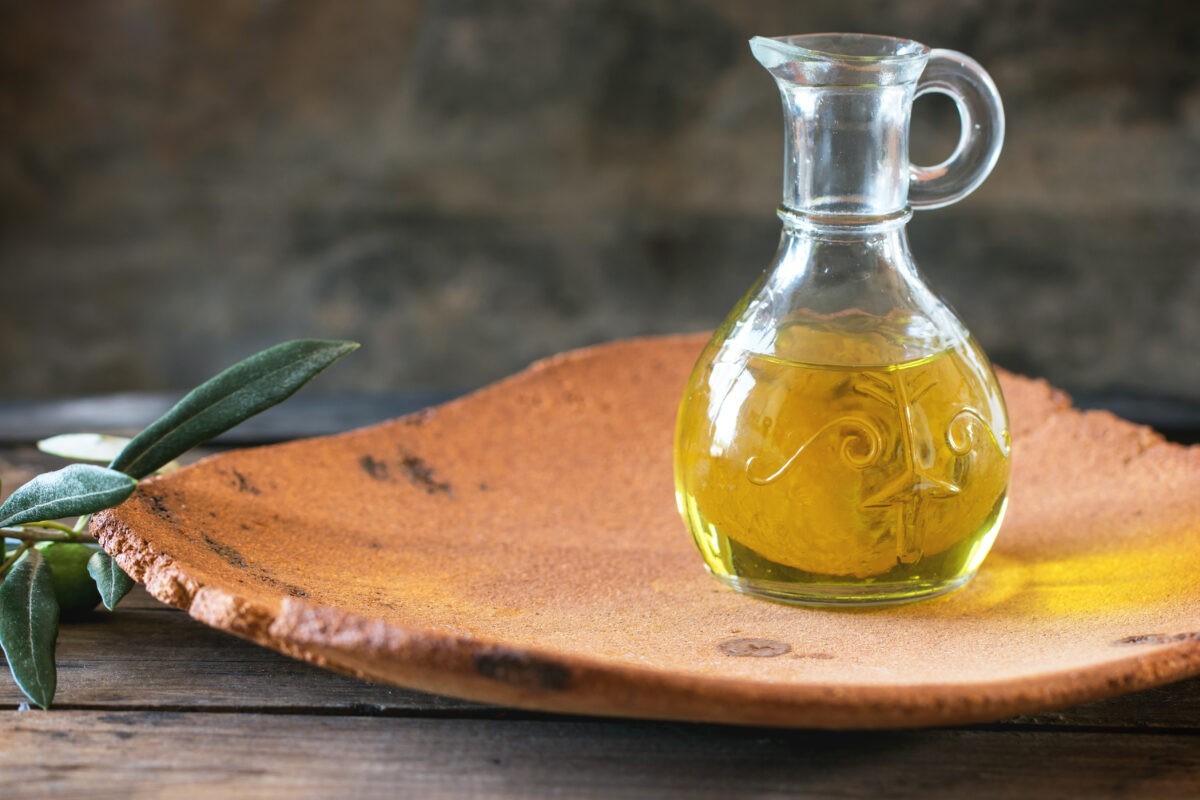
Extra virgin olive oil (EVOO) is perhaps the most iconic component of the Mediterranean diet. Its benefits extend beyond its high content of monounsaturated fatty acids. EVOO contains a diverse profile of polyphenols—plant-based compounds that act as potent antioxidants.
Evidence from the PREDIMED study, a landmark multi-center trial involving over 7,000 participants at high cardiovascular risk, demonstrated that those following a Mediterranean diet supplemented with extra virgin olive oil experienced significantly fewer major cardiovascular events than those on a low-fat control diet. This data solidified the role of high-quality oils in preventing cardiac events rather than just treating symptoms. In Mediterranean cultures, oil is not a supplement but a culinary foundation that enhances the flavor of vegetables, thereby encouraging higher consumption of nutrient-dense produce.
Legumes: The Inexpensive Cardiovascular Protector
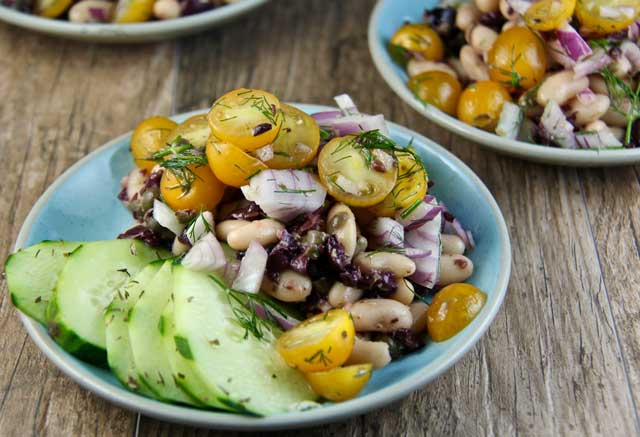
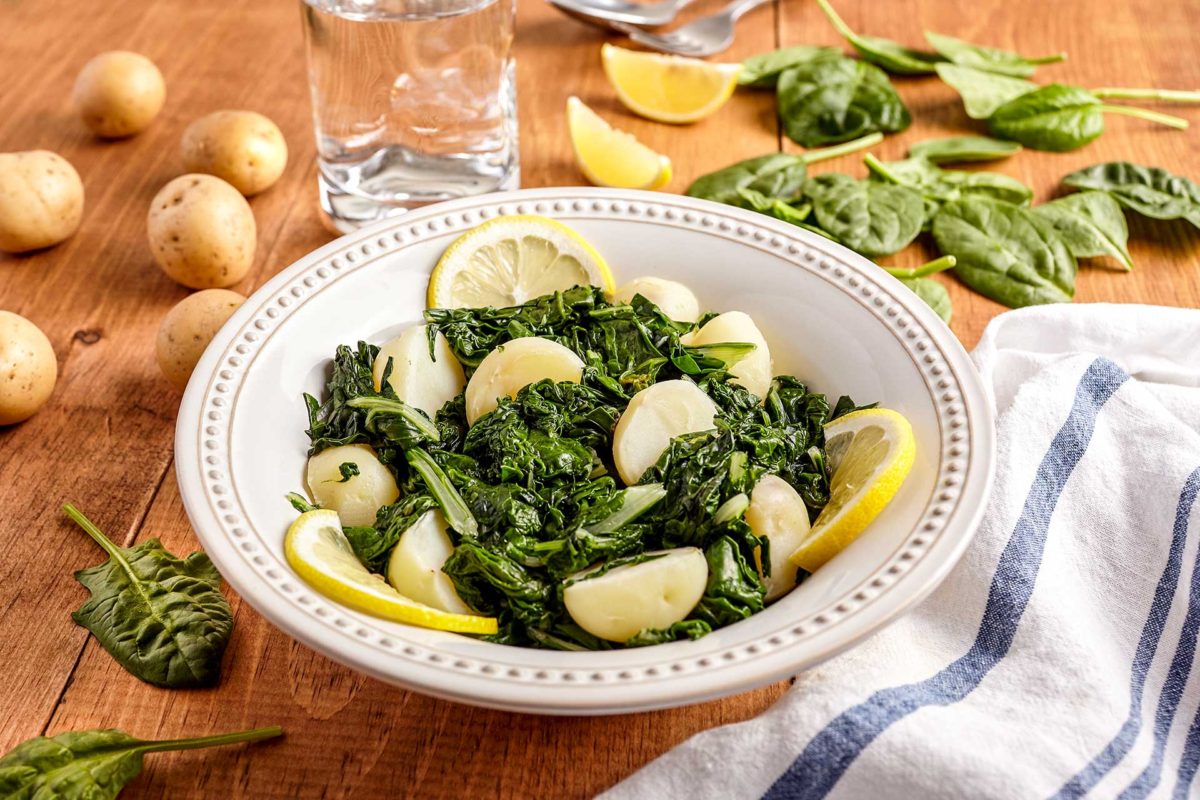
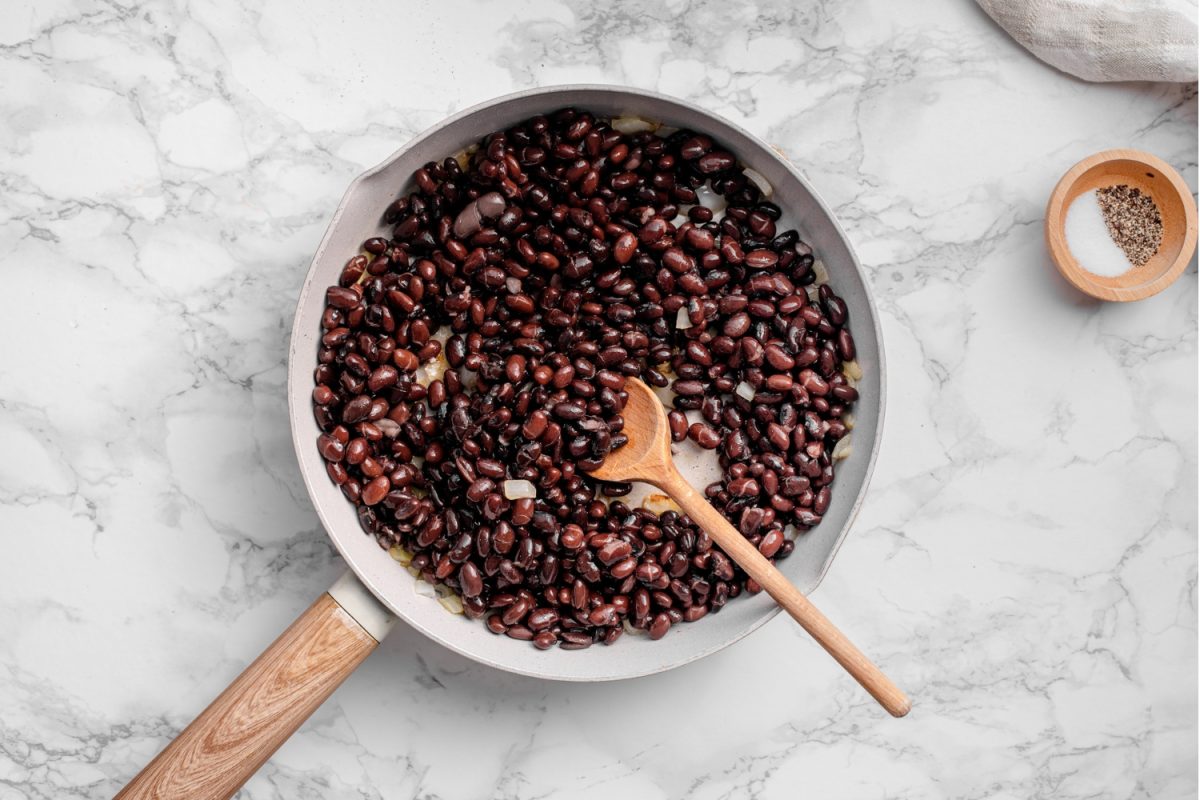
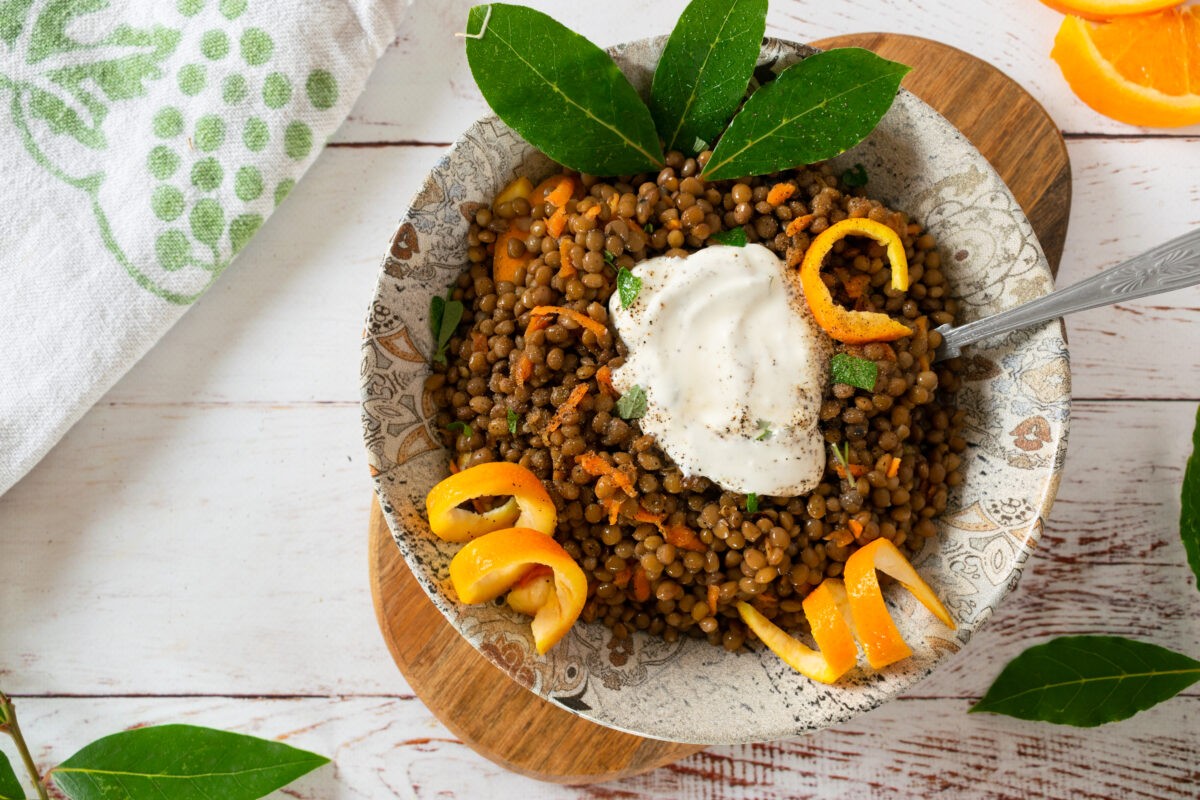
Lentils, chickpeas, and various beans are among the most cost-effective and nutritionally potent foods available. They serve as a critical protein source that is entirely devoid of saturated fat. Similar to whole grains, legumes provide soluble fiber and resistant starch, which feed beneficial gut bacteria. The short-chain fatty acids produced by these bacteria have been linked to improved metabolic health and blood pressure regulation. Replacing animal-based proteins with plant-based legumes is one of the most effective ways to lower LDL cholesterol without sacrificing meal satiety.
Nuts: A Dense Source of Heart Health
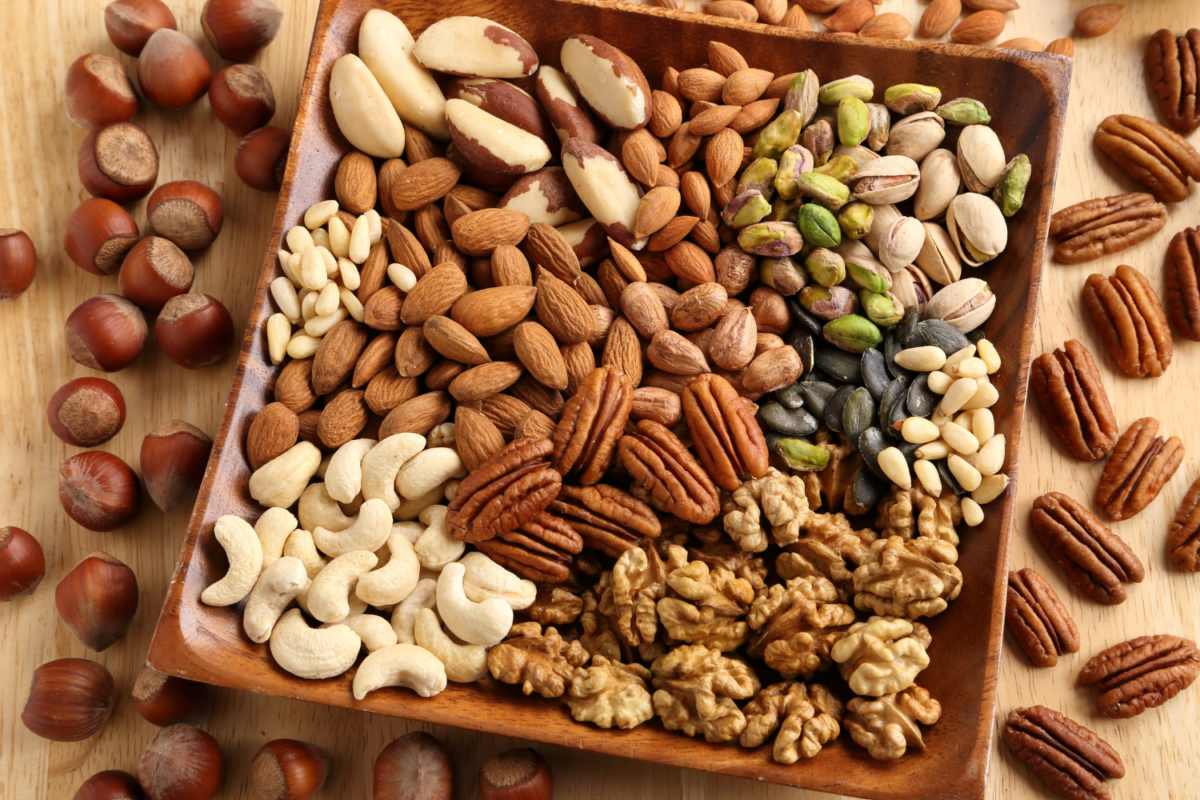
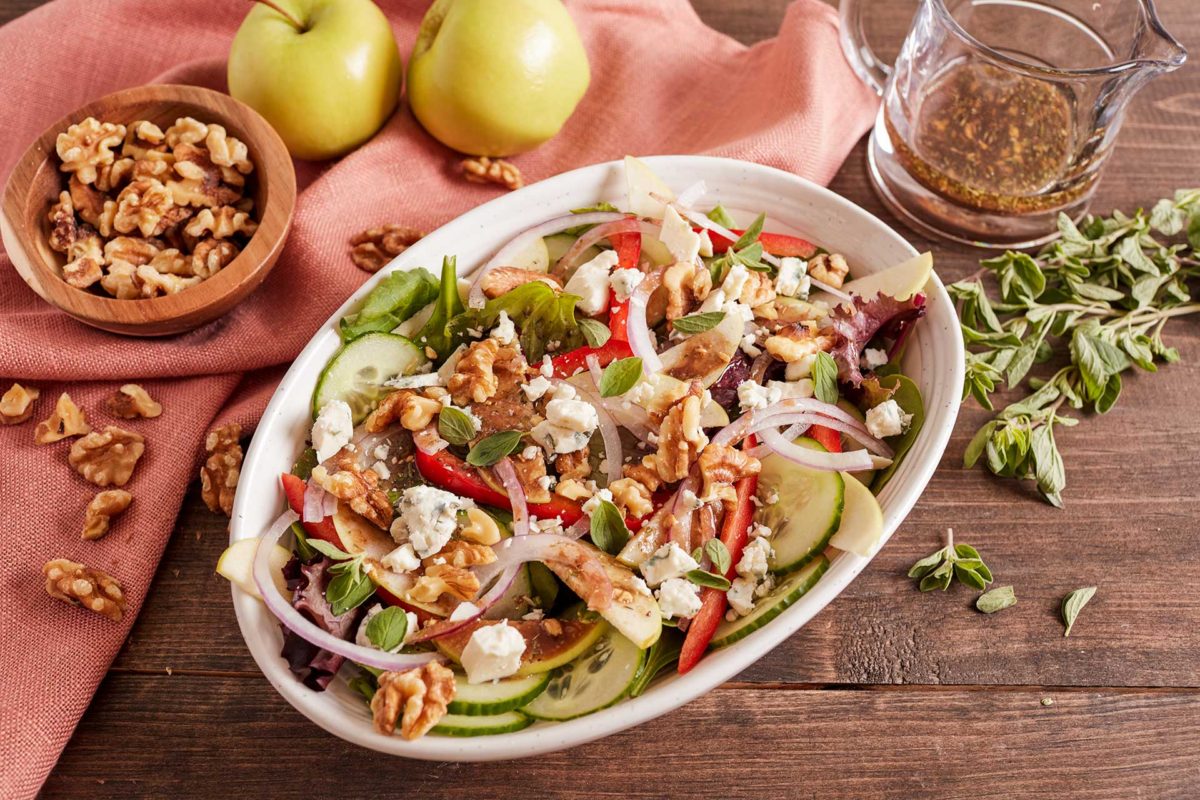
Walnuts, almonds, and pistachios serve as the final pillar of this dietary strategy. Nuts provide a complex matrix of unsaturated fats, fiber, plant sterols, and minerals. Clinical research indicates that regular consumption of nuts can improve the total cholesterol profile and reduce ApoB, a protein that acts as a reliable marker for the number of atherogenic particles in the blood.
While nuts are calorie-dense, longitudinal studies suggest that their inclusion in a diet does not typically lead to the weight gain one might expect, likely due to their high satiety value. A small handful of nuts—rather than a processed snack—is a strategic dietary adjustment that yields high cardiovascular returns.
The Collective Impact of a Mediterranean Pattern
The effectiveness of these five foods is magnified when they are consumed in tandem. A day centered on these ingredients might feature an oatmeal or farro breakfast, a legume-based soup for lunch, and a dinner of fatty fish served with a side of greens and olive oil, capped off with a handful of walnuts.
This approach shifts the focus from individual ingredients to a cohesive dietary pattern. It is an approach that discourages the consumption of processed, hyper-palatable snacks that dominate the modern food environment. By filling the plate with these nutrient-dense options, the need for restrictive, low-fat dieting diminishes.

Implications for Long-Term Health
It is crucial to note that these dietary changes should complement, not replace, medical advice for those already managing high cholesterol or cardiovascular disease. Dietary intervention is a long-term commitment. The goal is to build a sustainable relationship with food that supports arterial health, blood pressure, and weight management over years, rather than weeks.
Ultimately, the lesson of the Mediterranean dietary pattern is one of abundance rather than deprivation. By focusing on the inclusion of high-quality, whole foods, individuals can exert meaningful control over their cardiovascular destiny. The evidence suggests that when we move away from fear-based dieting and toward a lifestyle rooted in the regular consumption of fish, grains, legumes, oils, and nuts, we are not just lowering a number on a lab report—we are investing in the longevity of our most vital systems.