Pumpkin Baked Oatmeal Bridges Comfort Food and Nutritional Efficiency in Modern Morning Meal Planning

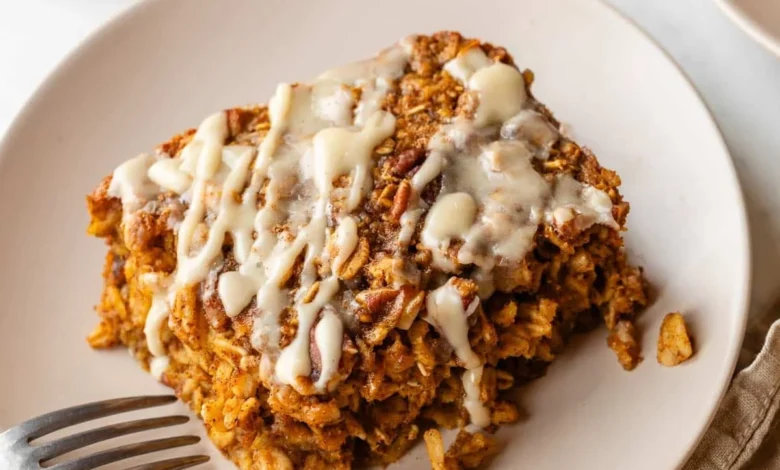
As culinary trends increasingly intersect with the demand for nutritional efficiency and home-baked comfort, the introduction of pumpkin baked oatmeal has captured the attention of home cooks and nutritional planners alike. This hybrid breakfast concept—effectively combining the dense, spiced profile of traditional pumpkin bread with the hearty, fiber-rich foundation of conventional oatmeal—has emerged as a staple in contemporary meal preparation. Designed to transition oatmeal from a stovetop porridge into a sliceable, casserole-style dish, the recipe addresses common culinary pain points such as time constraints during weekday mornings and the monotony of repetitive breakfast routines.
Background and Culinary Evolution of Baked Oatmeal
The evolution of baked oatmeal reflects a broader shift in domestic cooking toward make-ahead convenience foods that do not sacrifice nutritional integrity. Historically, oatmeal has been prepared primarily on the stovetop, a method requiring constant attention, stirring, and immediate consumption to prevent a gluey texture upon cooling. In contrast, baked oatmeal transforms the grain matrix by incorporating binding agents such as eggs and milk, allowing the structure to set uniformly in an oven environment.
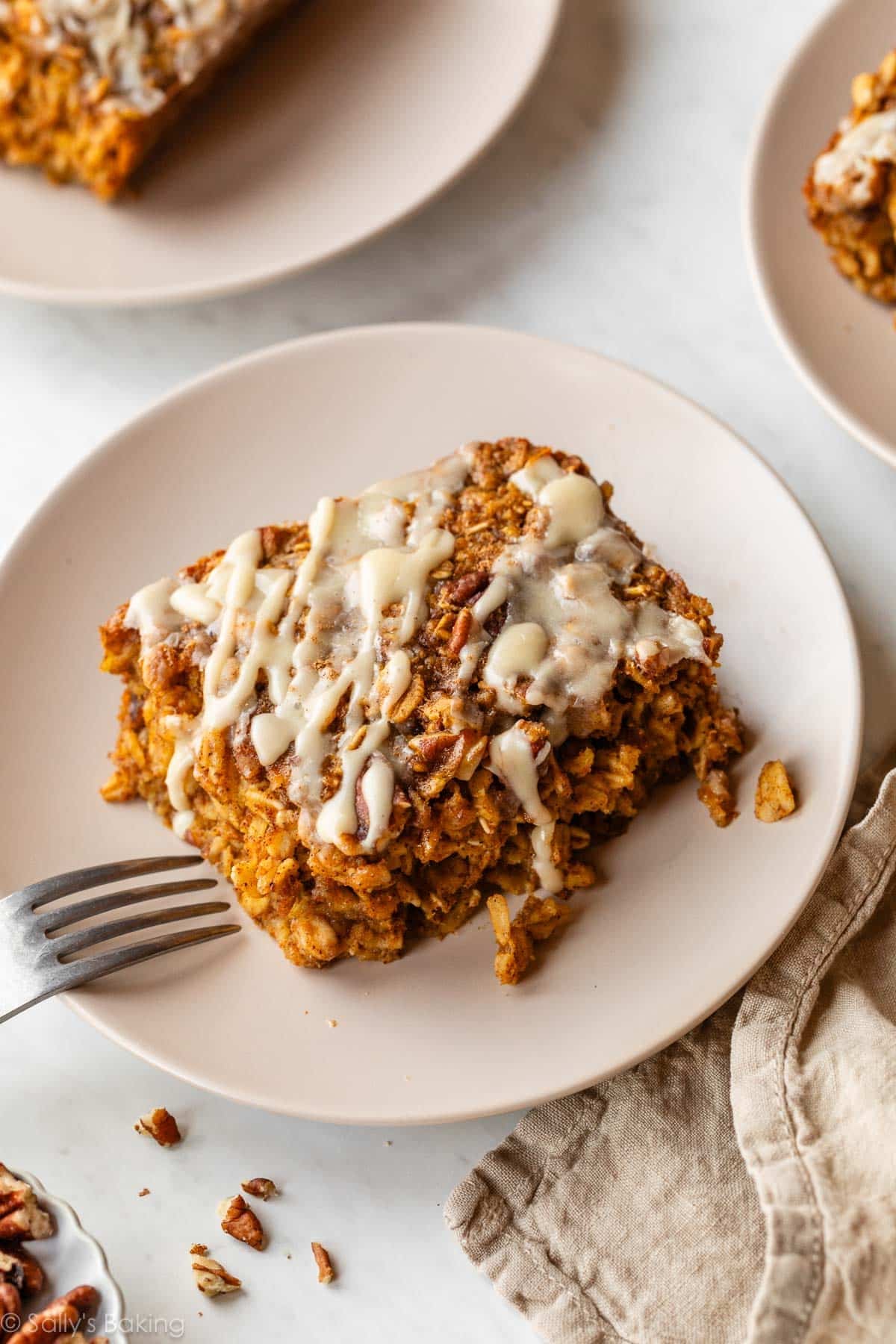
The integration of pumpkin puree into this baking medium capitalizes on the vegetable’s natural moisture retention properties and high nutritional value. Pumpkin is widely recognized by dietitians for its dense concentration of beta-carotene, fiber, and essential vitamins, all while adding minimal caloric weight. When paired with traditional fall spices—including cinnamon, nutmeg, ginger, and cloves—the dish mimics the sensory profile of seasonal baked goods while maintaining a wholesome ingredient list. Culinary historians note that while pumpkin-flavored breakfast items have long dominated autumn menus, translating these flavors into a stable, sliceable breakfast casserole represents a functional adaptation for modern households seeking sustained energy through complex carbohydrates.
Preparation Methodology and Technical Parameters
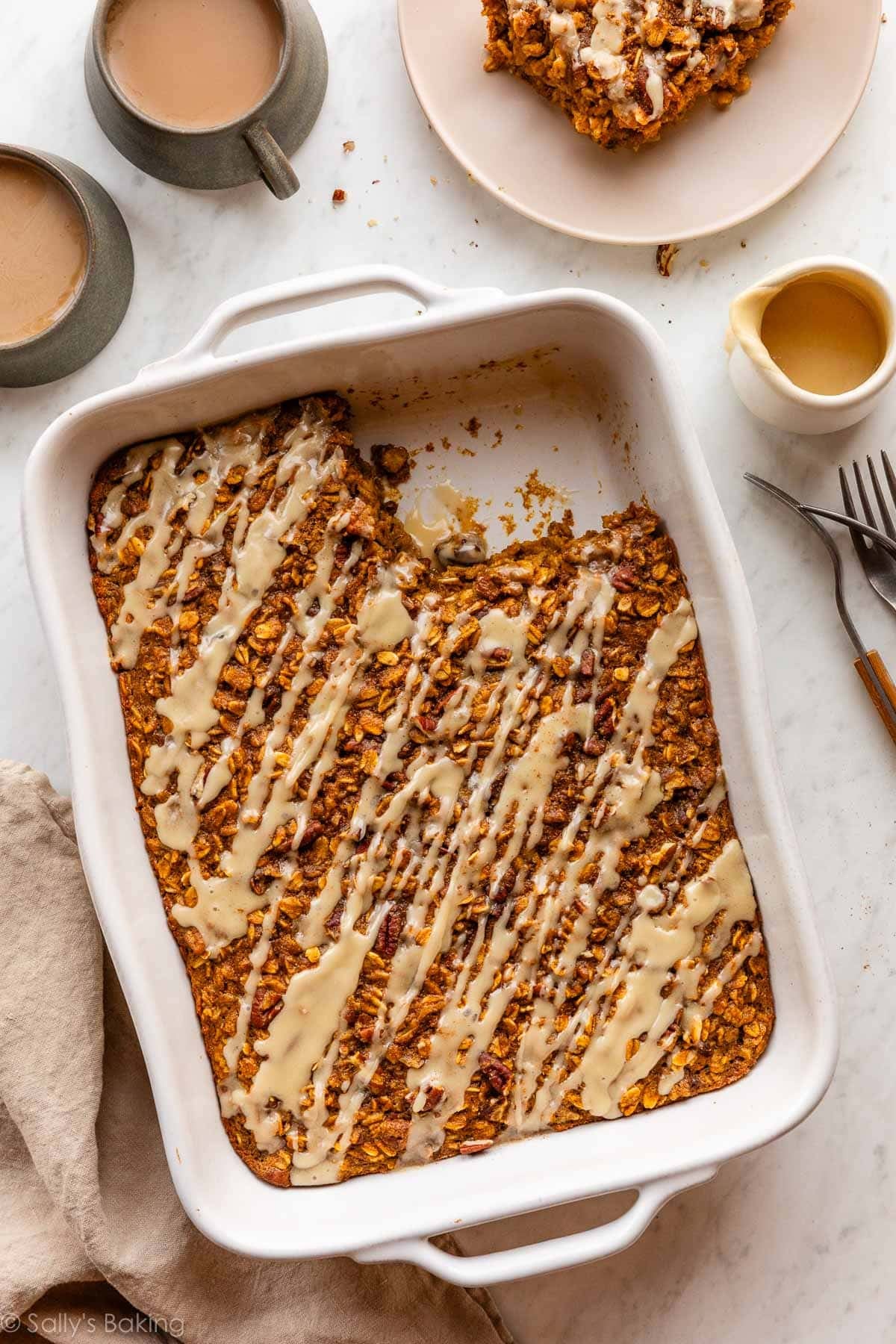
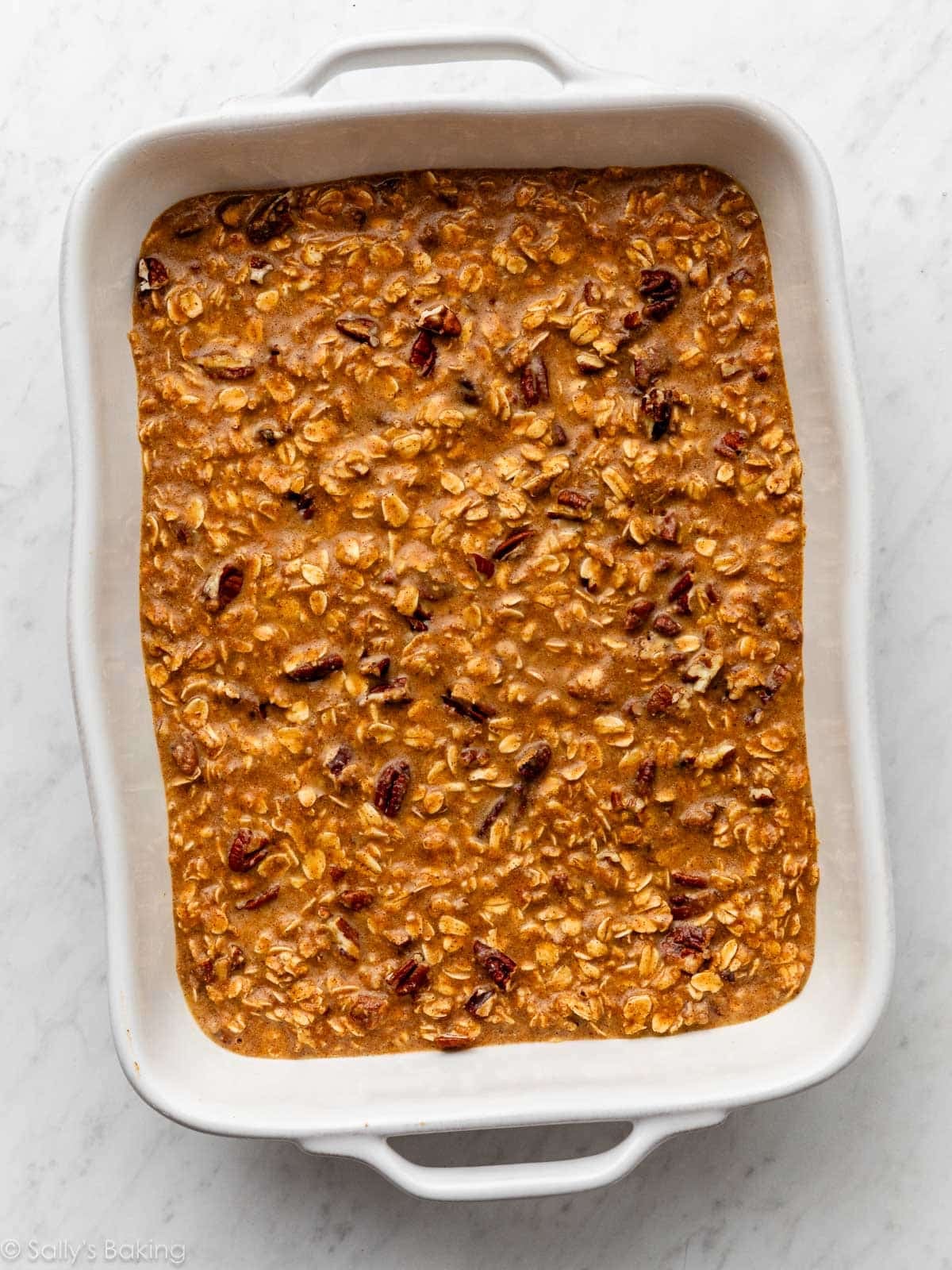
The operational success of pumpkin baked oatmeal relies on streamlined execution, specifically its one-bowl preparation method. By eliminating multiple mixing vessels, the recipe reduces cleanup time and minimizes the barrier to entry for novice cooks. The foundational process requires whisking liquid ingredients—typically eggs, milk, maple syrup, melted butter, and pumpkin puree—with dry components such as rolled oats, baking powder, and pumpkin pie spice directly in a single container.
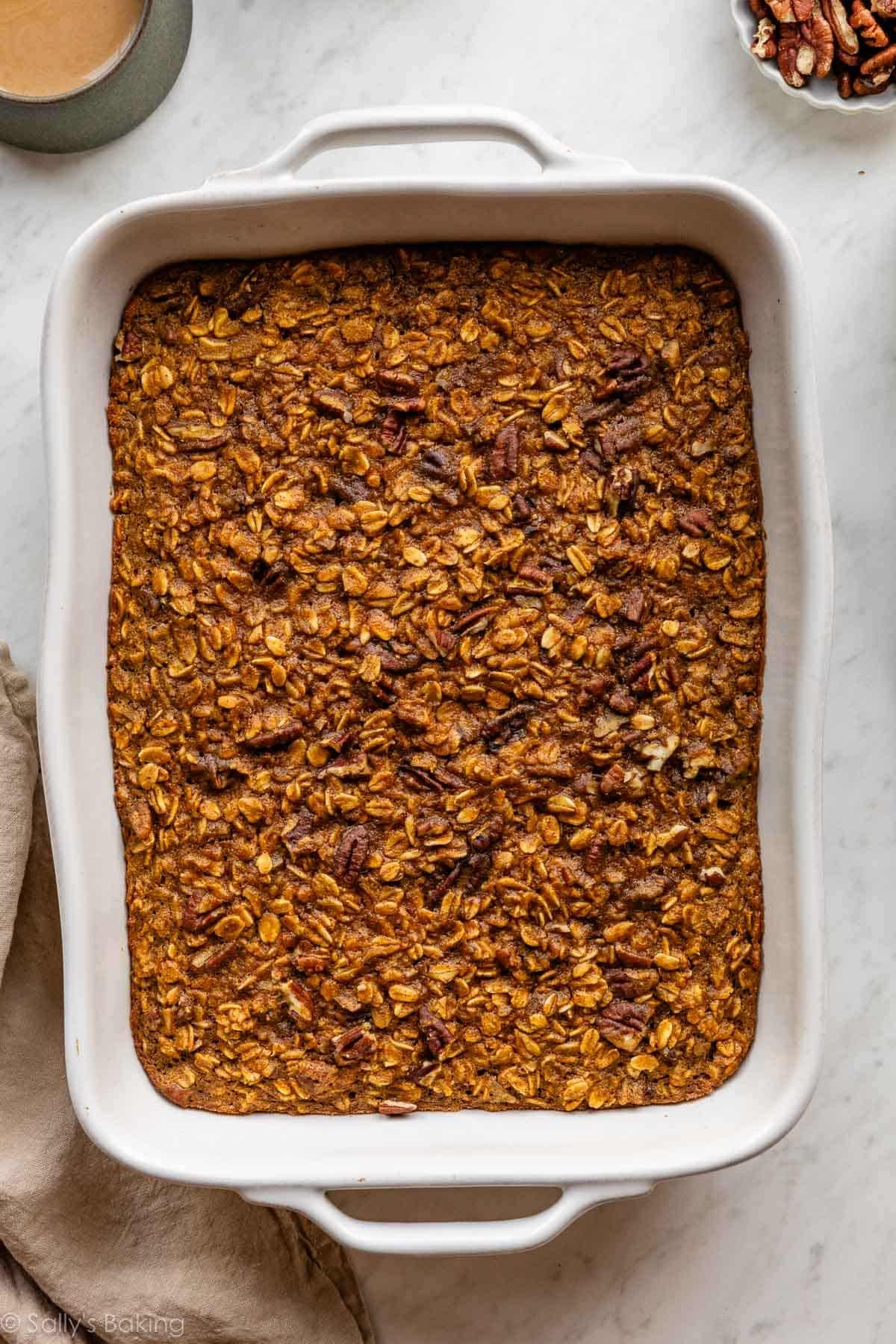
According to culinary specialists, achieving the optimal texture requires precise temperature control and timing. The internal moisture of the pumpkin and the starch gelatinization of the oats dictate that the dish must be removed from the oven while the center remains slightly un-set. Over-baking causes the starches to dry out, transforming the desired creamy-centered consistency into a dense, overly solid loaf. As the casserole rests and cools to room temperature, residual heat finalizes the setting process, yielding a soft interior bounded by chewy edges.
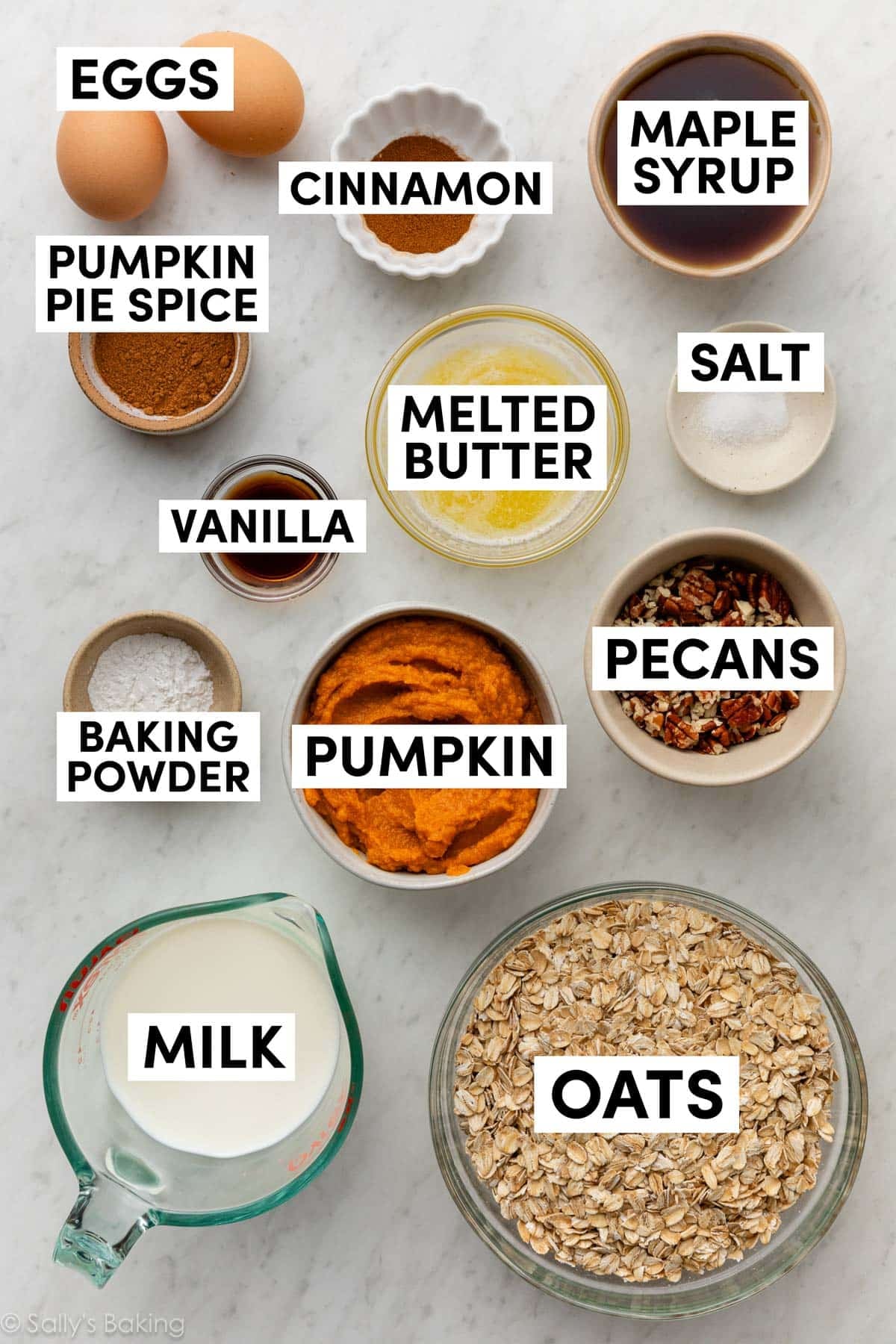
Customization remains a key factor in the dish’s widespread adoption. Home cooks frequently integrate mix-ins such as chopped pecans, walnuts, dark chocolate chips, or dried cranberries directly into the batter or deploy them as surface garnishes. Furthermore, culinary variants include serving suggestions ranging from a simple dollop of high-protein Greek yogurt to elaborate maple glaze toppings for formal weekend presentations, or scaled-down iterations such as individual muffin-tin baked oatmeal cups.
Nutritional Implications and Meal-Prepping Efficiency
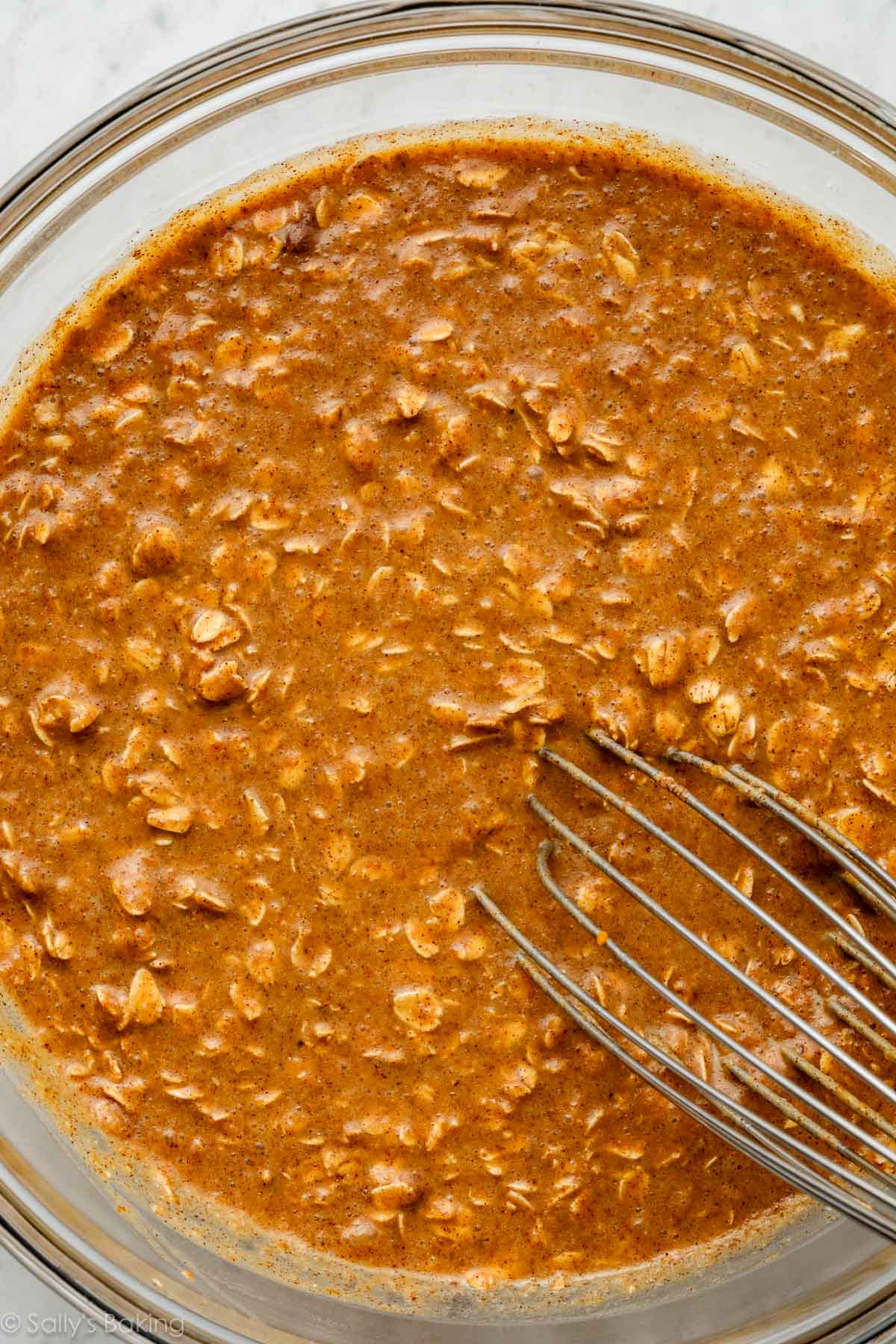
From a nutritional and logistical perspective, baked oatmeal addresses several challenges inherent in modern dietary management. Rolled oats are a well-documented source of beta-glucan, a soluble fiber associated with cardiovascular health, cholesterol regulation, and prolonged glycemic stability. By embedding these oats within a protein- and fat-inclusive matrix of eggs and dairy or plant-based milk, the resulting dish offers enhanced satiety compared to traditional sugar-heavy breakfast cereals.
Furthermore, the logistical advantages of batch cooking have significant implications for household time management. Prepared casseroles exhibit exceptional storage stability, maintaining structural integrity and flavor profiles for up to one week when refrigerated in airtight containers. For longer-term storage, individual portions can be frozen for up to three months without substantial degradation in texture, provided they are reheated properly. This shelf-life viability aligns with contemporary consumer preferences for meal-prepping, allowing individuals to minimize morning decision fatigue and reduce reliance on commercially processed, high-sodium breakfast alternatives.
Broader Market Trends and Industry Reception
The sustained popularity of pumpkin-themed baked goods, particularly outside the traditional autumn window, underscores a shift in consumer behavior regarding seasonal flavor profiles. Food industry analysts observe that consumers increasingly view seasonal ingredients not as limited-time novelties, but as versatile, year-round components for functional baking. Recipes that successfully bridge the gap between indulgence and nutritional compliance—such as this single-bowl baked oatmeal—demonstrate high retention rates among home cooks seeking reliable, scalable recipes.
As public interest in wholesome, minimally processed breakfast options continues to grow, culinary developers anticipate further innovation within the baked oatmeal category. By standardizing preparation metrics and emphasizing make-ahead convenience, dishes of this nature are expected to remain fixtures in domestic meal planning, balancing the demands of nutritional health with the psychological comfort of home baking.