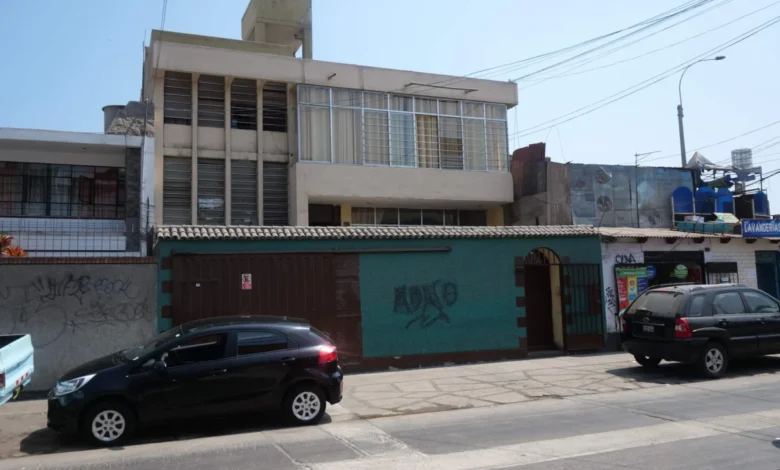
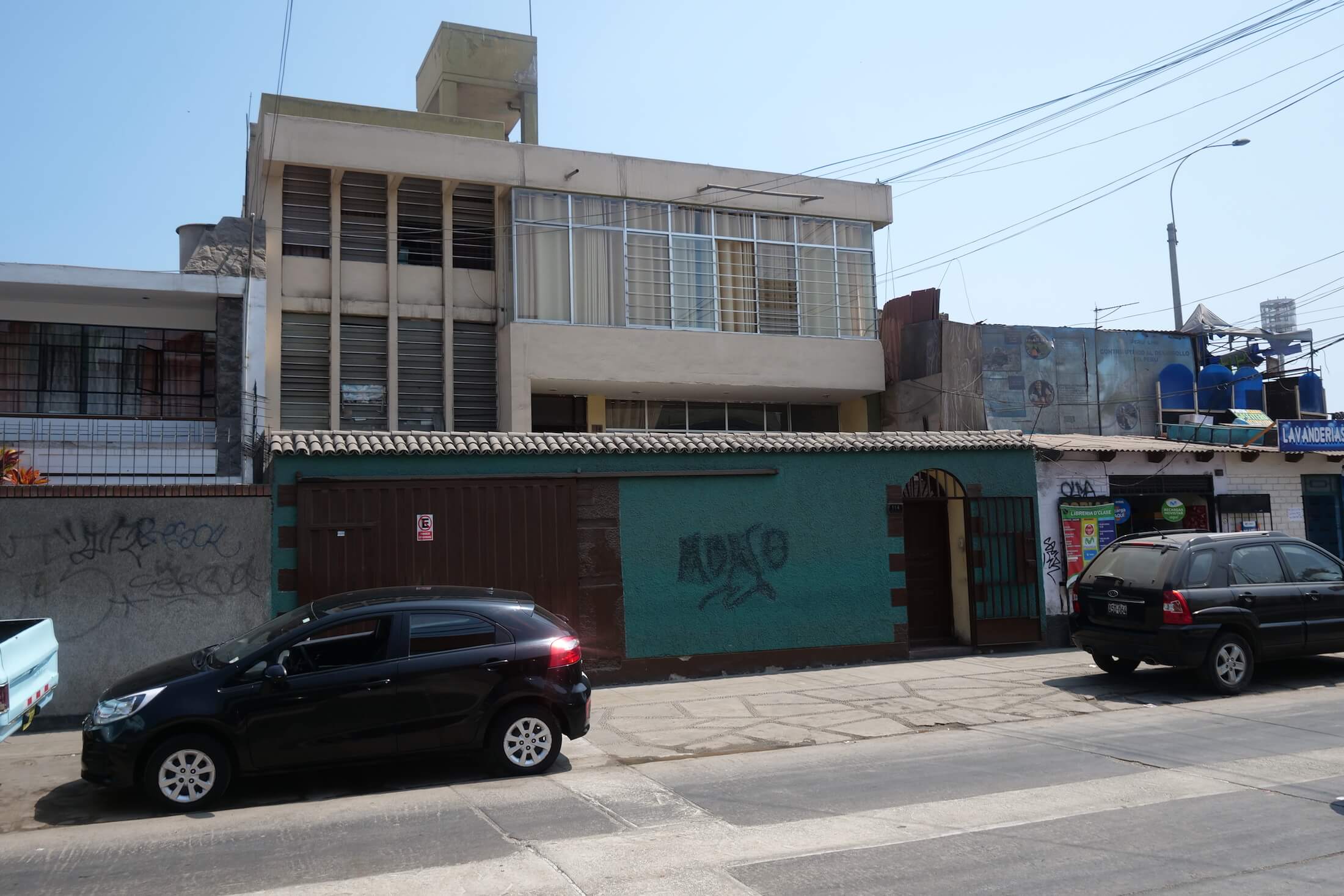
LIMA, Peru — Tucked away behind unassuming residential gates in the quiet neighborhood of La Caleta, Lima, lies one of the most exclusive culinary destinations in South America. Chez Wong is not merely a restaurant; it is the private home and lifelong workshop of Chef Javier Wong, a culinary legend whose mastery of ceviche has drawn international acclaim and reshaped the global perception of Peruvian gastronomy. Operating with a philosophy centered on ingredient purity, uncompromising freshness, and a seamless fusion of Peruvian and East Asian traditions, Chez Wong represents a pilgrimage site for international food critics and dedicated epicureans alike.
The Foundation of Peruvian Ceviche and Culinary Evolution
Ceviche, widely recognized as the culinary emblem of Peru, is historically celebrated for its deceptive simplicity. Traditionally requiring only fresh raw fish or seafood cured in citrus juice, typically key lime, and seasoned with salt and chili peppers, the dish relies entirely on the quality of its components. In Lima, a coastal metropolis renowned as a global epicenter for seafood, chefs have continually pushed the boundaries of this national dish.
Chef Javier Wong stands at the forefront of this culinary evolution. Born in Peru to Chinese-immigrant parents, Wong integrates traditional Cantonese wok-cooking techniques with native Peruvian ingredients, establishing a distinct cross-cultural style. This unique fusion is most evident in his dual-course menu, which transitions effortlessly from the cool, acidic precision of raw ceviche to the intense, roaring heat of a wok-fired fish stir-fry.
Strict Operational Parameters and Reservation Protocols
Operating Chez Wong requires adherence to a rigid daily protocol designed to guarantee absolute freshness. The establishment operates on a strict reservation-only basis, with a waiting list that frequently extends several weeks or months in advance. The restaurant is open exclusively for lunch, from Tuesday through Saturday, shutting its doors on Sunday and Monday.
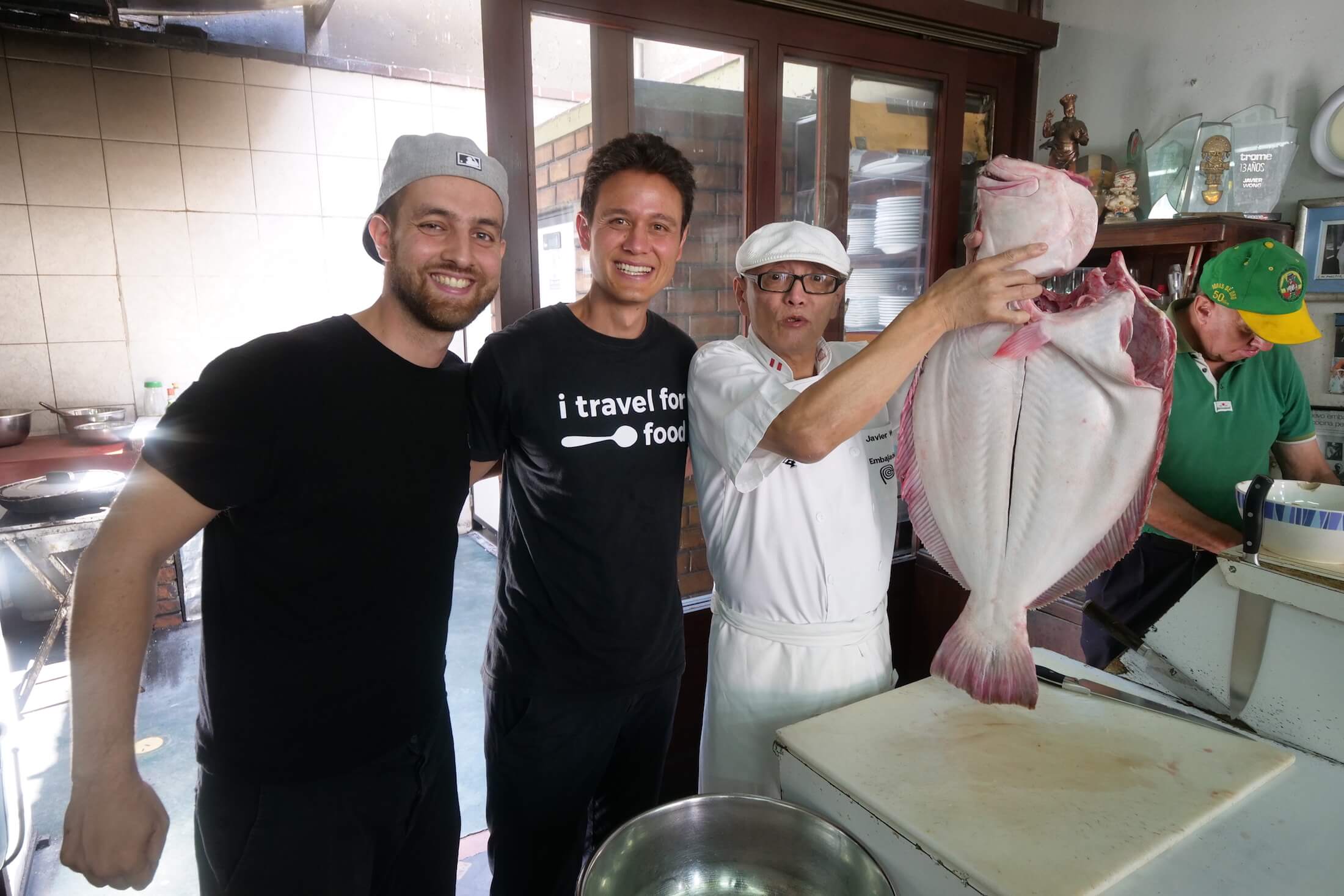
The precision of Chez Wong’s operations is rooted in a zero-waste, exact-yield procurement strategy. Every morning, Chef Wong personally visits the local market to source a precise amount of fresh Dover sole—a species of flounder that remains his exclusive fish of choice—based strictly on the confirmed guest count for that day. Consequently, walk-in patrons are politely turned away, as no excess inventory is maintained. This meticulous attention to detail ensures that every serving is prepared from fish that has spent its interim only on ice, never in long-term storage.
The Dining Experience: A Choreography of Skill and Simplicity
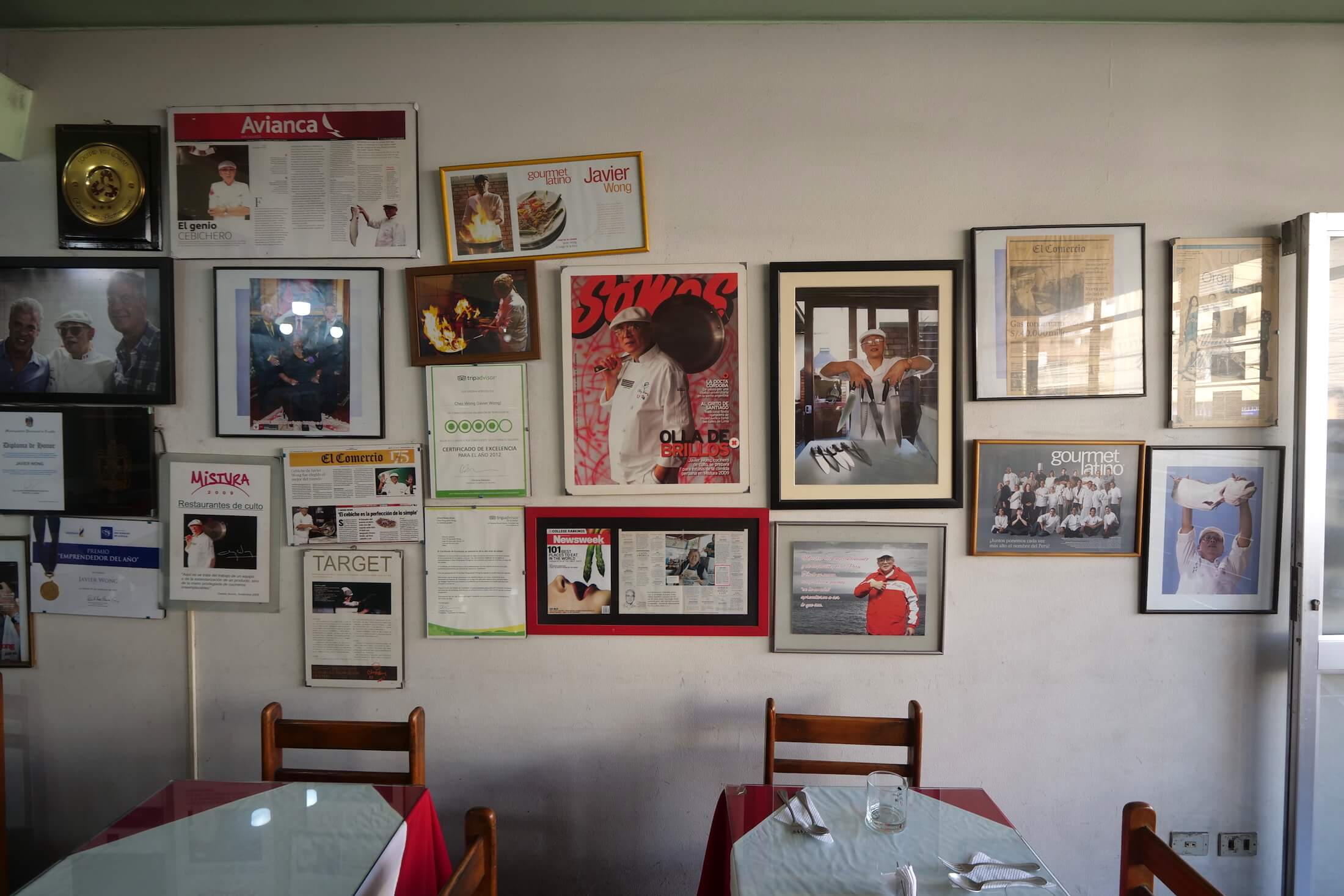
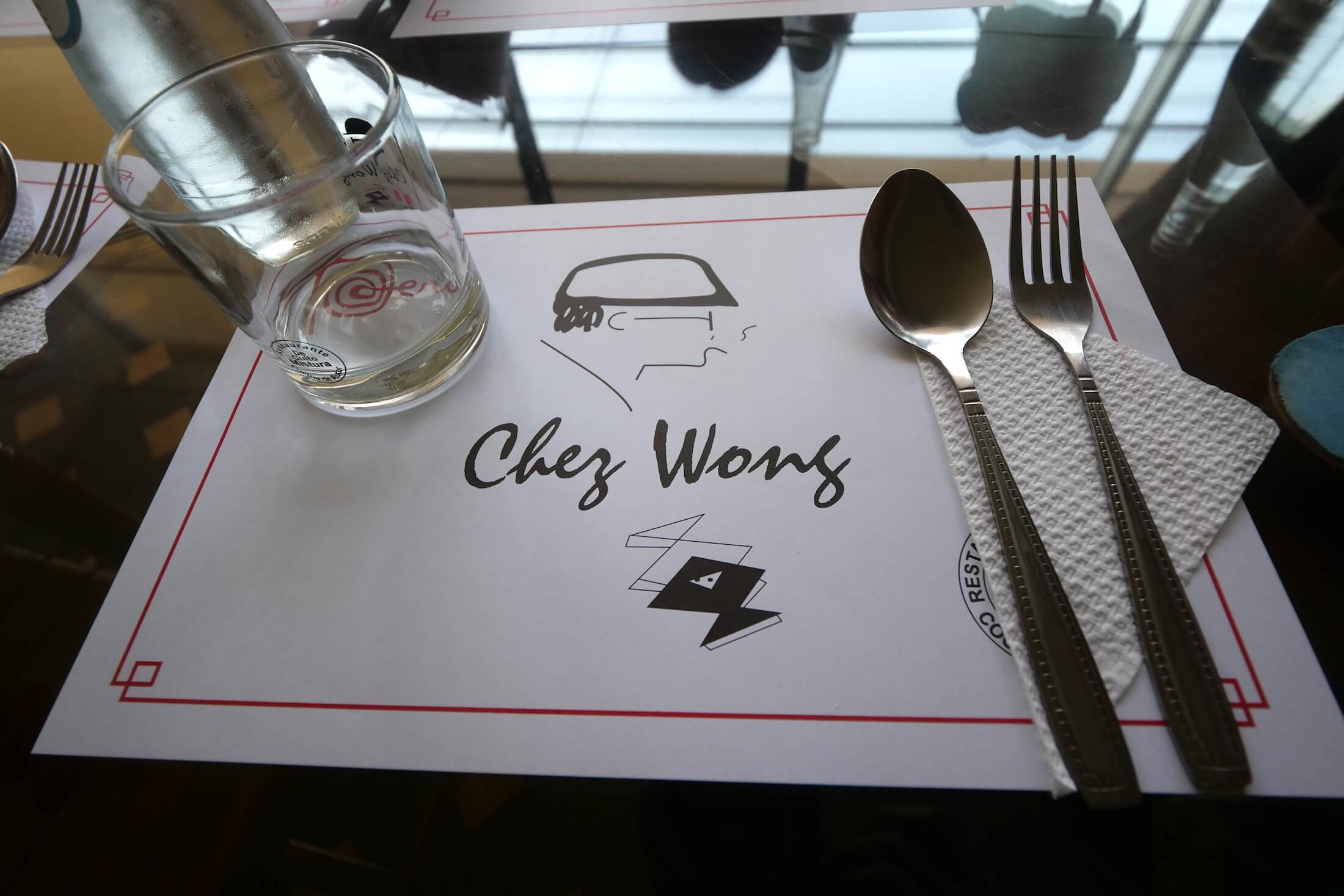
The physical interior of Chez Wong reflects the philosophy of its founder: understated, functional, and entirely focused on the craft. The intimate dining room features just eight tables, surrounded by walls decorated with framed magazine covers and photographs chronicling Wong’s decades-long career and television appearances. There are no menus, and guests do not place individual orders. Instead, diners relinquish total control to the chef, who determines the progression and timing of the meal.
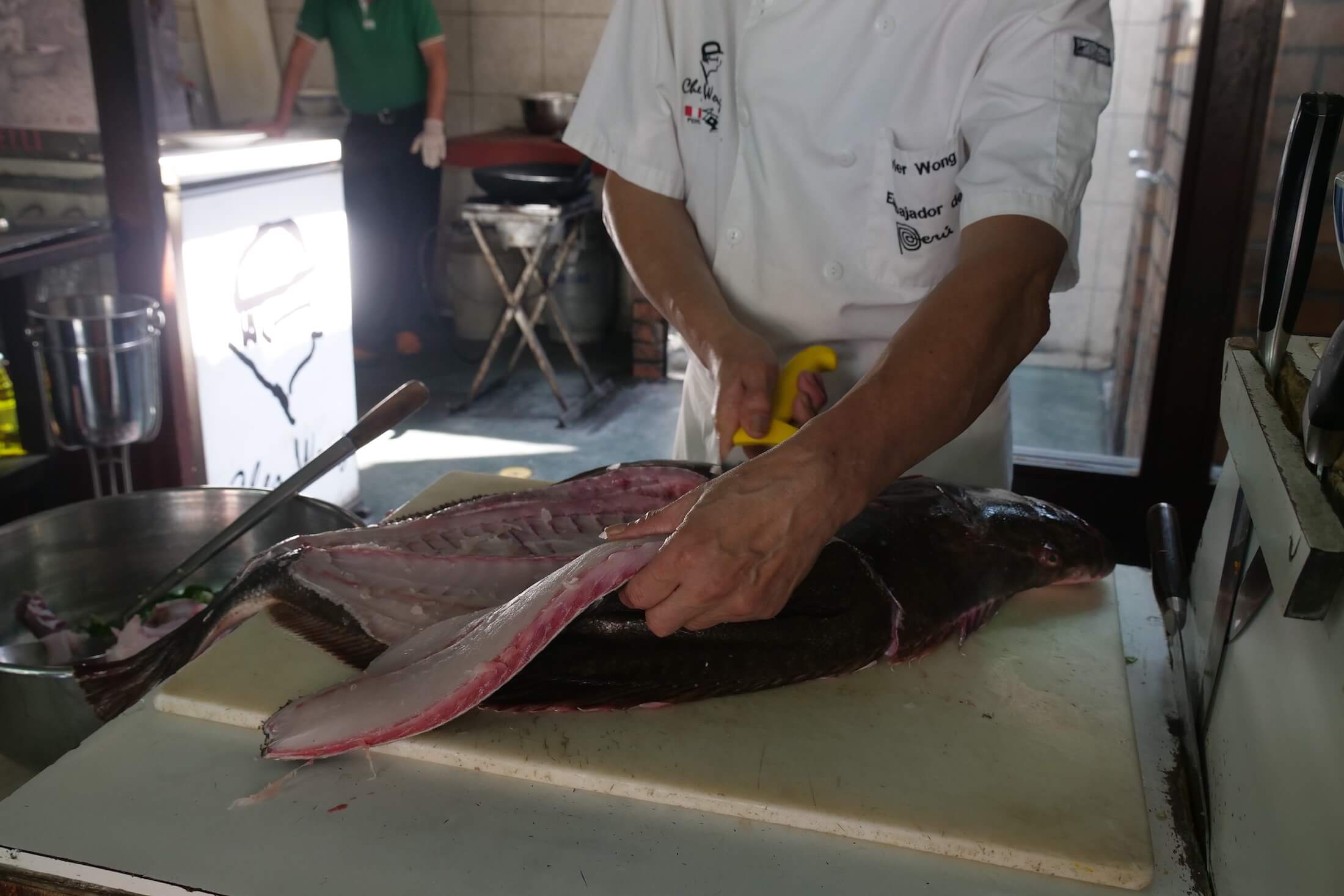
The dining experience begins promptly at 1:00 PM, unfolding as a live culinary performance conducted directly in front of the guests. Chef Wong, a man of few spoken words, communicates entirely through his knife work and physical movements. Observers note that his hands move with an intuitive confidence born of a lifetime of practice, rapidly filleting massive Dover sole specimens with anatomical precision.
Course One: The Definitive Ceviche
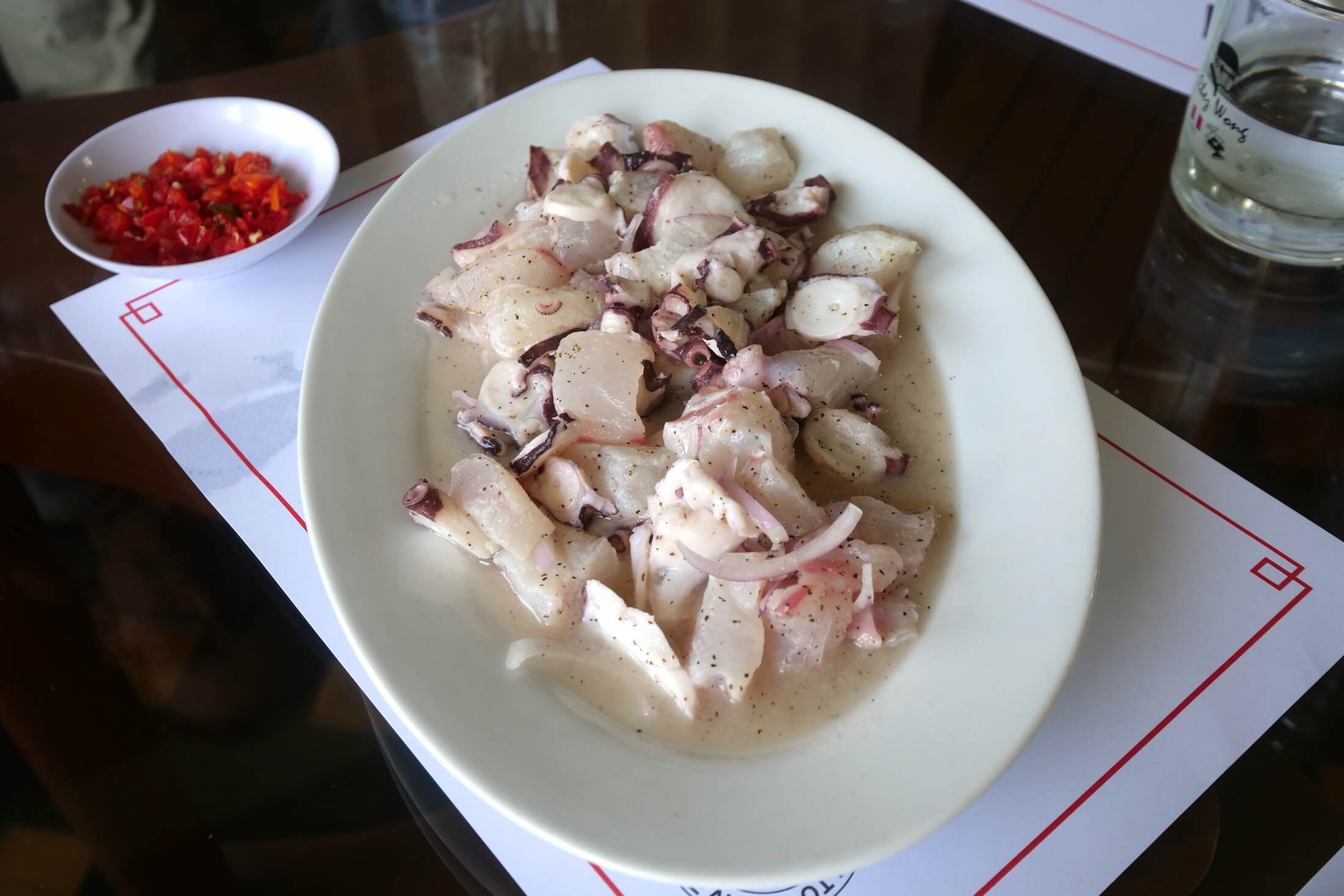
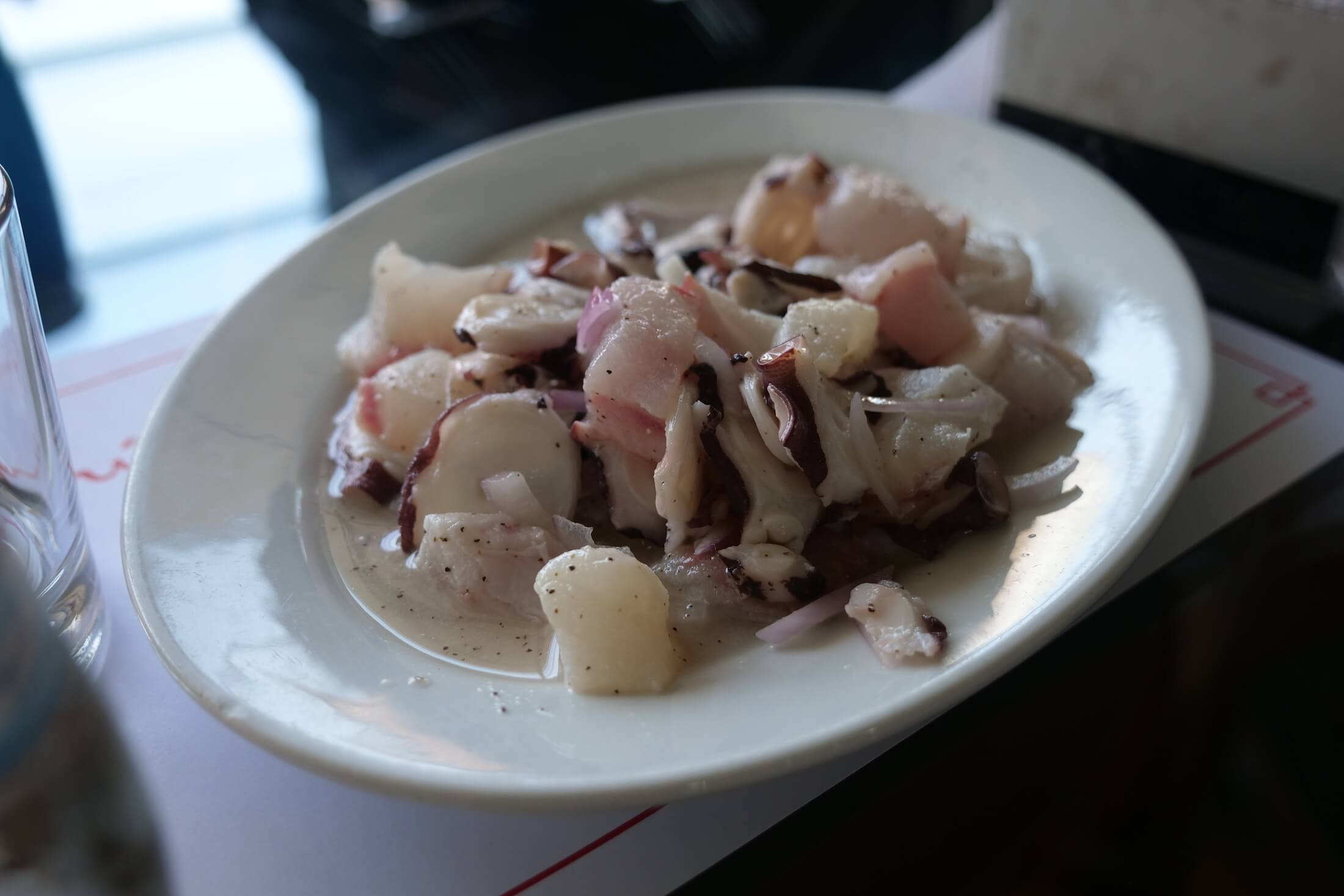
The initial course features Wong’s signature ceviche, distinct from the thinly sliced iterations common in local street markets due to its use of substantial, thick-cut cubes of Dover sole and blanched octopus. The ingredient list is famously austere, consisting solely of fish, octopus, freshly squeezed lime juice, salt, and a minimal touch of black pepper.
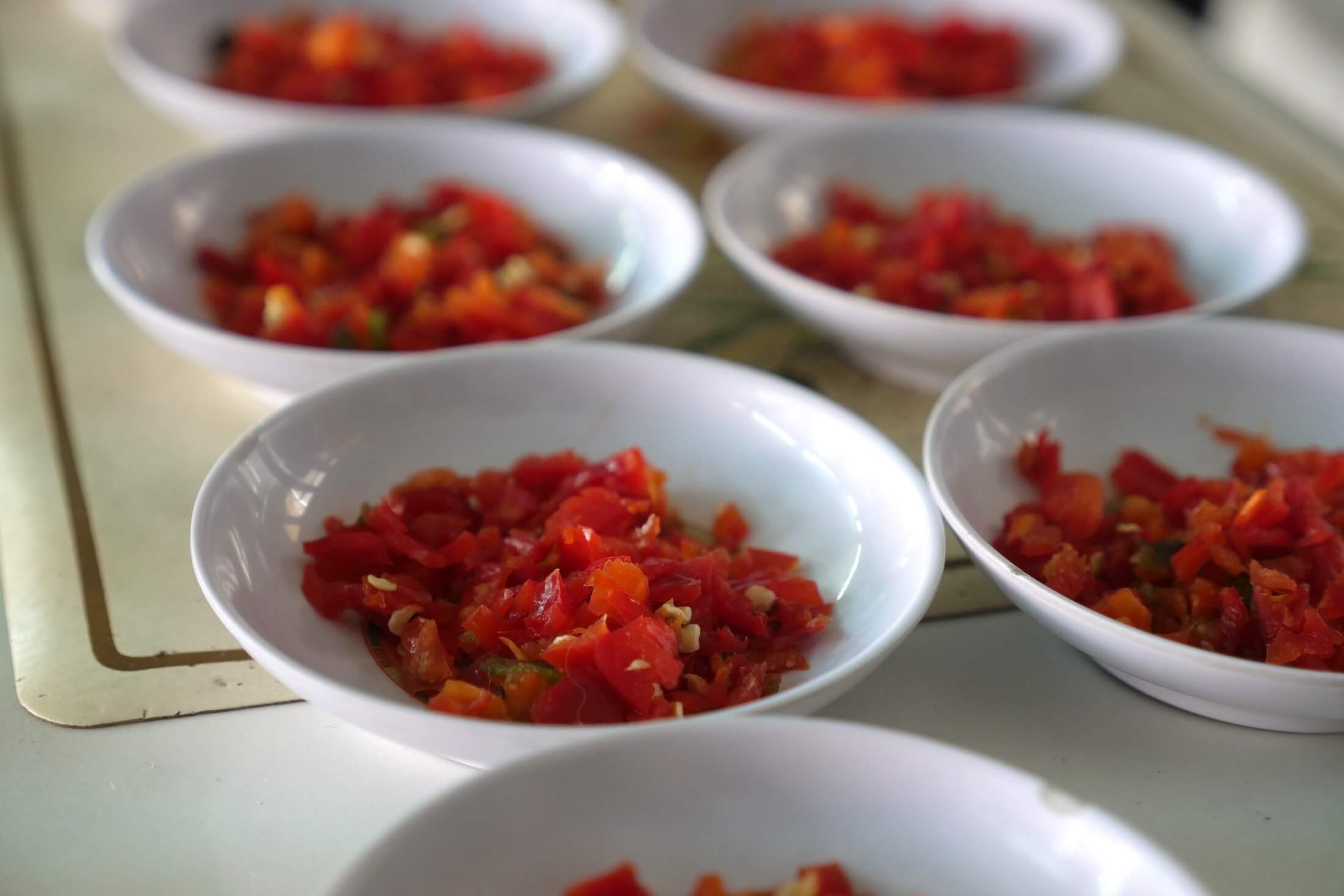
The marinating process relies entirely on Wong’s sensory calibration of acid, salt, and time. Just prior to serving, a collection of native Peruvian ají chili peppers is arranged at the workstation, allowing diners to customize the heat profile of each plate. The resulting dish offers a complex interplay of textures: the velvety softness of the cured sole juxtaposed with the resilient chew of the octopus, all unified by a pool of deeply acidic and savory juices left at the bottom of the plate.
This residual liquid, known as leche de tigre (tiger’s milk), is often transferred into a glass for patrons to consume directly. Rich in citrus, salt, and proteins extracted from the fish, the mixture delivers an intense sensory experience characterized by immediate acidity followed by a lingering peppery warmth.
Course Two: The Wok Station and High-Heat Mastery
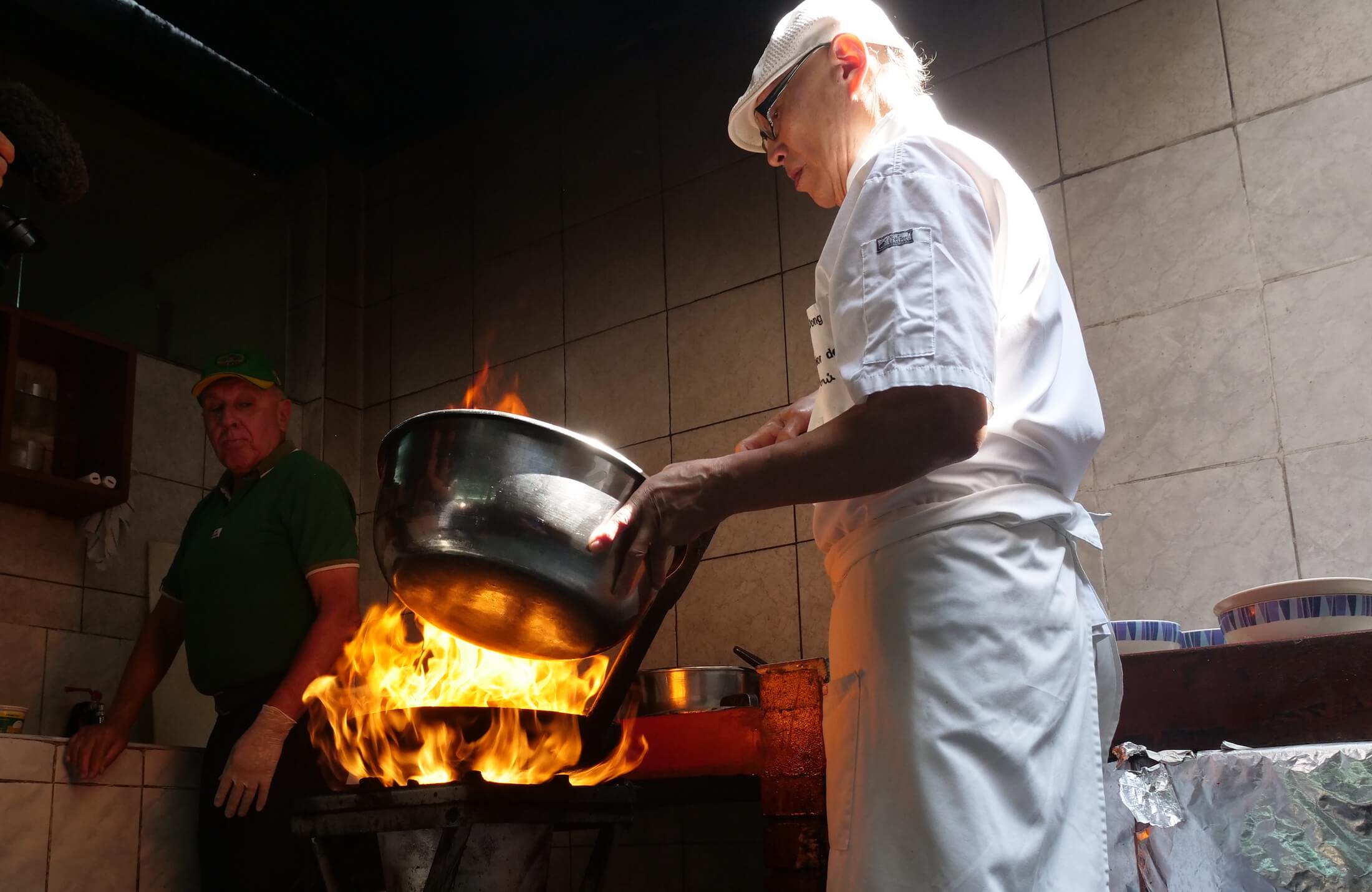
Following the raw seafood course, the second half of the meal showcases Chef Wong’s mastery of high-heat cooking. Moving to a specialized gas burner and wok setup, Wong subjects his ingredients to intense, vertical flames that regularly reach toward the ceiling.
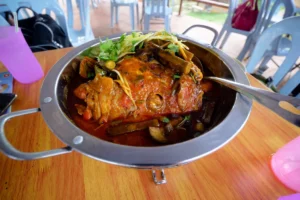
Unlike traditional stir-fry methods that require sequential addition of ingredients based on cooking times, Chez Wong’s signature fish stir-fry utilizes a simultaneous preparation method. Fish meat, snow peas, chard, bok choy, large mushrooms, and—most unexpectedly—fresh segments of tangerine are combined in a single mixing bowl before being introduced to the blazing wok all at once.
Wong relies on a large metal ladle solely to transfer the finished, smoking dish onto serving plates, deliberately avoiding physical manipulation of the fish during the cooking process to preserve the structural integrity of the tender chunks. The introduction of citrus fruit within the high-temperature environment imparts a subtle sweetness and aromatic depth that cuts through the rich, smoky profile of the wok-seared fish and vegetables.
Economic Impact and Cultural Significance
While Chez Wong operates on a micro-scale compared to contemporary fine-dining establishments, its economic and cultural footprint within Lima’s tourism sector is significant. A typical lunch for a party of four commands a fixed total of approximately 545 Nuevo Soles (roughly $165 USD), placing the experience accessibly within the realm of global culinary tourism while maintaining its intimate, neighborhood character.
Culinary analysts note that establishments like Chez Wong play a vital role in preserving traditional artisanal techniques amid the rapid modernization of global gastronomy. By refusing to scale up operations or compromise on ingredient sourcing, Chef Javier Wong has institutionalized a model of sustainable, hyper-local culinary excellence.
For travelers and researchers examining the trajectory of Peruvian cuisine, a visit to Chez Wong remains an essential case study in dedication, ingredient integrity, and the universal language of food preparation. As global interest in South American gastronomy continues to expand, the legacy of Chez Wong endures as a testament to the profound heights achievable through a lifetime of focused mastery.