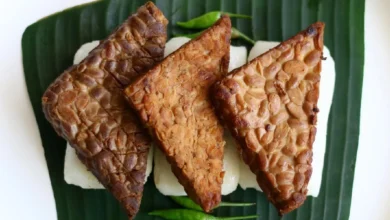
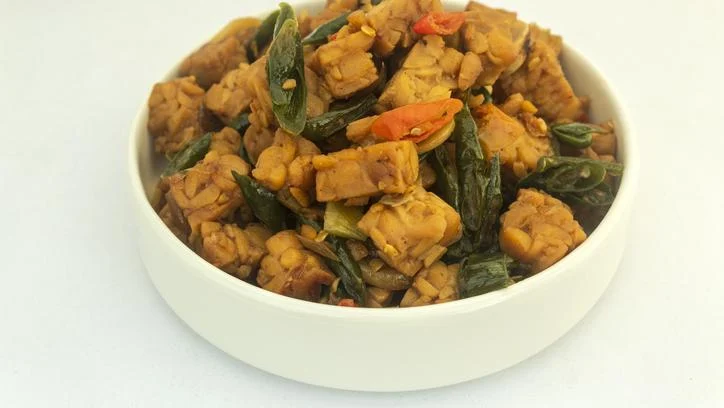
Tempe Orek Basah Cabe Ijo: A Comprehensive Culinary Analysis of Indonesia’s Iconic Plant-Based Protein Staple

Tempe remains one of the most versatile, economical, and nutritionally dense plant-based protein sources available in Southeast Asia, with tempe orek basah cabe ijo standing out as a premier example of traditional Indonesian comfort food. Derived from the controlled fermentation of cooked soybeans using various species of Rhizopus fungi—most notably Rhizopus oligosporus—tempe is deeply embedded in the culinary heritage of Java. Historically documented in ancient Javanese manuscripts such as the Serat Centini from the early 19th century, this humble foodstuff has evolved from a regional rural protein substitute into a nationally celebrated delicacy that bridges socioeconomic divides. In contemporary gastronomy, particularly within the bustling urban landscapes of Jakarta and across the Indonesian archipelago, tempe continues to gain traction not only for its affordability but also for its alignment with modern nutritional demands, including plant-based diets, veganism, and flexitarian lifestyles.
The cultural significance of tempe extends far beyond its modest price point. As global inflation and supply chain pressures impact the cost of animal proteins such as beef and poultry, government bodies and health organizations increasingly advocate for indigenous plant-based alternatives. Soybean fermentation not only binds the beans into a solid, manageable cake but also breaks down complex carbohydrates, making the nutrients significantly more bioavailable. Furthermore, the fermentation process synthesizes vitamin B12 analogues and increases the concentration of isoflavones, which possess antioxidant properties linked to reduced risks of chronic ailments. Culinary variants are virtually limitless, yet the preparation known as orek—characterized by bite-sized pieces of tempe caramelized in a rich mixture of palm sugar, shallots, garlic, and sweet soy sauce (kecap manis)—holds a special place in Indonesian culinary history. When elevated with the addition of sliced green chili peppers (cabe hijau), the dish achieves a dynamic flavor profile that balances deep umami, rich sweetness, and a sharp, clean heat.
Historical Evolution and Cultural Context of Tempe Orek
The genesis of tempe production is traditionally traced back to Central and East Java, where the abundance of soybeans and the humid tropical climate created ideal conditions for fungal fermentation on banana leaves. Early iterations of tempe cooking focused primarily on simple boiling, frying, or incorporation into clear broths (sayur lodeh). However, the development of preserved preparations like orek emerged from the necessity of food preservation in eras predating modern refrigeration. By deep-frying the tempe until it formed a protective outer crust and subsequently simmering it in a concentrated reduction of palm sugar, tamarind, galangal, and aromatic spices, households could extend the shelf life of the protein source for several days without spoilage.
Over decades, regional variations of orek emerged. While dry variants (tempe orek kering) utilize crispy, matchstick-cut tempe coated in a hardened glaze of sugar and chilies—making them ideal for travel and long-term storage—the moist variant (tempe orek basah) prioritizes a succulent interior and a luscious, gravy-like sauce. The integration of green bird’s eye chilies and large green chilies (cabe ijo) introduces a distinct herbaceous pungency that differentiates the dish from its red-chili counterpart. Food historians note that the widespread availability of industrial sweet soy sauce in the mid-20th century standardized the distinct mahogany hue and caramelized flavor profile that defines urban adaptations of the dish today.
Nutritional Profile and Dietary Implications in Modern Health
From a nutritional standpoint, tempe orek basah cabe ijo offers a compelling array of macronutrients and micronutrients that support holistic wellness. A standard 100-gram serving of unrefined soybean tempe delivers approximately 19 to 20 grams of complete protein, containing all nine essential amino acids required by the human body. This makes it an exceptional dietary inclusion for athletes, growing children, and individuals seeking to maintain muscle mass without relying on animal-derived proteins.
The inclusion of fermented soybeans yields substantial digestive benefits. The enzymes produced during the fungal proliferation break down anti-nutritional factors such as phytic acid, which typically binds to minerals like iron, zinc, and calcium, thereby inhibiting their absorption. Consequently, the minerals present in tempe are significantly easier for the human digestive tract to assimilate. Additionally, the dietary fiber content supports gastrointestinal motility and promotes a healthy gut microbiome by acting as a prebiotic substrate for beneficial intestinal bacteria.
Despite these clear nutritional advantages, culinary experts and nutritionists advise mindfulness regarding preparation methods. The traditional recipe calls for shallow or deep-frying the tempe cubes prior to braising. While this step is critical for developing the signature texture—crisp on the edges and porous enough to absorb the sweet soy reduction—it increases the total caloric and lipid content of the dish. Public health analysts observing dietary trends in Indonesia emphasize that balancing traditional cooking techniques with modern health consciousness involves moderating oil usage and opting for high-quality, cold-pressed plant oils or air-frying techniques where applicable.
Socioeconomic Impact and the Economics of Soybean Markets
Beyond the kitchen, the production and consumption of tempe serve as a vital economic engine for millions of small-to-medium enterprises (SMEs) across Indonesia. The domestic tempe industry is largely decentralized, dominated by family-run workshops (pabrik tempe rumahan) that source raw soybeans, soak, dehull, boil, inoculate, and package the product for local wet markets and supermarkets.
However, the sector has faced significant macroeconomic vulnerabilities in recent years. Because local agricultural output of soybeans in Indonesia falls short of domestic consumption demands, the nation relies heavily on imported soybeans, predominantly from the United States and South America. Fluctuations in global commodity prices, foreign exchange rates, and international shipping disruptions frequently trigger cost-of-production crises for local tempe artisans. When import prices surge, producers are caught in a difficult dilemma: they must either absorb shrinking profit margins, reduce the physical size of the tempe blocks, or pass increased costs onto consumers.
Government agencies, including the Ministry of Trade and the Ministry of Cooperatives and Small and Medium Enterprises, have intermittently intervened through market stabilization programs, subsidies, and initiatives to boost domestic soybean cultivation through superior seed distribution and modern farming techniques. Despite these policy interventions, the resilience of the tempe supply chain remains a critical barometer of food security and economic stability for the urban and rural working class. When staple dishes like tempe orek remain accessible and affordable, household food security indicators improve markedly.
Gastronomic Analysis: Flavor Pairing and Culinary Technique
The culinary success of tempe orek basah cabe ijo relies heavily on the precise execution of flavor layering and timing. Unlike Western sauces that rely on dairy or reduction bones for body, Indonesian cuisine achieves viscosity and depth through a combination of caramelized sugars, aromatics, and the natural starches of the ingredients.
The foundational aromatics consist of sliced shallots (bawang merah) and garlic (bawang putih), which are gently sautéed in oil until translucent and fragrant. This step releases sulfur compounds that form the savory base of the dish. Subsequently, galangal (lengkuas), Indonesian bay leaves (daun salam), and bruised lemongrass (sereh) are introduced to infuse the oil with woody, citrusy, and earthy notes.
The introduction of green chilies (cabe ijo) requires careful timing. If added too early, the chilies lose their vibrant green color and bright, vegetal crunch, turning a dull olive drab and yielding a muddy flavor. Culinary professionals recommend slicing the green chilies diagonally and adding them midway through the braising process, allowing them to soften slightly and release their capsaicin into the sauce while retaining their characteristic visual appeal and fresh bite.
The final phase involves the incorporation of sweet soy sauce (kecap manis), tamarind juice for a subtle acidic counterpoint, and a splash of water or vegetable broth. As the liquid simmers, the sugars in the sweet soy sauce caramelize, coating the fried tempe cubes in a glossy, sticky glaze. The porous nature of the soybean cake acts like a sponge, drawing the sweet, savory, and spicy liquor deep into its core while maintaining a slight firmness in the center.
Public Reception, Culinary Tourism, and Globalization
In recent years, traditional Indonesian fare has experienced a renaissance driven by culinary tourism, social media content creation, and an international appreciation for plant-based gastronomy. Dishes that were once confined to modest roadside eateries (warung) are now being reinterpreted in upscale contemporary restaurants in Jakarta, Bali, and major international culinary capitals.
Food critics and cultural ambassadors point out that tempe’s rising global profile represents a triumph of indigenous culinary heritage. International chefs are increasingly experimenting with tempe due to its neutral base flavor, which readily absorbs marinades, spices, and smoke. Workshops focusing on traditional tempe making have gained popularity among tourists and expatriates residing in Indonesia, fostering a deeper appreciation for the biotechnology pioneered by ancient Javanese communities centuries before Western scientific consensus recognized the benefits of controlled food fermentation.
Nevertheless, domestic purists maintain that the soul of tempe orek basah cabe ijo remains firmly rooted in the daily rhythms of Indonesian domestic life. It is a staple of the ubiquitous warteg (warung tegal)—modest, glass-fronted eateries serving an array of pre-cooked dishes displayed behind glass panels. In these settings, a scoop of warm white rice crowned with a generous portion of tempe orek basah cabe ijo, alongside stir-fried water spinach (kangkung) and crispy fried shallots, represents an affordable, nutritionally complete, and deeply satisfying meal for workers, students, and families alike.
Future Outlook for Sustainable Protein Sources
As global discussions surrounding climate change, carbon footprints, and sustainable agriculture take center stage, the future of food production points decisively toward plant-forward dietary models. Livestock farming—particularly beef production—is a major contributor to greenhouse gas emissions, extensive land use, and high water consumption. In contrast, legume-based proteins like tempe require a fraction of the natural resources to produce.
Environmental scientists and agricultural economists project that consumer demand for sustainable proteins will continue upward trajectories over the next decade. For Indonesia, this global shift presents a strategic economic and cultural opportunity. By standardizing quality control, investing in domestic agricultural self-sufficiency for soybeans, and promoting traditional recipes like tempe orek basah cabe ijo on the international stage, the nation can cement its position as a global hub for innovative, sustainable, and heritage-rich plant-based cuisine.
Ultimately, tempe orek basah cabe ijo transcends its classification as a mere recipe. It is a testament to the ingenuity of traditional food preservation, a powerhouse of nutrition, an economic pillar for small-scale producers, and a vibrant expression of Indonesian culinary identity. Whether prepared in a modest village kitchen in Central Java or plated in a modern metropolitan bistro, this timeless dish continues to nourish bodies, delight palates, and connect generations through the universal language of flavor.
Related posts: