Chinese Pumpkin Cake (南瓜饼, Nan Gua Bing): A Traditional Culinary Staple Gaining Global Popularity

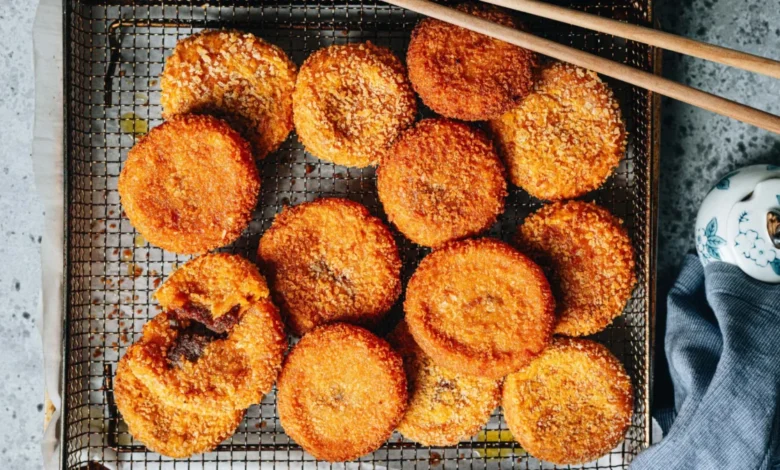
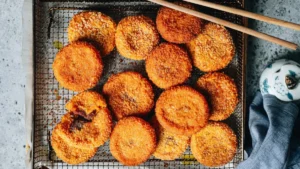
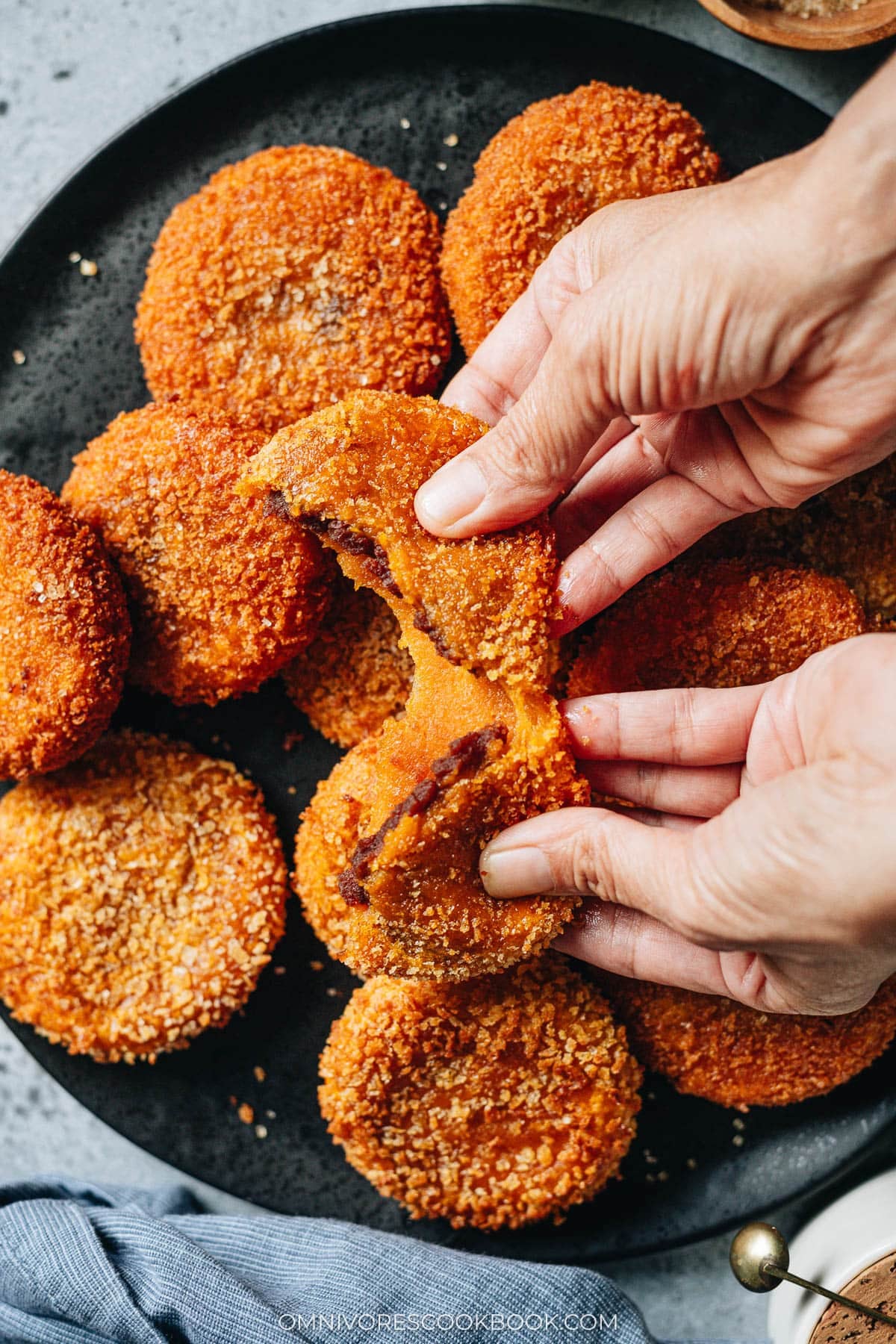
Chinese pumpkin cake, widely known by its Mandarin name Nan Gua Bing, has evolved from a traditional regional dim sum and seasonal street snack into a globally recognized culinary phenomenon. Characterized by its vibrant orange hue, crispy breadcrumb exterior, and a uniquely chewy, mochi-like interior, this dessert represents a masterclass in culinary texture physics and agricultural versatility. As international interest in Asian gastronomy continues to surge, home cooks and professional pastry chefs alike are embracing Nan Gua Bing not merely as an autumn novelty, but as a versatile, accessible confectionery marvel that bridges traditional Chinese techniques with modern global kitchen trends.
Cultural History and Culinary Origins
The roots of Nan Gua Bing stretch deep into Southern and Eastern China, where pumpkin—introduced during the late Ming dynasty via trade routes—was integrated into the region’s rich heritage of rice-based delicacies. Unlike Western pumpkin preparations that traditionally rely on baking spices like cinnamon, nutmeg, and cloves for custards and pies, Chinese culinary traditions emphasize texture and natural sweetness.
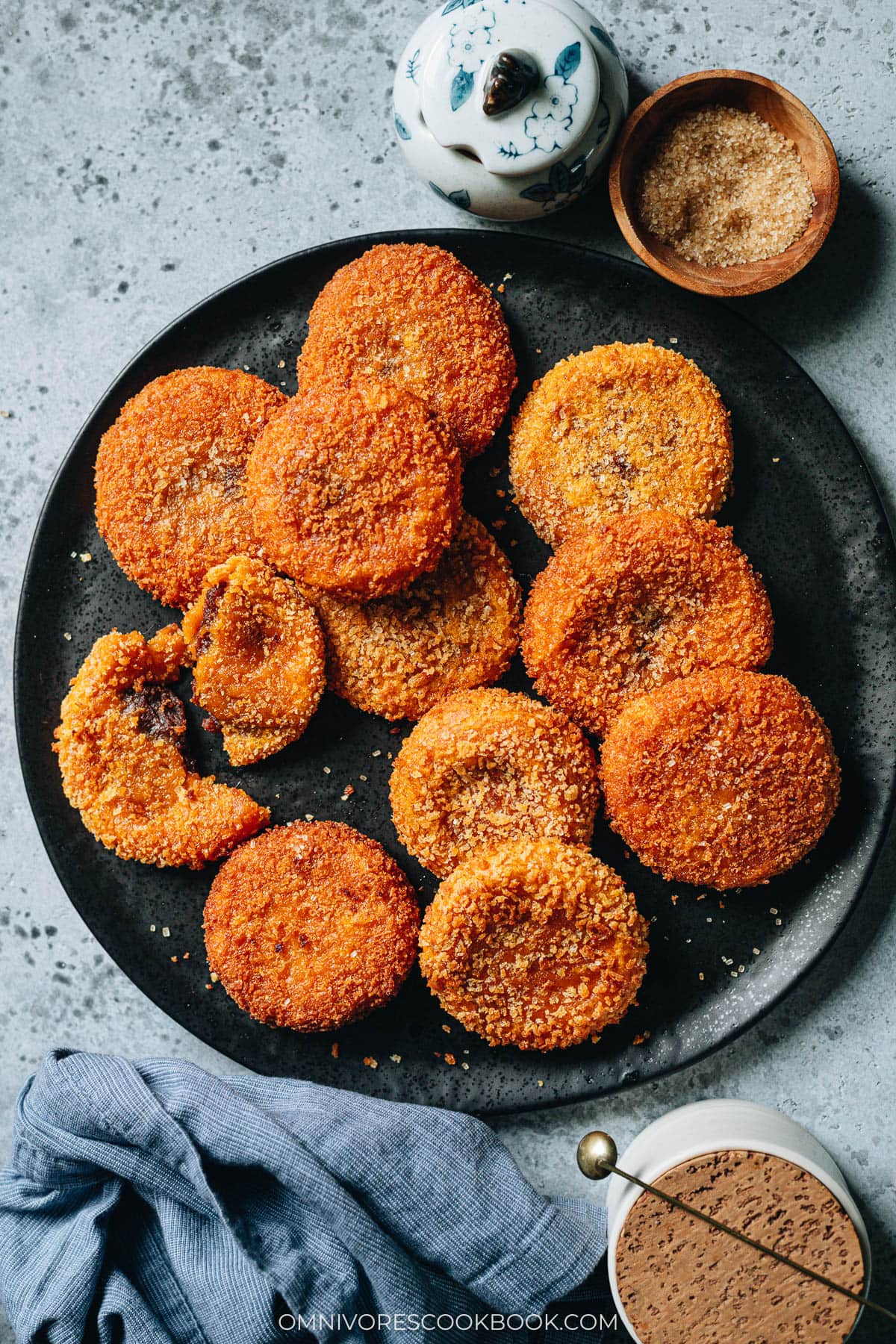
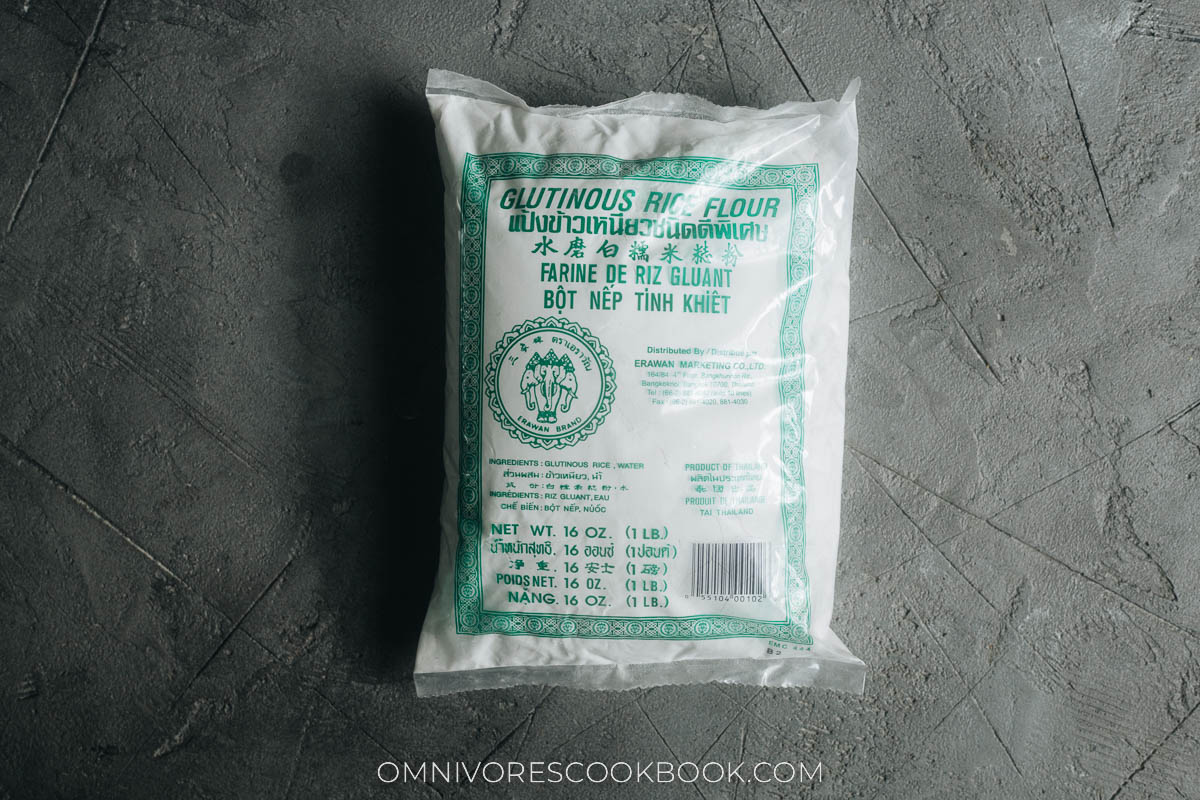
Glutinous rice flour, the defining structural element of the cake, has been a staple of Asian agriculture for millennia. When combined with steamed and mashed pumpkin, the starch transforms into a pliable, malleable dough that mimics the tactile experience of Japanese mochi or traditional Chinese tang yuan. Historically served during festivals and family gatherings, the dish symbolized warmth, prosperity, and the autumnal harvest. Today, it appears as a standard fixture on dim sum trolleys across metropolitan centers worldwide, from Hong Kong and Taipei to London, Vancouver, and New York.
Scientific Breakdown: The Mechanics of Texture and Flavor
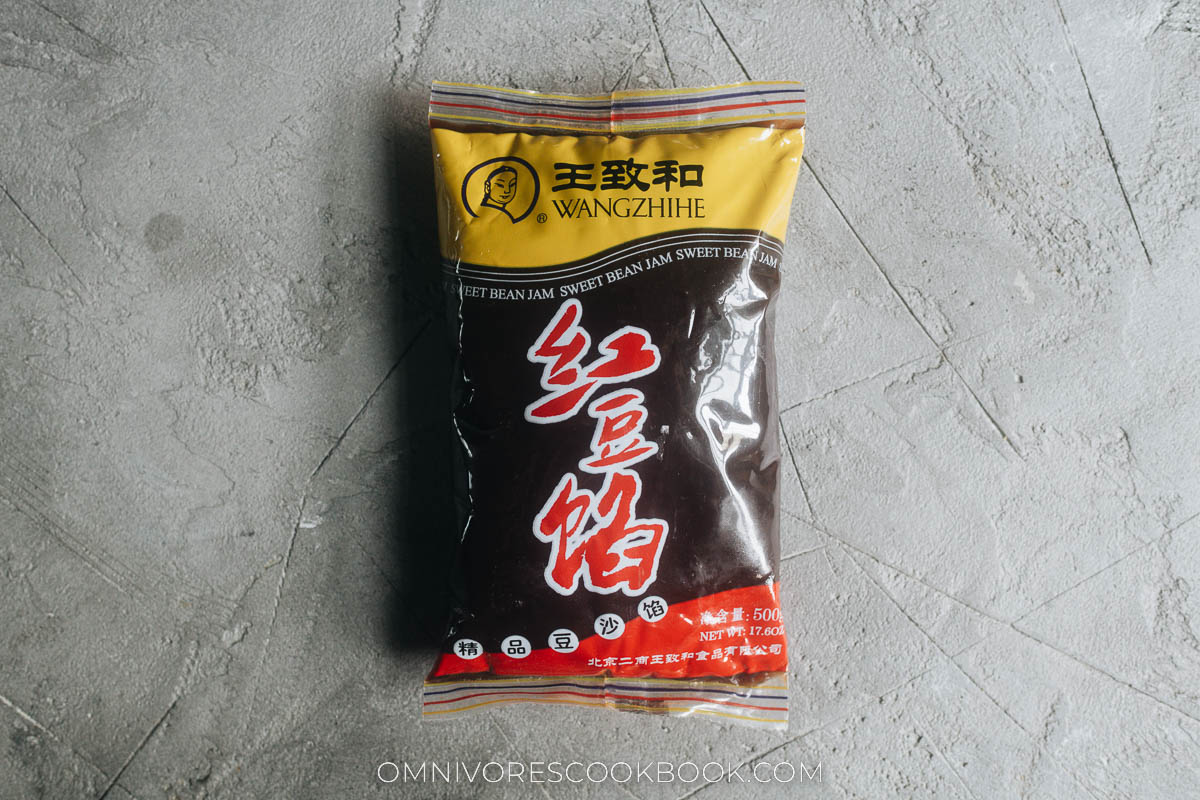
Culinary scientists and food historians often point to Chinese pumpkin cake as a triumph of minimalist formulation. Requiring as few as four core ingredients—glutinous rice flour, pumpkin puree, a sweet filling such as red bean or black sesame paste, and a coating of panko bread crumbs—the recipe relies heavily on the precise hydration of starches.
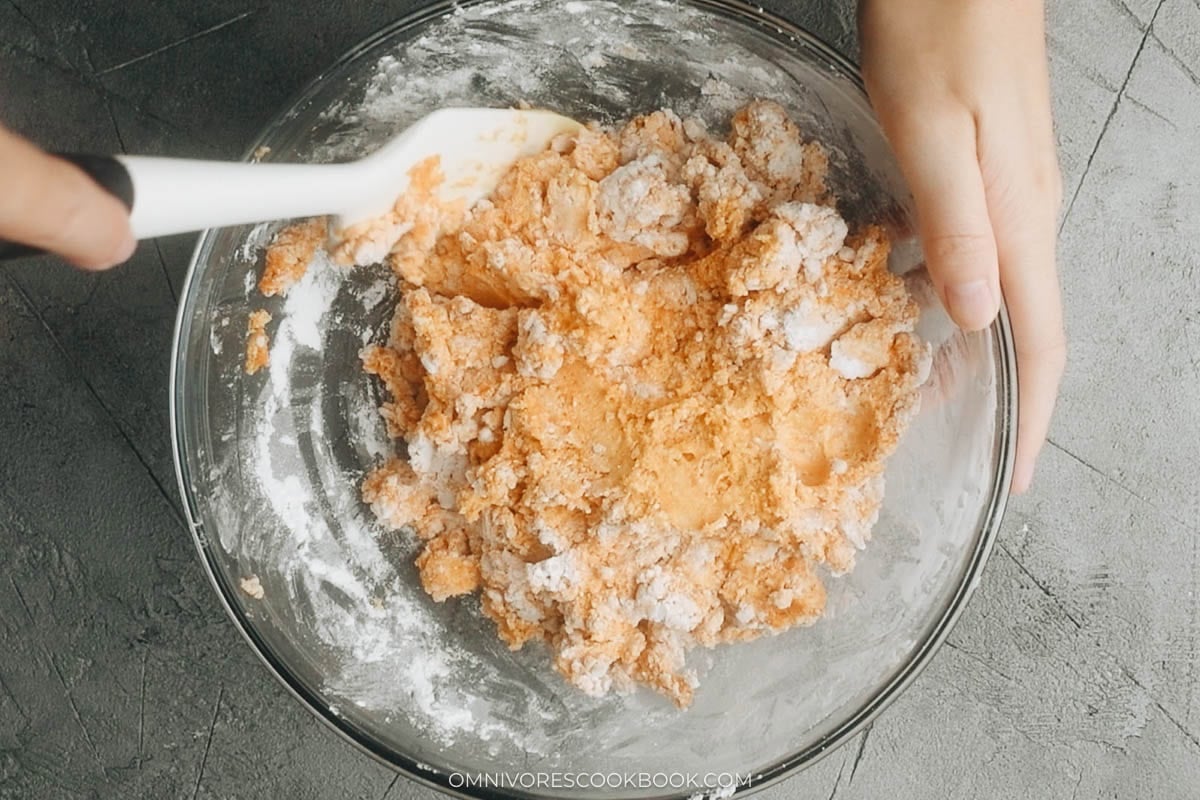
Glutinous rice flour, despite its name, is entirely gluten-free. Its unique elasticity and chewiness stem from high concentrations of amylopectin, a soluble starch molecule. When hydrated with warm pumpkin puree and thoroughly kneaded, the starch molecules gelatinize, creating a dough matrix that holds its shape during cooking while retaining a soft, gooey mouthfeel.
Nutritionists note that while traditional shallow-frying introduces lipids that elevate the caloric density of the dish—averaging roughly 129 kilocalories per standard serving—modern adaptations have successfully integrated air-frying technology. The air-fryer method utilizes convective heat and a minimal oil spray to achieve the characteristic exterior crunch without saturating the dough, aligning the ancient recipe with contemporary health-conscious dietary preferences.
Standardized Preparation Methodology
For culinary institutions and domestic kitchens aiming to replicate authentic dim sum standards, consistency in mass and thermal control remains paramount. A standard production run follows a precise chronology:
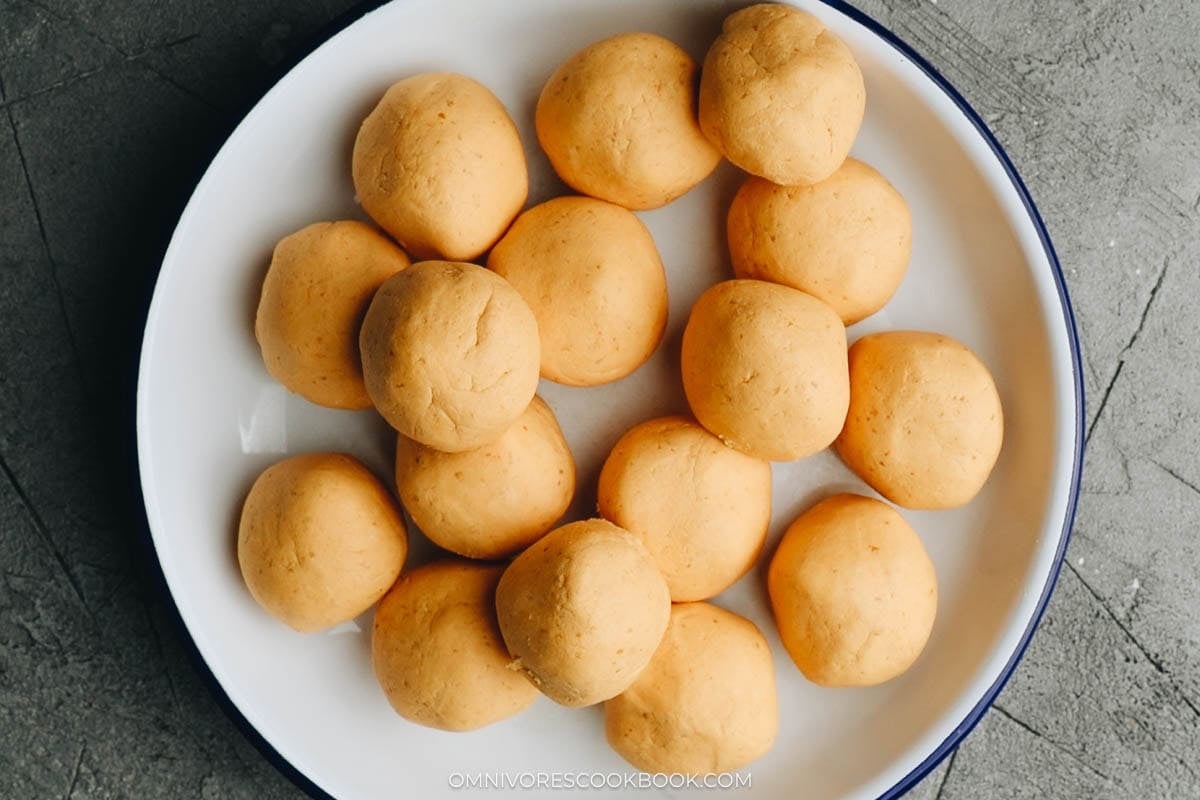
- Dough Synthesis: Glutinous rice flour is systematically incorporated into pumpkin puree in measured intervals. Continuous whisking transitions into manual kneading until the dough achieves a uniform, clay-like consistency that is structurally cohesive yet minimally tacky.
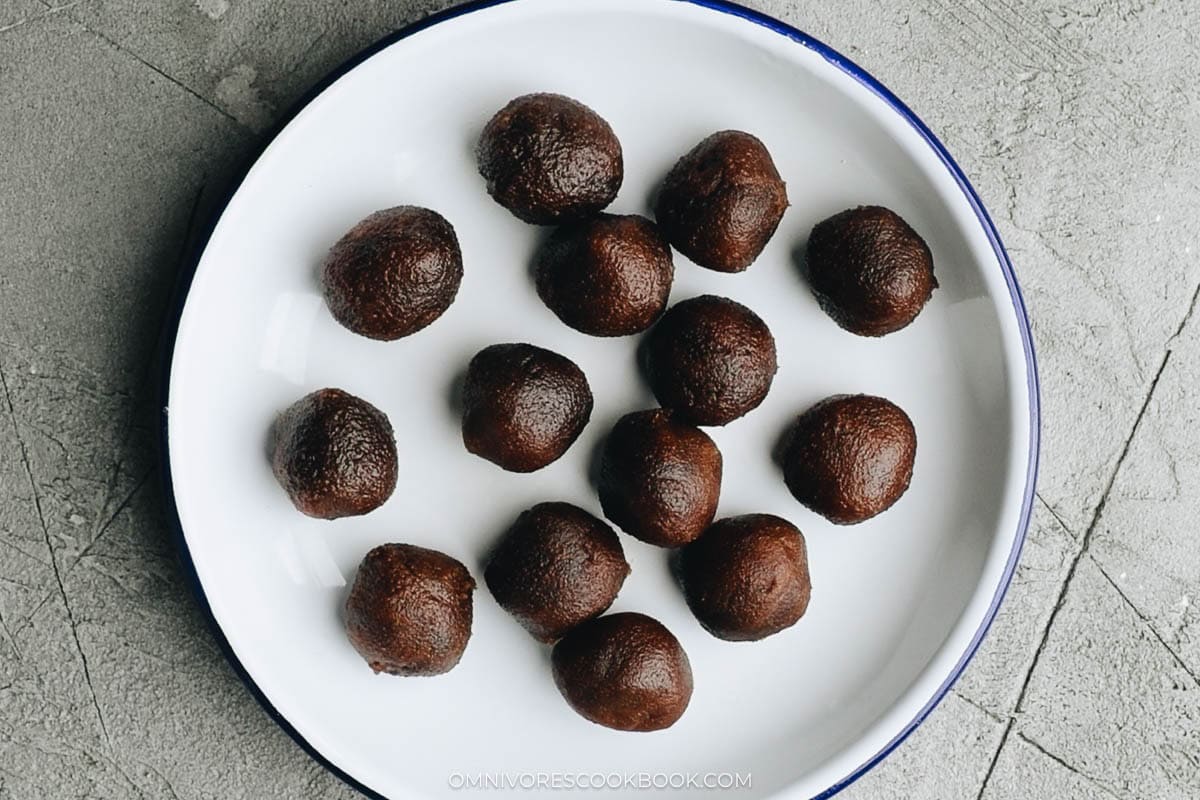
- Portioning and Filling: To ensure even thermodynamic conductivity during cooking, dough masses are strictly portioned by weight—typically averaging 41 grams per unit—while fillings (traditionally red bean or sweetened black sesame paste) are rolled into uniform two-gram spheres.
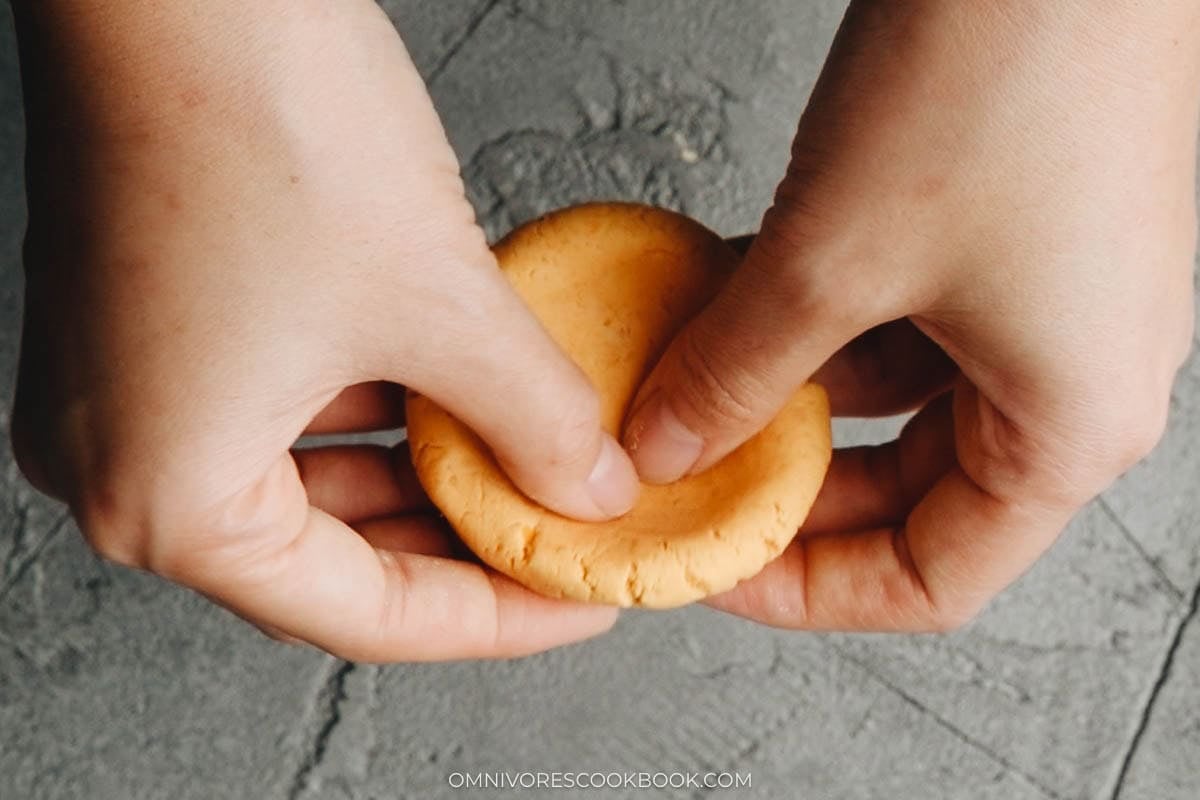
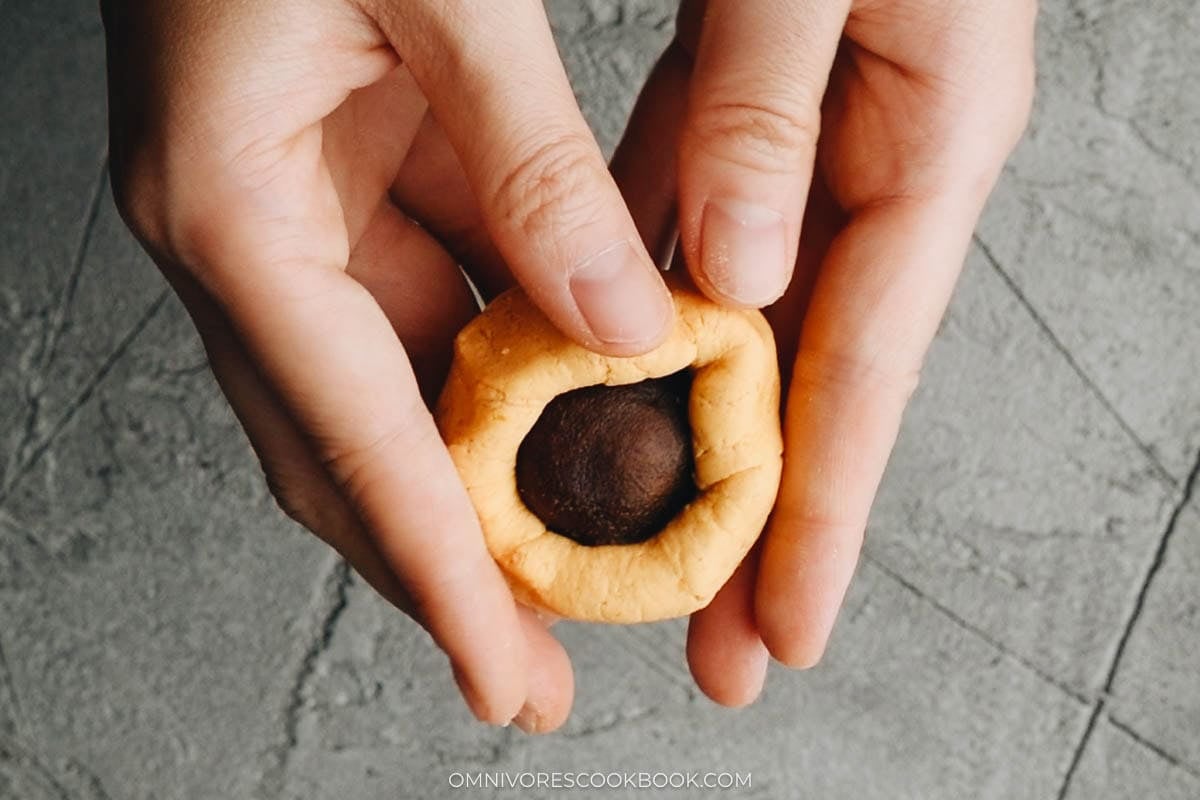
- Encapsulation: The dough is flattened into a disc approximately two inches in diameter, wrapped securely around the filling, and gently compressed into a 1/2-inch thick medallion to prevent structural blowouts during heating.
- Thermal Processing: Chefs may choose between traditional shallow-frying in neutral oil over medium-low heat for precise crust browning, or convective air-frying at 350°F for ten minutes, ensuring a balance between interior gelatinization and exterior crispness.
Broader Economic and Market Implications
The rising prominence of Nan Gua Bing in Western culinary media reflects a broader macroeconomic shift in the global food supply chain. The increased accessibility of Asian specialty ingredients—such as glutinous rice flour, canned red bean paste, and specialized pumpkin varieties like Kabocha and Red Kuri—through mainstream supermarket chains and e-commerce platforms has dismantled historical barriers to entry for international home cooking.
Furthermore, food industry analysts attribute the surge in popularity of items like Nan Gua Bing to the "global comfort food" movement accelerated by digital media platforms. Short-form video demonstrations highlighting the hypnotic tactile properties of the dough and the satisfying acoustic crunch of the breadcrumb crust have garnered millions of impressions, driving consumer demand for authentic, culturally rich recipes that can be executed within a 40-minute window.
As international palates continue to embrace diverse textural profiles—moving beyond Western paradigms of purely baked or creamy desserts toward the chewy, resilient textures characteristic of East Asian confectionery—Nan Gua Bing stands out as a resilient culinary bridge, uniting centuries-old agrarian resourcefulness with modern gastronomic innovation.