The culinary landscape of the Caribbean, particularly within the Dominican Republic, has long been anchored by a foundational philosophy of resourcefulness and zero-waste kitchen management. In households where rice serves as a daily dietary staple, batches are frequently prepared in excess to ensure readiness for subsequent meals. This practice of retaining cooked grains in cold storage has given rise to a diverse, culturally rich culinary sub-genre dedicated exclusively to the transformation of leftover starches. Food historian and recipe developer Clara Gonzalez, publishing through DominicanCooking.com, has formally cataloged a definitive collection of nine distinct preparations designed to repurpose day-old refrigerator rice into commercially viable, culturally resonant family dishes.
The publication of this curated recipe list on October 15, 2026, highlights a broader global shift toward sustainable home economics and kitchen waste reduction. Culinary economists note that maximizing leftover ingredients is increasingly relevant to household budgeting amid fluctuating global food prices. By systematically documenting methods to revitalize chilled grains, culinary platforms are preserving heritage cooking techniques while offering practical solutions for modern domestic kitchens.
Historical Roots and Evolution of Leftover Rice Utilization
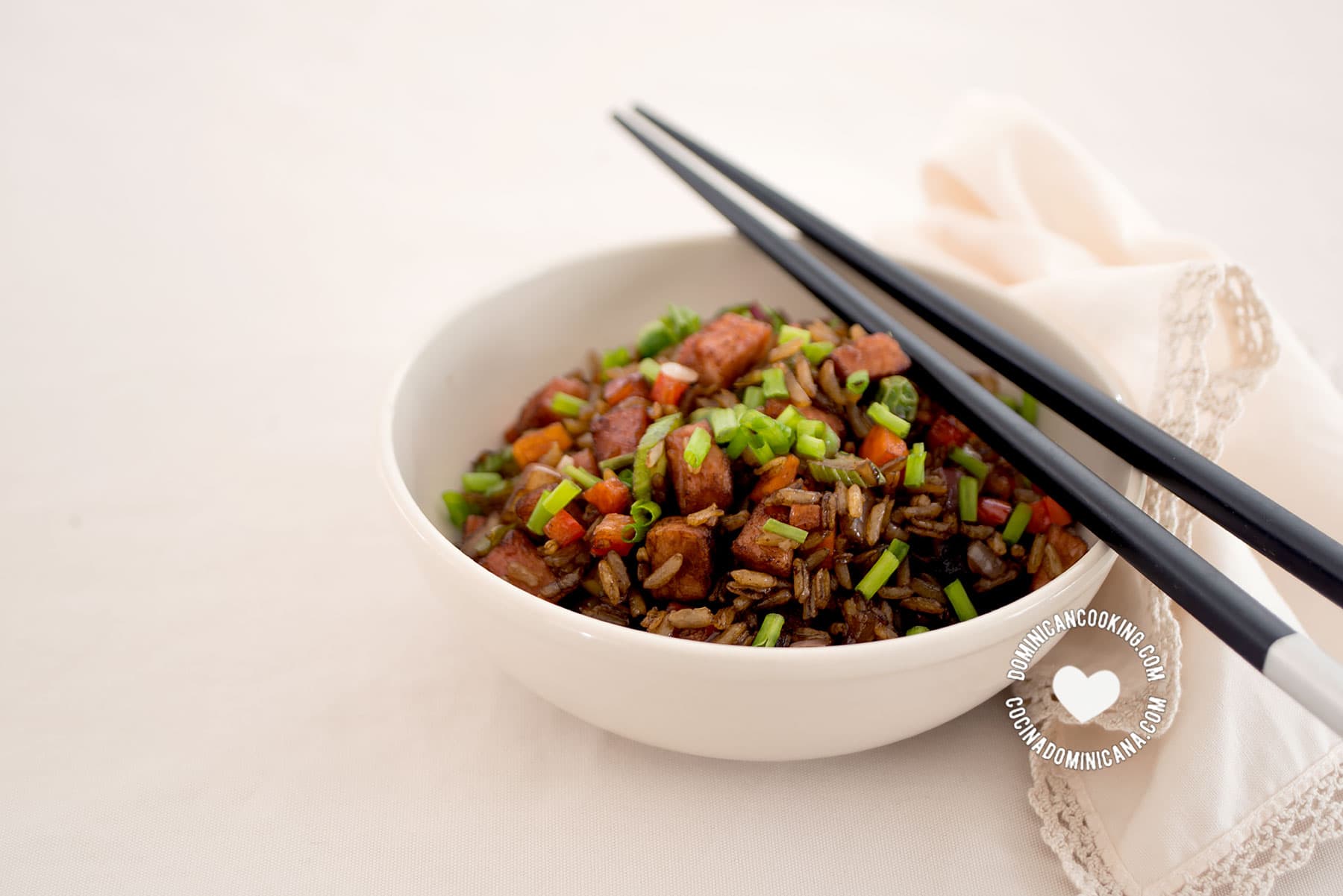
The practice of repurposing cooked rice is deeply embedded in the historical intersection of trade, immigration, and agricultural availability in the Dominican Republic. Long before modern refrigeration, Caribbean cooks devised methods to extend the shelf life of grains and repurpose them safely. The most prominent historical milestone in this culinary evolution occurred during the first half of the twentieth century, with the arrival of Chinese immigrants who integrated their native techniques—specifically wok-tossed fried rice methods—into the local Caribbean flavor profile.
This cultural synthesis resulted in dishes like Dominican Chofan, a localized adaptation of Chinese fried rice that relies fundamentally on chilled, day-old rice. Because freshly cooked grains contain high moisture levels, which cause them to clump and steam when subjected to high heat, chilled leftover rice provides the ideal structural integrity and dry starches required for optimal frying. Over decades, this pragmatic kitchen habit expanded beyond Asian-Caribbean fusion to encompass traditional sweets, savory casseroles, stuffed vegetables, and light midday salads.
Comprehensive Breakdown of the Nine Leftover Rice Recipes
Gonzalez’s curated index categorizes leftover rice applications across multiple culinary domains, bridging sweet desserts, hearty main courses, and portable salads.
-
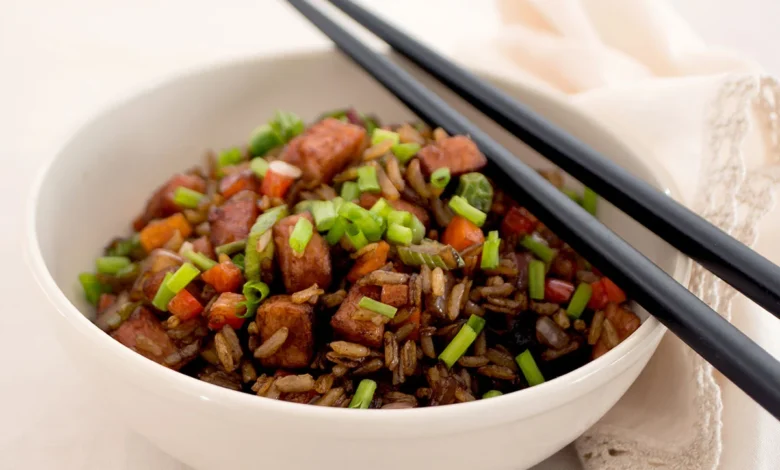
Chofan (Dominican-Chinese Fried Rice)
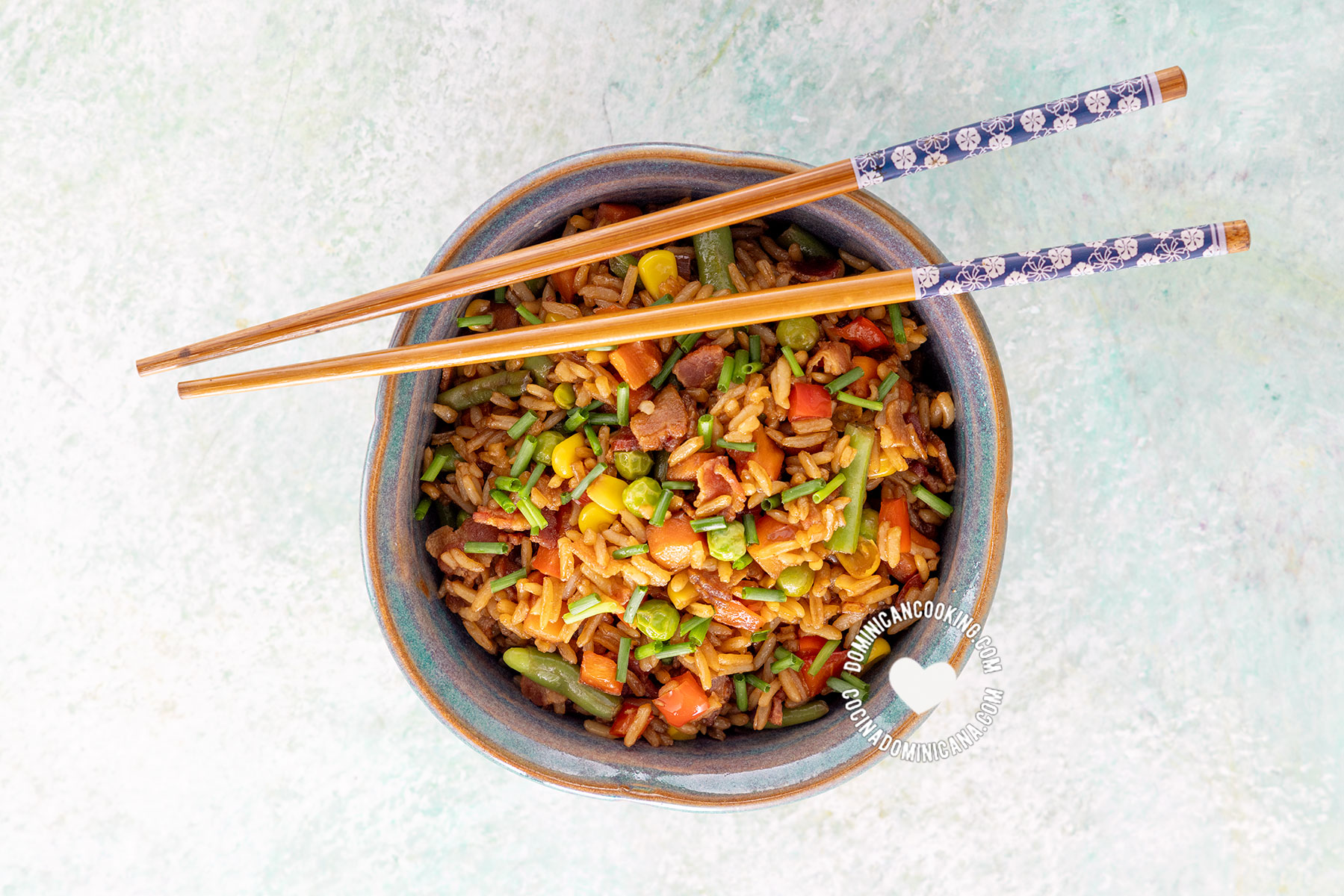
Serving as the premier entry in the collection, this dish represents the historic fusion of Chinese immigrant culinary traditions with Caribbean seasonings. Requiring approximately six servings, Chofan utilizes cold white rice tossed in a hot wok or skillet with proteins, vegetables, and soy-based seasonings. The use of refrigerated rice prevents the grains from breaking down, ensuring a distinct, separate texture that defines authentic fried rice.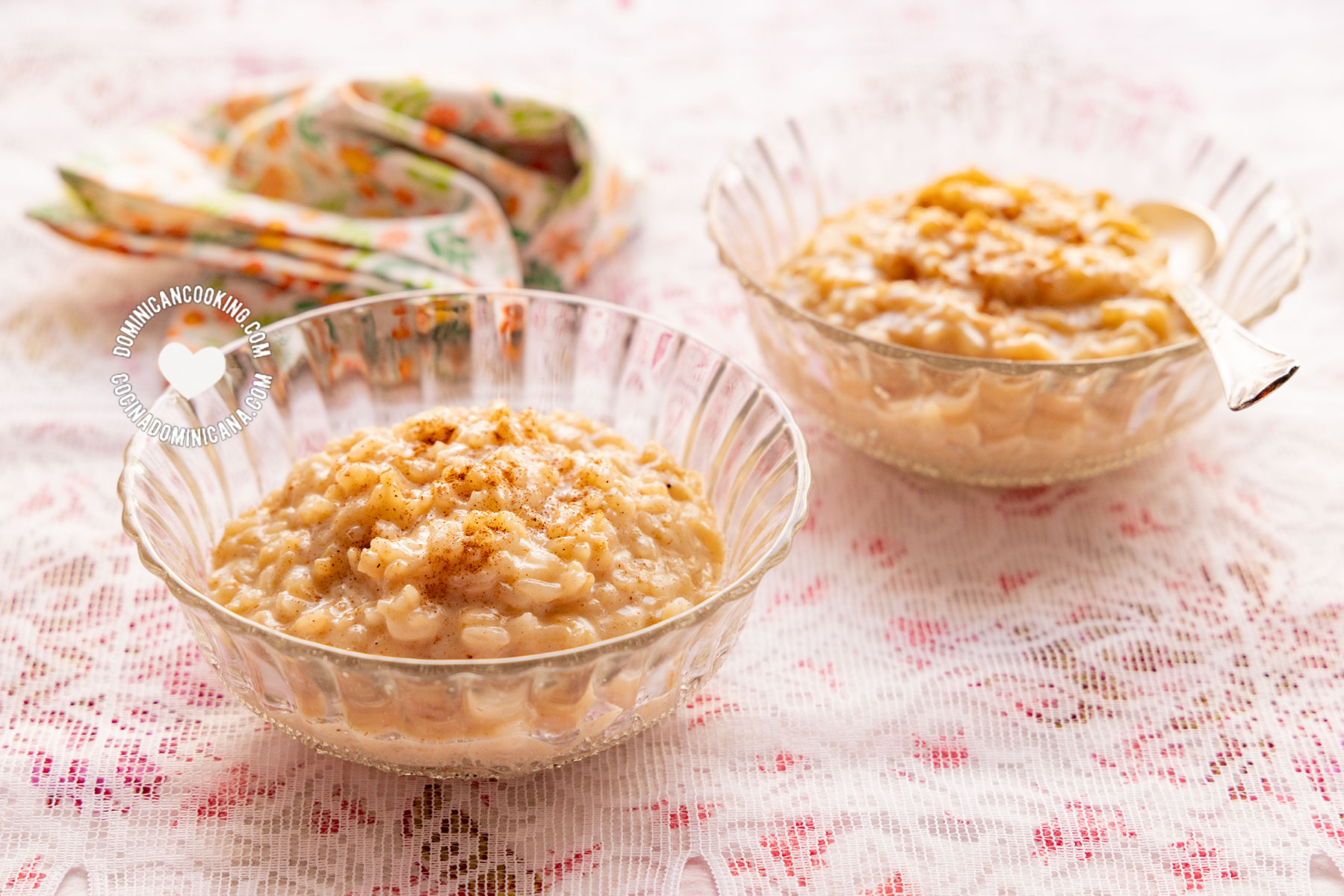
-
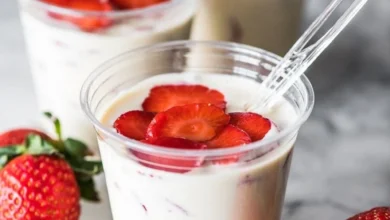
Arroz con Leche with Leftover Rice
Traditionally, Latin American rice pudding requires simmering raw rice in milk and spices for an extended duration. By utilizing pre-cooked leftover rice, this adaptation drastically reduces preparation and cooking time to a fraction of the original requirement. Designed for four servings, the technique breaks down the starches rapidly in sweetened milk, yielding a smooth, creamy dessert without compromising traditional flavor profiles scented with cinnamon and citrus peel. -
Arroz Amarillo (Spanish Yellow Rice)
This vibrant side dish demonstrates how simple white rice can be visually and gustatorily transformed using seasonings such as achiote, turmeric, or commercial seasoning packets containing garlic and onion. Designed to yield four servings, the recipe incorporates leftover rice by warming it through a seasoned broth or oil base, coating each grain in a golden hue while infusing fresh aromatics. -
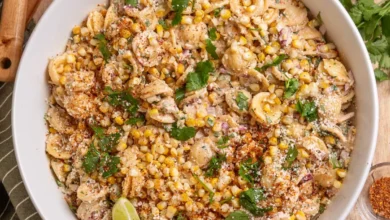
Ensalada de Arroz (Rice Salad)
Positioned as a staple for family gatherings, potlucks, and outdoor summer parrilladas, the Dominican rice salad repurposes four servings of leftover grains into a cold, refreshing side dish. By combining chilled rice with crisp vegetables, herbs, and occasionally tropical fruits like pineapple, the dish offers a stark textural contrast to heavy, hot meals.
-
Pastelón de Arroz (Rice Casserole)
Addressing the demand for hearty, complete dinner solutions, this six-serving casserole layers leftover white rice with seasoned ground meat and a generous topping of cheese. Baked until golden and bubbly, the pastelón acts as a structural vehicle for leftovers, binding disparate ingredients into a cohesive, sliceable main course. -
Niño Envuelto (Cabbage, Rice, and Beef Pockets)
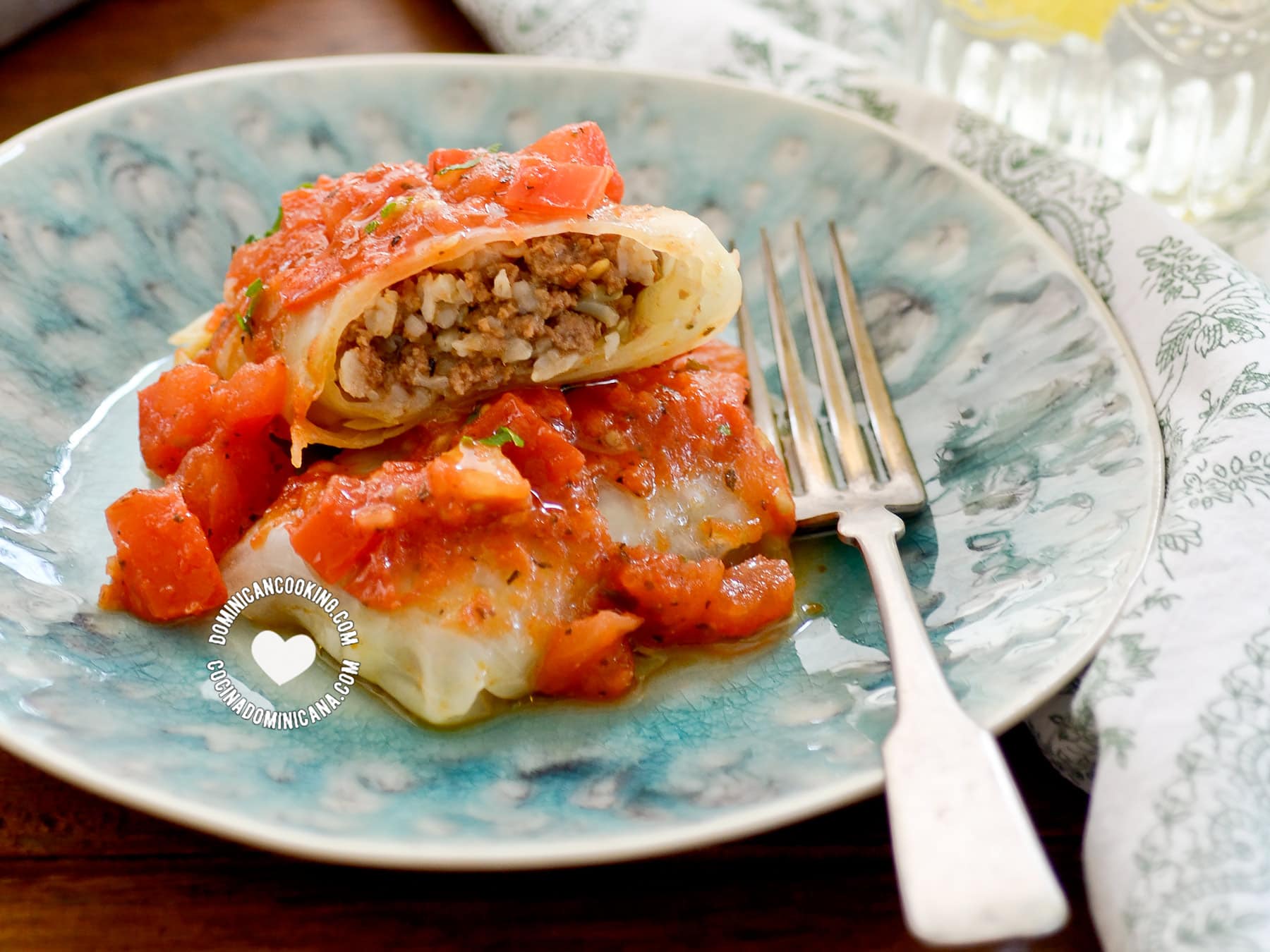
Traditionally labor-intensive, the Dominican adaptation of stuffed cabbage rolls receives a significant efficiency upgrade in this collection. By utilizing pre-cooked leftover rice for the meat and grain stuffing, the active preparation time is substantially shortened. The cabbage leaves encase the savory mixture, braising in a rich tomato-based sauce to feed six diners. -
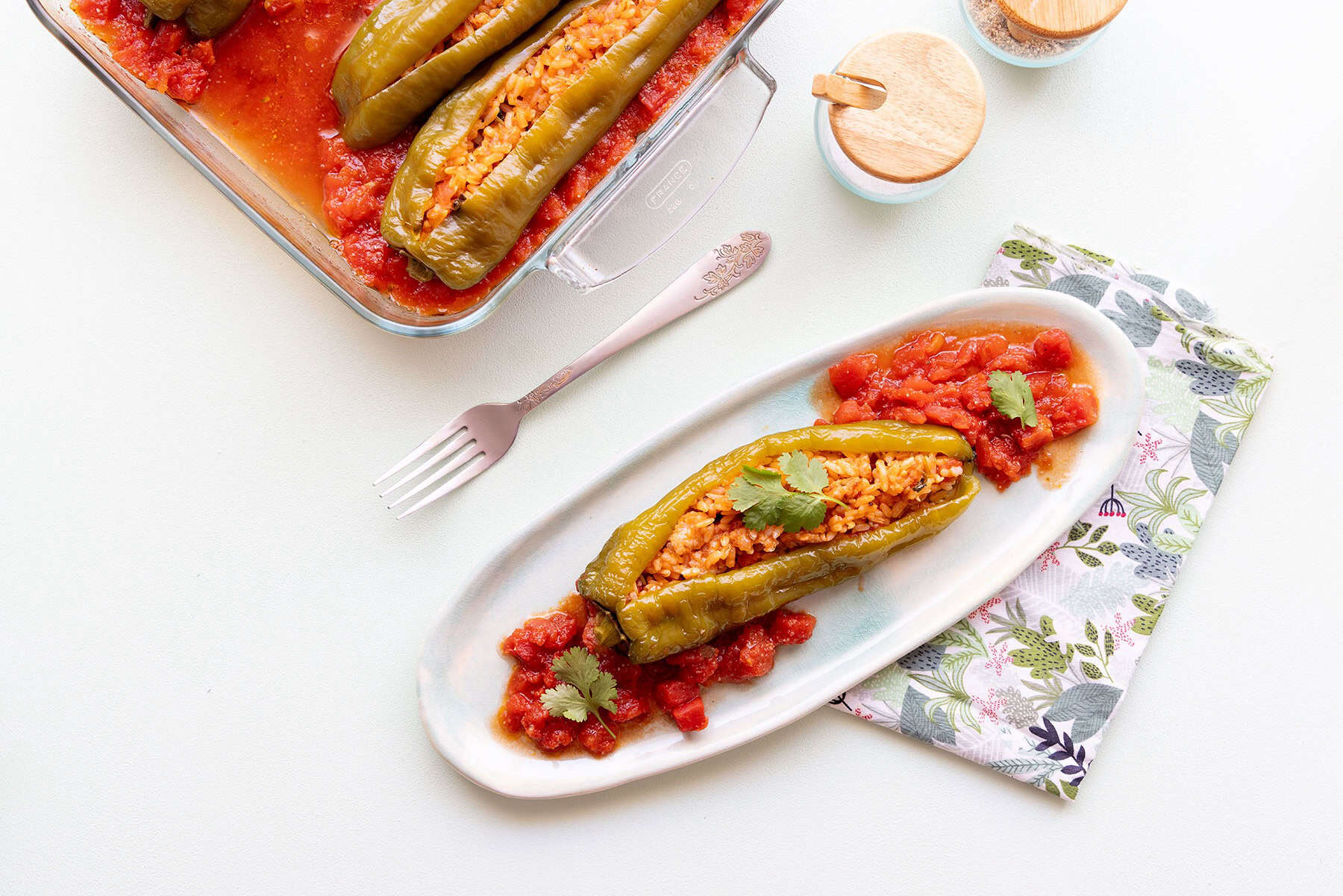
Stuffed Cubanelle Peppers
Capitalizing on the abundance of regional sweet peppers, this dish utilizes leftover rice combined with seasoned ground meats or vegetables to stuff hollowed-out Cubanelle peppers. Baked until tender, the dish functions as a standalone, nutritionally balanced dinner entrée that minimizes food waste while maximizing flavor absorption.
-
Baked Stuffed Rice Balls (Arancini-Inspired)
Offering an alternative to traditional deep-frying methods, this appetizer adapts classic Italian arancini concepts for the modern home cook. Leftover rice is mixed with binding agents and cheese, formed around a savory core, and baked in a conventional oven or air fryer. This technique reduces the total fat content while delivering a crispy exterior and a molten interior suitable for family gatherings. -
Quail Egg and Rice Salad
Rounding out the collection is a protein-rich, vegetable-dense salad that pairs leftover rice with delicate quail eggs and crisp garden produce. Serving as a light dinner option or an elaborate side dish, this recipe highlights the versatility of cold grains as a base for nutrient-dense mix-ins.
Nutritional and Economic Implications

Food waste researchers emphasize that maximizing the utility of cooked grains contributes significantly to household food security and sustainability metrics. Rice, while inexpensive, represents a notable investment of water and energy resources during its agricultural production and initial cooking phases. Discarding uneaten portions translates to a loss of both financial capital and natural resources.
From a nutritional perspective, cooling cooked rice initiates a retrogradation process wherein digestible starches convert partially into resistant starches. Nutritionists note that resistant starch functions similarly to dietary fiber, potentially improving glycemic response and supporting gut health when the rice is reheated or consumed cold in preparations such as salads. The integration of proteins—such as the ground meats in the pastelón and niñitos, or the quail eggs in the final salad recipe—transforms a simple carbohydrate leftover into a balanced, macro-nutrient-complete meal.
Public Reception and Cultural Significance
The release of Gonzalez’s compendium has resonated broadly across digital culinary communities, sparking widespread discussion regarding intergenerational cooking habits. Culinary commentators have observed that recipes rooted in frugality often harbor the deepest cultural authenticity, as they reflect the historical ingenuity of home cooks working within strict economic constraints.
Feedback gathered across related blogging platforms indicates that home cooks particularly value the time-saving attributes of utilizing pre-cooked grains for complex dishes like arroz con leche and stuffed cabbage rolls. By lowering the barrier to entry for time-consuming traditional recipes, these methods encourage younger generations to maintain cultural cooking practices within fast-paced modern lifestyles.
Future Outlook for Waste-Conscious Domestic Cooking
As digital platforms continue to archive and promote traditional heritage recipes, kitchen practices once viewed merely out of necessity are being reframed as conscious culinary choices. The structured categorization provided by DominicanCooking.com and its affiliated platforms establishes a replicable model for other culinary traditions seeking to document waste-reduction strategies.
Industry analysts predict that instructional content focusing on ingredient recycling and time optimization will remain a dominant trend in digital food media. By validating the use of leftovers through professionally tested and photographed recipes, culinary developers like Clara Gonzalez ensure that historical resourcefulness continues to adapt and thrive in contemporary kitchens worldwide.